Sugarcane Straws & Compliance: PFAS-Free, EPR-Ready Guide

De bezorgdheid over het milieu neemt toe en bedrijven staan onder ongekend toezicht. De mondiale crisis van plasticvervuiling heeft het publieke bewustzijn veranderd, waarbij zowel consumenten als regelgevers echt duurzame alternatieven eisen. Toch is het ‘milieuvriendelijke’ landschap beladen met misleidende beweringen en verborgen gevaren. Zijn uw huidige ‘groene’ oplossingen werkelijk compliant, veilig en toekomstbestendig?
Dit gaat niet alleen over optica; het gaat over een fundamentele marktimperatief. De verwachting is dat de milieuvriendelijke stromarkt een duizelingwekkende omvang zal bereiken25,1 miljard dollar in 2035, stijgend van 12,3 miljard dollar in 2025 met een robuuste samengestelde jaarlijkse groei (CAGR) van 7,3%. Deze exponentiële groei is niet alleen een trend; het is een directe reactie op het toenemende milieubewustzijn en een steeds snellere golf van strenge regelgeving. Het blindelings najagen van deze groei zonder diepgaand inzicht in compliance kan echter leiden tot aanzienlijke financiële boetes, onherstelbare reputatieschade en uiteindelijk tot verraad aan het vertrouwen van de consument.
Veel bedrijven navigeren onbewust door een mijnenveld en adopteren ‘milieuvriendelijke’ stro-alternatieven die niet voldoen aan kritische nalevingsnormen. Dit kan hen blootstellen aan beschuldigingen van greenwashing, consumentenreacties en, alarmerend genoeg, het risico om onbewust schadelijke “forever chemicaliën” zoals PFAS in hun toeleveringsketen en, bij uitbreiding, in de handen van hun klanten te introduceren. Het onzichtbare risico is reëel en de gevolgen voor niet-naleving worden steeds ernstiger. Voor vooruitstrevende B2B-ondernemingen is het begrijpen van dit complexe web van regelgeving en opkomende bedreigingen niet alleen raadzaam; het is essentieel voor de levensvatbaarheid op de lange termijn en concurrentievoordeel.

Het compliance-doolhof ontcijferen: greenwashing, PFAS en de regelgevende hamer
De reis naar echte duurzaamheid is geplaveid met ingewikkelde regelgevingskaders en evoluerend wetenschappelijk inzicht. Wat gisteren als “groen” werd beschouwd, kan vandaag als onvoldoende of zelfs schadelijk worden beschouwd. Voor bedrijven die actief zijn in de foodservice-, horeca- en retailsector is het van het grootste belang om deze curve voor te blijven.
Het evoluerende regelgevingslandschap: een mondiale verschuiving
Regeringen over de hele wereld ondernemen agressieve actie om de plasticvervuiling tegen te gaan, waardoor een dynamische en vaak uitdagende omgeving voor bedrijven ontstaat.
- Global Bans & Restrictions: De EU-richtlijn inzake kunststoffen voor eenmalig gebruik (SUPD), dat sinds 2021 van kracht is, heeft in de lidstaten al een harde stop gezet op verschillende plastic voorwerpen voor eenmalig gebruik, waaronder rietjes. Deze richtlijn richt zich specifiek op zelfs ‘bio-sourced’ kunststoffen als deze onder de definitie van plastic vallen. Vooruitkijkend, het komende Verordening verpakking en verpakkingsafval (PPWR), dat naar verwachting in 2025 van kracht zal worden, zal nog strengere regels invoeren, waarbij de nadruk wordt gelegd op recycleerbaarheid en herbruikbaarheid van verpakkingen die met voedsel in aanraking komen, en met name een volledig verbod op PFAS in voedselverpakkingen tegen augustus 2026. Buiten Europa zullen de nationale normen van China, zoals GB/T 41008-2021, stellen nu technische en biologische afbreekbaarheidseisen vast voor rietjes, waarbij goedgekeurde biologisch afbreekbare kunststoffen die in contact komen met voedsel of natuurlijke polymere materialen verplicht worden gesteld. In de Verenigde Staten hebben, hoewel er geen federaal verbod bestaat, talrijke staten en grote steden het voortouw genomen. Californië, New York, Maine, Oregon en tal van anderen hebben al wetten aangenomen die plastic rietjes voor eenmalig gebruik beperken of verbieden, waarbij vaak gecertificeerde composteerbare alternatieven vereist zijn. Zo verbood de New Yorkse Hazardous Packaging Act vanaf 31 december 2022 het opzettelijk toevoegen van PFAS aan voedselverpakkingen.
- Uitgebreide producentenverantwoordelijkheid (EPR) is er: Misschien wel een van de belangrijkste verschuivingen die van invloed zijn op verpakkingsproducenten is de opkomst van Uitgebreide producentenverantwoordelijkheid (EPR) wetgeving. Dit beleid herdefinieert verantwoordelijkheid fundamenteel, waardoor de financiële en operationele lasten van het beheer van producten aan het einde van hun levensduur – van inzameling en sortering tot recycling en verwijdering – worden verlegd van gemeenten en belastingbetalers naar de producenten zelf. Staten als Maine, Oregon, Californië, Colorado en Minnesota hebben al uitgebreide EPR-wetgeving voor verpakkingen aangenomen, en er staan er nog meer in het verschiet. Een cruciaal onderdeel van deze programma's is eco-modulatie, waar producentenvergoedingen worden aangepast op basis van de milieu-impact van hun verpakkingen. Merken die echt recycleerbare, herbruikbare of composteerbare materialen gebruiken, of hoge percentages post-consumer gerecyclede inhoud bevatten, kunnen profiteren van lagere kosten. Omgekeerd worden degenen die afhankelijk zijn van moeilijk te recyclen of niet-conforme materialen met hogere kosten geconfronteerd. Dit biedt bedrijven een krachtige economische stimulans om prioriteit te geven aan circulair ontwerp en werkelijk duurzame materiaalkeuzes. De baanbrekende EPR in Californië schrijft a 25% vermindering van plastic verpakkingen en 100% recycleerbaarheid of composteerbaarheid in 2032, wat de agressieve doelstellingen aantoont die bedrijven nu moeten nastreven. De wet van Minnesota streeft ernaar dat producenten tegen 2031 tot 90% van de kosten van het recyclingsysteem in de hele staat moeten dekken en dat alle verpakkingen tegen 2032 herbruikbaar, recyclebaar, composteerbaar of ingezameld moeten zijn via een goedgekeurd terugwinningssysteem.

Het Greenwashing-mijnenveld: meer dan alleen ‘biologisch afbreekbaar’
De belofte van “milieuvriendelijk” is uitgebuit, wat heeft geleid tot wijdverbreide greenwashing die het consumentenvertrouwen ondermijnt en bedrijven blootstelt aan juridische risico’s. Vooral de term ‘biologisch afbreekbaar’ is een vaak voorkomende boosdoener.
- FTC Groene Gidsen: De Federal Trade Commission (FTC) Groene Gidsen vormen in de VS het definitieve raamwerk voor het vermijden van misleidende milieumarketingclaims. Hoewel ze zelf geen wetten zijn, interpreteren ze hoe het verbod van de FTC Act op oneerlijke of bedrieglijke praktijken van toepassing is op milieureclame. Brede, ongekwalificeerde beweringen als ‘milieuvriendelijk’ zijn vrijwel onmogelijk te onderbouwen en worden doorgaans als misleidend beschouwd. Claims van “composteerbaar” vereisen robuust wetenschappelijk bewijs daarvoor alle materialen in het product worden veilig en snel afgebroken tot bruikbare compost in een geschikte composteerinstallatie of thuiscomposteerstapel. Deze beperking is van cruciaal belang als industriële compostering vereist is en dergelijke faciliteiten niet algemeen beschikbaar zijn voor consumenten op de relevante markt moeten duidelijk openbaar worden gemaakt. De FTC waarschuwt specifiek voor ‘biologisch afbreekbare’ claims voor artikelen die bestemd zijn voor stortplaatsen, verbrandingsovens of recyclingfaciliteiten als ze niet binnen een jaar kapot gaan, omdat deze omgevingen over het algemeen niet bevorderlijk zijn voor snelle ontbinding. De FTC heeft een geschiedenis van handhavingsacties tegen bedrijven die ongefundeerde beweringen doen over ‘biologisch afbreekbaar plastic’. Voor bedrijven die deze wateren veilig willen bevaren, raadpleeg de FTC Groene Gidsen is een essentiële eerste stap.
- Het PLA-probleem: Veel bioplastics, zoals polymelkzuur (PLA), worden vaak op de markt gebracht als ‘composteerbaar’. Hoewel technisch waar, vereist PLA doorgaans zeer specifieke industriële composteringsomstandigheden – aanhoudende hoge hitte en gecontroleerde vochtigheid – om effectief af te breken. Als dergelijke faciliteiten niet gemakkelijk toegankelijk zijn voor eindgebruikers, vormt het op de markt brengen van PLA-producten als eenvoudigweg “composteerbaar” zonder de juiste kwalificatie greenwashing. Bovendien kan verkeerde etikettering ertoe leiden dat PLA de recyclingstromen vervuilt als het verkeerd wordt gesorteerd, waardoor het afvalbeheer nog complexer wordt.
De alarmerende waarheid: PFAS in “milieuvriendelijke” rietjes
Misschien wel de meest verraderlijke bedreiging die op de loer ligt op de ‘milieuvriendelijke’ stromarkt is de verborgen aanwezigheid vanPFAS(per- en polyfluoralkylstoffen). Deze “forever chemicaliën” zijn een groep synthetische chemicaliën die niet op natuurlijke wijze worden afgebroken in het milieu of het menselijk lichaam.
- Forever chemicaliën blootgesteld: Recente onderzoeken hebben een schokkende realiteit aan het licht gebracht: veel zogenaamd “milieuvriendelijke” rietjes van papier (tot 90%) en bamboe (tot 80%) bevatten PFAS. Deze chemicaliën worden opzettelijk toegevoegd om water- en vetbestendigheid te bieden, of zijn aanwezig vanwege vervuiling in de grondstoffen. Het alarmerende aspect is dat PFAS rechtstreeks uit het rietje in dranken kunnen lekken, wat leidt tot directe inname door consumenten. Deze “forever chemicaliën” houden verband met een groot aantal ernstige gezondheidsproblemen, waaronder reproductieve problemen, ontwikkelingsachterstanden, verschillende vormen van kanker en hormonale onevenwichtigheden. Deze ontdekking gooit een cruciale sleutel in de waargenomen duurzaamheid van veel populaire ‘groene’ alternatieven.
- Globale beperkingen: De mondiale reactie op PFAS versnelt. Zoals gezegd zal de PPWR van de EU een volledig verbod op PFAS in voedselverpakkingen doorvoeren Augustus 2026. Meerdere Amerikaanse staten, waaronder Californië, New York, Maryland en Washington, hebben al een verbod op PFAS in voedselverpakkingen uitgevaardigd, en de FDA heeft een vrijwillige uitfasering door fabrikanten aangekondigd van PFAS die worden gebruikt als vetwerend middel in papieren en kartonnen voedselverpakkingen. Het regelgevingsnet wordt strenger, en bedrijven die er niet in slagen om PFAS in hun producten aan te pakken, lopen het risico van zware boetes en het in de steek laten van consumenten. Roestvrijstalen rietjes behoorden tot de enige soorten waarvan in onderzoeken consequent werd vastgesteld dat ze PFAS-vrij zijn.
Om het landschap te helpen visualiseren, moet u rekening houden met de gangbare soorten stro en hun uitdagingen op het gebied van naleving:
Tabel 1: Milieuvriendelijke soorten stro en hun uitdagingen op het gebied van naleving
| Soort stro | Primair materiaal | Belangrijkste milieuvoordelen | Veel voorkomende uitdagingen op het gebied van compliance/greenwashing | PFAS-risico (gerapporteerd) |
|---|---|---|---|---|
| Plastic | Polypropyleen (PP), PS | Lage kosten | Niet biologisch afbreekbaar, vervuilt oceanen, microplastics, onderworpen aan verboden (EU SUPD, Amerikaanse staten) | Laag |
| Papier | Houtpulp | Biologisch afbreekbaar, Recyclebaar (ongecoat) | Vaak gecoat met plastic/PFAS voor duurzaamheid, wordt drassig, niet-composteerbaar als gecoat met plastic, hoog energie-/waterverbruik bij de productie,Hoog PFAS-risico (tot 90%) | Hoog |
| PLA Bioplastic | Maïszetmeel, Suikerriet (gefermenteerd) | Plantaardig, Composteerbaar | Vereist industriële compostering (niet algemeen beschikbaar), greenwashing indien niet gekwalificeerd, kan traditionele recyclingstromen vervuilen, kan weekmakers bevatten, sommige bronnen melden nog steeds PFAS in bioplastics | Gematigd |
| Bamboe | Bamboevezel | Hernieuwbaar, biologisch afbreekbaar | De duurzaamheid varieert, kan splinteren, vereist vaak specifieke verwijdering, sommige verwerkte bamboe bevat additieven,Hoog PFAS-risico (tot 80%) | Hoog |
| Herbruikbaar (metaal, glas, siliconen) | Roestvrij staal, borosilicaatglas, siliconen | Geen afval, duurzaam | Vereist was-, transport- en opslaginfrastructuur; CO2-voetafdruk van de productie, kans op breuk (glas), hygiënische problemen als deze niet goed worden schoongemaakt;Over het algemeen PFAS-vrij (roestvrij staal) | Laag |
| Bagasse van suikerriet | Suikerrietvezels (bagasse) | Echt circulair, gecertificeerd composteerbaar, PFAS-vrij | Initiële kosten iets hoger dan die van plastic, vereisen een goede composteringsinfrastructuur voor het einde van de levensduur (industrieel/thuis) | Geen gedetecteerd |

Sugar Cane Straws: Your Blueprint for Uncompromised Sustainability & Compliance
In dit complexe en vaak misleidende landschap hebben kritische bedrijven behoefte aan een duidelijke, betrouwbare en werkelijk duurzame oplossing. Rietjes van suikerriet, afgeleid van suikerrietbagasse – een gemakkelijk verkrijgbaar bijproduct uit de landbouw – onderscheiden zich als een eersteklas alternatief dat niet alleen voldoet aan de huidige en toekomstige nalevingsvereisten, maar deze vaak zelfs overtreft. Ze bieden een unieke mix van milieuvriendelijkheid, robuuste prestaties en volledige transparantie.
Ongeëvenaarde milieureferenties
MOMOIŌ suikerrietrietjes zijn niet alleen “groen”; ze vertegenwoordigen een echte toewijding aan circulariteit en milieu-integriteit.
- Truly Plant-Based & Circular: Onze rietjes zijn gemaakt van 100% hernieuwbare suikerrietvezels en transformeren op ingenieuze wijze landbouwafval in een waardevol product. Deze gesloten-lusbenadering vermindert de afhankelijkheid van nieuwe grondstoffen aanzienlijk en verlaagt de CO2-voetafdruk van het product drastisch in vergelijking met plastic, papier of zelfs sommige bioplastics. Door bagasse te gebruiken, een materiaal dat anders zou worden weggegooid of verbrand, dragen we bij aan een duurzamer landbouwecosysteem.
- Certified Biodegradable & Compostable: Het onderbouwen van milieuclaims met geloofwaardige certificeringen van derden is niet onderhandelbaar. MOMOIŌ suikerrietrietjes voldoen aan de hoogste wereldwijde normen voor composteerbaarheid:
- BPI Industrieel gecertificeerd (Noord-Amerika – houdt zich aan ASTM D6400 En ASTM D6868). Deze certificering garandeert dat onze rietjes efficiënt worden afgebroken in industriële composteringsinstallaties.
- TÜV AUSTRIA OK Compost Industrial & OK Compost Home Certified (Europa – voldoet aan EN 13432, ISO14855/20200). Deze dubbele certificering is van cruciaal belang, omdat het de veilige en effectieve composteerbaarheid valideert in zowel grootschalige industriële omgevingen als minder gecontroleerde thuiscomposteringsomgevingen. Deze brede toepasbaarheid vereenvoudigt de verwijderingsmogelijkheden voor zowel consumenten als bedrijven.
Deze strenge certificeringen bevestigen dat onze rietjes op natuurlijke wijze biologisch afbreekbaar zijn en transformeren in voedingsrijke compost 60-90 dagen in industriële compostomgevingen, waarbij geen schadelijke resten of microplastics achterblijven. Voor een beter begrip van deze cruciale certificeringen kunt u bronnen raadplegen van gerenommeerde organisaties zoals de Instituut voor Biologisch Afbreekbare Producten (BPI).
- PFAS-Free & Pure: In een tijdperk waarin ‘forever chemicaliën’ een lange schaduw werpen over veel ‘milieuvriendelijke’ alternatieven, bieden MOMOIŌ suikerrietrietjes volledige gemoedsrust. Wij zijn gegarandeerd PFAS-vrij, waardoor de gezondheidsrisico's en zorgen over greenwashing die verband houden met papier- en bamboerietjes worden geëlimineerd. Bovendien zijn onze rietjes vrij van BPA, de “5 plastics” (PP, PE, PS, PVC, PET), ftalaten, petroleum, bleekmiddel, zware metalen en gluten. Veel van onze opties zijn dat ook PLA-vrij, waardoor de verwijdering verder wordt vereenvoudigd en echte milieu-integriteit wordt gewaarborgd zonder afhankelijk te zijn van bioplastics waarvoor mogelijk gespecialiseerde industriële faciliteiten nodig zijn. Deze toewijding aan zuiverheid betekent dat uw merk vol vertrouwen een veilige, schone en echt duurzame ervaring kan beloven.
Superieure prestaties voor uw activiteiten
Duurzaamheid mag nooit ten koste gaan van functionaliteit of klantervaring. MOMOIŌ suikerrietrietjes zijn ontworpen voor uitmuntendheid in veeleisende B2B-omgevingen.
- Uitzonderlijke duurzaamheid: Zeg vaarwel tegen dunne, doorweekte rietjes die halverwege het drankje oplossen. In tegenstelling tot papieren rietjes die vaak snel afbreken, behouden suikerrietrietjes urenlang hun stevigheid en functionaliteit in zowel warme als koude dranken. Dit zorgt voor een consistente, eersteklas klantervaring en voorkomt smaakverandering en frustrerende desintegratie. Uw klanten zullen het vertrouwde gevoel en de betrouwbare prestaties waarderen, waardoor uw merk wordt geassocieerd met kwaliteit, zelfs bij milieubewuste keuzes.
- Voedselcontactveiligheid verzekerd: Gezondheid en veiligheid staan voorop. Onze suikerrietrietjes voldoen volledig aan de strenge mondiale voedselveiligheidsvoorschriften, waaronder: Goedkeuring door de Amerikaanse FDA En EU-10/2011, onderdeel van het bredere KADERVERORDENING (EG) Nr. 1935/2004 op materialen die met voedsel in contact komen. Bovendien voldoen onze productieprocessen hieraan HACCP (gevarenanalyse en kritische controlepunten) En ISO 22000 voedselveiligheidsbeheersysteem normen, waardoor maximale veiligheid en kwaliteit gedurende de gehele productieketen wordt gegarandeerd.
Laten we, om de duidelijke voordelen te illustreren, suikerrietrietjes vergelijken met andere veel voorkomende “milieuvriendelijke” alternatieven op het gebied van naleving en prestaties:
Table 2: Comparative Compliance & Performance of “Eco-Friendly” Straws
| Functie | Rietjes van suikerriet (MOMOIŌ) | Standaard papieren rietjes | PLA bioplastic rietjes | Bamboe rietjes |
|---|---|---|---|---|
| Materiële bron | Suikerrietbagasse (bijproduct van landbouwafval) | Maagdelijke houtpulp | Plantaardig zetmeel (bijvoorbeeld maïs) | Bamboe plant |
| Hernieuwbare hulpbronnen | Ja (100%) | Ja (van bomen, maar vaak nieuw materiaal) | Ja (plantaardig) | Ja |
| Composteerbaarheid | Certified Industrial & Home Compostable (BPI, TÜV OK Compost EN 13432, ASTM D6400/D6868) | Vaak niet echt composteerbaar als ze met plastic zijn bekleed; vereist specifieke industriële compostering indien gecertificeerd | Typisch alleen industrieel composteerbaar (ASTM D6400, EN 13432); vereist specifieke voorwaarden | Biologisch afbreekbaar, maar het composteringsproces varieert; vaak niet gecertificeerd voor specifieke normen |
| Biologische afbraaktijd (industriële compost) | 60-90 dagen | Varieert enorm; kan veel langer duren dan gecertificeerde composteerbare materialen als ze met plastic zijn bekleed | 90-180 dagen (in ideale industriële omstandigheden) | Varieert (kan erg lang duren zonder de juiste omstandigheden) |
| PFAS-vrij | Gegarandeerd PFAS-vrij | Hoog risico (tot 90% gerapporteerd) | Matig risico (enkele meldingen van PFAS in bioplastics), maar over het algemeen lager dan papier | Hoog risico (tot 80% gerapporteerd) |
| PLA-vrije opties | Ja (veel opties) | Over het algemeen wel (tenzij er een specifieke bioplastic coating wordt gebruikt) | Nee (PLA is het primaire materiaal) | Ja |
| Duurzaamheid in drankjes | Uitstekend (uren in warm/koud) | Slecht (wordt vaak snel drassig, verandert de smaak) | Goed (vergelijkbaar met plastic) | Matig (kan splinteren, textuur varieert) |
| Voedselcontactveiligheid | Amerikaanse FDA, EU 10/2011 goedgekeurd; HACCP, ISO 22000 | Varieert; zorgen als het met plastic is bekleed of PFAS bevat | Over het algemeen voedselveilig; problemen als het niet echt bioplastic is of additieven bevat | Varieert; zorgen als het niet op de juiste manier wordt behandeld of additieven bevat |
| Greenwashing-risico | Zeer laag (ondersteund door robuuste certificeringen) | Hoog (vanwege claims over ‘biologisch afbreekbaar’ of ‘composteerbaar’ voor producten met een plastic bekleding, of vanwege het PFAS-gehalte) | Matig (vanwege “composteerbare” claims zonder de vereisten voor industriële faciliteiten openbaar te maken) | Matig (vanwege brede ‘natuurlijke’ of ‘biologisch afbreekbare’ claims zonder specifieke trajecten rond het levenseinde) |
| EPR-implicaties | Positive (eco-modulated fees likely lower due to compostability & sustainability credentials) | Negatief (hogere eco-gemoduleerde vergoedingen als ze niet echt composteerbaar of recyclebaar zijn; uitdagingen op het gebied van afvalbeheer) | Mixed (positive if industrial composting is available & clear; negative if mislabeled/contaminates) | Gemengd (kan positief zijn als het echt wordt gecomposteerd; negatief als het eenvoudigweg wordt gestort zonder de juiste afbraak) |

Maak uw bedrijf toekomstbestendig
Het adopteren van MOMOIŌ suikerrietrietjes is meer dan een productkeuze; het is een strategische investering in de toekomstige veerkracht en reputatie van uw merk.
- Zorg voor gemoedsrust op regelgevingsgebied: Navigeer vol vertrouwen door het complexe en steeds veranderende landschap van plasticverboden voor eenmalig gebruik en EPR-vereisten. Door een product te kiezen dat is gecertificeerd volgens wereldwijde normen zoals EN 13432 en ASTM D6400, kan uw bedrijf hoge boetes, juridische uitdagingen en de aanzienlijke reputatieschade die gepaard gaat met niet-naleving vermijden. Onze oplossingen zorgen ervoor dat uw activiteiten vandaag de dag compliant blijven en voorbereid zijn op de strengere regelgeving van morgen.
- Enhance Brand Reputation & Consumer Trust: In de huidige markt is echte duurzaamheid een krachtige onderscheidende factor. Door aantoonbaar in te zetten op werkelijk milieuvriendelijke, PFAS-vrije en gecertificeerde composteerbare oplossingen, spreek je direct het snelgroeiende segment van milieubewuste consumenten aan. Dit bouwt authentieke merkloyaliteit op, zorgt voor positieve media-aandacht en zorgt voor een aanzienlijk concurrentievoordeel op een drukke markt. Uw klanten zullen uw toewijding aan een gezondere planeet herkennen en waarderen.
- Gestroomlijnd afvalbeheer: Draag een zinvolle bijdrage aan een circulaire economie. Producten die echt composteren, verminderen de druk op stortplaatsen en verbranding, waardoor de kosten voor afvalverwerking voor uw bedrijf mogelijk worden verlaagd, vooral naarmate EPR-programma's zich uitbreiden. Onze rietjes worden afgebroken tot waardevolle compost, en niet tot microplastics, waardoor de natuurlijke cyclus wordt voltooid.
Momoiō's toewijding aan uw duurzaam succes
Bij Momoiō zijn we meer dan alleen een leverancier; wij zijn uw partner bij het bouwen aan een werkelijk duurzame toekomst voor uw bedrijf. Wij zijn gespecialiseerd in het leveren van innovatieve, gecertificeerde milieuvriendelijke oplossingen die voldoen aan de wereldwijde nalevingsnormen of deze zelfs overtreffen. Onze suikerrietrietjes zijn een bewijs van onze niet-aflatende toewijding aan echte duurzaamheid zonder compromissen, en bieden een naadloze mix van milieu-integriteit, superieure prestaties en wettelijke zekerheid.
Wij begrijpen dat het maken van de overstap uitgebreide ondersteuning en diverse opties vereist. Wij nodigen u uit om de voordelen en specificaties van onze vlaggenschipoplossing te verkennen:
Naast rietjes bieden wij een uitgebreid assortiment gecertificeerde rietjesbiologisch afbreekbare voedselverpakkingenontworpen voor een verscheidenheid aan industrieën en operationele behoeften. Ontdek oplossingen op maat voor:
- Oplossingen voor cafés
- Oplossingen voor hotels
- Oplossingen voor detailhandelaren
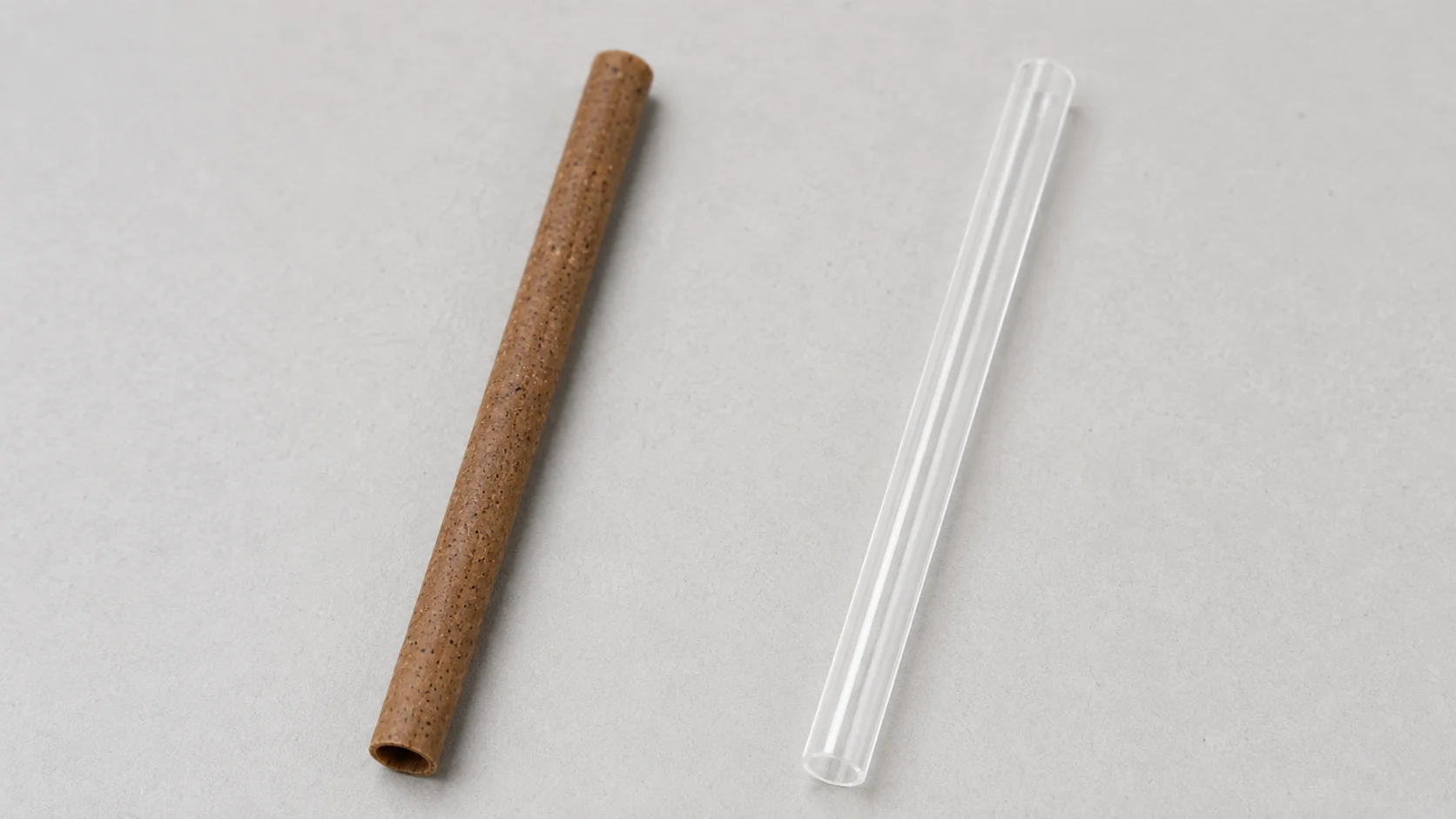
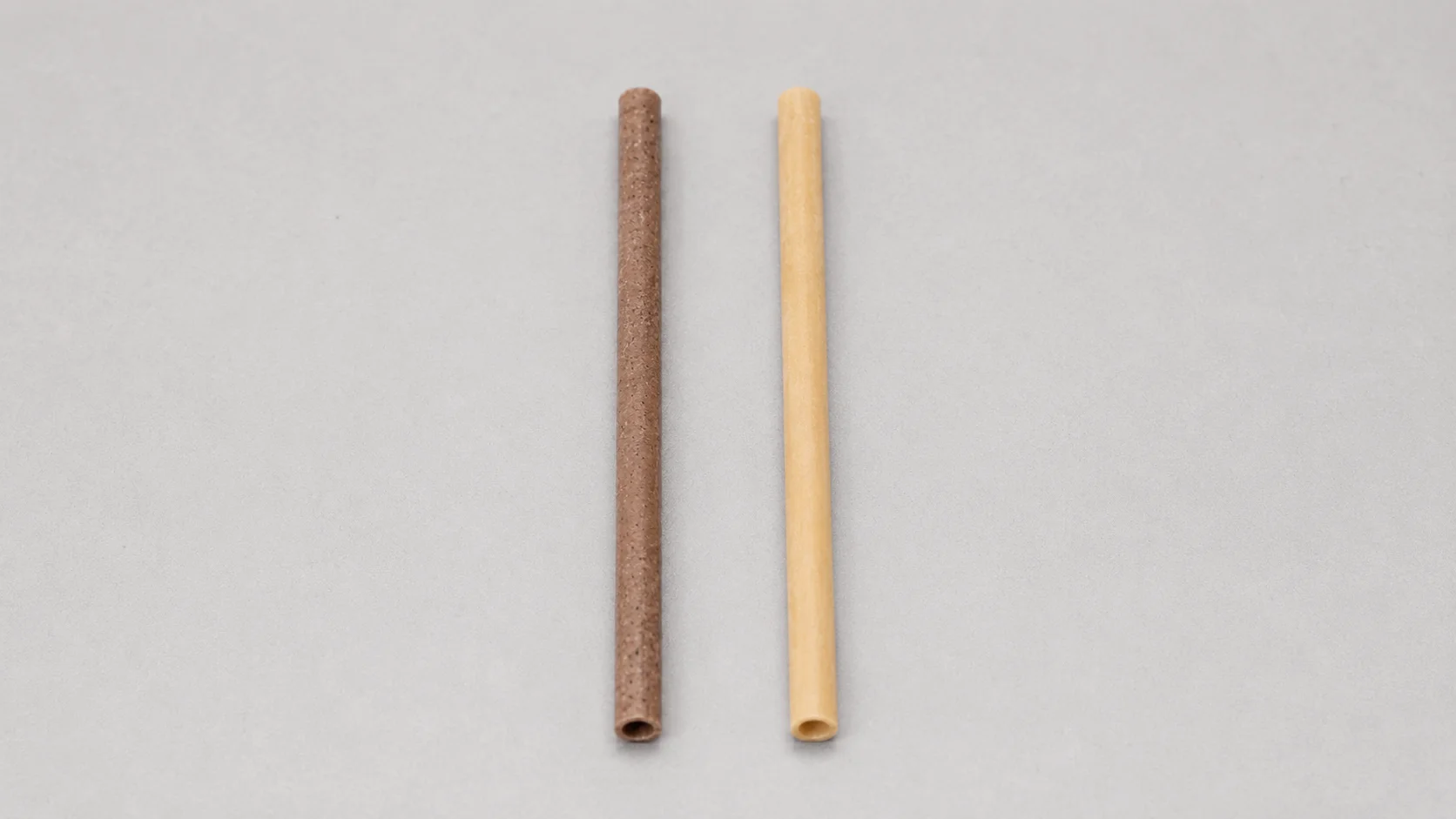
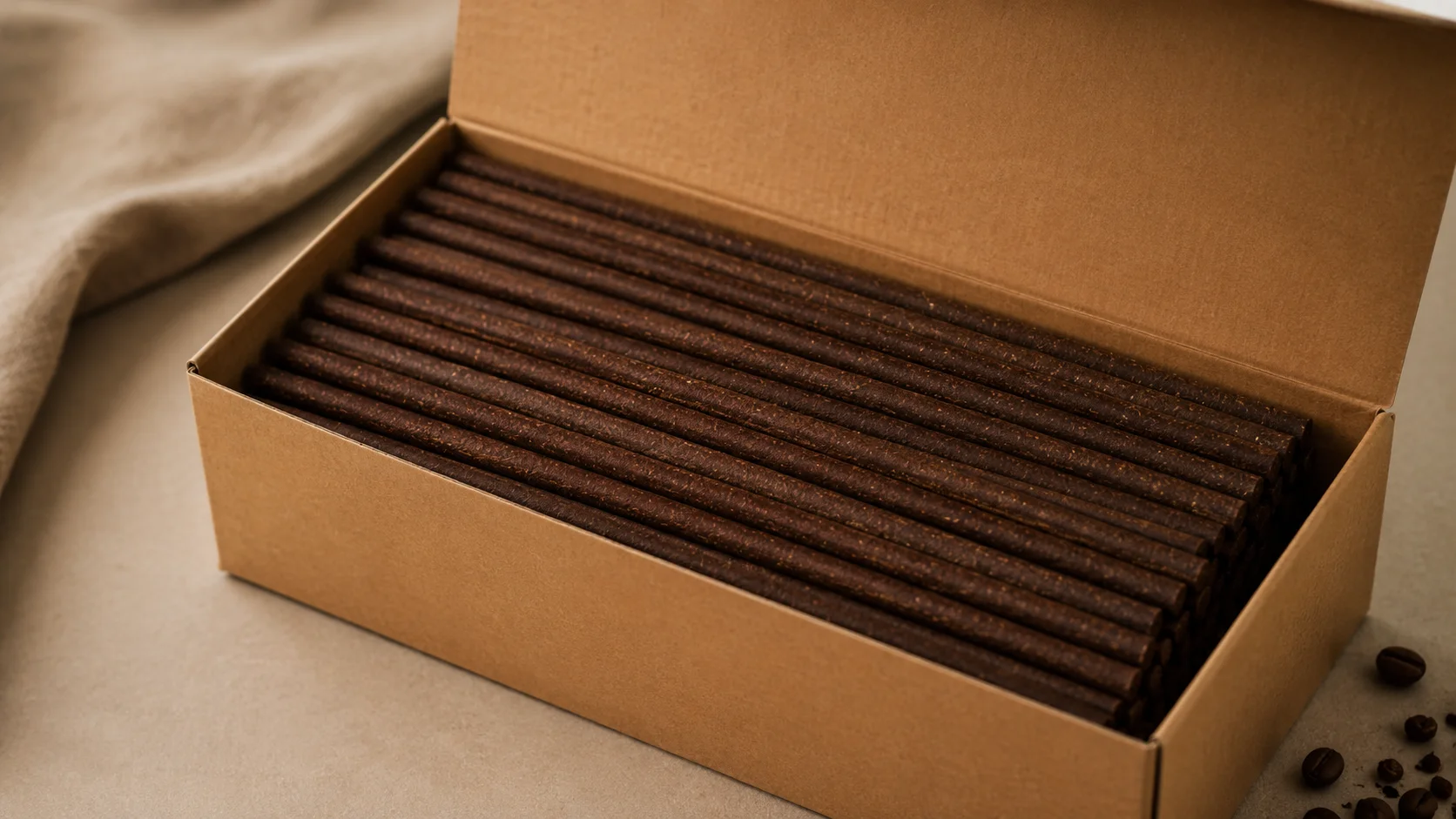
We moedigen u ook aan om andere innovatieve en duurzame opties in ons productassortiment te ontdekken, waaronder onze Bagasse-kommen, bamboe drinkrietjes en gemalen koffierietjes, zodat u voor elke behoefte toegang heeft tot diverse oplossingen.
Veel Gestelde Vragen
PFAS-vrij • Gecertificeerd composteerbaar • B2B-ready Duurzaamheid
Waarom worden suikerrietrietjes als superieur beschouwd?
Suikerrietrietjes gebruiken bagasse (landbouwafval) in een circulair model en zijn gecertificeerd voor zowel industriële als thuiscompostering (BPI, TÜV AUSTRIA OK Compost EN 13432, ASTM D6400/D6868). Ze zijn gegarandeerd PFAS-vrij en behouden een uitstekende duurzaamheid in warme en koude dranken, in tegenstelling tot doorweekte papieren rietjes.
Hoe tonen suikerrietrietjes naleving aan?
They hold BPI Industrial Certification (ASTM D6400, D6868) and TÜV AUSTRIA OK Compost Industrial & Home (EN 13432, ISO 14855/20200). Food contact safety aligns with US FDA and EU 10/2011 (under Framework Regulation EC 1935/2004). Manufacturing follows HACCP and ISO 22000, ensuring PFAS-Free production.
Hoe voorkomen suikerrietrietjes greenwashing?
Claims worden ondersteund door certificeringen van derden (BPI, TÜV AUSTRIA). In tegenstelling tot vage ‘biologisch afbreekbare’ labels zijn onze rietjes expliciet gecertificeerd voor industriële en thuiscompostering en ontleden ze binnen 60-90 dagen zonder schadelijke resten – en zijn ze gegarandeerd PFAS-vrij.
Wat zijn PFAS en waarom moeten ze vermeden worden?
PFAS zijn persistente ‘forever chemicaliën’ die verband houden met gezondheidsrisico’s (bijvoorbeeld voortplantingsproblemen, kanker, hormoonontregeling). Uit onderzoek blijkt dat veel papieren (tot 90%) en bamboe (tot 80%) rietjes PFAS bevatten die in drankjes kunnen terechtkomen. Rietjes van suikerriet zijn gegarandeerd PFAS-vrij voor een veiligere ervaring.
Let op: We testen voortdurend inkomende materialen en eindproducten om de PFAS-vrije status te verifiëren.
Hoe helpen suikerrietrietjes bij EPR (Extended Producer Responsibility)?
EPR-programma's moduleren de producentenvergoedingen op basis van de impact op het milieu. Gecertificeerde composteerbare, plantaardige rietjes profiteren doorgaans van lagere eco-gemoduleerde kosten in vergelijking met moeilijk te recyclen of niet-conforme materialen, waardoor u de kosten kunt beheersen en toekomstbestendig kunt voldoen.
Zijn suikerrietrietjes duurzaam bij commercieel gebruik?
Ja. Ze behouden urenlang de structuur in warme en koude dranken, zijn bestand tegen smaakveranderingen en presteren betrouwbaar in grootschalige horecaactiviteiten.
Verstrekt u conformiteitscertificaten?
Ja. Wij kunnen voorzien in: BPI, ASTM D6400/D6868, TÜV OOSTENRIJK OK Compost (EN 13432), ISO14855/20200, FDA, EU-10/2011, HACCP, En ISO22000. Vraag een documentenpakket aan met uw offerte.