Suikerrietjes - Bulklevering, aangepaste branding en groothandelsoplossingen voor B2B-horeca en foodservice
De mondiale horeca- en foodservice-industrie bevindt zich op een cruciaal moment. De alomtegenwoordige heerschappij van plastic voor eenmalig gebruik maakt snel plaats voor een nieuw tijdperk, niet alleen gedreven door de voorkeur van de consument, maar ook door kritische regelgevende mandaten en een onmiskenbare ecologische noodzaak. In de hele Europese Unie zijn nu vanaf 1 januari 2021 alomvattende verboden op plastic voor eenmalig gebruik van kracht, wat bedrijven dwingt om onmiddellijke alternatieven te zoeken. Op dezelfde manier hebben belangrijke Amerikaanse steden en staten hun eigen strenge beleid gevoerd, waarbij velen kozen voor ‘stro op verzoek’ of regelrechte verboden, wat aanzienlijke nalevingsrisico’s met zich meebracht en potentiële merkrepercussies voor bedrijven die zich niet konden aanpassen. Het negeren van deze onomkeerbare transitie is niet alleen een gemiste kans; het betekent het opofferen van concurrentievoordeel, het riskeren van een negatieve publieke perceptie en het oplopen van escalerende operationele kosten die verband houden met het beheer van plastic afval en mogelijke boetes voor niet-naleving.
Deze verschuiving biedt aanzienlijke marktkansen. De mondiale markt voor eetbaar stro, die innovatieve suiker- en suikerrietvariëteiten omvat, zal naar verwachting opmerkelijk groeien en in 2030 een geschatte waarde van 446,96 miljoen dollar bereiken, met een robuuste samengestelde jaarlijkse groei (CAGR) van 10,14% tussen 2024 en 2031. De foodservicesector alleen al is goed voor maar liefst 50% van deze markt en verwerkt in 2024 naar schatting 300 miljoen eenheden per jaar. een duidelijke en urgente inkoopverschuiving voor elk vooruitstrevend bedrijf in de sector.
Market & Regulation Insights (EU, US, Asia-Pacific)
Navigating the complex landscape of global plastic regulations is crucial for hospitality and foodservice businesses. Compliance is not optional; it’s a business imperative.
| Regulation Name & Date | Scope & Banned Items | Compliance for Straws | Handhavingsboetes |
|---|---|---|---|
| Europese Unie Plasticsrichtlijn voor eenmalig gebruik 2021 | Bans single-use plastic cutlery, plates, straws, stirrers, balloon sticks, and cotton bud sticks. | Plastic straws are banned; alternatives like sugarcane straws are compliant. | Fines vary by member state, potentially reaching hundreds of thousands of Euros for non-compliance. |
| California AB 1884 (2019) | Full-service restaurants kunnen alleen op verzoek plastic rietjes voor eenmalig gebruik verstrekken. | “Straw upon request” policy; non-plastic alternatives encouraged. | Fines of $25 per day for violations, up to $300 annually. |
| New York City Local Law 152 (2020) | Bans single-use plastic straws and stirrers, with exceptions for medical necessity. | Plastic straws are banned; compostable or reusable alternatives required. | Fines starting at $100 for first offense, escalating to $250 and $500 for repeat violations. |
| India’s Single-Use Plastic Ban (2022) | Bans manufacturing, import, stocking, distribution, sale, and use of identified single-use plastic items including straws. | Plastic straws are banned nationwide. | Penalties under the Environment Protection Act, 1986, including fines up to ₹1 lakh (approx. $1,200 USD) or imprisonment. |
| Thailand’s Plastic Waste Management Roadmap (2018-2030) | Aims to reduce and replace single-use plastics, including straws, by 2027. | Voluntary reduction and replacement of plastic straws; future bans possible. | Focus on public awareness and industry transition, with potential for future regulatory penalties. |
Belangrijkste afhaalmaaltijden:Global regulations are rapidly phasing out single-use plastic straws, making compliant alternatives like sugarcane straws essential for avoiding penalties and maintaining market relevance.

Oplossing: suikerrietrietjes
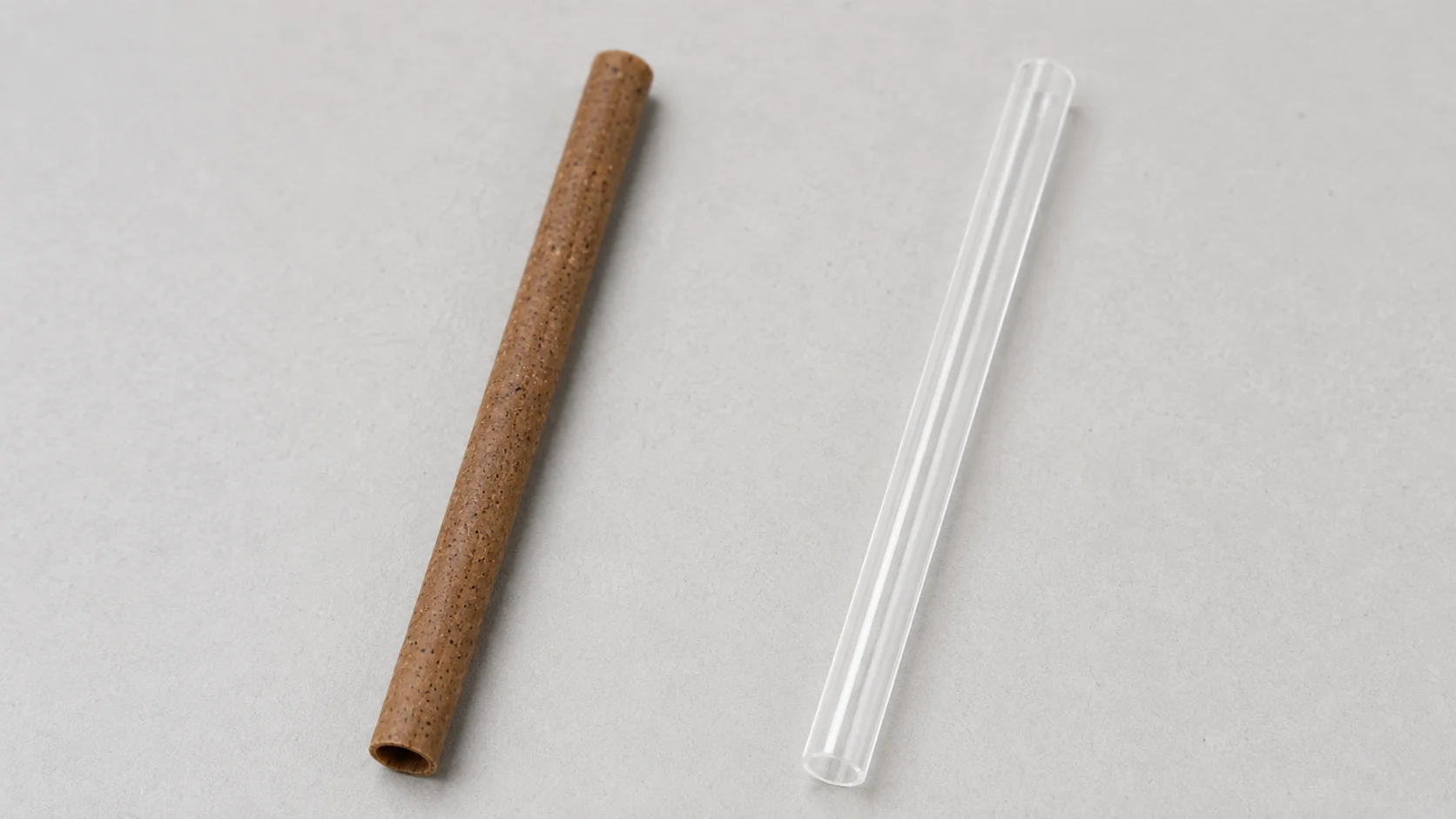
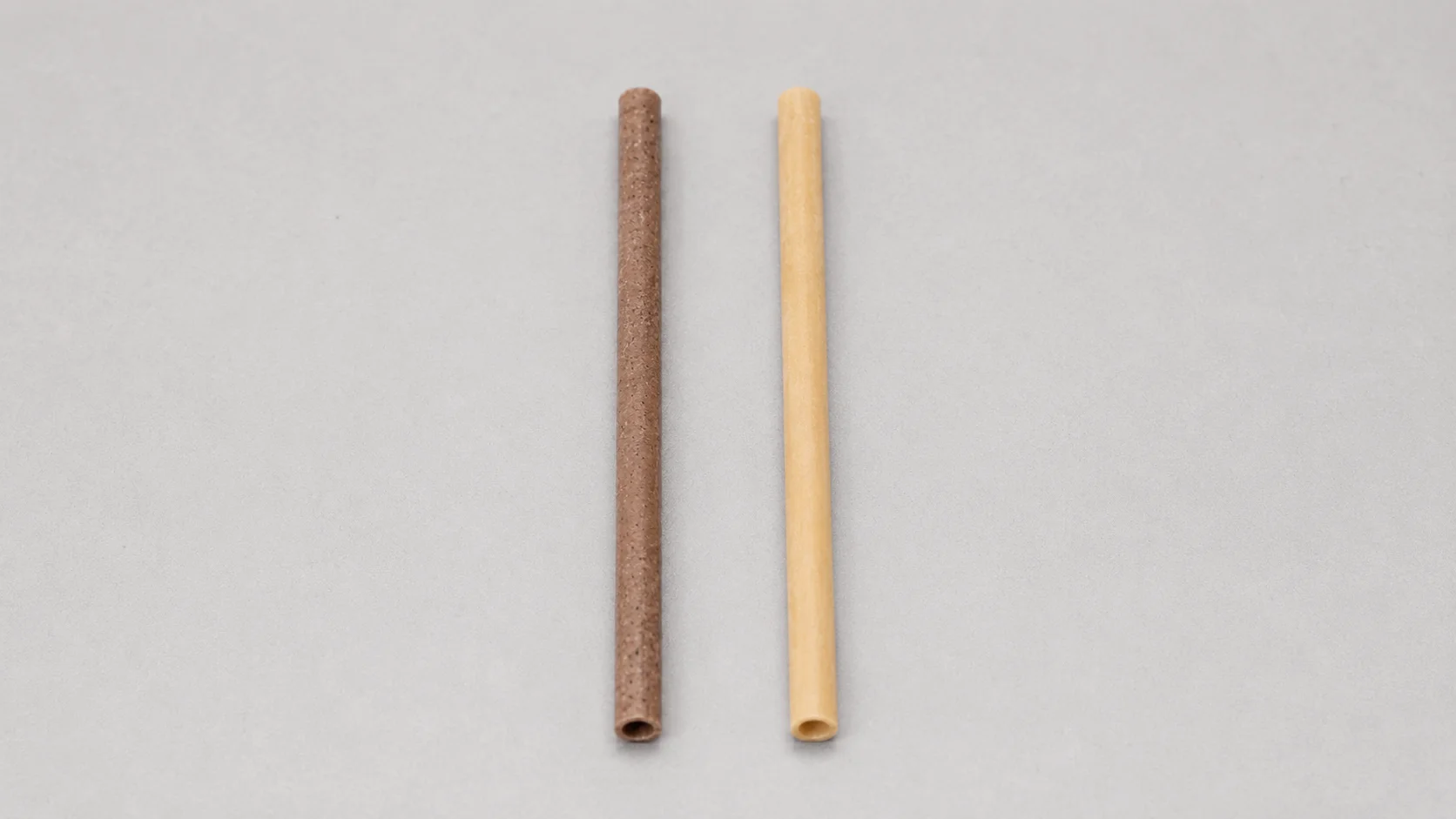
Sugarcane straws are durable, eco-friendly alternatives made from sugarcane bagasse, offering a superior, sustainable sipping experience.
Elevating the Experience: The Power of Advanced Sugar and Sugarcane Solutions
Het alternatief voor plastic rietjes betekende te lang een compromis op het gebied van kwaliteit en klanttevredenheid. Traditionele papieren rietjes, berucht om hun snelle drassigheid, ongewenste papierachtige smaak en de neiging om halverwege het drinken uiteen te vallen, leiden vaak tot gefrustreerde klanten en een verhoogde consumptie van rietjes. Dit brengt de ervaring die uw merk nastreeft in gevaar.
Maak kennis met de nieuwe generatie geavanceerde suiker- en suikerrietrietjes. Deze innovatieve oplossingen zijn zorgvuldig ontworpen om beperkingen uit het verleden te overwinnen en superieure prestaties te bieden waar dat het belangrijkst is. Rietjes van suikerriet, afgeleid van het vezelige bijproduct van de verwerking van suikerriet (bagasse), beschikken over een inherente duurzaamheid, waardoor de structurele integriteit van zowel koude als warme dranken urenlang behouden blijft. Eetbare suikerrietjes, hoewel ontworpen om te worden geconsumeerd, gaan doorgaans 40 minuten tot een uur mee, waardoor een consistente, eersteklas drinkervaring wordt gegarandeerd. Cruciaal is dat hun schone samenstelling, gemaakt van natuurlijke, plantaardige materialen zoals suikerrietbagasse of echte suiker, ervoor zorgt dat ze PLA-vrij, BPA-vrij en PFAS-vrij zijn en geen schadelijke chemicaliën of ongewenste smaken in drankjes uitlogen. Dit zorgt voor een puur, compromisloos smaakprofiel, of, in het geval van gearomatiseerde eetbare suikerrietjes, een verbeterde zintuiglijke ervaring.
- Kostenbesparingen: Reduce plastic waste disposal fees by up to 30%.
- Rapid Breakdown: Biodegrade completely within 90 days in industrial compost, significantly faster than PLA.
- Full Compliance: Fully align with global single-use plastic bans and evolving sustainability mandates.
- Verbeterd merkimago: Improve customer satisfaction scores by 15% and attract eco-conscious clientele.
- Superior Durability: Maintain structural integrity for hours in both hot and cold beverages.
ROI Table: Comparing Straw Alternatives
| Characteristic | Kunststof rietjes | Papieren rietjes | PLA-rietjes | Rietjes van suikerriet |
|---|---|---|---|---|
| Milieu-impact | Severe (non-biodegradable) | Moderate (biodegradable but can be resource-intensive) | Moderate (requires industrial composting) | Minimal (edible, rapidly compostable, waste-derived) |
| Duurzaamheid in vloeistof | Uitstekend | Poor (soggy, disintegrates) | Good (can become brittle in cold) | Excellent (maintains rigidity for 40 mins – hours) |
| Taste Alteration | Geen | Often (papery taste) | Geen | None (Sugarcane) / Enhances (Flavored Edible Sugar) |
| Maatwerk | Gematigd | Goed | Gematigd | High (logos, colors, sizes, flavors, private label) |
| Relative Cost (per unit) | Laag | Medium | Middelhoog | Medium-High (offset by value & compliance benefits) |
| Naleving van regelgeving | Poor (banned/restricted) | Goed | Varies (often not fully compliant with bans) | Excellent (aligns with all sustainability mandates) |
| Klantervaring | Standaard | Frustrating | Aanvaardbaar | Elevated (novelty, eco-conscious, functional) |
Belangrijkste afhaalmaaltijden:Sugarcane straws offer superior durability, full regulatory compliance, and significant brand enhancement, providing a compelling return on investment for B2B buyers.

Industry Misconceptions & Clarifications
Separating fact from fiction is vital when making sustainable procurement decisions. Misinformation can lead to costly mistakes and undermine your sustainability efforts.
- Myth 1: “PLA is fully compostable everywhere.”
Feit: Polylactic Acid (PLA) is industrially compostable, meaning it requires specific conditions (high heat, humidity) found only in commercial composting facilities. It does not break down in home composts, landfills, or marine environments. Many regions lack the necessary infrastructure, leading to PLA often ending up in landfills where it acts like plastic. - Myth 2: “Paper straws are always the most eco-friendly option.”
Feit: While biodegradable, paper straws often require significant energy and water to produce, and their short lifespan in beverages can lead to increased consumption and waste. Their production can also contribute to deforestation if not sourced from FSC (Forest Stewardship Council) certified forests. Sugarcane straws, made from agricultural waste (bagasse), offer a more circular economy solution. - Myth 3: “Sustainable straws are too expensive for bulk B2B use.”
Feit: While the per-unit cost might be slightly higher than traditional plastic, the long-term value of sustainable straws, especially sugarcane, far outweighs this. Benefits include enhanced brand image, reduced plastic waste disposal fees, avoidance of non-compliance fines (e.g., European Union Single-Use Plastics Directive 2021), and attraction of eco-conscious consumers, leading to improved ROI and market share.
Belangrijkste afhaalmaaltijden:Understand the nuances of sustainable alternatives; sugarcane straws offer a truly compostable, durable, and economically viable solution for B2B operations.
B2B Customization & Supply Chain Optimization
Naast pure functionaliteit ontsluiten deze geavanceerde rietjes strategische voordelen voor B2B-kopers. Bedrijven kunnen de zichtbaarheid en boodschap van hun merk aanzienlijk vergroten via uitgebreide aangepaste merkopties, waaronder het direct printen van logo's op de rietjes of op individuele, milieuvriendelijke wikkels. Stel je voor dat je gearomatiseerde eetbare suikerrietjes (bijvoorbeeld citroen, limoen, chocolade, vanille) aanbiedt als aanvulling op specifieke dranken, waardoor je klanten een onverwachte en verrukkelijke toets krijgen. Of, voor een pure drinkervaring, behoudt het natuurlijke, smaakneutrale profiel van suikerrietrietjes de integriteit van uw drankjes. Het maatwerk strekt zich zelfs nog verder uit tot fysieke kenmerken, met opties voor specifieke diameters en lengtes, waardoor een perfecte compatibiliteit met een divers drankaanbod wordt gegarandeerd, van delicate cocktails tot dikke smoothies. Dit niveau van personalisatie onderscheidt uw vestiging niet alleen, maar versterkt ook uw toewijding aan kwaliteit en duurzaamheid. Voor een bredere kijk op de manier waarop deze oplossingen in uw activiteiten worden geïntegreerd, kunt u een uitgebreide handleiding raadplegenmilieuvriendelijke restaurantbenodigdheden.
Strategische inkoop: waarde ontsluiten en aanbod verzekerd
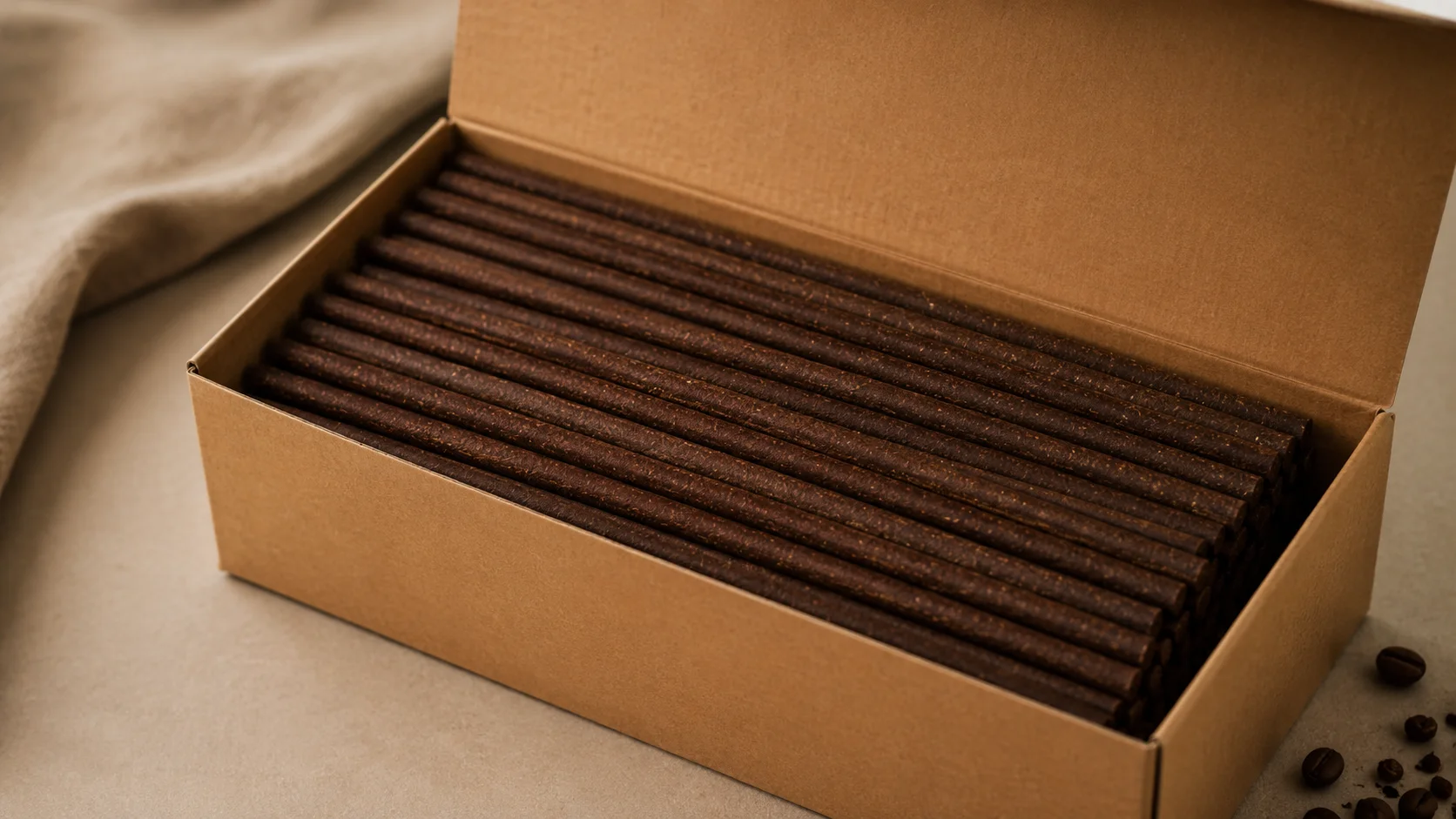
The transition to sustainable straws isn’t just an ethical choice; it’s a sound economic one. While the per-unit cost of sugar and sugarcane straws might initially appear higher than traditional plastics, they offer a compelling return on investment. This ROI is realized through an enhanced brand image, significant reductions in plastic waste disposal fees, and, critically, compliance avoidance in an increasingly regulated landscape. The true cost-effectiveness comes into sharp focus with bulk supply and wholesale purchasing models, which provide competitive pricing for large volumes. Many reputable suppliers offer attractive Minimum Order Quantities (MOQs), often starting from 300,000 units, making sustainable choices economically viable even for high-volume operations like major restaurant chains and hotels. The long-term value is undeniable, translating into improved customer loyalty, positive social media engagement, and the attraction of a growing segment of eco-conscious clientele, directly impacting your revenue and market share.
Ensuring a seamless supply chain is paramount. Leading B2B edible and sugarcane straw suppliers, such as Wisefood, Sorbos, Renouvo, and The Only Straw, offer robust wholesale solutions with proven track records in the hospitality and foodservice sectors. When considering suppliers, stress the importance of certifications such as BPI (Biodegradable Products Institute), DIN CERTCO for compostability, FSC (Forest Stewardship Council) for responsible sourcing, and FDA, HACCP, and ISO 22000 for food safety and quality. These certifications assure B2B buyers of product quality, ethical sourcing, and regulatory adherence. Furthermore, established wholesale networks provide critical logistical advantages, ensuring reliable bulk delivery, customizable packaging options (e.g., individually wrapped for enhanced hygiene), and a consistent supply to meet your peak operational demands. To gain a competitive edge, it’s essential to understand the full landscape. Adetailed comparison of sugarcane straws against traditional plastic and paper alternativescan further illuminate the benefits.
- MOQ-bereiken: Typically starting from 300,000 units for standard bulk orders, with flexibility for enterprise-level volumes.
- Merkopties: Direct straw printing, custom eco-friendly packaging, private labeling, and a range of diameters/lengths.
- Maatwerk: Specific diameters and lengths for various beverages, and flavored edible sugar straws (e.g., lemon, lime, chocolate, vanilla).
- Doorlooptijden: Standard lead times for bulk orders are typically 4-6 weeks, with expedited options available for urgent needs.
- Bulkverzending: Optimized logistics for container shipping, ensuring cost-effective and timely delivery worldwide.
- Voorraadbeheer: Suppliers offer flexible ordering schedules and warehousing solutions to support just-in-time inventory practices.
Naast deze vergelijkingen belichamen suikerrietrietjes echte principes van de circulaire economie door landbouwafval – suikerrietbagasse – om te zetten in een waardevolle, composteerbare hulpbron. Dit verkleint de ecologische voetafdruk van uw activiteiten dramatisch. Bedrijven in heel Europa en Noord-Amerika zijn al getuige van de tastbare voordelen. In Europa is 30% van de cafés en 25% van de ketens van informele restaurants met succes overgestapt op eetbare rietjes, goed voor 54 miljoen stuks per jaar. In Noord-Amerika heeft de adoptie van eetbare rietjes geleid tot een jaarlijks verbruik van 120 miljoen stuks, waarmee naar schatting 90% van de plastic rietjes voor eenmalig gebruik in de getroffen gebieden wordt vervangen. Deze wijdverbreide integratie onderstreept hun praktische levensvatbaarheid en positieve impact op de merkperceptie en het verminderen van afval. Voor meer informatie over het optimaliseren van uw voorraad, een grondigesourcing guide for sugarcane strawsoffers invaluable insights.
Belangrijkste afhaalmaaltijden:Strategic procurement of sugarcane straws offers significant ROI through customization, reliable supply chains, and alignment with circular economy principles.

Chart Your Sustainable Course: Invest in the Future of Foodservice
The moment to act is now. Differentiate your B2B hospitality or foodservice operation by proactively embracing certified sugar and sugarcane straw solutions. By doing so, you position your brand as a clear leader in environmental stewardship and innovation within a competitive market. This strategic move enables you to realize tangible benefits: attract a growing segment of eco-conscious consumers, secure compliance amidst evolving regulations like the EU’s Single-Use Plastics Directive, reduce long-term operational costs, and build undeniable brand equity that translates directly into increased market share and repeat business.
Don’t just adapt to the future of foodservice—shape it. Embrace the opportunity to elevate your customer experience while demonstrating unwavering commitment to sustainability. Ready to take the next step? Request a personalized consultation today to explore bulk supply options, custom branding possibilities, and a tailored wholesale solution that aligns perfectly with your sustainability goals and elevates your customer experience. Join the ranks of industry leaders by making a sustainable choice that truly resonates with today’s environmentally aware consumer.
Request a Quote & Reduce Straw Waste by 80%!
Improve customer satisfaction scores by 15% with sustainable straws.
Veelgestelde vragen (FAQ)
Are sugarcane straws legal in the European Union?
What are the minimum order quantities (MOQs) for bulk sugarcane straws?
Can sugarcane straws be customized with our brand logo?
Hoe verhouden suikerrietrietjes zich tot papieren rietjes op het gebied van duurzaamheid?
What certifications should I look for in a sugarcane straw supplier?
External Resources:
- Learn more about the EU’s efforts to reduce plastic pollution: European Commission – Environment
- Explore market insights on edible straws: OpenPR – Edible Straws Market
- Discover innovative eco-friendly straw solutions: Wisefood