Strategische inkoop: waar Boba-rietjes kopen voor groothandelsinkoop
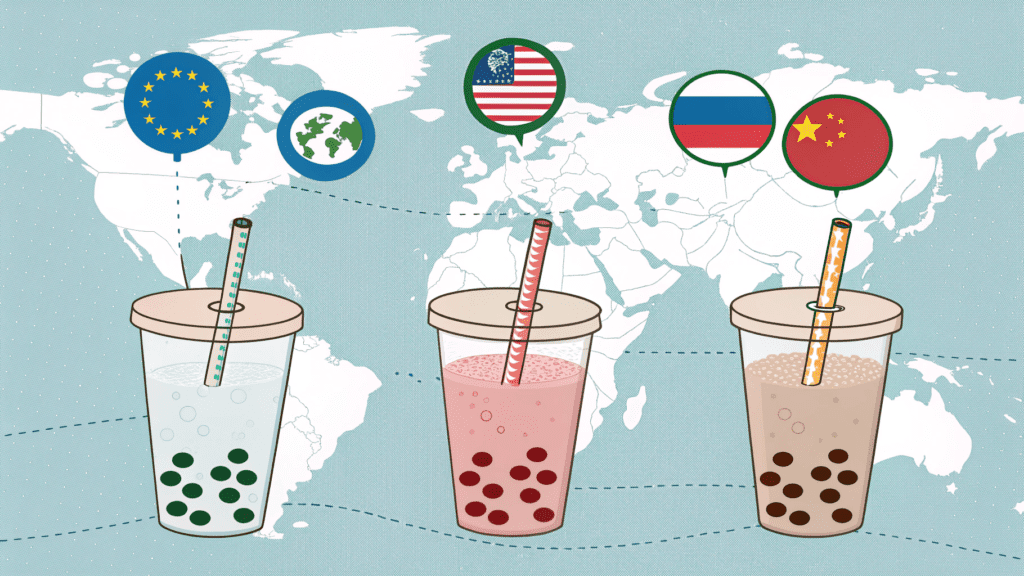
The global bubble tea market, a vibrant and rapidly expanding sector, presents both immense opportunities and complex challenges for procurement managers, operations directors, sustainability officers, and supply chain executives. Valued at approximately USD 2.75 billion in 2023, this market is projected to surge to USD 5.9 billion by 2032, exhibiting an impressive Compound Annual Growth Rate (CAGR) of 8.9% from 2025-2032. This exponential growth necessitates a highly strategic approach to wholesale boba straw procurement, not just for operational efficiency, but for critical compliance and brand alignment in an increasingly sustainability-driven landscape.
Ignoring the evolving regulatory environment and shifting consumer demands for eco-friendly products carries significant operational and commercial repercussions. Businesses failing to adapt risk market access restrictions, brand erosion, and missed opportunities for competitive differentiation. This comprehensive guide provides critical insights for decision-makers navigating the complexities of wholesale boba straw sourcing, emphasizing how strategic choices can transform a compliance burden into a distinct market advantage.Strategic boba straw procurement is vital for hospitality and foodservice to ensure compliance and enhance brand value.
The Evolving Landscape of Wholesale Boba Straw Procurement
Historical Context: From Innovation to Environmental Imperative
Boba tea, originating in Taiwan in the 1980s, revolutionized the beverage experience by introducing chewy tapioca pearls. This innovation immediately necessitated a wider straw to allow customers to fully enjoy both the liquid and the pearls, addressing earlier frustrations with standard narrow straws. A significant design breakthrough was the development of the iconic slanted edge, enabling the straw to effortlessly pierce the sealed plastic film lids commonly used on bubble tea cups. As bubble tea’s popularity exploded globally through the 1990s and 2000s, this exponential demand fueled the rapid growth of wholesale straw production, initially dominated by plastic.
Global Plastic Bans Reshaping the Boba Straw Market
De proliferatie van plastic voor eenmalig gebruik heeft geleid tot toenemende bezorgdheid over het milieu en een golf van strenge regelgeving wereldwijd. De Europese Unie heeft bijvoorbeeld plastic artikelen voor eenmalig gebruik, inclusief rietjes, met ingang van 3 juli 2021 verboden, een richtlijn die specifiek gericht is op de 10 meest aangetroffen plastic artikelen voor eenmalig gebruik op Europese stranden, die 70% van het zwerfvuil in zee uitmaken. (Bron: Europese Commissie). Op dezelfde manier heeft Taiwan, de geboorteplaats van boba-thee, in 2019 een verbod op plastic rietjes ingevoerd voor dinerdiensten in overheidsgebouwen, scholen, warenhuizen, winkelcentra en fastfoodketens, met een ambitieus doel voor een volledige uitfasering in 2030. Herhaalde overtreders in Taiwan kunnen boetes krijgen van maximaal NT$6.000 (ongeveer $190 USD). Het Verenigd Koninkrijk voerde in juli 2021 ook een verbod in op de distributie van plastic rietjes, waardoor bedrijven verplicht werden alternatieven aan te bieden en plastic rietjes alleen op verzoek en uit het zicht te verstrekken.
In the United States, a patchwork of state and local regulations has emerged. Seattle was a pioneer, implementing a ban on single-use plastic straws and utensils in July 2018. California followed suit in July 2019, enacting a “straws upon request” law for full-service restaurants, a policy mirrored in Washington D.C. (2019), Los Angeles (April 2019), New York City, and Howard County, Maryland. This fragmented regulatory environment creates a complex compliance landscape for businesses operating across different regions.
Consumer Demand for Sustainable Boba Straws
Naast de druk van de regelgeving is een krachtige marktwerking de toenemende vraag van consumenten naar milieuvriendelijke producten. Ongeveer 80% van de consumenten geeft actief de voorkeur aan milieuvriendelijke producten, waardoor de marktdynamiek fundamenteel wordt hervormd. Een aanzienlijke 90% is zelfs bereid om tot 10% meer te betalen voor biologisch afbreekbare verpakkingen, wat duidelijk aangeeft dat ze bereid zijn te investeren in duurzame keuzes. Deze voorkeur strekt zich rechtstreeks uit tot boba-rietjes, waarbij de mondiale markt voor milieuvriendelijke stro in 2035 naar verwachting naar schatting 25,1 miljard dollar zal bedragen. Voor bedrijven is het omarmen van duurzame stro-opties niet langer slechts een ‘nice-to-have’; het is een strategische noodzaak die rechtstreeks van invloed is op de merkperceptie, klantloyaliteit en marktaandeel.Mondiale plasticverboden en de vraag van de consument zorgen ervoor dat de markt voor boba-stro in snel tempo wordt hervormd in de richting van duurzame alternatieven.
Belangrijke overwegingen bij de groothandel in Boba-stro

Bij de strategische aanschaf van boba-rietjes is een genuanceerd evenwicht nodig tussen materiaalkunde, ontwerpfunctionaliteit, naleving van de regelgeving, kosteneffectiviteit en veerkracht van de toeleveringsketen. Het is van het grootste belang om prioriteit te geven aan leveranciers die zich houden aan robuuste voedselveiligheids- en kwaliteitsnormen, zoals ISO 22000, HACCP en FDA-registratie. Bovendien zijn het evalueren van de Minimum Order Quantities (MOQ's) en het opstellen van duidelijke Delivery Service Level Agreements (SLA's) van cruciaal belang voor het handhaven van een naadloze bedrijfsvoering.
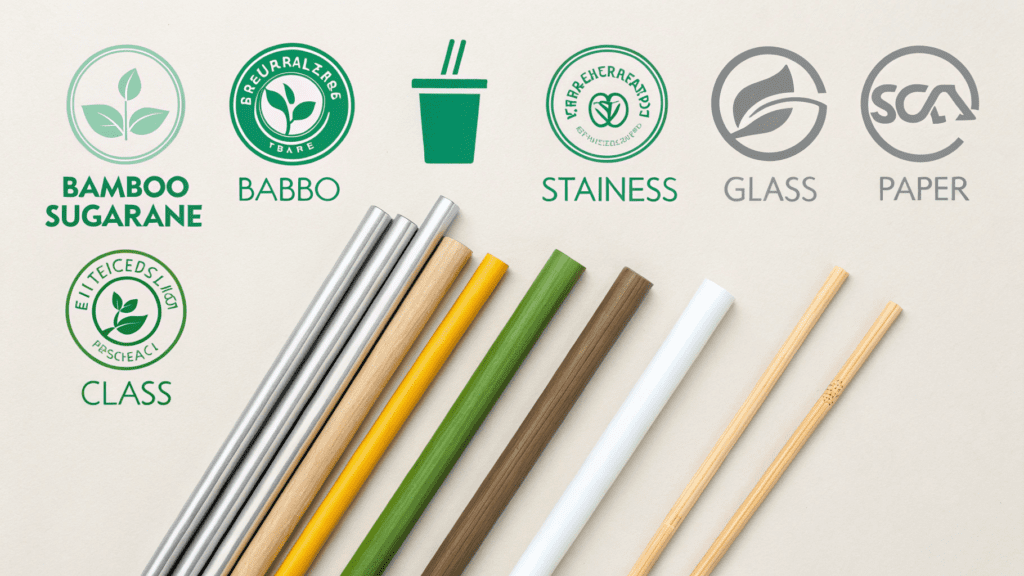
Materiaalopties en duurzaamheidscertificeringen voor Boba-rietjes
De markt biedt een breed scala aan boba-stromaterialen, elk met unieke eigenschappen en duurzaamheidsprofielen:
- Biologisch afbreekbare Boba-rietjes: Deze categorie omvat verschillende plantaardige alternatieven die zijn ontworpen om op natuurlijke wijze af te breken.
- Papieren rietjes: Deze zijn vaak voorzien van anti-doorweekte coatings en zijn overal verkrijgbaar. Een onderzoek uit 2023 gaf echter aanleiding tot bezorgdheid over de aanwezigheid van ‘forever chemicaliën’ (PFAS) in sommige papieren rietjes. Happy Kick biedt papieren rietjes van 12 mm, individueel verpakt en gecertificeerd PFAS-vrij.
- Bamboe: Bamboerietjes zijn een snel hernieuwbare hulpbron en zijn zowel biologisch afbreekbaar als vaak herbruikbaar.
- Suikerriet (Bagasse): Deze rietjes zijn gemaakt van overgebleven suikerrietpulp en zijn 100% biologisch afbreekbaar, duurzaam en over het algemeen vrij van drassig, waardoor een circulaire economie wordt bevorderd. Ze zijn vaak gecertificeerd door instanties als BPI en ASTM D6400 voor composteerbaarheid.
- Riet: Holy City Straw Company levert 100% plantaardige, afvalvrije rieten boba-rietjes, die individueel in papier zijn verpakt en composteerbaar zijn.
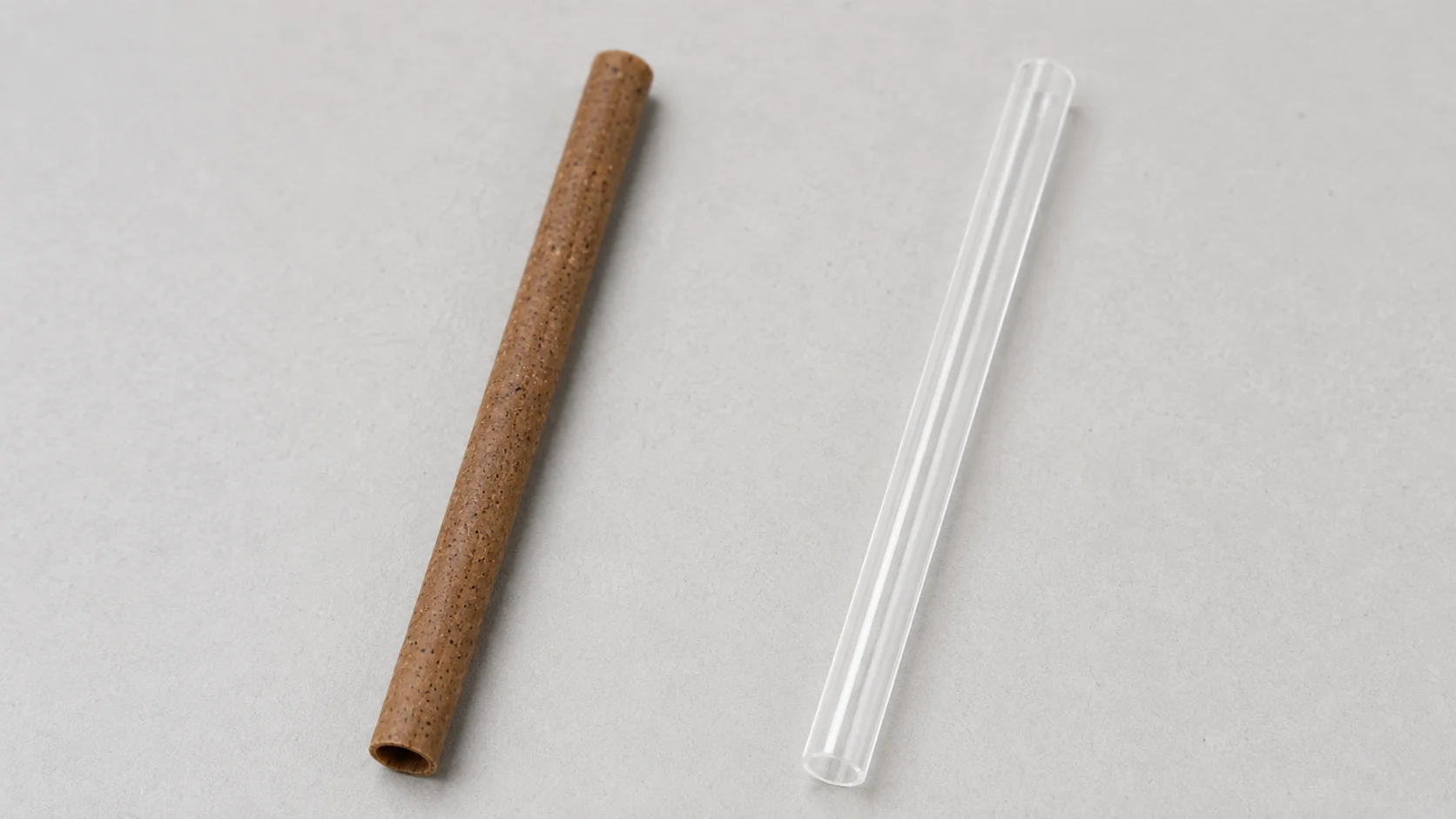
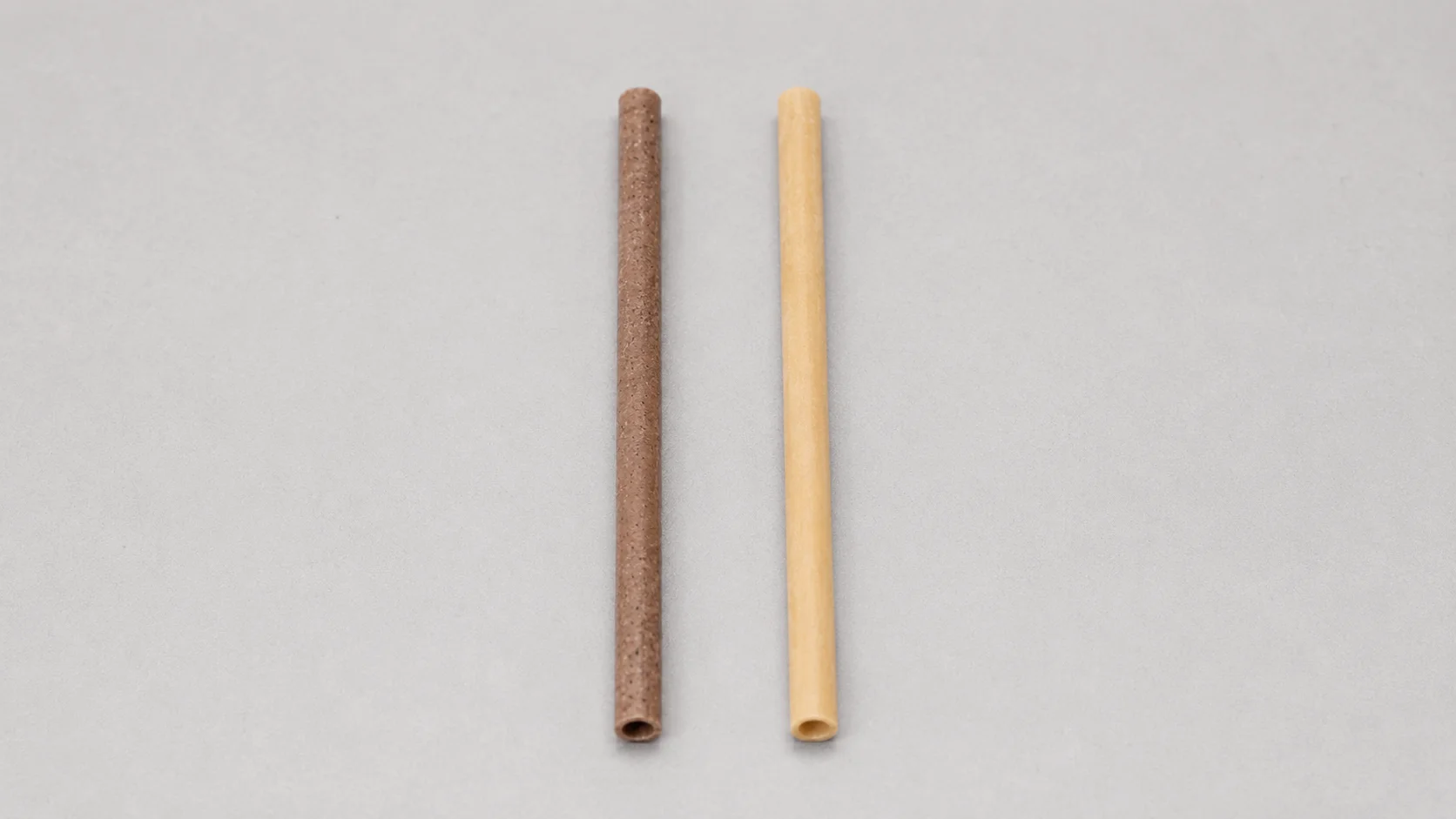
- Theevezel: Een innovatieve oplossing die voortkomt uit de bijproducten van de Taiwanese thee-industrie en die indrukwekkende duurzaamheid en 100% composteerbaarheid biedt.
- Composteerbare Boba-rietjes: Specifiek ontworpen om af te breken in industriële composteringsinstallaties.
- PLA (polymelkzuur): Afgeleid van hernieuwbare bronnen zoals maïszetmeel, hebben PLA-rietjes een industriële composteringsinfrastructuur nodig om effectief te kunnen ontbinden. De PLA boba-rietjes van Naturepoly zijn gecertificeerd composteerbaar onder industriële omstandigheden.
- PHA (polyhydroxyalkanoaten): PHA-rietjes, een nieuwere generatie bioplastics afgeleid van plantaardige bronnen, voelen plasticachtig aan en kunnen biologisch afbreekbaar zijn in verschillende omgevingen, inclusief bodem en zee, doorgaans binnen 4-6 weken. Straw Matter biedt plantaardige PHA-rietjes die zijn ontworpen om binnen enkele weken te ontbinden.
- Herbruikbare Boba-rietjes: Het bieden van duurzaamheid op de lange termijn en merkwaarde.
- Roestvrij staal: Durable, easy to clean, and offering a premium feel. Steelys® Straws provides FDA Certified 18/8 food-grade stainless steel boba straws (8.5” x 0.48”), tested for lead, BPA, and phthalates, complying with California Prop 65. The Sustainable Switch also offers reusable stainless steel straws made from 45% recycled, FDA-certified stainless steel, with bulk pricing.
- Glas: Aesthetically pleasing and easy to clean, though more fragile.
- Siliconen: Flexible, soft, and durable, making them easy to clean and transport.
When selecting materials, B2B buyers should scrutinize certifications such as BPI (Biodegradable Products Institute), ASTM D6400 (for industrial compostability), and FSC (Forest Stewardship Council) for responsibly managed forests, ensuring genuine environmental claims.
Size and Design Specifications for Optimal Customer Experience with Boba Straws
Optimal boba straw selection is crucial for the customer experience and operational fluidity. Boba straws typically range from 10mm to 13mm in diameter to accommodate the signature tapioca pearls or other toppings. Lengths vary to fit common cup sizes (e.g., 21cm for 12oz, 23cm for 16oz, and 29cm for 24oz).
De snede van het rietje is ook een belangrijke overweging: diagonale sneden zijn ideaal voor het doorprikken van de verzegelde plastic foliedeksels, terwijl platte sneden geschikt zijn voor traditionele dekselontwerpen. Het garanderen van een consistent doordringingsvermogen is essentieel voor de operationele efficiëntie en het voorkomen van frustratie bij de klant.
Operationele efficiëntie: MOQ's en leverings-SLA's voor de inkoop van Boba-stro
Voor groothandelsinkoop is het begrijpen van de Minimum Order Quantities (MOQ's) en Delivery Service Level Agreements (SLA's) van cruciaal belang. MOQ's kunnen aanzienlijk variëren per materiaal en leverancier; Op maat gemaakte plastic rietjes kunnen bijvoorbeeld een minimale bestelwaarde hebben van 50.000-100.000 stuks, terwijl op maat gemaakte biologisch afbreekbare opties meer dan 300.000 eenheden nodig kunnen hebben voor specifieke Pantone-kleurafstemming.
Establishing robust SLAs that guarantee 95%+ on-time delivery rates is non-negotiable for maintaining optimal inventory levels and preventing stockouts, especially during peak hours. Diversifying suppliers across regions, such as Taiwan and China, can further build supply chain resilience and mitigate risks from raw material scarcity or geopolitical events.
Branding and Customization Opportunities for Wholesale Boba Straws
Boba straws offer a unique avenue for brand elevation. Custom laser engraving on reusable stainless steel straws provides a premium, durable branding opportunity that resonates with eco-conscious consumers. For disposable options, custom printing on individually wrapped paper or poly sleeves with food-safe inks enhances brand visibility and customer experience. These customization opportunities allow businesses to reinforce their brand identity and commitment to quality, transforming a functional item into a memorable touchpoint.Selecting boba straws requires balancing material, design, compliance, cost, and supply chain resilience for optimal operations.
Where to Buy Boba Straws: Top Wholesale Suppliers
Toegang tot diverse leveranciersnetwerken is cruciaal voor concurrerende prijzen, materiaalvariatie en betrouwbare toeleveringsketens. Bedrijven moeten leveranciers overwegen die gespecialiseerd zijn in boba-theecomponenten, maar ook bredere foodservice-distributeurs en milieuvriendelijke specialisten.
Gespecialiseerde Boba-theeleveranciers
- BossenStore.com: Een vooraanstaande leverancier die 8 mm en 12 mm plastic, biologisch afbreekbare bamboe en bamboevezelrietjes in verschillende kleuren en lengtes aanbiedt. Ze exploiteren meerdere distributielocaties in de VS.
- Fanale-drankjes: Fanale, gevestigd in Hayward, CA, levert bulk- of individueel verpakte bubble tea-rietjes met schuine bodems voor het efficiënt doorprikken van sealfolie.
- Taipec (VK): A leading UK supplier for high-quality wholesale boba tea straws, including innovative Taiwan Tea Fibre Biodegradable Straws (12mm x 23cm), which are 100% compostable and durable.
General Restaurant & Foodservice Suppliers for Wholesale Boba Straws
- WebstaurantStore: Offers a wide variety of boba and bubble tea straws, including colossal sizes (12mm-13mm diameter), at wholesale pricing with fast shipping.
- Restaurant Supply Drop: Distributes bulk plastic boba straws (10mm diameter, various colors, diagonal/flat cuts) and other bubble tea necessities like tapioca and bursting boba.
- GotCups.com: Provides a premium selection of bulk boba straws, including compostable and reusable options, often individually wrapped for hygiene.
Eco-Friendly & Reusable Straw Specialists for Boba Straws
- Steelys® Straws: Specializes in reusable stainless steel boba straws (8.5” x 0.48”), offering custom laser engraving and quick-ship options from San Francisco, CA. These straws are FDA and California Prop 65 compliant.
- HAY! Straws: Offers 100% compostable and USDA Biobased certified boba straws made from natural reed plant stems, sold in cases of 500. They are designed for durability and resistance to sogginess.
- The Sustainable Switch: Provides reusable stainless steel boba straws (8.5″ x 1/2″) made from 45% recycled, FDA-certified stainless steel, with competitive bulk pricing (e.g., 1,000 straws for $1.25 each).
- Happy Kick: Supplies wholesale paper boba straws (210mm x 12mm) that are individually wrapped, biodegradable, and PFAS-free, with a spear cut for thick beverages.
- Holy City Straw Company: Offers 100% plant-based, zero-waste reed boba straws, often individually paper-wrapped and compostable.
B2B Platforms for Global Sourcing of Boba Straws
- Alibaba.com: A massive B2B platform featuring numerous wholesale suppliers offering a wide range of eco-friendly, compostable, plastic, paper, and silicone boba straws, often with individual wrapping and customization options.
- SupplyLeader.com: Lists various wholesale boba straws, including extra-large plastic, reusable BPA-free, stainless steel, sugarcane, and bamboo options.
Diverse suppliers, from specialized distributors to B2B platforms, offer a wide range of wholesale boba straw options.
Boba Straw Material Options Comparison
| Functie | B2B operationele impact | Nalevingsopmerking | ROI-potentieel |
|---|---|---|---|
| Traditioneel kunststof | Low initial cost, wide availability, familiar customer experience. | Increasingly restricted by bans (EU 2021, Taiwan 2019 dine-in, some US cities). | Declining due to regulatory risk, negative brand perception; potential fines up to NT$6,000 in Taiwan. |
| Papier | Higher cost than plastic; prone to sogginess affecting experience; may have PFAS concerns. | Biodegradable, generally compliant with plastic bans; check for PFAS chemicals. | Moderate; meets compliance, positive branding; may require higher frequency of purchase due to sogginess issues, but PFAS-free options improve standing. |
| Sugarcane/PLA/PHA | Hogere kosten; PLA vereist industriële composteringsinfrastructuur (niet universeel beschikbaar); PHA biedt een betere biologische afbreekbaarheid. | Gecertificeerd composteerbaar (BPI, ASTM D6400) waar faciliteiten aanwezig zijn; vermijdt plasticverboden. | Hoog voor op duurzaamheid gerichte merken; verbetert het imago, trekt milieubewuste consumenten aan (90% betaalt 10% meer); PHA biedt een sterk toekomstpotentieel. |
| Roestvrij staal | Hoge initiële kosten; vereist herbruikbaarheidsprogramma's voor klanten om optimaal voordeel te behalen; duurzaam. | Voldoet aan alle plasticverboden; FDA-gecertificeerd (bijv. Steelys® Rietjes: 18/8 food-grade), voldoet aan California Prop 65. | High for long-term branding & loyalty; reduces recurring procurement costs; average bulk price for 1,000 straws can be $1.25 each, yielding significant savings over time. |
| Bamboe | Matige kosten; natuurlijke esthetiek; potentiële schoonmaakuitdagingen voor herbruikbare opties voor eenmalig gebruik beschikbaar. | Biologisch afbreekbaar en vaak herbruikbaar; sluit aan bij natuurlijke/duurzame initiatieven. | Gematigd; goed voor nichemarkten, maar minder robuust dan metaal voor hergebruik; heeft een marktaandeel van 36,5% in het herbruikbare segment vanwege natuurlijke eigenschappen. |
Het vergelijken van boba-stro-materialen onthult afwegingen op het gebied van kosten, compliance en ROI op de lange termijn voor bedrijven.
Navigeren door naleving van regelgeving en supply chain-risico's voor groothandel Boba-rietjes

Het veranderende regelgevingslandschap vereist proactieve inkoopstrategieën die prioriteit geven aan naleving, voedselveiligheid en veerkracht van de toeleveringsketen. Een gefragmenteerd regelgevingsklimaat in verschillende regio's vereist een grondige due diligence bij de inkoop.
Understanding Regional Plastic Bans for Boba Straws
Navigating the diverse and ever-evolving plastic straw bans is a critical procurement challenge. In the US, a patchwork of state and local regulations exists, with areas like New York City and Howard County, MD, restricting single-use plastic straws unless specifically requested. Washington D.C. banned plastic straws in restaurants in 2019, with fines beginning mid-2019. This complex regulatory environment underscores the need for businesses to adapt rapidly to avoid penalties and maintain market access. Strategic insights into sustainable alternatives can be found in thissustainable boba straw alternatives guide.
Ensuring Food Safety & Quality Standards in Boba Straw Procurement
Naast de materiaalsamenstelling is de veiligheid van boba-rietjes als voedselcontactmaterialen van het grootste belang. Bedrijven moeten prioriteit geven aan leveranciers die zich houden aan internationale normen zoals ISO 22000 en HACCP (Hazard Analysis and Critical Control Points), evenals aan nationale regelgeving zoals FDA-registratie in de VS. In de EU moeten rietjes voldoen aan regelgeving zoals 1935/2004, die geaccrediteerde laboratoriumtests voorschrijft voor mogelijke migratie van schadelijke stoffen. De roestvrijstalen rietjes van Steelys worden bijvoorbeeld rigoureus getest op lood, BPA en ftalaten, waardoor naleving van California Prop 65 wordt gegarandeerd. Hoewel sommige onderzoeken zorgen hebben geuit over de mogelijke uitloging van verbindingen zoals BPA uit plastic afhaalcontainers of PFAS in bepaalde papieren rietjes, kunnen grondige controles van leveranciers en naleving van de certificering deze risico's beperken.
Het beperken van verstoringen in de toeleveringsketen bij de inkoop van Boba-stro
Mondiale toeleveringsketens zijn inherent kwetsbaar voor risico’s, variërend van grondstoffenschaarste tot geopolitieke gebeurtenissen. Om veerkracht bij de inkoop van boba-stro op te bouwen, moeten bedrijven hun leveranciersbestand over verschillende regio’s diversifiëren, vooral tussen grote productiecentra als Taiwan en China. Door gebruik te maken van automatisering en AI kunnen realtime inventarisinzichten worden verkregen en de mogelijkheden voor vraagvoorspelling worden verbeterd, waardoor de operationele efficiëntie aanzienlijk wordt verbeterd en de kans op voorraadtekorten tijdens piekvraag of onvoorziene verstoringen wordt verkleind.Proactieve inkoopstrategieën zijn essentieel om door complexe regelgeving te kunnen navigeren en de risico's in de toeleveringsketen voor boba-rietjes te beperken.
Casestudy: McDonald's Taiwan's verschuiving naar duurzame Boba-rietjes
In een opmerkelijke stap die de aanpassing van de industrie aantoonde, reageerde McDonald’s Taiwan in 2019 proactief op het verbod op plastic rietjes van de overheid. Toen Taiwan begon aan zijn ambitieuze plan om plastic rietjes tegen 2030 geleidelijk af te schaffen, verwijderde McDonald’s plastic rietjes uit zijn dispensers, maar bood in plaats daarvan papieren rietjes aan en introduceerde nieuwe deksels die ontworpen waren voor direct drinken. Dit initiatief van een mondiale fastfoodgigant benadrukt de noodzaak voor bedrijven om zich aan te passen aan de veranderende regelgeving en de verwachtingen van consumenten op het gebied van duurzaamheid. Op dezelfde manier kondigde Starbucks plannen aan om plastic rietjes tegen 2020 wereldwijd uit te faseren, door te kiezen voor recycleerbare, rietjesvrije deksels en composteerbare papieren rietjes, wat laat zien hoe grote spelers wijdverbreide veranderingen kunnen bewerkstelligen door middel van strategische inkoopbeslissingen.McDonald’s Taiwan’s shift to sustainable straws exemplifies industry adaptation to evolving regulations and consumer demands.
The Future of Wholesale Boba Straws: Market Trends and Innovation
The trajectory of the boba tea market, projected to reach USD 9.72 billion by 2035, will continue to drive intense demand for innovation in straw solutions. The focus will increasingly be on sustainable, high-performance alternatives that offer both environmental responsibility and an uncompromised customer experience, serving as a key competitive differentiator.
Market Growth Projections for Boba Straws and Tea
De mondiale milieuvriendelijke stromarkt alleen al zal naar verwachting in 2035 een indrukwekkende waarde van 25,1 miljard dollar bereiken, wat de monumentale verschuiving naar duurzame opties onderstreept. De totale stromarkt zal naar verwachting groeien van 21,3 miljard dollar in 2025 naar 35,7 miljard dollar in 2035, wat een gestage CAGR van 5,3% weerspiegelt. Regionaal gezien loopt de regio Azië-Pacific nu al voorop, met een aandeel van meer dan 30% van het marktaandeel van herbruikbaar stro in 2024, wat wijst op de aanhoudende dominantie van het land op het gebied van duurzame oplossingen. Dit groeitraject is diep verweven met bredergroene boba-stro duurzaamheidsbedrijfsstrategieën.
Vooruitgang in biologisch afbreekbare materialen voor Boba-rietjes
Innovation in biodegradable materials is rapidly addressing the functional limitations of early eco-friendly straws. New generation PHA (Polyhydroxyalkanoates) straws, for example, offer a plastic-like feel while biodegrading efficiently within 4-6 weeks in various environments. Sugarcane fiber straws are gaining traction for their soggy-free durability, embodying principles of the circular economy by utilizing agricultural waste. Ongoing research is also yielding advancements such as improved anti-sog coatings and antibacterial layers for paper straws, ensuring a more reliable and hygienic product. Furthermore, the emergence of edible straws presents a groundbreaking, zero-waste solution, with this niche market projected to reach $446.96 million by 2030.
Technologie-integratie bij de inkoop van Boba-stro
Technologie zal een steeds crucialere rol spelen bij het optimaliseren van de toeleveringsketen van boba-stro. Automatisering en AI zullen de efficiëntie van de inkoop verbeteren, distributienetwerken stroomlijnen en voorraadbeheerprocessen verfijnen. Geavanceerde data-analyse stelt bedrijven in staat vraagtrends met grotere nauwkeurigheid te voorspellen, wat leidt tot meer geoptimaliseerde bulkaankopen en minder verspilling. Naast rietjes strekt de technologische integratie zich uit tot slimme sluitmachines, geautomatiseerde theebrouwers en door AI aangedreven fructosedispensers, die allemaal bijdragen aan een verbeterde operationele vloeibaarheid en consistentie in het boba-thee-ecosysteem. VoorB2B duurzame boba-rietjes groothandelsourcing, worden deze technologische ontwikkelingen niet meer onderhandelbaar.De toekomst van boba-rietjes ligt in duurzame innovatie en technologie-integratie voor geoptimaliseerde inkoop.
Competitive Advantage & Business Case
Voor B2B-beslissers overstijgt strategische inkoop van boba-stro de loutere inkoop; het is een krachtige hefboom voor concurrentievoordeel, het stimuleren van kostenbesparingen, het beperken van risico's en het aanzienlijk verhogen van de merkwaarde.
Kwantificeerbare voordelen van een vooruitstrevende inkoopstrategie zijn onder meer:
- Kostenbesparingen: While the initial investment in durable, reusable straws or advanced biodegradable alternatives might be higher, it leads to substantial long-term cost savings by reducing recurring procurement and waste management expenses. For example, a bulk purchase of 1,000 stainless steel straws at $1.25 each demonstrates significant cost-effectiveness over time compared to continuous repurchase of disposables.
- Risicobeperking: Proactive adoption of compliant straw solutions directly mitigates regulatory risks, preventing fines (e.g., Taiwan’s NT$6,000 penalties) and ensuring uninterrupted market access. It also safeguards against negative publicity and boycotts associated with non-sustainable practices.
- Verhoging van de merkwaarde: Aligning with consumer values regarding sustainability significantly enhances brand reputation. With 80% of consumers preferring eco-friendly products and 90% willing to pay more for biodegradable packaging, offering sustainable boba straws positions a brand as responsible and forward-thinking. This “green boba straw” commitment can be a powerful symbol, fostering deeper customer loyalty and attracting the growing segment of environmentally conscious consumers.
- Kans op marktaandeel: The foodservice industry is projected to command 52.3% of the global straw market by 2025, with Asia Pacific leading the reusable straw market with over 30% share in 2024. By strategically sourcing and promoting sustainable boba straws, businesses can capture a larger share of this expanding eco-conscious market, differentiate from competitors, and reinforce their position as industry leaders.
Strategic boba straw procurement offers significant competitive advantages through cost savings, risk mitigation, and brand value uplift.
Conclusion: Strategic Sourcing for Sustainable Success in Boba Straw Procurement
De groothandelsmarkt voor boba-stro is een dynamisch verband van duurzaamheid, evoluerende regelgeving en veranderende consumentenvoorkeuren. Voor inkoopmanagers, operationeel directeuren, duurzaamheidsfunctionarissen en leidinggevenden in de toeleveringsketen is een proactieve en goed geïnformeerde inkoopstrategie voor boba-rietjes niet langer alleen maar gunstig, maar ook essentieel voor operationele uitmuntendheid en merkreputatie op de lange termijn. Door prioriteit te geven aan diverse, conforme en kwalitatief hoogwaardige milieuvriendelijke opties, door het complexe mondiale regelgevingslandschap zorgvuldig te begrijpen en door gebruik te maken van strategische leveranciersrelaties, kunnen bedrijven de loutere compliance overstijgen. Deze aanpak komt niet alleen tegemoet aan de veranderende eisen van de markt, maar zorgt ook voor een aanzienlijke winstgevendheid, versterkt het concurrentievoordeel en pleit voor echt milieubeheer.
Optimize your boba straw procurement today to secure a compliant, efficient, and sustainable supply chain for sustained growth in the rapidly evolving beverage market.Proactive boba straw procurement is crucial for operational excellence, brand reputation, and sustainable growth in the beverage market.
Veelgestelde vragen (FAQ's)
Q: Why are plastic boba straws being phased out globally?
A: Plastic boba straws are being phased out due to mounting environmental concerns over single-use plastics, leading to widespread bans and regulations in regions like the EU, UK, Taiwan, and various US cities.
Q: What are the most sustainable alternatives to plastic boba straws for foodservice?
A: Duurzame alternatieven zijn onder meer suikerriet (bagasse), PHA, riet, theevezels en gecertificeerde composteerbare papieren rietjes. Herbruikbare opties zoals roestvrij staal, glas en siliconen zijn ook zeer duurzaam.
Vraag: Hoe kunnen horecabedrijven ervoor zorgen dat boba-stro-naleving in verschillende regio’s wordt nageleefd?
A: Bedrijven moeten grondig onderzoek doen naar regionale plasticverboden, prioriteit geven aan leveranciers met relevante certificeringen (bijvoorbeeld BPI, ASTM D6400, FDA) en hun leveranciersbestand diversifiëren om de risico's te beperken.
Vraag: Wat is de typische MOQ voor biologisch afbreekbare boba-rietjes van op maat gemaakte merken?
A: De minimale bestelhoeveelheden (MOQ's) voor op maat gemaakte biologisch afbreekbare boba-rietjes kunnen aanzienlijk zijn, waarbij vaak meer dan 300.000 eenheden nodig zijn voor specifieke aanpassingen zoals Pantone-kleuraanpassing.
Q: How do sustainable boba straws impact customer perception and brand value?
A: Offering sustainable boba straws significantly enhances brand reputation, aligns with eco-conscious consumer values (80% prefer green products), and can foster deeper customer loyalty, leading to increased market share.