O imperativo global de reduzir a poluição plástica remodelou fundamentalmente o cenário das empresas em todo o mundo. Para gestores de compras, diretores de operações, responsáveis pela sustentabilidade e executivos da cadeia de abastecimento, a mudança dos plásticos convencionais para alternativas ecológicas já não é uma preocupação de nicho, mas uma necessidade estratégica. O mercado da palha biodegradável, uma fronteira fundamental nesta transição, sublinha esta urgência. Avaliado em aproximadamente US$ 22 bilhões em 2021, este mercado deverá atingir quaseUS$ 50 bilhões até 2025 e deverá disparar para quase US$ 250 bilhões até 2033, demonstrating an impressive compound annual growth rate (CAGR) of 22.4%. This explosive growth is driven by global efforts to reduce plastic waste and tightening regulations, including the European Union’s Single-Use Plastics Directive (EU SUPD) set to be fully enforced by 2025.
Ignoring this trend carries significant operational and commercial risks. Approximately70% of consumers now prefer businesses actively using eco-friendly options, transformando a sustentabilidade num poderoso diferenciador e num fator crítico de acesso ao mercado e fidelidade à marca. Regiões como a África estão a registar uma rápida adoção, com o CAGR regional mais elevado a ultrapassar os 24%, indicando uma corrida global em direção a soluções sustentáveis. As empresas que não se adaptam correm o risco não só de sanções regulamentares e danos à reputação, mas também de perderem um segmento de mercado em rápida expansão e a confiança de uma base de clientes cada vez mais ambientalmente conscientes. O desafio reside em navegar num mercado complexo para encontrar fornecedores verdadeiramente fiáveis que cumpram padrões rigorosos.A adoção de canudos biodegradáveis é uma necessidade estratégica para que a hotelaria e os serviços de alimentação atendam à demanda dos consumidores e às mudanças regulatórias.
Core Criteria for Identifying Reliable Suppliers for Biodegradable Straws
Transitioning to biodegradable straws requires more than just good intentions; it demands a rigorous vetting process to ensure product efficacy, environmental integrity, and supply chain reliability. Decision-makers must look beyond surface-level claims and delve into a supplier’s core practices.
Prioritize Comprehensive Certifications for Biodegradable Straws
Certifications are the bedrock of trust in the sustainable products market. They provide independent verification that a product meets specific environmental, safety, and quality standards. For biodegradable straws, this means scrutinizing their end-of-life performance and food safety.
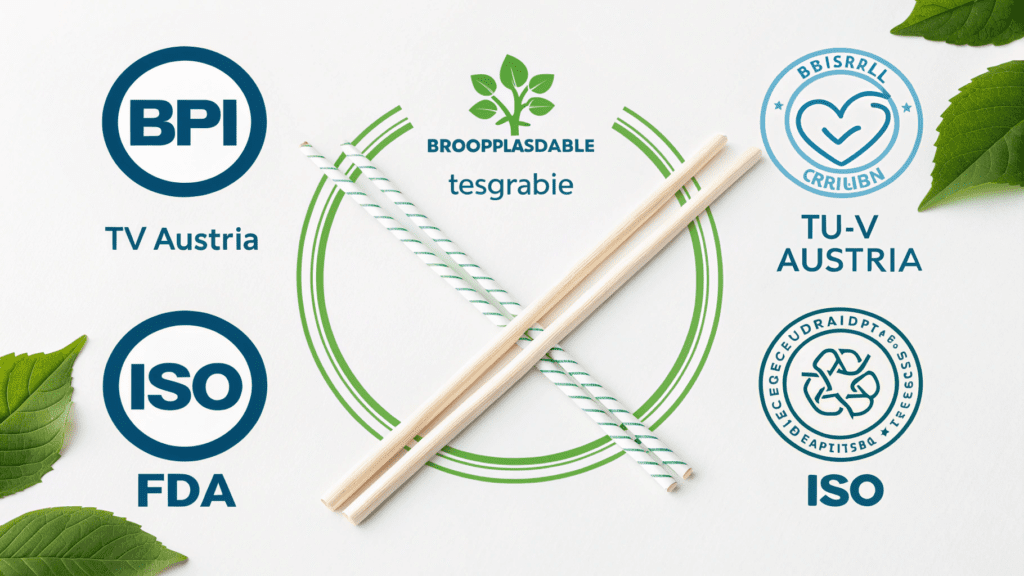
Primeiramente,biodegradability and compostability standardsare paramount. Seek suppliers whose products are certified by recognized organizations such as BPI Certified Compostable (for the US market) and TÜV AUSTRIA. These certifications confirm that products meet stringent criteria for breaking down in industrial composting facilities. Specifically, ensure compliance withASTM D6400ouEN 13432for industrial composting standards, as these are critical for European market access and proper waste management. Understanding the distinction between “biodegradable” and “compostable” is vital for effective waste management and avoiding greenwashing. For a deeper dive, consider reviewing resources like our guide onCanudos Compostáveis vs. Biodegradáveis: Um Guia B2B.
Secondly,food safety certificationsare non-negotiable. Verify that products hold certifications like FDA (U.S. Food and Drug Administration), ISO 22000 (Food Safety Management System), or HACCP (Hazard Analysis and Critical Control Points) to ensure consumer protection and regulatory compliance.
Finally, assess the supplier’s broader operational integrity throughquality and environmental management systems. Look forISO 9001for quality management andISO 14001for environmental performance systems. Suppliers committed to Environmental, Social, and Governance (ESG) initiatives will also often adhere to social accountability standards likeSA8000for ethical labor practices. These holistic certifications indicate a supplier’s commitment to responsible business practices, from material sourcing to manufacturing processes.
Exija transparência na cadeia de suprimentos e fornecimento ético
A verdadeira sustentabilidade se estende além do produto em si, abrangendo toda a cadeia de abastecimento. Fornecedores confiáveis de canudos biodegradáveis devem fornecer documentação abrangente sobre a origem do material e os processos de fabricação. Esta transparência ajuda a combater o “greenwashing” – alegações ambientais infundadas – que é um risco significativo no mercado ecológico.
Concentre-se em empresas que demonstrem um compromisso verificável com iniciativas ambientais, sociais e de governança (ESG). Isto inclui transparência na sua governança corporativa, métodos de produção ecológicos e dedicação ao bem-estar dos funcionários. Verifique a sua adesão aos padrões de responsabilidade social, como a SA8000, para práticas laborais éticas, garantindo salários justos, condições de trabalho seguras e ausência de trabalho infantil.
Além disso, estabeleça parcerias com fornecedores que trabalham ativamente para reduzir a sua pegada de carbono e minimizar a geração de resíduos nas suas operações. Isto poderia envolver a utilização de energia renovável, a implementação de programas de redução de resíduos ou a otimização da logística para reduzir as emissões dos transportes. Por exemplo, algumas empresas, como a BD Straws, exemplificam fortes iniciativas ESG e governança corporativa transparente, servindo como referência para o fornecimento responsável.

Fornecedores confiáveis oferecem certificações abrangentes e cadeias de fornecimento transparentes, cruciais para compras sustentáveis.
Diversos materiais de palha biodegradáveis e seus impactos operacionais
O mercado oferece uma variedade crescente de materiais de palha biodegradáveis, cada um com propriedades, benefícios e considerações operacionais distintas. Compreender essas diferenças é crucial para selecionar a solução certa para suas necessidades comerciais específicas.
Compreendendo os principais materiais de palha biodegradável
- Canudos de papel: Amplamente disponível e muitas vezes a opção inicial mais acessível. No entanto, eles tendem a ficar encharcados rapidamente, diminuindo a experiência do cliente. Uma preocupação significativa é a presença potencial de PFAS (“produtos químicos para sempre”) e outros compostos preocupantes que podem infiltrar-se em bebidas, especialmente as ácidas ou quentes, representando riscos para a saúde e problemas de persistência ambiental.
- Canudos de PLA (ácido polilático): Derived from renewable resources like cornstarch or sugarcane, PLA straws offer a plastic-like feel and are suitable for both hot and cold beverages. They are fully compostable, but typically require industrial composting facilities (e.g., ASTM D6400 compliant) to break down properly, which can be a disposal challenge in areas lacking such infrastructure.
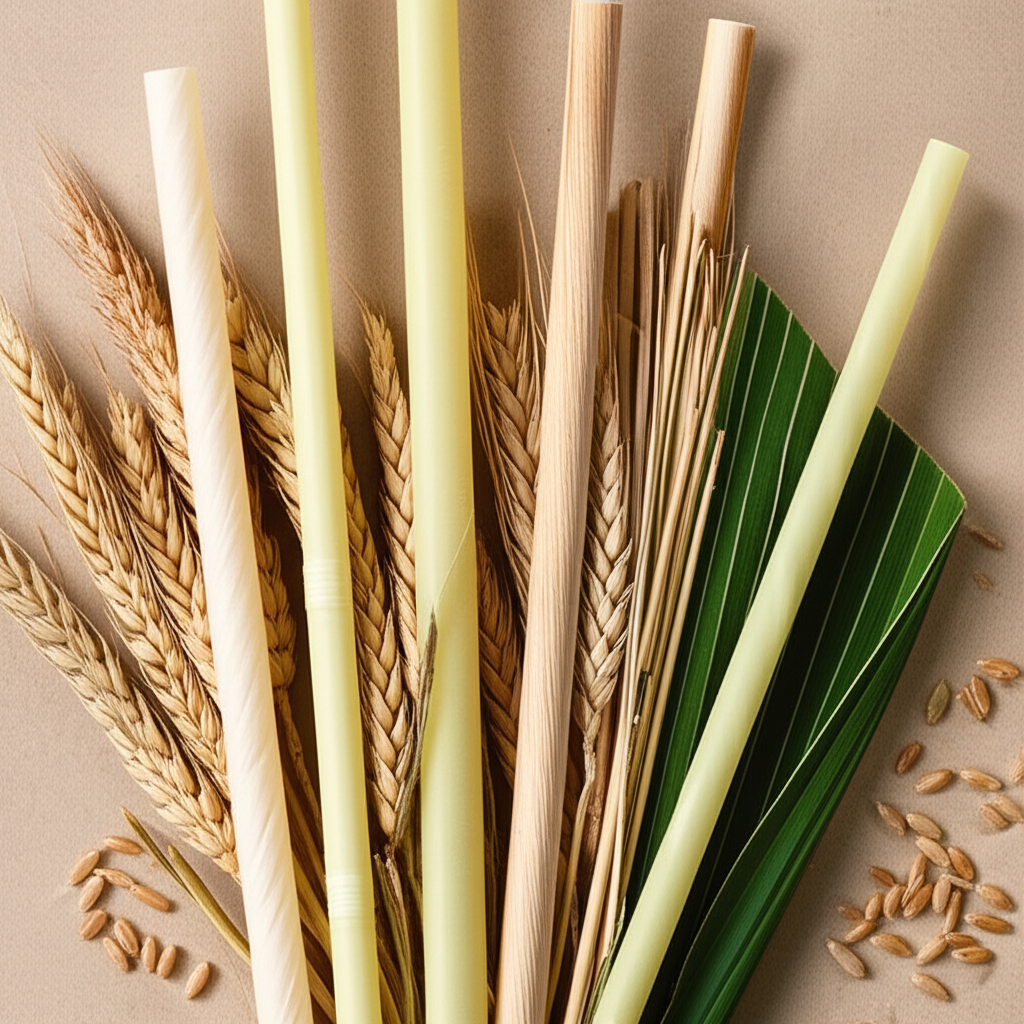
- Palhinhas de Cana-de-Açúcar (Bagaço): Made from the fibrous by-product of sugarcane processing, these straws are durable, resistant to both heat and cold, and often certified home compostable. They are naturally PFAS-free and repurpose agricultural waste, aligning well with circular economy principles.
- Wheat/Hay Straws: Natural, sturdy, and affordable, these straws are made from the stems of wheat plants after grain harvesting. They are suitable for various beverage types and fully biodegradable, offering a simple, natural alternative.
- Coconut Leaf Straws: An innovative and highly sustainable option, coconut leaf straws are environmentally friendly, exceptionally sturdy, cost-effective, and notably do not get soggy. They offer a unique natural aesthetic and are a strong differentiator for brands seeking novel, truly eco-friendly solutions.
Comparison of Biodegradable Straw Materials
| Recurso | Impacto operacional B2B | Nota de Conformidade | ROI potencial |
|---|---|---|---|
| Canudos de papel | High volume availability, relatively low upfront cost. | Concerns about PFAS contamination and chemical leaching, EU SUPD non-compliance. | Lower initial investment, but potential brand reputational risk and customer dissatisfaction. |
| Plaudos de PLA | Plastic-like feel, versatile for both hot and cold beverages, good shelf life. | Requires industrial composting facilities (e.g., ASTM D6400 or EN 13432). | Enhanced customer experience, aligns with single-use plastic bans, perceived as premium alternative. |
| Cana-de-açúcar (bagaço) | Superior durability, heat/cold resistant, repurposes agricultural waste, PFAS-free. | Often home compostable certified, naturally PFAS-free. | Strong sustainability narrative, reduces waste disposal complexity, superior customer experience. |
| Palhas de folhas de coco | Unique natural aesthetic, exceptional sturdiness (no sogginess), highly durable. | Novel material; ensure reliable supply chain for consistency, naturally biodegradable. | Differentiates brand, appeals to premium, eco-conscious consumers, unique selling proposition. |

Different biodegradable straw materials offer varied operational impacts and compliance considerations for businesses.
Vetting Processes for Reliable Suppliers for Biodegradable Straws
A robust vetting process extends beyond certifications to encompass practical product performance and a supplier’s reputation. This due diligence ensures that your chosen sustainable solutions deliver on their promises.
Assess Product Performance and End-of-Life Solutions
Before committing to a large order, it’s crucial torequest samplesto test the straws’ durability in liquids, their resistance to hot or cold temperatures, and their overall user experience. This hands-on evaluation will confirm whether the product meets your operational standards and customer expectations. For instance, while paper straws are ubiquitous, their tendency to become soggy can significantly detract from the consumer experience.
Furthermore, verify theproper disposal guidancefor the straws. Some materials, like PLA, explicitly require industrial composting facilities, while others, such as many sugarcane or wheat straws, are suitable for home composting. Mismanagement of disposal can negate the environmental benefits, leading to “compostable” items ending up in landfills. Ensure transparency regarding biodegradability claims to avoid “greenwashing” misconceptions; a truly reliable supplier will clearly communicate the specific conditions required for their products to break down. This transparency is key to aligning with your sustainability goals and avoiding regulatory scrutiny.
It’s also essential to be aware of ongoing research indicating that certain paper and bamboo straws may containPFAS “produtos químicos para sempre”or show concerning chemical leaching into beverages. Prioritize suppliers who explicitly guarantee PFAS-free products, safeguarding both consumer health and your brand’s integrity.
Leverage Third-Party Validation and Industry Recognition
A supplier’s credibility is often bolstered by independent verification. Prioritize suppliers who actively engage inthird-party testing and auditsto verify product claims and manufacturing practices. These independent assessments offer an objective layer of assurance regarding product quality, biodegradability, and safety standards.
Evaluate the supplier’shistory, industry experience, and customer reviews or testimonials. A long-standing positive reputation, coupled with consistent product quality and service, is a strong indicator of reliability. Additionally, seek suppliers who arerecognized by the large foodservice industry or well-known chain supermarkets. Such recognition signifies that their products meet the high standards and demands of significant commercial entities. For example, BD Straws is known for its strong ESG initiatives and transparent corporate governance, making it a reliable partner.
Thorough vetting, including performance assessment and third-party validation, ensures reliable sustainable straw solutions.
Case Study: Straw Matters – A Model for Sustainable Biodegradable Straw Sourcing
A compelling example of a reliable, sustainability-focused supplier isStraw Matters, a Canadian company that has carved a niche in producing high-quality, plant-based compostable straws. Their approach embodies several best practices for sustainable sourcing.
Straw Matters’ products are uniquely made fromagricultural by-products, emphasizing a circular economy model that diverts waste from landfills and reduces reliance on virgin resources. This commitment to true sustainability is reflected in their product’s end-of-life performance, designed for genuine compostability.
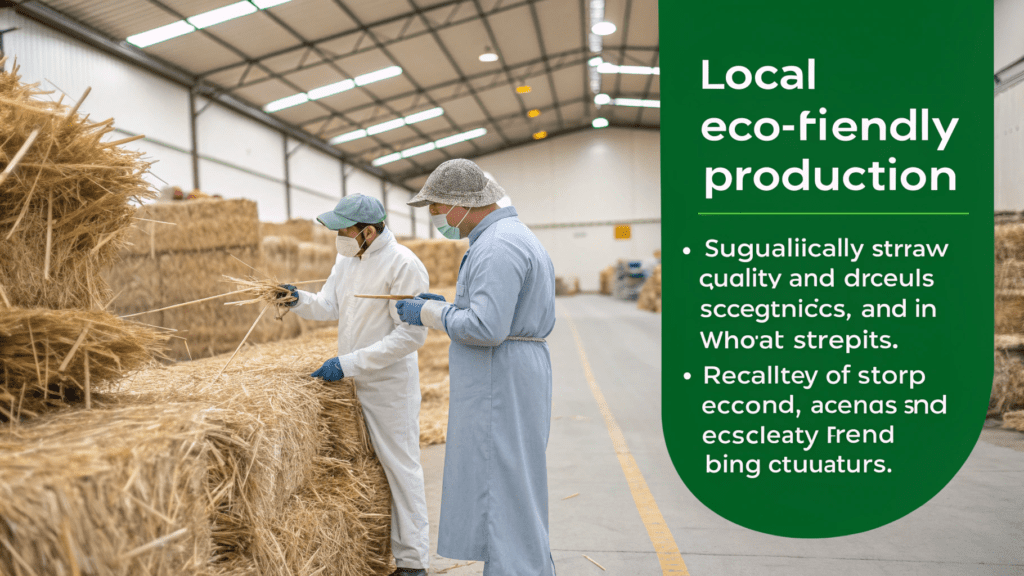
Crucially, Straw Matters championslocal production, a strategy that significantly reduces carbon emissions associated with long-distance shipping. By sourcing and manufacturing domestically, they minimize the environmental footprint of their supply chain and contribute to regional economies. This approach aligns perfectly with emerging trends in circular design and ethical sourcing practices, providing a blueprint for businesses seeking to operationalize their commitment to environmental responsibility while securing a reliable, high-quality supply.Straw Matters exemplifies sustainable sourcing through agricultural by-products and local production, minimizing environmental impact.
Future Trends & Innovation in Sustainable Straws
The landscape of sustainable packaging, particularly for straws, is evolving rapidly, driven by continuous innovation in materials, processes, and regulatory frameworks. Staying ahead of these trends is crucial for long-term strategic advantage.
One of the most promising areas of innovation isseaweed-based packaging. Seaweed is emerging as a highly promising sustainable material due to its biodegradable and edible properties, requiring no fertilizers, freshwater, or land for cultivation. Its growth also helps absorb carbon dioxide, contributing to climate change mitigation. Innovators are developing seaweed-based solutions that can naturally compost or even dissolve in warm water.
Another significant trend ismono-material packaging, which focuses on using a single material for packaging components. This simplifies the recycling process, addressing a major challenge with traditional mixed-material packaging and reducing overall waste. Similarly, the industry is increasingly adoptingupcycling waste materials, transforming agricultural, textile, and other industrial waste streams into new packaging products, thereby conserving resources and supporting a circular economy.
The push towardsreusable packaging systemsis gaining momentum, especially in logistics and food services, as companies shift from single-use models to durable, multi-use pallets and containers, leading to significant waste reduction and long-term cost savings. Furthermore, new bioplastics likePHA (polihidroxialcanoatos)eCellulose Diacetate (CDA)are showing promise for degrading within months even in marine environments, addressing critical concerns about ocean plastic pollution. For those interested in this specific area, our resource onMarine Biodegradable Straws for Hospitality & Foodserviceoffers further insights.
Regulatory bodies are also playing a significant role. By2025, the European Union’s Packaging and Packaging Waste Regulation (PPWR) will come into force, setting stringent measures for reducing packaging waste and promoting reuse and recyclability. In the U.S., the first ofsix Extended Producer Responsibility (EPR) lawsare also taking effect in 2025, fundamentally shifting the sustainable packaging paradigm by holding producers accountable for the entire lifecycle of their products. Beyond these, the Australian Packaging Covenant Organisation’s (APCO)2030 Strategic Planemphasizes designing easier-to-recycle packaging, improving collection systems, and increasing recycled content, pushing for a truly circular economy. These regulatory shifts will continue to drive demand for highly compliant and innovative sustainable solutions.Future trends in sustainable straws include seaweed-based materials, mono-material packaging, and evolving global regulations.
Competitive Advantage & Business Case
Adopting biodegradable straws is far more than a compliance exercise; it’s a strategic investment that delivers quantifiable benefits across multiple business dimensions.
Firstly, it serves as a powerfulrisk mitigation strategy. By proactively transitioning to compliant, certified biodegradable alternatives, businesses effectively shield themselves from potentialregulatory penaltiesassociated with evolving plastic bans and stricter environmental legislation, such as the EU SUPD and emerging US EPR laws. This foresight secures market access and ensures operational continuity in increasingly regulated environments.
Secondly, the impact onbrand value and reputationis immense. With approximately 70% of consumers favoring businesses that use eco-friendly options, embracing biodegradable straws connects authentically with a growing segment of eco-conscious consumers. This tangible commitment to sustainability enhances brand image, builds trust, and fosters loyalty, translating into aoportunidade de participação de mercadowithin a rapidly expanding industry projected to reach nearly $250 billion by 2033. This positive perception can differentiate your brand in a competitive landscape, attracting new customers and retaining existing ones.
Finally, while initial procurement costs for high-quality, certified biodegradable straws might be slightly higher than conventional plastics, thelong-term ROI potentialis significant. This includes not only the avoidance of future fines and remediation costs but also potentialeconomia de custosthrough improved waste management, reduced disposal complexities, and even operational efficiencies as supply chains optimize for sustainable materials. Furthermore, strong sustainability initiatives can attract environmentally focused investors and talent, reinforcing the overall business case. By becoming an early mover or solidifying your position as a leader in sustainable procurement, your organization gains a distinct competitive advantage, positioning itself for resilient growth and enhanced profitability.Biodegradable straws offer competitive advantages through risk mitigation, enhanced brand value, and significant long-term ROI.
Conclusão
Finding reliable suppliers for biodegradable straws demands a rigorous vetting process, focusing on comprehensive certifications, transparent supply chains, and material integrity. By prioritizing these factors, your organization can confidently transition to sustainable alternatives, enhancing brand reputation, mitigating compliance risks, and meeting evolving regulatory and consumer demands. The future of procurement is sustainable, and securing dependable partnerships in this space is paramount for long-term success.
Elevate your brand’s sustainability footprint by partnering with certified, transparent biodegradable straw suppliers today.Prioritizing certified, transparent suppliers for biodegradable straws is crucial for sustainable procurement and long-term success.
Perguntas frequentes
Why is finding reliable biodegradable straw suppliers crucial for hospitality businesses?
Reliable suppliers ensure product efficacy, environmental integrity, and supply chain stability, helping hospitality businesses meet evolving regulations and consumer demand for sustainable options.
What certifications should I look for in biodegradable straw suppliers?
Prioritize certifications like BPI Certified Compostable, TÜV AUSTRIA (ASTM D6400/EN 13432), FDA, ISO 22000, HACCP, ISO 9001, ISO 14001, and SA8000 for comprehensive assurance.
How can I avoid ‘greenwashing’ when sourcing biodegradable straws for my restaurant?
Demand supply chain transparency, verify material origin, and ensure clear, verifiable biodegradability claims with specific disposal guidance to avoid misleading environmental claims.
Are sugarcane straws truly better than paper straws for cafes and hotels?
Sugarcane (bagasse) straws offer superior durability, heat/cold resistance, and are often PFAS-free and home compostable, providing a better customer experience and stronger sustainability narrative compared to soggy paper alternatives.
What are the long-term benefits of switching to certified biodegradable straws for a large hotel chain?
Long-term benefits include risk mitigation from regulatory penalties, enhanced brand value and customer loyalty, potential cost savings from improved waste management, and attracting environmentally focused investors.