I. Introduction: The Sip Heard ‘Round the World
A. Hook:
Remember when straws were just… straws? Well, times have changed, and your innocent sip has become a battleground for environmentalism and health!
B. The Big Problem:
Those seemingly harmless plastic straws? They’re tiny tubes creating a massive headache for our planet, polluting oceans, harming marine life, and breaking down into microplastics that end up everywhere (including us!). It’s a curious predicament, isn’t it? How did something so seemingly insignificant become a symbol of environmental degradation? It speaks volumes about our consumption habits, the sheer volume of “disposable” items we churn through, and the lasting impact of convenience culture.

C. The Solution? “Toxin-Free” Straws!
But what exactly are they, and are they truly as “free” of toxins as they sound? This quest for a guilt-free gulp has led us down some unexpected paths, raising questions about greenwashing, the true cost of sustainability, and the very definition of “eco-friendly.”
D. What this post will cover:
Get ready for a journey through sipping history, a peek into who loves (and loathes) the new alternatives, the controversies swirling around them, and a glimpse into the future of guilt-free gulping. We’ll unravel the complexities, the hidden agendas, and the surprising science behind this seemingly simple issue.
II. A Twisted Tale: The History of the Humble Straw

A. Origens Antigas:
Believe it or not, straws are ancient! We’re talking 5,000 years ago in Mesopotamia, where Sumerians used fancy gold and lapis lazuli tubes to sip beer. Who knew? It’s intriguing to consider that even in antiquity, the act of sipping was deemed worthy of artistry and craftsmanship. Were they simply avoiding barley remnants, or was there a deeper ritualistic significance?
B. Nature’s First Straws:
Avançando para 1800 – os talos de azevém eram a escolha certa. Barato, natural… mas eles faziam sua bebida ficar com gosto de cortador de grama e rapidamente virava mingau. Bruto. Quase podemos imaginar as reclamações ecoando pelas tabernas da época: “Minha cerveja tem um leve gosto de grama recém-cortada!” É um lembrete de que mesmo as soluções “naturais” nem sempre são ideais.
C. A revolução do papel:
Entra Marvin C. Stone, um cara de 1888 que estava tão farto de juleps de hortelã que inventou o primeiro canudo de papel! Revestido de cera, sem mais mingau e amplamente popular na década de 1930. A invenção de Stone não foi apenas uma solução prática; foi uma prova da engenhosidade humana, do nosso desejo inato de melhorar as nossas circunstâncias, mesmo no domínio dos goles.
D. A descoberta flexível:
Justamente quando você pensava que os canudos não poderiam ficar mais frios, Joseph Friedman inventa o canudo flexível em 1937, inicialmente para pacientes de hospitais (e em breve, amantes de milkshake em todos os lugares!). Esta inovação aparentemente pequena revolucionou a acessibilidade, demonstrando como o design pode melhorar a vida de pessoas com necessidades específicas. É uma lição de empatia e do poder das soluções simples.
E. Reinado do Plástico:
A década de 1960 marcou o início da era do plástico. Baratos, duráveis e aparentemente indestrutíveis, os canudos de plástico assumiram o controle, tornando-se uma parte inquestionável da vida cotidiana por décadas. Este período marca um ponto de viragem, uma mudança do consumo consciente para uma cultura de conveniência. O fascínio do plástico era inegável, mas as suas consequências a longo prazo eram imprevistas.
F. The Wake-Up Call:
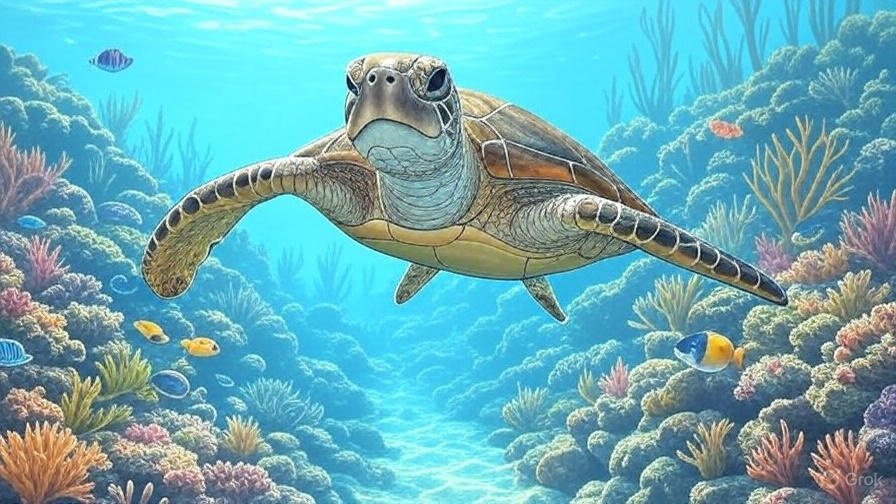
Then came the 21st century. Viral videos of sea turtles with straws stuck in their noses ignited a global outcry. Suddenly, convenience was overshadowed by ecological catastrophe, leading to a powerful “anti-plastic straw” movement. It was a visceral wake-up call, a stark reminder of the interconnectedness of our actions and their impact on the natural world. The image of that turtle became a symbol of our collective responsibility.
III. The Great Straw Debate: Who Thinks What?
A. Restaurant Owners: Balancing Green with Green (Money!)
The Upsides:
Eles estão ansiosos para abandonar o plástico para aumentar sua “credibilidade ecológica”, atrair clientes ambientalmente conscientes (olá, Geração Z e Millennials!) e cumprir essas proibições incômodas de plástico. Alguns até encontram certas alternativas como vidro ou agave canudos adicionam um toque premium. Além disso, a longo prazo, poderá poupar-lhes dinheiro na gestão de resíduos e evitar multas.
O postigo pegajoso (ou encharcado):
But it’s not all sunshine and sustainable rainbows. The cost can be way higher (paper straws can be 10× more expensive!). There are performance issues (the dreaded soggy paper straw is a real complaint). Proper disposal is a nightmare (do you have an industrial composting facility handy?). And don’t forget the logistical headache of keeping plastic straws on hand for customers with disabilities. Restaurant owners find themselves navigating a complex landscape of ethical considerations, financial constraints, and logistical challenges. Finding the right balance is crucial for both their business and the environment.

B. The Customer’s Conundrum: Sip Safely, or Soggy Surprise?
The Ideal Sip:
For consumers, it’s simple: we want a straw that doesn’t taste weird, holds its shape, is easy to clean (for reusables), and can come with us on the go. It’s a fair expectation, isn’t it? A simple pleasure, untainted by concerns about environmental impact or potential health risks.
The “Forever Chemical” Fiasco:
Here’s the kicker – recent studies found “forever chemicals (PFAS)” in many supposedly “eco-friendly” straws, especially paper and bamboo! This is a huge concern for health and the environment, undermining their “toxin-free” claim. This revelation casts a shadow of doubt on the entire movement, forcing us to question the validity of “eco-friendly” labeling and the effectiveness of current regulations. How can we trust the alternatives when they might be just as harmful?
Straw Material Showdown (The Good, The Bad, The Meh):
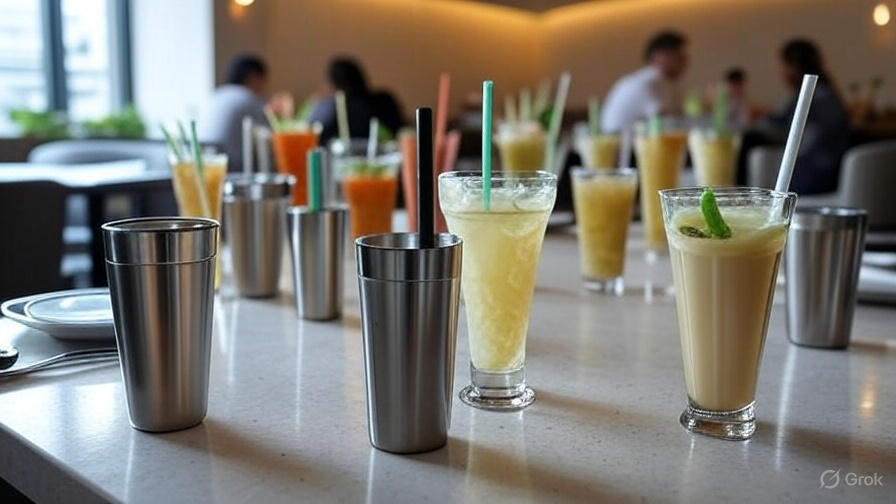
- Aço inoxidável: The MVP for chemical safety (PFAS-free!), super durable, and reusable. But watch out for metallic taste and rigid edges!
- Vidro: Chic, transparent (so you can see if it’s clean!), non-toxic. But, oops, it broke! (And some even have PFAS!).
- Silicone: Soft, flexible, kid-friendly, and generally safe. Great for sensitive teeth.
- Papel: The original eco-darling, but often a soggy disappointment – and frequently loaded with PFAS.
- The New Kids on the Block: Innovations like cornstarch, PHA, rice, sugarcane, agave, and even edible straws are stepping up, promising better performance, taste, and true biodegradability. Each material presents its own set of trade-offs, forcing consumers to weigh their priorities: safety, durability, environmental impact, and sensory experience. The ideal straw remains elusive, a testament to the complexity of material science and consumer preferences.
Hidden Allergens:
A quick heads-up: some eco-straws can hide allergens like latex, gluten, or soy. Always check! This is a crucial reminder that “eco-friendly” doesn’t necessarily equate to “allergy-friendly.” Transparency and clear labeling are essential to protect vulnerable individuals.
C. Environmental Advocates: Beyond the Ban
The War on Plastic:
Environmental groups were the driving force behind plastic straw bans, highlighting the massive pollution, microplastic spread, and devastating harm to marine life. Their efforts have raised awareness and sparked a global conversation about our relationship with plastic.
The PFAS Problem:
Now, they’re on a new mission: calling out the PFAS contamination in “eco-friendly” alternatives. They argue that “greenwashing” is just as bad as outright pollution. This shift in focus highlights the importance of continuous scrutiny and a refusal to accept superficial solutions.
The Composting Conundrum:
Many “compostable” straws need specialized industrial facilities to break down. If they end up in landfills or regular recycling, their eco-benefits are lost. This exposes a critical flaw in the system: the lack of adequate infrastructure to support the proper disposal of “compostable” products.
Their Broader Message:
It’s not just about straws; it’s about a fundamental shift in how we consume and dispose of all single-use plastics. Refuse, reduce, reuse! The straw debate serves as a microcosm of a much larger issue: the need for systemic change in our production and consumption patterns.

IV. The Straw-mageddon of Controversies & Challenges
A. The “Toxin-Free” Deception:
The biggest controversy is the irony of finding harmful PFAS in “eco-friendly” paper and bamboo straws, making consumers and environmental groups question their true benefit. This betrayal of trust undermines the credibility of the entire sustainability movement.
B. The Disposal Dilemma:
Most “compostable” straws are only truly compostable in industrial facilities, which are scarce. This means many still end up in landfills, where they don’t break down properly, nullifying their purpose. This highlights the disconnect between intention and reality, the gap between “compostable” labeling and actual composting infrastructure.
C. Performance Anxiety:
Remember that soggy paper straw in your milkshake? Or the metallic taste from steel? Or agave straws that splinter? Eco-friendly alternatives often struggle to match plastic’s convenient durability. Consumer acceptance hinges on performance, and if alternatives fail to deliver a satisfactory experience, adoption will be limited.
D. The Price Tag:
Sustainable options are often significantly more expensive for restaurants, impacting their bottom line and sometimes leading to resistance. The economic barrier to sustainability is a significant challenge, requiring innovative solutions and government incentives to level the playing field.
E. Hygiene Hurdles for Reusables:
For busy restaurants, thoroughly cleaning the inside of hundreds of reusable straws to health standards is a logistical and labor-intensive nightmare. Hygiene is paramount, and ensuring the safety of reusable straws requires significant investment in equipment, training, and monitoring.
F. Accessibility and Inclusivity:
Plastic straw bans often include clauses requiring restaurants to provide them upon request for those who need them due to medical conditions or disabilities, adding a layer of complexity. Accessibility must be a central consideration in any sustainability initiative, ensuring that the needs of all individuals are met.
V. Sipping into the Future: Innovations and Regulations Ahead
A. The Next Generation of Straws:
PHA:
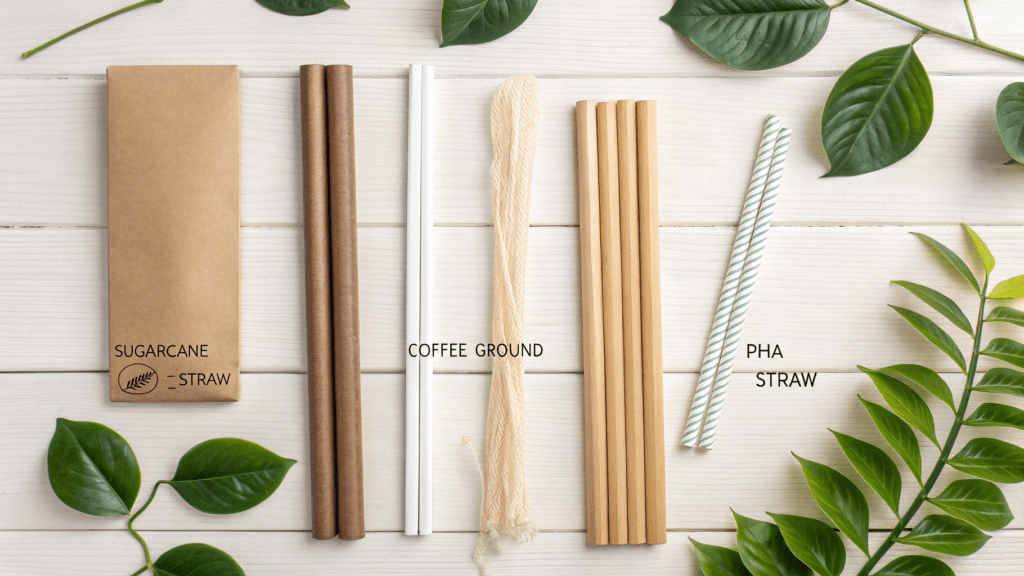
This bio-based polymer is touted as the future! It mimics plastic’s feel and durability but breaks down in any environment – industrial compost, home compost, even marine environments. Game-changer!
Canudos Comestíveis:
Imagine finishing your drink and then eating your straw! These innovative, flavored straws are zero-waste and surprisingly durable.
Smarter Paper Straws:
Manufacturers are learning from past mistakes, developing sturdier, less-soggy versions, and phasing out PFAS.
New Plant-Based Wonders:
Expect to see more straws made from agricultural waste like borra de café, banana fibers, and other inventive plant sources, turning trash into treasure. These innovations offer a glimmer of hope, a promise of a future where sustainability and convenience can coexist.
B. Restaurants Go Beyond Straws:
On-site Water Systems:
Many establishments are installing systems to filter and bottle their own water, ditching plastic bottles entirely.
Water Conservation:
The hospitality industry is a huge water user, so expect more technologies and regulations pushing for smarter water use.
Extended Producer Responsibility (EPR):
Get ready for manufacturers to be held accountable for their packaging’s entire lifecycle, pushing for more sustainable designs from the start. This broader approach to sustainability recognizes that straws are just one piece of a much larger puzzle.
C. The Regulatory Tsunami:
Global Bans:
The EU already banned single-use plastic straws, and more countries and cities worldwide are following suit with stricter bans and restrictions.
US State-Level Action:
States like California are leading the charge, requiring packaging to be recyclable or compostable and making straws “request-only.” More states are banning polystyrene foam and other single-use plastic items.
Push for Reusable Options:
Regulations will increasingly mandate that restaurants offer reusable packaging solutions. Government intervention is playing an increasingly important role in driving the transition to a more sustainable future.
VI. Conclusion: Cheers to a Cleaner Future (One Sip at a Time!)
A. Recapitulação:
The journey from ancient golden tubes to modern-day “forever chemical” concerns has been wild. But the collective drive for healthier, greener sips is undeniable.
B. The Imperative:
This isn’t just a trend; it’s a vital shift. Restaurants, consumers, and policymakers are all playing a crucial role in creating a more sustainable future.
C. A Call to Action:
As a diner, support restaurants embracing sustainable choices. As a consumer, demand transparency about straw materials and choose wisely.
D. Final Thought:
The future of drinking is less about what you sip with, and more about protecting the planet we all share. Here’s to making every sip count! It’s a call for conscious consumption, for mindful choices that reflect our commitment to a healthier planet. The humble straw, once a symbol of convenience, now represents a challenge and an opportunity: to sip responsibly and build a more sustainable future, one gulp at a time.