Fluxurile în schimbare: de ce paiele de plastic nu mai sunt o opțiune pentru serviciile alimentare și comerțul cu amănuntul
The ubiquitous plastic straw, once a symbol of convenience, has now become a critical environmental liability for businesses worldwide. We face a looming threat posed by traditional plastic, which persists in our environment for hundreds of years, breaking down into harmful microplastics that pollute our oceans and endanger marine life. This ecological crisis has catalyzed a decisive shift in global policy and consumer behavior.
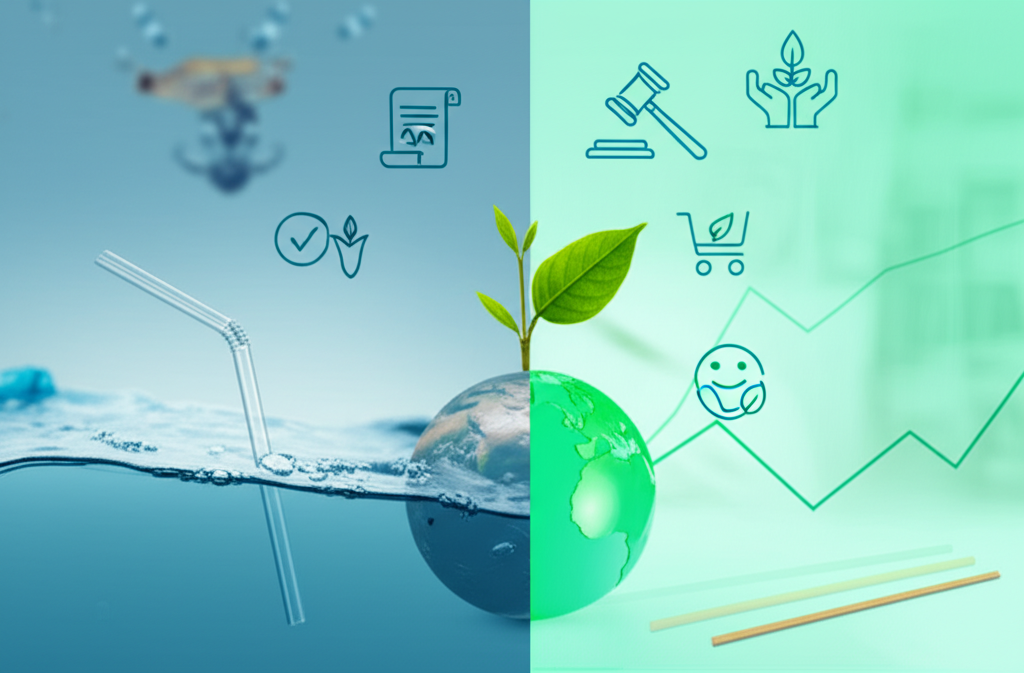
Pe tot globul, un peisaj tot mai mare de interdicții și restricții din plastic de unică folosință remodelează realitățile operaționale pentru serviciile alimentare și comerțul cu amănuntul. De la Directiva cuprinzătoare privind materialele plastice de unică folosință a Uniunii Europene până la mandate din Regatul Unit și diverse state din SUA, precum California și Washington D.C., legislația are un impact direct asupra achizițiilor și conformității operaționale. Nerespectarea nu mai înseamnă doar o palmă pe încheietură; implică riscuri semnificative de reputație a mărcii, percepție publică negativă și penalități financiare potențial mari.
Dincolo de reglementări, cererea consumatorilor pentru produse durabile crește rapid. Studiile indică în mod constant că un procent mare de consumatori globali sunt dispuși să plătească mai mult pentru ambalaj ecologic și preferă să patroneze afacerile responsabile cu mediul. Pentru distribuitori, angrosisti și managerii de achiziții în domeniul ospitalității, aceasta nu este doar o tendință; este un semnal profund de piață. Prin tranziția proactivă de la plastic, marca dvs. se poate poziționa ca lider în durabilitate, atrăgând și păstrând acest segment valoros de clienți conștienți de mediu în sectoarele extrem de competitive de alimentație și retail. Această aliniere cu obiectivele solide de Responsabilitate Socială Corporativă (CSR) nu numai că vă îmbunătățește imaginea publică, ci demonstrează și un angajament real pentru o planetă mai sănătoasă. Pentru mai multe informații despre practicile durabile, luați în considerare explorareamomoio.comangajamentul față de soluții ecologice.
Navigarea în noua normalitate: creșterea paielor biodegradabile
Era paielor de plastic se sfârșește fără îndoială, dând loc unei noi normalități definite de alternative durabile. Piața paielor ecologice înregistrează o creștere uluitoare, estimată că va atinge aproape 25,1 miliarde USD până în 2035, cu o rată de creștere anuală compusă (CAGR) robustă de 7,3%. Această transformare rapidă este alimentată de creșterea presiunii de reglementare și de angajamentele îndrăznețe ale giganților din industrie în materie de durabilitate. Jucători majori precum Starbucks, McDonald’s, First Watch și HMSHost au făcut deja tranziții semnificative către alternative biodegradabile, stabilind un nou standard industrial și demonstrând viabilitatea și necesitatea acestei schimbări. Această traiectorie prezintă o oportunitate imensă pentru distribuitorii, angrosistii și managerii de achiziții pentru ospitalitate pricepuți de a valorifica cererea în creștere și de a-și asigura un avantaj competitiv.
So, what exactly constitutes a biodegradable straw? Unlike their plastic predecessors, biodegradable straws are materials designed to break down naturally into harmless compounds over time, significantly reducing landfill and ocean waste. This decomposition occurs through exposure to environmental conditions like moisture, heat, and microorganisms, often within months to a few years, a stark contrast to the centuries required for traditional plastic.
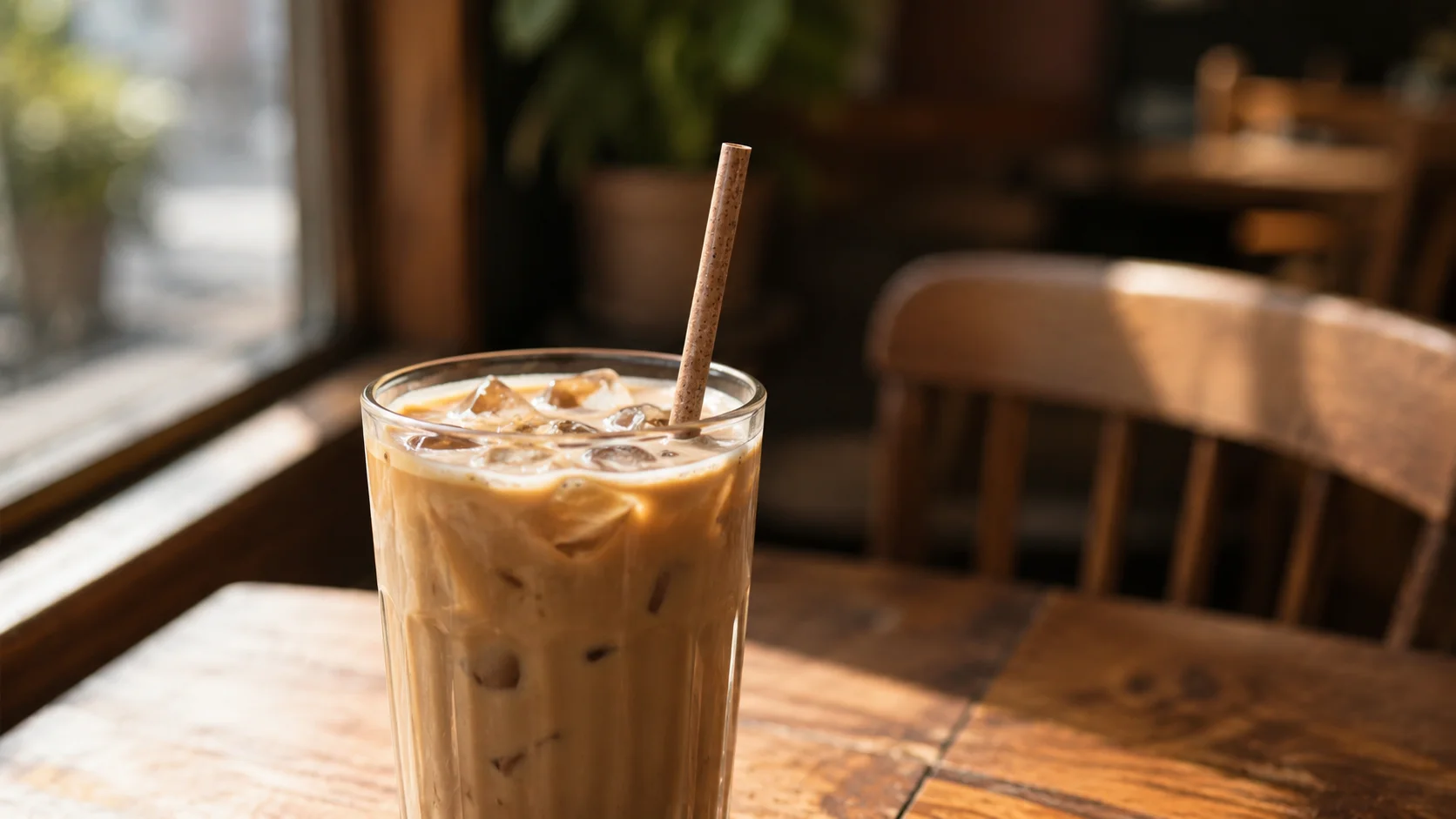
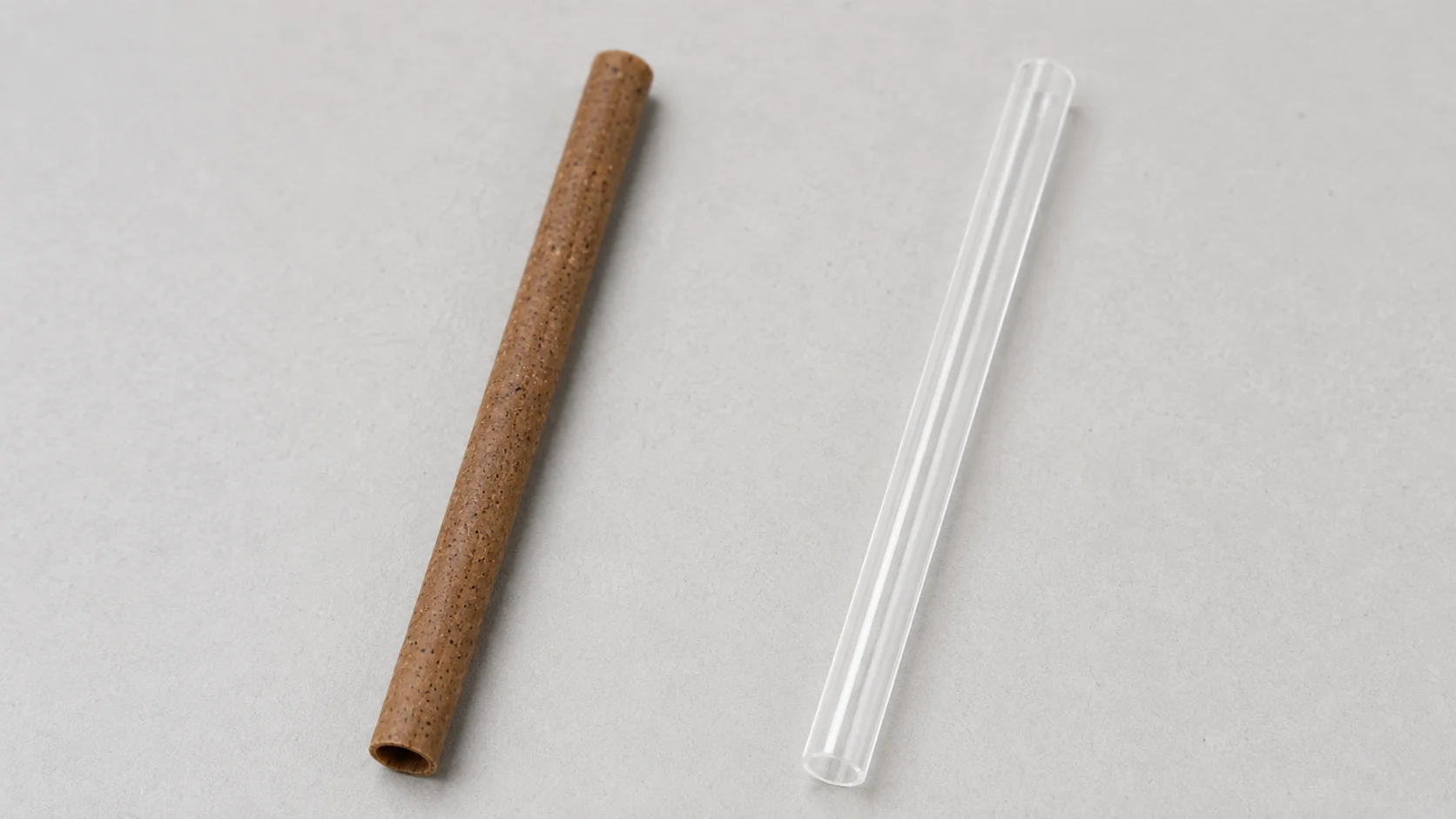
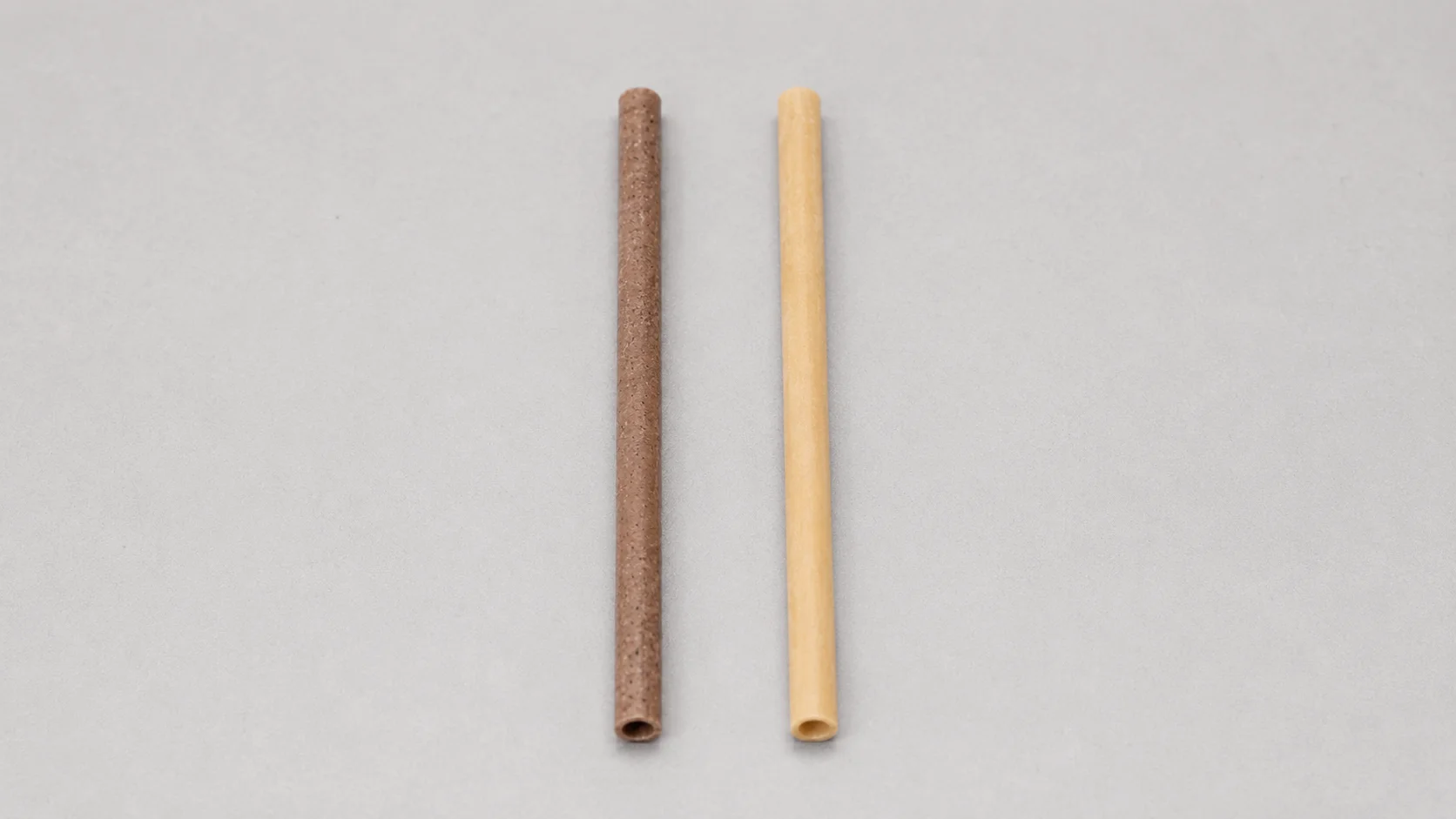
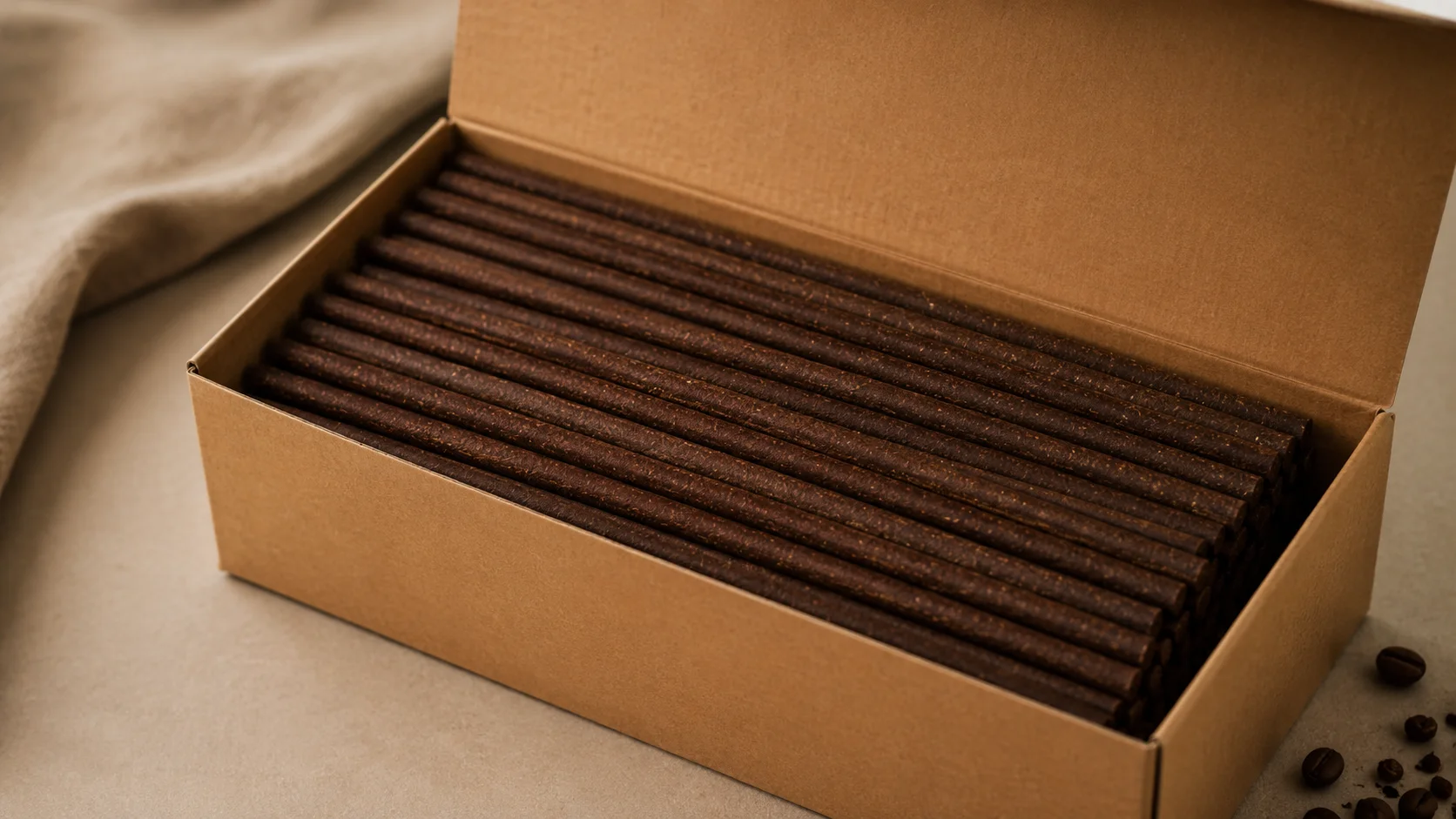
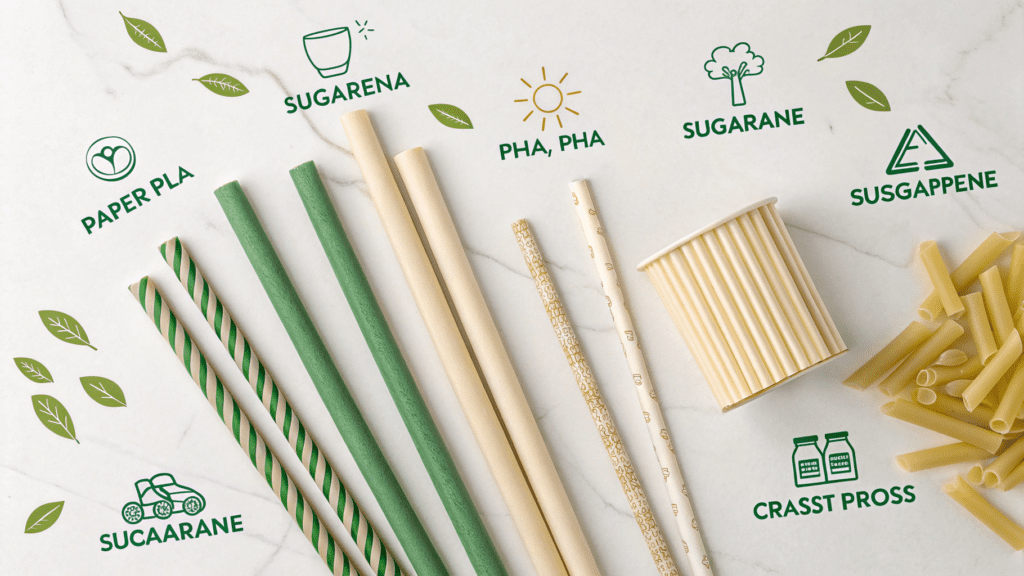
The innovation in this space extends far beyond basic paper straws. Today, you can discover a diverse range of plant-based materials driving this sustainable revolution. These include Polylactic Acid (PLA) derived from renewable resources like corn starch, Polyhydroxyalkanoates (PHA) from canola oil or plant sugars, durable sugarcane (bagasse) made from a fibrous byproduct, quickly decomposing rice and wheat straws, resilient bamboo, and even innovative coffee ground-based options. Understanding these distinctions is crucial for precise procurement. While “biodegradable” refers to natural breakdown over time, “compostable” indicates degradation in specific composting environments (industrial or home), and “marine-degradable” specifies breakdown in saltwater, a critical feature for combating ocean plastic pollution. For a deeper dive into sustainable packaging options, visitmomoio.comwholesale solutions.
Strategic Sourcing: Choosing the Right Biodegradable Straw for Your Business
Making the strategic switch to biodegradable straws offers benefits that extend far beyond mere compliance. By selecting advanced biodegradable straw options, businesses can achieve superior operational efficiency, delivering a consistent user experience that minimizes common complaints associated with earlier, less refined alternatives. This proactive adoption of sustainable solutions enhances your brand’s appeal and cultivates deeper consumer loyalty, resonating powerfully with today’s environmentally aware customers. Furthermore, this transition can realize potential long-term cost efficiencies through reduced waste management fees and avoided penalties associated with increasingly stringent single-use plastic regulations in both the US and Europe. For instance, the EU’s comprehensive ban on single-use plastics has forced a widespread shift, while US states like New York and Washington have implemented their own restrictions, making sustainable sourcing a critical operational imperative.
To navigate the diverse landscape of options, a comparative analysis of biodegradable straw types is essential:
| Tipul de paie | Key Characteristics & Benefits | Decomposition Time & Conditions | Considerations for B2B Procurement |
|---|---|---|---|
| Paie de hârtie | Cost-effective, widely available, made from sustainable wood resources. Advancements in water-resistant coatings. | Weeks to months in composting or landfill (if proper conditions met). | Excellent for general use; ensure modern versions with improved durability to combat sogginess. Look for FDA-approved, BPA-free options. Still dominate the market due to cost-effectiveness. |
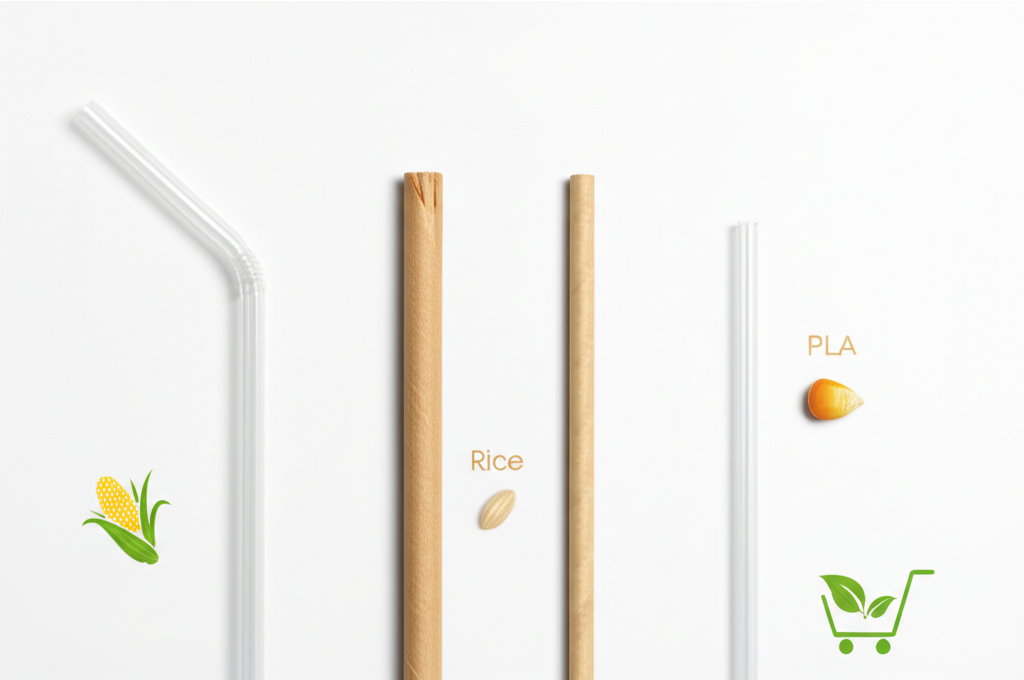
| Paie PLA (acid polilactic). | Mimic traditional plastic feel and functionality. Made from renewable resources like corn or sugarcane. | Years without industrial composting; months (56-60°C) with industrial composting facilities. | Good for consumer experience; crucial to verify local industrial composting infrastructure. If facilities are scarce, these may not fully biodegrade in landfills as intended, leading to “greenwashing” concerns if not clearly communicated. |
| PHA (polihidroxialcanoați) paie | Offer plastic-like durability and feel. Produced from plant sugars or canola oil fermentation. | Months in industrial, home composting, and even ocean environments (marine-degradable). | High performance, versatile disposal; increasingly popular due to broad biodegradability. Companies like First Watch and HMSHost are adopting PHA straws for their widespread breakdown capabilities. |
| Paie din trestie de zahăr (Bagas). | Durable, water-resistant, made from a fibrous byproduct of sugarcane processing. | Less than 3 months in home or industrial composting facilities. | Excellent durability and sustainability, utilizing agricultural waste. Less prone to sogginess than paper. A strong choice for various beverage types. |
| Rice/Edible Straws | Fully edible, zero-waste solution. Made from natural ingredients like rice flour and cassava starch. | Rapidly within 1-3 months in nature (even if not eaten). | Unique customer experience; ideal for cold beverages. May be more brittle or have specific texture/taste. Offer a compelling differentiator and eliminate waste entirely. |
Beyond these core types, the latest innovations in material science are continuously pushing boundaries, developing multi-layered coatings, advanced bio-based polymers, and even bacterial cellulose-based straws that are stronger than paper and biodegrade without industrial composting.
It’s vital to address common B2B concerns regarding biodegradable straw performance, such as sogginess or perceived lack of durability. Modern material science has significantly improved these attributes, with many plant-based options now designed to maintain structural integrity throughout use. Furthermore, navigate the complexities of “greenwashing” by understanding the specific decomposition requirements for different biodegradable materials. Prioritize certified products (e.g., those meeting ASTM D6400 or EN 13432 standards for compostability) that clearly state their end-of-life pathways. Crucially, mitigate health and environmental concerns by sourcing straws verified to be free from harmful chemicals like PFAS (“forever chemicals”), which have been found in some paper and bamboo straws. This ensures a safe product for both consumers and the environment. Transparency in sourcing and disposal is key to truly embracing sustainability. For detailed product specifications and certifications, checkmomoio.comproduct catalog.

Partnering for a Sustainable Future: Your Next Steps
The future of the foodservice and retail packaging industry is undeniably biodegradable, marked by continuous innovation and unprecedented opportunity. Businesses must prepare for the next wave of advancements in biodegradable straws, including AI-driven material research leading to new high-performance bio-based polymers, enhanced marine degradation properties for truly ocean-safe solutions, and the proliferation of accessible edible and home-compostable options. By adopting these cutting-edge sustainable solutions, your business is positioned to lead, staying ahead of evolving regulatory changes and rising consumer expectations. Embracing biodegradable straws is not merely a compliance measure; it is a strategic investment in your brand’s future, market share, and operational resilience.
To secure your sustainable supply chain and make a seamless transition, initiate a strategic partnership with a trusted supplier specializing in certified biodegradable straw solutions tailored for the foodservice and retail sectors. We encourage you to request a personalized consultation to analyze your specific operational needs, explore a diverse portfolio of advanced biodegradable straw types, and optimize your procurement strategy for both environmental impact and cost-effectiveness. To deepen your understanding and make informed decisions, download our comprehensive Biodegradable Straw Procurement Guide today, providing in-depth insights into material selection, crucial certifications, and long-term cost-benefit analysis.