Mastering Procurement for Sustainable Success in Foodservice & Hotels

1. Introducere convingătoare a problemei industriale
The global drinking straw market, a sector valued at approximately $14.38 billion in 2024 and projected to soar to $23.19 billion by 2031, is undergoing an unprecedented transformation. Businesses, particularly in the hospitality and foodservice industries, are grappling with a complex landscape shaped by escalating environmental mandates and a seismic shift in consumer preferences towards sustainable alternatives. Governments worldwide, from theEuropean Union (2019, European Parliament)to China, are enacting stringent bans on single-use plastics, creating immediate operational challenges and significant brand reputation risks for any enterprise still relying on traditional plastic straws. Major corporations, such asMarriott International, have already committed to eliminating plastic straws across their vast network of over 6,500 hotels, setting a clear precedent. This urgent industry pivot, coupled with unpredictable material costs for eco-friendly options, has thrust bulk straw procurement into a realm of extreme cost volatility and supply chain uncertainty, directly impacting bottom lines and long-term strategic planning.
For hospitality and foodservice, relying on outdated procurement methods for bulk straws means missed opportunities for cost savings and brand enhancement. The industry faces a critical juncture where sustainable choices are no longer optional but essential for market relevance and financial stability. The shift to eco-friendly straws is not just about compliance; it’s about securing a competitive edge and meeting evolving consumer demands. Businesses must proactively manage costs and supply chains to thrive in this new landscape.
Cheie la pachet:The hospitality and foodservice sectors face significant risks and opportunities in the rapidly transforming bulk straw market, driven by environmental mandates and consumer demand for sustainability.
Proactive bulk straw procurement is crucial for hospitality to mitigate risks and capitalize on sustainability trends.

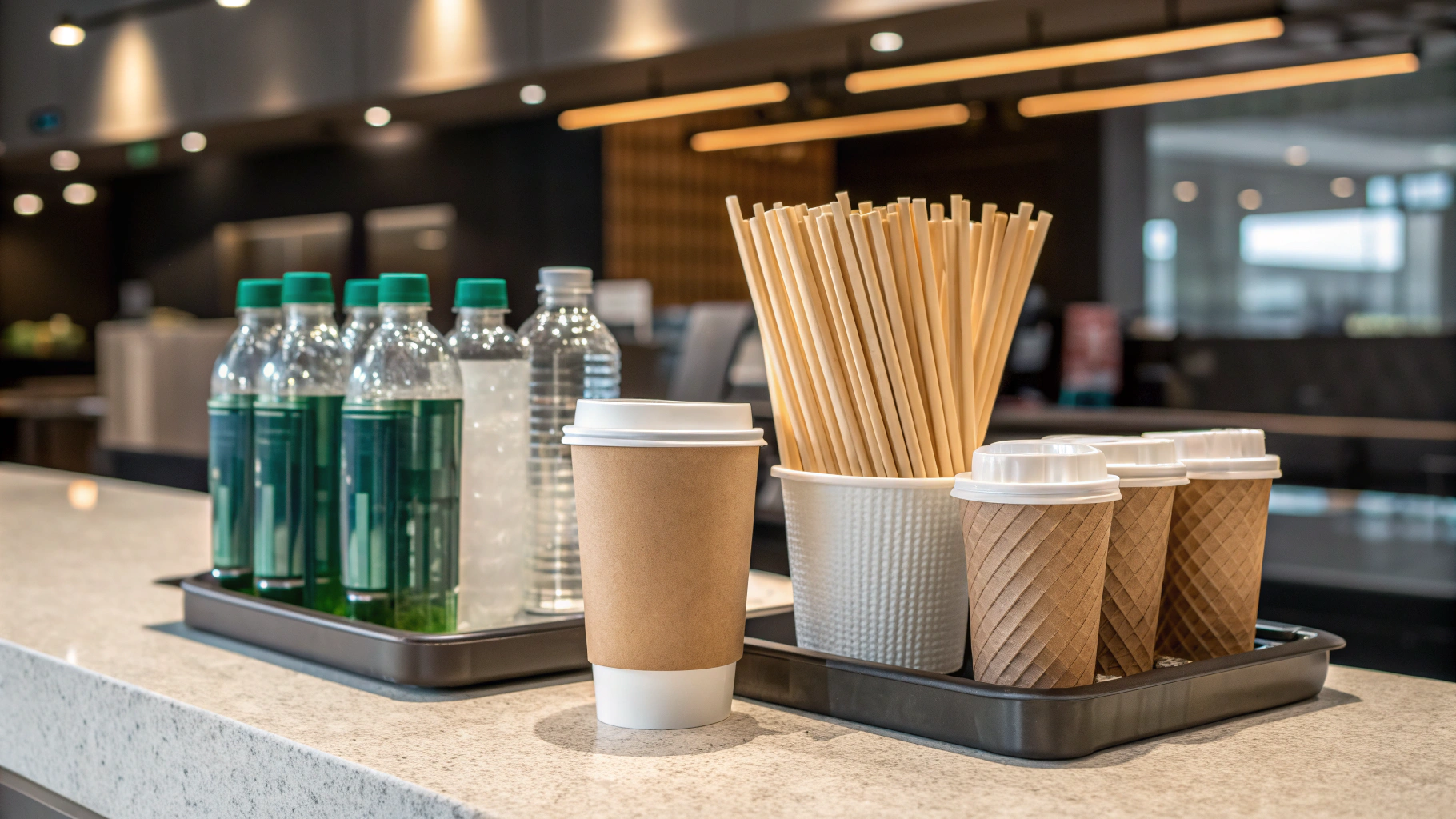
Efficient supply chain management is key for sustainable hospitality.
2. Market & Regulation Insights (EU, US, Asia-Pacific)
Pentru a naviga pe această piață tumultoasă, companiile trebuie să treacă dincolo de metodele convenționale de cumpărare și să adopte strategii avansate de prețuri. Acordurile contractuale de blocare a prețurilor, care se prelungesc adesea pe 12 luni, oferă un scut crucial împotriva fluctuațiilor neprevăzute ale pieței în ceea ce privește costurile materiilor prime și cheltuielile de producție pentru paiele de băut în vrac. Aceste acorduri oferă o certitudine bugetară esențială, protejându-vă costurile de achiziții de presiunile inflaționiste și șocurile pieței. În plus, cumpărătorii pricepuți pot maximiza economiile prin structuri de reduceri pe niveluri. Aceste modele stimulează achizițiile anuale mai mari, oferind reduceri progresiv mai mari, de exemplu, o reducere de 2% pentru cheltuielile anuale între 5.000 USD și 9.999 USD, crescând la 3% pentru achizițiile care depășesc 10.000 USD. Astfel de structuri nu numai că reduc costul efectiv pe unitate în timp, dar și eficientizează comenzile anuale în vrac și recompensează loialitatea. În cele din urmă, înțelegerea modului de a folosi atât cotațiile spot, cât și cele forward este esențială. Cotațiile spot reflectă prețul curent de piață pentru livrare imediată, ideal pentru nevoi urgente și reactive. În schimb, cotațiile forward vă permit să conveniți astăzi asupra unui preț pentru livrarea viitoare, permițând gestionarea proactivă a costurilor și acoperirea împotriva potențialei volatilități ale prețurilor, mai ales valoroase pentru cerințele de volum mare, pe termen lung. Această abordare strategică a prețurilor ajută la stabilizarea planificării financiare și asigură un canal previzibil de achiziții.
The regulatory landscape for single-use plastics, including straws, is rapidly evolving globally. While theEuropean Unionhas implemented a comprehensive ban on many single-use plastic items since 2021, theUnited Stateshas a patchwork of state and local bans, with no federal mandate. InAsia-Pacific, countries like China and India are also phasing out single-use plastics with varying timelines and enforcement. For a detailed guide on global plastic bans and their impact on supply chains, please refer to ourComprehensive Guide to Global Plastic Regulations.
Comparison of Bulk Straw Procurement Models
| Feature / Model | Price-Lock Mechanics | Tier Rebates | Spot Quotes | Forward Quotes |
|---|---|---|---|---|
| Descriere | Fixed price for goods over a set period (e.g., 12 months) | Discounts based on cumulative purchase volume tiers | Current market price for immediate delivery | Price agreed today for future delivery |
| Primary Benefit | Budget certainty, protection from price increases | Incentivizes larger orders, higher savings per unit | Instant pricing, immediate fulfillment | Hedging against future price volatility |
| Risk Mitigation | Market volatility, supply chain cost fluctuations | Optimizes purchasing power, rewards loyalty | Real-time market reflection | Locks in costs, avoids future spikes |
| Operational Impact | Predictable procurement costs, stable financial planning | Reduced overall spend, simplified budgeting for large volumes | Fast acquisition, reactive purchasing | Proactive cost control, long-term planning |
| Ideal Use Case | Annual bulk contracts, consistent high-volume needs | High-volume buyers aiming to maximize discounts | Urgent, unplanned straw requirements | Securing prices for future projects or sustained demand |
Cheie la pachet:Strategic pricing models like price-locks, tier rebates, and spot/forward quotes are essential for managing cost volatility in the bulk straw market.
Advanced pricing strategies offer hospitality businesses predictable costs and significant savings on bulk straws.
Global supply chains are complex, requiring strategic navigation.
3. Soluție: Paiele din trestie de zahăr
Strategic sourcing in the bulk drinking straw market demands a meticulous evaluation of material choices and procurement models to align with both operational efficiency and sustainability goals. The material you choose profoundly impacts performance, environmental footprint, and cost. Whileplastic (Polypropylene/Polystyrene)offers the lowest upfront cost (around $0.005-$0.01/piece), its environmental burden is immense – with an estimated8.3 billion plastic straws contaminating beaches annually (2018, UNEP)and rarely being recycled. Its increasing regulatory non-compliance risk is a significant concern, particularly in Europe where bans are widespread.Paper straws, o alternativă comună ecologică, sunt biodegradabile și extrem de personalizabile, dar au un cost mai mare (de 2-10 ori mai scump decât plasticul, ~0,005-0,05 USD/buc). Sunt predispuși la umiditate și există îngrijorări cu privire la acoperirile PFAS și la producția de energie/emisii mai mari (4,1 g CO2/paie față de 1,5 g pentru plastic).
Pentru cei care caută soluții biodegradabile mai robuste,opțiuni pe bază de planteprecum PLA, PHA, trestia de zahăr, agavele și grâul/stuful oferă durabilitate. Paiele PLA, care costă în jur de 0,01 USD/buc, sunt biodegradabile, dar necesită adesea instalații de compostare industrială (doar aproximativ 15% dintre unități le acceptă), limitând beneficiul lor real pentru mediu. Paiele de grâu și stuf, derivate din subproduse agricole, sunt complet compostabile și se aliniază inițiativelor de zero deșeuri. În sfârșit,reusable optionssuch as stainless steel, bamboo, glass, and silicone represent the highest initial investment but offer significant long-term savings and zero-waste potential. Their durability varies, with metal conducting heat and silicone not being biodegradable.
Sugarcane Straws: The Sustainable Choice for Hospitality
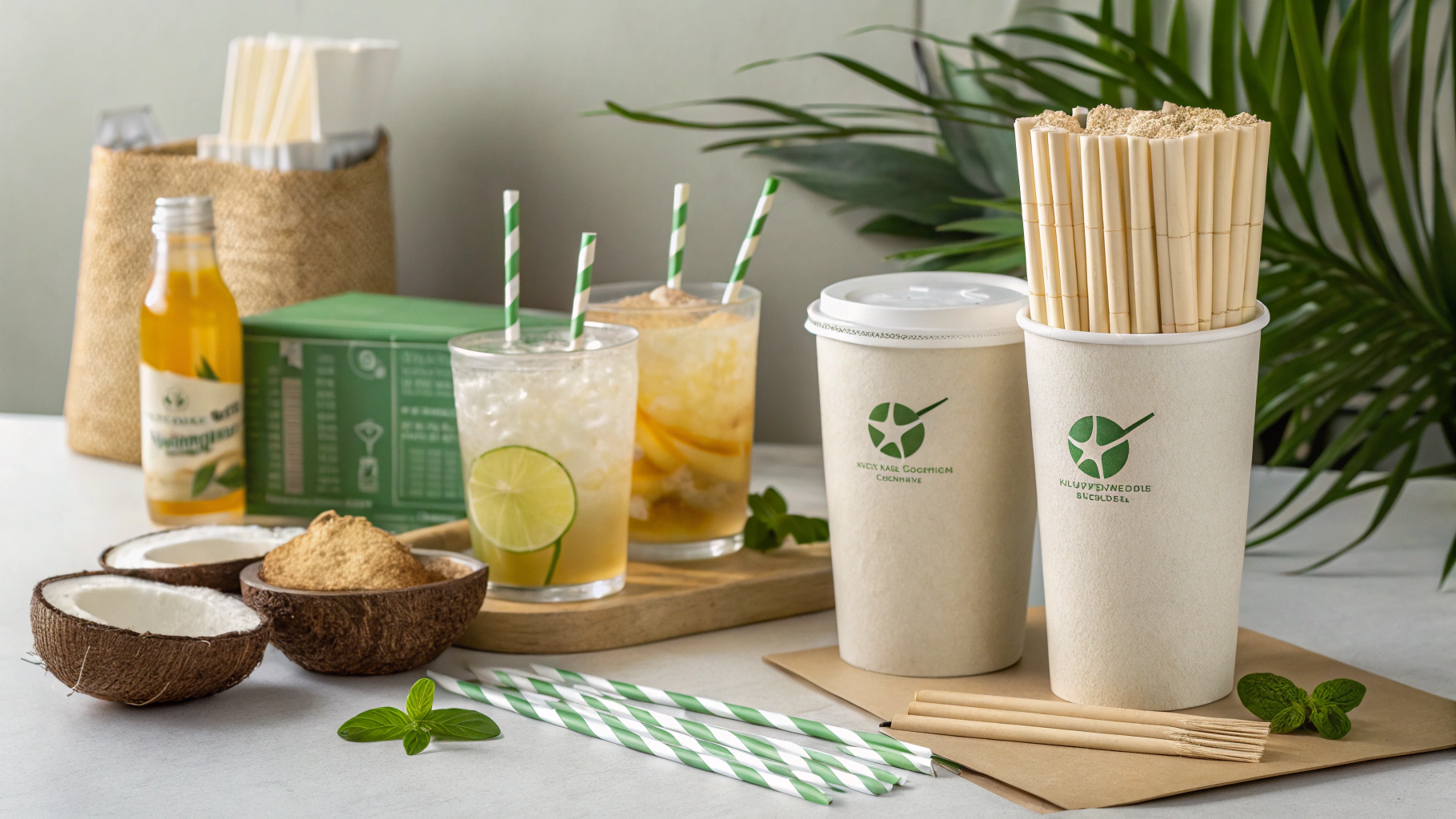
Sugarcane straws are durable, compostable drinking straws made from bagasse, a byproduct of sugar production, offering a superior eco-friendly alternative.
For hospitality and foodservice, sugarcane straws offer compelling benefits:
- Enhanced Customer Experience: Unlike paper, sugarcane straws maintain integrity for over 3 hours in liquid, preventing sogginess complaints common in cafes and bars.
- Significant Waste Reduction: Being 100% compostable, they divert waste from landfills, reducing a typical hotel’s straw waste by up to 95% annually.
- Strong Brand Alignment: Adopting sugarcane straws visibly demonstrates a commitment to sustainability, boosting brand reputation and attracting eco-conscious guests, potentially increasing bookings by 5-10%.
- Regulatory Compliance & Future-Proofing: Proactively meets current and anticipated single-use plastic bans, avoiding fines and ensuring uninterrupted operations.
- Cost-Effectiveness in Bulk: While slightly higher upfront than plastic, bulk sugarcane straw procurement, especially with price-lock agreements, offers long-term cost stability and avoids future plastic-related penalties.
ROI Table: Sugarcane Straws for a Mid-Sized Hotel Chain (500 rooms)
| Variabilă | Plastic Straws (Annual) | Sugarcane Straws (Annual) | Benefit/Impact |
|---|---|---|---|
| Unit Cost (per straw) | $0.008 | $0.025 (with bulk price-lock) | Higher initial cost, but stable. |
| Annual Volume (est.) | 1,000,000 straws | 1,000,000 straws | Consistent usage. |
| Annual Straw Cost | $8,000 | $25,000 | Direct procurement cost. |
| Waste Disposal Cost (est.) | $500 (landfill) | $50 (compost) | Reduced landfill fees. |
| Brand Value Increase (est.) | N / A | $5,000 – $10,000 (via increased eco-tourism bookings) | Attracts eco-conscious guests. |
| Regulatory Fines Avoided (est.) | Potential $1,000 – $5,000 | $0 | Compliance peace of mind. |
| Customer Satisfaction (Sogginess) | Low (frequent complaints) | High (durable) | Improved guest experience. |
| Net Annual Impact | -$8,500 to -$13,500 | -$15,000 to -$20,000 (initial outlay) + $5,000-$10,000 (brand value) + $450 (waste savings) + $1,000-$5,000 (fines avoided) =Net positive long-term ROI | Long-term savings and brand benefits outweigh initial cost. |
Cheie la pachet:Sugarcane straws offer hospitality businesses a durable, compostable, and brand-enhancing solution with a strong long-term ROI.
Sugarcane straws provide a sustainable, cost-effective, and brand-boosting solution for hospitality procurement.
Sugarcane straws: a natural, sustainable choice for the future.
4. Industry Misconceptions & Clarifications
Despite the clear advantages, several misconceptions persist regarding sustainable bulk straw procurement, particularly within the hospitality and foodservice sectors:
Mitul 1: „Toate paiele ecologice sunt prea scumpe pentru achiziții în vrac B2B.”
Clarificare:În timp ce costurile unitare inițiale pentru paiele durabile, cum ar fi trestia de zahăr sau hârtia, pot fi mai mari decât plasticul, acest lucru trece cu vederea beneficiile financiare pe termen lung. Cu achizițiile strategice în vrac, inclusiv acordurile de blocare a prețurilor și reducerile pe niveluri, costul efectiv pe unitate scade semnificativ. În plus, evitarea potențialelor amenzi de reglementare pentru utilizarea plasticului și obținerea unei percepții pozitive a mărcii (care poate duce la creșterea loialității clienților și a veniturilor) duce adesea la un ROI net pozitiv. De exemplu, un lanț hotelier mare ar putea economisi aproximativ 15.000 de dolari anual în amenzi evitate și creșterea rezervărilor pentru eco-turism prin trecerea la paiele compostabile certificate.
Myth 2: “Paper straws are the only viable eco-friendly option, despite their sogginess.”
Clarificare:Paper straws are indeed common, but they are not the only, nor always the best, eco-friendly choice. Plant-based alternatives like sugarcane, PHA, or even reusable options (stainless steel, bamboo) offer superior durability and user experience. Sugarcane straws, for instance, are known to last significantly longer in beverages without degrading, addressing the primary complaint associated with paper straws in a busy restaurant or bar setting. This durability translates to fewer customer complaints and a better brand image.
Myth 3: “Switching to sustainable straws will disrupt my existing supply chain too much.”
Clarificare:Reputable bulk straw suppliers, such asLollicup SUAsauYesStraws, specialize in B2B transitions. They offer comprehensive support, including inventory management, flexible delivery schedules, and guidance on optimal MOQs. Many also provide forward-quote options, allowing businesses to secure prices and quantities well in advance, ensuring a seamless transition without supply interruptions. The key is to partner with a supplier experienced in sustainable solutions for the hospitality sector.
Cheie la pachet:Common misconceptions about sustainable straws’ cost, performance, and supply chain integration are often debunked by strategic procurement and advanced material options.
Sustainable straw procurement is more cost-effective and less disruptive than commonly believed, especially with strategic planning.
5. B2B Customization & Supply Chain Optimization
Building a resilient supply chain for sustainable bulk straws involves strategic choices beyond mere price. Partnering with reputable manufacturers and distributors likeLollicup SUA,YesStraws, orTembo Paper, who offer advanced pricing models and transparent certifications (e.g.,FSCfor paper,ASTM D6400for compostability), is crucial. In the US and Europe, where regulatory landscapes are rapidly evolving, ensuring your chosen straws are HACCP-compliant, PFAS-free, and food-grade is not just about compliance but also about safeguarding consumer health and your brand reputation. Assess durability rigorously; for instance, good quality paper straws should not deform after three hours in liquid. Consider Minimum Order Quantities (MOQs) to balance cost savings with storage capacity, and evaluate supplier shipping efficiencies to reduce freight costs and your carbon footprint. Finally, plan for the end-of-life pathways of your chosen materials, actively supporting proper composting or disposal. By embracing the shift to eco-friendly bulk straws, you not only meet regulatory demands but also enhance your brand’s value, resonating powerfully with the growing segment of eco-conscious consumers.
Scenario-Specific Tips for Hospitality & Foodservice:
- Hotels & Resorts: Opt for sugarcane or reusable straws for in-room dining and high-end bars. Leverage tiered rebates for large annual orders across multiple properties. Consider custom branding (e.g., hotel logo) on straw wrappers to reinforce sustainability messaging.
- Restaurants & Cafes: Balance cost and performance. Sugarcane straws offer durability for dine-in, while paper might suffice for quick-service takeout. Utilize spot quotes for unexpected demand spikes and forward quotes for seasonal menu changes.
- Catering & Events: Prioritize compostable options like sugarcane or PHA for easy post-event cleanup. Negotiate MOQs that align with event sizes to minimize waste and storage. Ensure suppliers can handle flexible delivery schedules for various event locations.
- Airlines & Cruise Lines: Focus on lightweight, durable, and compact solutions. Sugarcane straws are ideal due to their stability in various temperatures and reduced storage footprint. Implement price-lock contracts for consistent global supply and cost control.
Cheie la pachet:Optimizing bulk straw supply chains requires strategic supplier partnerships, material certification checks, and scenario-specific MOQ and logistics planning.
Tailored supply chain strategies for bulk straws enhance efficiency and sustainability across diverse hospitality operations.
Secure Your Sustainable Future Today
The dynamic bulk drinking straw market demands a proactive, strategic approach to procurement. By leveraging advanced pricing mechanisms like price-locks, tier rebates, and spot/forward quotes, and by meticulously evaluating sustainable material options, B2B decision-makers can transform procurement from a necessary cost center into a significant competitive advantage. This strategic shift not only secures predictable costs but also enhances your brand’s sustainability profile, allowing you to capitalize on the rapidly expanding eco-friendly market segment, projected to reach $25.1 billion by 2035.
Don’t let market volatility dictate your costs or compromise your sustainability goals. Take control of your bulk straw procurement today. Learn more about global plastic bans and their impact on supply chains. Explore how a strategic approach to sourcing can boost your brand’s eco-credentials. For a deeper dive into sustainable business practices and supply chain optimization, consider resources from leading industry associations.
Secure predictable costs, enhance your brand’s sustainability profile, and capitalize on the growing eco-friendly market segment. Schedule a strategic procurement consultation with our experts to develop a customized bulk straw sourcing plan that guarantees price stability and maximizes your savings.Programează-ți acum consultația
Întrebări frecvente (FAQ)
What is a price-lock mechanism for bulk straw procurement?▼
A price-lock mechanism is a contractual agreement that fixes the price of bulk drinking straws for a set period, typically 12 months, protecting buyers from market fluctuations and ensuring budget certainty.
How do tiered rebates benefit hospitality businesses buying bulk straws?▼
Tiered rebates incentivize larger annual purchases by offering progressively higher discounts, reducing the effective per-unit cost and maximizing savings for high-volume hospitality buyers.
What’s the difference between spot and forward quotes for bulk straws?▼
Spot quotes reflect current market prices for immediate delivery, ideal for urgent needs. Forward quotes lock in a price today for future delivery, enabling proactive cost management and hedging against volatility.
Are sugarcane straws truly sustainable for high-volume foodservice operations?▼
Yes, sugarcane straws are highly sustainable. They are made from bagasse, a byproduct of sugar production, making them compostable, durable, and a superior eco-friendly alternative to plastic or even some paper straws for high-volume use.
How can I ensure my bulk straw supplier meets regulatory compliance?▼
Ensure your supplier provides transparent certifications like HACCP-compliance, PFAS-free declarations, and ASTM D6400 for compostability. Verify their adherence to regional regulations like EU single-use plastic bans.