The Ultimate B2B Guide to Sustainable Straws: Eco-Friendly, Compostable & Biodegradable Solutions
Introducere: De ce contează paiele durabile în 2025 și mai departe
Criza în creștere a poluării cu plastic forțează o schimbare seismică în lanțurile globale de aprovizionare cu servicii alimentare și ospitalitate. Pentru managerii de achiziții, directorii de operațiuni, ofițerii de sustenabilitate și directorii lanțului de aprovizionare, aceasta nu este doar o preocupare de mediu, ci este o provocare operațională și comercială cu mize mari.
Industriile ospitalității și serviciilor alimentare distribuie miliarde de paie în fiecare an, făcându-le un simbol vizibil al deșeurilor de unică folosință. Guvernele din întreaga lume reprimă plasticul cu reglementări precum Directiva UE privind materialele plastice de unică folosință (SUPD), cel SUA Eliberați de Legea plasticului, și interdicții ample în Regatul Unit, Canada și Asia-Pacific. Între timp, consumatorii sunt mai vocali ca niciodată – sondajele arată asta 70–80% dintre consumatorii globali preferă opțiuni ecologiceși mulți sunt dispuși să plătească o primă pentru experiențe durabile.
Solutia? Paie durabile. De la hârtie la bambus, de la trestie de zahăr la alge marine, paiele ecologice, compostabile și biodegradabile reprezintă o piață globală în plină expansiune - se estimează că va depăși 25 miliarde USD până în 2035. Pentru liderii B2B, întrebarea nu este dacă să se adapteze, ci cum să adopte strategia potrivită.
Acest ghid explorează cei trei piloni ai paielor durabile — Aprovizionarea furnizorilor ecologice, compostabile și biodegradabile — furnizarea de informații utile pentru achiziții de viitor.
1. Eco-Friendly Straws: The Billion-Dollar Export Opportunity
Eco-friendly straws are at the forefront of sustainable packaging innovation, offering a profitable path for exporters and procurement leaders.
- 🌍 Creșterea pieței: The global eco-friendly straws market was valued at USD 12.3B in 2025 and is projected to nearly double to USD 25.1B by 2035.
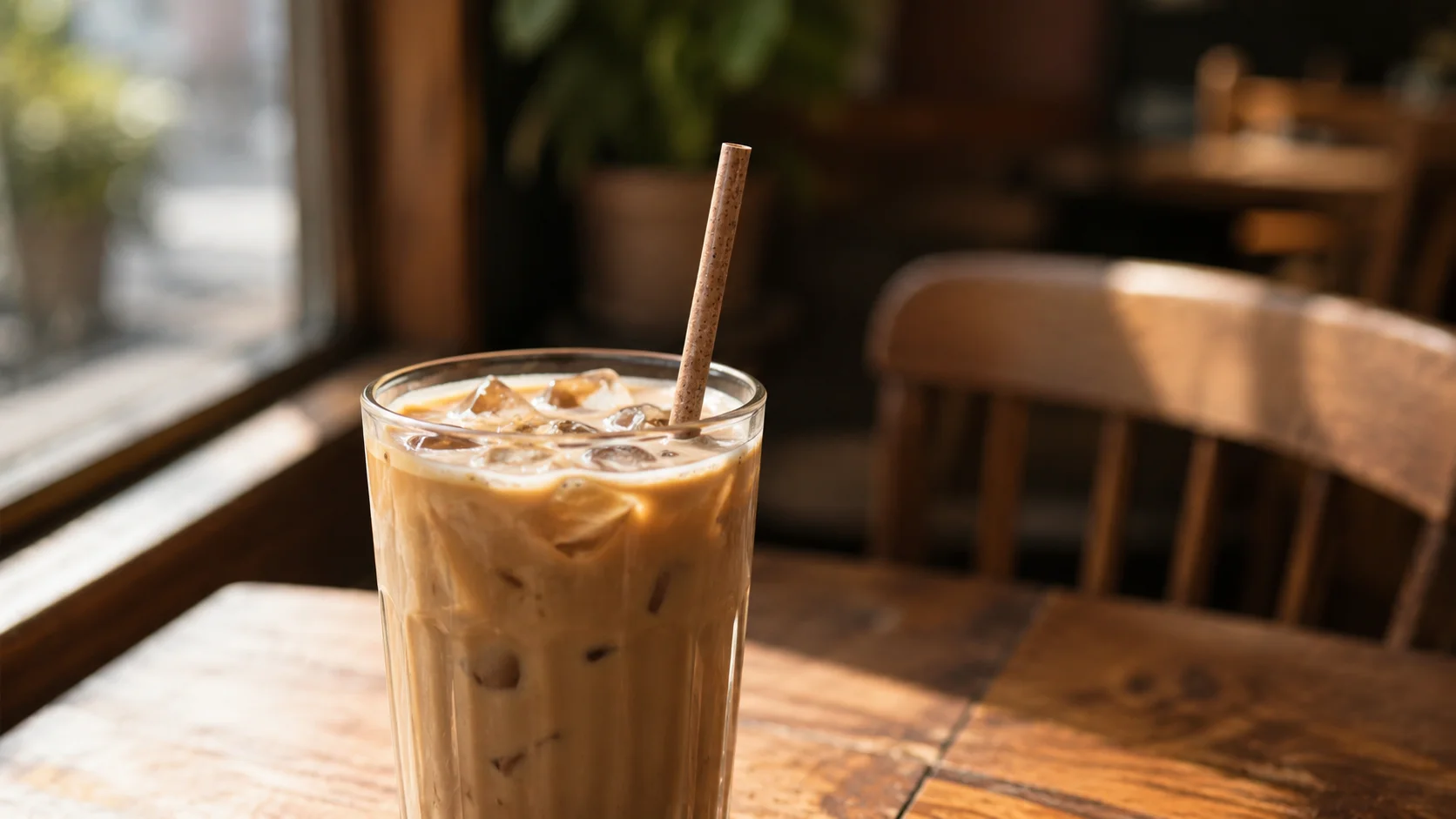
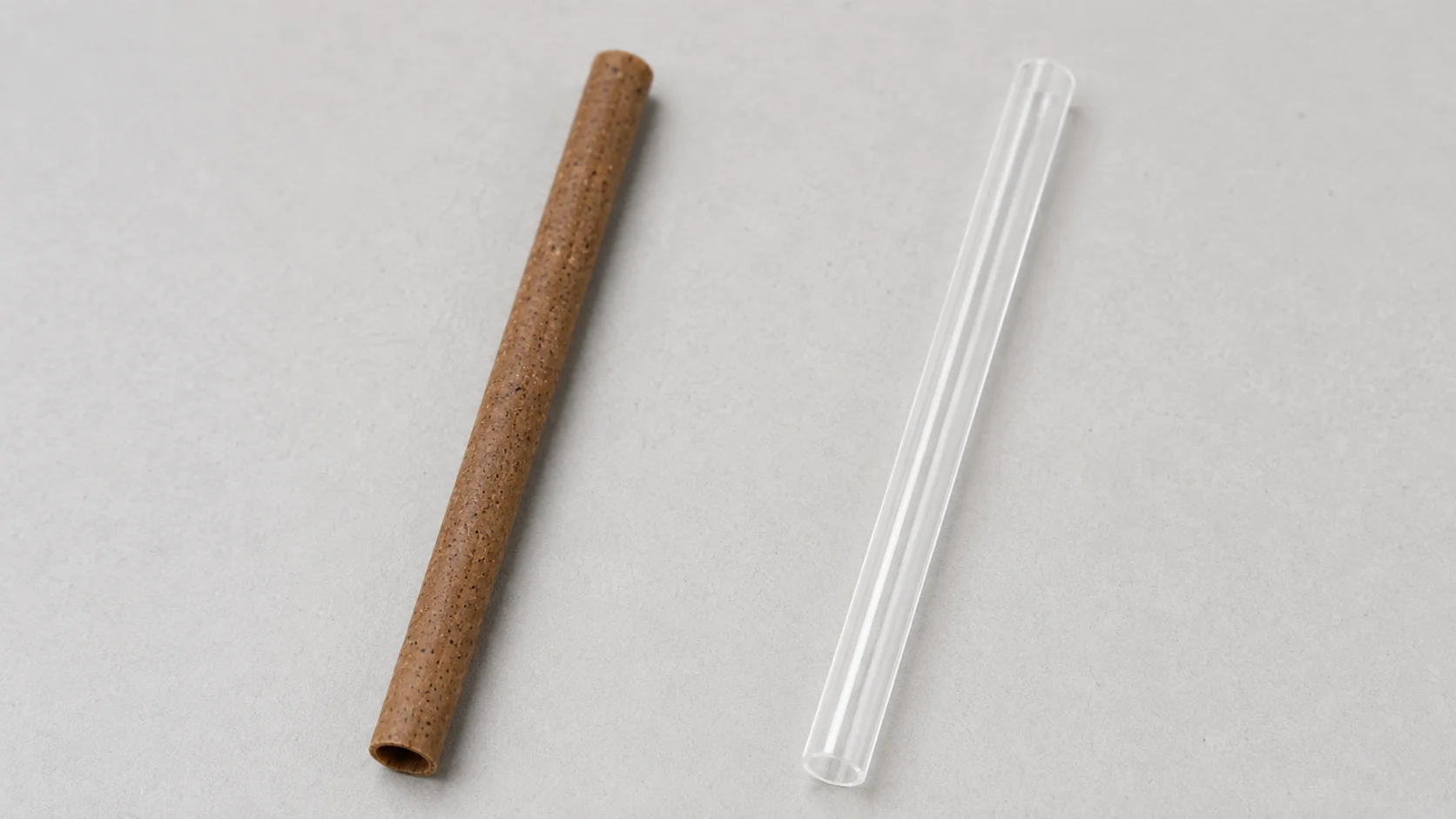
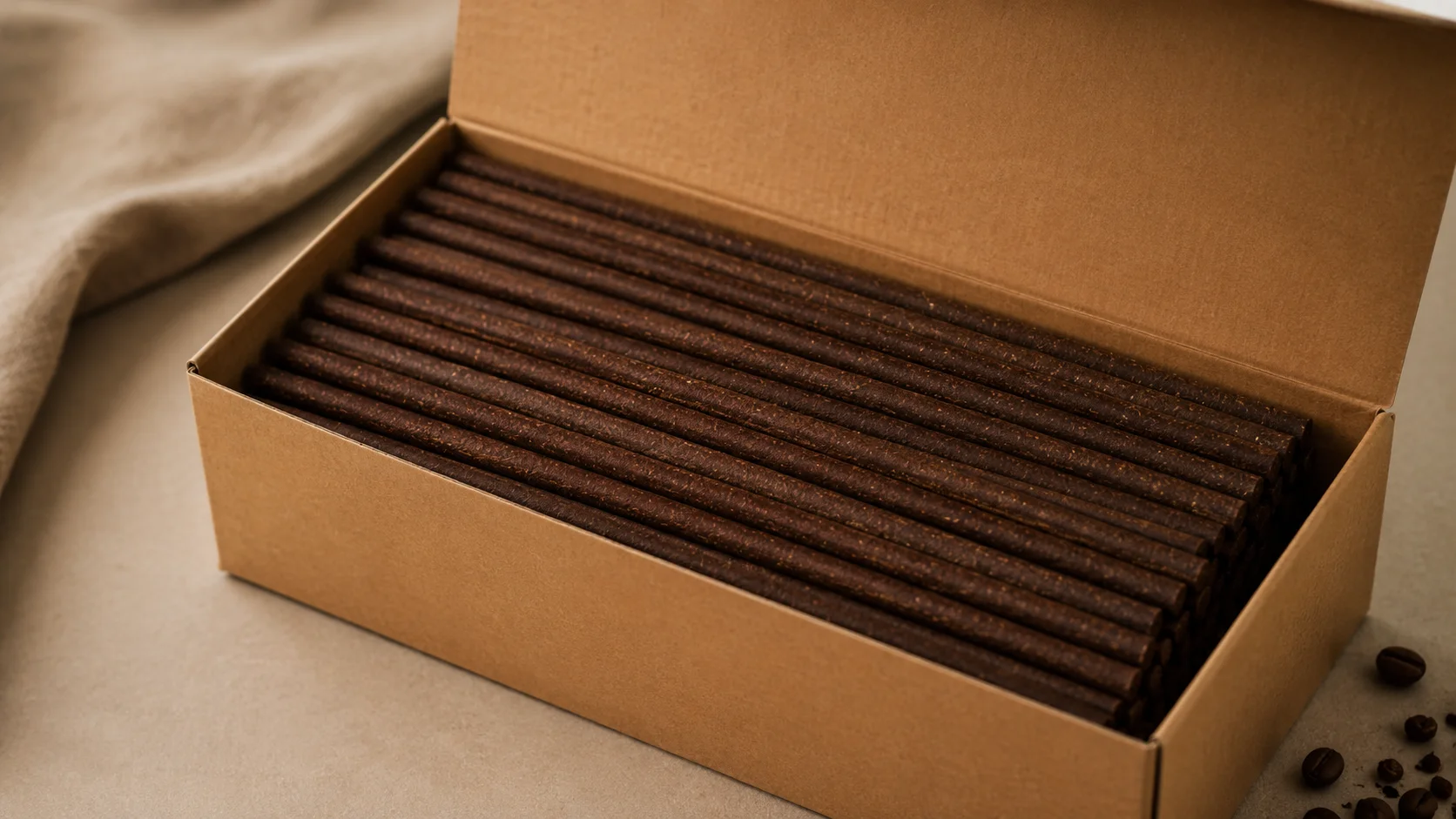
- 📊 Material Innovation: From paper (38% market share) to bamboo (36.5% reusable segment), and novel edible options like rice and coffee grounds, eco-friendly straws are diversifying rapidly.
- 🏨 Industry Adoption: Giants like McDonald’s, Starbucks, and leading airlines are already committed to eco-friendly straws, creating ripple effects across supply chains.
👉 Dive deeper: Eco-Friendly Straws: Global Market Trends & ROI for Exporters
2. Compostable Straws: Compliance Meets Consumer Demand
Compostable straws have become a regulatory and consumer-driven necessity, especially for hospitality and foodservice sectors.
- ⚖ Regulatory Drivers:
- EU SUPD (2021) bans plastic straws outright, mandating certified compostable alternatives.
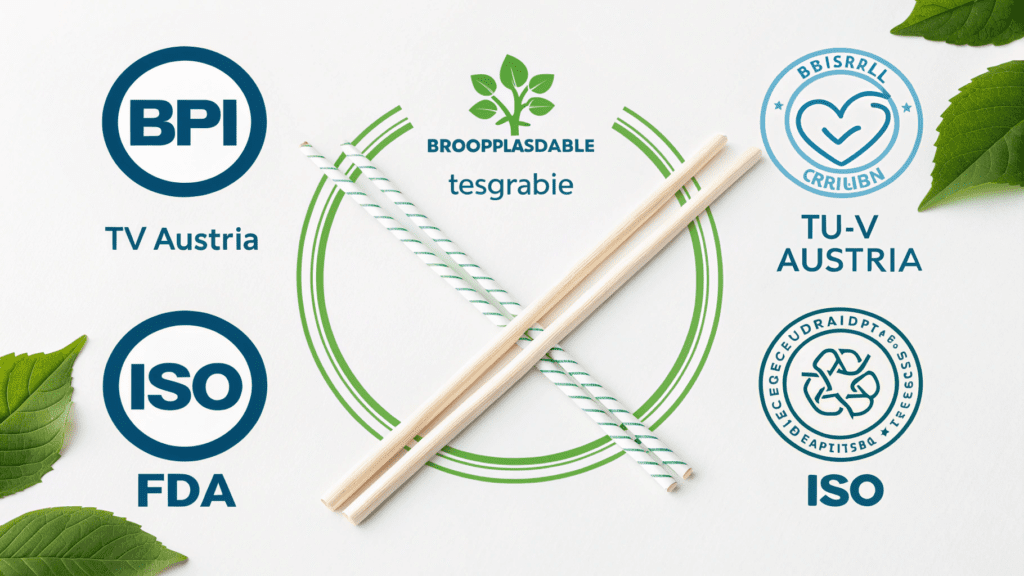
- US State/City Bans (e.g., California, New York, San Francisco) require BPI/TÜV AUSTRIA certifications.
- Asia-Pacific Growth: With urbanization and climate pledges, compostable straw adoption is accelerating fastest in APAC.
- 💡 Consumer Power: 80% of global consumers now prefer eco-friendly products, compelling QSRs, hotels, and airlines to act.
- 📌 ROI Advantage: For hotels and airlines, individually wrapped compostable straws combine hygiene with strong ESG credentials and enhanced guest satisfaction.
👉 Read more: Compostable Straws: Market Drivers & ESG Advantage for Hospitality
3. Biodegradable Straw Suppliers: How to Vet for Reliability
Sourcing reliable biodegradable straw suppliers is one of the biggest challenges for procurement teams. Not all suppliers are equal, and “greenwashing” remains a risk.
- ✅ Certification Checklist:
- Compostabilitatea: ASTM D6400 (US), EN 13432 (EU), BPI, TÜV AUSTRIA
- Siguranța alimentelor: FDA, ISO 22000, HACCP
- Operational Integrity: ISO 9001, ISO 14001, SA8000 (ethical labor)
- 🔍 Supply Chain Transparency:
- Demand origin documentation, ESG reporting, and PFAS-free guarantees.
- Partner only with suppliers offering full transparency in sourcing and production.
- 🧪 Product Testing: Always request samples for durability, heat/cold resistance, and user experience validation.
- 📊 Material Comparisons:
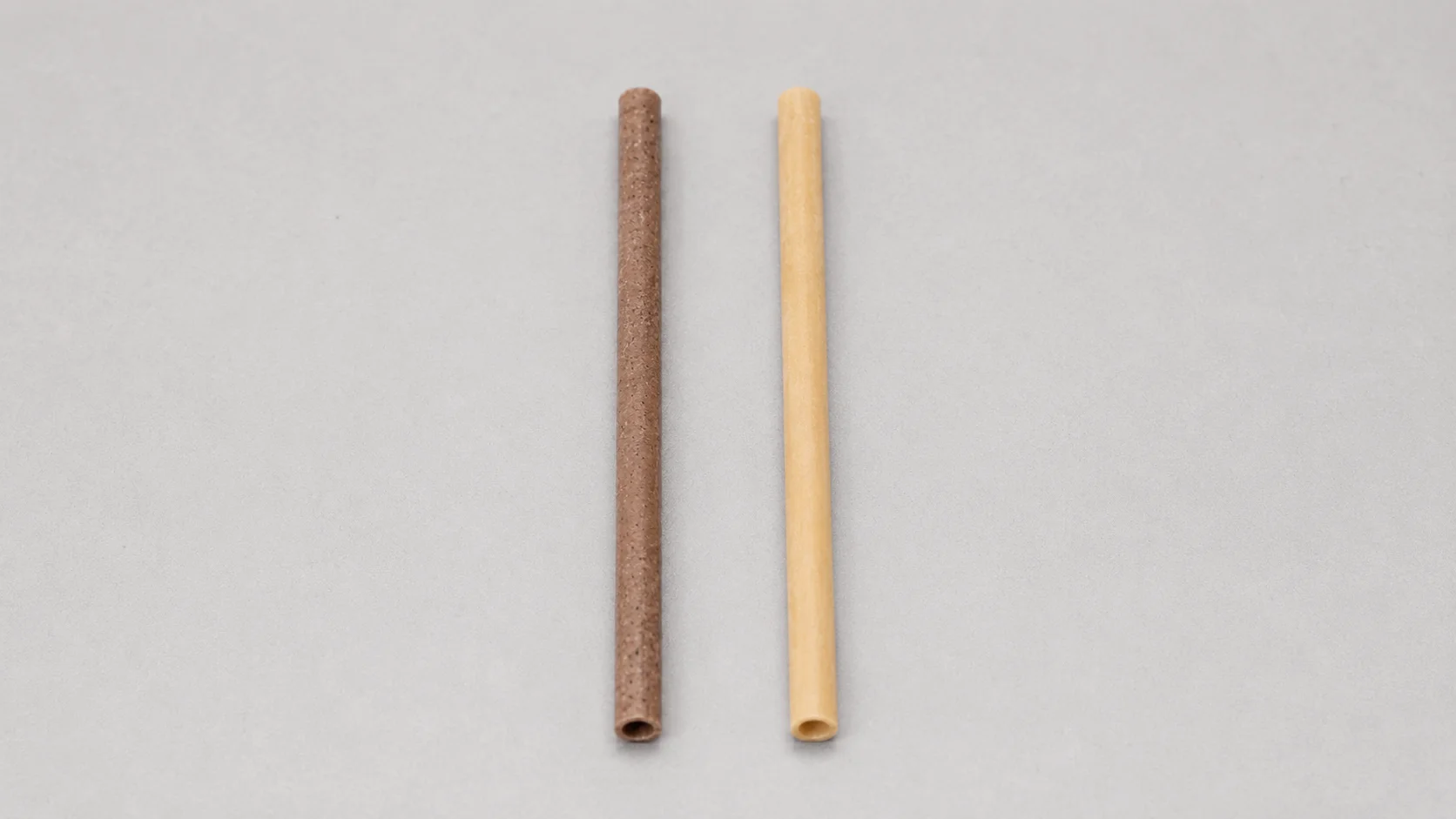
- Trestie de zahăr (Bagas): Heat/cold resistant, PFAS-free, strong sustainability story.
- PLA: Premium plastic-like feel, but requires industrial composting.
- Coconut Leaf: Highly durable, unique, and differentiates premium hospitality brands.
👉 Explore more: Navigarea în schimbarea verde: cum să găsiți furnizori de încredere pentru paiele biodegradabile
4. Frequently Asked Questions (FAQ)
Q1. What’s the difference between eco-friendly, compostable, and biodegradable straws?
- Eco-friendly: Broad category, includes reusable (metal, glass, bamboo) and sustainable single-use options.
- Compostable: Certified to break down in industrial or home composting systems (ASTM D6400 / EN 13432).
- Biodegradable: Will degrade naturally, but conditions and timeframes vary — not always compostable.
Q2. Why should hotels and airlines prioritize sustainable straws?
- Compliance with regulations, improved guest perception, reduced waste costs, and stronger ESG performance.
Q3. Which certifications matter most for B2B procurement?
- Compostability: ASTM D6400, EN 13432, BPI, TÜV AUSTRIA
- Food Safety: FDA, HACCP
- Ethical & Quality: ISO 9001, ISO 14001, SA8000
Q4. What’s the ROI of switching to sustainable straws?
- Mitigates regulatory fines, improves brand reputation, attracts eco-conscious customers, and supports premium pricing strategies.
5. Conclusion: Future-Proofing Procurement with Sustainable Straws
The shift to sustainable straws is irreversible. For B2B leaders in foodservice and hospitality, the opportunity is clear:
- 🌍 Secure market access with compliant alternatives.
- 💡 Enhance brand value through visible sustainability action.
- 📈 Capture a share of a multi-billion-dollar global market.
Those who proactively transition today will not only survive regulatory changes but also thrive as leaders in the sustainable economy.
👉 Next step: Evaluate your straw sourcing strategy and explore our in-depth guides:
Quick Answer for B2B Buyers
- Sustainable straws are not one category; they include sugarcane, coffee ground, paper, bamboo, PLA, and other plant-based options with different disposal requirements.
- For B2B buyers, the best choice depends on drink type, local composting infrastructure, brand positioning, certifications, packaging needs, and supplier reliability.
- MOMOIO focuses on practical wholesale alternatives for foodservice teams that need samples, documentation, custom packaging, and repeatable supply.
Best fit keywords: sustainable straws, biodegradable straws, compostable straws, eco friendly straws supplier, wholesale biodegradable straws.
Need Samples or Wholesale Pricing?
MOMOIO helps cafes, restaurants, hotels, distributors, and private-label buyers compare sustainable straw options, request samples, and prepare bulk orders with clear documentation.
Contact MOMOIO for samples, MOQ, lead time, carton specs, and custom packaging options.
Buyer FAQ
What is the difference between biodegradable and compostable straws?
Biodegradable means a material can break down over time under certain conditions. Compostable is more specific and usually requires defined composting conditions, timeframes, and certification standards.
Which sustainable straw is best for B2B foodservice?
Sugarcane straws are a strong all-purpose plant-based option, while coffee ground straws are especially useful for cafes and brands that want a distinctive sustainability story.
What should buyers ask a sustainable straw supplier?
Ask for material composition, food-contact documentation, compostability evidence, sample availability, carton specs, MOQ, lead time, private-label options, and export experience.