I. Intro: Your Holiday Drink’s Unexpected Hero (or Villain?)
Picture this: a steaming mug of cocoa, crowned not just with marshmallows, but with a swirling red and white spire – a candy cane drinking straw. Festive, isn’t it? But pause for a moment. What exactlyarethese delightful oddities? Are they purely edible novelties destined for a sticky demise? Or are they something more, a tiny testament to human ingenuity and our complicated relationship with pleasure and sustainability? Let’s dive headfirst into this surprisingly complex, and often contradictory, world.
II. A Trip Down the Sippy Lane: The Secret History of Sweet Sips
The story, as always, begins long before the advent of peppermint and plastic. Our journey begins with the candy cane itself. Imagine, if you will, 17th-century Germany. A straight, stark white sugar stick, a far cry from the striped sensation we know today. Legend, perhaps apocryphal, whispers of choirmasters bending these sugar sticks into the shape of a shepherd’s crook, a subtle nod to the Nativity. But when did those iconic red stripes and the invigorating burst of peppermint crash the party? The early 1900s, it seems, cemented the candy cane’s now-familiar form.
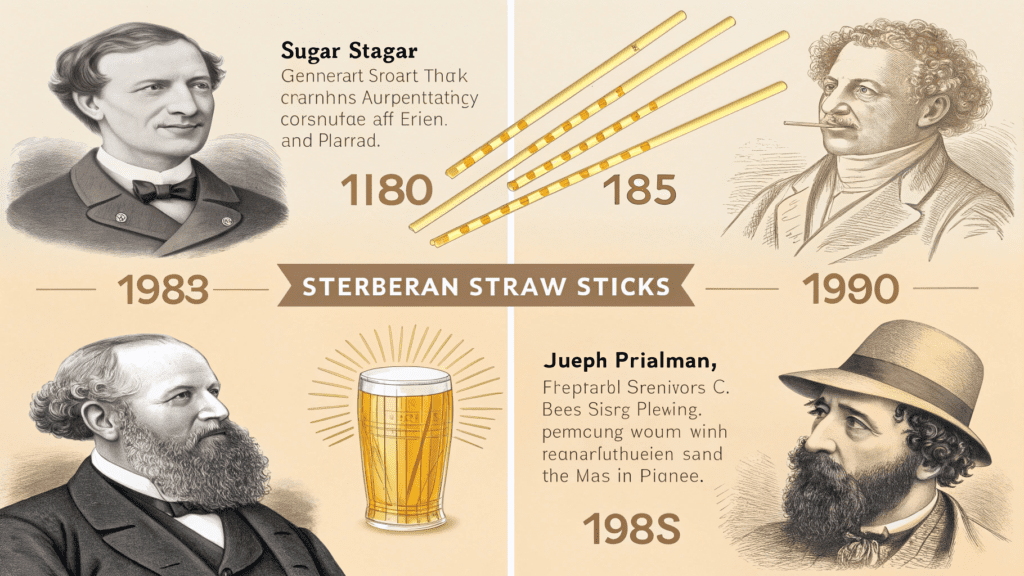
Acum, să revenim mai departe, la însăși noțiunea de pai de băut. Credeți sau nu, strămoșii noștri sorbeau cu mult înainte ca plasticul de unică folosință să devină o problemă planetară. Sumerienii, încă din anul 3000 î.Hr., s-au răsfățat cu berea lor prin paiele de aur elaborate – o dovadă atât a opulenței lor, cât și a setei lor. Înaintăm rapid milenii și ne aflăm cu paie umile de secară, predispuse la ude, dar incontestabil practice. Abia în 1888, Marvin C. Stone a revoluționat jocul cu paiele de hârtie. Și apoi, în anii 1930, Joseph Friedman și-a îndoit mințile (și paiele!) cu designul său ingenios flexibil, perfect potrivit pentru abordarea milkshake-urilor groase.
The “candy cane drinking straw,” then, isn’t some isolated invention sprung from nowhere. It’s a modern convergence, a creative mash-up building upon the long history of both candy sticks and flavored straws (remember those “Flav-R-Straws” from ’56?). It is, in essence, an edible evolution, a playful hybrid of confectionery and convenience.
III. Today’s Twists and Turns: What’s the Scoop on These Swirly Sippers?
The candy cane drinking straw exists in many forms. On one hand, we have the edible wonders, actual candy canes repurposed for sipping. Consider, for instance, Gilliam Peppermint Candy Straws – an invitation to stir your hot cocoa and indulge in a quick nibble simultaneously. (And have you ever tried the candy cane and orange experiment? Trust me, it’s an unexpected flavor explosion.)
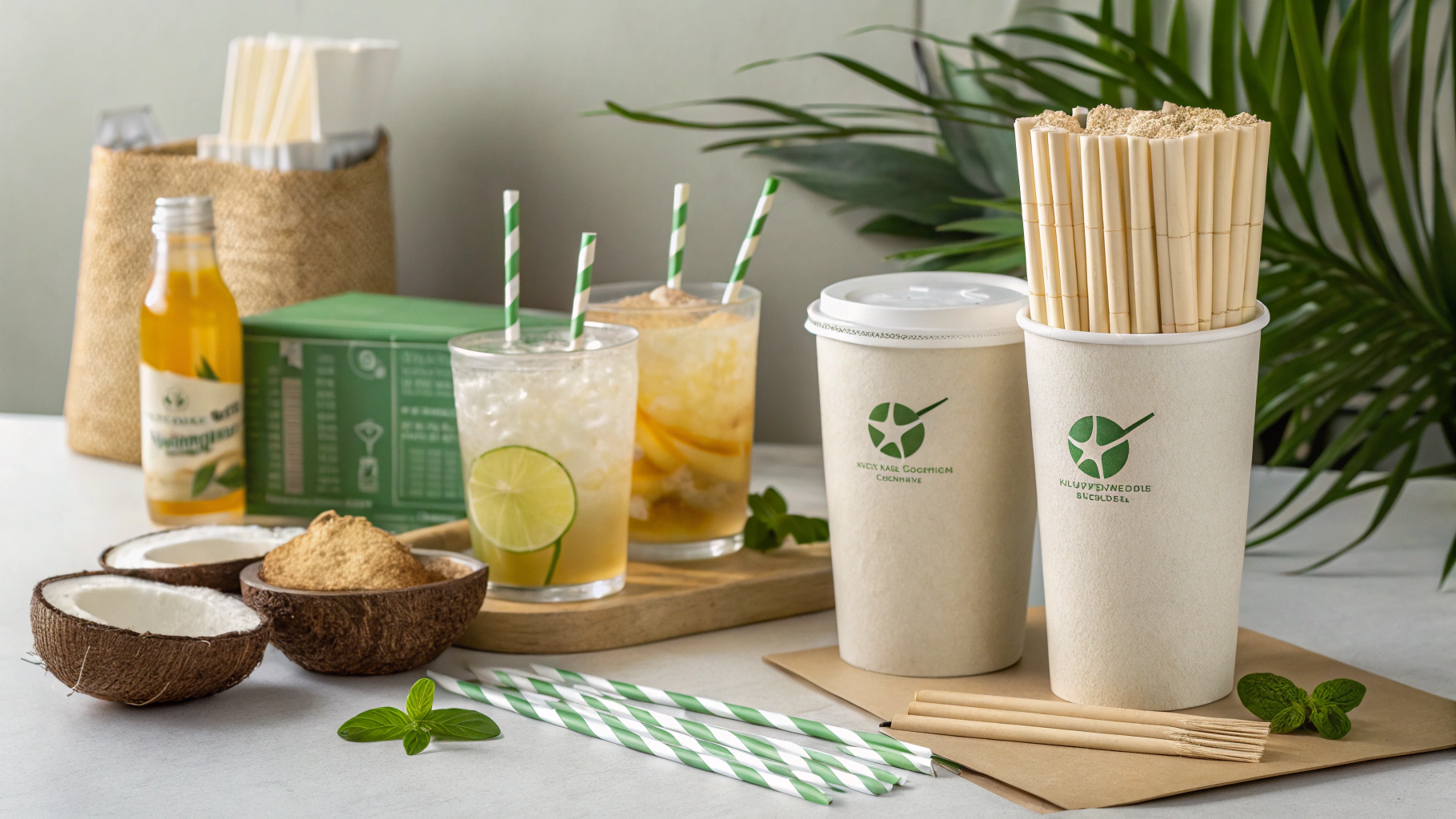
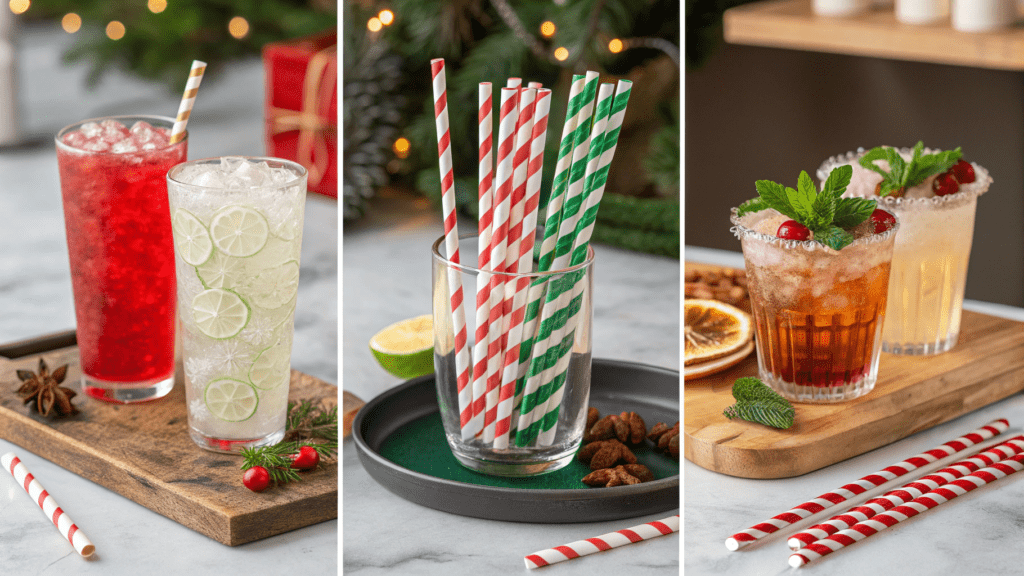
But the candy cane drinking straw has evolved beyond mere edibility. A whole universe of strawsdesignedto resemble candy canes has emerged. Durable plastic versions offer reusability. Elegant glass options, often handcrafted, elevate the experience. And even eco-friendly paper iterations cater to our growing desire to minimize our environmental footprint.
De ce acest apel durabil? Fără îndoială, sunt festive, injectând o notă „extra specială” oricărei băuturi. Ele prezintă versatilitate, găzduind smoothie-uri, milkshake-uri, mochas de mentă și multe altele. Și, foarte important, mulți se aliniază aspirațiilor noastre ecologice, oferind o modalitate de a renunța la plasticul de unică folosință. Este vorba de mai mult decât de Crăciun; este vorba de sorbirea conștientă.
Aceste amenajări festive sunt din ce în ce mai răspândite, disponibile peste tot, de la magazine mari până la magazine online de nișă.

IV. Partea lipicioasă a dulceții: dezlegarea controverselor
Dar să nu ne ferim de aspectele mai puțin gustoase. Goana cu zahărul vine cu propriul set de provocări.
For the edible variety, “The Meltdown Diaries” are a real concern. Sugar + liquid = sticky mess. They melt, they become brittle, and theywillalter the flavor profile of your drink. This isn’t a design flaw; it’s simply the inherent nature of candy. Here, practicality clashes with novelty.
And then there’s the eco-friendly elephant in the room. The pursuit of sustainability in straws often leads to plant-based materials, like sugarcane, that contain PLA (Poly-Lactic Acid). While PLA sounds virtuous, it often requiresindustrialcomposting to properly break down. Without that specific infrastructure, it risks ending up as yet another persistent piece of plastic litter.
Worse still, PLA can contaminate recycling batches, rendering entire loads unusable and destined for landfills. Adding to the unease, some plant-based straws have been found to leach harmful chemicals like melamine and formaldehyde, especially in hot beverages. Some companies are now actively avoiding these materials. Even the production of PLA raises questions about resource allocation, requiring agricultural land and resources that could be used elsewhere.
Even seemingly simple candy canes grapple with real-world complications. Ingredient shortages, packaging challenges, shipping delays, and even a global decline in peppermint production can all impact the availability of that festive sip.

V. Sip into the Future: What’s Next for Festive Straws?
Innovation, thankfully, is bubbling to the surface. The emphasis is shifting toward truly biodegradable and compostable straws that don’t demand industrial facilities. Imagine seaweed-based straws, rapidly renewable and air-purifying, or 100% PLA-free sugarcane options that disintegrate in home compost within weeks.
Expect to see candy cane-themed straws transcend their traditional holiday association, appearing year-round in novel colors and flavors. The future might hold candy straws with intricate flavor release mechanisms or even color-changing designs that respond to the temperature of your drink!
As people abandon plastic straws, the demand for eco-friendly alternatives is soaring. Manufacturers are now grappling with how to accurately forecast our candy cane straw cravings, particularly around the holidays, striving to maintain sufficient stock without risking overproduction. The quest for perfect candy cane stripes involves meticulous “color-variance tolerance” and stringent quality control.
The issue of returns is also complex, particularly for edible straws. Food safety regulations make returns a delicate balancing act between consumer satisfaction and hygiene protocols.
VI. Conclusion: The Sweet, Sustainable, and Sometimes Sticky Saga Continues
From the beer-sipping Sumerians of antiquity to the modern dilemmas of sustainability, the candy cane drinking straw, seemingly trivial, embodies a surprisingly grand narrative. Whether you’re savoring an edible treat or utilizing a festive reusable, these straws are more than mere decorations. They’re participants in a larger discussion about enjoyment, utility, and our planet’s future. So, the next time you reach for one, remember its rich history, its continuous innovation, and, perhaps most importantly, try to avoid gettingtoosticky.