Paie compostabile pentru cafenele: soluții fără PLA care stimulează durabilitatea
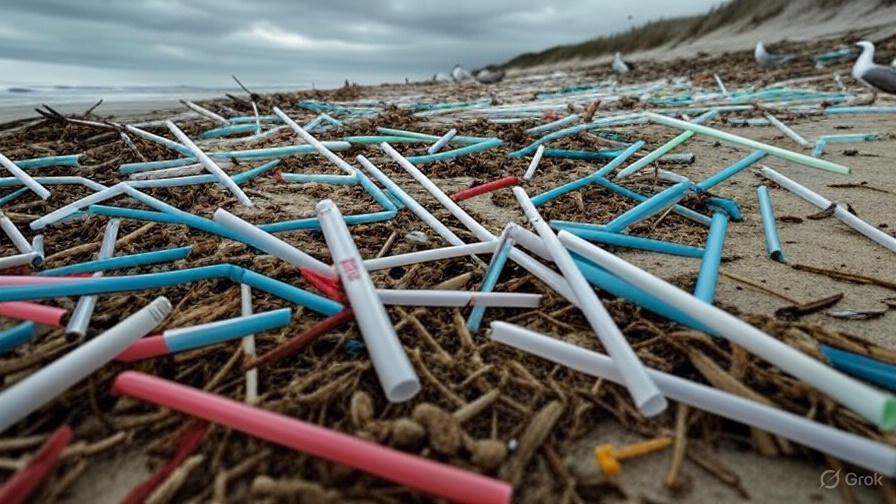
Impulsul global de reducere a deșeurilor de plastic, împreună cu reglementările în evoluție și creșterea conștiinței ecologice a consumatorilor, a făcut ca găsirea de alternative durabile de paie să fie un imperativ de afaceri critic pentru cafenele, cafenele, baruri, hoteluri și importatori de ambalaje din SUA și Europa. Numai americanii aruncă o estimare 500 de milioane de paie de plastic zilnic, dintre care multe ajung în gropile de gunoi și oceane, dăunând vieții sălbatice. Acest lucru a condus la interdicții pe scară largă ale paielor de plastic de unică folosință în numeroase jurisdicții, inclusiv state precum California, New York, New Jersey, Vermont și Washington din SUA și în toate țările membre UE prin Directiva UE privind materialele plastice de unică folosință, implementată în iulie 2021. Important, aceste interdicții includ adesea paiele PLA „bioplastice”., UE tratându-le în mod explicit ca plastice interzise.
De ce alternativele timpurii au fost scurte
Primele încercări de înlocuire a paielor tradiționale din plastic, cum ar fi paiele de hârtie și PLA (acid polilactic), au prezentat dezavantaje semnificative:
- Pai de hartie:
- Ei frecvent se înmoaie sau se dezintegrează în 30-60 de minute, frustrând clienții și, uneori, dând un gust de hârtie.
- Ele nu sunt întotdeauna atât de prietenoase cu mediul pe cât par, contribuind potențial la defrișare dacă sunt fabricate din pastă de lemn virgin și uneori acoperite cu substanțe chimice precum PFAS pentru rezistența la apă, ridicând probleme de sănătate și compostabilitate.
- Paie PLA:
- În timp ce este derivat din plante, PLA este compostabil numai în instalații industriale care necesită temperaturi ridicate (~58°C/136°F) și microbi speciali pentru a se descompune. În gropile de gunoi sau în oceane, PLA poate persista atâta timp cât plasticul convențional.
- Un defect major pentru cafenele este lor toleranță scăzută la căldură; Paiele PLA tind să se deformeze sau să se înmoaie în băuturile calde (peste ~60-70°C), pierzându-și forma și integritatea.
- Din punct de vedere normativ, PLA nu este scutit de interdicțiile de plastic, UE interzicându-le în mod explicit, iar unele orașe din SUA le exclud. Aceasta înseamnă că folosirea paielor PLA poate duce în continuare la neconformitate.
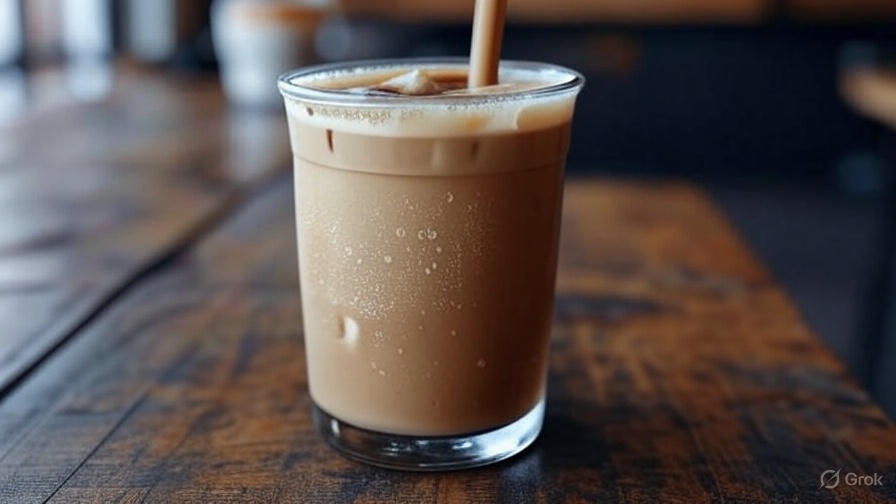
Aceste limitări au deschis calea pentru o nouă generație de Paiele compostabile fără PLA care oferă atât o experiență superioară de băut, cât și adevărate beneficii pentru mediu.
Noua generație: paie din fibre de trestie de zahăr și paie PHA
Au apărut două soluții de vârf fără PLA: paiele din fibre de trestie de zahăr și paiele PHA.
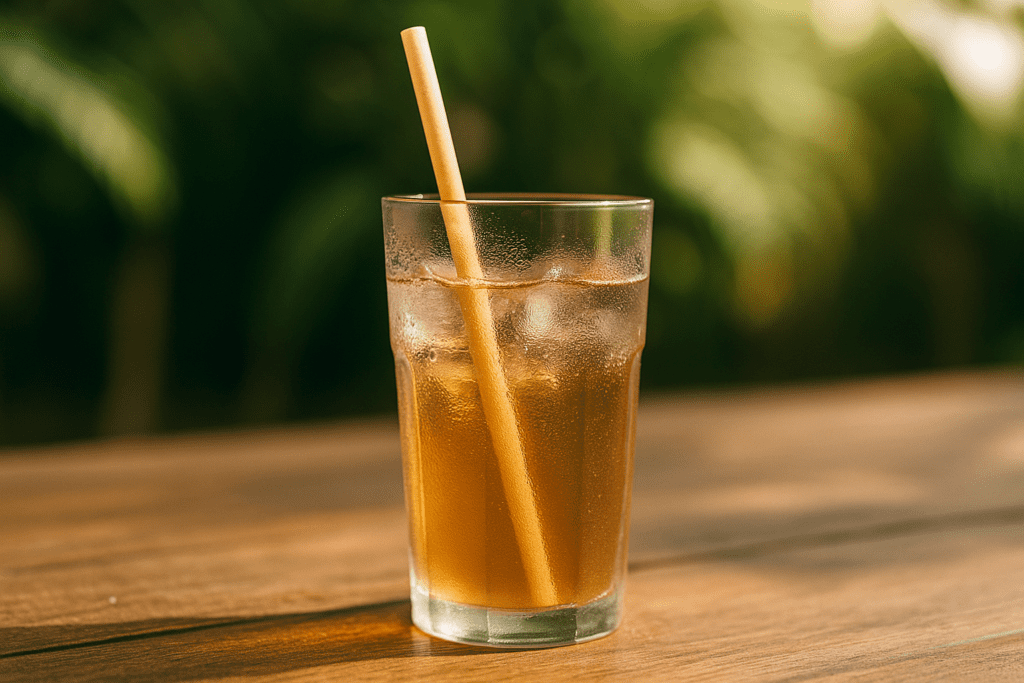
1. Paie din fibre de trestie de zahăr: Numiți adesea paie de bagas, acestea sunt făcute din bagas, produs secundar fibros al producției de zahăr. Acest lucru reutilizează deșeurile agricole în a proces circular fără deșeuri.
- Material & Composition: Sunt în întregime pe bază de plante și fără plastic, containing no fossil plastic or PLA binders, ensuring no harmful chemicals or microplastics are left behind.
- Compostabilitatea: Sugarcane straws are naturally biodegradable and home compostable, typically breaking down into organic matter within 90-180 de zile in a compost environment. They can be safely disposed of in backyard composts or municipal food waste bins.
- Durabilitate: Unlike paper, they are water-resistant and do not turn soggy quickly, lasting 4-6 hours in a beverage without disintegrating. They offer a neutral taste and smooth texture.
- Heat Tolerance: Best for cold and room-temperature drinks, they can also handle warm beverages up to ~90°C (194°F). While they might soften slightly in very hot liquids, they will not leach chemicals or fall apart.
- Certificari: Quality sugarcane straws often carry BPI Compostable (ASTM D6400) certificare pentru compostarea comercială și poate avea OK Compost ACASA certificare.
- Cost & Availability: Sunt comparabil cu alte alternative premium cu paie și poate fi destul de accesibil în volume mari (câțiva cenți per pai), mai ales având în vedere că bagasul este un deșeu abundent.
- Impact asupra mediului: Producția lor are o amprentă redusă de carbon datorită reutilizării subproduselor agricole și se biodegradează complet, returnând materia organică în sol.
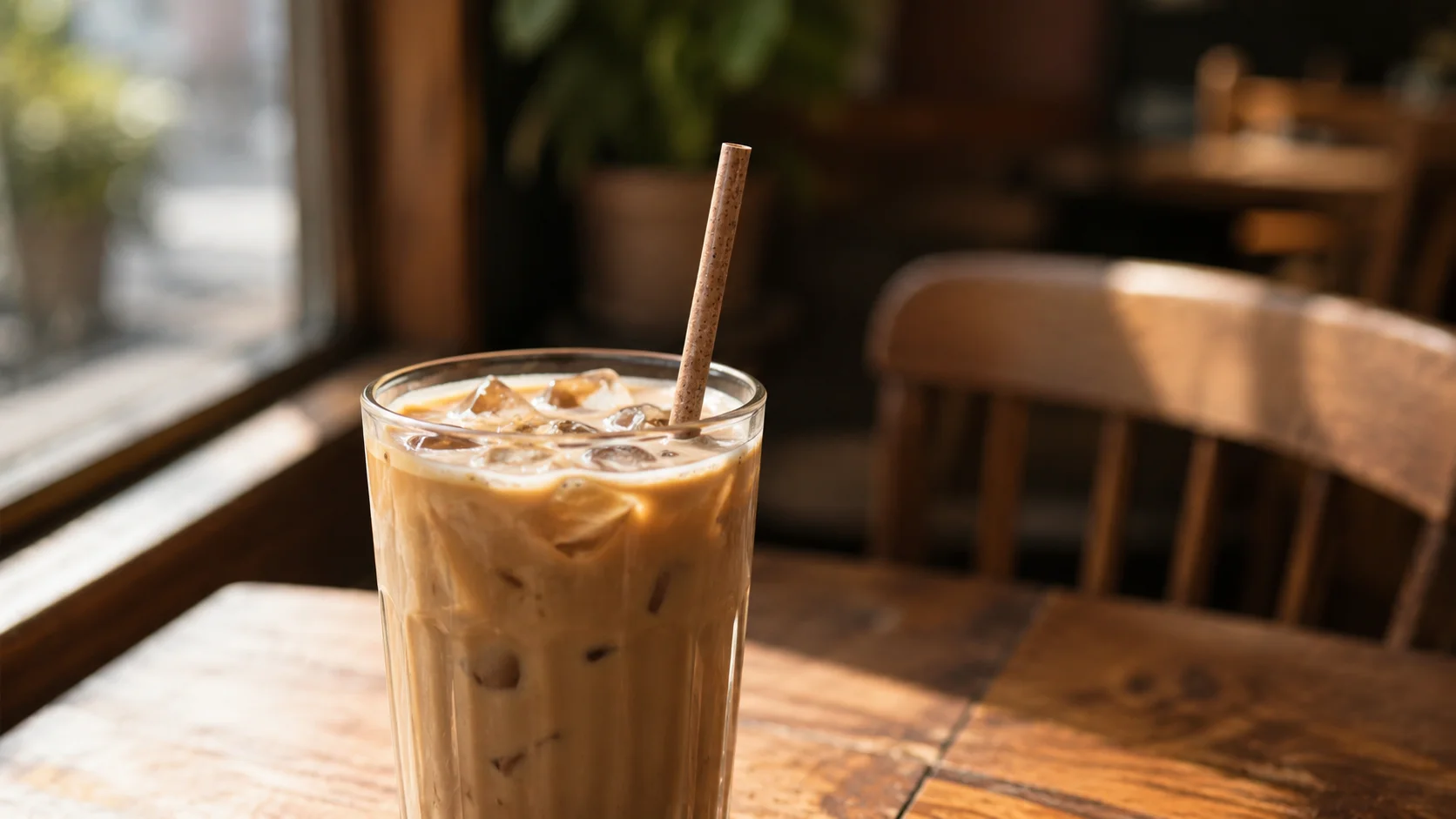
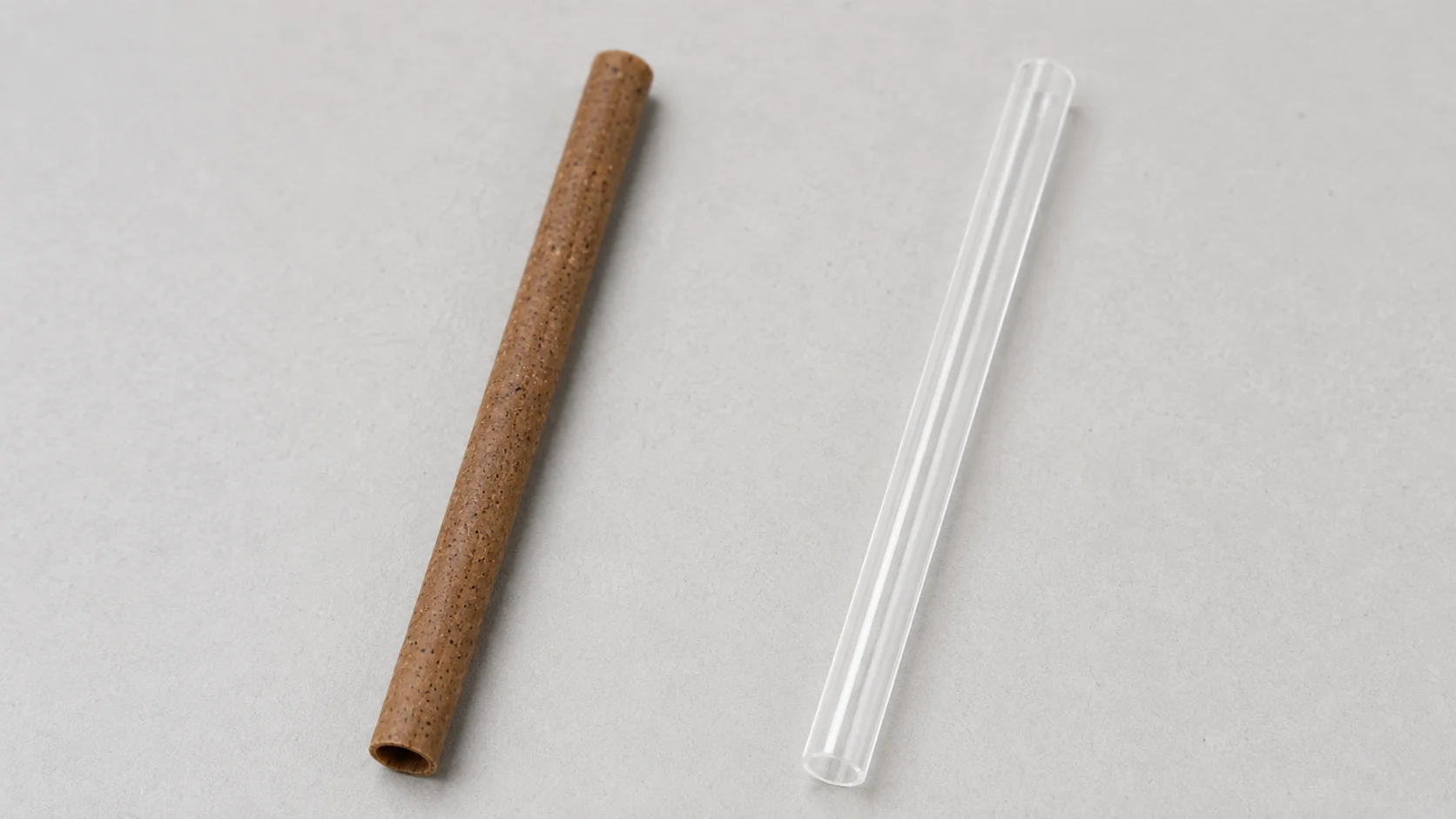
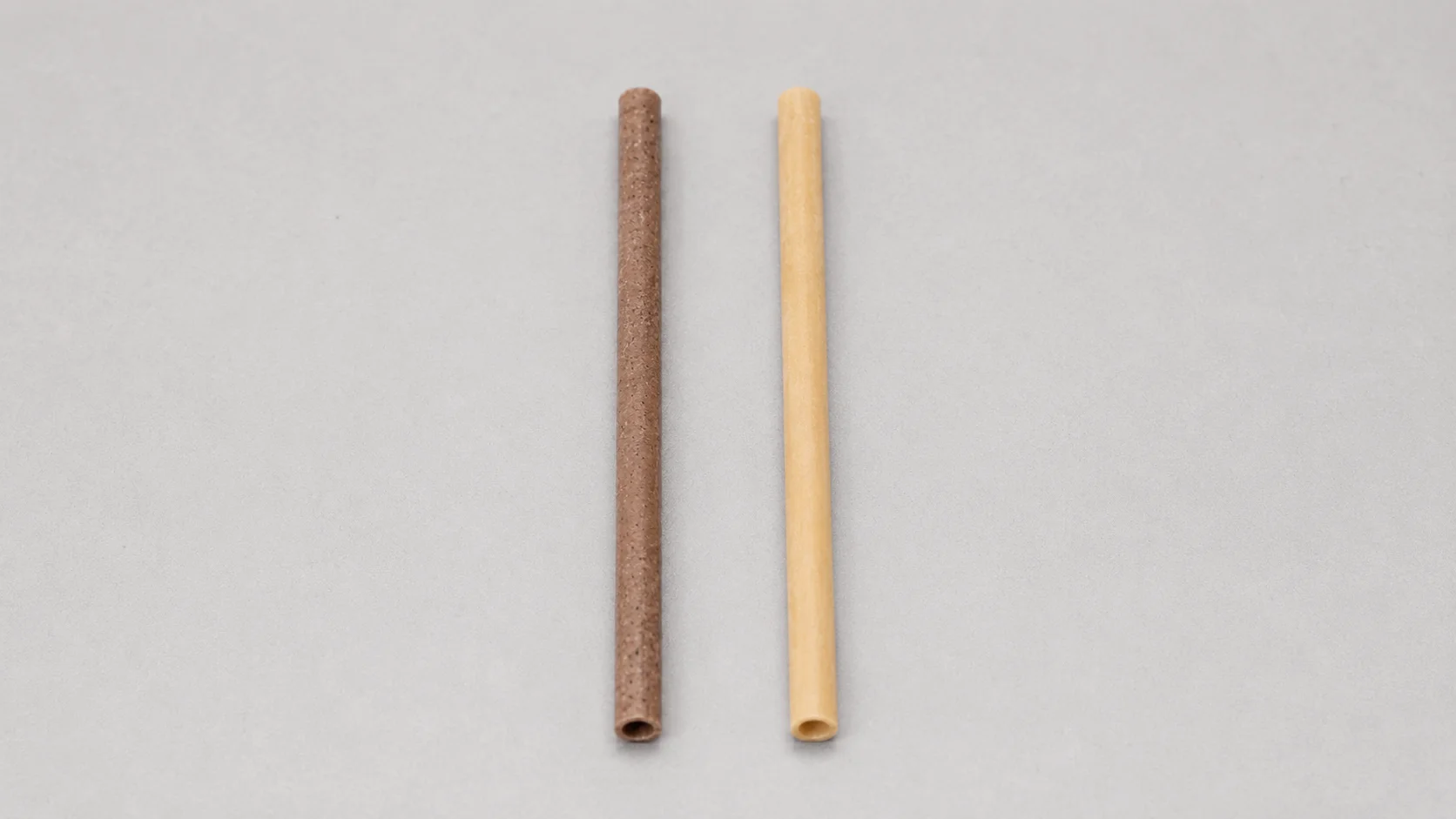
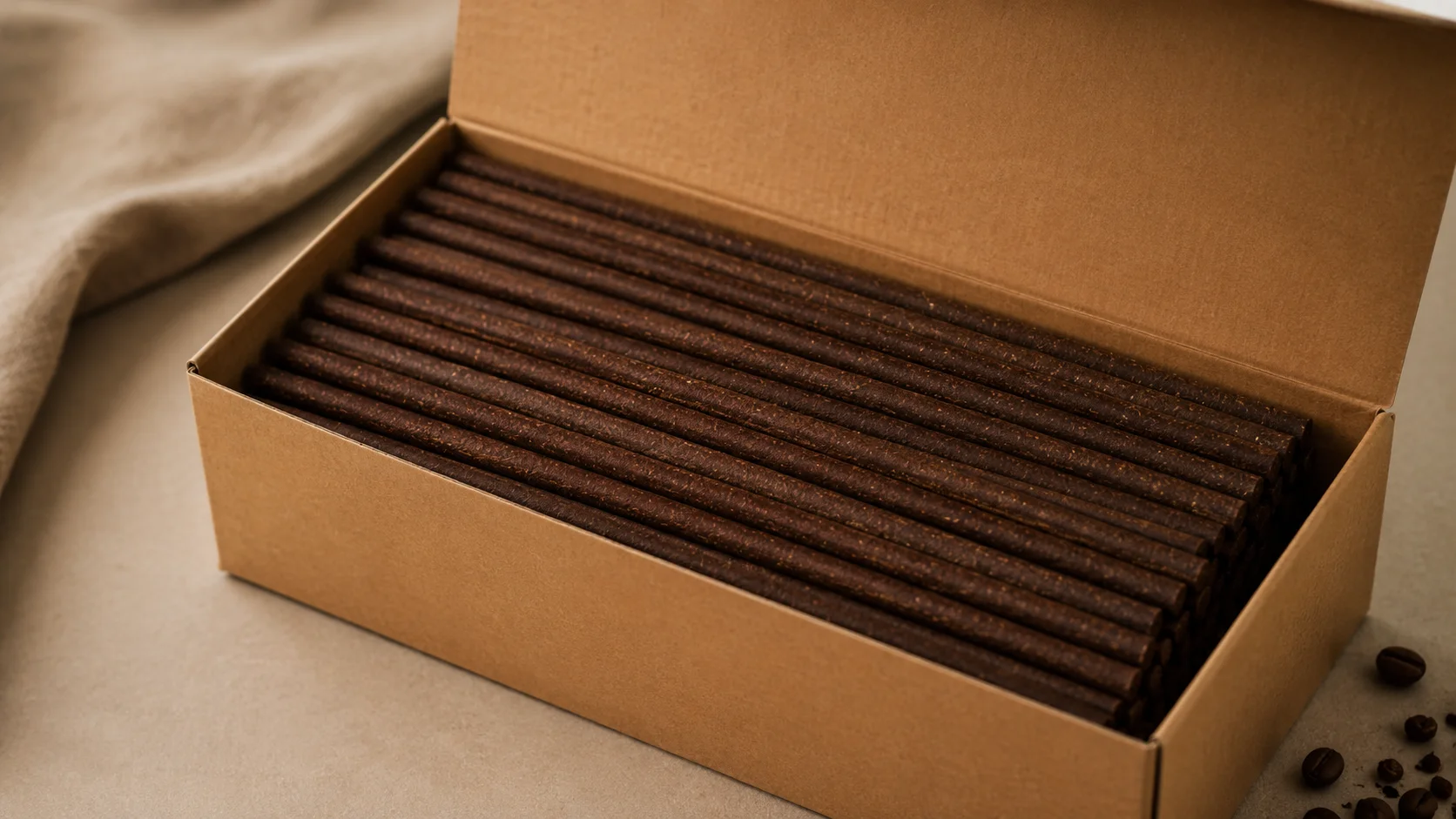
- Aspect: Au un aspect pământesc, natural (maro deschis sau alb aproape), care poate semnala subtil branding ecologic.
2. Paiele PHA: PHA (polihidroxialcanoat) este o familie de polimeri pe bază biologică produși de fermentarea naturală a uleiurilor vegetale (precum canola sau soia) de microbi speciali. Acestea sunt considerate o actualizare high-tech la PLA.
- Feel & Durability: paie PHA feel like traditional plastic straws, offering the same strength, flexibility, and smooth mouthfeel without getting soggy. Most people would not distinguish them from conventional plastic straws in use.
- Rezistenta la temperatura: They exhibit excellent temperature resistance, withstanding hot liquids up to ~100°C (212°F). Unlike PLA, PHA straws hold their form in steaming hot coffee or tea, making them ideal for hot and cold beverage applications. They also resist warping during high-heat storage or in hot weather.
- Unmatched Biodegradability: PHA straws are a game-changer due to their biodegradability in virtually any environment, including industrial compost, home compost, soil, freshwater, and even ocean water. Naturally occurring bacteria consume and degrade them completely, leaving no microplastic residue. Some studies show 90% biodegradation in a marine environment in just 98 days.
- Certificari: Leading PHA straws, like the phade® PHA straw, are BPI-certified compostable (ASTM D6400), TÜV Austria OK Compost Home certified, and have passed ASTM D6691 tests for marine biodegradability. They often meet or exceed plastic straw regulations.
- Siguranţă: PHA is a naturally occurring polyester, and PHA straws are food-safe and non-toxic, containing no BPA, phthalates, or added coatings. They are taste-neutral and odor-neutral.
- Cost & Availability: PHA is a newer technology, making PHA straws traditionally a bit more expensive than PLA straws. However, prices are decreasing as production scales up, with bulk pricing becoming more competitive (~$0.05 per straw). The value of their superior performance and environmental benefits often justifies the cost.
- Impact asupra mediului: PHA production is improving in efficiency with lower carbon emissions than other bioplastics. Their end-of-life is excellent, with no pollution, even helping to nourish soil as they decompose.
- Use Cases: PHA straws are suitable for any beverage, from iced coffees and smoothies to hot lattes and mixed drinks, serving as a reliable drop-in replacement for plastic straws.
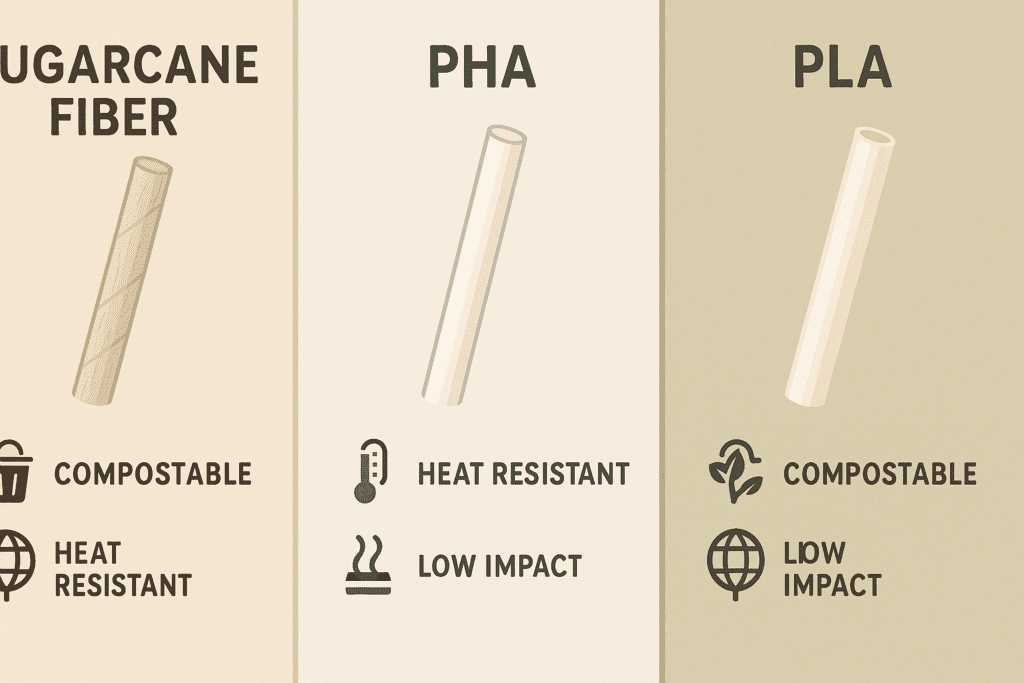
Comparison of Sugarcane, PHA, and PLA Straws
| Criterii | Paie din fibre de trestie de zahăr | PHA Paiele | Paie PLA |
|---|---|---|---|
| Sursa materială | Bagasse (sugarcane fiber waste). Natural plant-based fiber with plant binders. | Biopolimer PHA produs prin fermentarea bacteriană a uleiurilor vegetale (de exemplu, canola). 100% plastic pe bază de bio. | PLA bioplastic derivat din zaharuri vegetale fermentate (porumb, trestie de zahăr etc.). |
| Feel & Durability | Textura robustă asemănătoare hârtiei, dar durează 4-6 ore în lichide fără umezeală. Gust neutru. Mai durabil decât paiele obișnuite de hârtie. | Se simte ca plasticul tradițional - flexibilă, netedă și nu se udă. Menține integritatea ore sau zile. În esență, nu se distinge de un pai standard din plastic în uz. | Senzație de plastic rigid. Stabil în băuturi reci, dar poate deveni ușor casant în timp. Se înmoaie/deforma în lichide fierbinți și expunere îndelungată la căldură. |
| Compatibilitate căldură/rece | Rece: Excelent. Fierbinte: Bun până la ~90°C – potrivit pentru băuturi calde și contact scurt cu lichid fierbinte. | Rece: Excelent. Fierbinte: Excellent up to 100°C – can be used in boiling hot beverages without losing shape. | Rece: Good. Fierbinte: Poor – softens above ~60–70°C, not recommended for hot drinks. High-heat storage can deform them. |
| Compostabilitate | Home & Industrial Compostable. Breaks down naturally in compost within ~90-180 days. | Home, Industrial, şi Marine Compostable. Fully biodegrades in many environments (soil, seawater, home compost). Certified to leave no microplastics. | Industrial Compostable numai. Requires specific high temperatures and microbes. Not viable in home compost or nature; can persist for years if landfilled or littered. |
| Certificari | Typically meets ASTM D6400 / EN 13432 (BPI for commercial); some OK Compost Home. | Multiple third-party certs: BPI compostabil, TÜV OK Compost HOME, și marine biodegradability standards (e.g., ASTM D6691). | Usually Compostabil certificat BPI for industrial composting. Not home or marine certified. |
| Impactul asupra mediului | Made from renewable waste, low carbon footprint, fully biodegrades. Very eco-friendly lifecycle. | Lower carbon emissions than other bioplastics. Excellent end-of-life (no pollution, helps soil). Arguably the most eco-friendly straw option. | Energy-intensive to make. If not composted properly, can pollute like regular plastic. Often made from corn, raising concerns about GMOs/food diversion. |
| Cost & Availability | Widely available. Cost: Moderate, competitive in bulk, prices dropping. | Increasingly available. Cost: Slightly higher per unit than PLA or paper initially, but prices continue to improve. | Widely available. Cost: Generally affordable, but often treated as single-use plastics by regulations. |
In summary, sugarcane and PHA straws are the top contenders for coffee shops seeking compostable solutions. Sugarcane fiber straws excel in natural compostability and cost-effectiveness for cold drinks, while PHA straws lead in versatility and true biodegradability across all conditions. PLA, once a popular “eco” option, is now largely outshone by these PLA-free alternatives in performance and sustainability. Many businesses find success by using both: sugarcane for most cold drinks and PHA for specialty uses or when maximum versatility (like for hot beverages) is needed.
Benefits of Switching to PLA-Free Compostable Straws
Switching to compostable, PLA-free straws offers significant advantages beyond mere compliance:
- Compliance with Regulations: Ensures alignment with growing laws banning single-use plastics, including those that prohibit PLA, effectively “future-proofing” your business.
- Apel la consumatorii eco-conștienți: Demonstrates a commitment to sustainability, attracting customers and building loyalty. Surveys show that 70% of consumers prefer brands with clear sustainability commitments.
- Experiență îmbunătățită a clienților: Provides a better drinking experience than soggy paper or deforming PLA straws, leading to higher customer satisfaction.
- Positive Environmental Impact & Brand Values: Directly reduces plastic waste and your carbon footprint, aligning with corporate social responsibility goals and enhancing your brand’s story.
- Ease of Disposal & Waste Management: Simplifies waste sorting as these straws can often go directly into food waste or compost bins, potentially saving on disposal costs and contributing to compost creation.
- Marketing & Storytelling Opportunities: Offers a powerful marketing tool; you can promote your “compostable straws initiative” on social media and in-store, engaging customers and differentiating your brand.
- Leadership & Press Opportunities: Positions your business as a leader in sustainability, potentially attracting positive media and community attention.
Taking Action: Making the Switch to PLA-Free Straws
For businesses ready to transition to sustainable straws, here are actionable steps:
- Solicitați mostre: Start by requesting samples of both sugarcane and PHA straws to test them in your establishment and experience their quality firsthand.
- Evaluate Your Needs: Consider your typical beverage offerings. Sugarcane straws may suffice for cold drinks, while PHA straws offer versatility for all temperatures. Factor in your budget and the hidden costs of not switching.
- Secure a Reliable Supplier: Reach out to packaging distributors or eco-packaging specialists for bulk quotes. Inquire about certifications, lead times, and customization options. Ensure the straws meet relevant international standards (EU and US).
- Train and Inform Staff: Educate your team on proper usage and disposal, emphasizing that these straws belong in the compost bin, not the trash. Encourage them to inform customers about the eco-friendly switch.
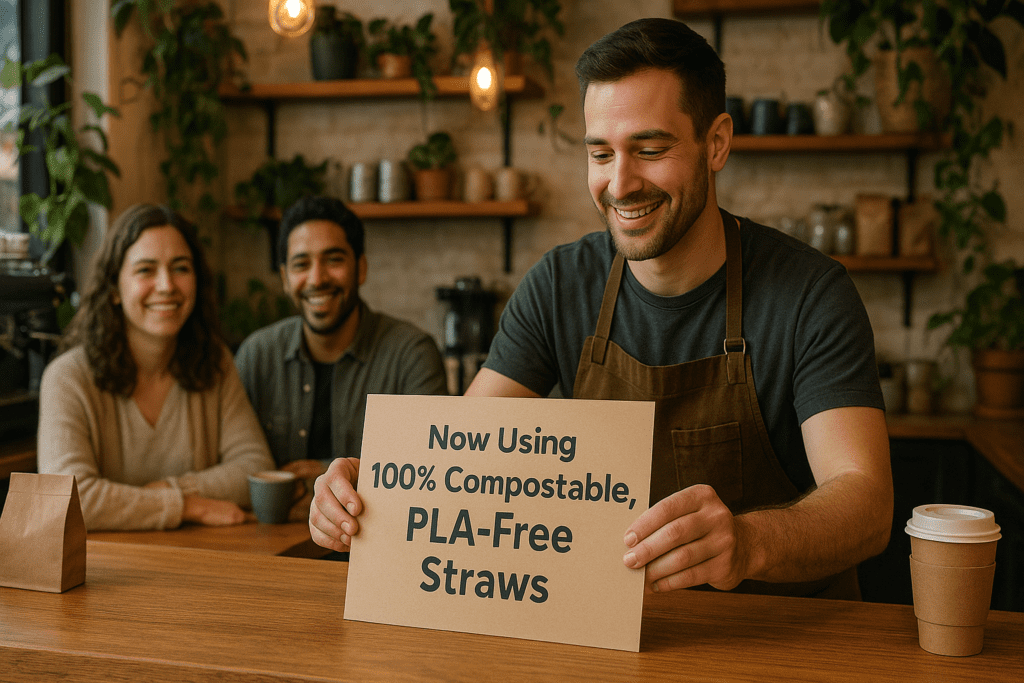
- Promote Your Switch: Actively market your transition to 100% compostable, PLA-free straws on social media, your website, and through in-store signage. This highlights your commitment and translates operational changes into tangible brand value.
By making this informed choice, you align your business with environmental values and customer demands, leading to enhanced brand image, smoother operations, and a positive contribution to the planet.