Creșterea experienței oaspeților și a durabilității: avantajul strategic al paielor compostabile ambalate individual pentru hoteluri și companii aeriene
Creșterea crizei globale a plasticului nu mai este o preocupare îndepărtată de mediu; este o provocare operațională și comercială presantă care necesită acțiuni urgente din partea industriilor de mare volum, precum ospitalitatea și aviația. Hotelurile și companiile aeriene, ca furnizori de primă linie de servicii pentru oaspeți, se află într-un moment critic, navigând într-un peisaj complex modelat de presiunile de reglementare în evoluție rapidă, schimbări pronunțate în preferințele consumatorilor și un imperativ incontestabil pentru responsabilitatea corporativă.
Ignorarea acestei schimbări de paradigmă are implicații comerciale semnificative, de la potențiale amenzi și prejudicii reputației până la înstrăinarea unei clientele din ce în ce mai conștiente de mediu. Paiele compostabile ambalate individual oferă o soluție dublă convingătoare, îmbinând cerințe stricte de igienă – primordiale în industriile de servicii – cu o gestionare critică a mediului. Această adoptare strategică nu numai că abordează o criză de mediu imediată, ci oferă și un avantaj competitiv tangibil. Această postare oferă informații strategice pentru managerii de achiziții, directorii de operațiuni, ofițerii de sustenabilitate și directorii lanțului de aprovizionare, explorând dinamica pieței, peisajul de reglementare și beneficiile tangibile ale acestei tranziții esențiale.
I. The Imperative for Change: Market Growth & Regulatory Pressure for Individually Wrapped Compostable Straws
Apelul pentru soluții durabile rezonează mai tare ca niciodată, condus atât de forțele pieței, cât și de mandatele legislative. Pentru hoteluri și companii aeriene, renunțarea la plasticul de unică folosință nu este doar o opțiune, ci o necesitate strategică.
A. Creșterea cererii pentru soluții durabile: piața paielor ecologice de 2,7 miliarde de dolari până în 2032
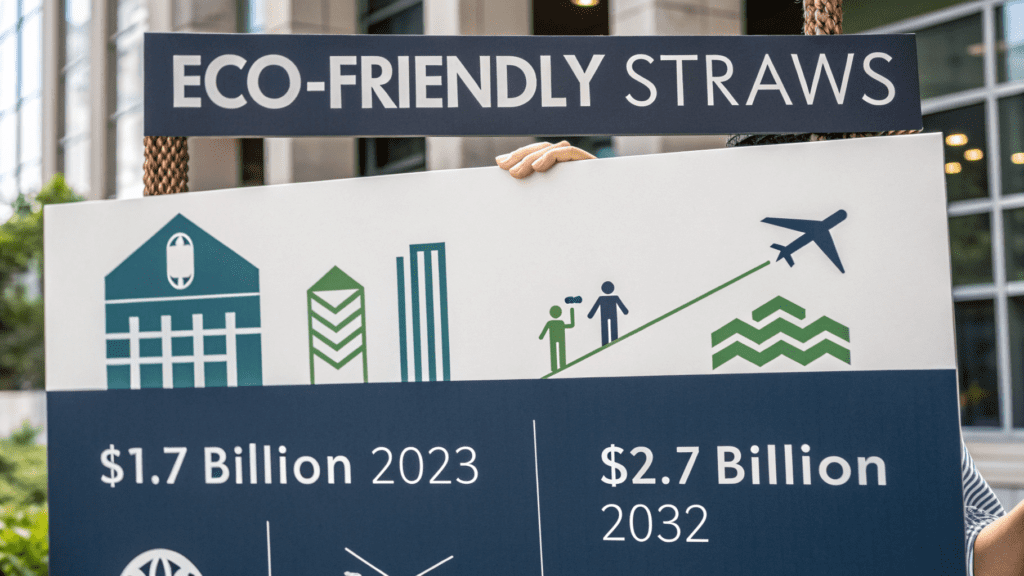
Piața globală a paielor ecologice se confruntă cu o creștere exponențială, proiectată să atingă un nivel impresionant2,7 miliarde de dolari până în 2032, crescând la o Rată de creștere anuală compusă (CAGR) de 5,3% față de evaluarea sa din 2023 de 1,7 miliarde USD. Această traiectorie ascendentă este un răspuns direct la o schimbare semnificativă a consumatorului: un remarcabil80% dintre consumatori își exprimă acum o preferință pentru produsele ecologice, influențând direct inițiativele corporative de sustenabilitate și deciziile de achiziții.
Această tendință se extinde dincolo de paie la piața mai largă a ambalajelor compostabile, care urmează să se extindă de la 99,6 miliarde de dolari în 2023 la 369,9 miliarde de dolari până în 2032, un CAGR robust de 15,7%. Aceste cifre subliniază un semnal clar al pieței: sustenabilitatea nu mai este o nișă, ci un motor principal al deciziilor de cumpărare și un factor critic în menținerea relevanței pieței.
B. Navigating the Regulatory Landscape: EU SUPD & Global Plastic Bans
Mediul de reglementare se mișcă rapid pentru a reduce poluarea cu plastic, creând un imperativ de conformitate pentru operatorii internaționali. TheDirectiva Uniunii Europene privind materialele plastice de unică folosință (SUPD)este o piatră de temelie a acestei schimbări, care urmărește reducerea semnificativă a consumului de paie de plastic până în 2026. Această directivă face ca paiele compostabile certificate să fie singura alternativă conformă pentru locurile de cazare care operează în UE.
Dincolo de Europa, mișcarea pentru reducerea plasticului este globală. China a interzis paiele de plastic de unică folosință nedegradabile în catering la nivel național până în 2021, iar India le-a scos în afara legii în 2022. În SUA, orașe precum Seattle au fost în frunte, implementând ordonanțe în 2018 care cer întreprinderilor din sectorul alimentar să folosească paie durabile sau compostabile, atingând o rată de conformitate de 77%. Astfel de reglementări nu numai că impun schimbarea, ci și expun companiile la potențiale penalități și daune reputației dacă sunt ignorate, făcând conformarea proactivă un avantaj strategic.Respectarea proactivă a interdicțiilor globale de plastic oferă un avantaj strategic pentru hoteluri și companii aeriene.

II. Despachetarea paielor compostabile ambalate individual: tipuri și beneficii
Termenul „compostabil” are o semnificație specifică și standarde verificate, diferențiându-l de afirmațiile „biodegradabile” mai puțin impactante. Înțelegerea nuanțelor materialelor disponibile și a certificărilor acestora este esențială pentru decizii informate de achiziție.
A. Dincolo de hârtie: materiale diverse pentru paiele durabile
În timp ce paiele de hârtie conduc în prezent pe piață cu o cotă de piață semnificativă de 44,3% în 2025 datorită biodegradării rapide (2-6 săptămâni față de cei 200 de ani ai plasticului), inovația în materiale oferă alternative din ce în ce mai robuste și versatile:
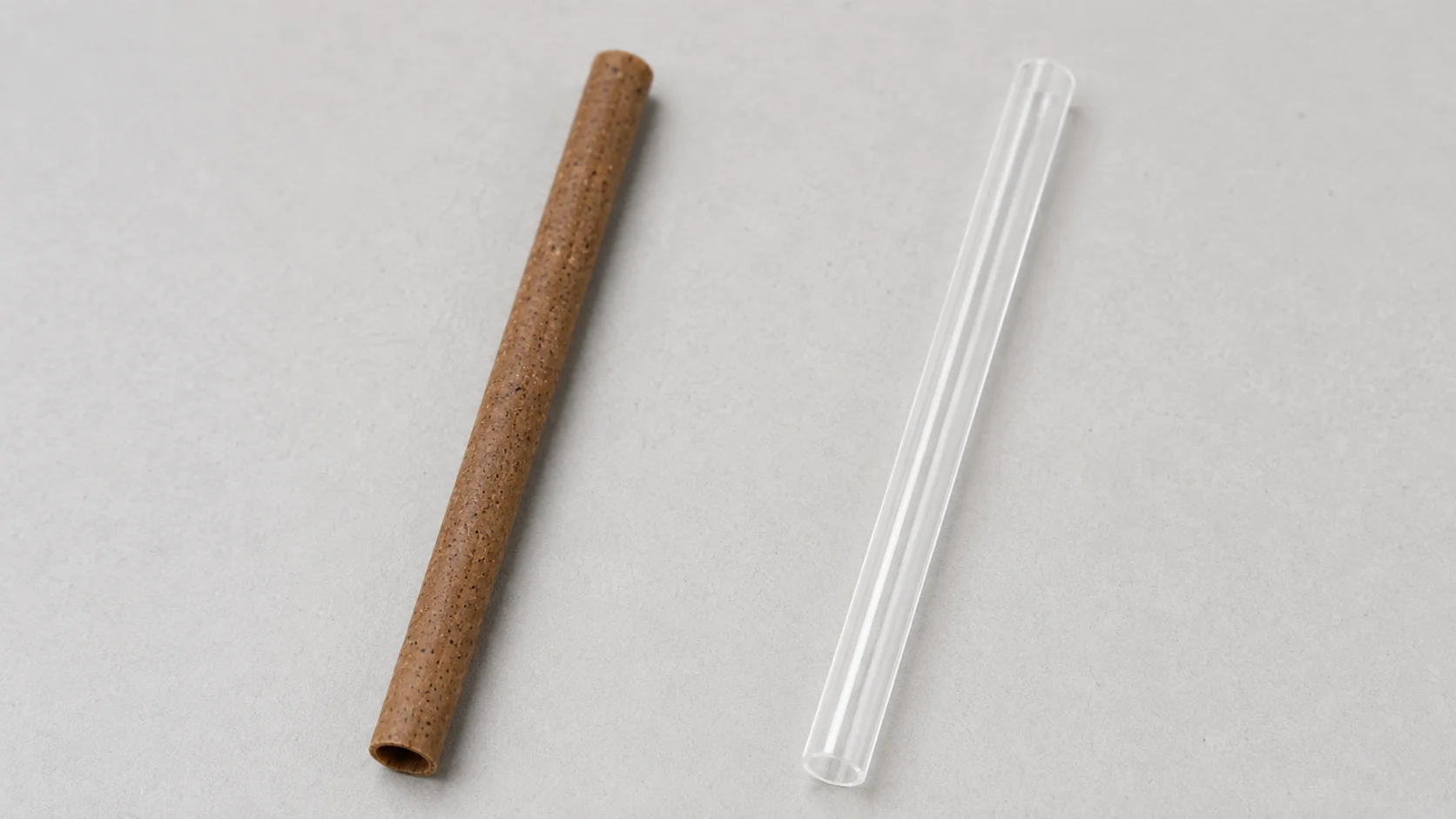
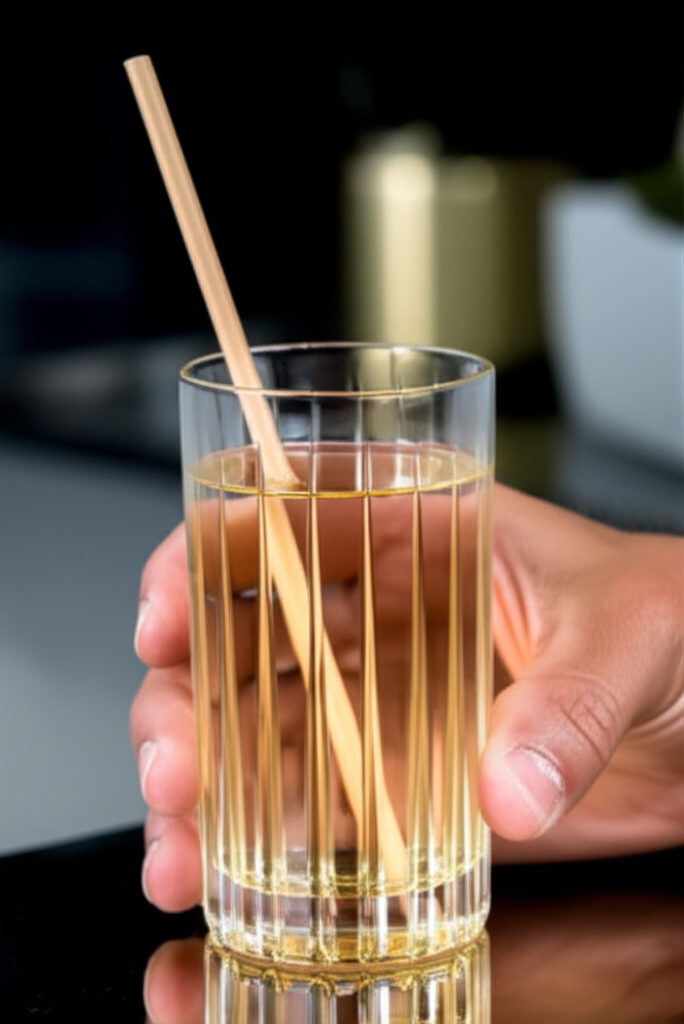
- Paiele PHA (polihidroxialcanoați): Reprezintă tehnologia bioplastică de ultimă oră. Materiale precum paiele PHA certificate BIOLO sunt remarcabile pentru că sunt acasă, industriale și degradabile în mediul marin, se descompun în mai puțin de 180 de zile fără a lăsa microplastice. Ele oferă o durabilitate superioară și se simt similar cu plasticul tradițional.
- PLA (acid polilactic): Derivat din resurse regenerabile, cum ar fi amidonul de porumb sau trestia de zahăr, PLA este o alegere comună a bioplasticului. Cu toate acestea, de obicei, necesită instalații specifice de compostare industrială pentru a se descompune eficient.
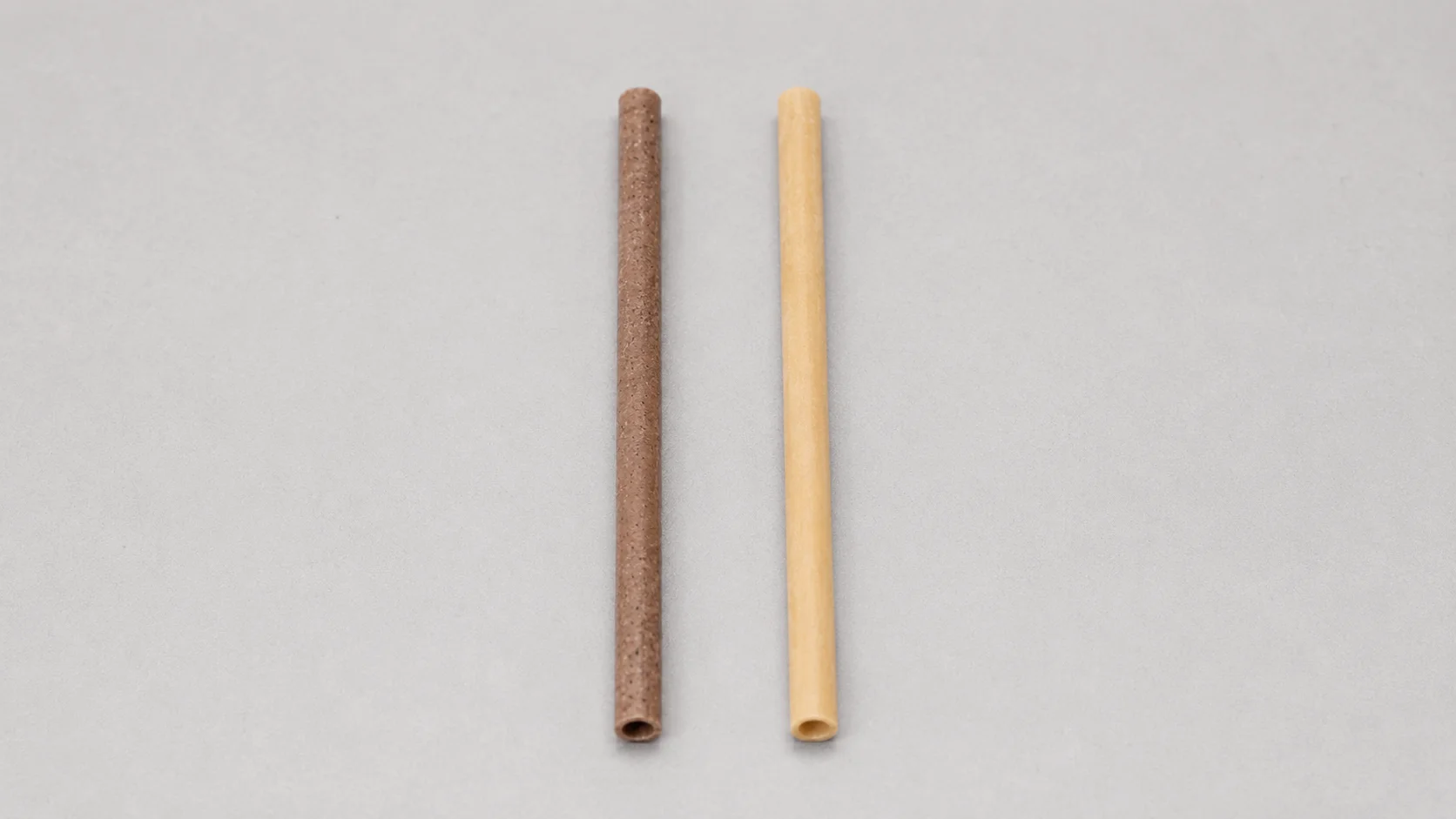
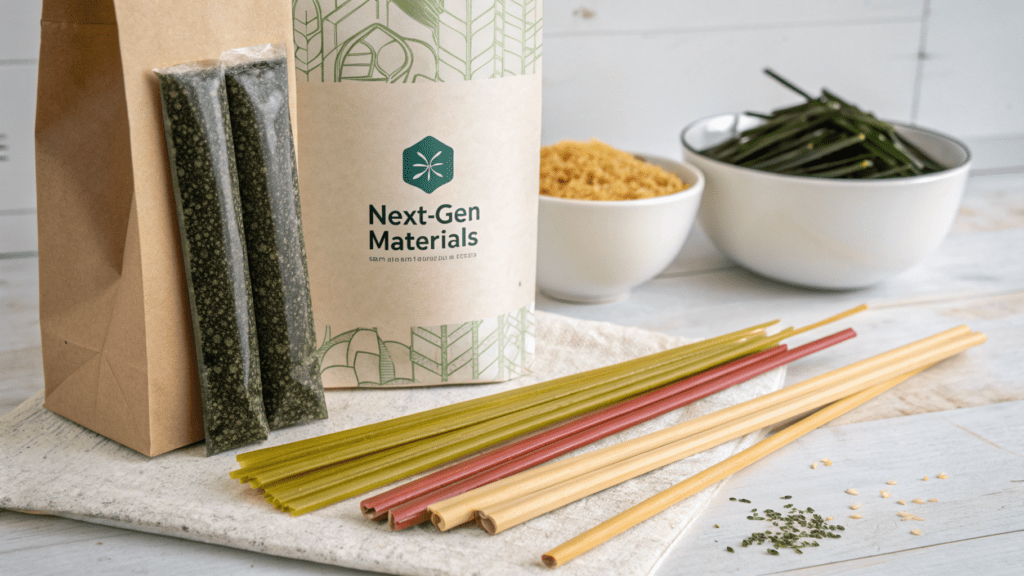
- Materiale inovatoare: Dincolo de acestea, piața vede apariția paielor din orez, fibre de trestie de zahăr (bagas), iarbă și chiar paie comestibile. Acestea oferă profile unice de durabilitate și degradare, extinzând gama de opțiuni pentru nevoi operaționale specifice. Pentru o scufundare mai profundă în distincțiile materiale, explorați ghidul nostru paie compostabile vs biodegradabile.
B. Avantajul de igienă: Paiele compostabile ambalate individual asigură siguranța
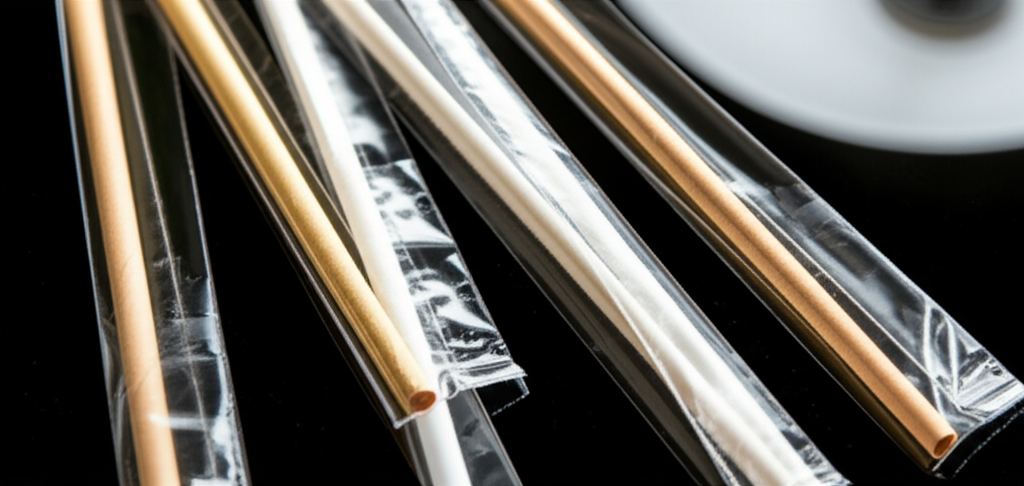
În mediile cu trafic intens, cu fața către oaspeți, cum ar fi hotelurile și companiile aeriene, igiena nu este negociabilă. Ambalarea individuală este esențială pentru menținerea unui produs imaculat și curat, prevenind contaminarea de la manipulare și expunerea mediului. Acest lucru asigură un pai neatins pentru fiecare oaspete, ceea ce este vital pentru menținerea standardelor de sănătate și siguranță și pentru îmbunătățirea semnificativă a percepției asupra calității serviciilor și a încrederii oaspeților. Acest nivel de asigurare sanitară devine un factor de diferențiere critic, mai ales într-o lume post-pandemică, în care curățenia este o prioritate de top pentru călători.
C. Certificari și standarde: Asigurarea compostabilității adevărate
Termenii „compostabil” și „biodegradabil” pot fi un câmp minat de dezinformare dacă nu sunt susținuți de o certificare riguroasă de la terți. Pentru factorii de decizie B2B, înțelegerea acestor standarde este esențială pentru a evita „greenwashing” și pentru a asigura un impact real asupra mediului.
- Certificare BPI (Institutul de produse biodegradabile) (ASTM D6400, D6868): Această certificare verifică defalcarea completă a unui produs în instalațiile de compostare industrială. Din ianuarie 2020, BPI a impus ca toate articolele certificate să nu conțină substanțe chimice PFAS adăugate intenționat, cu nivelurile totale de fluor organic verificate a fi sub 100 ppm, asigurându-se că compostul rămâne liber de aceste „substanțe chimice pentru totdeauna” persistente. Pentru o înțelegere cuprinzătoare a standardelor BPI, consultați Ghid de sustenabilitate BPI compostabil vs. biodegradabil.
- TÜV Austria: Oferă certificări „OK compost INDUSTRIAL” (echivalent cu EN 13432) și „OK compost HOME”, care confirmă capacitatea unui produs de a se descompune în diferite condiții, inclusiv degradarea marinei.
Aceste certificări oferă echipelor de achiziții încrederea că produsele alese de ei vor funcționa așa cum sunt anunțate și vor contribui cu adevărat la deturnarea deșeurilor, mai degrabă decât să ajungă pur și simplu ca poluanți persistenți în gropile de gunoi.Paiele compostabile certificate oferă o igienă superioară și beneficii verificate de mediu pentru ospitalitate.
III. Implementare strategică: impactul operațional și rentabilitatea investiției paielor compostabile ambalate individual
Trecerea la paiele compostabile implică mai mult decât un simplu schimb de produs; este o decizie strategică cu impact operațional și financiar măsurabil.
A. Considerații operaționale pentru achiziții și lanțuri de aprovizionare
Deși beneficiile pe termen lung sunt clare, trecerea de la plasticul tradițional poate duce la creșterea costurilor pe termen scurt pentru noile alternative și poate necesita ajustări ale procesului. Asigurarea unui lanț de aprovizionare stabil cu producători certificați este vitală pentru disponibilitatea și calitatea constantă a produselor, mai ales având în vedere cererea în creștere. În plus, cerințele de depozitare pentru anumite materiale compostabile pot diferi, necesitând ajustări la logistica existentă și gestionarea stocurilor. Echipele de achiziții trebuie să efectueze o diligență amănunțită pentru a asigura furnizori de încredere, certificați, care pot satisface nevoile lor de volum și calitate.
B. Comparație de caracteristici: Paiele compostabile vs. tradiționale
| Caracteristică | Impact operațional B2B | Notă de conformitate | Potențial de rentabilitate a investiției |
|---|---|---|---|
| Material | PHA, hârtie, PLA, orez, agave (diverse opțiuni) | Respectarea standardelor specifice de compostabilitate (ASTM, EN) | variază; Cost inițial mai mare PHA, randament superior pentru mediu/durabilitate |
| Degradare | Necesită compostare industrială pentru majoritatea; unele acasă/marin | Compostabil certificat (BPI, TÜV Austria); clarifică „biodegradabil” | Costuri reduse la depozitele de deșeuri, eficiență îmbunătățită a gestionării deșeurilor |
| Durabilitate | Variază în funcție de material (de exemplu, hârtia se poate udă); PHA mai robust | Standarde de performanță pentru utilizări specifice (băuturi calde/reci) | Satisfacție sporită a oaspeților, mai puține reclamații legate de produse |
| Ambalaj | Hârtie/film compostabil; mentine igiena, controlul portiilor | Îndeplinește regulile stricte de siguranță alimentară și igienizare | Îmbunătățirea imaginii de marcă, valoare percepută mai mare de la oaspeți |
| Cost | În general, mai mult în avans decât plasticul convențional | Se aliniază cu interdicțiile iminente ale plasticului și obiectivele de durabilitate | Echitate de marcă pe termen lung, avantaj competitiv, evitarea costurilor de conformitate |
C. Măsurarea rentabilității investiției: dincolo de prețul de achiziție
Rentabilitatea investiției (ROI) pentru adoptarea paielor compostabile ambalate individual se extinde cu mult dincolo de prețul inițial de achiziție, influențând percepția mărcii, cota de piață și costurile operaționale pe termen lung.
- Reputație îmbunătățită a mărcii: Studiile arată că 73% dintre călători preferă în mod activ cazarea ecologică. Adoptarea unor practici durabile, cum ar fi paiele compostabile, se aliniază direct cu aceste valori ale consumatorilor, poziționându-vă marca ca lider responsabil al industriei.
- Evitarea costurilor de conformitate: Adopția proactivă ajută companiile să evite sancțiunile și problemele legale din escaladarea interdicțiilor de plastic și a reglementărilor de mediu, salvând stabilitatea financiară și accesul la piață.
- Atragerea consumatorilor eco-conștienți: Pe măsură ce sustenabilitatea devine un motor cheie de achiziție, oferirea de alternative compostabile poate atrage și păstra un segment în creștere de clienți conștienți de mediu, conducând la cota de piață și construind loialitate pe termen lung.
- Costuri reduse de gestionare a deșeurilor: Redirecționarea deșeurilor de la depozitele de deșeuri către instalațiile de compostare poate duce la economii semnificative la taxele de eliminare a deșeurilor, în special în regiunile cu infrastructură de compostare și taxe de depozitare stabilite.
Adoptarea paielor compostabile oferă o rentabilitate semnificativă a investiției prin reputația îmbunătățită a mărcii și prin evitarea costurilor de conformitate.
IV. Conducerea taxei: Adoptarea hotelurilor și companiilor aeriene de paiele compostabile ambalate individual
Actorii majori din sectorul ospitalității și al aviației își asumă deja angajamente substanțiale pentru eliminarea materialelor plastice de unică folosință, demonstrând viabilitatea și importanța strategică a acestei tranziții.
A. Hoteluri care îmbrățișează paiele durabile
Industria hotelieră a cunoscut un angajament pe scară largă pentru reducerea și eliminarea paielor:
- Marriott International și-a propus să elimine 1 miliard de paie de plastic anual până în iulie 2019 din cele 6.500 de proprietăți ale sale.
- Four Seasons Hotels & Resorts a anunțat interzicerea paielor de plastic în toate cele 110 hoteluri până la sfârșitul anului 2018.
- Hilton s-a angajat să elimine paiele de plastic din cele 650 de hoteluri gestionate la nivel global până la sfârșitul anului 2018, estimând o economie de 35 de milioane de paie anual.
- Hoteluri și restaurante Kimpton revizuiesc în mod activ politicile de a oferi în mod implicit paie compostabile, metalice sau fără paie, reflectând o schimbare la nivel de industrie de la plastic.
- 1 Hoteluri şi Hoteluri Hyatt au implementat și inițiative pentru reducerea sau eliminarea paielor din plastic, oferind opțiuni biodegradabile sau oferindu-le doar la cerere.
Aceste exemple subliniază o recunoaștere colectivă în industrie a nevoii de schimbare și a avantajului competitiv obținut prin demonstrarea leadership-ului ecologic.
B. Companiile aeriene care acordă prioritate paielor ecologice
Sectorul aviației, cu complexitățile sale operaționale unice, face, de asemenea, progrese:
- American Airlines a înlocuit paiele de plastic cu alternative biodegradabile și agitatoare din lemn, tăind aproximativ 71.000 de kilograme de plastic anual.
- Alaska Airlines a eliminat treptat 22 de milioane de paie și agitatoare din plastic utilizate în 2017, recunoscând impactul lor semnificativ asupra depozitului de deșeuri.
- Ryanair își propune să elimine toate materialele plastice nereciclabile din aeronavele sale până în 2023, trecând la pahare și ambalaje din hârtie biodegradabile, ca parte a obiectivelor sale de durabilitate.
- Delta Airlines a depus, de asemenea, eforturi semnificative pentru a elimina diverse articole din plastic de unică folosință, inclusiv bețișoare și paie, din aeronave și Sky Clubs, așteptându-se să elimine peste 300.000 de kilograme de deșeuri de plastic anual.
C. Studiu de caz: Tranziția PHA Straw de la HMSHost în aeroporturi
Un exemplu convingător de implementare strategică de succes vine de la restauratorul global de călătoriiHMSHost. Începând din ianuarie 2023, HMSHost a colaborat cu BIOLO pentru a introduce paiele biodegradabile PHA în numeroase locuri de luat masa din aeroporturile americane din state precum California, Washington, Texas, Carolina de Nord și Florida. Această inițiativă strategică își propune să elimine anual milioane de paie de plastic de unică folosință din operațiunile aeroportuare ale HMSHost din America de Nord.
Decizia de a adopta paiele PHA a fost semnificativă, având loc după ce testele anterioare ale companiei cu paiele de hârtie s-au dovedit nesatisfăcătoare ca performanță. Acest lucru evidențiază o lecție crucială: importanța selecției materialelor și a testării pentru a se asigura că alternativele durabile îndeplinesc cerințele operaționale de durabilitate și satisfacția oaspeților, chiar și în medii dinamice cu volum mare, cum ar fi aeroporturile. Această tranziție a unui furnizor important de servicii alimentare demonstrează beneficiile tangibile și scalabilitatea paielor compostabile ambalate individual într-un context B2B solicitant.Principalii jucători din domeniul ospitalității și al aviației fac tranziția cu succes la paiele compostabile, demonstrând viabilitatea.
V. Depășirea provocărilor: logistică și infrastructură pentru paiele compostabile ambalate individual
Deși beneficiile sunt clare, implementarea cu succes necesită abordarea provocărilor existente, în special în ceea ce privește infrastructura de gestionare a deșeurilor și percepțiile privind performanța produsului.
A. Decalajul infrastructurii de compostare
O barieră semnificativă în calea adoptării pe scară largă rămâne disponibilitatea limitată a instalațiilor de compostare industrială accesibile în multe regiuni. Fără o infrastructură adecvată de gestionare a deșeurilor, chiar și paiele compostabile certificate pot ajunge în continuare în gropile de gunoi, anulând beneficiile lor de mediu și subminând investiția. Acest lucru evidențiază nevoia de susținere continuă și investiții în infrastructura robustă de compostare. Pentru îndrumări detaliate despre gestionarea produselor compostabile certificate de BPI, consultați-neManual B2B pentru gestionarea durabilă a deșeurilor.
B. Eficiența costurilor și performanța paielor durabile
Opțiunile de compostare pot fi semnificativ mai scumpe inițial; unele rapoarte indică costuri de până la patru ori mai mari decât paiele tradiționale din plastic, așa cum a experimentat Joe Coffee atunci când au trecut. Există, de asemenea, preocupări legate de performanță, cum ar fi anumite paie de hârtie care se înmoaie rapid, ceea ce poate afecta satisfacția clienților. Cu toate acestea, cercetarea și dezvoltarea continuă în materiale precum PHA sunt cruciale pentru abordarea durabilității, rezistenței la căldură și eficienței costurilor, scăzând prețurile și creșterea performanței în timp. Studiul de caz HMSHost exemplifica modul în care progresele științei materialelor pot depăși limitările anterioare de performanță.
C. Navigarea Greenwashing și dezinformare
Lipsa unei terminologii coerente la nivel global pentru „reciclabil”, „compostabil” și „biodegradabil” poate crea confuzie atât pentru profesioniștii din industrie, cât și pentru consumatori. Certificarea riguroasă de la terți de la organisme precum BPI sau TÜV Austria este esențială pentru a contracara afirmațiile înșelătoare „greenwashing”. Dincolo de certificare, educarea atât a personalului, cât și a consumatorilor cu privire la metodele adecvate de eliminare este vitală pentru a asigura că produsele compostabile își termină ciclul de viață prevăzut, maximizând valoarea lor de mediu.Abordarea lacunelor de infrastructură și dezinformarea este crucială pentru adoptarea cu succes a paielor compostabile.
VI. Viitorul paielor compostabile ambalate individual: inovație și colaborare
Traiectoria paielor compostabile ambalate individual este una de inovare continuă, condusă de progrese în știința materialelor și de un efort concertat către colaborarea la nivel de industrie și armonizarea politicilor.
A. Progrese în știința materialelor
Orizontul materialelor de paie compostabile se extinde rapid:
- Noi polimeri pe bază de bio: Inovații precum poli (acid lactic) stereo-complexat (SC-PLA) îmbunătățesc performanța produsului, în special pentru rezistența la căldură și durabilitate.
- Materiale noi: Dezvoltarea materialelor inovatoare, cum ar fi paiele comestibile pe bază de alge marine (se biodegradează în mai puțin de 60 de zile) și materialele plastice derivate din ciuperci semnalează posibilități viitoare pentru opțiuni și mai durabile și mai rapid degradabile.
- Biodegradare ultra-rapidă: Cercetările privind paiele făcute din orez și tărâțe de orez neutilizate demonstrează potențialul de biodegradare ultrarapidă în patru zile, deschizând noi căi pentru articole cu adevărat efemere de unică folosință.
Aceste progrese promit să abordeze provocările existente de performanță și costuri, făcând paiele compostabile o soluție și mai atractivă și mai viabilă.
B. Colaborarea industriei pentru practici durabile
Acțiunea colectivă este vitală pentru accelerarea trecerii la practici durabile:
- Inițiativa globală pentru materiale plastice pentru turism (GTPI): Încurajează semnatarii, inclusiv marile grupuri hoteliere și companii aeriene, să obțină ambalaje 100% reutilizabile, reciclabile sau compostabile până în 2025.
- Asociația Internațională a Transporturilor Aeriene (IATA): Recomandă instalarea de instalații industriale de compostare în aeroporturi pentru a facilita deturnarea deșeurilor, recunoscând provocările unice ale gestionării deșeurilor de către companiile aeriene.
- „Rămâneți fără plastic”: Inițiative precum aceasta oferă seturi de instrumente esențiale pentru furnizori pentru a inspira o adoptare mai largă și pentru a simplifica procesul de achiziție pentru hotelurile care caută alternative pentru plastic.
Astfel de colaborări promovează cunoștințele comune, accelerează cele mai bune practici și construiesc infrastructura necesară pentru o economie cu adevărat circulară.
C. Evoluția politicilor și armonizarea globală
Peisajul de reglementare este pregătit pentru evoluție și armonizare ulterioară:
- Interdicții în creștere la nivel federal și de stat: Un impuls puternic către alternative durabile continuă prin extinderea interdicțiilor asupra materialelor plastice de unică folosință.
- Reglementări revizuite ale Organizației Aviației Civile Internaționale (ICAO): Necesar pentru a permite deturnarea deșeurilor reciclabile și recuperabile de la incinerare, sprijinind biotratarea și recuperarea materialelor în aeroporturi.
- Armonizarea standardelor: Standardele consecvente de compostabilitate în toate regiunile vor simplifica achizițiile și vor reduce complexitatea operațiunilor internaționale, simplificând conformitatea pentru mărcile globale.
Aceste schimbări de politică vor crea un mediu mai propice pentru alegeri durabile, făcând paiele compostabile implicite, mai degrabă decât alternativa.Inovațiile și colaborările viitoare vor accelera adoptarea pe scară largă a paielor compostabile.
întrebări frecvente
De ce ar trebui să treacă hotelurile și companiile aeriene la paiele compostabile ambalate individual?
Trecerea la paiele compostabile ambalate individual ajută hotelurile și companiile aeriene să îndeplinească reglementările de mediu în creștere, să satisfacă cererea consumatorilor conștienți de mediu, să îmbunătățească reputația mărcii și să asigure o igienă superioară pentru oaspeți, toate în același timp reducând deșeurile de plastic.
Sunt paiele compostabile cu adevărat igienice pentru mediile de service cu volum mare?
Da, paiele compostabile ambalate individual sunt concepute pentru a menține igiena curată. Ambalajul individual previne contaminarea de la manipulare și expunerea mediului, asigurând un produs sanitar pentru fiecare oaspete, care este crucial pentru standardele de sănătate din hoteluri și companii aeriene.
Care sunt cele mai bune materiale pentru paiele compostabile pentru ospitalitate și aviație?
În timp ce paiele de hârtie sunt obișnuite, materiale avansate precum PHA (polihidroxialcanoați) oferă o durabilitate și o senzație superioară, fiind acasă, industriale și degradabile marine. PLA (acidul polilactic) este o altă opțiune, deși de obicei necesită compostare industrială. Cea mai bună alegere depinde de nevoile operaționale specifice și de infrastructura de deșeuri.
Cum pot hotelurile și companiile aeriene să se asigure că paiele lor compostabile sunt cu adevărat ecologice?
Pentru a asigura o eco-compatibilitate autentică, echipele de achiziții ar trebui să caute certificări de la terți, cum ar fi BPI (Institutul de produse biodegradabile) sau „OK compost INDUSTRIAL” sau „OK compost HOME” de la TÜV Austria. Aceste certificări verifică faptul că produsele se vor defecta așa cum sunt anunțate și nu conțin „substanțe chimice pentru totdeauna” dăunătoare precum PFAS.
Care sunt beneficiile ROI ale adoptării paielor compostabile dincolo de respectarea mediului?
Dincolo de conformitate, rentabilitatea investiției include o reputație îmbunătățită a mărcii (atragerea călătorilor conștienți de mediu), evitarea sancțiunilor de reglementare, creșterea cotei de piață de la consumatorii sustenabili și potențiale reduceri ale costurilor de gestionare a deșeurilor prin direcționarea deșeurilor către instalațiile de compostare.
Concluzie
Trecerea la paiele compostabile ambalate individual reprezintă un imperativ strategic pentru hoteluri și companiile aeriene, determinată de cererea în creștere a pieței, presiunile de reglementare în evoluție și un angajament profund față de gestionarea mediului. În timp ce provocările rămân în dezvoltarea infrastructurii și investițiile inițiale, inovarea continuă în știința materialelor și eforturile de colaborare ale industriei deschid calea pentru soluții scalabile și eficiente.
Adoptarea acestor alternative durabile nu numai că atenuează impactul critic asupra mediului, ci și sporește semnificativ valoarea mărcii, întărește responsabilitatea socială corporativă și construiește rezistența operațională într-un peisaj global în schimbare rapidă. Pentru factorii de decizie avansați în achiziții, operațiuni și durabilitate, trecerea la paiele compostabile ambalate individual este o cale clară atât către responsabilitatea ecologică, cât și către succesul comercial de durată.
Evaluați utilizarea curentă a paielor din plastic și inițiază astăzi un audit cuprinzător al plasticului. Colaborați cu furnizori certificați pentru a trece la paiele compostabile ambalate individual și pentru a crește angajamentul mărcii dumneavoastră pentru un viitor durabil, reducând amprenta asupra mediului și îndeplinind așteptările în evoluție ale consumatorilor.Contactați-ne pentru soluții durabile