Navigarea în schimbarea verde: un ghid B2B pentru paiele de înaltă performanță pe bază de plante
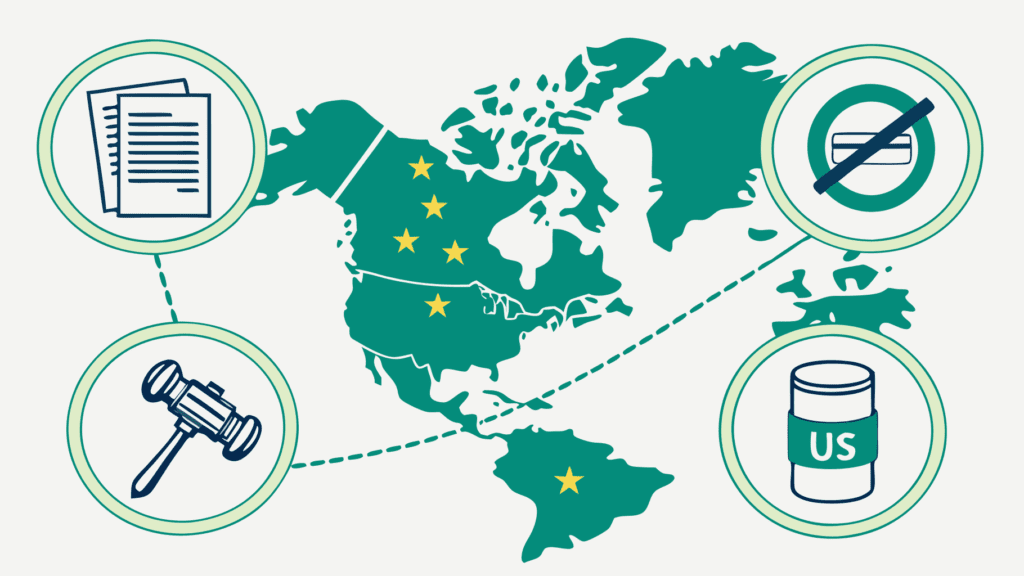
Valul s-a întors, iar pentru companiile din sectorul alimentar și al ospitalității, trecerea globală de la plasticul de unică folosință nu mai este o chestiune de alegere, ci un mandat presant. Organismele de reglementare din America de Nord și Europa adoptă interdicții și restricții ample privind paiele de plastic, de la interzicerea la nivel național a Canadei până la sfârșitul anului 2023 la diverse legi la nivel de stat din SUA și directive cuprinzătoare ale UE. Ignorarea acestei tendințe incontestabile nu se referă doar la conformitate; prezintă riscuri semnificative, inclusiv amenzi uriașe, daune grave reputației și înstrăinarea unei baze de consumatori conștienți de mediu în creștere rapidă. Într-adevăr, cercetările indică faptul că 78% dintre consumatori preferă în mod activ afacerile care adoptă opțiuni ecologice. Pentru liderii de achiziții și operațiuni cu gândire de viitor, adoptarea paielor pe bază de plante nu este doar un obstacol de depășit; este o oportunitate strategică de a transforma provocările de conformitate într-un avantaj competitiv puternic, aliniind marca dvs. la un viitor mai ecologic.
Călătoria de la raigrass antic la soluții moderne pe bază de plante.
For centuries, our methods of sipping have evolved, from ancient Mesopotamians using ryegrass to avoid beer sediment to modern innovations. Rye grass was once a common choice in the 1800s, but it soon gave way to Marvin Stone’s pioneering paper straw in 1888, solving the problem of a grassy taste and sogginess. The mid-20th century saw the ubiquitous rise of cheap, durable plastic straws, which dominated the market for decades. However, this convenience came at a monumental environmental cost, leading us to today’s “green revolution” in sipping solutions. Yet, this modern shift isn’t without its own set of complexities and pitfalls. Many early plastic alternatives, particularly some paper straws, quickly gained a reputation for becoming soggy and imparting an unwanted taste, frustrating both businesses and consumers. More concerning is the issue of “forever chemicals,” or PFAS (per- and polyfluoroalkyl substances), which have been found in a high percentage of so-called “eco-friendly” paper and bamboo straws. These persistent chemicals are linked to various health problems and defy true biodegradability. Furthermore, claims of “biodegradable” or “compostable” can be misleading; materials like Polylactic Acid (PLA), derived from corn starch, often require highly specific industrial composting facilities that are not widely available, meaning they can persist for hundreds of years in standard landfills, potentially releasing potent greenhouse gases like methane. The true promise of sustainability lies in advanced plant-based solutions designed to overcome these challenges, offering superior performance without environmental compromises.
The strategic selection of plant-based straws is critical for B2B operations. Understanding the diverse options available and their performance indicators is key to making an informed decision that benefits both your business and the planet.
Understanding Your Options: A Decision Matrix for High-Performance Plant-Based Straws
- Acid polilactic (PLA): Derived from fermented plant sugars (e.g., corn starch), PLA straws mimic the feel of traditional plastic. They are industrially compostable, meaning they require specific high-heat facilities to break down effectively (typically within 3-6 months). If not composted correctly, they can persist in landfills for extended periods.
- Bagas de trestie de zahăr: Made from the fibrous byproduct of sugarcane juice extraction, these straws are robust, versatile, and often home-compostable. They offer excellent durability and can handle temperatures up to 90°C.
- Wheat Straw: Crafted from natural, gluten-free wheat stems, these straws are inherently firm, resistant to sogginess, and fully biodegradable and compostable. They leverage agricultural waste, contributing to a circular economy.
- Bambus: A rapidly renewable resource, bamboo straws offer a natural aesthetic and can be reusable. They are compostable and maintain their form in both hot and cold beverages.
- Polyhydroxyalkanoate (PHA): Acesta reprezintă un biopolimer de generație următoare, adesea derivat din ulei de canola, amidon de porumb sau trestie de zahăr. Paiele PHA arată și se simt remarcabil ca plasticul tradițional, oferind stabilitate termică superioară (până la 212 ° F/100 ° C) și rezistență la umezeală. În mod esențial, PHA este degradabil din punct de vedere marin și se poate descompune în diverse medii, inclusiv compost de casă și chiar oceane, fără a produce microplastice. Acest lucru îl face o soluție cu adevărat pregătită pentru viitor. Pentru mai multe despre materialele de ultimă generație, vizitați momoio.com/advanced-materials.
- Rice & Tapioca / Coffee Grounds / Agave Fibers: These innovative options are derived from agricultural waste, offering unique characteristics. Rice and tapioca straws can even be edible, while coffee ground straws repurpose waste into a functional, odorless, and tasteless product. Agave fiber straws are sturdy and some are certified landfill-degradable.
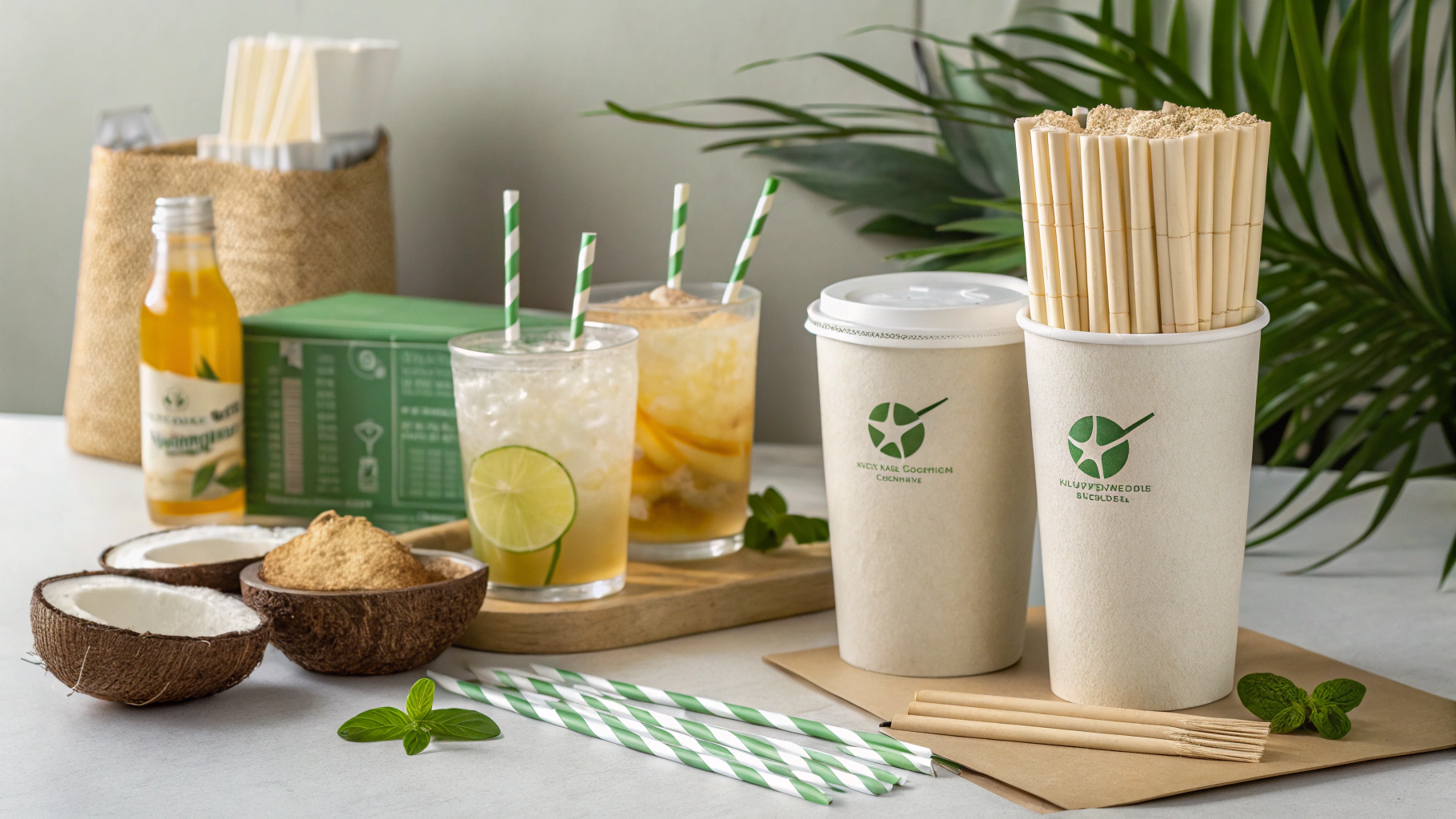
A visual guide to different plant-based straw materials.
For successful B2B procurement, focus on these key performance indicators:
- Durability and Thermal Stability: Ensuring straws can hold up in both hot and cold beverages for extended periods, preventing premature disintegration and customer complaints.
- Taste Neutrality and User Experience: Providing a pleasant, untainted drinking experience is crucial for brand perception. Soggy or flavored straws can negatively impact customer satisfaction.
- True Compostability vs. Industrial Requirements: Clarify disposal pathways. Prioritize options genuinely suitable for your waste management infrastructure, or those like PHA that offer broad degradability.
The adoption of high-performance plant-based straws drives significant business value, enhancing both operational efficiency and brand reputation. Businesses canreduce waste management complexity and associated feesby integrating genuinely biodegradable and compostable options. Minimizing replacements due to sogginess or breakage also improves stock management and customer satisfaction. While upfront costs for premium plant-based straws can be marginally higher, the long-term ROI derived from reduced waste, improved operational flow, and critically, enhanced brand loyalty, often offsets this initial investment. Consider exploring our guide tosustainable supply chain management at momoio.com/supply-chain.
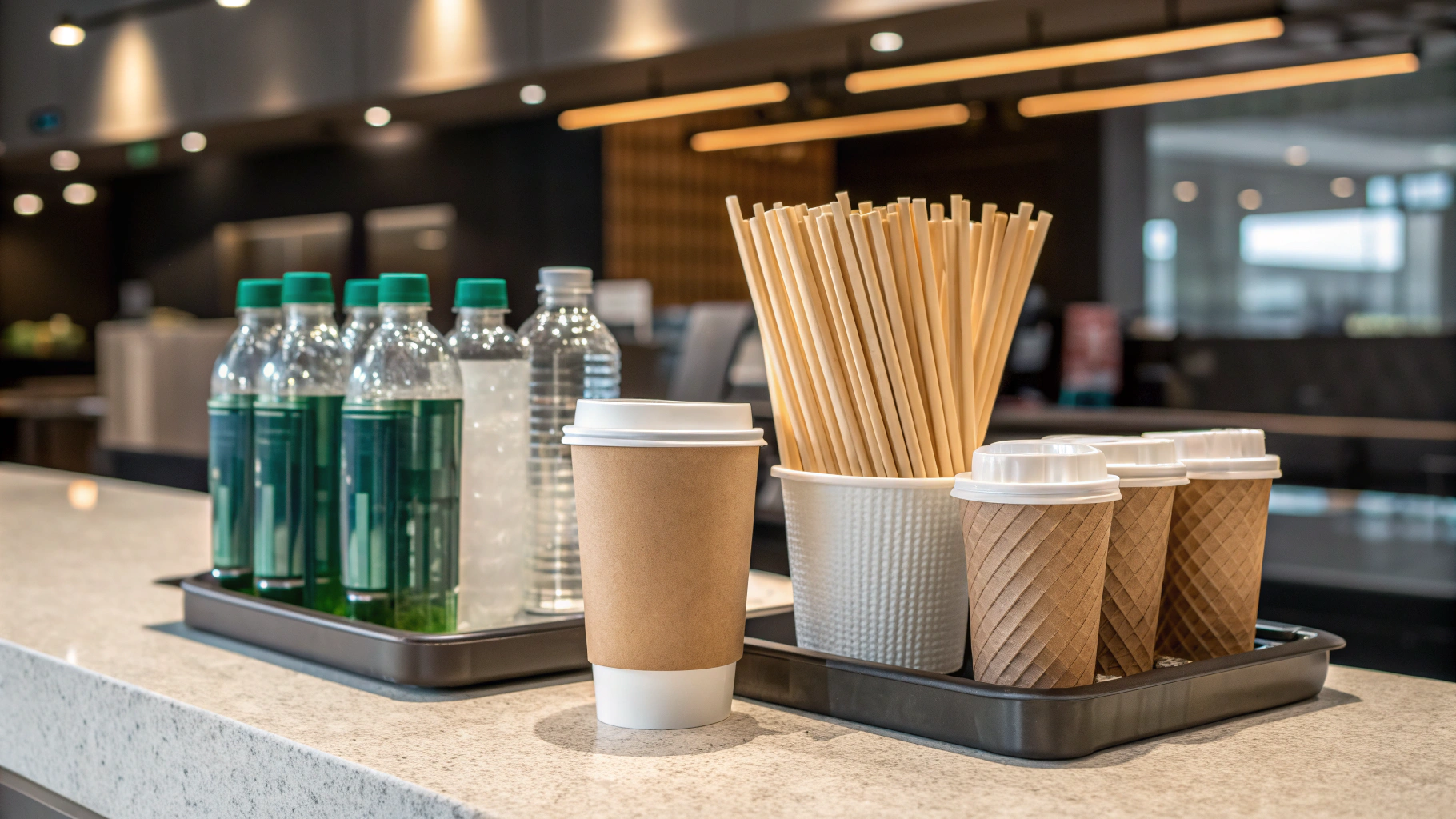
Driving business value through sustainable choices.
Creșterea reputației mărcii dvs. este un alt beneficiu convingător. Demonstrând un angajament tangibil față de gestionarea mediului, afacerea dvs. rezonează profund cu consumatorii eco-conștienți, în special millennials și generația Z, care caută în mod activ mărci sustenabile. Acest angajament vă diferențiază afacerea pe o piață aglomerată, poziționându-vă ca lider în sustenabilitate. Vorba în gură pozitivă și imaginea publică îmbunătățită care urmează pot atrage în mod semnificativ noi clienți și pot crește fidelizarea. Peste totSUA și Europa, regulatory landscapes are constantly evolving, with stringent single-use plastic bans becoming the norm. Embracing advanced solutions like PHA straws, which offer broad biodegradability, including in marine environments, helps you stay ahead of the curve, future-proofing your supply chain against stricter regulations and avoiding potential fines and legal complexities. The global plant-based straw market is projected to grow at an impressive Compound Annual Growth Rate (CAGR) of 15% from 2025 to 2033, indicating a significant and expanding demand. This booming market creates immense opportunities to innovate your marketing strategies and tap into new segments of the eco-conscious economy. For insights into global sustainability trends, refer to reports from theProgramul Națiunilor Unite pentru Mediu (UNEP)or theEllen MacArthur Foundation.
The time for decisive action on single-use plastics is unequivocally now. Driven by both evolving market demands and escalating regulatory pressures, transitioning to the right plant-based straw solution is far more than an environmental choice; it’s a strategic business imperative that directly impacts your bottom line, brand perception, and long-term operational longevity. Don’t risk falling behind competitors who are already embracing sustainable practices or facing the penalties of non-compliance. Embrace advanced, truly sustainable options that align seamlessly with your corporate values and the rising expectations of your customers.
Take the Next Step Towards a Greener Future:
Programați o consultațieSolicitați un kit de mostreDownload Resource Guide
Access market insights onStatistaor regulatory guidance from theEnvironmental Protection Agency (EPA).