Optimizarea reziduurilor agricole: accelerarea descompunerii paielor pentru câștig comercial

Într-o epocă care necesită practici durabile și management eficient al resurselor, paiele agricole prezintă un bun semnificativ, dar adesea subutilizat. Dincolo de a fi un simplu produs secundar sau deșeu, reprezintă o contribuție valoroasă pentru îmbogățirea solului, o componentă critică în economia circulară în plină dezvoltare și o cale către o sustenabilitate corporativă îmbunătățită. Cu toate acestea, pentru producătorii agricoli, companiile de gestionare a deșeurilor și producătorii de produse durabile, călătoria de la paiele brute la compost utilizabil poate fi lungă și inconsecventă. Această variabilitate ridică provocări operaționale și financiare substanțiale pentru întreprinderile care se bazează pe modificări organice previzibile și de înaltă calitate. Ce dictează cu adevărat calendarul pentru descompunerea paielor și, mai important, cum pot întreprinderile să optimizeze acest proces natural pentru o eficiență maximă, costuri reduse și o rentabilitate convingătoare a investiției? Înțelegerea științei și strategiei din spatele compostării cu paie nu este doar o preocupare ecologică; este un imperativ strategic pentru orice afacere care urmărește să își reducă amprenta asupra mediului, să îmbunătățească sănătatea solului și să deblocheze noi fluxuri de venituri din ceea ce odată a fost considerat deșeu.
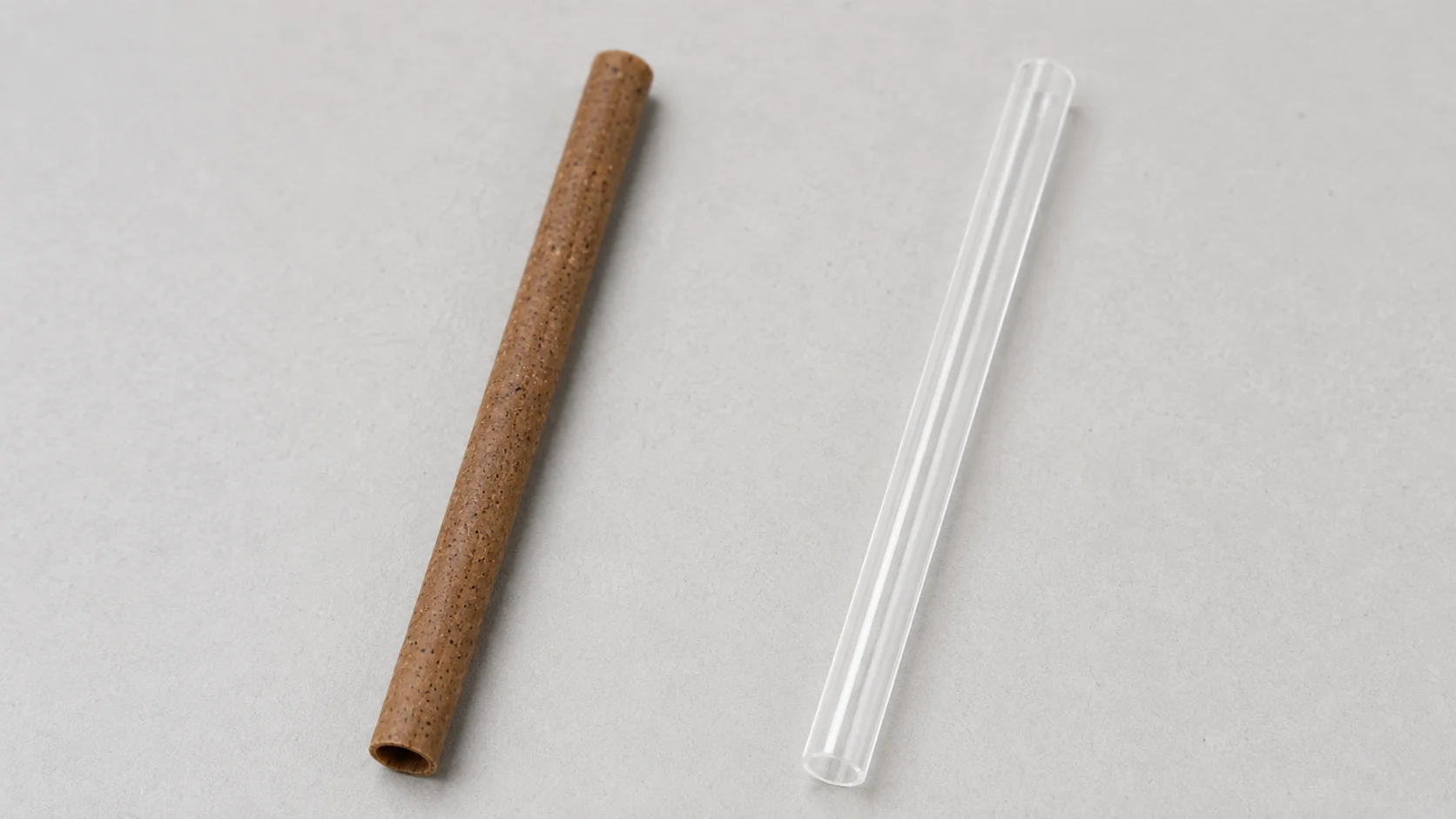
Ilustrația 1: Călătoria paielor de la câmp la compostul finit.
Descompunerea decodării: știința și variabilele din spatele cronologiei de compostare a paielor
Procesul de transformare a materiei organice este complex, iar paiele, cu natura sa fibroasă, nu fac excepție. În condiții tipice de compostare în curte, vă puteți aștepta ca paiele să se descompună în compost utilizabil în aproximativ șase până la nouă luni. Cu toate acestea, dacă este lăsat nesupravegheat într-o grămadă pasivă, nemărunțit, acest interval de timp se poate extinde până la un an sau mai mult. În schimb, cu condiții optime și o gestionare diligentă, această perioadă de descompunere poate fi redusă semnificativ la trei luni. Pentru întreprinderi, acest spectru evidențiază diferența critică dintre gestionarea pasivă a deșeurilor și valorificarea activă a resurselor. Viteza și calitatea descompunerii nu sunt întâmplătoare; sunt controlați meticulos de o serie de factori interconectați, fiecare oferind o pârghie pentru optimizarea operațională.
În centrul compostării eficiente a paielor se aflăRaportul carbon-azot (C:N).. Paiele sunt în mod inerent bogate în carbon (un material „maro”), având un raport C:N variind de obicei de la 40:1 la 100:1. Pentru o activitate microbiană rapidă și o descompunere eficientă, raportul ideal de compost C:N se situează în jurul valorii de 30:1. Aceasta înseamnă că paiele trebuie să fie echilibrate strategic cu materiale „verzi” bogate în azot, cum ar fi tuns de iarbă, resturi de bucătărie sau, cel mai eficient pentru operațiuni la scară largă, gunoi de grajd animal. Un dezechilibru poate duce la descompunere lenta sau chiar la un rezultat neplacut, mucegai. Dincolo de echilibrul chimic,Nivelurile de umiditatesunt primordiale; grămada de compost trebuie să mențină o umiditate constantă, asemănătoare unui burete stors, ideal între 45-55% umiditate pentru compostarea la cald. Prea multă apă duce la condiții anaerobe, producând mirosuri neplăcute și încetinind procesul, în timp ce prea puțină inhibă activitatea microbiană crucială.
Aerisire și întoarceresunt de asemenea nenegociabile pentru accelerarea descompunerii. Întoarcerea regulată a grămezii de compost introduce oxigen, care este vital pentru microorganismele aerobe - lucrătorii neobosite care descompun materia organică. Întoarcerea previne, de asemenea, compactarea și ajută la menținerea temperaturilor ideale, de obicei între 90-140°F (32-60°C). Întoarcerea constantă poate reduce timpul de compostare cu până la 50%. Pentru materiale precum paiele de orez, se recomandă întoarcerea la fiecare trei până la patru săptămâni. TheDimensiunea particulelorof the straw also profoundly influences decomposition speed; chopping or shredding straw into smaller pieces (ideally 1-3 inches) dramatically increases the surface area available for microorganisms to colonize and break down, ensuring a faster turnaround. Unshredded materials, by contrast, take considerably longer.
Temperature Managementwithin the pile is a natural byproduct of microbial activity. Monitoring and managing this heat are crucial; if temperatures exceed 140°F (60°C), turning the pile can cool it down and prevent the death of beneficial microbes. For agricultural waste, an initial hot phase (55-65°C) is particularly beneficial as it helps to kill weed seeds and pathogens, ensuring a cleaner, safer end product. Furthermore, theComposting Method and Management Intensitydirectly dictate speed. From passive “dumped” piles that can take a year, to well-managed aerobic systems that finish in 40-60 days (or even 20 days with optimal conditions and cattle manure), the choice of method is a strategic business decision. Finally, the strategic addition ofInoculants and Effective Microorganisms (EM)can significantly boost decomposition rates, especially in the initial stages. These microbial agents introduce or bolster the beneficial bacteria and fungi necessary for breaking down recalcitrant materials like lignin and cellulose found in straw. However, a crucial consideration for businesses is theType of Straw and potential Contaminants. În timp ce diferitele tipuri de paie (de exemplu, grâu, orez) au rate de descompunere diferite, prezența erbicidelor persistente, adesea găsite în fân, este o preocupare semnificativă. Aceste substanțe chimice pot rămâne active chiar și după compostare, prezentând un risc pentru culturi și potențial făcând solul inutilizabil ani de zile. Prin urmare, aprovizionarea cu paie cu atenție și asigurarea că nu este tratată este esențială pentru integritatea și conformitatea produsului final. Pentru o scufundare mai profundă în factorii care influențează descompunerea diferitelor materiale compostabile, explorați această resursă petimpii de descompunere a paielor compostabile.
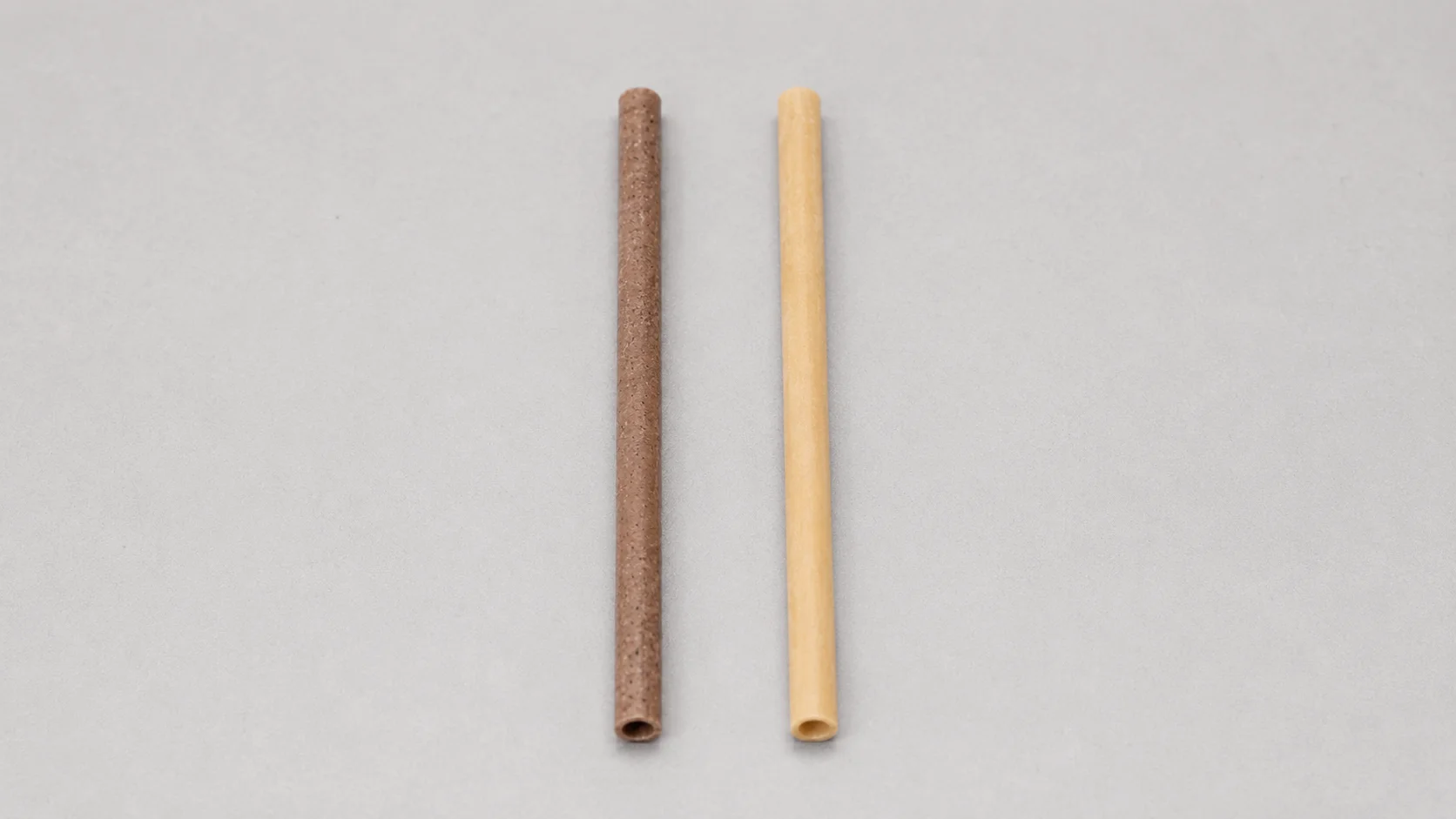
Ilustrația 2: Condiții ideale pentru activitatea microbiană într-o grămadă de compost.
Strategic Composting: Leveraging Straw for Enhanced Soil Health and Business Sustainability
Optimizing straw composting for commercial scale requires a strategic approach, blending proven methods with innovative technologies. For smaller, controlled volumes or specific applications,Electric Compostersoffer rapid decomposition, converting waste in weeks to a year. However, for larger agricultural operations, scalable methods are essential.Aerobic Composting, when well-managed with amendments, can achieve decomposition in 40-60 days, and in some intensive systems with daily turning and cattle manure, this can be as short as 20 days.Windrow Composting, a highly scalable method, typically matures in 110-120 days, making it suitable for high-volume agricultural waste streams.
The efficacy of these methods is significantly enhanced by intelligent use ofAdditives and Amendments. Carbon-rich additives like wood chips, mushroom residues, rice bran, and biochar are not just bulking agents; they actively improve porosity, regulate nitrogen loss, and control greenhouse gas emissions. Biochar, in particular, has shown promise in enhancing compost stability and nutrient retention. Conversely, nitrogen-rich additives like manure, grass clippings, and food scraps are vital for balancing straw’s high carbon content. Furthermore, the burgeoning field of microbial biotechnology offers powerful tools. SpecificMicrobial Inoculantssuch asC. iranensis(ZJW-6), Effective Microorganisms (EM), and Waste Decomposers (WD) have been scientifically proven to accelerate the degradation of complex lignocellulose in straw, significantly shortening composting periods and improving nutrient mineralization. Research from institutions like Iowa State University consistently highlights the critical interplay of these factors in achieving optimal compost.
Let’s consider the commercial viability of different composting methods:
| Caracteristică | Passive Piles | Regularly Turned Piles | Windrow Systems | Mechanized Systems (e.g., IRRI Tech) | Electric Composter/Bio-digesters |
|---|---|---|---|---|---|
| Impact B2B | Minimal, disposal focus | Moderate, basic soil amendment | High volume, consistent output | High efficiency, premium quality | Niche, rapid, localized solution |
| Composting Time | 1 year+ | 6-9 months | 110-120 days | 20-60 days | Weeks to a year (variable) |
| Management Intensity | Minimal | Moderat | Higher, structured | High-tech, less manual | Low manual (automated) |
| Output Quality | Variable, often coarse | Good, consistent | Consistent, large scale | High, nutrient-rich, pathogen-free | High, concentrated |
| Capital Investment | Foarte Scăzut | Scăzut-Moderat | Moderat | Superior | Ridicat |
| Compliance Risk (Herbicides) | High (if unverified straw) | Moderate (if unverified straw) | Moderat | Lower (controlled inputs) | Lower (controlled inputs) |
| Potențial de rentabilitate a investiției | Low (disposal savings) | Moderate (soil health, some sales) | Good (large-scale sales) | Very High (premium product, efficiency) | Moderate-High (niche markets, speed) |
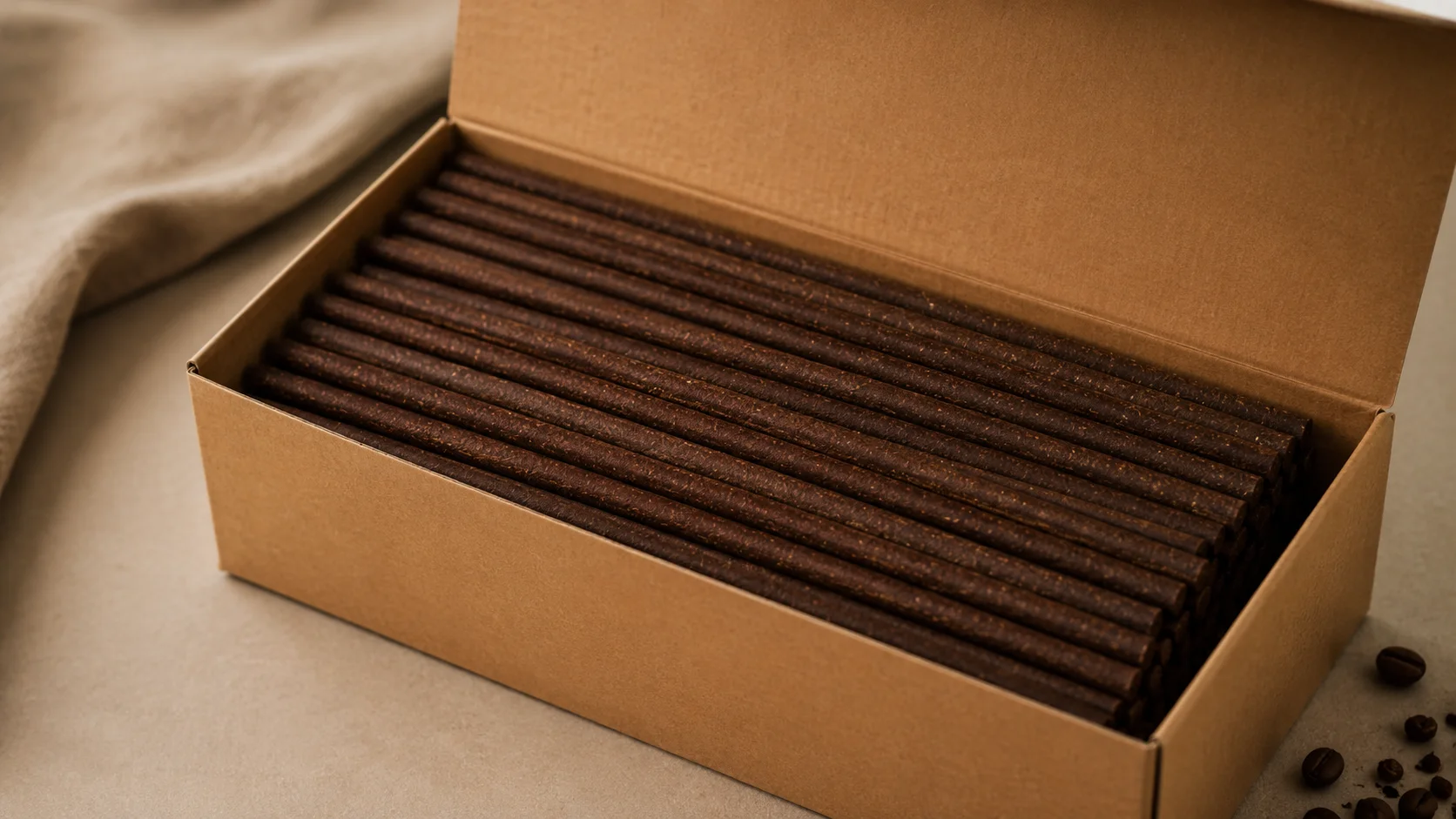
Illustration 3: Commercial viability of different composting methods.
A prime example of innovation in this space is the award-winning mechanized rice straw-based composting technology, a collaborative effort pioneered by the International Rice Research Institute (IRRI) and the Can Tho Department of Crop Production and Plant Protection in Vietnam. This system successfully converts agricultural residue into high-quality organic fertilizer, embodying a no-waste, low-carbon farming approach that aims to boost farming productivity, value, and profitability while significantly reducing the environmental footprint. Such advancements are propelling the agricultural waste market towards consistent growth, with projections suggesting it could reach USD 3.3 billion by 2033. This growth is driven by the escalating demand for sustainable waste management and the increasing valorization of agricultural residues for bioenergy, compost, and organic fertilizers.
The industry is undergoing a significant transformation, shifting from a waste-driven model to a product-driven one. This means a greater emphasis on creating specialized compost products tailored for diverse urban and agricultural applications, leading to differentiated pricing and quality. This shift is fueling the global compostable straws market, which is projected to grow from USD 1.9 billion in 2025 to USD 3.8 billion by 2035, at a Compound Annual Growth Rate (CAGR) of 7.1%. This expansion is largely spurred by increasing plastic bans, heightened environmental consciousness, and the widespread adoption of eco-friendly alternatives in the foodservice and hospitality sectors. You can delve deeper into how businesses are embracing sustainability by exploring topics likepaiele de bambus se descompun pentru sustenabilitatea B2B.
The technological frontier in composting is rapidly evolving.Biotechnological Advancesare leading to new microbial technologies that accelerate organic material decomposition, enabling faster compost production and allowing for targeted composting processes optimized for specific agricultural needs. This includes innovations like vermicomposting integrated with traditional methods for enhanced nutrient content.Precision Compostingis also emerging, where GPS-guided spreaders and variable rate technologies enable precise compost application, minimizing waste and maximizing soil benefits. Furthermore,Smart Compostingis integrating IoT into composting machines to monitor temperature, moisture levels, and other critical parameters in real-time. These connected devices with automated controls minimize manual intervention, making large-scale composting more accessible and efficient.
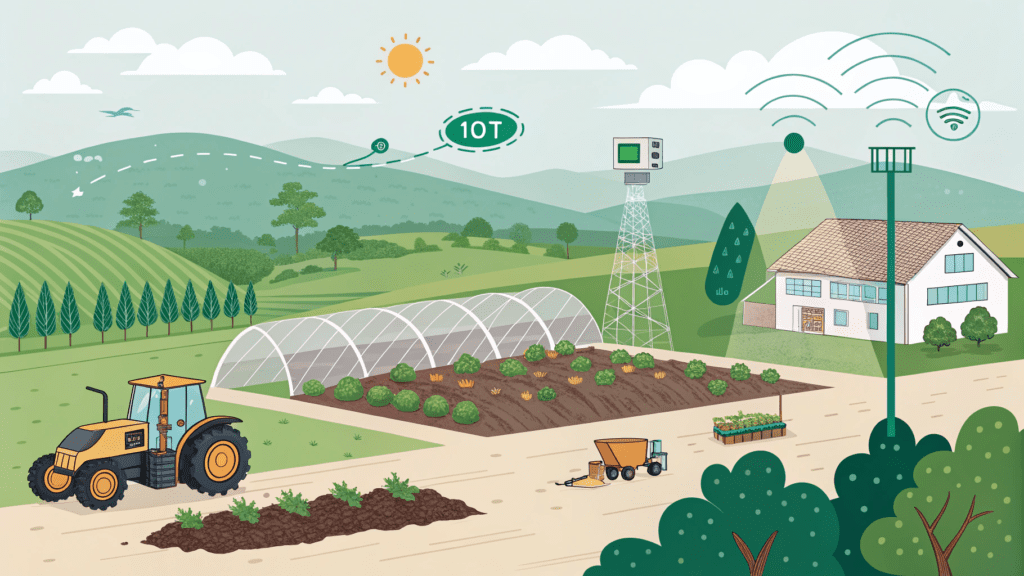
Illustration 4: Precision agriculture technology in compost application.
Central to this evolution is theCircular Economy Integration. Composting agricultural straw is becoming a cornerstone of a no-waste, low-carbon farming model. By diverting organic waste from landfills, it actively prevents methane emissions (a potent greenhouse gas). When applied to soil, the finished compost sequesters carbon, enhances drought resilience, and significantly reduces reliance on synthetic fertilizers, aligning perfectly with global climate mitigation efforts. While challenges persist, such as the long composting cycle, space requirements, greenhouse gas emissions, and the cost-competitiveness of compost versus chemical fertilizers, scientific interventions are actively exploring solutions. The increasing regulatory support from governments and environmental organizations, coupled with strategic partnerships between material suppliers, manufacturers, and waste management companies, are creating a robust framework for a sustainable, circular bioeconomy. Research into bio-based materials and the intricate dynamics of microbial diversity during composting will continue to shape the future, ensuring ever more efficient and effective methods of agricultural waste valorization.
Transform Your Waste Stream: Steps to Implement Optimized Straw Composting
Transforming your agricultural residue from a disposal challenge into a high-value asset begins with a strategic assessment. First, evaluate your current straw volume, the desired compost output quality, and your available resources. This assessment forms the foundation for developing a tailored composting plan. Based on this, select the most appropriate method – be it enhanced windrows, mechanized systems, or a combination – and identify necessary amendments and technologies. Critically, source your straw strategically, prioritizing materials free from persistent herbicides and minimizing weed seed contamination to ensure a safe, high-quality end product. Implement best practices diligently, focusing on meticulous C:N ratio balance, consistent moisture management, optimized particle size reduction, and regular, consistent aeration. For scaled operations seeking peak efficiency, explore advanced solutions such as mechanized systems, specific microbial inoculants, or smart composting technologies. Finally, connect with industry experts and agricultural extension services. Their specialized knowledge can further optimize your process, ensuring you realize the full value of efficient straw composting: reduced disposal costs, generation of valuable soil amendments, enhanced crop yields, and a tangible uplift in your brand’s commitment to sustainability, potentially capturing greater market share in a rapidly greening economy.
Ready to transform your agricultural residue into a high-value asset, reduce your environmental impact, and unlock new commercial opportunities?Contactați-ne astăzi
Compostarea cu paie — Întrebări frecvente
Under typical backyard conditions, straw often takes 6–9 months to compost.
With optimal management it can be shortened to ≈3 months; if left unattended and unshredded,
it may take 12+ months.
Critical levers include: C:N ratio ≈30:1; moisture 45–55%; regular aeration/turning;
particle size 1–3 in (2.5–7.5 cm); temperature 90–140°F (32–60°C); method (windrow, ASP, in-vessel);
and use of microbial inoculants. Straw type and contaminants (e.g., persistent herbicides) also matter.
Use well-managed aerobic systems (e.g., windrows with scheduled turning, aerated static piles, in-vessel reactors),
blend nitrogen-rich materials, add biochar, and apply microbial inoculants (e.g., EM, ZJW-6).
Mechanization (turners, blowers, probes) improves throughput and quality.
Lower disposal costs; creation of high-quality soil amendments (new revenue); efficiency gains; reduced reliance on synthetic
fertilizers; stronger brand and ESG credentials; and new circular-economy opportunities.
Shift from waste-driven to product-driven composting; ag-waste market projected toward USD 3.3B by 2033;
biotech & smart-composting advances; deeper circular-economy integration (incl. carbon sequestration); and expanding
policy support for sustainable waste management.