Deplasarea dincolo de „ecologic”: de ce paiele fără PFAS sunt esențiale pentru hotelul sau cafeneaua dvs.
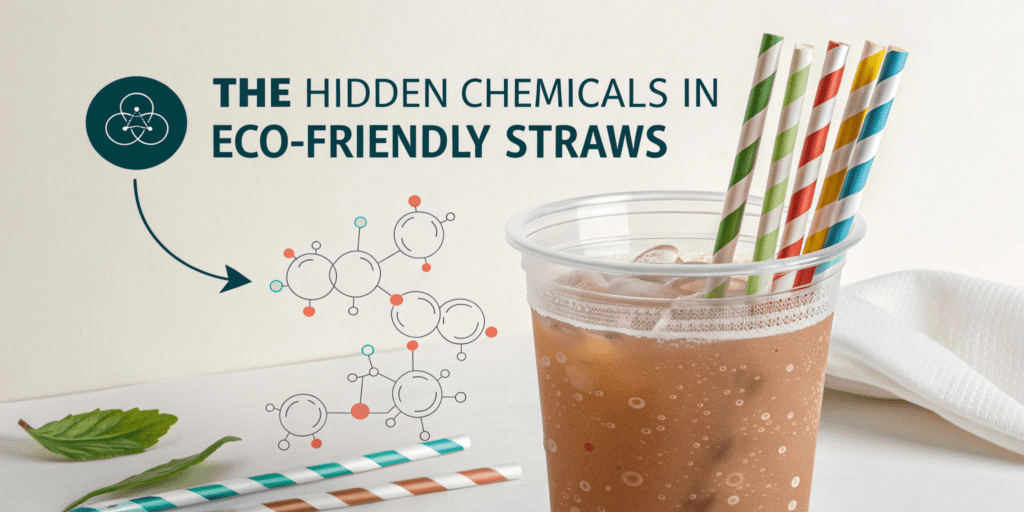
Liderii din domeniul ospitalității, de la manageri de achiziții până la directori de operațiuni, sunt sub presiune din ce în ce mai mare pentru a adopta practici durabile. Motivația pentru soluții ecologice duce adesea la adoptarea de alternative precum hârtie sau paie de bambus. Cu toate acestea, o amenințare ascunsă se ascunde în multe dintre aceste opțiuni aparent benigne: substanțe per- și polifluoroalchil (PFAS), cunoscute pe scară largă ca „substanțe chimice pentru totdeauna”.
Aceste substanțe chimice omniprezente, utilizate pentru rezistența la apă și grăsimi, se pot scurge în băuturi, prezentând pericole semnificative pentru sănătate și mediu. Prezența lor nu numai că subminează eforturile autentice de sustenabilitate, dar vă expune și marca la riscuri considerabile de conformitate și daune reputaționale. Această postare va dezvălui de ce alegerea unor alternative cu adevărat fără PFAS este esențială pentru marca dvs., sănătatea clienților dvs. și rezultatul final. Descoperiți cum navigarea în peisajul de reglementare complex, îmbunătățirea reputației mărcii dvs. și asigurarea unui viitor durabil depinde de luarea unor decizii informate cu privire la paiele dvs.
Amenințarea ascunsă în paiele tale „ecologice”: de ce contează PFAS
Narațiunea paielor „ecologice” se termină adesea la „nu plastic”. Cu toate acestea, o scufundare mai profundă în compoziția lor chimică dezvăluie un adevăr îngrijorător. Multe alternative presupuse verzi conțin PFAS, un grup de substanțe chimice sintetice cu persistență alarmantă și toxicitate potențială.
Înțelegerea PFAS: Riscul „Forever Chemicals”.
PFAS sunt un grup mare de substanțe chimice sintetice care se găsesc în nenumărate produse de consum și industriale. Sunt folosiți pentru capacitatea lor unică de a respinge apa, grăsimea și petele, ceea ce le face atractive pentru ambalarea alimentelor, inclusiv multe paie „ecologice”. Denumirea alarmantă „substanțe chimice pentru totdeauna” provine din structura lor moleculară, ceea ce le face extrem de rezistente la degradare în mediu și în corpul uman. Aceasta înseamnă că ele persistă de mii de ani, acumulându-se în ecosisteme și sisteme biologice în timp.
Cercetările indică faptul că PFAS se poate scurge din materiale, inclusiv paie, în băuturi, ceea ce duce la expunerea oamenilor. Odată ajunse în organism, se acumulează, ridicând probleme de sănătate pe termen lung.
Adevărul surprinzător: PFAS în hârtie și paie de bambus
Numeroase studii au dezvăluit prezența pe scară largă a PFAS în paiele pe bază de plante. Un studiu privind 2023 publicat înFood Additives & Contaminantsa dezvăluit că PFAS au fost detectate în 18 din 20 (90%) paie de hârtie testate. Același studiu al Universității din Anvers a găsit PFAS în aproximativ 80% dintre paiele de bambus. Chiar și paiele de plastic, adesea defăimate pentru impactul lor asupra mediului, nu au arătat un conținut măsurabil de PFAS în 2021.chimioferăstudiu care a detectat 21 de PFAS diferite în 36 din 38 de paie pe bază de plante. Acest lucru evidențiază necesitatea critică de a privi dincolo de afirmațiile superficiale „ecologice” și de a cere o transparență chimică autentică.
Sănătate și ramificații de mediu ale expunerii la PFAS
Implicațiile asupra sănătății ale expunerii la PFAS sunt semnificative și în creștere. Studiile științifice au asociat expunerea la aceste substanțe chimice cu o serie de efecte adverse asupra sănătății, inclusiv scăderea fertilității, creșterea tensiunii arteriale la femeile însărcinate, deficiența sistemului imunitar și perturbarea hormonilor. De asemenea, pot crește nivelul de colesterol și crește riscul anumitor tipuri de cancer, cum ar fi cancerul de rinichi și testicular.
Beyond human health, the environmental impact is profound. The presence of PFAS in supposedly “biodegradable” or “compostable” straws undermines their environmental benefits, as these chemicals do not break down, contributing to widespread and long-lasting pollution of soil, water, and air. This challenges the very notion of what constitutes a truly sustainable product.Choosing PFAS-free straws protects health and the environment, ensuring genuine sustainability for your hotel or café.

Navigating the Regulatory Landscape for PFAS-Free Straws
The growing body of scientific evidence on PFAS has spurred a wave of regulatory action across the globe. For hospitality businesses, understanding and adhering to these evolving mandates is not optional; it’s a critical component of risk management and market access.
Global & Regional Mandates Driving the Shift
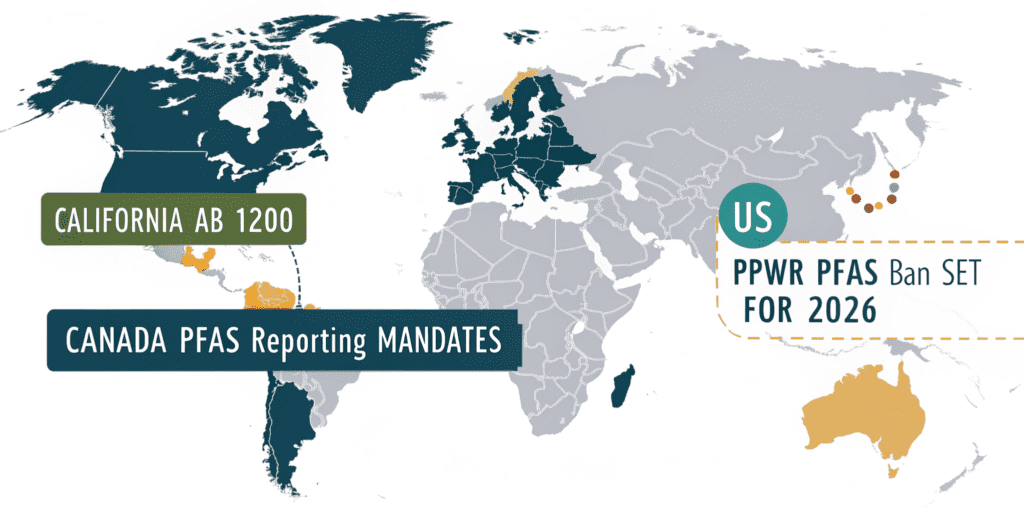
Governments worldwide are implementing stricter controls on PFAS in food contact materials. In the United States, California’s AB 1200, which took effect in January 2023, is a landmark regulation banning intentionally added PFAS in plant-based food packaging, including straws. Several other U.S. states are following suit with similar bans, creating a complex, but clear, imperative for change.
The European Union is taking a decisive stance with its new Packaging and Packaging Waste Regulation (PPWR). This regulation mandates a full ban on PFAS in food packaging by August 12, 2026. The EU is also setting strict limits: 25 parts per billion (ppb) for individual PFAS compounds and 50 parts per million (ppm) for total fluorine (an indicator of PFAS content). Canada, too, is tightening its grip, with a July 2024 Section 71 Notice mandating reporting for 312 PFAS substances, signaling future restrictions. Ignoring these shifts can lead to significant fines and market exclusion.
Industry Standards and Certifications for PFAS-Free Products
To help businesses navigate this complex landscape, reputable industry standards and certifications have emerged as crucial benchmarks for verifying PFAS-free products. The Biodegradable Products Institute (BPI) certification, a leading standard for compostable products in North America, has required no intentionally added PFAS and less than 100 ppm total organic fluorine since January 2020. This ensures that products certified as compostable are also free from these harmful chemicals.
NSF International, a globally recognized public health and safety organization, introduced its new Guideline 537 in March 2025. This guideline certifies “PFAS-Free Products,” requiring less than 50 ppm total organic fluorine and no intentionally added PFAS. Similarly, the Compost Manufacturing Alliance (CMA) also tests for total fluorine, requiring less than 100 ppm for certification. Prioritizing products with these trustworthy certifications ensures transparency, verifiable compliance, and genuine sustainability for your operations.Adhering to global PFAS regulations and certifications is crucial for hospitality businesses to ensure compliance and market access.
The Business Imperative: Benefits of Adopting PFAS-Free Straws
The transition to PFAS-free straws is not merely a compliance issue; it’s a strategic business imperative that offers tangible benefits for hotels and cafés. By aligning with consumer values and preparing for future regulatory changes, your establishment can secure a competitive advantage.
Enhanced Brand Reputation and Consumer Trust
Consumers are increasingly conscious of environmental and health impacts. Approximately 80% of consumers prefer eco-friendly products, and a significant 74% are willing to pay more for sustainable packaging. By proactively adopting certified PFAS-free straws, your brand aligns itself with this growing movement, demonstrating a genuine commitment to environmental stewardship and public health. This transparency builds profound consumer trust and fosters loyalty among an eco-conscious clientele.
Operational Efficiency and Cost Savings
Beyond brand perception, adopting the right PFAS-free alternatives can lead to operational efficiencies and long-term cost savings. Compostable straws, when properly disposed of, can reduce landfill waste by up to 80%, leading to long-term savings on waste disposal fees. Furthermore, securing compliant products now helps avoid potential fines and reputational damage from non-compliance with evolving PFAS regulations. Many next-generation straws also address common “soggy straw” complaints associated with older paper alternatives, directly improving the customer experience and reducing waste from discarded, unusable straws.
Comparison Table: Straw Material Alternatives
| Caracteristică | Impact operațional B2B | Notă de conformitate | Potențial de rentabilitate a investiției |
|---|---|---|---|
| Oţel inoxidabil | Durable, reusable, requires cleaning and storage. | Consistently PFAS-free across studies. | Cost inițial ridicat, economii semnificative pe termen lung prin reutilizare; transmite o percepție premium. |
| Silicon | Flexibil, reutilizabil, necesită curățare; durabil. | Opțiuni fără BPA și fără PFAS disponibile pe scară largă; risc de reglementare scăzut. | Cost inițial moderat, economii pe termen lung; utilizare versatilă pentru toate vârstele. |
| Sticlă | Reutilizabil, plăcut din punct de vedere estetic, fragil, necesită curățare. | Unele mărci au fost testate pozitiv pentru PFAS (40% într-un studiu); sursă certificată fără PFAS pentru siguranță. | Cost inițial moderat, economii pe termen lung; oferă o impresie de lux, elegantă. |
| PHA (pe bază de plante) | Compostabil, durabil, de unică folosință, excelent pentru cald/rece. | Certificat non-toxic și fără PFAS de BPI, TÜV AUSTRIA; se aliniază cu mandatele de compostabilitate. | Cost unitar moderat, taxe reduse de eliminare a deșeurilor; oportunitate puternică de eco-branding. |
| Grâu/Stuf | Single-use, natural appearance, don’t get soggy. | Naturally PFAS-free, certified biodegradable on land or sea, USDA Biobased. | Lower unit cost than PHA, strong authenticity and sustainability message. |
| Agavă | Durable, single-use, plastic-like feel, don’t get soggy. | PFAS-free, biodegradable from upcycled materials; reinforces circularity. | Competitive unit cost, enhances commitment to resource efficiency. |
Adopting PFAS-free straws enhances brand reputation, improves operational efficiency, and offers significant cost savings.
Proven PFAS-Free Straw Alternatives for Hospitality
While the discovery of PFAS in popular “eco-friendly” straws is a setback, it has also accelerated innovation, bringing truly safe and sustainable alternatives to the forefront.
Reusable Solutions: Stainless Steel, Glass, and Silicone
For establishments prioritizing durability and long-term reusability, stainless steel straws remain a top choice. They consistently test PFAS-free across studies, offering a sleek, premium aesthetic that elevates the customer experience. Silicone straws provide a flexible, BPA-free, and PFAS-free option that is easy to clean and highly durable, suitable for a wide range of beverages and clientele. Glass straws, when sourced from verified PFAS-free manufacturers, offer another elegant, reusable option, adding a touch of sophistication to drinks.
Innovative Single-Use PFAS-Free Options
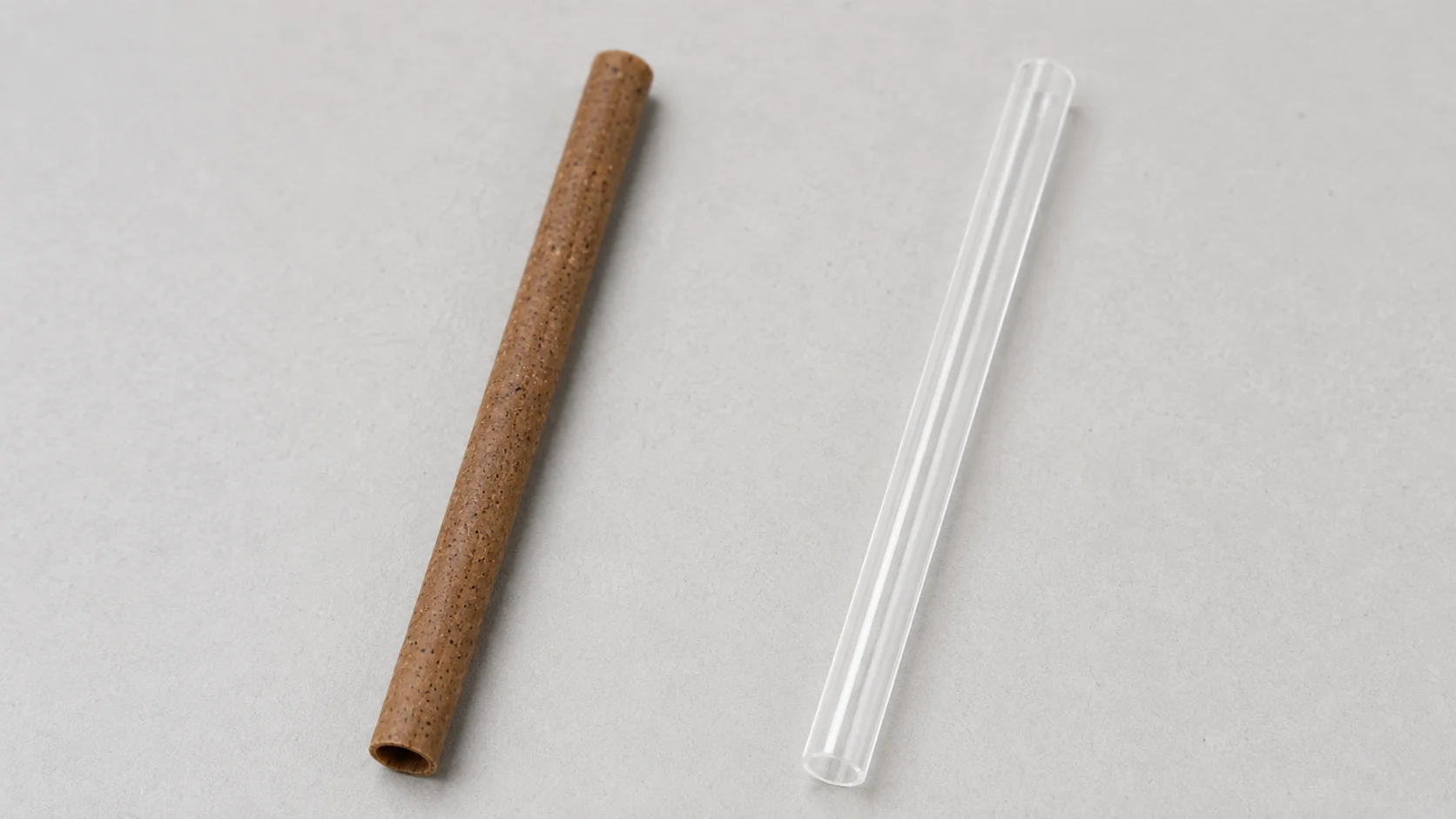
For high-volume operations or those where reusability is impractical, innovative single-use PFAS-free straws are now available. Consider the advancements inPHA (Polyhydroxyalkanoates) straws. For instance, Repurpose, a pioneer in plant-based alternatives, offers PHA straws made from renewable resources like vegetable oil. These straws are Lomi Approved, certified PFAS-free, and engineered to break down effectively in commercial and home composting facilities, directly addressing landfill concerns and providing a genuinely biodegradable solution.
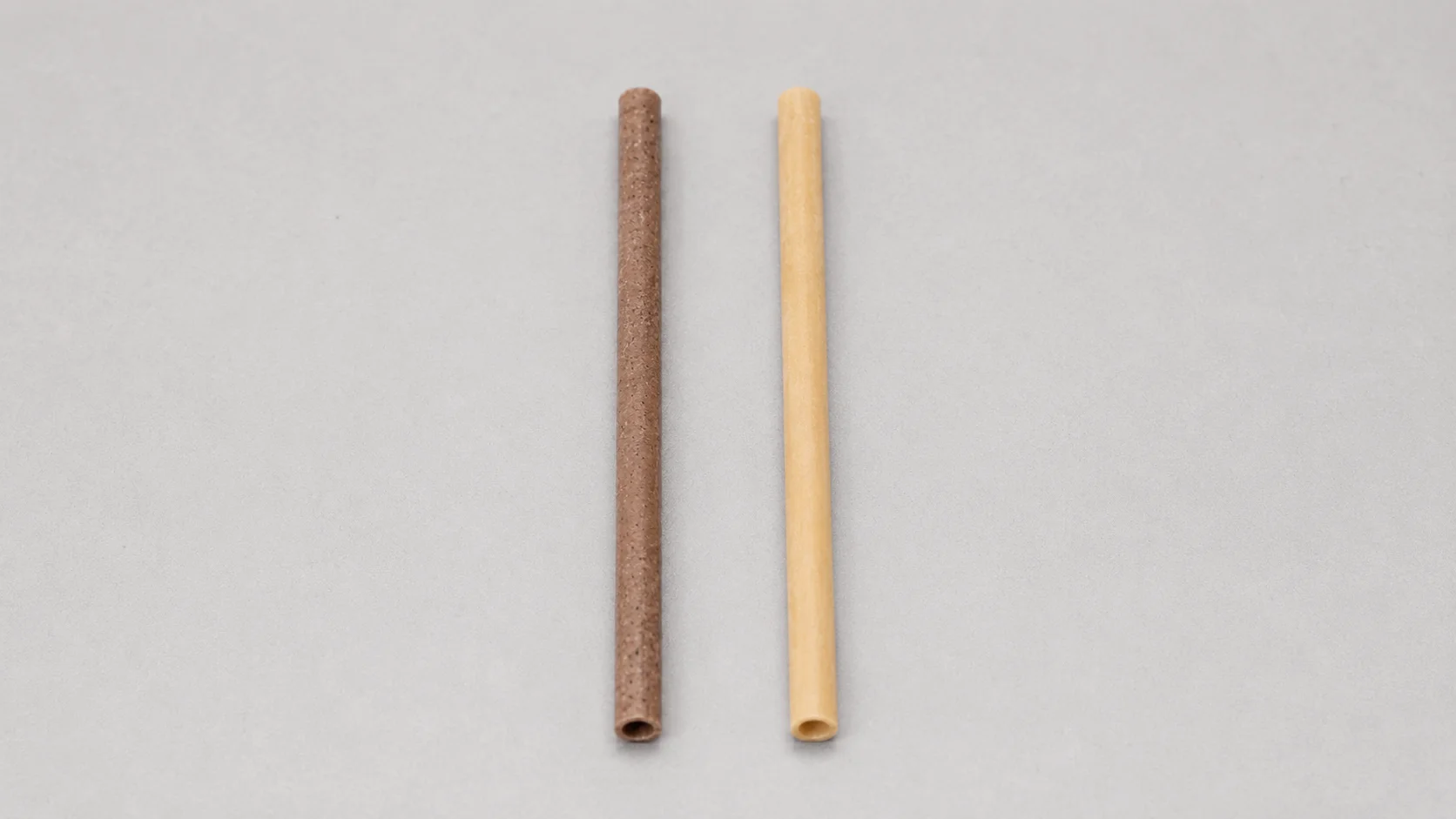
Other natural, single-use alternatives includewheat and reed straws. Brands like Holy City Straw Company offer 100% plant-based and naturally PFAS-free options. These straws are designed not to get soggy, are certified biodegradable on land or sea, and are USDA Biobased. Similarly,paie de agave, crafted from the waste byproducts of tequila and mezcal production, offer a durable, plastic-free alternative that breaks down by 95% within six months in a landfill. Another impressive option, sugarcane straws, can maintain integrity in hot beverages up to 90°C (194°F) for over three hours, solving a common complaint associated with paper straws.
Avoiding “Regrettable Substitutes”
The market is rife with options, but diligence is paramount. Many “eco-friendly” alternatives, particularly some paper and bamboo straws, still contain PFAS. Recycled paper, sometimes used in straw manufacturing, can unfortunately retain PFAS from prior uses during the de-inking and bleaching processes. Therefore, stringent sourcing practices and demanding verifiable third-party certifications are crucial to avoid what are termed “regrettable substitutes”—products that solve one problem by introducing another. Explore comprehensive guides like theEco-Friendly Straws B2B Guideto learn more about selecting genuinely sustainable options.Choose certified PFAS-free reusable or innovative single-use straws to avoid regrettable substitutes and ensure genuine sustainability.
Strategic Procurement: Sourcing PFAS-Free Straws Effectively
Procurement managers and supply chain executives must adopt a strategic approach to sourcing PFAS-free straws. This involves meticulous due diligence, understanding market dynamics, and preparing for future industry shifts.
Key Considerations for B2B Buyers
When evaluating suppliers, prioritize manufacturers who provide explicit “PFAS-free” claims. These claims must be backed by robust third-party certifications from reputable bodies like BPI, NSF International, TÜV AUSTRIA, or the Compost Manufacturing Alliance (CMA). These certifications verify that products are free of intentionally added PFAS and meet strict limits for total organic fluorine. Beyond chemical safety, assess product performance:
- Durabilitate: Do they stand up to extended use without becoming soggy? Sugarcane straws, for instance, are known for their impressive durability in hot liquids.
- Suitability: Are they appropriate for both hot and cold beverages?
- Senzație în gură: How do they contribute to the overall customer experience?
Finally, demand transparency from suppliers regarding their chemical ingredients and manufacturing processes. This level of scrutiny protects your business and reinforces your commitment to genuine sustainability. For detailed insights on selecting the right options for your establishment, consult anEco-Friendly Cocktail Straws B2B Guide, which offers specialized advice for bar and café operations.
Future-Proofing Your Supply Chain
The shift towards PFAS-free and truly sustainable packaging is not a fleeting trend but a fundamental market transformation. The global non-plastic drinking straw market is projected to reach an estimated $17.55 billion by 2028. This growth is driven by consumer demand—over 70% of consumers prefer sustainable brands—and tightening regulations.
Proactive adoption of certified PFAS-free options creates a powerful competitive differentiator. It allows your business to capture market share among increasingly eco-conscious consumers. Moreover, future-proofing your supply chain now prepares your operations for increasing regulatory scrutiny on “eco-friendly” claims and chemical transparency. This strategic move ensures long-term operational resilience and market leadership. For more general advice on eco-friendly options for your establishment, consider exploring resources like theEco-Friendly Straws for Restaurantsguide.Strategic procurement of certified PFAS-free straws future-proofs your supply chain and enhances market leadership.
Future Trends & Innovation
The next 5-10 years will witness an accelerated evolution in sustainable foodservice, driven by both consumer demand and an increasingly stringent regulatory environment. This will particularly impact packaging materials and the standards for “eco-friendly” claims.
Next-Generation Materials and Processes
Innovation in drinking straw materials is focusing on truly biodegradable and compostable solutions that are inherently PFAS-free. Expect to see continued advancements in PHA (Polyhydroxyalkanoates) straws, derived from renewable resources like vegetable oil, sugar, or glucose. These bioplastics are designed to break down within 3-6 months under industrial composting conditions and even offer superior biodegradability in marine environments. New materials like hay straws, derived from natural plant fibers, are emerging as 100% biodegradable, plastic-free, and pollutant-free options. The focus will also intensify on edible straws made from seaweed, rice, or starch, offering zero-waste solutions that can be flavored for an enhanced customer experience. Furthermore, expect improved water-resistant coatings for paper straws, utilizing natural adhesives and plant-based inks, moving beyond legacy PFAS treatments.
Evolving Regulatory Landscape (5-10 Years Out)
The regulatory environment for PFAS is set to become globally harmonized and significantly more stringent. The European Union’s comprehensive restriction proposal under REACH, anticipated for decision in 2025, is expected to trigger a cascading effect, influencing regulations across major global markets between 2025 and 2027. This proposal aims to ban approximately 10,000 PFAS substances, signifying a massive industry shift.
In the U.S., while state-level bans on PFAS in food packaging are expanding (with 11 states already acting and more proposing legislation), federal action is also on the horizon. The EPA finalized enforceable maximum contaminant levels for five PFAS compounds in drinking water in April 2024, with compliance phased through 2029. Future legislation, such as the proposed ‘Forever Chemical Regulation and Accountability Act of 2024’ (FCRAA), aims to phase out non-essential PFAS from various consumer goods, including food packaging, within the next 1-5 years.
Canada is also tightening controls, with a Mandatory Section 71 Notice in July 2024 requiring reporting on 312 PFAS substances, paving the way for further restrictions on PFAS in consumer goods like food packaging within the next 3-6 years. The global “PFAS Strategic Forecast” predicts categorical prohibitions on PFAS use between 2028 and 2030, with trade barriers following by 2032. This points to a future where 90% of PFAS are eliminated across major sectors by 2032-2035, underscoring the urgency for businesses to adapt.Future trends indicate accelerated innovation in PFAS-free materials and a globally stringent regulatory landscape for hospitality.
Competitive Advantage & Business Case
For hotels and cafés, adopting PFAS-free straws is more than just an environmental gesture; it’s a shrewd business move that translates directly into competitive advantage and quantifiable benefits.
Quantifying the Impact
Reducerea riscurilor:Non-compliance with evolving PFAS regulations, such as the EU’s PPWR by August 2026 or California’s AB 1200, can result in significant operational fines and costly product recalls. Proactive adoption safeguards your legal standing and reduces liability.
Economii de costuri:Beyond avoiding fines, embracing truly compostable, PFAS-free alternatives can lead to long-term savings on waste disposal fees. While the initial unit cost might seem slightly higher than conventional plastic, the overall reduction in landfill volume (up to 80% with compostable options) and increased customer loyalty can outweigh this.
Creșterea valorii mărcii:Aligning with genuine sustainability resonates powerfully with modern consumers. With 74% of consumers willing to pay more for sustainable packaging and over 70% preferring sustainable brands, adopting certified PFAS-free straws directly enhances your brand image. This translates into increased customer loyalty (potentially by 20%), higher average spend, and positive word-of-mouth, transforming an operational necessity into a marketing asset.
Oportunitate de cotă de piață:The global non-plastic drinking straw market is booming, projected to grow to $17.55 billion by 2028. By leading the charge in offering verified PFAS-free solutions, your establishment positions itself as a responsible innovator, attracting a growing segment of environmentally and health-conscious customers. This proactive stance not only secures your existing market position but also creates a significant opportunity to capture new clientele and expand your market share in a rapidly evolving landscape. Businesses that integrate Environmental, Social, and Governance (ESG) priorities into their core strategy are proven to outperform their peers.Adopting PFAS-free straws offers hotels and cafés significant risk mitigation, cost savings, brand value uplift, and market share opportunities.
Concluzie
The transition to PFAS-free straws is no longer merely an environmental choice but a strategic business imperative for hotels and cafés globally. Moving beyond misleading “eco-friendly” claims and embracing certified PFAS-free alternatives allows your establishment to safeguard public health, ensure critical regulatory compliance, and significantly enhance its brand reputation. This commitment to genuine sustainability resonates deeply with modern consumers, strengthens your operational resilience, and secures a profitable future for your business.
Take Action Now:Future-proof your business by partnering with certified PFAS-free straw suppliers today. Lead the hospitality industry towards a truly sustainable future, securing your market position and enhancing consumer trust.Embrace PFAS-free straws now to secure your hotel or café’s sustainable future and enhance consumer trust.
Întrebări frecvente (FAQ)
Q: Why are PFAS a concern for hotels and cafés, specifically?
A: For hotels and cafés, PFAS in straws pose direct risks to customer health and brand reputation. Leaching chemicals can contaminate beverages, leading to potential health issues for guests and significant backlash if discovered, undermining sustainability claims.
Q: How can procurement managers verify if straws are truly PFAS-free?
A: Procurement managers should demand third-party certifications like BPI, NSF International, or CMA, which verify no intentionally added PFAS and strict limits on total organic fluorine. Always request supplier documentation and test reports.
Q: What are the best PFAS-free straw options for high-volume café operations?
A: For high-volume cafés, innovative single-use options like PHA (Polyhydroxyalkanoates) straws, sugarcane straws, or wheat/reed straws are ideal. They offer durability, compostability, and are certified PFAS-free, avoiding “soggy straw” complaints.
Q: Will switching to PFAS-free straws significantly increase my operational costs?
A: While initial unit costs might be slightly higher, long-term savings from reduced waste disposal fees (due to compostability) and enhanced brand loyalty often offset this. Avoiding regulatory fines and reputational damage also represents significant savings.
Q: How do PFAS-free straws impact a hotel’s overall sustainability goals?
A: Adopting PFAS-free straws is a crucial step towards genuine sustainability. It eliminates harmful chemicals from your waste stream, protects ecosystems, and aligns your hotel with growing consumer demand for truly eco-conscious practices, enhancing your ESG profile.