Navigarea prin promisiunea verde: sunt paiele PLA cu adevărat compostabile pentru operațiunile dvs. B2B?
A Guide for Procurement Managers, Operations Directors, and Sustainability Officers in Hospitality & Foodservice
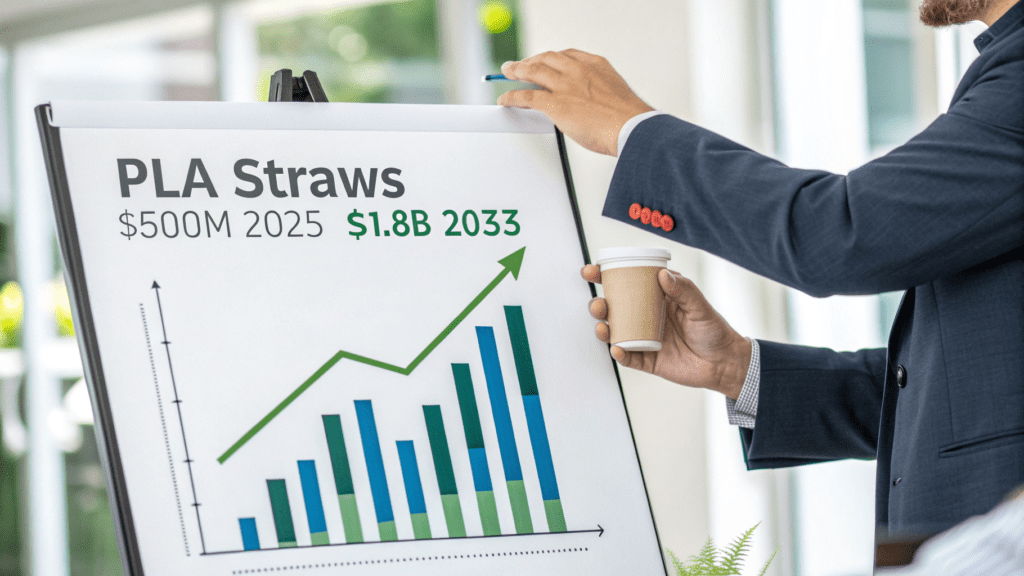
Schimbarea globală către durabilitate a propulsat paiele de acid polilactic (PLA) în centrul atenției ca o alternativă ecologică la plasticul tradițional. Pentru managerii de achiziții, directorii de operațiuni și ofițerii de sustenabilitate, acest lucru prezintă atât o oportunitate semnificativă, cât și o provocare complexă. Numai piața paielor degradabile PLA este estimată să crească de la aproximativ 500 de milioane de dolari în 2025 la aproximativ 1,8 miliarde de dolari până în 2033, datorită creșterii reglementărilor de mediu și a cererii consumatorilor, peste 70% dintre consumatori preferând întreprinderile care utilizează opțiuni ecologice. Cu toate acestea, înțelegerea adevăratei naturi a compostabilității PLA este esențială. Pașii greșiți în alegerea materialelor și gestionarea deșeurilor pot duce la riscuri severe de conformitate, deteriorarea reputației mărcii și ineficiențe operaționale, transformând o inițiativă ecologică într-o răspundere costisitoare.
Înțelegerea adevăratei compostabilitati a PLA este esențială pentru întreprinderile din sectorul ospitalității și al serviciilor alimentare pentru a evita riscurile de conformitate și daunele reputației.
Ce sunt paiele PLA și de ce hype?
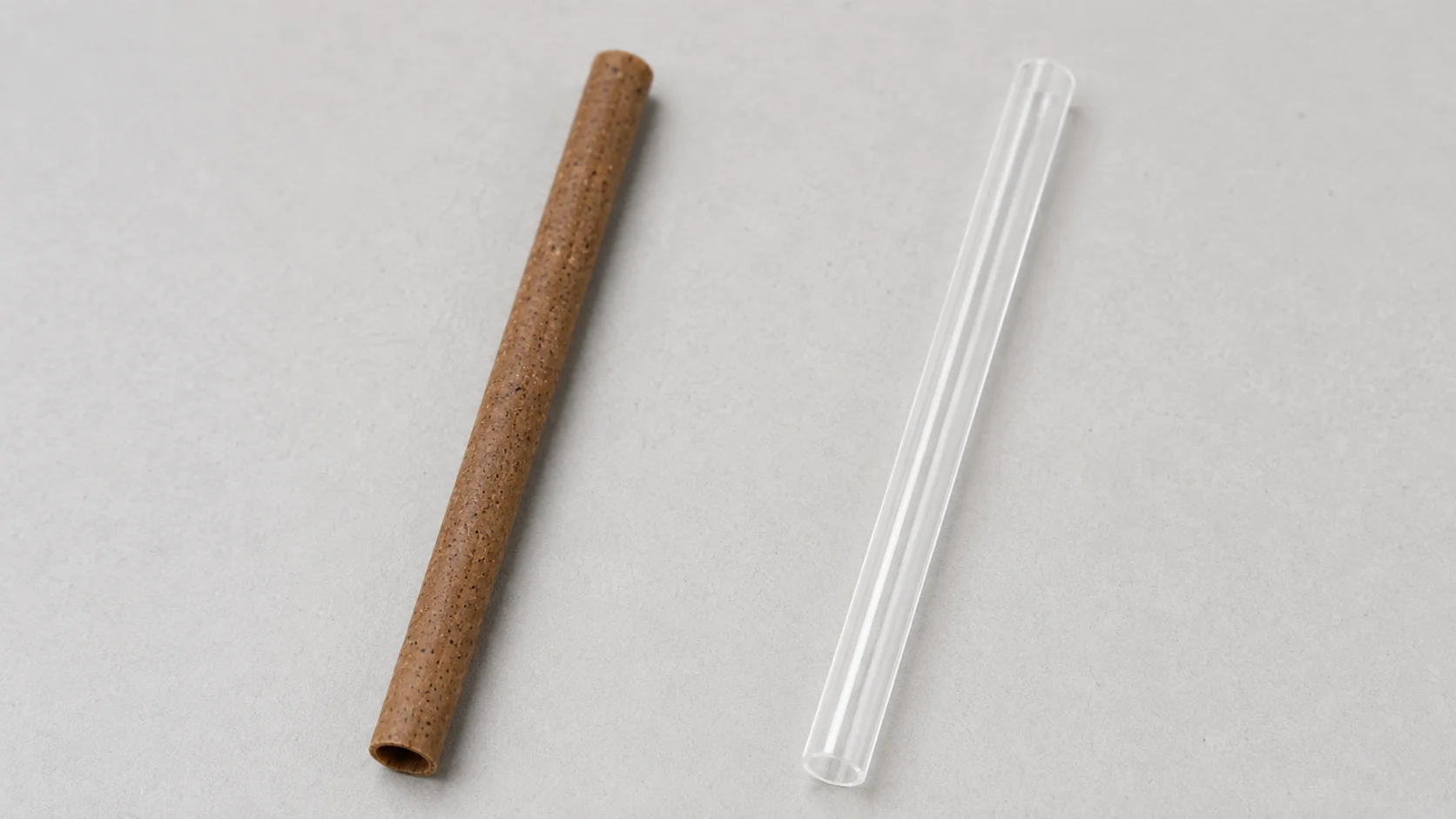
Paiele PLA sunt un tip de bioplastic, obținut de obicei din amidon de plante fermentate, cum ar fi porumb, trestie de zahăr, manioc sau pulpă de sfeclă de zahăr. Această origine vegetală este o parte semnificativă a atractivității lor, deoarece producția lor utilizează cu aproximativ 68% mai puține resurse de combustibili fosili în comparație cu materialele plastice convenționale, aliniindu-se direct cu obiectivele corporative de reducere a amprentei de carbon. Conceput pentru a imita aspectul, senzația și rezistența paielor tradiționale din plastic, PLA oferă o experiență familiară utilizatorului, în timp ce este comercializat ca „biodegradabil, ecologic și compostabil”. Acest beneficiu perceput pentru mediu le face o soluție atractivă pentru întreprinderile care se străduiesc să satisfacă cererea în creștere a consumatorilor pentru practici durabile.
Paiele PLA, fabricate din amidon de plante, oferă o experiență familiară utilizatorului, reducând în același timp dependența de combustibili fosili.
Nuanța „compostabilului”: înțelegerea cerințelor paielor PLA
În ciuda marketingului predominant, termenul „compostabil” pentru paiele PLA vine cu condiții critice. Spre deosebire de materialele cu adevărat biodegradabile care se descompun în mod natural în diverse medii, descompunerea PLA este foarte dependentă de o setare controlată. Această distincție este crucială pentru factorii de decizie B2B care își evaluează impactul asupra mediului și conformitatea cu reglementările.
Imperativul compostării industriale: temperaturi și intervale de timp pentru paiele PLA
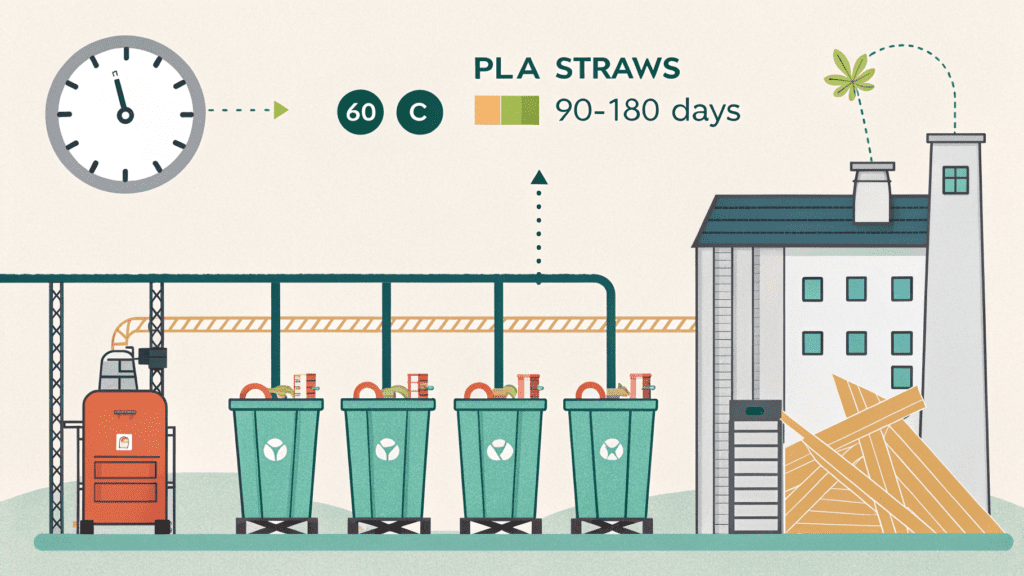
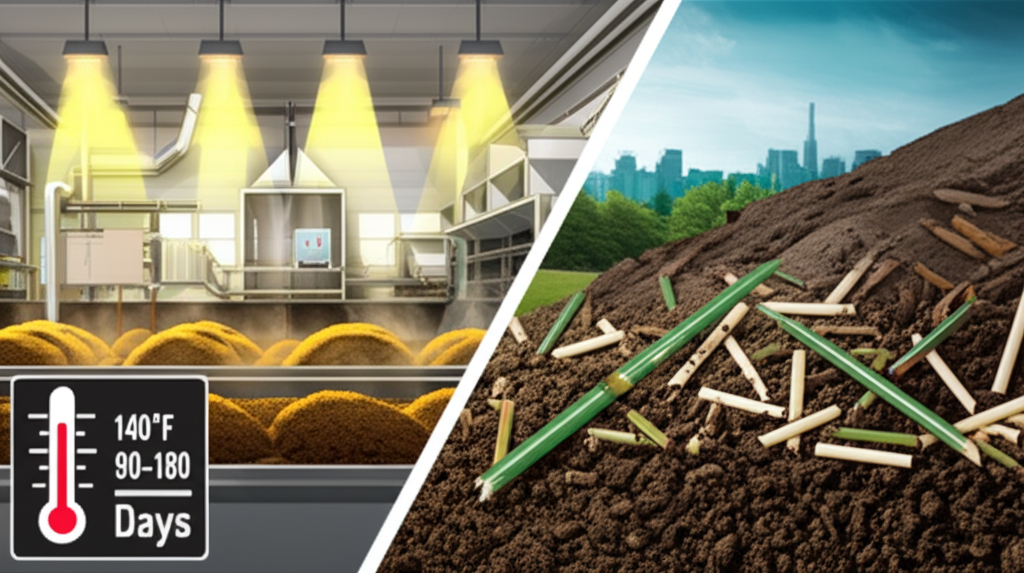
Paiele PLA necesită fără echivoc instalații de compostare industrială pentru a se descompune eficient. Aceste medii specializate mențin temperaturi ridicate susținute, de obicei peste 140 de grade Fahrenheit (60 de grade Celsius), timp de cel puțin 10 zile consecutive. În aceste condiții ideale, controlate, paiele PLA sunt concepute pentru a se descompune în apă, dioxid de carbon și materie organică, în general în decurs de 90 până la 180 de zile. Cercetările evaluate de colegi, cum ar fi studiile care utilizează standardul european EN ISO 14855-1:2012, confirmă capacitatea PLA de a composta în 90 de zile atunci când este supus acestor condiții riguroase, măsurând generarea de CO2 ca indicator al biodegradării.
The Home Composting & Landfill Limitations of PLA Straws
Eficacitatea compostării PLA se schimbă drastic în afara setărilor industriale. Paiele PLA, în general, nu se descompun în coșurile de compost de acasă sau în sistemele din curte, deoarece aceste medii pur și simplu nu au temperaturi ridicate susținute și activitatea microbiană controlată necesară pentru descompunerea lor. Mai important, dacă paiele PLA ajung în gropile de gunoi sau în medii naturale precum oceanele, ele pot persista sute sau chiar mii de ani, comportându-se similar cu plasticul tradițional. Studiile au arătat în mod explicit că paiele PLA nu se degradează cu ușurință în apa oceanului, reprezentând o amenințare pentru viața sălbatică marine asemănătoare cu poluarea convențională cu plastic.
Standarde de certificare pentru paiele PLA: BPI, EN 13432 și ASTM D6400
Pentru a asigura cu adevărat compostabilitate industrială și pentru a atenua preocupările de „spălare verde”, companiile trebuie să acorde prioritate produselor PLA certificate. Certificari de renume precum BPI (Institutul de produse biodegradabile) din America de Nord sau „OK compost INDUSTRIAL” de la TÜV Austria verifică dacă produsele îndeplinesc standarde stricte. Aceste certificări se aliniază cu standardele globale precum ASTM D6400 (America de Nord) și EN 13432 (Europa), care impun ca produsele să se descompună în materie organică fără a lăsa reziduuri toxice în anumite intervale de timp. TheDirectiva UE privind materialele plastice de unică folosință (2019/904), în vigoare din 2021, interzice paiele de plastic de unică folosință necertificate, chiar dacă „de proveniență biologică”, făcând paiele compostabile certificate alegerea conformă pentru accesul pe piața europeană. Înțelegerea acestor distincții este esențială pentru echipele de achiziții publice și sustenabilitate, așa cum este explorat în profunzime în ghidul nostru privindpaie compostabile vs biodegradabile.
Paiele PLA necesită instalații de compostare industrială și certificări specifice, cum ar fi BPI sau EN 13432, pentru o defalcare adevărată.

Provocări operaționale și concepții greșite de mediu despre paiele PLA
În ciuda beneficiilor lor de mediu percepute, integrarea paielor PLA în sistemele existente de gestionare a deșeurilor prezintă obstacole semnificative pentru întreprinderi. Aceste provocări provin adesea din caracteristicile fizice unice ale PLA și limitările infrastructurii actuale, ducând la complexități operaționale și ineficiențe de mediu dacă nu sunt abordate în mod corespunzător.
Riscuri de contaminare în fluxurile de reciclare cu paiele PLA
O bătaie de cap majoră operațională pentru întreprinderi este riscul de contaminare prezentat de paiele PLA în fluxurile de reciclare. Paiele PLA nu pot fi amestecate cu alte tipuri obișnuite de materiale plastice, cum ar fi PET (tereftalat de polietilenă) sau HDPE (polietilenă de înaltă densitate), pentru reciclare pe margine. Acest lucru se datorează temperaturii mai scăzute de topire a PLA, care, dacă este amestecată, contaminează întregul lot de materiale plastice reciclabile, făcându-l adesea nevândubil și destinat unei gropi de gunoi. Multe municipalități și unități de reciclare pur și simplu nu acceptă PLA, etichetându-l drept contaminant, complicând astfel eliminarea adecvată și creșterea costurilor de gestionare a deșeurilor.
Decalajul de infrastructură: unități limitate de compost industrial în S.U.A.
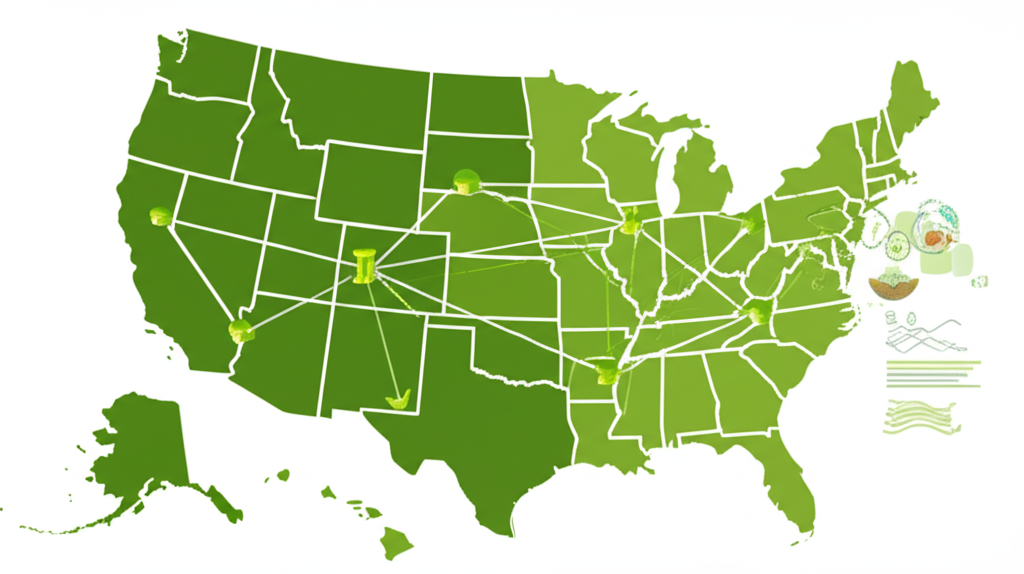
O barieră sistemică semnificativă în calea compostării eficiente a PLA este deficitul de instalații adecvate. În ciuda compostabilității tehnice a PLA, infrastructura necesară procesării acestuia lipsește grav. În ianuarie 2023, doar aproximativ 49 din 47.000 de unități de compostare din SUA acceptă materiale plastice compostabile, cele mai multe fiind concentrate pe Coasta de Vest. Acest decalaj flagrant de infrastructură înseamnă că o majoritate substanțială a paielor PLA, în ciuda faptului că sunt teoretic „compostabile”, ajung în cele din urmă în gropile de gunoi, anulând scopul lor de mediu. Pentru companiile care își propun să gestioneze eficient produsele compostabile certificate de BPI, înțelegerea și abordarea acestei provocări de infrastructură este crucială, așa cum este detaliat înManual B2B pentru gestionarea durabilă a deșeurilor.
Preocupări „Greenwashing” și emisiile de metan din paiele PLA
Comercializarea paielor PLA ca fiind în general „biodegradabile” sau „prietenoase cu mediul” fără instrucțiuni clare și precise de eliminare contribuie în mod semnificativ la preocupările de „spălare ecologică”. Atunci când bioplasticele precum PLA ajung în condiții anaerobe de depozitare a gunoiului - unde oxigenul este limitat - ele pot elibera în continuare metan, un gaz cu efect de seră puternic, care are mult mai impact decât dioxidul de carbon pe o perioadă de 20 de ani. Acest paradox subminează chiar beneficiile de mediu pe care intenționează să le ofere. Lipsa reglementărilor federale standardizate din SUA pentru termeni precum „bioplastic” sau produse „compostabile” exacerbează și mai mult această confuzie, ceea ce face dificil pentru companii și consumatori deopotrivă să facă alegeri cu adevărat informate și responsabile cu mediul înconjurător.
Paiele PLA prezintă riscuri de contaminare în reciclare și se confruntă cu lacune în infrastructură, ceea ce duce la preocupări de „spălare ecologică” și emisii de metan.
Dinamica pieței: cererea în creștere pentru paiele durabile, inclusiv paiele PLA
Cererea în creștere pentru alternative durabile este o forță puternică care remodelează piața B2B, prezentând atât oportunități semnificative, cât și presiuni competitive pentru afaceri. Companiile folosesc din ce în ce mai mult opțiunile ecologice nu numai pentru a răspunde cerințelor de reglementare în evoluție, ci și pentru a-și spori profund atractivitatea mărcii și pentru a adânci loialitatea clienților.
Creșterea pieței globale și vânturile din coadă de reglementare pentru paiele din bioplastic
Se estimează că piața globală a paielor ecologice va crește de la aproximativ 12,3 miliarde USD în 2025 la aproape 25,1 miliarde USD până în 2035, la o rată de creștere anuală compusă (CAGR) robustă de 7,3%. În acest sector în plină dezvoltare, piața paielor degradabile PLA este estimată în mod specific la 500 de milioane de dolari în 2025 și se estimează că va ajunge la 1,8 miliarde de dolari până în 2033, demonstrând un CAGR impresionant de 15%. Această expansiune rapidă este susținută în mod semnificativ de reglementări stricte, cum ar fi Directiva UE privind materialele plastice de unică folosință, care a intrat în vigoare în 2021, și un număr tot mai mare de interdicții la nivel de stat din SUA privind materialele plastice de unică folosință. Aceste mandate legislative obligă companiile din sectorul alimentar și al ospitalității să adopte alternative durabile, făcând opțiunile conforme și certificate un imperativ de afaceri.
Oportunități B2B pentru managerii de achiziții pe piața de paie PLA
Pentru managerii pricepuți de achiziții, piața în expansiune pentru paiele durabile, inclusiv PLA, prezintă oportunități clare. Există un potențial semnificativ de a valorifica cererea în creștere din sectorul alimentației și al ospitalității, determinat de inițiativele de responsabilitate socială corporativă și de preferința puternică a consumatorilor pentru produsele ecologice. Furnizori de top, cum ar fi Pando EP Technology, înființat în 1996, au încheiat deja parteneriate cu mari companii de restaurante cu servicii rapide (QSR) și bunuri de consum rapid (FMCG) la nivel global, inclusiv Nestlé și Yum!, demonstrând viabilitatea și amploarea acestei piețe. Adoptarea paielor PLA compostabile certificate nu numai că asigură conformitatea cu reglementările, ci și îmbunătățește semnificativ poziționarea mărcii, atrăgând și păstrând clienții conștienți de mediu, care sunt adesea dispuși să plătească o primă pentru afacerile angajate în practicile durabile.
Piața durabilă a paielor este în creștere rapidă, oferind oportunități B2B managerilor de achiziții pentru a îmbunătăți marca și a asigura conformitatea.
Comparație între alternativele ecologice de paie
Alegerea alternativei optime de paie necesită o evaluare cuprinzătoare a impactului operațional, a considerațiilor de conformitate și a potențiala rentabilitate a investiției. Piața oferă o gamă diversă de materiale, fiecare cu avantaje și limitări distincte.
| Caracteristică | Impact operațional B2B | Notă de conformitate | Potențial de rentabilitate a investiției |
|---|---|---|---|
| Paie PLA | Necesită fluxuri separate de deșeuri pentru compostarea industrială; potențial ridicat de contaminare de reciclare dacă este sortat greșit. Sensibil la căldură mare, se poate înmuia cu lichide fierbinți. | Certificarea BPI/EN 13432 pentru compostabilitate industrială este esențială pentru adevăratele declarații de mediu și conformitatea cu reglementările. | Reduce dependența de combustibili fosili (-68%); îmbunătățirea mărcii; adesea un cost inițial mai mare decât plasticul tradițional, dar mai mic decât unele bioplastice avansate. Economii de costuri la amenzi pentru nerespectare. |
| PHA Paiele | Oferiți opțiuni mai largi de eliminare, inclusiv compostabilitate la domiciliu și marin, reducând sarcina asupra infrastructurii specializate. Potențial de poziționare a produselor premium. | Certificabil pentru degradarea casnică, comercială și marină (de exemplu, TÜV AUSTRIA OK compost HOME/MARINE), oferind căi mai versatile de conformitate cu mediul. | ROI durabil pe termen lung mai puternic datorită capacităților mai largi de degradare și riscului redus de depozitare a deșeurilor. Poate avea un cost inițial mai mare decât PLA, dar oferă acreditări ecologice îmbunătățite și diferențiere pe piață. |
| Paie de hârtie | Metode de eliminare larg acceptate și familiare; predispus la umezeală, cu excepția cazului în care este acoperit în mod special. | În general, respectă interdicțiile din plastic; verificați certificările care verifică biodegradabilitatea, compostabilitatea și, mai important, statutul fără PFAS. | Cost inițial mai mic decât majoritatea bioplasticelor; defalcare rapidă (de obicei 30-60 de zile) în compostarea industrială; familiaritatea ridicată a consumatorilor. Potențial de experiență negativă a clienților dacă performanța este slabă (de exemplu, umiditate). |
| Bagas de trestie de zahăr | Durabil, rezistent la apă și, în general, menține bine integritatea structurală. În mod obișnuit, compostabil în unități casnice sau industriale. | Adesea compostabil acasă și compostabil industrial, aliniindu-se cu obiectivele largi de durabilitate și cu diverse scenarii de eliminare. | Imagine puternică ecologică datorită reciclării produselor agricole secundare; performanță eficientă; prețuri competitive cu alte opțiuni compostabile. Bun pentru valoarea mărcii și evită plângerile de performanță. |
| Reutilizabil (Metal/Sticlă) | Necesită cheltuieli operaționale semnificative, inclusiv spălare, igienizare, depozitare și gestionarea stocurilor. Investiție inițială mai mare. | Reduce deșeurile la aproape zero, respectând cele mai stricte mandate de durabilitate și promovând o economie circulară. | Rentabilitate ridicată a investiției pe termen lung prin utilizarea repetată, eliminând costurile recurente de achiziție de paie. Cel mai puternic angajament de brand față de circularitate și loialitate profundă a consumatorilor. Necesită acceptarea consumatorului pentru utilizare în afara localului. |
Paiele PHA: O alternativă de bioplastic de nouă generație
Paiele PHA (polihidroxialcanoat), adesea derivate din surse regenerabile, cum ar fi uleiul de canola, reprezintă un progres semnificativ față de PLA în ceea ce privește biodegradabilitatea. Ele sunt proiectate pentru a se descompune într-o gamă mai largă de medii, inclusiv facilități comerciale de compostare, containere de compost pentru acasă și chiar setări marine, de obicei în câteva luni. Acest profil de degradabilitate mai larg abordează multe dintre limitările de infrastructură asociate cu PLA, oferind o soluție de sfârșit de viață mai viabilă la nivel universal. Companii precum Good Start Packaging au trecut în special de la paiele PLA la paiele PHA, recunoscând compostabilitatea mai rapidă și mai versatilă a acestora din urmă ca un diferențiere cheie pentru clienții lor B2B.
Alte materiale de paie compostabile: hârtie, trestie de zahăr și altele
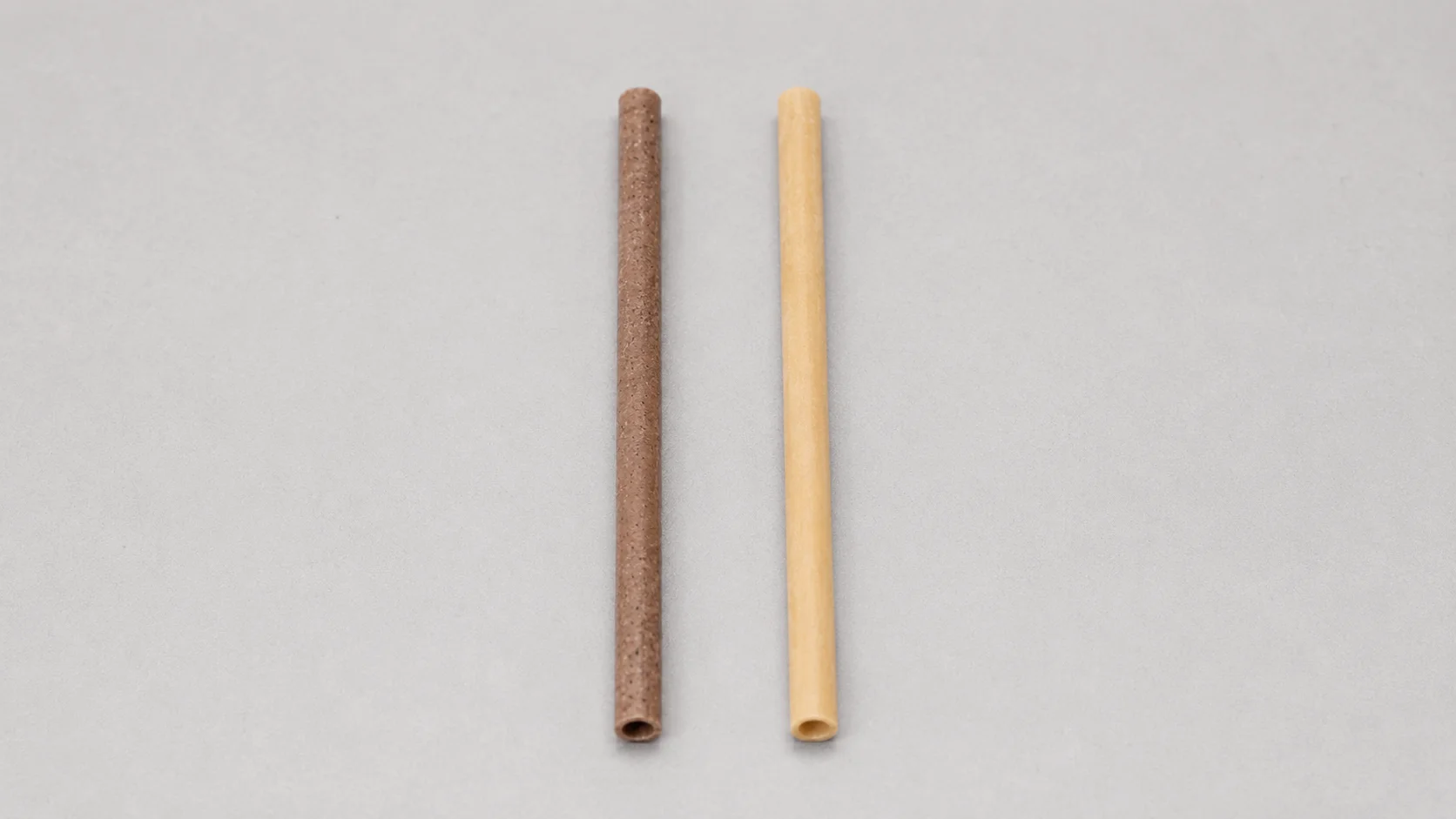
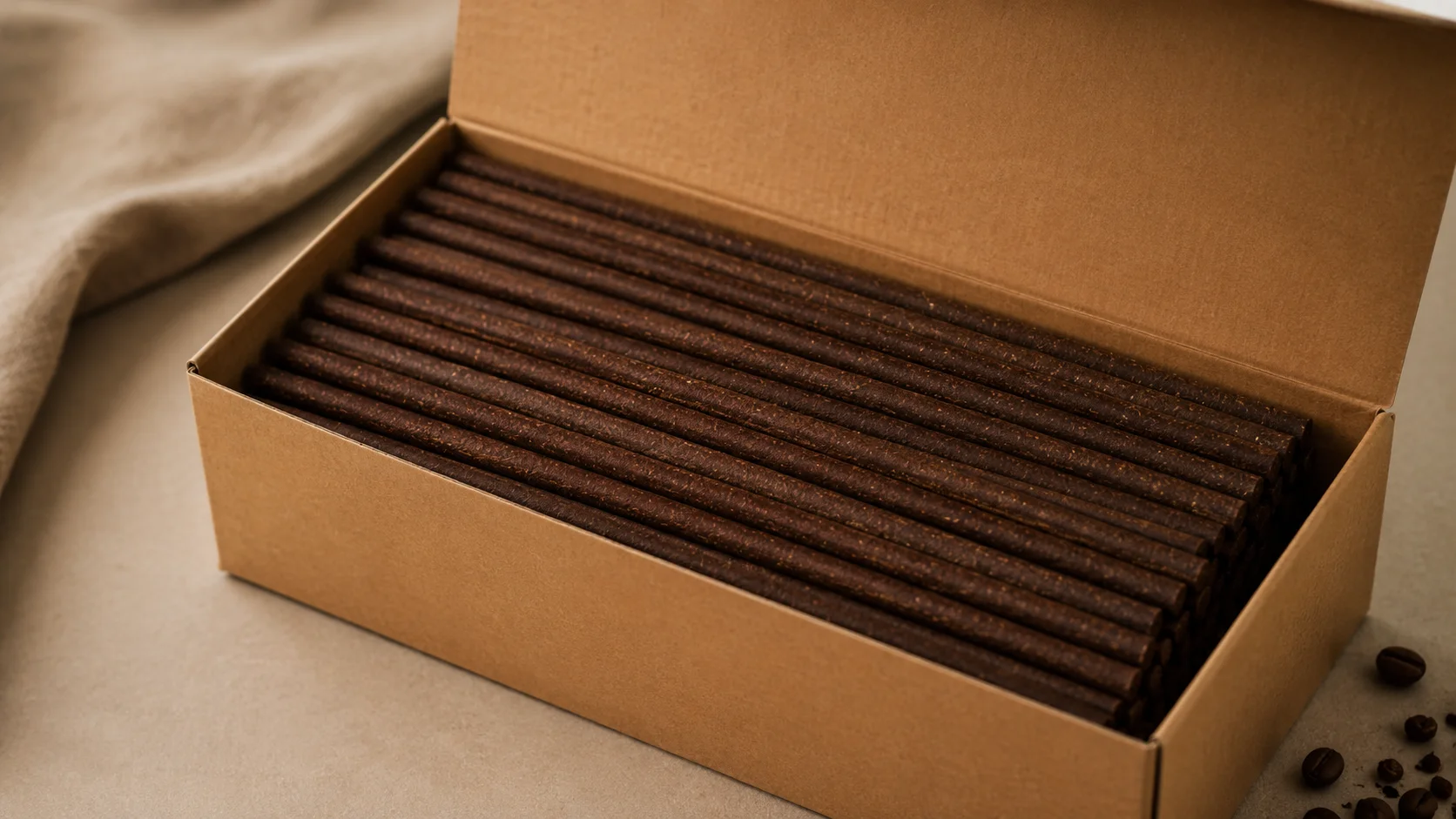
Dincolo de PLA și PHA, piața oferă mai multe alte materiale de paie compostabile convingătoare. Paiele de hârtie sunt o alternativă de top, care se estimează că va deține o cotă de piață substanțială de 44,3% în 2025 datorită disponibilității lor pe scară largă, rentabilității relative și biodegradabilității și compostabilității complete. Cu toate acestea, performanța lor poate varia, unele fiind predispuse la umed, dacă nu sunt tratate cu acoperiri avansate, sigure pentru alimente. Paiele din trestie de zahăr, realizate dintr-un produs secundar fibros al prelucrării trestiei de zahăr, oferă o opțiune durabilă, rezistentă la apă și versatilă, fiind compostabile atât în mediul casnic, cât și în cel industrial. Alternativele emergente includ paiele făcute din orez, grâu, paste (care pot fi comestibile), agave și zaț de cafea, fiecare prezentând proprietăți unice și beneficii pentru mediu. Pentru o privire cuprinzătoare asupra modului în care sunt clasificate diferite materiale, consultați ghidul nostruBPI compostabil vs. biodegradabil.
Paiele PHA oferă o degradabilitate mai largă decât PLA, în timp ce hârtia și trestia de zahăr oferă alte alternative viabile și compostabile.
Studiu de caz: Trecerea ambalajului Good Start către paiele PHA cu adevărat compostabile
Într-o mișcare strategică esențială în cadrul industriei alimentare ecologice, Good Start Packaging, un furnizor proeminent de produse durabile, a luat decizia de a-și elimina treptat ofertele de paie PLA în favoarea paielor PHA (polihidroxialcanoat). Această tranziție semnificativă, observată în ultimii trei ani, a fost direct motivată de o evaluare clară a limitărilor practice ale PLA. În timp ce PLA este compostabil din punct de vedere tehnic din punct de vedere industrial, lipsa pe scară largă a infrastructurii de compostare comercială accesibilă în multe regiuni a făcut ca produsele PLA de la Good Start Packaging să ajungă frecvent în gropile de gunoi.
Recunoscând acest decalaj critic între condițiile ideale și eliminarea în lumea reală, compania a căutat o soluție mai reală durabilă. Paiele PHA, în schimb, au oferit un profil de mediu superior, cu compostabilitate certificată la domiciliu și degradabilitate marine, oferind o soluție robustă la sfârșitul vieții, care nu se baza pe instalațiile industriale rare. Această schimbare proactivă și transparentă a unui lider al industriei subliniază importanța unei diligențe riguroase în achizițiile durabile. Evidențiază o afacere care răspunde direct provocărilor eliminării PLA și acordă prioritate unei alternative mai universale viabile și cu adevărat compostabile, aliniind astfel ofertele sale de produse cu angajamentul său profund față de un impact real asupra mediului.
Good Start Packaging a trecut de la PLA la paiele PHA datorită compostabilității superioare, mai versatile a PHA și compatibilității mai largi cu infrastructura.
Considerații strategice pentru factorii de decizie B2B
Pentru managerii de achiziții, directorii de operațiuni și ofițerii de sustenabilitate, navigarea în peisajul paielor durabile transcende simpla citire a etichetelor. Necesită o abordare strategică, holistică, care să ia în considerare întregul ciclu de viață al unui produs, de la aprovizionare până la sfârșitul său final de viață. Înțelegerea realităților de eliminare și a limitărilor infrastructurii este esențială pentru asigurarea unui impact real asupra mediului și pentru atenuarea eficientă a riscurilor operaționale.
Due Diligence dincolo de eticheta „compostabil” pentru paiele PLA
Pasul inițial în achizițiile responsabile este o diligență riguroasă. Pur și simplu a vedea termenul „compostabil” este insuficient. Factorii de decizie trebuie să verifice în mod activ certificările, cum ar fi BPI (Institutul de produse biodegradabile) sau „OK compost INDUSTRIAL” de la TÜV AUSTRIA, pentru a se asigura că produsele îndeplinesc standardele stricte de compostare industrială. În plus, o înțelegere critică a disponibilității infrastructurii locale de compostare este indispensabilă. Cu doar aproximativ 15% din instalațiile de compostare din SUA care acceptă în prezent bioplastice, multe articole „compostabile”, inclusiv paiele PLA, sunt deturnate către gropile de gunoi unde pot persista de secole. Acordați prioritate furnizorilor transparenți care pot oferi informații clare cu privire la compoziția materialului, instrucțiunile de sfârșit de viață și, în mod ideal, dovada parteneriatelor cu instalațiile comerciale de compostare din zonele dvs. operaționale pentru a evita capcanele „greenwashing”.
Optimizarea managementului deșeurilor pentru paiele PLA și alte bioplastice
Gestionarea eficientă a deșeurilor este cheia de bază pentru realizarea beneficiilor ecologice ale PLA și ale altor bioplastice. Companiile trebuie să implementeze protocoale de sortare interne clare, fără ambiguitate, pentru a preveni contaminarea paielor PLA de a conta fluxurile tradiționale de reciclare. Având în vedere temperatura de topire mai scăzută a PLA în comparație cu materialele plastice obișnuite precum PET-ul, amestecarea poate face inutilizabile loturi întregi de reciclare. Prin urmare, este esențială stabilirea de coșuri de colectare dedicate pentru materialele compostabile. Dincolo de protocoalele interne, întreprinderile ar trebui să colaboreze activ cu instalațiile comerciale de compostare sau cu furnizorii de gestionare a deșeurilor special echipați pentru a manipula bioplastica. Pentru regiunile care nu au o astfel de infrastructură, explorarea bioplasticelor avansate, cum ar fi PHA, care oferă opțiuni de eliminare mai flexibile, inclusiv degradarea casnică și marină, devine un imperativ strategic.
Îmbunătățirea reputației mărcii și a conformității cu Paiele durabile
Adoptarea proactivă a soluțiilor cu paie cu adevărat durabile este o pârghie puternică pentru îmbunătățirea reputației mărcii și pentru asigurarea conformității cu reglementările. Comunicați în mod transparent cu clienții dvs. despre alegerile dumneavoastră durabile și oferiți instrucțiuni clare pentru eliminarea corectă, promovând încrederea și aliniindu-vă la valorile consumatorilor conștienți de mediu. Acest angajament contribuie direct la obiectivele mai ample de Responsabilitate Socială Corporativă (CSR) și de mediu, social și guvernanță (ESG), care sunt din ce în ce mai importante pentru relațiile cu investitorii și poziționarea pe piață. Prin adoptarea proactivă a soluțiilor compostabile certificate, cum ar fi cele care respectăASTM D6400standard pentru compostabilitate industrială, companiile pot asigura conformitatea cu reglementările în evoluție, cum ar fi Directiva UE privind materialele plastice de unică folosință și diverse interdicții la nivel de stat din SUA, atenuând riscul de penalități și poziționându-se ca lideri ai industriei.
Factorii de decizie B2B trebuie să efectueze due diligence, să optimizeze gestionarea deșeurilor și să îmbunătățească reputația mărcii prin alegeri sustenabile certificate.
Future Trends & Innovation
Peisajul paielor durabile este dinamic, condus de inovarea continuă și presiunile de reglementare în evoluție. Privind în următorii 5-10 ani, anticipăm câteva tendințe cheie care vor redefini achizițiile B2B în acest spațiu:
- Creșterea materialelor cu adevărat degradabile: Va exista o schimbare accelerată către materiale cu profiluri de degradabilitate cu adevărat mai largi, trecând dincolo de dependența de instalații industriale specializate. PHA și alte bioplastice de ultimă generație capabile să se descompună în compostul casnic, sol și mediile marine vor avea o adoptare crescută.
- Știința materialelor bazată pe inteligență artificială: Inteligența artificială va juca un rol transformator în cercetare și dezvoltare, identificând și optimizând rapid noi polimeri de înaltă performanță pe bază de bio, accelerând descoperirea unor materiale și mai durabile și mai eficiente.
- Advanced Performance & Functionality: Inovațiile vor depăși problemele istorice de performanță, cum ar fi umiditatea, fragilitatea și sensibilitatea la căldură. Vom vedea paiele compostabile care au performanțe identice sau chiar depășesc plasticele tradiționale ca durabilitate, rezistență la temperatură (până la 90°C/194°F pentru băuturile fierbinți) și experiența utilizatorului.
- Integrarea economiei circulare: Industria se va concentra din ce în ce mai mult pe sisteme cu circuit închis, integrând produse secundare agricole și fluxurile de deșeuri direct în producția de paie. Aceasta include creșterea producției de paie din materiale precum alge marine, zaț de cafea și reziduuri agricole, contribuind la o economie mai circulară.
- Standardization & Transparency: O mai mare claritate a reglementărilor și adoptarea pe scară largă a criteriilor de evaluare standardizate pentru biodegradabilitate și compostabilitate vor reduce „spălarea ecologică” și vor promova o adevărată responsabilitate asupra mediului. Acest lucru va face deciziile de achiziții mai clare și mai eficiente.
- Localized Solutions & Infrastructure Expansion: Investițiile în instalațiile regionale de compostare industrială vor crește, completate de soluții de compostare descentralizate, făcând eliminarea adecvată a materialelor compostabile mai accesibilă și viabilă din punct de vedere economic în diverse zone geografice.
Aceste tendințe vor remodela lanțurile de aprovizionare și vor oferi noi căi pentru afacerile angajate în leadership-ul veritabil al mediului.
Tendințele viitoare în domeniul paielor durabile includ materiale cu adevărat degradabile, inovație bazată pe inteligență artificială, performanță îmbunătățită și integrarea economiei circulare.
Competitive Advantage & Business Case
Pentru factorii de decizie B2B, tranziția către paiele cu adevărat compostabile nu este doar un centru de cost; este o investiție strategică care oferă avantaje competitive tangibile și un caz de afaceri convingător.
Impact cuantificabil:
- Reducerea riscurilor: Prin alinierea la certificări riguroase (de exemplu, BPI, EN 13432) și prin asigurarea unei eliminări adecvate, întreprinderile pot elimina practic riscul de nerespectare a interdicțiilor evolutive ale plasticului de unică folosință, evitând amenzi uriașe și complicații legale. Conformitatea proactivă vă va asigura viitorul operațiunilor într-un peisaj de reglementare înăsprit.
- Creșterea valorii mărcii: Adoptarea unor soluții certificate, cu adevărat compostabile, îmbunătățește semnificativ reputația mărcii dvs. ca administrator de mediu. Acest lucru rezonează profund cu cei peste 70% dintre consumatori care acordă prioritate afacerilor ecologice, traducându-se într-o loialitate sporită a clienților și o disponibilitate de a plăti o primă pentru produsele sau serviciile dvs.
- Oportunitate de cotă de piață: Pe măsură ce piața globală a paielor ecologice se apropie de 25,1 miliarde de dolari până în 2035, adoptarea timpurie și autentică permite companiilor să capteze o cotă mai mare din acest segment în expansiune. Făcând apel la consumatorii conștienți de mediul înconjurător și prin parteneriat cu furnizori care au o idee similară, companiile pot depăși concurenții care se agață de soluții învechite, neconforme.
- Eficiență operațională prin reducerea deșeurilor: În timp ce costurile inițiale ar putea fi mai mari, sistemele eficiente de gestionare a deșeurilor pentru materialele compostabile pot duce la economii de costuri pe termen lung prin deturnarea deșeurilor din gropile de gunoi, potențial reducerea taxelor de depozitare și eficientizarea fluxurilor de deșeuri.
- Apelarea investitorilor: Performanța ESG (de mediu, socială și guvernanță) puternică, condusă de inițiative de sustenabilitate verificabile, atrage din ce în ce mai mult investitori responsabili din punct de vedere social. Demonstrarea unui angajament clar față de compostabilitatea autentică poate îmbunătăți profilul investițional al companiei dvs. și accesul la capital.
Evaluând meticulos și investind în alternative cu adevărat compostabile, afacerea dvs. depășește simpla conformitate, deblocând cote substanțiale de piață, întărind capitalul de brand și asigurând un viitor durabil și profitabil.
Investiția în paie cu adevărat compostabile oferă întreprinderilor B2B reducerea riscurilor, creșterea mărcii, creșterea cotei de piață și atragerea investitorilor.
Concluzie
Paiele PLA reprezintă un pas semnificativ înainte în inovarea ambalajelor durabile. Cu toate acestea, compostabilitatea lor reală este strâns legată de condiții industriale foarte specifice și de o infrastructură robustă care, în cea mai mare parte, rămâne semnificativ subdezvoltată. Pentru factorii de decizie B2B cu discernământ – manageri de achiziții, directori de operațiuni și ofițeri de sustenabilitate – navigarea în această complexitate necesită mult mai mult decât intenții bune. Cere o diligență riguroasă, o abordare strategică a gestionării deșeurilor și un angajament neclintit pentru o durabilitate transparentă și verificabilă. Înțelegând diferențele esențiale dintre materiale și explorând alternative cu adevărat versatile, cum ar fi PHA, afacerea dvs. poate trece cu încredere către un viitor de responsabilitate ecologică autentică, sporind simultan eficiența operațională și solidificând reputația mărcii dvs. ca lider în practici eco-conștiente.
Acționați acum pentru a vă asigura viitorul durabil al lanțului dvs. de aprovizionare; consultați-vă cu furnizorii certificați de paie compostabile și evaluați-vă strategia de gestionare a deșeurilor astăzi pentru a asigura un impact real asupra mediului!
Compostabilitatea autentică necesită diligență riguroasă și gestionarea strategică a deșeurilor pentru afacerile B2B pentru a atinge adevărata responsabilitate față de mediu.
Întrebări frecvente (FAQs)
Î: Paiele PLA se strică cu adevărat în coșul de gunoi tipic al unui hotel sau restaurant?
R: Nu, paiele PLA necesită instalații specifice de compostare industrială cu temperaturi ridicate susținute (peste 140°F) pentru a se descompune eficient. Nu se vor descompune în condiții standard de depozitare a deșeurilor sau în coșurile de gunoi comerciale tipice, comportându-se mult ca plasticul tradițional.
Î: Pot paiele PLA să contamineze fluxurile mele existente de reciclare într-o operațiune de alimentație?
A: Da, absolut. PLA are un punct de topire mai mic decât plasticul obișnuit precum PET sau HDPE. Dacă paiele PLA sunt amestecate în reciclarea plasticului, ele pot contamina întregul lot, făcându-l inutilizabil pentru reciclare și deturnându-l la o groapă de gunoi.
Î: Ce certificări ar trebui să caute managerii de achiziții atunci când își aprovizionează paiele compostabile pentru nevoile lor B2B?
R: Managerii de achiziții ar trebui să acorde prioritate paielor certificate de organizații de renume precum BPI (Institutul de produse biodegradabile) din America de Nord sau „OK compost INDUSTRIAL” de la TÜV Austria. Aceste certificări asigură că produsul îndeplinește standarde stricte de compostabilitate industrială, cum ar fi ASTM D6400 sau EN 13432.
Î: Există alternative cu adevărat compostabile de paie care nu se bazează pe instalații de compostare industrială?
R: Da, paiele PHA (polihidroxialcanoat) sunt un bioplastic de ultimă generație care se poate descompune într-o gamă mai largă de medii, inclusiv compostarea acasă și mediile marine. Alte opțiuni, cum ar fi paiele din trestie de zahăr, oferă, de asemenea, profiluri de compostabilitate mai largi.
Î: Cum poate o afacere de ospitalitate să asigure eliminarea adecvată a paielor PLA dacă compostarea industrială nu este disponibilă la nivel local?
R: Dacă compostarea industrială nu este disponibilă, luați în considerare trecerea la alternative precum paiele PHA care oferă compostabilitate acasă sau marin. Alternativ, colaborați cu companii specializate în gestionarea deșeurilor care pot transporta bioplastica la instalații adecvate sau explorați inițiative locale pentru dezvoltarea infrastructurii de compostare.