Imperativ pentru Boba durabilă: de ce programele cu paie reutilizabile nu mai sunt opționale
A Strategic Roadmap for Hospitality & Foodservice Leaders
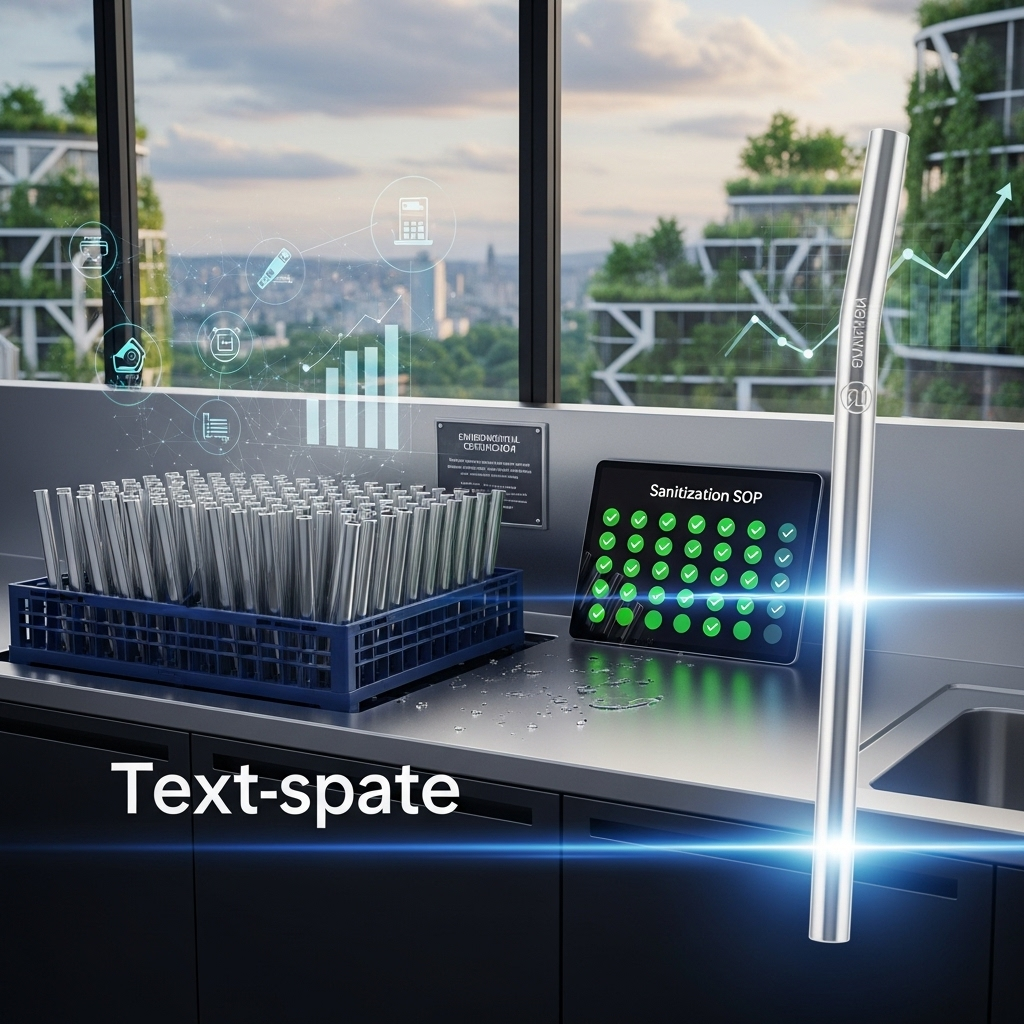
Introducere problema industriei convingătoare
Piața globală a ceaiului cu bule se confruntă cu o răscruce ecologică din cauza deșeurilor de plastic de unică folosință și a interdicțiilor proliferante.
Piața globală a ceaiului cu bule, un sector vibrant evaluat la 3,27 miliarde USD în 2022 și care se estimează că va crește la 6 miliarde USD până în 2031 (Grand View Research, 2023), se află la o răscruce esențială a mediului. Cu un număr alarmant de 8 până la 10 milioane de tone metrice de plastic care intră anual în oceanele noastre (Pew Charitable Trusts, 2020), valul în creștere a deșeurilor de plastic de unică folosință reprezintă o amenințare incontestabilă. Pe tot globul, interdicțiile stricte asupra materialelor plastice de unică folosință proliferează rapid. Din cuprinzătorDirectiva UE privind materialele plastice de unică folosințăla reglementările specifice orașului din Seattle și California și interzicerea iminentă a paharelor de plastic din Taiwan din 2024 (Administrația pentru Protecția Mediului din Taiwan, 2022), industria se confruntă cu o schimbare de paradigmă inevitabil. Ignorarea acestei transformări fundamentale pune în pericol nu numai integritatea mediului, ci și conformitatea operațională, reputația mărcii și, în mod esențial, cota de piață. Această postare conturează o foaie de parcurs strategică pentru factorii de decizie B2B, oferind informații despre implementarea programelor de boba paie reutilizabile, conforme și rentabile, concepute pentru viitor.
Creșterea crizei globale a deșeurilor de plastic și interdicțiile pe scară largă a plasticului de unică folosință necesită o schimbare strategică pentru industria ceaiului boba pentru a asigura conformitatea, proteja reputația mărcii și asigura cota de piață.
Market & Regulation Insights (EU, US, Asia-Pacific)
Reglementările globale și cererea consumatorilor conduc la trecerea către soluții Boba durabile pe piețele cheie.
Valul omniprezent de acțiuni legislative, în special cel Directiva UE privind materialele plastice de unică folosință, remodelează operațiunile tradiționale de ceai boba. Mișcarea proactivă a Taiwanului către un viitor fără plastic, inclusiv interdicția cuprinzătoare a paharelor de plastic din 2024, are implicații semnificative pentru lanțul global de aprovizionare cu boba, deoarece națiunea insulară este locul de naștere al acestei băuturi populare. O provocare unică apare cu paiele boba: diametrul lor mai larg, esențial pentru perlele de tapioca, necesită o atenție specială atunci când se caută alternative conforme. Dincolo de simpla conformare, o forță puternică este în joc: consumatorul eco-conștient. Creșterea conștientizării mediului, în special în rândul generației Z și mileniilor, generează o cerere incontestabilă pentru practici cu adevărat durabile în domeniul serviciilor alimentare. Această categorie demografică caută în mod activ mărci care se aliniază cu valorile lor, făcând inițiative transparente și eficiente de durabilitate esențiale pentru creșterea loialității mărcii și atenuarea percepțiilor „greenwashing”. În timp ce multe companii au apelat la alternative ecologice percepute în mod obișnuit, cum ar fi paiele din hârtie și PLA, acestea sunt adesea insuficiente din cauza limitărilor funcționale - paiele de hârtie care devin ude sau își modifică gustul și paiele PLA necesită instalații complexe de compostare industrială, care sunt adesea rare. Pentru o scufundare mai profundă în materialele care transformă cu adevărat industria, explorați articolul nostru despre Materiale care remodelează industria paielor B2B. Pentru opțiuni biodegradabile eficiente, luați în considerare informații despre Cele mai bune paie biodegradabile B2B 2025 iar cel Cele mai bune paie din plastic biodegradabile B2B.
Comparația peisajului de reglementare
| Regiune | Reglementări/Tendințe cheie | Impact asupra Boba Straws |
|---|---|---|
| Uniunea Europeană | Directiva privind materialele plastice de unică folosință (SUPD) interzice multe articole din plastic de unică folosință. | Interzicerea directă a paielor de plastic; stimulează cererea de alternative reutilizabile sau compostabile certificate. |
| Statele Unite | Patchwork de interdicții de stat/orașe (de exemplu, California, Seattle); inițiative federale în curs de dezvoltare. | Cerințe variate de conformitate; preferința puternică a consumatorilor pentru opțiunile durabile pe piețele cheie. |
| Asia-Pacific | interzicerea paharelor de plastic din Taiwan din 2024; Schema de depozite a Coreei de Sud; Planurile Chinei de reducere a plasticului. | Schimbare semnificativă în lanțul de aprovizionare și comportamentul consumatorilor, în special în locul nașterii lui Boba. |
Pentru un ghid cuprinzător cu privire la reglementările globale, consultațiGhid complet de reglementare privind materialele plastice de unică folosință.

Reglementările globale, în special în UE, SUA și Asia-Pacific, împreună cu cererea în creștere a consumatorilor conștienți de mediu, obligă industria boba să adopte soluții reutilizabile.
Soluție: Programe Boba Straw reutilizabile
Programele de paie boba reutilizabile oferă o alternativă durabilă și rentabilă la plasticul de unică folosință pentru ospitalitate.
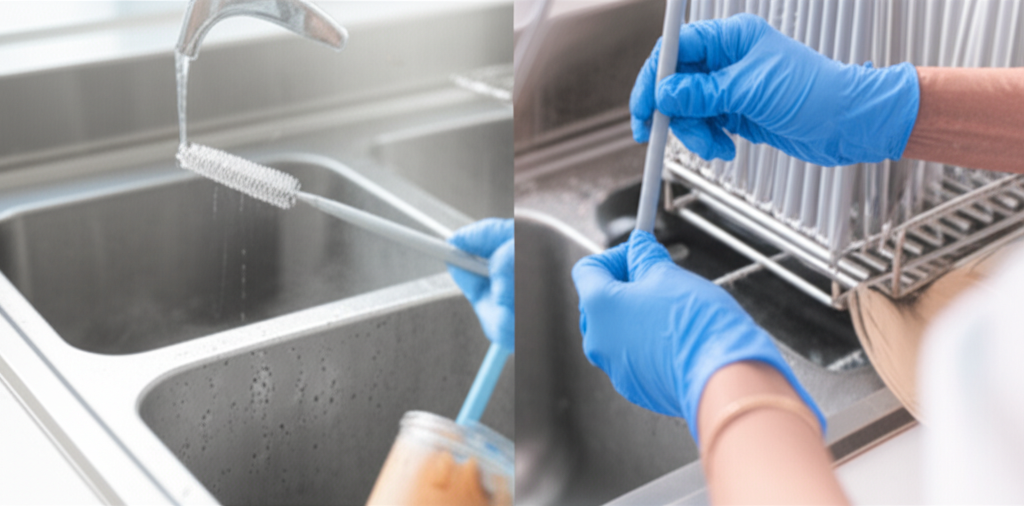
Implementarea unui program de paie boba reutilizabile de mare impact se bazează pe două componente principale: o procedură standard de operare (SOP) de curățare robustă și un model de depunere fără întreruperi. Pentru uz comercial, curățarea temeinică este esențială. Pașii esențiali includ clătirea prealabilă pentru îndepărtarea imediată a resturilor, spălarea cu perii specializate și detergenți adecvați, o clătire meticuloasă și igienizare eficientă - fie prin imersie în apă fierbinte (de exemplu, 160 ° F / 71 ° C sau mai mult timp de cel puțin 30 de secunde) sau dezinfectare chimică folosind dezinfectanti comerciali de calitate alimentară. Aderarea laStandardele Codului Alimentar FDAnu este negociabil, spalatul comercial de vase oferind o siguranta igienica superioara. Preocupările cheie de igienă, cum ar fi prevenirea acumulării bacteriene, provocările de curățare a materialelor opace și necesitatea absolută a unei pregătiri adecvate a personalului, trebuie abordate cu rigurozitate. Inspirându-se din inițiative precum programul de containere reutilizabile de la Universitatea din California, Santa Barbara (UCSB), o abordare centralizată, comercială de spălat vase asigură igienizare optimă și eficiență operațională.
În completarea acestui lucru, un sistem de depozit-retur bine conceput stimulează returnările clienților. Acest model implică o taxă mică, rambursabilă, percepută la punctul de cumpărare, care încurajează rate mari de returnare, reduce semnificativ deșeurile și gunoiul și sporește implicarea consumatorilor. Adaptări reușite ale serviciului alimentar mai larg, cum ar fi sistemul Huskee de la Canva sau procesul de returnare bazat pe tehnologie a Palatului Blenheim și schema de depozitare a paharelor de unică folosință din Coreea de Sud, demonstrează viabilitatea unor astfel de programe. Considerațiile logistice, inclusiv punctele de colectare desemnate, infrastructura eficientă de spălare și rolul potențial al tehnologiilor de urmărire precum RFID sau codurile QR, sunt cruciale pentru o funcționare bună.
Quantified Benefits for Hospitality & Foodservice
- Economii de costuri: Reduceți costurile de achiziție a paielor cu până la 70% anual după investiția inițială, pe baza unei durate de viață de 150 de utilizări per pai.
- Reducerea deșeurilor: Eliminați zilnic mii de paie de plastic de unică folosință din gropile de gunoi și oceane, îmbunătățind semnificativ amprenta asupra mediului.
- Imagine de marcă îmbunătățită: Creșteți loialitatea clienților și atrageți consumatori eco-conștienți, potențial creșterea vânzărilor cu 10-15% prin eforturi vizibile de sustenabilitate.
- Conformitate cu reglementările: Operațiuni de viitor împotriva interdicțiilor evolutive ale plasticului și evitarea potențialelor amenzi, asigurând un serviciu neîntrerupt.
- Eficiență operațională: Raționalizați gestionarea deșeurilor și reduceți forța de muncă asociată cu manipularea materialelor de unică folosință.
Tabel ROI: Program Boba Straw reutilizabile vs. de unică folosință
| Caracteristică | Paie de plastic de unică folosință | Programul comercial Boba Straw reutilizabile |
|---|---|---|
| Costul initial | Foarte scăzut (1-3 cenți/paie) | Moderat (investiție inițială în paie, echipamente de curățare) |
| Costul continuu | Ridicat (Achiziție continuă, taxe de eliminare a deșeurilor) | Scăzut (utilități pentru spălare, înlocuire ocazională) |
| Impactul asupra mediului | Ridicat (poluare, microplastice, amprentă de carbon) | Scăzut (deșeuri reduse, amprentă de carbon mai mică pe termen lung) |
| Percepția mărcii | Negativ/Neutral (Asociat cu poluarea) | Pozitiv (conștient de mediu, inovator, responsabil) |
| Risc de conformitate | Ridicat (Supus interdicțiilor și reglementărilor în creștere) | Scăzut (conformitate proactivă, pregătită pentru viitor) |
| Complexitatea operațională | Low (Discard & replace) | Moderat (SOP de curățenie, logistica returului, pregătirea personalului) |
În timp ce paiele de plastic de unică folosință se laudă cu cel mai mic cost inițial (aproximativ 0,30 EUR/an), ele suportă cele mai mari sarcini de mediu și de eliminare pe termen lung. Pe de altă parte, paiele reutilizabile din oțel inoxidabil, deși au un cost inițial mai mare, devin favorabile economic în timp (aproximativ 2,81 EUR/an), cu beneficii de mediu realizate după reutilizare semnificativă (de exemplu, 130 de utilizări pentru a compensa impactul asupra producției). Această analiză dezvăluie în mod clar economiile pe termen lung și avantajele de mediu ale materialelor reutilizabile față de achizițiile perpetue de unică folosință. Piața globală a paielor reutilizabile a fost evaluată la aproximativ 2,2 miliarde USD în 2023 și se estimează că va ajunge între 4,0 miliarde USD și 4,5 miliarde USD până în 2033, demonstrând o schimbare clară a pieței. America de Nord rămâne o regiune lider, cu aproximativ 0,85 miliarde USD în 2024, determinată de cadre de reglementare stricte și de gradul de conștientizare ridicat al consumatorilor, în timp ce Europa urmează cu 0,67 miliarde USD, alimentată de reglementări cuprinzătoare ale UE.
Programele reutilizabile cu paie Boba, susținute de SOP-uri robuste de curățare și modele de depozit, oferă o rentabilitate semnificativă a investiției prin economii de costuri, reducerea deșeurilor și o valoare sporită a mărcii.
Industry Misconceptions & Clarifications
Eliminarea miturilor despre paiele Boba reutilizabile este crucială pentru implementarea și adoptarea cu succes a programului.
Mit: Paiele din hârtie și PLA sunt cu adevărat alternative durabile pentru boba.
Clarificare:Deși sunt adesea comercializate ca fiind ecologice, paiele de hârtie se degradează frecvent în băuturile boba, afectând gustul și experiența utilizatorului, ceea ce duce la nemulțumirea clienților. Paiele PLA (acid polilactic), derivate din resurse regenerabile, necesită instalații industriale de compostare specifice pentru a se descompune, care sunt rare în multe regiuni. Dacă nu sunt compostate corect, paiele PLA ajung în gropile de gunoi, unde se comportă mult ca plasticul tradițional. Pentru boba, diametrul lor mai larg le face adesea mai puțin durabile decât paiele de hârtie standard, agravând problema. Adevărata durabilitate pentru boba necesită soluții durabile, reutilizabile, care să reziste la curățarea și utilizarea comercială repetată.
Mit: Paiele reutilizabile sunt neigienice și greu de curățat într-un cadru comercial.
Clarificare:Cu proceduri standard de operare (SOP) și echipamente de spălat vase de calitate comercială, paiele boba reutilizabile pot fi curățate la cele mai înalte standarde de igienă, depășind adesea curățarea manuală. Respectarea standardelor FDA Food Code și utilizarea igienizării la temperatură înaltă sau a dezinfectanților chimici aprobati asigură siguranța. Cheia este un sistem bine proiectat, instrumente de curățare dedicate și instruirea aprofundată a personalului, ceea ce le face o opțiune sigură și viabilă pentru operațiuni de volum mare.
Este o concepție greșită că hârtia și paiele PLA sunt universal durabile pentru boba; adevărata sustenabilitate și igiena sunt obținute prin programe reutilizabile bine gestionate.
B2B Customization & Supply Chain Optimization
Optimizarea lanțurilor de aprovizionare pentru paiele Boba reutilizabile implică achiziții strategice, branding și logistică eficientă.
Avantajul strategic este câștigat și prin creșterea valorii mărcii. Un angajament vizibil față de sustenabilitate îmbunătățește semnificativ percepția mărcii, stimulează o loialitate mai profundă a clienților și oferă o diferențiere crucială a pieței. Acest lucru este valabil mai ales în regiuni precum SUA și Europa, unde preocupările de mediu influențează puternic deciziile de cumpărare ale consumatorilor.
Parteneriat pentru un viitor Boba durabil înseamnă îmbrățișarea inovațiilor de ultimă oră reutilizabile în paie Boba concepute pentru scară comercială. Aceasta include modele pliabile precum Bobbleware Sip™ pentru o portabilitate maximă, diametre largi optimizate care asigură compatibilitatea cu perlele de tapioca și instrumente de curățare integrate pentru a simplifica igiena după utilizare. Companiile pot procura soluții reutilizabile în vrac, realizate din materiale durabile și sigure, cum ar fi oțel inoxidabil alimentar, sticlă borosilicată și silicon flexibil, toate oferind longevitate și siguranță. Opțiunile personalizate de marcă sporesc și mai mult identitatea și atractivitatea, poziționând afacerea dvs. ca lider.
Scenario-Specific Tips for Hospitality & Foodservice
- MOQ (cantitate minimă de comandă): Pentru lanțuri mari sau cafenele cu volum mare, negociați MOQ-uri în vrac direct cu producătorii pentru a reduce costul pe unitate. Întreprinderile mai mici pot folosi distribuitorii specializați în furnituri durabile pentru servicii alimentare.
- Branding: Gravarea sau imprimarea cu laser personalizată pe paiele reutilizabile și pe pungile lor de transport (dacă este cazul) întărește identitatea mărcii și promovează angajamentul dumneavoastră de sustenabilitate. Luați în considerare co-branding cu inițiativele locale de mediu.
- Logistică: Implementați un sistem cu buclă închisă pentru colectarea, spălarea și redistribuirea paielor. Pentru afacerile cu mai multe locații, centralizați spațiile de spălat sau parteneriați cu servicii comerciale de spălătorie pentru a optimiza eficiența și a reduce sarcina individuală a magazinului.
- Gestionarea stocurilor: Mențineți niveluri adecvate de stoc pentru a ține cont de paiele în circulație, spălare și pierderi/deteriorări ocazionale. Utilizați sisteme de urmărire (de exemplu, foi de numărare simple sau RFID pentru o scară mai mare) pentru a monitoriza inventarul.

Personalizarea B2B și optimizarea lanțului de aprovizionare pentru paiele Boba reutilizabile implică achiziții strategice, branding eficient și logistică eficientă pentru a maximiza beneficiile operaționale.
Apel puternic la acțiune
Trecerea la programe de paie boba reutilizabile este un imperativ strategic pentru viabilitatea pe termen lung și liderul pe piață.
Industria serviciilor alimentare accelerează fără îndoială trecerea către un model de economie circulară, care minimizează risipa și maximizează utilitatea resurselor. Programele cuprinzătoare de paie boba reutilizabile nu sunt doar un centru de cost, ci un avantaj competitiv strategic. Tendințele viitoare indică știința avansată a materialelor, sisteme automate de colectare și spălare și integrarea platformelor digitale pentru modele fără întreruperi de depozitare-retur. Adoptarea proactivă a acestor soluții inovatoare poziționează companiile ca lideri pe o piață în evoluție rapidă, gata să profite de noi oportunități.
Trecerea la programele de paie boba reutilizabile nu mai este o alegere, ci un imperativ strategic pentru viabilitatea pe termen lung și liderul pe piață. Prin implementarea SOP-uri robuste de curățare, modele eficiente de depozit și prin valorificarea costurilor favorabile ale ciclului de viață, afacerea dvs. poate obține eficiențe operaționale semnificative, poate asigura conformitatea cu reglementările și poate construi o reputație de brand inatacabilă. Acționează acum: programează o consultare cu experții noștri pentru a proiecta un program personalizat de paie boba reutilizabile care minimizează impactul asupra mediului, optimizează costurile operaționale și poziționează brandul în fruntea inovației durabile.
Programează-ți astăzi consultația pentru programul de paie reutilizabile!
Îmbrățișați programele de paie boba reutilizabile ca un imperativ strategic pentru a obține eficiența operațională, conformitatea cu reglementările și liderul de piață în peisajul în evoluție al serviciilor alimentare.
Întrebări frecvente (FAQ)
1. Cum îmi afectează programele de paie boba reutilizabile costurile operaționale pe termen lung?
Deși există o investiție inițială în paie reutilizabile și echipamente de curățare, un program bine gestionat poate reduce semnificativ costurile de achiziție curente pentru paiele de unică folosință și taxele de eliminare a deșeurilor. Pe o perioadă de 1-3 ani, analiza costurilor ciclului de viață arată de obicei economii substanțiale, ceea ce o face mai favorabilă din punct de vedere economic pentru operatorii cu volum mare.
2. Care sunt cele mai eficiente metode de curățare pentru paiele boba reutilizabile într-un cadru comercial cu volum mare?
Cele mai eficiente metode implică mașinile de spălat vase comerciale cu cicluri de igienizare la temperatură înaltă (160°F / 71°C sau mai mult timp de cel puțin 30 de secunde) sau igienizarea chimică folosind dezinfectanți aprobati de calitate alimentară. Clătirea prealabilă și utilizarea periilor specializate pentru paiele cu diametru larg de boba sunt pași cruciali înainte de spălarea la mașină.
3. Cum poate fi implementat fără probleme un model de depozit-retur pentru paiele boba pentru a asigura rate mari de returnare?
Încărcați un mic depozit rambursabil la punctul de cumpărare pentru a stimula returnările. Sprijiniți acest lucru cu semnalizare clară, puncte de colectare convenabile și un proces de rambursare rapid și fără probleme - în mod ideal, folosind coduri QR sau integrarea aplicațiilor pentru a eficientiza experiența clienților.
4. Există materiale specifice pentru paiele boba reutilizabile care sunt mai bune pentru uz comercial?
Pentru uz comercial, oțelul inoxidabil de calitate alimentară și sticla borosilicată sunt foarte durabile și ușor de igienizat. Opțiunile flexibile de silicon sunt, de asemenea, viabile, oferind siguranță și portabilitate. Alegeți materiale care pot rezista la spălări repetate la temperatură ridicată și care pot rezista la pete sau reținerea mirosurilor.
5. Care sunt provocările curățării paielor boba opace reutilizabile și cum pot fi abordate?
Paiele opace pot ascunde reziduurile, ceea ce face dificilă inspecția vizuală. Pentru a rezolva acest lucru, implementați un POS riguros de curățare care include pre-clătire, perii specializate pentru spălare temeinică și igienizare la temperatură ridicată sau chimică. Verificările periodice la fața locului și instruirea personalului sunt esențiale pentru menținerea standardelor de igienă.