Paiele din bambus vs. trestie de zahăr: optimizarea înghițiturilor durabile pentru întreprinderile din domeniul ospitalității
Industria ospitalității la nivel mondial se confruntă cu un moment critic, sub presiunea reglementărilor de mediu în creștere și a unui peisaj de consumatori în schimbare rapidă. Paiele tradiționale din plastic, cândva omniprezente, sunt acum un simbol al degradării mediului, persistând de sute de ani și scurgând substanțe chimice toxice în ecosisteme. Amploarea acestei probleme este uluitoare; Numai americanii aruncă zilnic aproximativ 500 de milioane de paie de plastic, dintre care o parte semnificativă contaminează în cele din urmă oceanele și gropile de gunoi.
Această criză de mediu crescândă a fost întâmpinată cu acțiuni legislative decisive. Directiva Uniunii Europene privind materialele plastice de unică folosință (SUPD), în vigoare din iulie 2021, a interzis în mod explicit numeroase articole din plastic de unică folosință, inclusiv paiele, în statele sale membre. Restricții similare proliferează la nivel global, orașe precum New York punând amenzi de la 100 la 400 USD pentru nerespectarea limitărilor pentru paiele de plastic. Pentru managerii de achiziții, directorii de operațiuni, ofițerii de sustenabilitate și directorii lanțului de aprovizionare, navigarea în acest labirint de reglementare, menținând în același timp eficiența operațională și satisfacția clienților, reprezintă o provocare cu mize mari. Ignorarea acestei schimbări implică nu numai riscuri semnificative de conformare și potențiale penalități financiare, ci și riscuri de înstrăinare a unei baze puternice de consumatori. Studiile arată că până la 70% dintre consumatori preferă în mod activ mărcile de ospitalitate care demonstrează inițiative clare de sustenabilitate, o preferință care influențează direct deciziile de rezervare și stimulează loialitatea pe termen lung. Tranziția către alternative durabile nu mai este doar o opțiune ecologică; este un imperativ comercial.
Îmbrățișarea paielor durabile este un imperativ comercial pentru întreprinderile moderne de ospitalitate.
Paiele din trestie de zahăr: o soluție convenabilă de compostare pentru servicii de volum mare
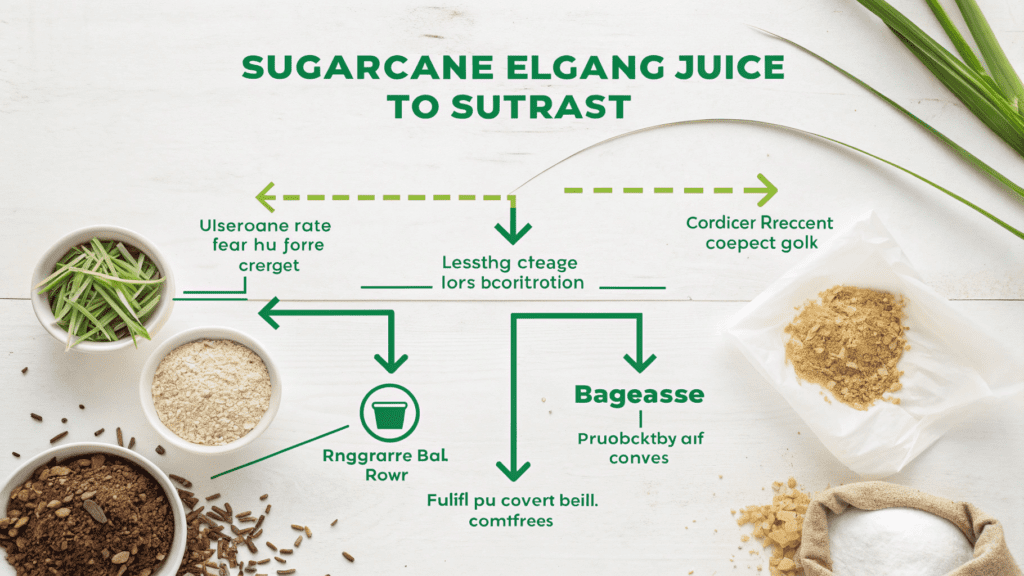
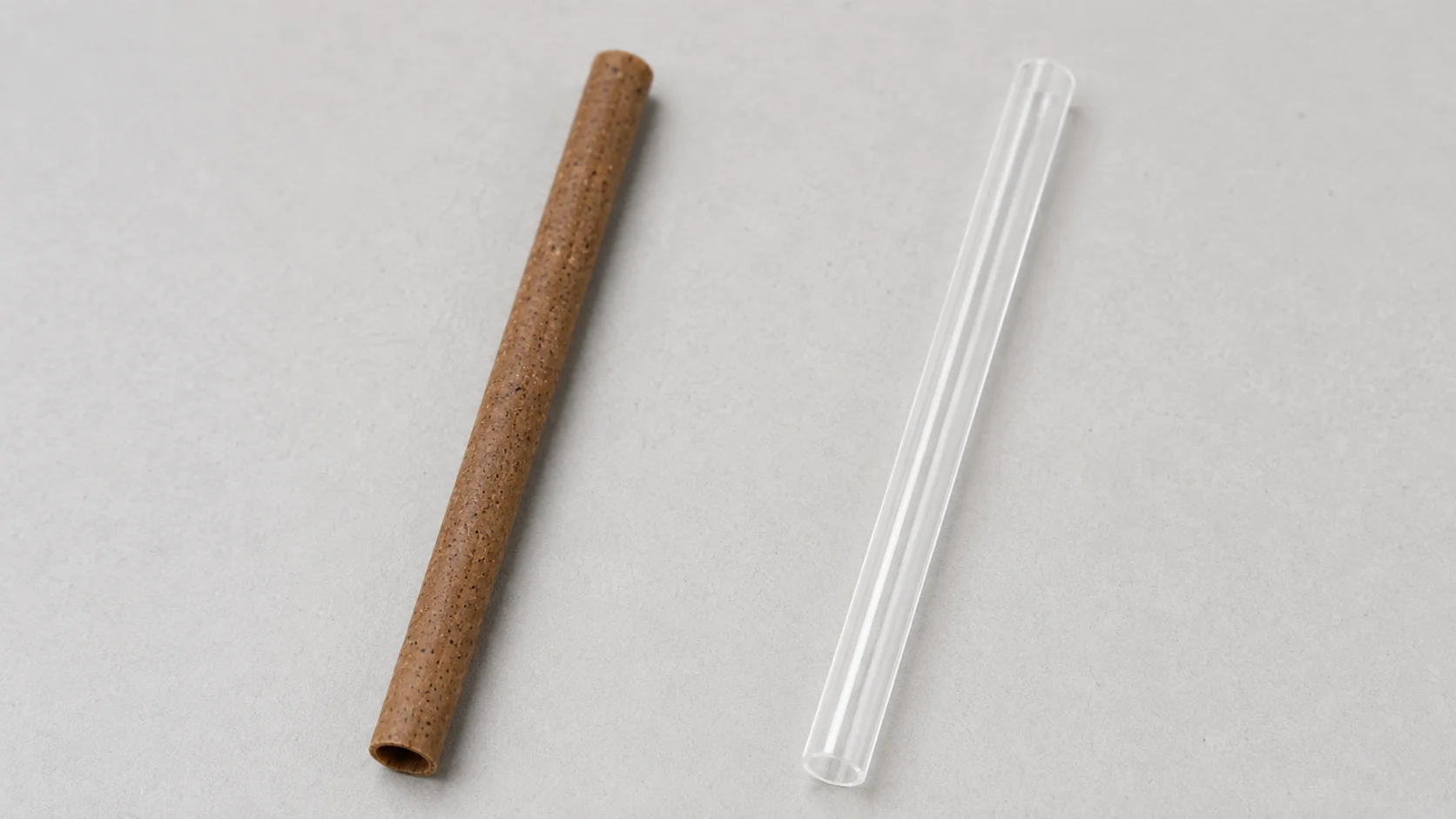
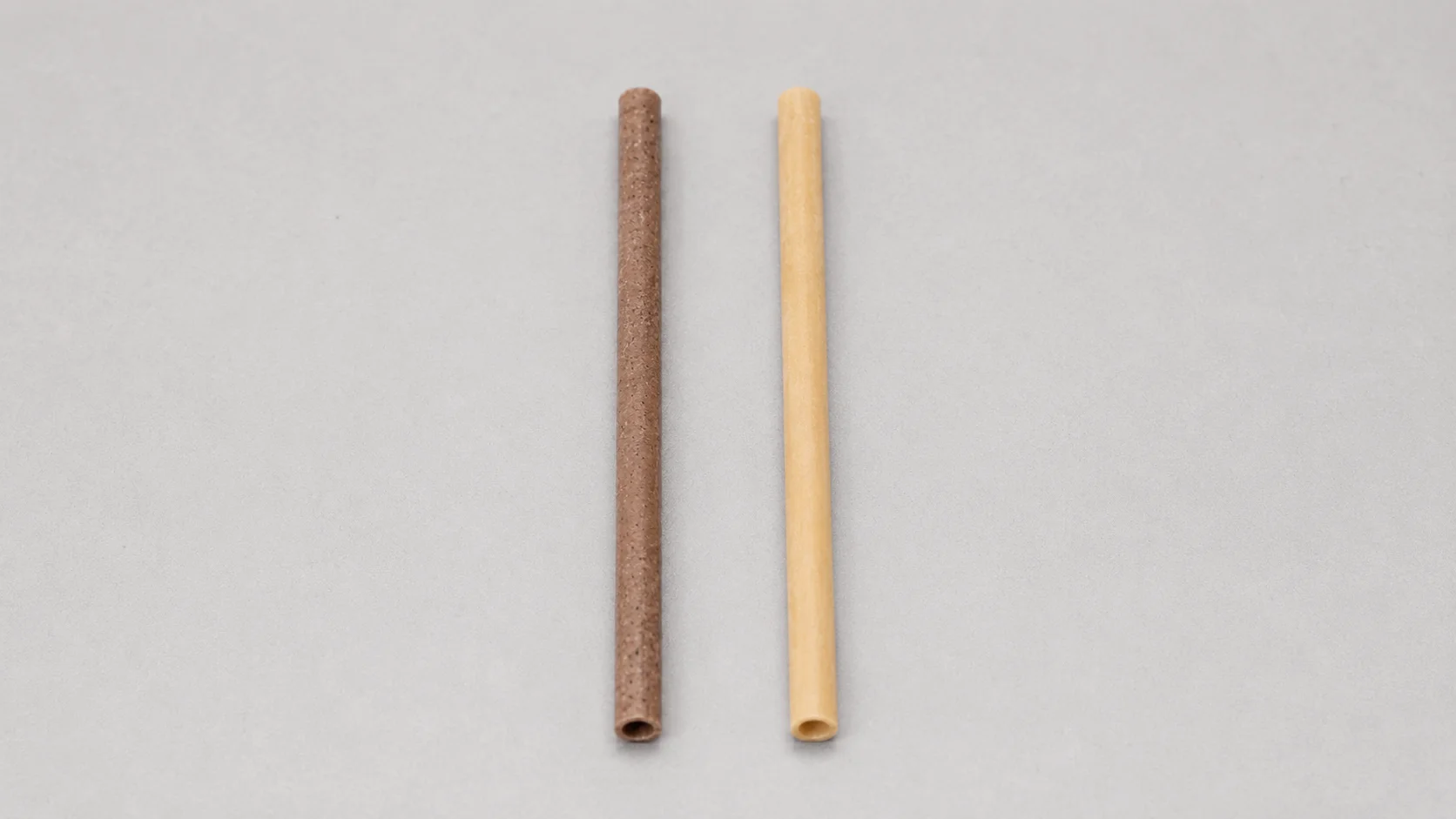
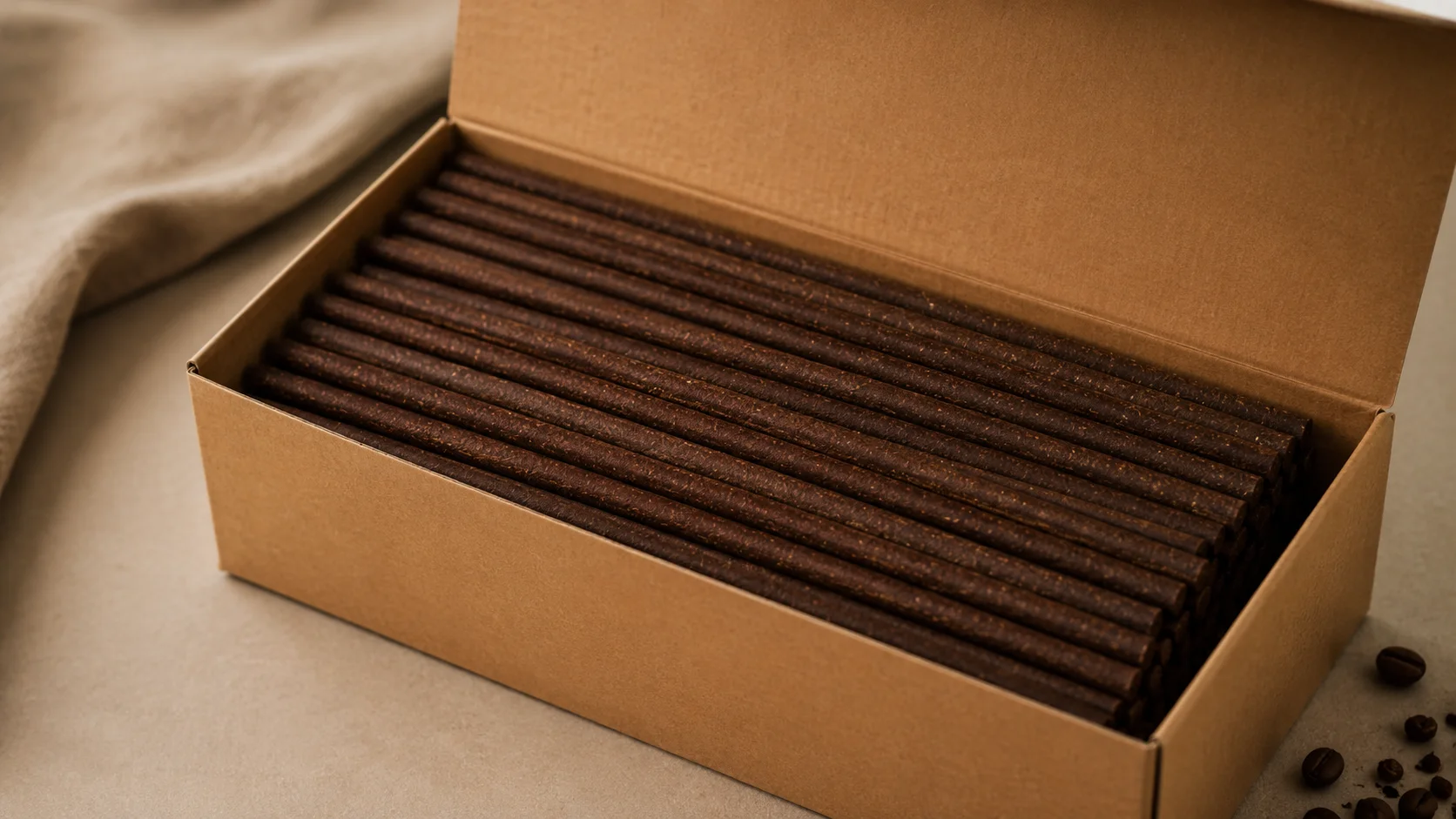
Pentru companiile de ospitalitate care caută o alternativă pragmatică, de mare volum, la paiele din plastic, paiele din trestie de zahăr apar ca o soluție convingătoare. Aceste paie inovatoare sunt fabricate din bagas, reziduurile fibroase rămase după ce tulpinile de trestie de zahăr sunt zdrobite pentru extragerea sucului. Această utilizare ingenioasă a unui produs secundar agricol transformă ceea ce altfel ar fi deșeuri industriale într-o resursă valoroasă, compostabilă, susținând principiile economiei circulare.
Hygienic Single-Use & Superior Performance:
Paiele din trestie de zahăr sunt concepute ca articole igienice de unică folosință, eliminând protocoalele de curățare intensivă în muncă și riscurile de contaminare încrucișată asociate cu alternativele reutilizabile. Spre deosebire de paiele de hârtie, care se îmbibate în mod notoriu în câteva minute, paiele din trestie de zahăr își mențin integritatea structurală ore în șir atât în băuturile fierbinți (rezistând la temperaturi de până la 90°C/194°F), cât și în băuturile reci, asigurând o experiență consistentă și plăcută de sorbire. Această performanță robustă este esențială pentru setările de ospitalitate aglomerate, unde satisfacția clienților depinde de fiabilitate.
Biodegradability & Low Environmental Impact:
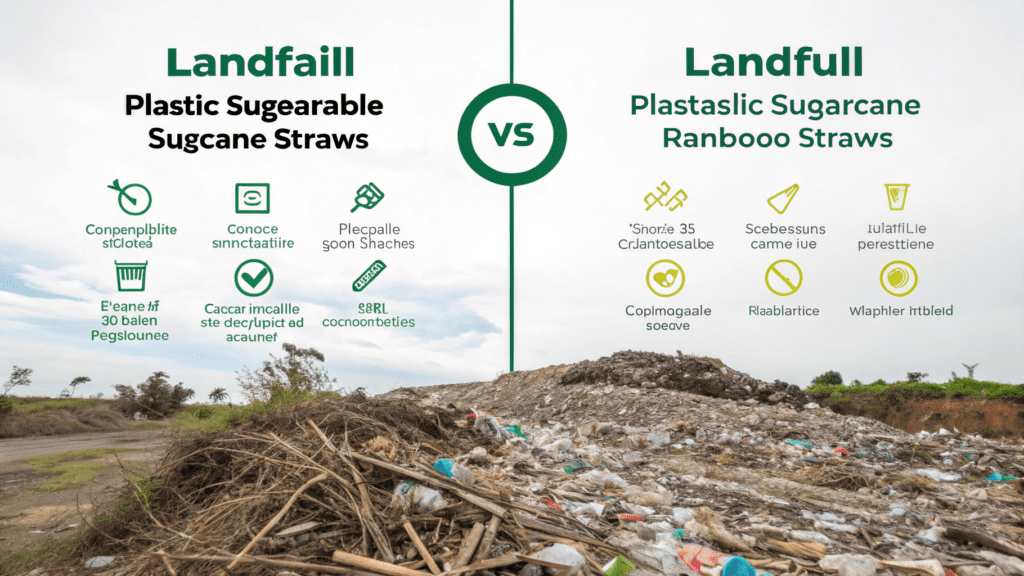
Ca soluție 100% pe bază de plante, paiele din trestie de zahăr sunt certificate compostabile. Ele sunt proiectate pentru a se descompune în mod natural, de obicei în 90-180 de zile în instalațiile comerciale de compostare și chiar în câteva săptămâni sau luni în sistemele de compost acasă, fără a lăsa în urmă reziduuri dăunătoare sau microplastice. Această descompunere rapidă reduce semnificativ sarcina depozitelor de gunoi și contribuie pozitiv la obiectivele de reducere a amprentei de carbon ale unei unități de ospitalitate. Procesul de producție în sine este remarcabil de eficient, necesitând mai puțină energie în comparație cu multe alte alternative de paie. Pentru o scufundare mai profundă în beneficiile ecologice ale produselor pe bază de trestie de zahăr, explorați articolul nostru despreSustainable Sugarcane Straws for B2B Hospitality.
Regulatory Compliance & Purity:
Compliance is paramount for B2B decision-makers. Sugarcane straws are rigorously tested and often carry certifications such as BPI Industrial, TUV OK Compost Home, and TUV OK Compost Industrial. Crucially, they are US FDA approved, PLA-free, BPA-free, and PFAS-free (per- and polyfluoroalkyl substances). This clean composition ensures full compliance with stringent regulations like the EU Single-Use Plastics Directive, providing businesses with peace of mind regarding market access and regulatory adherence.
Sugarcane straws offer a reliable, compostable, and compliant single-use solution for hospitality.
Bamboo Straws: The Reusable Eco-Chic Choice for Enhanced Brand Image
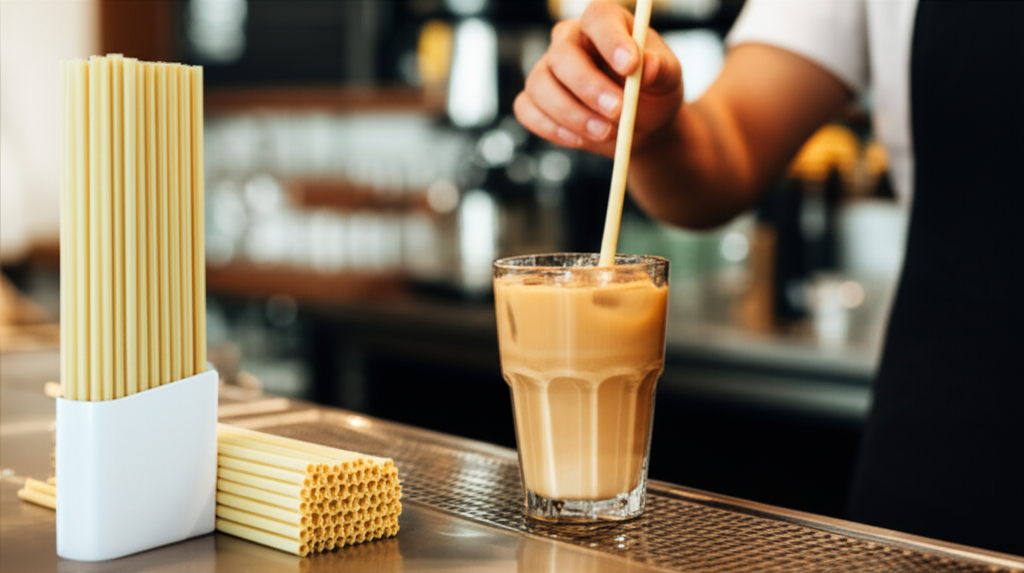
In contrast to the single-use convenience of sugarcane, bamboo straws offer a durable, reusable, and distinctly eco-chic option that can significantly enhance a hospitality brand’s image. Harvested from one of the fastest-growing plants on Earth, bamboo is an exceptionally renewable resource, absorbing more CO2 and releasing more O2 than most trees, contributing positively to air quality and carbon sequestration efforts.
Robust Reusability & Natural Aesthetic:
Paiele din bambus sunt în mod inerent durabile și concepute pentru utilizări multiple, făcându-le o investiție pe termen lung pentru unitățile care se angajează să minimizeze deșeurile. Farmecul lor natural și rustic adaugă o notă autentică, organică, care rezonează cu consumatorii eco-conștienți și ridică valoarea percepută a experienței de băut, în special în setările premium sau artizanale. Acest atractiv estetic poate servi ca un puternic diferențiator, întărind angajamentul unei mărci față de sustenabilitate.
Rezistență mecanică impresionantă:
Beyond their visual appeal, bamboo straws possess impressive mechanical integrity. Studies by researchers like Yu Luan and colleagues at the International Centre for Bamboo and Rattan (ICBR) have demonstrated that bamboo straws exhibit compressive strengths of 16.42–19.01 MPa and bending strengths of 14.21–15.02 MPa. These figures significantly outperform paper and even PLA straws, giving bamboo a rigid, robust feel comparable to traditional plastic. This inherent strength ensures a satisfying user experience, minimizing concerns about breakage or collapse.
Water Resistance & Purity:
Bamboo straws also excel in water resistance, absorbing significantly less water than paper straws and maintaining 4.36 times greater wet strength. This means they won’t degrade or soften, even in extended contact with liquids. Naturally free from harmful chemicals, bamboo straws offer a pure and safe sipping experience, avoiding the introduction of unwanted tastes or substances into beverages. While incredibly sustainable, there are important considerations when adopting reusable bamboo straws. To learn more about common pitfalls, consult our resource onBamboo Straw Disadvantages in Hospitality Foodservice.
Bamboo straws offer durable reusability and a natural aesthetic for enhanced brand image.
Direct Comparison: Bamboo vs. Sugarcane Straws for Hospitality Businesses
Choosing the optimal sustainable straw requires a nuanced understanding of each option’s B2B operational impact, compliance implications, and ROI potential. The table below offers a direct comparison to aid decision-makers.
| Caracteristică | Impact operațional B2B | Notă de conformitate | Potențial de rentabilitate a investiției |
|---|---|---|---|
| Material Sourcing | Sugarcane utilizes agricultural waste (bagasse), fostering a circular economy model. Bamboo is fast-growing but requires ethical, sustainably managed sourcing to avoid monoculture and overcropping. | Sugarcane aligns seamlessly with circular economy principles; EU Anti-Deforestation Regulation (EUDR) should be considered for global supply chains. Bamboo sourcing must be from certified sustainable forests to ensure environmental integrity. | Sugarcane: Reduced waste disposal costs (15-25% for large operations), lower material cost than virgin alternatives. Bamboo: Higher initial unit cost, but potential for long-term savings through reusability, reducing repurchase frequency and minimizing waste volume. |
| Durability/Use | Sugarcane: Single-use, consistently soggy-free for hours, ideal for high-volume, quick turnover. Bamboo: Multi-use (with diligent care), very stiff, offers a comparable texture to plastic; ideal for longer sips. | Both generally meet bans on single-use plastics. Sugarcane eliminates cross-contamination concerns, ideal for public health. Bamboo requires strict cleaning protocols and careful handling; HACCP considerations are critical for commercial settings due to porous nature. | Sugarcane: Optimizes efficiency for high-volume operations, reduces labor for cleaning, ensuring consistent hygiene. Bamboo: Reduces consumable waste, potentially fosters deeper customer loyalty from guests valuing reusability, but incurs labor for cleaning and potential for premature disposal if not maintained, impacting overall cost-effectiveness. |
| Biodegradabilitate | Sugarcane: Home and industrial compostable (90-180 days), contributing to landfill diversion. Bamboo: Biodegradable/compostable, but may require industrial composting if treated; concerns about PFAS in some brands. | Sugarcane certified BPI, TUV OK Compost Home/Industrial, EN 13432, ensuring full compliance with composting standards and freedom from “forever chemicals.” Bamboo typically USDA BioPreferred (99-100% biobased), but recent PFAS detection in some brands necessitates careful supplier vetting. | Sugarcane: Reduces landfill fees, enhances brand’s carbon footprint reduction narrative. Bamboo: Reduces landfill waste, aligns with carbon neutrality goals, but a single-use scenario for reusable bamboo has a higher Global Warming Potential (GWP) than plastic, emphasizing the importance of actual reuse. |
| Igienă | Sugarcane: Single-use, eliminating cleaning needs, inherent cross-contamination prevention. Bamboo: Reusable, demands thorough cleaning and drying to prevent mold/bacteria; porous nature complicates commercial sanitation. | Sugarcane: US FDA approved, ensuring food safety for immediate use. Bamboo: Possesses natural antibacterial properties, but proper care is paramount for maintaining food safety compliance in commercial food service environments. | Sugarcane: Low labor costs for cleaning, consistent hygiene standards, minimizing operational risks. Bamboo: High labor for cleaning, potential for premature disposal if hygiene protocols are not strictly followed, impacting cost-effectiveness and increasing operational complexity. |
| Aesthetics/Taste | Sugarcane: Neutral taste/odor, smooth, minimalist, uniform look. Broad appeal for diverse hospitality settings. Bamboo: Natural rustic look, may impart a subtle “woody” taste or discolor over time with dark liquids. | Both are generally taste-neutral for most applications, but sensory preferences can vary. | Sugarcane: Broad market appeal, consistent user experience, adaptable to various brand aesthetics. Bamboo: Niche appeal, enhances “eco-chic” brand identity, potential for custom logo engraving for premium establishments. |
Choosing the right straw impacts operations, compliance, and ROI for hospitality businesses.
Operationalizing Your Choice: Key Considerations for Hospitality
Implementing sustainable straw solutions effectively requires strategic foresight and meticulous planning across several operational pillars:
- Hygiene Protocols and HACCP Compliance: For reusable bamboo straws, stringent cleaning and sanitization protocols are non-negotiable. Businesses must ensure chosen straws meet critical food safety standards like HACCP (Hazard Analysis and Critical Control Points). While bamboo has natural antibacterial properties, its porous nature demands thorough drying to prevent mold growth, which can be a logistical challenge in high-volume commercial kitchens. Sugarcane straws, being single-use, inherently sidestep these complex hygiene challenges.
- Cost-Benefit Analysis Beyond Unit Price: While it’s true that some eco-friendly alternatives initially appear more expensive – paper straws, for instance, can be 400% more costly than plastic – a comprehensive cost-benefit analysis must extend beyond the unit price. Factor in the potential for reduced waste disposal fees (which can be 15-25% lower for large operations due to waste diversion), avoidance of non-compliance fines, and the significant uplift in brand image. The enhanced brand perception and increased customer loyalty from eco-conscious consumers translate into tangible ROI.
- Sourcing Transparency & Certifications: Partnering with verified suppliers is paramount. Demand clear, robust certifications such as BPI (Biodegradable Products Institute), EN 13432 (European standard for compostability), or USDA BioPreferred. For sugarcane, ensure it is PLA-free and PFAS-free. For bamboo, inquire about sustainable harvesting practices to avoid overcropping and confirm no PFAS contamination. Transparent sourcing helps mitigate risks associated with regulations like the EU Anti-Deforestation Regulation (EUDR), ensuring ethical and compliant supply chains.
- Staff Training and Customer Education: A successful transition requires comprehensive training for staff on proper handling, serving, and disposal methods for the new straws. Equally important is educating customers on the benefits of sustainable straws, managing their expectations regarding texture or reusability, and clearly communicating proper disposal instructions (e.g., dedicated composting bins). This engagement fosters a shared commitment to sustainability and enhances the overall customer experience. Consider showcasing your efforts by partnering with suppliers offering eco-friendly restaurant supplies like sugarcane and bamboo options, as highlighted in our article on Eco-Friendly Restaurant Supplies.
Effective sustainable straw implementation requires strategic planning and staff education.
Real-World Impact: A Shift in the Straw Landscape (Mini Case Study)
The transition to sustainable straws is not merely theoretical; it’s a demonstrable success for forward-thinking hospitality businesses. Australian company STRWD provides a compelling case study of this shift. Within its inaugural year, STRWD successfully replaced over 500,000 traditional paper straws with sugarcane alternatives across 60 sites. This substantial transition not only drastically reduced their waste footprint but also significantly improved customer satisfaction by eliminating the common complaint of soggy paper straws. STRWD’s experience underscores the operational feasibility and overwhelmingly positive reception of sugarcane straws in high-volume hospitality environments, proving that sustainable choices can deliver tangible improvements in both environmental impact and customer experience.
STRWD’s success proves sustainable straws enhance operations and customer satisfaction.
Future Outlook: The Evolving Sustainable Straws Market
The trajectory for sustainable straws is one of accelerated growth and continuous innovation, driven by both regulatory pressures and evolving market dynamics.
- Market Growth Projections: The global compostable straws market is projected to expand significantly, from USD 1.9 billion in 2025 to an impressive USD 3.8 billion by 2035, demonstrating a robust Compound Annual Growth Rate (CAGR) of 7.1%. This indicates a strong and sustained demand for eco-friendly alternatives.
- Dominance of Foodservice Segment: The foodservice segment, which includes restaurants, quick-service restaurants (QSRs), hotels, and cafes, is anticipated to solidify its position as the largest market driver, projected to hold a commanding 52.8% of the compostable straws market in 2025. This reflects the hospitality industry’s proactive shift towards sustainability.
- Innovation in Bio-Based Straws: Continuous research and development are focused on enhancing the performance attributes of bio-based straws to match or even surpass traditional plastics while maintaining full biodegradability. This includes advancements in material science to create straws that are more durable, heat-resistant, and aesthetically pleasing, addressing any lingering performance gaps. For instance, companies like Sulapac Ltd. have secured significant funding to scale up production of their bio-based and PLA-free compostable straw technologies.
- Regulatory Driving Forces: Stricter plastic straw bans and comprehensive environmental directives will continue to be primary catalysts for market demand. Beyond the EU SUPD, local regulations, such as New York City’s November 2021 restrictions on plastic straws (with fines ranging from $100 to $400 for violations), exemplify the growing legislative momentum pushing businesses towards compliant alternatives. This regulatory environment creates both a challenge and a significant market opportunity for businesses adopting sustainable solutions.
- Life Cycle Assessment Insights: As the market matures, Life Cycle Assessments (LCAs) will play an increasingly critical role. While some LCAs on reusable bamboo straws indicate a higher initial carbon footprint compared to plastic if used only once, their environmental impact per use significantly decreases with repeated use. This reinforces the need for consumer education and operational systems that truly support reusability. Conversely, sugarcane straws, utilizing agricultural waste, often present a lower overall environmental burden due to their production from byproducts and rapid decomposition. Both options demonstrably reduce the carbon footprint compared to plastic, which can be 10-15 kg CO2e per 1,000 straws, versus 2-4 kg CO2e for biodegradable alternatives.
The sustainable straw market is growing, driven by innovation and regulations.
Competitive Advantage & Business Case
For B2B decision-makers, the strategic pivot to sustainable straws offers a multi-faceted competitive advantage. Beyond mere compliance, this move directly impacts your bottom line and market standing:
- Quantifiable Cost Savings: While initial unit costs for sustainable straws might be marginally higher, the long-term savings are significant. Reduced waste disposal fees, often decreasing by 15-25% for large operations, directly impact overhead. Avoidance of substantial non-compliance fines from escalating local and international regulations like the EU SUPD safeguards financial stability.
- Atenuarea riscurilor: Proactive adoption of eco-friendly solutions mitigates regulatory risks, ensuring continuous market access and preventing costly operational disruptions. It future-proofs your business against tightening environmental mandates.
- Brand Value Uplift: Aligning with strong sustainability initiatives can boost your brand image scores by 15-20% among environmentally conscious consumers. This translates into increased customer satisfaction (up to 15% improvement in scores), stronger loyalty, and enhanced reputation within the industry. In a market where 70% of consumers value sustainability, this is a direct pathway to greater bookings and patronage.
- Market Share Opportunity: By demonstrating genuine environmental stewardship, your business differentiates itself in a crowded market. This positions you as a leader, attracting a growing segment of eco-aware consumers and potentially capturing market share from competitors lagging in sustainable practices. The global eco-friendly straw market is projected to reach USD 25.1 billion by 2035, a clear indication of the burgeoning demand awaiting innovative businesses.
Sustainable straws offer significant competitive advantages and financial benefits.
Conclusion: Elevate Your Brand with Thoughtful Sustainability
The choice between bamboo and sugarcane straws is a strategic decision that impacts operational efficiency, regulatory compliance, and, crucially, your brand’s perception in the competitive hospitality sector. Sugarcane offers a convenient, high-performance single-use solution derived from agricultural waste, ensuring consistent quality and full compostability. Bamboo provides a robust, reusable option that conveys an authentic, eco-chic aesthetic, ideal for establishments prioritizing reusability and a premium natural image.
By carefully evaluating your specific operational needs, target audience, and long-term sustainability goals, you can select the optimal sustainable straw solution. This proactive step isn’t just about reducing plastic waste; it’s about making a clear statement about your brand’s values, enhancing customer loyalty, and securing a competitive edge in an increasingly environmentally conscious market.
Transform your operations and elevate your environmental stewardship today; procure certified sustainable straws that align with your brand’s values and capture the loyalty of the eco-aware consumer.Contact Us for Sustainable Straw Solutions
întrebări frecvente
Why are hospitality businesses shifting away from plastic straws?
Hospitality businesses are moving away from plastic straws due to increasing environmental regulations (like the EU SUPD), consumer demand for sustainability, and the significant environmental impact of plastic waste, leading to compliance risks and missed opportunities for brand enhancement.
What are sugarcane straws made from and how do they benefit hospitality?
Sugarcane straws are made from bagasse, a byproduct of sugarcane processing. They offer hygienic single-use convenience, superior durability over paper, are 100% compostable, and ensure regulatory compliance, making them ideal for high-volume hospitality settings.
Are bamboo straws reusable, and what are their advantages for hospitality?
Yes, bamboo straws are durable and reusable, offering an eco-chic aesthetic and impressive mechanical strength. They are ideal for hospitality brands aiming to enhance their sustainable image and provide a premium, natural sipping experience.
How do hygiene protocols differ for sugarcane vs. bamboo straws in commercial settings?
Sugarcane straws are single-use, eliminating complex cleaning needs. Reusable bamboo straws require stringent cleaning, sanitization, and thorough drying to prevent mold and bacteria, necessitating robust HACCP-compliant protocols in commercial kitchens.
What are the long-term cost benefits of switching to sustainable straws for hospitality?
Beyond unit price, sustainable straws offer long-term savings through reduced waste disposal fees (15-25% lower), avoidance of non-compliance fines, and significant uplift in brand image and customer loyalty, translating to increased bookings and patronage.