Ghidul suprem B2B pentru paiele compostabile: trestie de zahăr, PHA și nu numai pentru un viitor durabil
I. Navigarea în noua eră a soluțiilor sustenabile Sip
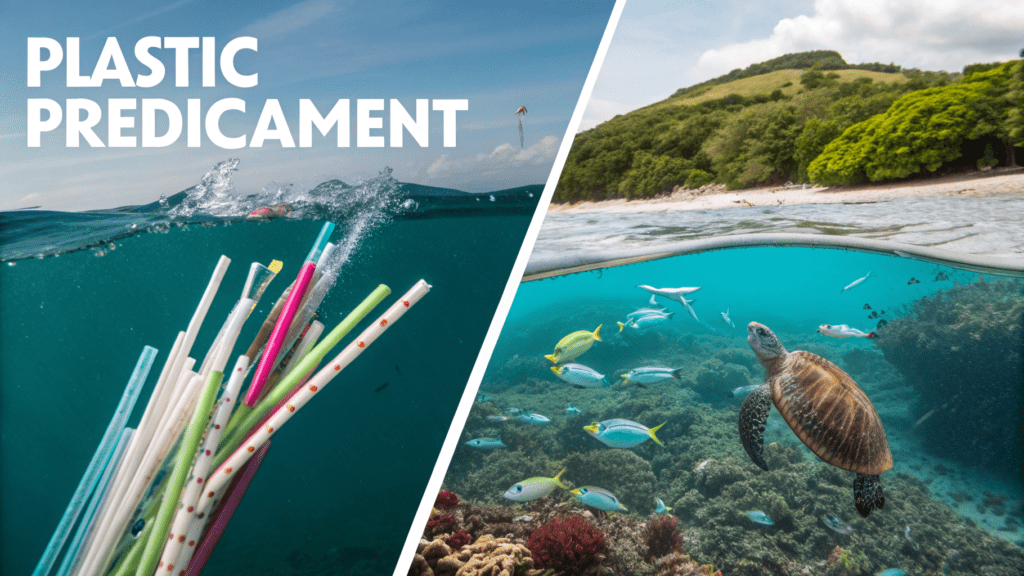
The situație de plastic este incontestabil: în fiecare an, miliarde de paie de plastic contribuie la escaladarea crizei de poluare, cu impact asupra oceanelor și ecosistemelor noastre. Dincolo de deteriorarea mediului, consumatorii sunt din ce în ce mai conștienți și îngrijorați, căutând în mod activ alternative durabile și întreprinderile care solicită să își asume responsabilitatea. Paiele tradiționale din plastic, cândva simboluri ale confortului, sunt acum pasive, iar ignorarea acestei schimbări nu mai este o opțiune viabilă.
Călătoria către sorbirea sustenabilă a evoluat semnificativ. Din stuful mesopotamien antic și „bombilele” metalice argentiniene din secolul al XVI-lea, ne-am mutat la brevetul lui Marvin Stone din 1888 pentru paiele de hârtie moderne și paiele flexibile ale lui Joseph Friedman în 1937. mijlocul secolului XX a văzut domnia paielor din plastic ieftine și durabile. Cu toate acestea, după anii 2000, creșterea conștientizării mediului a dus la interdicții și la o creștere a cererii de alternative durabile, făcând evoluția conștiinței de mediu și a presiunilor de reglementare un imperativ actual pentru afaceri.
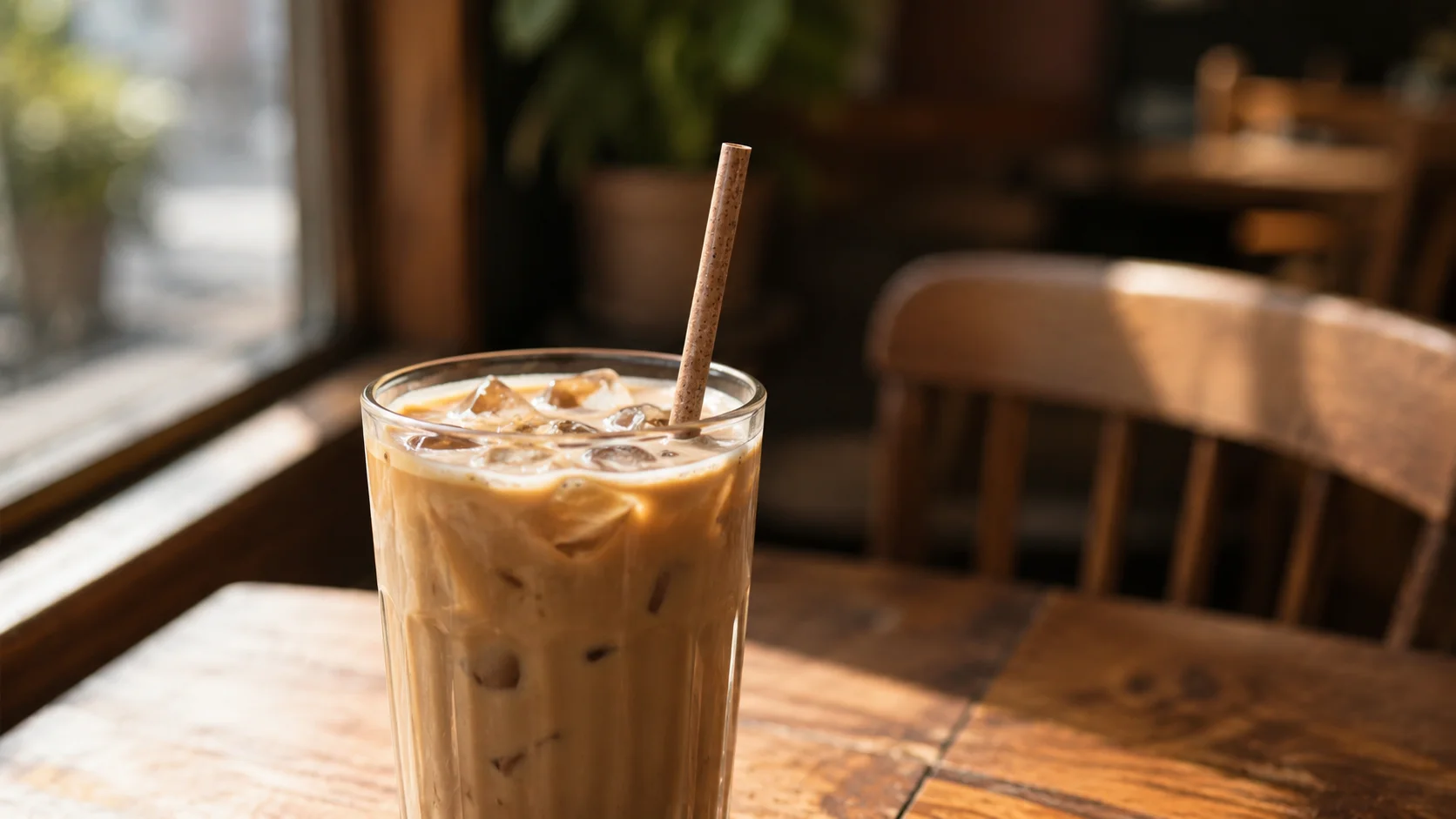
Paiele compostabile reprezintă un pas semnificativ către responsabilitatea ecologică, conceput pentru a se descompune în mod natural și a reduce impactul nociv al materialelor plastice de unică folosință. Printre Principalele materiale ecologice sunt trestia de zahăr și PHA (polihidroxialcanoați), ambele oferind beneficii unice pentru afaceri.
II. Desfacerea celor mai bune alegeri pentru afacerea dvs
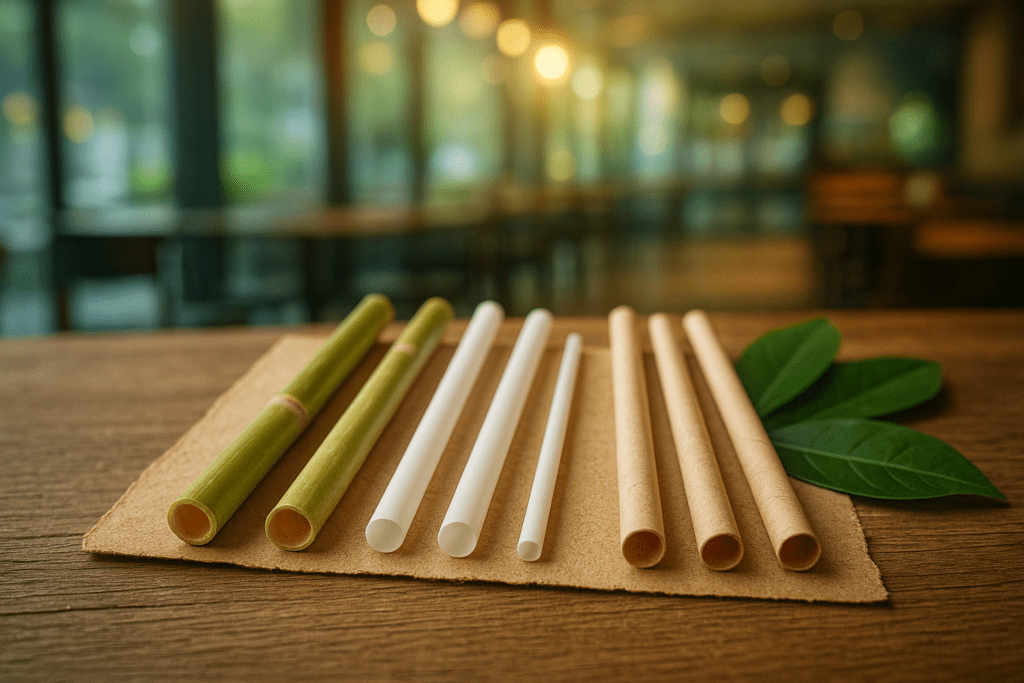
Când luăm în considerare paiele compostabile, trestia de zahăr și PHA se remarcă drept standarde de aur pentru soluțiile sustenabile B2B.
Paiele din trestie de zahăr: reutilizarea deșeurilor pentru o înghițitură mai bună
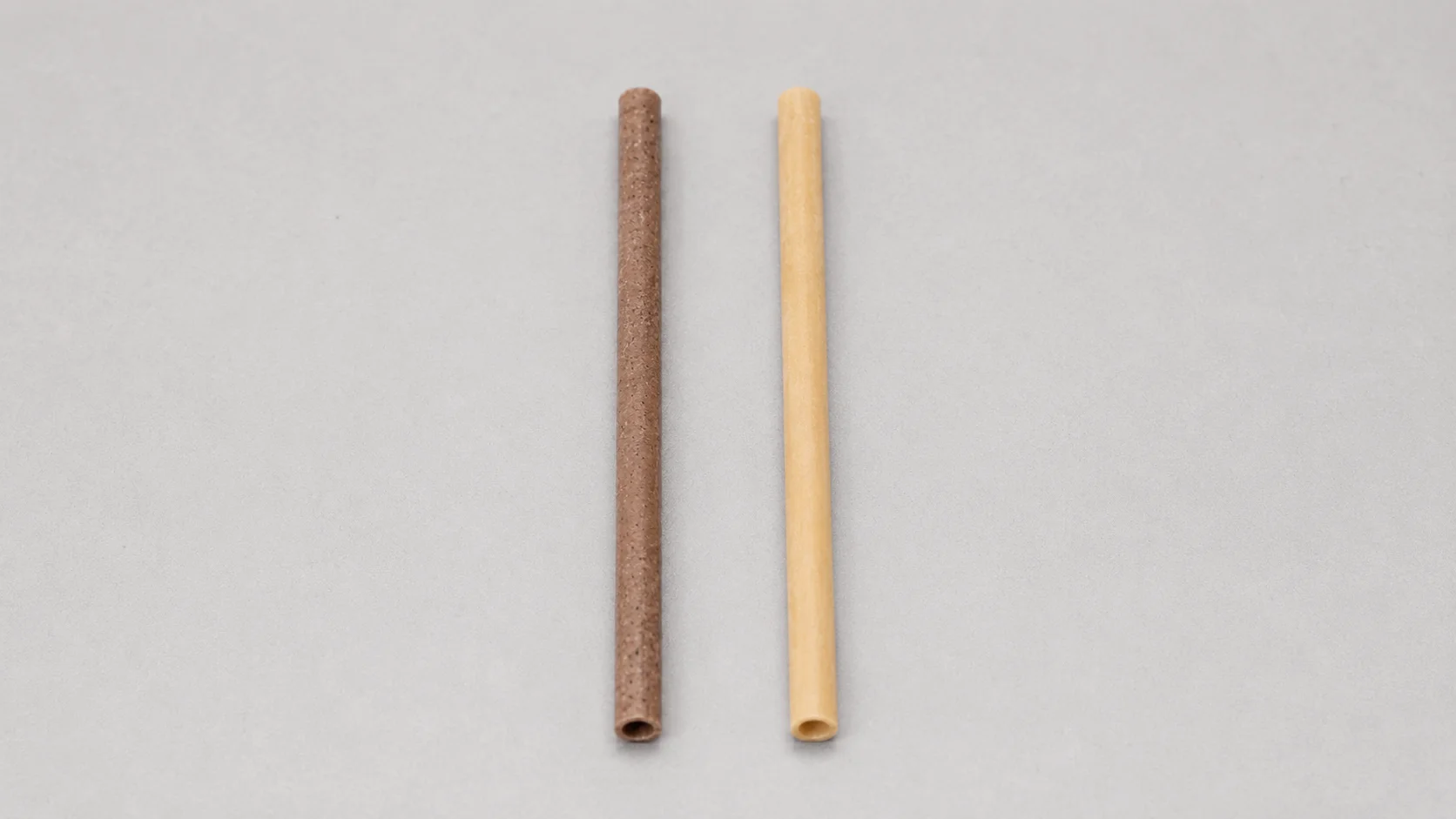
- Material: Fabricat din bagas, produs secundar fibros al extracției sucului de trestie de zahăr, reutilizand eficient deșeurile agricole. Unele versiuni sunt 100% fără PLA.
- Fabricarea: implică colectare, uscare, măcinare, peletizare, turnare/extrudare și finisare, adesea cu tratament termic pentru durabilitate.
- Beneficii:
- Utilizează deșeurile agricole, contribuind la a economie circulară.
- Compostabil acasă (de obicei 3-6 luni).
- Durabilitate excelentă, prevenind umezeala ore in sir si rezista la temperaturi de pana la 90°C (194°F).
- Gust neutru și non-toxic, fără BPA și PFAS.
Paiele PHA: soluția bioplastică asemănătoare plasticului
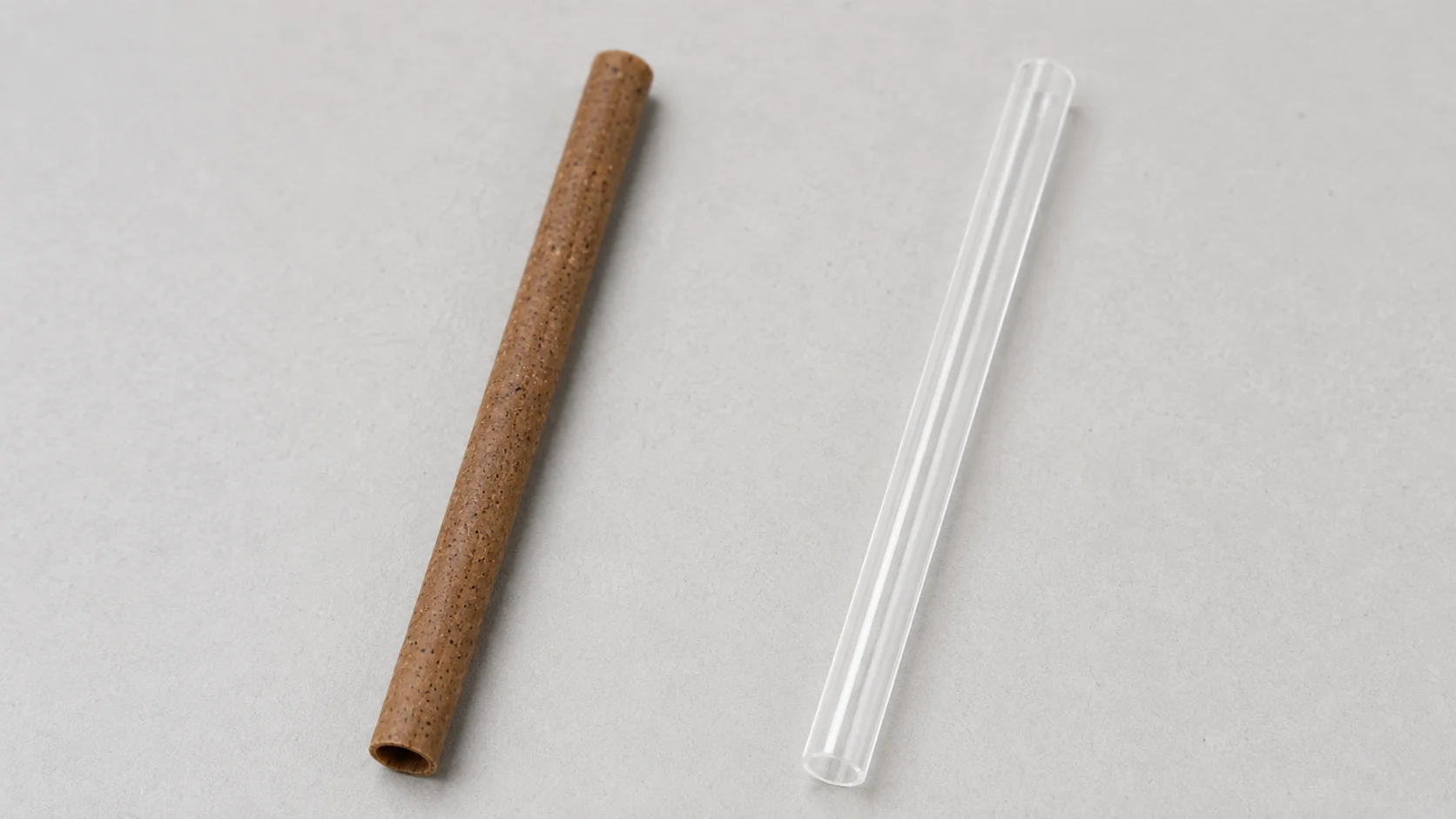
- Material: Compus din polimeri pe bază biologică produși de microorganismele care fermentează resursele regenerabile cum ar fi melasă de trestie de zahăr sau uleiuri pe bază de plante (de exemplu, ulei de canola). Ei sunt o polimer pe bază de bio care imită plasticul tradițional.
- Fabricarea: Involves microbial fermentation, extraction/purification, pelletization, and extrusion.
- Beneficii:
- Highly biodegradable in various environments, including soil, home compost, industrial compost, and marine environments.
- Offers comparable look, feel, and performance to traditional plastic.
- Superior temperature resistance (up to 100°C / 212°F).
- No microplastics and is FDA-approved and non-toxic.

Choosing Your Green Edge: A Comparison
| Caracteristică | Paiele din trestie de zahăr | PHA Paiele | Paie de hârtie |
|---|---|---|---|
| Material primar | Bagasse (sugarcane fiber) | Fermented plant sugars/oils | Wood pulp/paper |
| Compoziţie | 100% Plant-based, often PLA-free, PFAS-free | 100% Bio-based plastic, PFAS-free, BPA-free | Paper, potentially PFAS-coated |
| Durabilitate | Excellent (soggy-free for hours) | Excellent (like traditional plastic) | Prone to sogginess, can affect taste |
| Hot Beverage Tol. | Up to 90°C | Up to 100°C (superior) | Under 60°C (uncoated) |
| Compostabilitate | Home & Industrial (90-180 zile) | Acasă, Industrial, Sol, Marin | Variază (adesea industrial) |
| Gust/Miros | Neutru | Neutru (cum ar fi plasticul) | Poate conferi gust „de hârtie”. |
| Cost | Eficient din punct de vedere al costurilor (mai ales în vrac) | Cost inițial mai mare, dar în îmbunătățire | Poate fi de 10x plastic |
| Picior de mediu. | Scăzut, utilizează deșeuri agricole (circulare) | GES scăzut, redus față de plastic, fără microplastice | Mai mare (o anumită producție, preocupări PFAS) |
Market Momentum & Regulatory Landscape
Piața globală a paielor ecologice nu este doar o tendință; este un sector în expansiune rapidă, estimat la 12,3 miliarde USD în 2025 și se estimează că va ajunge la 25,1 miliarde USD până în 2035. Această creștere este alimentată de companii importante precum Starbucks și McDonald’s se angajează public să elimine treptat paiele de plastic.
Navigarea peisajului de reglementare necesită o atenție deosebită:
- Statele Unite: Caracteristici a mozaic de reglementări statale și locale, fără o singură interdicție federală. În timp ce un ordin executiv federal (în contextul din 2025) viza să defavorizeze hârtia și plasticul, state precum California, Maine și New York continuă să impună „paie la cerere” sau interdicții definitive. Unele orașe, cum ar fi San Francisco, au interzis chiar „plasticul compostabil” (PLA), dacă nu chiar nu este plastic, și Prezența PFAS în unele paie de hârtie rămâne o îngrijorare.
- Uniunea Europeană: Implementări a Directiva unificată și strictă privind materialele plastice de unică folosință (SUPD), care interzice paiele de plastic (în vigoare din iulie 2021), indiferent de etichetele „bio-surse” sau „biodegradabile”. Acestea includ materiale precum PLA și PHA, care sunt clasificate ca materiale plastice datorită procesului lor de fermentație industrială, în ciuda biodegradabilității lor. Subliniază și UE definiții stricte pentru „biodegradabil”, concentrându-se pe adevărata degradare a mediului dincolo de doar compostabilitatea industrială. Producătorii sunt, de asemenea, responsabili pentru gestionarea deșeurilor și costurile de curățare în conformitate cu Scheme EPR (Extended Producer Responsibility)..
III. Împuternicirea strategiei dvs. de aprovizionare durabilă
Trecerea la paiele durabile depășește simpla conformitate; generează o valoare semnificativă a afacerii:
- Îmbunătățiți reputația mărcii: Peste 70% dintre consumatori preferă mărcile durabile, sporindu-ți imaginea și stimulând loialitatea.
- Operațiuni pentru viitor: Respectarea proactivă a reglementărilor în evoluție ajută evita penalizările și asigură accesul pe piață.
- Îmbunătățiți experiența clienților: Paiele durabile, neutre din punct de vedere al gustului elimină plângerile comune asociate cu hârtia udă.
- Contribuie la o economie circulară: Utilizarea subproduselor agricole și a materialelor cu adevărat compostabile reduce deșeurile și amprenta de carbon.
Lista dvs. de verificare pentru evaluarea furnizorilor B2B:
Când selectați un furnizor pentru paiele din trestie de zahăr sau PHA, asigurați-vă că acoperiți aceste puncte critice:
- Product Quality & Consistency: Verificați compoziția materialului original și solicitați certificări precum Fără PLA, Fără PFAS, Fără BPA și aprobat de FDA. Efectuați propriile teste interne de durabilitate.
- Certifications & Compliance: Căutați certificări de renume, cum ar fi BPI, TÜV OK Compost INDUSTRIAL/HOME, DIN CERTCO, ASTM D6400/D6868, USDA BioPreferred și ABA Seed Mark.
- Manufacturing & Sustainability Practices: Solicitați informații despre practicile furnizorului de energie, apă și de gestionare a deșeurilor în producție și verificați aprovizionarea etică a materiilor prime.
- Supply Chain Reliability & Logistics: Evaluați termenele de livrare, cantitățile minime de comandă (MOQ), frecvența de livrare și eficiența ambalării.
- Cost & Value Proposition: comparați prețurile competitive și solicitați prețuri transparente. Luați în considerare costul total de proprietate (TCO), inclusiv potențialele economii de deșeuri.
- Customer Service & Support: Evaluați capacitatea de răspuns, întrebați despre gestionarea contului dedicat și înțelegeți politicile de returnare/rezolvare a problemelor.
- Reputation & References: Cercetați situația în industrie, premii, mărturii și solicitați referințe pentru clienți de la companii similare.
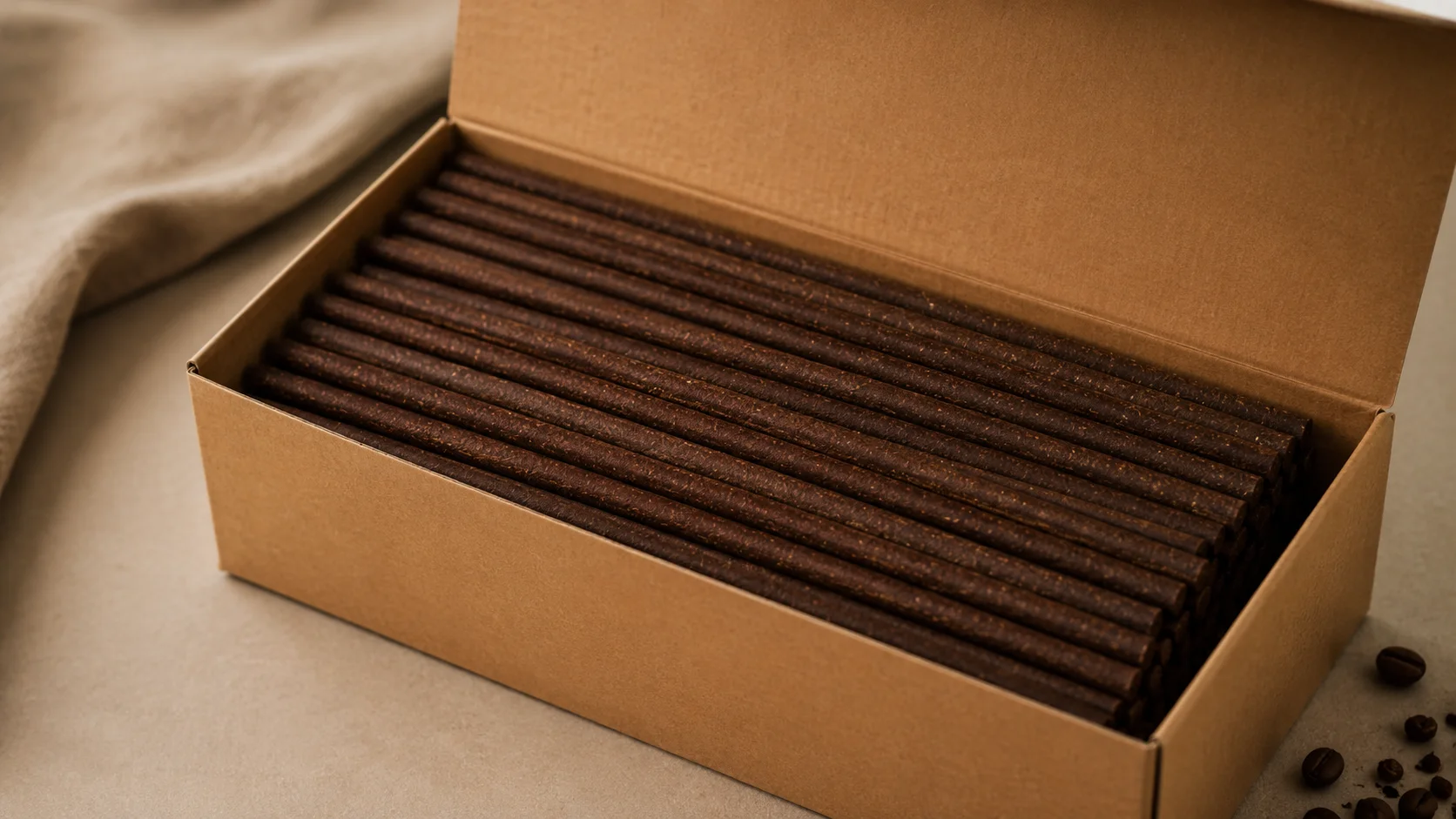
În lumina reflectoarelor: Paie din trestie de zahăr Momoio Fără PLA sunt evidențiate ca o alegere de top pentru B2B, fiind 100% natural pe bază de plante, biodegradabile, compostabile în grădină, fără substanțe chimice/toxine/plastic, fără umezeală până la 24 de ore și potrivite atât pentru băuturi calde (90°C), cât și pentru băuturi reci, toate la un preț accesibil.
IV. Future Outlook: Beyond 2025 – Continuous Innovation & Global Impact
Viitorul paielor compostabile este marcat de inovare continuă:
- Progrese în producția PHA: Așteptați-vă la inginerie genetică pentru tulpinile microbiene cu randament mai ridicat și la utilizarea de noi substraturi, cum ar fi deșeurile alimentare și cianobacteriile.
- Materiale noi pe bază de plante: Cercetările se extind pentru a include paie pe bază de alge marine, paie de orez, paie de cafea măcinate, paie de nucă de cocos și acetat de celuloză.
- Performanță îmbunătățită: Inovațiile vor aduce acoperiri îmbunătățite rezistente la apă și design pentru estetică și atractivitate pentru utilizator.
The Piața globală a paielor biodegradabile este proiectată pentru o creștere robustă, cu un CAGR de 23,2% până în 2031. Se așteaptă o creștere regională semnificativă în America de Nord (40%+ cotă de piață, 21,4% CAGR) și Europa (30%+ cotă de piață, 21,7% CAGR), determinată în mare măsură de reglementări și de cererea consumatorilor.
Acest lucru reflectă o mișcare mai largă de sustenabilitate în domeniul ospitalității, în care hotelurile se îndreaptă către neutralitatea carbonului, integrând AI pentru gestionarea resurselor, design durabil și inițiative de economie circulară (de exemplu, facilități reîncărcabile, valorificarea deșeurilor alimentare). Sustenabilitatea trece de la un „supliment de marketing” la un „strategie de evitare a costurilor”, conducând eficiența și rezistența.
Faceți următorul pas către un viitor mai ecologic.
Este timpul să evaluați utilizarea curentă a paielor și impactul asupra mediului. Alegând soluții compostabile de ultimă oră, cum ar fi trestia de zahăr și paiele PHA, nu doar respectați reglementările; câștigi o avantaj competitiv și demonstrând un angajament puternic pentru un viitor durabil.
Contactați Momoio astăzi să solicite mostre din paiele lor biodegradabile inovatoare și să primească o consultație personalizată. Alăturați-vă numărului din ce în ce mai mare de companii care conduc la conducerea ospitalității durabile.