Bulk Drinking Straws: Price-Lock & Rebate Strategies for Hospitality
Mastering Procurement for Sustainable Success in Foodservice & Hotels

1. Введение в интересную отраслевую проблему
Мировой рынок соломинок для питья, сектор, который в 2024 году оценивается примерно в 14,38 миллиарда долларов и, по прогнозам, к 2031 году вырастет до 23,19 миллиарда долларов, переживает беспрецедентную трансформацию. Предприятия, особенно в сфере гостеприимства и общественного питания, сталкиваются со сложной ситуацией, сложившейся в результате ужесточения экологических требований и резкого сдвига потребительских предпочтений в сторону устойчивых альтернатив. Правительства во всем мире, начиная сЕвропейский Союз (2019, Европейский парламент)в Китай, вводят строгие запреты на одноразовые пластиковые трубочки, создавая немедленные операционные проблемы и значительные риски для репутации бренда для любого предприятия, все еще полагающегося на традиционные пластиковые трубочки. Крупнейшие корпорации, такие какМарриотт Интернэшнл, уже взяли на себя обязательство отказаться от пластиковых трубочек в своей обширной сети, насчитывающей более 6500 отелей, создав явный прецедент. Этот срочный поворот отрасли в сочетании с непредсказуемыми материальными затратами на экологически чистые варианты привел к тому, что оптовые закупки соломы оказались в сфере крайней волатильности цен и неопределенности цепочки поставок, что напрямую влияет на конечные результаты и долгосрочное стратегическое планирование.
Для гостиничного бизнеса и общественного питания использование устаревших методов закупок соломинок в больших количествах означает упущенные возможности для экономии средств и улучшения бренда. Отрасль переживает критический момент, когда устойчивый выбор больше не является необязательным, а необходим для рыночной значимости и финансовой стабильности. Переход на экологически чистые соломинки – это не просто соблюдение требований; речь идет об обеспечении конкурентного преимущества и удовлетворении растущих потребностей потребителей. Предприятия должны активно управлять затратами и цепочками поставок, чтобы процветать в этой новой среде.
Ключевой вывод:Секторы гостеприимства и общественного питания сталкиваются со значительными рисками и возможностями на быстро меняющемся рынке соломы, обусловленном экологическими требованиями и потребительским спросом на устойчивое развитие.
Активные оптовые закупки соломы имеют решающее значение для гостиничного бизнеса, поскольку позволяют снизить риски и извлечь выгоду из тенденций устойчивого развития.

Эффективное управление цепочками поставок является ключом к устойчивому гостиничному бизнесу.
2. Market & Regulation Insights (EU, US, Asia-Pacific)
Чтобы ориентироваться на этом бурном рынке, предприятия должны выйти за рамки традиционных методов закупок и использовать передовые стратегии ценообразования. Контрактные соглашения о фиксировании цен, часто продлевающиеся на 12 месяцев, обеспечивают важнейшую защиту от непредвиденных рыночных колебаний стоимости сырья и затрат на производство соломинок для питья в больших количествах. Эти соглашения обеспечивают необходимую бюджетную определенность, защищая ваши затраты на закупки от инфляционного давления и рыночных потрясений. Кроме того, опытные покупатели могут максимизировать экономию за счет многоуровневой структуры скидок. Эти модели стимулируют более крупные ежегодные оптовые закупки, предлагая постепенно увеличивающиеся скидки — например, скидка 2% при ежегодных расходах от 5000 до 9999 долларов США, увеличивающаяся до 3% при покупках, превышающих 10 000 долларов США. Такие структуры не только со временем снижают эффективную стоимость единицы продукции, но также оптимизируют ежегодные оптовые заказы и поощряют лояльность. Наконец, первостепенное значение имеет понимание того, как использовать как спотовые, так и форвардные котировки. Спотовые котировки отражают текущую рыночную цену для немедленной поставки и идеально подходят для срочных потребностей. И наоборот, форвардные котировки позволяют вам согласовать цену сегодня для будущих поставок, обеспечивая упреждающее управление затратами и хеджирование от потенциальной волатильности цен, что особенно ценно для долгосрочных потребностей в больших объемах. Такой стратегический подход к ценообразованию помогает стабилизировать финансовое планирование и обеспечивает предсказуемость процесса закупок.
Нормативно-правовая база в отношении одноразовых пластиков, в том числе соломинок, быстро развивается во всем мире. В то время какЕвросоюзс 2021 года ввел полный запрет на многие одноразовые пластиковые предметы.Соединенные Штатыимеет лоскутное одеяло из государственных и местных запретов без федерального мандата. ВАзиатско-Тихоокеанский регионТакие страны, как Китай и Индия, также постепенно отказываются от одноразового пластика с разными сроками и соблюдением требований. Подробное руководство по глобальным запретам на пластик и их влиянию на цепочки поставок можно найти на нашем сайте.Комплексное руководство по глобальным правилам использования пластика.
Сравнение моделей оптовой закупки соломинки
| Функция/модель | Механика ценового замка | Скидки по уровням | Спотовые котировки | Форвардные котировки |
|---|---|---|---|---|
| Описание | Фиксированная цена на товары в течение установленного периода (например, 12 месяцев) | Скидки в зависимости от совокупного объема покупок | Current market price for immediate delivery | Price agreed today for future delivery |
| Primary Benefit | Budget certainty, protection from price increases | Incentivizes larger orders, higher savings per unit | Instant pricing, immediate fulfillment | Hedging against future price volatility |
| Снижение рисков | Market volatility, supply chain cost fluctuations | Optimizes purchasing power, rewards loyalty | Real-time market reflection | Locks in costs, avoids future spikes |
| Operational Impact | Predictable procurement costs, stable financial planning | Reduced overall spend, simplified budgeting for large volumes | Fast acquisition, reactive purchasing | Proactive cost control, long-term planning |
| Идеальный вариант использования | Annual bulk contracts, consistent high-volume needs | High-volume buyers aiming to maximize discounts | Urgent, unplanned straw requirements | Securing prices for future projects or sustained demand |
Ключевой вывод:Strategic pricing models like price-locks, tier rebates, and spot/forward quotes are essential for managing cost volatility in the bulk straw market.
Advanced pricing strategies offer hospitality businesses predictable costs and significant savings on bulk straws.
Global supply chains are complex, requiring strategic navigation.
3. Решение: соломка сахарного тростника.
Strategic sourcing in the bulk drinking straw market demands a meticulous evaluation of material choices and procurement models to align with both operational efficiency and sustainability goals. The material you choose profoundly impacts performance, environmental footprint, and cost. Whileplastic (Polypropylene/Polystyrene)offers the lowest upfront cost (around $0.005-$0.01/piece), its environmental burden is immense – with an estimated8.3 billion plastic straws contaminating beaches annually (2018, UNEP)and rarely being recycled. Its increasing regulatory non-compliance risk is a significant concern, particularly in Europe where bans are widespread.Бумажные трубочки, распространенная экологически чистая альтернатива, биоразлагаемы и легко адаптируются, но стоят дороже (в 2–10 раз дороже пластика, ~ 0,005–0,05 доллара США за штуку). Они склонны к намоканию, и существуют опасения по поводу покрытий PFAS и более высоких затрат энергии и выбросов (4,1 г CO2 на соломинку против 1,5 г для пластика).
Для тех, кто ищет более надежные биоразлагаемые решения,растительные вариантытакие как PLA, PHA, сахарный тростник, агава и пшеница/тростник, обеспечивают долговечность. Соломинки из PLA, стоимость которых составляет около 0,01 доллара за штуку, являются биоразлагаемыми, но часто требуют промышленного компостирования (только около 15% предприятий их принимают), что ограничивает их истинную экологическую пользу. Пшеничная и тростниковая солома, полученная из побочных продуктов сельского хозяйства, полностью компостируется и соответствует инициативам по безотходному производству. Наконец,reusable optionssuch as stainless steel, bamboo, glass, and silicone represent the highest initial investment but offer significant long-term savings and zero-waste potential. Their durability varies, with metal conducting heat and silicone not being biodegradable.
Sugarcane Straws: The Sustainable Choice for Hospitality
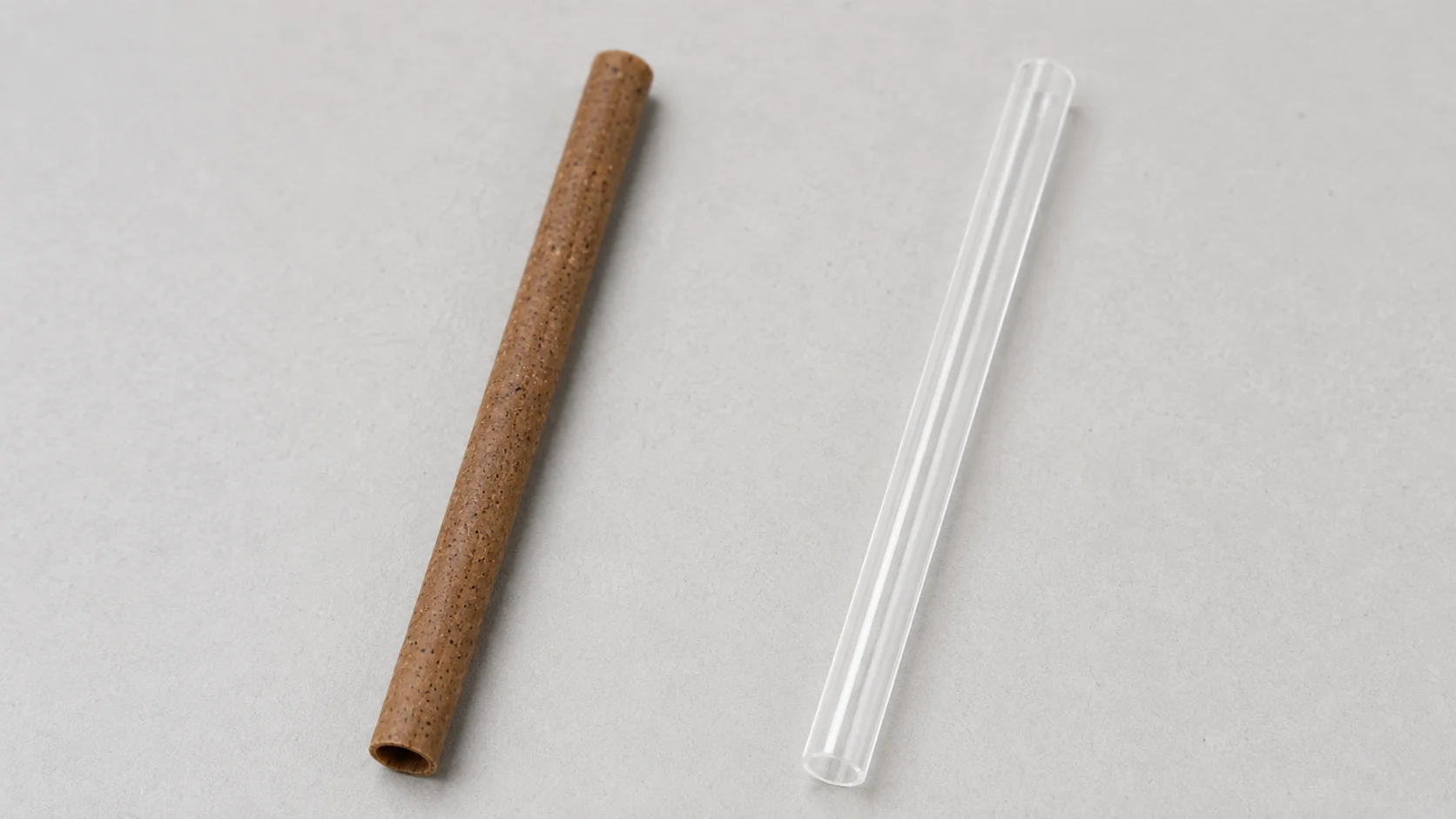
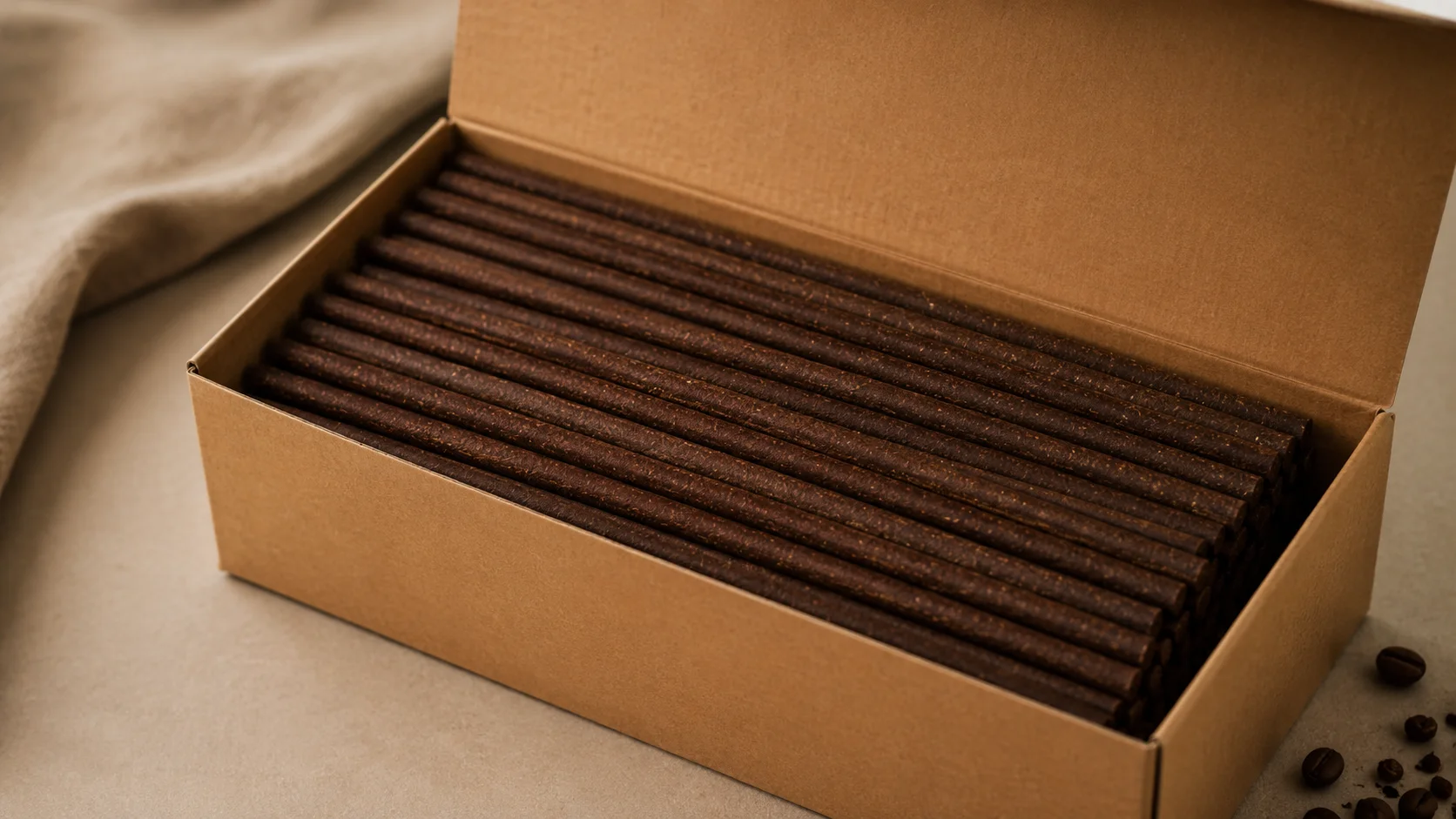
Sugarcane straws are durable, compostable drinking straws made from bagasse, a byproduct of sugar production, offering a superior eco-friendly alternative.
For hospitality and foodservice, sugarcane straws offer compelling benefits:
- Улучшенный клиентский опыт: Unlike paper, sugarcane straws maintain integrity for over 3 hours in liquid, preventing sogginess complaints common in cafes and bars.
- Significant Waste Reduction: Being 100% compostable, they divert waste from landfills, reducing a typical hotel’s straw waste by up to 95% annually.
- Strong Brand Alignment: Adopting sugarcane straws visibly demonstrates a commitment to sustainability, boosting brand reputation and attracting eco-conscious guests, potentially increasing bookings by 5-10%.
- Regulatory Compliance & Future-Proofing: Proactively meets current and anticipated single-use plastic bans, avoiding fines and ensuring uninterrupted operations.
- Cost-Effectiveness in Bulk: While slightly higher upfront than plastic, bulk sugarcane straw procurement, especially with price-lock agreements, offers long-term cost stability and avoids future plastic-related penalties.
ROI Table: Sugarcane Straws for a Mid-Sized Hotel Chain (500 rooms)
| Переменная | Пластиковые трубочки (ежегодно) | Соломка сахарного тростника (ежегодно) | Benefit/Impact |
|---|---|---|---|
| Стоимость единицы (за соломинку) | 0,008 доллара США | $0.025 (with bulk price-lock) | Higher initial cost, but stable. |
| Annual Volume (est.) | 1,000,000 straws | 1,000,000 straws | Consistent usage. |
| Annual Straw Cost | $8,000 | $25,000 | Direct procurement cost. |
| Waste Disposal Cost (est.) | 500 долларов (свалка) | 50 долларов США (компост) | Reduced landfill fees. |
| Brand Value Increase (est.) | Н/Д | $5,000 – $10,000 (via increased eco-tourism bookings) | Attracts eco-conscious guests. |
| Regulatory Fines Avoided (est.) | Potential $1,000 – $5,000 | $0 | Compliance peace of mind. |
| Customer Satisfaction (Sogginess) | Low (frequent complaints) | High (durable) | Improved guest experience. |
| Чистый годовой эффект | -$8,500 to -$13,500 | -$15,000 to -$20,000 (initial outlay) + $5,000-$10,000 (brand value) + $450 (waste savings) + $1,000-$5,000 (fines avoided) =Net positive long-term ROI | Long-term savings and brand benefits outweigh initial cost. |
Ключевой вывод:Sugarcane straws offer hospitality businesses a durable, compostable, and brand-enhancing solution with a strong long-term ROI.
Sugarcane straws provide a sustainable, cost-effective, and brand-boosting solution for hospitality procurement.
Sugarcane straws: a natural, sustainable choice for the future.
4. Industry Misconceptions & Clarifications
Despite the clear advantages, several misconceptions persist regarding sustainable bulk straw procurement, particularly within the hospitality and foodservice sectors:
Myth 1: “All eco-friendly straws are too expensive for bulk B2B procurement.”
Уточнение:While initial unit costs for sustainable straws like sugarcane or paper can be higher than plastic, this overlooks the long-term financial benefits. With strategic bulk purchasing, including price-lock agreements and tiered rebates, the effective cost per unit significantly decreases. Furthermore, avoiding potential regulatory fines for plastic use and gaining positive brand perception (which can lead to increased customer loyalty and revenue) often results in a net positive ROI. For example, a large hotel chain could save an estimated $15,000 annually in avoided fines and increased eco-tourism bookings by switching to certified compostable straws.
Myth 2: “Paper straws are the only viable eco-friendly option, despite their sogginess.”
Уточнение:Paper straws are indeed common, but they are not the only, nor always the best, eco-friendly choice. Plant-based alternatives like sugarcane, PHA, or even reusable options (stainless steel, bamboo) offer superior durability and user experience. Sugarcane straws, for instance, are known to last significantly longer in beverages without degrading, addressing the primary complaint associated with paper straws in a busy restaurant or bar setting. This durability translates to fewer customer complaints and a better brand image.
Myth 3: “Switching to sustainable straws will disrupt my existing supply chain too much.”
Уточнение:Reputable bulk straw suppliers, such asLollicup USAилиYesStraws, specialize in B2B transitions. They offer comprehensive support, including inventory management, flexible delivery schedules, and guidance on optimal MOQs. Many also provide forward-quote options, allowing businesses to secure prices and quantities well in advance, ensuring a seamless transition without supply interruptions. The key is to partner with a supplier experienced in sustainable solutions for the hospitality sector.
Ключевой вывод:Common misconceptions about sustainable straws’ cost, performance, and supply chain integration are often debunked by strategic procurement and advanced material options.
Sustainable straw procurement is more cost-effective and less disruptive than commonly believed, especially with strategic planning.
5. B2B Customization & Supply Chain Optimization
Building a resilient supply chain for sustainable bulk straws involves strategic choices beyond mere price. Partnering with reputable manufacturers and distributors likeLollicup USA,YesStraws, orTembo Paper, who offer advanced pricing models and transparent certifications (e.g.,ФСКfor paper,АСТМ Д6400for compostability), is crucial. In the US and Europe, where regulatory landscapes are rapidly evolving, ensuring your chosen straws are HACCP-compliant, PFAS-free, and food-grade is not just about compliance but also about safeguarding consumer health and your brand reputation. Assess durability rigorously; for instance, good quality paper straws should not deform after three hours in liquid. Consider Minimum Order Quantities (MOQs) to balance cost savings with storage capacity, and evaluate supplier shipping efficiencies to reduce freight costs and your carbon footprint. Finally, plan for the end-of-life pathways of your chosen materials, actively supporting proper composting or disposal. By embracing the shift to eco-friendly bulk straws, you not only meet regulatory demands but also enhance your brand’s value, resonating powerfully with the growing segment of eco-conscious consumers.
Scenario-Specific Tips for Hospitality & Foodservice:
- Hotels & Resorts: Opt for sugarcane or reusable straws for in-room dining and high-end bars. Leverage tiered rebates for large annual orders across multiple properties. Consider custom branding (e.g., hotel logo) on straw wrappers to reinforce sustainability messaging.
- Restaurants & Cafes: Balance cost and performance. Sugarcane straws offer durability for dine-in, while paper might suffice for quick-service takeout. Utilize spot quotes for unexpected demand spikes and forward quotes for seasonal menu changes.
- Catering & Events: Prioritize compostable options like sugarcane or PHA for easy post-event cleanup. Negotiate MOQs that align with event sizes to minimize waste and storage. Ensure suppliers can handle flexible delivery schedules for various event locations.
- Airlines & Cruise Lines: Focus on lightweight, durable, and compact solutions. Sugarcane straws are ideal due to their stability in various temperatures and reduced storage footprint. Implement price-lock contracts for consistent global supply and cost control.
Ключевой вывод:Optimizing bulk straw supply chains requires strategic supplier partnerships, material certification checks, and scenario-specific MOQ and logistics planning.
Tailored supply chain strategies for bulk straws enhance efficiency and sustainability across diverse hospitality operations.
Secure Your Sustainable Future Today
The dynamic bulk drinking straw market demands a proactive, strategic approach to procurement. By leveraging advanced pricing mechanisms like price-locks, tier rebates, and spot/forward quotes, and by meticulously evaluating sustainable material options, B2B decision-makers can transform procurement from a necessary cost center into a significant competitive advantage. This strategic shift not only secures predictable costs but also enhances your brand’s sustainability profile, allowing you to capitalize on the rapidly expanding eco-friendly market segment, projected to reach $25.1 billion by 2035.
Don’t let market volatility dictate your costs or compromise your sustainability goals. Take control of your bulk straw procurement today. Learn more about global plastic bans and their impact on supply chains. Explore how a strategic approach to sourcing can boost your brand’s eco-credentials. For a deeper dive into sustainable business practices and supply chain optimization, consider resources from leading industry associations.
Secure predictable costs, enhance your brand’s sustainability profile, and capitalize on the growing eco-friendly market segment. Schedule a strategic procurement consultation with our experts to develop a customized bulk straw sourcing plan that guarantees price stability and maximizes your savings.Schedule Your Consultation Now
Часто задаваемые вопросы (FAQ)
What is a price-lock mechanism for bulk straw procurement?▼
A price-lock mechanism is a contractual agreement that fixes the price of bulk drinking straws for a set period, typically 12 months, protecting buyers from market fluctuations and ensuring budget certainty.
How do tiered rebates benefit hospitality businesses buying bulk straws?▼
Tiered rebates incentivize larger annual purchases by offering progressively higher discounts, reducing the effective per-unit cost and maximizing savings for high-volume hospitality buyers.
What’s the difference between spot and forward quotes for bulk straws?▼
Spot quotes reflect current market prices for immediate delivery, ideal for urgent needs. Forward quotes lock in a price today for future delivery, enabling proactive cost management and hedging against volatility.
Are sugarcane straws truly sustainable for high-volume foodservice operations?▼
Yes, sugarcane straws are highly sustainable. They are made from bagasse, a byproduct of sugar production, making them compostable, durable, and a superior eco-friendly alternative to plastic or even some paper straws for high-volume use.
How can I ensure my bulk straw supplier meets regulatory compliance?▼
Ensure your supplier provides transparent certifications like HACCP-compliance, PFAS-free declarations, and ASTM D6400 for compostability. Verify their adherence to regional regulations like EU single-use plastic bans.