Можете ли вы жевать или глотать клетчатку сахарного тростника?
Can you chew or swallow sugarcane fiber? This seemingly simple question holds a complex answer, revealing the remarkable dual nature of sugarcane fiber – from an ancient treat to a modern marvel of sustainability.
Beyond the Sweetness – Unveiling Sugarcane Fiber’s Surprising Role
Можете ли вы жевать или глотать клетчатку сахарного тростника? Этот, казалось бы, простой вопрос содержит в себе сложный ответ, раскрывающий удивительную двойственную природу волокна сахарного тростника – от древнего лакомства до современного чуда устойчивости. На протяжении поколений люди во всем мире наслаждались сахарным тростником из-за его сладкого, освежающего сока, естественного удовольствия, получаемого от простого и непосредственного жевания. Тем не менее, остающиеся волокнистые остатки, известные как жом, представляют собой уникальную проблему для нашей пищеварительной системы при употреблении в сыром виде.
Paradoxically, this very fiber is at the forefront of the eco-friendly revolution, transforming industries and redefining sustainable practices. Businesses, increasingly under pressure from consumers and regulators to adopt greener solutions, are discovering the profound industrial potential of sugarcane bagasse. It is being repurposed, re-engineered, and reimagined into a valuable, eco-conscious resource that drives genuine sustainability.
In the following sections, we’ll discover why raw sugarcane fiber is best spit out after its sugary essence is enjoyed, and how, in its meticulously processed form, it becomes an indispensable, eco-conscious solution for businesses seeking true environmental leadership and high-performance, compliant packaging. This dual narrative of indigestible raw material versus industrial opportunity highlights the innovative path toward a more sustainable future.
The Indigestible Truth vs. The Industrial Opportunity
Understanding sugarcane fiber requires looking at its two distinct forms: the raw, unprocessed plant material and the industrially transformed derivative. For businesses aiming for sustainability, this distinction is critical for both consumer communication and product development.
The Raw Reality: Why Chewing is Different from Swallowing
The practice of enjoying fresh sugarcane is a vibrant cultural tradition in many parts of the world. It’s a simple pleasure that involves the direct interaction with the raw plant, but it comes with a crucial, biological caveat.
Chewing for Juice: A Cultural Delight with Clear Boundaries
Когда люди жуют сахарный тростник, они в первую очередь участвуют в процессе, похожем на жевание жвачки. Цель состоит в том, чтобы извлечь сладкий, сочный сок, заключенный в жестких волокнистых стеблях. Это включает в себя первоначальную подготовку: тщательное мытье тростника, отрезание примерно по дюйму с каждого конца, чтобы удалить засохшие или менее вкусные части, а затем очистку внешней коры. После очистки и разделения на удобные кусочки (обычно около 6 дюймов) внутреннюю волокнистую мякоть пережевывают. Когда зубы разрушают клеточную структуру растения, выделяется сладкий сок, которым можно наслаждаться. Помимо восхитительного вкуса, эта традиционная жевательная резинка может даже принести такие преимущества, как естественная чистка зубов благодаря абразивному действию волокна.
The Indigestible Barrier: Why Humans Can’t Process Raw Fiber
Despite its sweetness, the fibrous material that remains after extracting the juice – known as bagasse – is fundamentally indigestible for humans. The reason lies in our biology. Sugarcane fiber is primarily composed of tough plant cell wall components: cellulose, hemicellulose, and lignin. Unlike ruminant animals, humans lack the specific enzymes (like cellulase) required to break down these complex polysaccharides into absorbable sugars. Even if the cell walls are thoroughly broken down by vigorous chewing, the inherent chemical structure of these fibers remains resistant to human digestive enzymes. It’s similar to trying to digest wood pulp; while you can chew it, your body simply doesn’t have the enzymatic machinery to convert it into nutrients.
Потенциальные проблемы с пищеварением: риски проглатывания сырого жома
Учитывая его жесткую, соломенную или даже древесную консистенцию, глотать большое количество сырой клетчатки сахарного тростника обычно не рекомендуется. Хотя небольшие, случайные количества могут пройти через пищеварительную систему без вреда для людей с крепким пищеварительным здоровьем, потребление значительных объемов может привести к различным расстройствам пищеварения. Они могут варьироваться от дискомфорта и раздражения в горле и желудочно-кишечном тракте до, в тяжелых и крайних случаях, кишечной непроходимости. Физическая природа непереваренной клетчатки может быть абразивной, и организму сложно ее перерабатывать и выводить, что подтверждает традиционную мудрость и рекомендации экспертов: после извлечения сладкого сока волокнистый жом следует выплюнуть и утилизировать ответственно.
The Industrial Revelation: Sugarcane Fiber Reimagined
While raw bagasse presents a digestive challenge for humans, its inherent properties make it an extraordinary resource when transformed through industrial processes. This pivot from an agricultural byproduct to a high-value industrial raw material unlocks its immense potential for sustainable business growth.
Transformation of Bagasse: From Waste to Wonder Material
The “indigestible” bagasse is no longer a waste product. Instead, it undergoes sophisticated industrial processing, including pulping, pressing, and molding, to create a versatile material. This transformation gives sugarcane fiber a new life, turning it into a cornerstone of the eco-friendly packaging and disposable products sector. Its fibrous structure, which makes it challenging for human digestion, provides excellent strength and form stability in manufactured goods.
Beyond Diet: Health Benefits ofProcessedВолокно сахарного тростника
It’s important to distinguish the raw, indigestible bagasse fromprocessedклетчатка сахарного тростника, используемая в пищевых добавках. При переработке и включении в определенные пищевые продукты или добавки (например, порошки или капсулы) клетчатка сахарного тростника может принести значительную пользу для здоровья. Богатый как растворимой, так и нерастворимой клетчаткой, он известен тем, что помогает пищеварению, способствует здоровью кишечника, действуя как пребиотик (питая полезные кишечные бактерии), поддерживает регулярность стула и предотвращает запоры. Кроме того, обработанная клетчатка сахарного тростника может помочь в контроле веса, вызывая чувство сытости, и потенциально снижает уровень холестерина ЛПНП. Однако этот диетический контекст далек от сырого, необработанного материала.
Сила экоупаковки: жом для устойчивых решений
The most impactful industrial application of sugarcane bagasse for businesses lies in its emergence as a premier material for eco-friendly, biodegradable, and compostable food packaging. This is where MOMOIO.com’s expertise shines. Sugarcane bagasse products boast an impressive array of properties that make them superior to conventional alternatives:
- Safe for Food Contact: Unlike many plastics, bagasse-based packaging is inherently safe, non-toxic, and does not leach harmful chemicals into food or beverages, a critical concern for both consumers and regulatory bodies.
- Heat-Resistant and Microwave-Safe: Its natural structure allows it to withstand high temperatures, making it suitable for hot foods and microwave reheating, offering convenience without compromising safety or structural integrity.
- Durable and Functional: Processed bagasse offers robust performance, handling various food types and temperatures without quickly degrading or becoming soggy, a common issue with some paper alternatives.
- Truly Sustainable: Sourced from a rapidly renewable resource (a byproduct of sugar production), its use reduces reliance on virgin timber and fossil fuels, embodying true circular economy principles.
This industrial transformation makes sugarcane fiber an invaluable asset for businesses committed to sustainability, compliance, and consumer well-being.
Harnessing Sugarcane Fiber for Sustainable Business Growth
In today’s global marketplace, the shift towards genuine sustainability is no longer a niche preference; it’s a strategic imperative. Consumers are more environmentally aware than ever, and regulatory bodies worldwide are enacting stringent legislation to curb plastic pollution and promote circular economy principles. For B2B enterprises, embracing sugarcane fiber-based packaging is not just about meeting demand; it’s about leading in environmental responsibility, future-proofing operations, and building a resilient, ethical brand image.
Meeting the Demand for Genuine Sustainability
Рынок экологически чистых продуктов переживает бум, чему способствует сознательная потребительская база, которая активно ищет бренды, соответствующие их ценностям. Предприятия, которые внедряют действительно устойчивые решения, например, полученные из волокна сахарного тростника, получают значительное конкурентное преимущество. Это обязательство приводит к улучшению репутации бренда, повышению лояльности клиентов и доступу к новым сегментам рынка, в которых приоритет отдается охране окружающей среды. Это возможность выйти за рамки простого соблюдения требований и стать лидером в устойчивой экономике.
Уверенное перемещение в сфере регулирования
Сложная и быстро развивающаяся нормативно-правовая база в сфере упаковки требует пристального внимания. Ошибки могут привести к штрафам, репутационному ущербу и исключению из рынка. Продукты из жома сахарного тростника, если они должным образом сертифицированы, открывают четкий и соответствующий требованиям путь вперед, особенно в свете ключевых глобальных и региональных механизмов.
Директива ЕС об одноразовых пластиках (SUPD): меняет правила игры
Директива Европейского Союза об одноразовых пластиках (SUPD), вступившая в силу 3 июля 2021 года, представляет собой знаковую попытку ограничить загрязнение пластиком. Он накладывает широкий запрет на некоторые одноразовые пластиковые предметы, включая соломинки, столовые приборы, тарелки и мешалки для напитков. Важно отметить, что SUPD определяет «пластик» в широком смысле, включая биопластики и даже биоразлагаемые/компостируемые пластмассы, если они одноразового использования. Это означает, что под запрет попадают многие «экологичные» альтернативы, которые все еще содержат пластиковые компоненты, даже растительного происхождения.
Для предприятий, работающих в ЕС или экспортирующих в него, эта директива подталкивает к срочному переходу к действительно устойчивым, непластиковым альтернативам. Продукты из жома сахарного тростника, полностью изготовленные на основе растительных волокон и не содержащие пластиковых покрытий или добавок, представляют собой отвечающее требованиям и перспективное решение. Они предназначены для естественного и эффективного разложения, что соответствует основной цели директивы по снижению воздействия на окружающую среду.
Стандарты компостируемости – золотой стандарт по окончании срока службы
Demonstrating true compostability is paramount for eco-friendly packaging. Without robust, internationally recognized standards, claims of “biodegradable” can easily devolve into greenwashing. These standards provide a scientific benchmark for how materials must perform in industrial composting facilities.
- European Standards (EN 13432): In Europe, EN 13432 is the stringent benchmark for industrial compostability. To achieve this standard, packaging materials must meet rigorous criteria:
- Биоразлагаемость: At least 90% of the material must biodegrade into carbon dioxide, water, and biomass within six months.
- Распад: Within 12 weeks, at least 90% of the material must physically fragment into pieces smaller than 2mm.
- Химический состав: Strict limits are placed on heavy metals and other regulated substances to ensure the resulting compost is non-toxic.
- Экотоксичность: The compost produced must not negatively impact plant growth.
Products that meet EN 13432 can proudly display the “Seedling” logo, a key identifier for certified compostable packaging across Europe.
- North American Standards (ASTM D6400 & D6868): Across the Atlantic, the American Society for Testing and Materials (ASTM) sets equivalent standards for compostability.
- ASTM D6400: “Standard Specification for Labeling of Plastics Designed to be Aerobically Composted in Municipal or Industrial Facilities” applies to plastic films and solid plastic products.
- ASTM D6868: “Standard Specification for Labeling of End Items that Incorporate Plastics and Polymers as Coatings or Additives with Paper and Other Substrates Designed to be Aerobically Composted in Municipal or Industrial Facilities” addresses composite products like plastic-coated paper.
Both standards require materials to achieve significant biodegradation (60-90% conversion to CO2 within 180 days, depending on polymer type), disintegration (less than 10% residue on a 2mm sieve within 84-120 days), and no ecotoxicity to the finished compost.
These standards are critical for establishing credibility and ensuring that products genuinely contribute to organic waste diversion.
Comparison Table: Industrial Compostability Standards
| Особенность | EN 13432 (Европа) | ASTM D6400 / D6868 (North America) |
|---|---|---|
| Scope | Упаковочные материалы | Plastics & products (D6400); Coated products (D6868) |
| Composting Type | Industrial Composting (55-60°C) | Municipal/Industrial Aerobic Composting (Thermophilic) |
| Биодеградация | ≥ 90% in 6 months (CO2 evolution) | 60% in 180 days (single polymers); 90% in 180 days (co-polymers) |
| Распад | ≥ 90% to < 2mm in 12 weeks | < 10% residue on 2mm sieve in 84-120 days |
| Тяжелые металлы | Restricted limits | Restricted limits |
| Экотоксичность | No negative impact on plant growth | No negative impact on plant growth |
| Identification | Seedling Logo (via certifiers like TÜV AUSTRIA) | BPI Certification Mark |
Crucial Certifications for Credibility
Beyond the technical standards, independent third-party certifications are essential for market acceptance and consumer trust.
- BPI Certification (Biodegradable Products Institute): In North America, BPI certification is the gold standard for compostable products. This non-profit organization independently verifies that products meet ASTM D6400 and D6868 standards, ensuring they safely break down in commercial composting facilities. BPI maintains a searchable database of certified products, providing transparency and verifiable proof for businesses, composters, and consumers. Furthermore, BPI has implemented strict requirements regarding PFAS, ensuring that certified products contain no intentionally added fluorinated chemicals and have total organic fluorine below 100 ppm. This commitment to PFAS-free materials enhances the credibility and safety of BPI-certified products. For more information, visit BPI’s official website. [External link 1: bpiworld.org]
- TÜV AUSTRIA’s OK Compost: Globally recognized, TÜV AUSTRIA offers the “OK compost” certification.
- ОК компост ПРОМЫШЛЕННЫЙ certifies products meeting EN 13432 for industrial composting environments, often granting the “Seedling” logo.
- ОК компост ДОМОЙ addresses the distinct conditions of home composting, ensuring biodegradability at lower, less consistent temperatures. These certifications provide undeniable proof of environmental claims, distinguishing truly compostable items from ambiguous “biodegradable” products.
Comparison Table: Key Compostability Certifications
| Особенность | BPI Certification (North America) | TÜV AUSTRIA OK Compost (Global, Europe-centric) |
|---|---|---|
| Administering Body | Biodegradable Products Institute (Non-profit) | TÜV AUSTRIA (International certification body) |
| Primary Standards | ASTM D6400 & D6868 | EN 13432 (for Industrial); Internal standard (for Home) |
| Certification Logos | BPI Certification Mark | OK compost INDUSTRIAL / OK compost HOME (also Seedling for EN 13432) |
| Scope of Composting | Commercial/Industrial | Industrial (OK compost INDUSTRIAL) & Home (OK compost HOME) |
| PFAS Requirements | No intentionally added PFAS; <100 ppm total organic fluorine | Evaluates chemical composition; no specific explicit PFAS threshold in summary info but aligned with clean compost outcomes |
| Verification | Publicly accessible online database of certified products | Certification numbers and logos, often cross-referenced with standards |
The PFAS Imperative: Eliminating “Forever Chemicals”
A critical concern in the eco-friendly packaging space is the pervasive issue of Per- and Polyfluoroalkyl Substances (PFAS), often dubbed “forever chemicals.” These compounds are frequently added to “eco-friendly” alternatives like paper and bamboo straws to provide water and grease resistance. However, research has revealed that many seemingly green products contain PFAS, which can leach into food and beverages, posing significant health and environmental risks due to their persistence and toxicity.
This hidden problem led to critical legislation like California’s AB 1200, which, effective January 1, 2023, prohibits PFAS in paper, paperboard, or plant-based food packaging. Other states and the EU are also moving to restrict these chemicals. For businesses, guaranteeing PFAS-free products is no longer optional; it’s a compliance necessity and a moral obligation. MOMOIO.com’s unwavering commitment to PFAS-free products, meeting not only regulatory demands but also stringent certifications like BPI’s <100 ppm total organic fluorine limit, offers a truly safe and compliant solution. The shift away from PFAS is a cornerstone of genuine sustainability and consumer safety. For detailed guidance on avoiding deceptive environmental claims, the Federal Trade Commission (FTC) provides the Green Guides, which offer crucial insights for businesses.[External link 2: ftc.gov/green-guides]
Extended Producer Responsibility (EPR): Shifting the Burden
Extended Producer Responsibility (EPR) laws are a growing global trend, fundamentally reshaping how packaging waste is managed. EPR shifts the financial and, in some cases, operational responsibility for a product’s entire lifecycle – from design to end-of-life – from municipalities and taxpayers to the producers who introduce packaging to the market.
States across the U.S., including California, Oregon, and Minnesota, have enacted EPR legislation. These laws typically require producers to join Producer Responsibility Organizations (PROs) and pay fees, which are often “eco-modulated” – meaning fees are lower for packaging that is easily recyclable, compostable, or contains recycled content. For businesses, this creates a clear financial incentive to adopt truly recyclable or compostable packaging, like MOMOIO.com’s sugarcane bagasse products. By choosing materials that align with EPR principles, businesses can significantly reduce their financial obligations, ensure compliance, and contribute to a more circular economy, preventing their products from becoming a burden in landfills. Understanding these frameworks is vital for sustainable business strategy; a comprehensive resource on packaging EPR trends can be found at the Sustainable Packaging Coalition.[External link 3: sustainablepackaging.org]
FTC Green Guides: Avoiding Greenwashing Pitfalls
In the increasingly crowded market of “eco-friendly” products, avoiding greenwashing is critical for maintaining consumer trust and regulatory compliance. The Federal Trade Commission (FTC) Green Guides provide essential guidance for marketers to ensure their environmental claims are truthful, substantiated, and not misleading. These guides cover a wide range of claims, including “compostable,” “biodegradable,” and general environmental benefit claims. They emphasize the need for competent and reliable scientific evidence to back up all assertions. By adhering to the FTC Green Guides, businesses using sugarcane fiber products can confidently make substantiated environmental claims, reinforce their credibility, and protect their brand from accusations of deception. MOMOIO.com helps partners navigate these guidelines, ensuring their sustainability messaging is both accurate and impactful.
Momoio’s Solution: Sustainable Sugarcane Fiber Products
At MOMOIO.com, we harness the powerful resource of sugarcane fiber to create truly sustainable, compliant, and high-performance packaging solutions. Our commitment goes beyond merely offering alternatives; we provide products meticulously designed to meet the most rigorous global standards and address the complex regulatory challenges businesses face today.
Discover how MOMOIO.com leverages sugarcane fiber to offer superior, eco-conscious options:
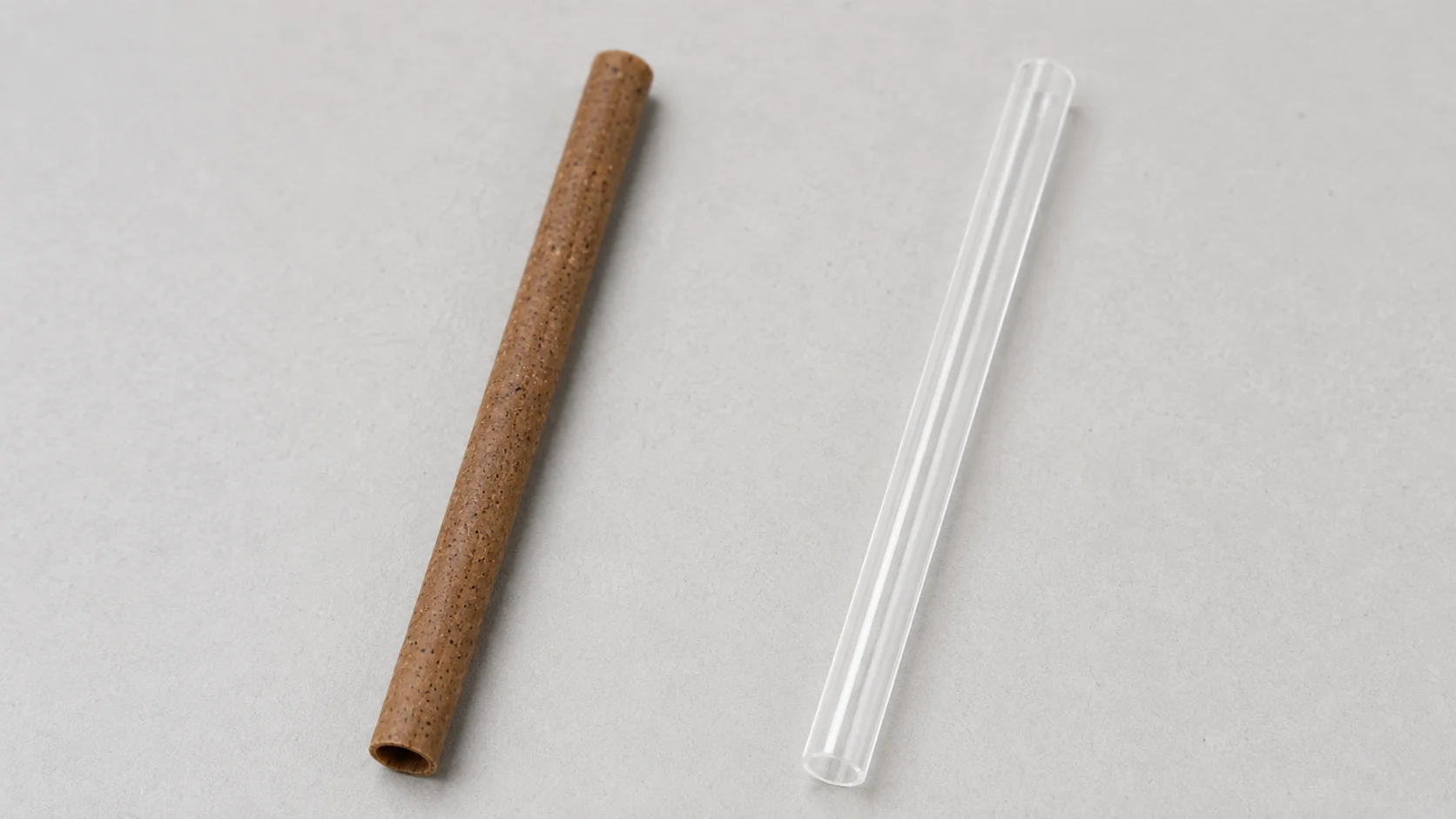
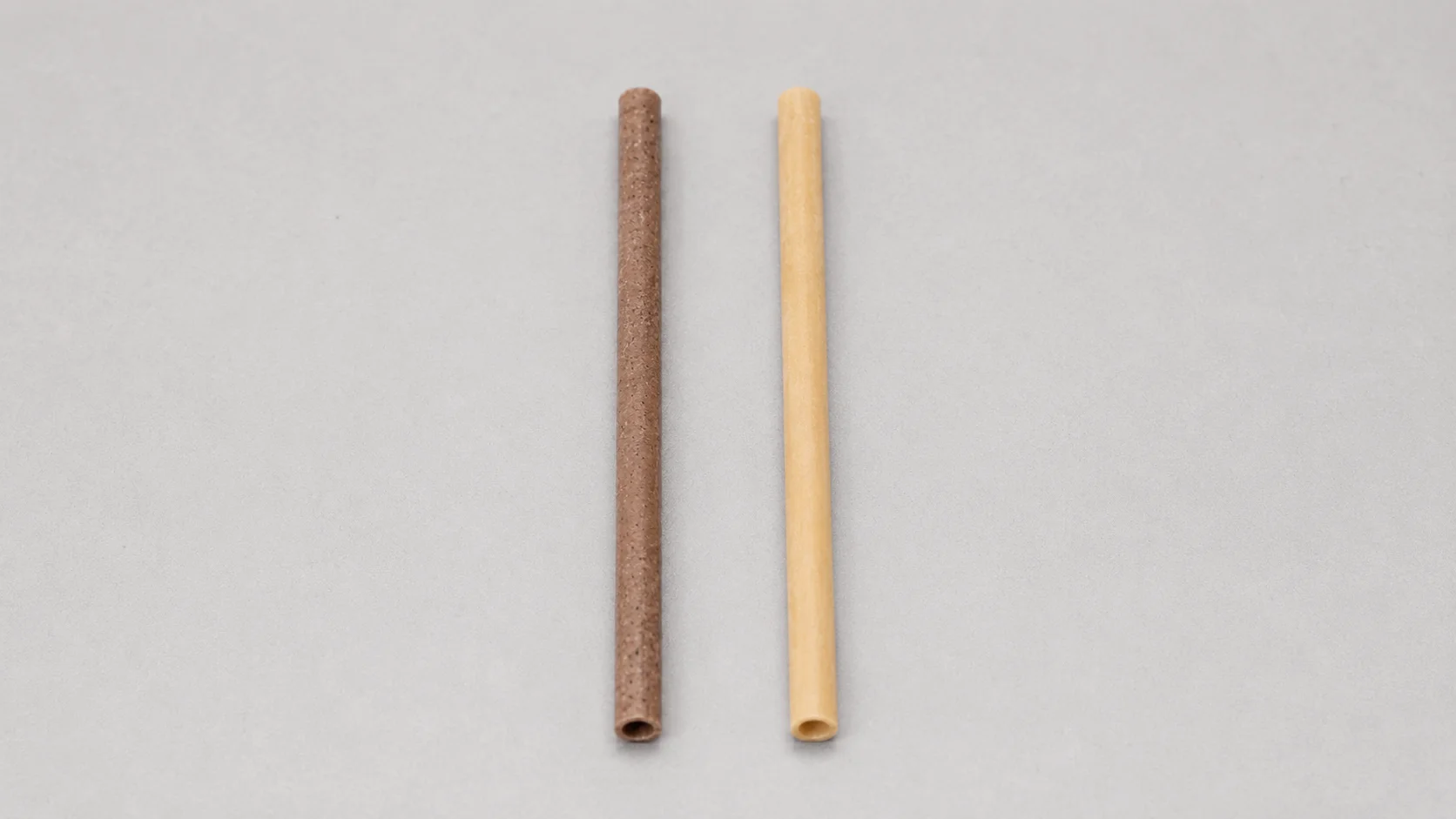
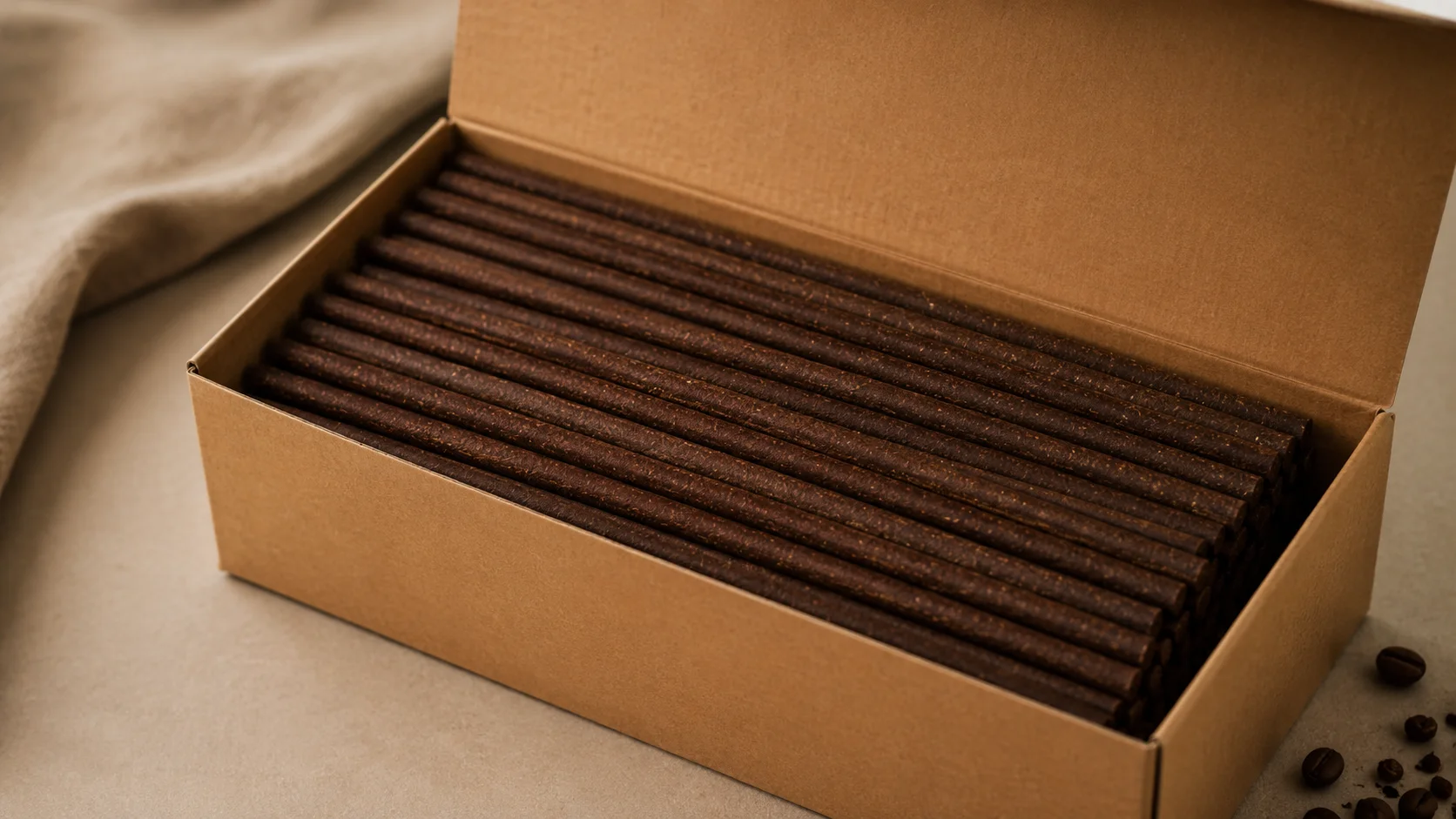
- Momoio’s Sustainable Eco-Friendly Sugarcane Straws: Our sugarcane straws are a prime example of innovation meeting compliance. Certified compostable and rigorously tested to be PFAS-free, these straws offer a robust, functional, and environmentally responsible alternative to conventional plastics and even many problematic paper and bamboo options. They don’t get soggy, withstand various temperatures, and provide a premium user experience while ensuring your business stays ahead of regulatory curves. Explore our range of sugarcane straws and redefine your beverage service. https://momoio.com/sustainable-eco-friendly-sugarcane-straws/
- Momoio’s Biodegradable Food Packaging: Beyond straws, our commitment extends to a comprehensive suite of biodegradable food packaging options. From versatile containers to sturdy plates, each product is engineered from sustainable sugarcane bagasse, designed for optimal performance in various food service environments. These solutions are not only safe for food contact, heat-resistant, and microwave-safe, but they also meet stringent compostability standards, helping your business comply with evolving regulations like the EU SUPD and EPR mandates. Discover the full potential of truly sustainable food packaging. https://momoio.com/biodegradable-food-packaging/
- Momoio Bagasse Bowl: A standout in our collection, the Momoio Bagasse Bowl exemplifies the strength, versatility, and eco-credentials of sugarcane fiber. Perfect for soups, salads, and a variety of hot or cold dishes, these bowls offer exceptional durability and leak resistance. Like all our bagasse products, they are certified compostable, free from harmful chemicals, and designed to seamlessly integrate into circular economy initiatives. Elevate your takeout and dine-in experience with packaging that performs for your business and the planet. https://momoio.com/bagasse-bowl/
By partnering with MOMOIO.com, businesses can confidently navigate the complexities of environmental regulations, avoid the pitfalls of greenwashing, and make verifiable, positive environmental claims. Our certified, PFAS-free sugarcane fiber solutions empower your brand to genuinely embrace sustainability, meet growing consumer expectations, and lead the way towards a healthier planet.
Часто задаваемые вопросы
Focused on PFAS, certifications, and compliance
Yes — some plant-based straws, including sugarcane straws, have been found to contain multiple PFAS compounds. PFAS are persistent, bioaccumulative “forever chemicals” linked to environmental pollution and health risks. Their presence undermines biodegradability and compostability claims and creates compliance and brand reputation risks.
Two main pathways: (1) intentionally added by manufacturers to improve water and grease resistance; (2) unintended contamination, such as recycled fibers containing PFAS, raw materials from contaminated soil, or processing water. This complexity highlights the need for strict supply chain controls and independent testing.
EU: The Packaging and Packaging Waste Regulation (PPWR, 2025/40) prohibits PFAS in food contact packaging from August 12, 2026, with strict limits (25 ppb for individual PFAS; 100 ppm total fluorine for compostability certification).
USA: States like California (AB 1200, effective Jan 2023) ban plant-fiber food packaging exceeding 100 ppm total organic fluorine or with intentionally added PFAS. Additional restrictions are being adopted in New York, Maine, Colorado, and others. Federal action from FDA and EPA is also progressing.
Look for verifiable third-party certifications. Сертифицированный BPI products (ASTM D6400/D6868, ≤100 ppm total organic fluorine) and TÜV OK Compost (Industrial / Home, aligned with EN 13432) ensure authentic compostability and PFAS-free compliance. Always request certificates of analysis for each production batch.
Биоразлагаемый: Can break down into natural elements, but timing and conditions are undefined. In landfills, this often doesn’t occur effectively.
Компостируемый: Designed to break down into usable compost within a set timeframe under specific composting conditions (industrial or home). Certifications like BPI, TÜV OK Compost, EN 13432, ASTM D6400/D6868 are critical to verify these claims and prevent greenwashing.