Decoding McDonald’s Straw Strategy: A B2B Guide to Biodegradable Packaging in Hospitality & Foodservice

A B2B Guide for Procurement, Operations, and Sustainability Leaders in Hospitality & Foodservice
Глобальный императив по ограничению загрязнения пластиком стал определяющей задачей для предприятий во всех секторах. Для лиц, принимающих решения в сфере B2B в области закупок, операций и управления цепочками поставок в рамкахhospitality & foodservice industries, это не просто экологический идеал; это представляет собой серьезную оперативную и коммерческую задачу. Регулирующее давление, меняющиеся ожидания потребителей и ощутимые издержки неправильного управления потоками отходов меняют стратегии цепочки поставок. Ведущие бренды, находящиеся под пристальным вниманием, оказываются в авангарде этого перехода, часто путешествуя по неизведанным водам. McDonald’s, глобальный гигант быстрого обслуживания, предлагает убедительный, хотя и сложный, практический пример на пути к устойчивому развитию.
В сентябре 2018 года McDonald’s в Великобритании и Ирландии приступили к значительному изменению операционной деятельности, начав замену примерно 1,8 миллиона ежедневных пластиковых трубочек на бумажные альтернативы. Это решение не было принято изолированно; это был прямой ответ на растущее общественное давление, в частности, на публичную петицию, собравшую почти полмиллиона подписей (Change.org, 2018), в сочетании с предстоящими планами правительства Великобритании по всеобъемлющему запрету пластика (DEFRA, 2018). Этот стратегический поворот стал краеугольным камнем всеобъемлющей инициативы McDonald’s «Масштаб во благо» — смелого обязательства, направленного на обеспечение 100% экологически чистой упаковки во всех ее глобальных операциях к 2025 году (McDonald’s Corporate, 2018). Цель была ясна: установить новый отраслевой стандарт в области охраны окружающей среды.
Секторы гостеприимства и общественного питания сталкиваются с огромным давлением, требующим внедрения устойчивых практик, что делает путешествие McDonald’s важнейшим обучающим опытом.
Глобальный толчок к устойчивым соломинкам: первый шаг McDonald’s
Бренды во всем мире сталкиваются с растущим давлением необходимости смягчить свое воздействие на окружающую среду, особенно в отношении одноразового пластика. Пластиковая соломинка, повсеместный символ удобства, стала громоотводом для экологических активистов из-за ее повсеместного присутствия на свалках и в океанах. Для крупных предприятий г.гостеприимство и общественное питание, inaction carries significant commercial and reputational risks. Beyond the UK, McDonald’s Canada, for instance, transitioned to paper straws in late 2021, a strategic move projected to eliminate approximately 300 tonnes of plastic annually from their system. These initiatives reflect a broader industry movement towards more environmentally benign packaging solutions.
Embracing Paper: Environmental Intent vs. Operational Reality
Первоначальный переход на бумажные трубочки был основан на четких экологических требованиях: значительно сократить количество пластиковых отходов и защитить дикую природу от загрязнения. McDonald’s с гордостью закупает бумажные трубочки у сертифицированных FSC поставщиков, таких как Transcend Packaging и Huhtamaki, подчеркивая приверженность ответственному лесному хозяйству. Сообщается, что первые испытания на потребителях в Великобритании вызвали положительную реакцию: потребители высоко оценили видимые усилия по обеспечению экологической ответственности. Этот начальный этап подчеркнул силу действий бренда в соответствии с общественными настроениями. Тем не менее, как понимают многие B2B-лидеры, настоящая проверка любого оперативного изменения лежит за пределами первоначального намерения, в сложных реалиях реализации и долгосрочной жизнеспособности.

Initial sustainable packaging efforts, while well-intentioned, often face unforeseen operational challenges in real-world hospitality environments.
Неожиданные шипы в экологичной упаковке: проблема биоразлагаемой соломинки McDonald’s
The narrative around McDonald’s paper straws took an unforeseen turn in August 2019. Despite the initial fanfare, McDonald’s admitted that their much-heralded paper straws in the UK and Ireland were not, in fact, easily recyclable. The very design modification intended to improve their functionality—increased thickness to prevent disintegration in beverages—rendered them too robust for existing waste solution providers to process efficiently. This meant that, ironically, these “eco-friendly” alternatives were often diverted to general waste streams, frequently ending up in incineration facilities, rather than being recycled. This stood in stark contrast to the plastic straws they replaced, which McDonald’s had previously stated were “100 percent recyclable.” This revelation laid bare a critical challenge for procurement and operations teams inгостеприимство и общественное питание: зачастую сложное взаимодействие между материаловедением, существующей инфраструктурой отходов и амбициозными заявлениями об устойчивом развитии.
Customer Experience & Brand Reputation: Beyond the Initial Switch
Помимо загадки возможности вторичной переработки, реальность использования бумажных трубочек быстро всплыла на поверхность в виде повсеместных жалоб клиентов. Потребители сообщали о проблемах, начиная от разрушения соломинок во время напитка и заканчивая приданием нежелательного вкуса, особенно с более густыми напитками, такими как молочные коктейли. Разочарование было ощутимым, кульминацией которого стала петиция Великобритании о восстановлении использования пластиковых трубочек, которая собрала более 51 000 подписей. Эта общественная реакция подчеркнула жизненно важный урок для лиц, принимающих решения в сфере B2B: инициативы в области устойчивого развития, какими бы благими намерениями они ни были, не должны ставить под угрозу основные функциональные возможности продукта или качество обслуживания клиентов. Воспринимаемый компромисс между экологическими преимуществами и практическим удобством использования представлял собой значительную угрозу репутации бренда и лояльности клиентов. Для компаний, оценивающих подобные изменения вhotels, cafes, or airlines, the McDonald’s experience highlights the critical need for comprehensive functional testing and realistic customer expectation management, not just environmental impact assessments.
Compromising customer experience for sustainability can severely damage brand reputation in competitive hospitality markets.
Navigating the Complexities: Lessons from McDonald’s Straw Journey for B2B Procurement
McDonald’s acknowledged that the challenge of recycling its paper straws was a “wider industry issue,” primarily attributable to the lagging development of necessary recycling infrastructure. This underscores a crucial imperative for B2B procurement and supply chain executives inгостеприимство и общественное питание: истинная экологичность выходит далеко за рамки покупки. Это требует целостного, комплексного подхода к жизненному циклу продукции, от поиска сырья до окончательной утилизации. Компании должны тщательно изучить всю цепочку создания стоимости, включая часто упускаемые из виду решения «конца срока службы» для «экологичных» альтернатив, чтобы избежать непреднамеренного создания новых проблем с управлением отходами.
Эксплуатационные последствия устойчивого перехода к материалам (устойчивость цепочки поставок)
Для отделов закупок случай McDonald’s выявляет несколько критических операционных проблем, присущих устойчивому переходу к материалам. Во-первых, проверка истинной пригодности к вторичной переработке и путей утилизации новых материалов — сложная задача, требующая тесного сотрудничества с поставщиками услуг по управлению отходами на самых ранних этапах проектирования материалов и их поиска. Без такого предусмотрительности закупочная деятельность может непреднамеренно принять решения, которые, хотя и кажутся экологически чистыми, но являются неустойчивыми с операционной точки зрения. Во-вторых, обеспечение того, чтобы характеристики новой упаковки соответствовали ожиданиям потребителей или превосходили их, имеет первостепенное значение для поддержания лояльности к бренду и предотвращения дорогостоящих проблем с обслуживанием клиентов. Разрушение бумажных трубочек послужило ярким напоминанием о том, что функциональность нельзя приносить в жертву ради устойчивости без коммерческих последствий. Наконец, компании должны разработать надежные оценки устойчивости цепочки поставок, выходя за рамки простой сертификации материалов и оценивая весь экологический и эксплуатационный след новых решений. Понимание тонкостей соблюдения требований, таких как соблюдениеbiodegradable straw import compliance, is crucial for seamless market entry and operations in diverse regulatory environments.
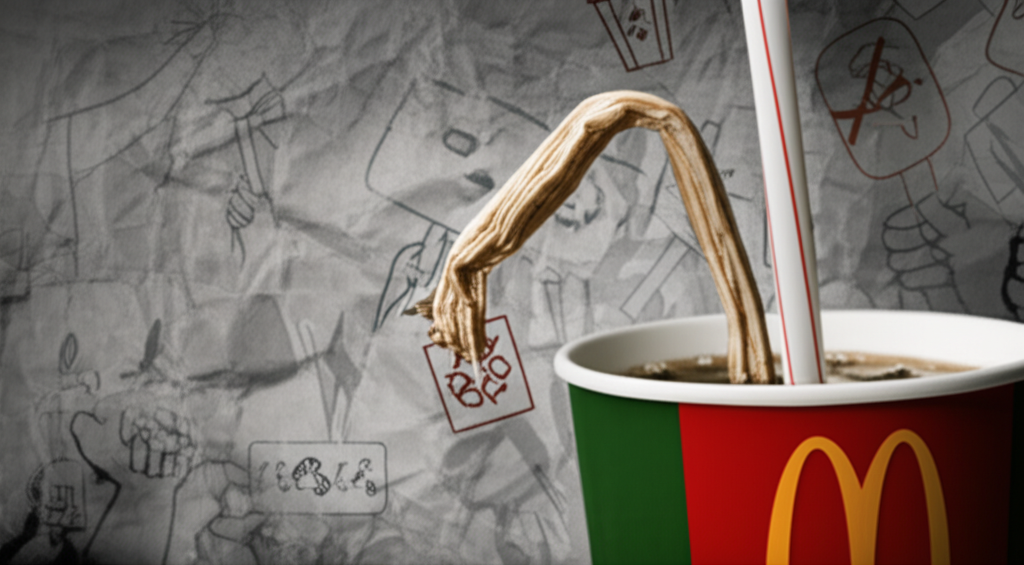
Holistic supply chain assessment is vital to ensure sustainable materials truly deliver environmental and operational benefits.
Strategic Imperatives: What McDonald’s Biodegradable Straw Experience Teaches Businesses
Соломенный путь McDonald’s предлагает бесценные стратегические уроки для лиц, принимающих решения в сфере B2B, которые пытаются справиться с переходом к устойчивому развитию. Это подчеркивает необходимость многогранного подхода, который уравновешивает экологические устремления с практическими реалиями и экономической жизнеспособностью.
Развитие экологически безопасных упаковочных решений (инициативы в области экономики замкнутого цикла)
McDonald’s не стоит на месте в своих усилиях по устойчивому развитию. Компания постоянно исследует новые материалы и подходы для решения проблем, связанных с меняющейся ситуацией в области устойчивого развития упаковки. Важным примером является продолжающееся исследование новых материалов, таких как компостируемые соломинки из ацетата целлюлозы, которые были опробованы в некоторых регионах. Это указывает на четкий путь вперед для групп закупок вгостеприимство и общественное питание: непрерывные инновации в материалах имеют решающее значение. Стратегическая ориентация на экономику замкнутого цикла также подтверждается глобальными целями McDonald’s в области упаковки, согласно которым к 2025 году 100% первичной гостевой упаковки будет производиться из возобновляемых, переработанных или сертифицированных источников. К концу 2023 года компания сообщила о значительном прогрессе, достигнув примерно 86,7% этой амбициозной цели. Кроме того, осознавая значительное воздействие пластиковых игрушек на окружающую среду, McDonald’s активно работает над сокращением использования первичного пластика на основе ископаемого топлива в игрушках Happy Meal на впечатляющие 63,7% с 2018 года с целью достичь сокращения на 90% к концу 2025 года. Этот многосторонний подход демонстрирует приверженность системным изменениям, а не изолированным исправлениям.
За пределами соломинки: более широкие обязательства McDonald’s в области устойчивого развития
The straw saga, while highly visible, is merely one facet of McDonald’s broader sustainability agenda. The “Better M” scheme, launched in November 2019, exemplifies their commitment to minimizing plastic use and enhancing recyclability across Europe. A notable success of this initiative was the removal of plastic lids from McFlurrys, leading to an annual saving of 1,200 tonnes of plastic. Beyond material choices, infrastructure development is key. In 2023, over 88.3% of McDonald’s restaurants operating in regions with advanced waste management infrastructure offered recycling or composting options for their packaging. The company’s active participation in industry-wide collaborations such as ReSource: Plastic and the Bioplastic Feedstock Alliance further underscores its recognition that systemic challenges require collective industry solutions.
The Path Forward for Sustainable Supply Chains
Путь к по-настоящему устойчивым цепочкам поставок продолжается и требует активной и адаптируемой стратегии. Постоянные инновации в области экологически чистых материалов и технологий переработки отходов имеют первостепенное значение. Случай с «Макдональдсом» ярко иллюстрирует, что без соответствующих достижений в инфраструктуре переработки и компостирования даже самые благие намерения по смене материалов могут не достичь своих экологических целей. Это требует сотрудничества всей отрасли для решения проблем общей инфраструктуры и лоббирования изменений в политике, которые поддерживают экономику замкнутого цикла. Интеграция устойчивого развития не просто в качестве требования соответствия, но и в качестве основной бизнес-стратегии обеспечивает глубокое долгосрочное конкурентное преимущество. Компании, которые лидируют в этой сфере, не только снизят риски, но и откроют новые рыночные возможности и повысят ценность бренда. Стратегический выборmarine biodegradable straws for hospitality and foodserviceis one such area where companies can demonstrate leadership, particularly in coastal or environmentally sensitive regions.
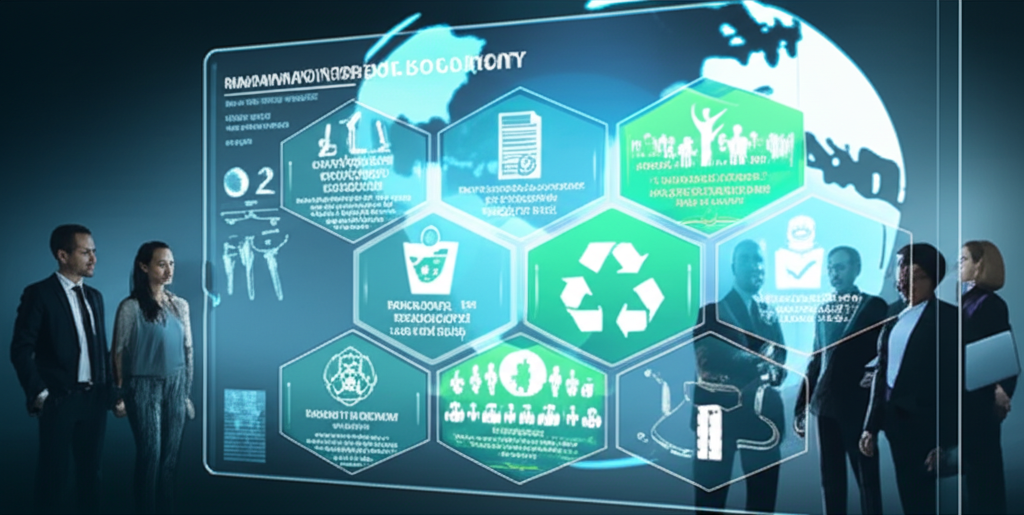
Adopting a circular economy approach is crucial for long-term sustainability and competitive advantage in hospitality supply chains.
Competitive Advantage & Business Case
For procurement managers, operations directors, and sustainability officers inгостеприимство и общественное питание, опыт McDonald’s дает четкую основу для создания убедительного экономического обоснования экологически безопасной упаковки. Измеримые выгоды выходят далеко за рамки альтруизма:
- Снижение рисков: Активное внедрение экологичной упаковки значительно снижает регуляторные риски, такие как предстоящий запрет на использование пластика и правила расширенной ответственности производителей (EPR), которые становятся все более строгими в ЕС и Северной Америке. Несоблюдение этих требований может привести к значительным штрафам и сбоям в работе. Кроме того, он защищает от серьезного ущерба репутации бренда и потенциальных бойкотов потребителей, которые могут подорвать долю рынка, о чем свидетельствует негативная реакция вокруг бумажных трубочек, не подлежащих вторичной переработке.
- Экономия средств: While initial investment in new materials or infrastructure may be required, truly circular solutions can lead to long-term cost savings through reduced waste disposal fees, optimized logistics, and potential revenue streams from recycled materials. The investment in robust supply chain transparency, including deep supplier vetting and lifecycle analysis, also serves as a crucial component for long-term risk management and cost optimization.
- Brand Value Uplift & Market Share Opportunity: Companies demonstrating genuine commitment to environmental stewardship resonate powerfully with increasingly eco-conscious consumers and B2B clients. Research consistently shows that consumers are willing to pay a premium for sustainable products, and businesses are prioritizing ESG (Environmental, Social, and Governance) performance in their partnerships. A transparent, verifiable sustainable packaging strategy differentiates a brand, enhances its perceived value, and can capture market share from less forward-thinking competitors. Beyond consumer perception, improved ESG reporting and due diligence meet investor requirements, potentially attracting more capital.
- Operational Resilience: Диверсификация источников сырья и инвестиции в передовые решения по управлению отходами создают более устойчивую цепочку поставок, менее восприимчивую к нехватке материалов, волатильности цен на пластмассы на основе ископаемого топлива или внезапным изменениям в законодательстве. Такая оперативная гибкость является важным конкурентным преимуществом на нестабильном мировом рынке.
The McDonald’s journey serves as a powerful reminder that the true value of “biodegradable” or “sustainable” packaging lies in its practical end-of-life pathway and its acceptance by consumers. Businesses that prioritize a holistic approach to sustainable packaging will not only meet the demands of regulators and consumers but also gain a significant competitive edge in a rapidly evolving market. For those seeking to deepen their understanding of material performance, consulting a comprehensivecompostable vs. biodegradable straws B2B guidecan provide invaluable insights into selecting the optimal solution for their specific operational context.
Sustainable packaging offers significant competitive advantages, including risk mitigation, cost savings, and enhanced brand value.
Заключение
McDonald’s highly visible shift to “biodegradable” paper straws offers a potent, multi-layered case study for B2B decision-makers inгостеприимство и общественное питание. While driven by admirable environmental goals and significant public pressure, the operational realities of recyclability and customer satisfaction presented substantial hurdles. This experience unequivocally underscores that true sustainability extends beyond a simple material choice, demanding a holistic view of the product lifecycle, robust waste management infrastructure, and unwavering focus on operational integrity. The lessons learned from this global brand’s journey are critical for any organization committed to navigating the complex terrain of sustainable packaging.
True sustainability requires a holistic approach, integrating material choice with infrastructure and operational realities.
Ready to Optimize Your Sustainable Packaging Strategy?
Evaluateyour current packaging strategies andcollaboratewith expert supply chain partners to implement truly circular and resilient solutions that meet both environmental mandates and evolving consumer expectations.Request a Strategic Consultation Today
Future-proof your packaging operations against regulatory shifts and secure your market position.
Часто задаваемые вопросы (FAQ)
Are McDonald’s straws truly biodegradable?
Why did McDonald’s switch from plastic to paper straws?
What challenges did McDonald’s face with paper straws in hospitality settings?
How can hospitality businesses avoid similar straw sustainability pitfalls?