Оптимизация сельскохозяйственных отходов: ускорение разложения соломы для получения коммерческой выгоды

In an era demanding sustainable practices and efficient resource management, agricultural straw presents a significant, yet often underutilized, asset. Beyond being merely a byproduct or waste, it represents a valuable input for soil enrichment, a critical component in the burgeoning circular economy, and a pathway to enhanced corporate sustainability. Yet, for agricultural producers, waste management companies, and sustainable product manufacturers, the journey from raw straw to usable compost can be lengthy and inconsistent. This variability poses substantial operational and financial challenges for businesses reliant on predictable, high-quality organic amendments. What truly dictates the timeline for straw decomposition, and, more importantly, how can enterprises optimize this natural process for maximum efficiency, reduced costs, and a compelling return on investment? Understanding the science and strategy behind straw composting isn’t just an ecological concern; it’s a strategic imperative for any business aiming to reduce its environmental footprint, improve soil health, and unlock new revenue streams from what was once considered waste.
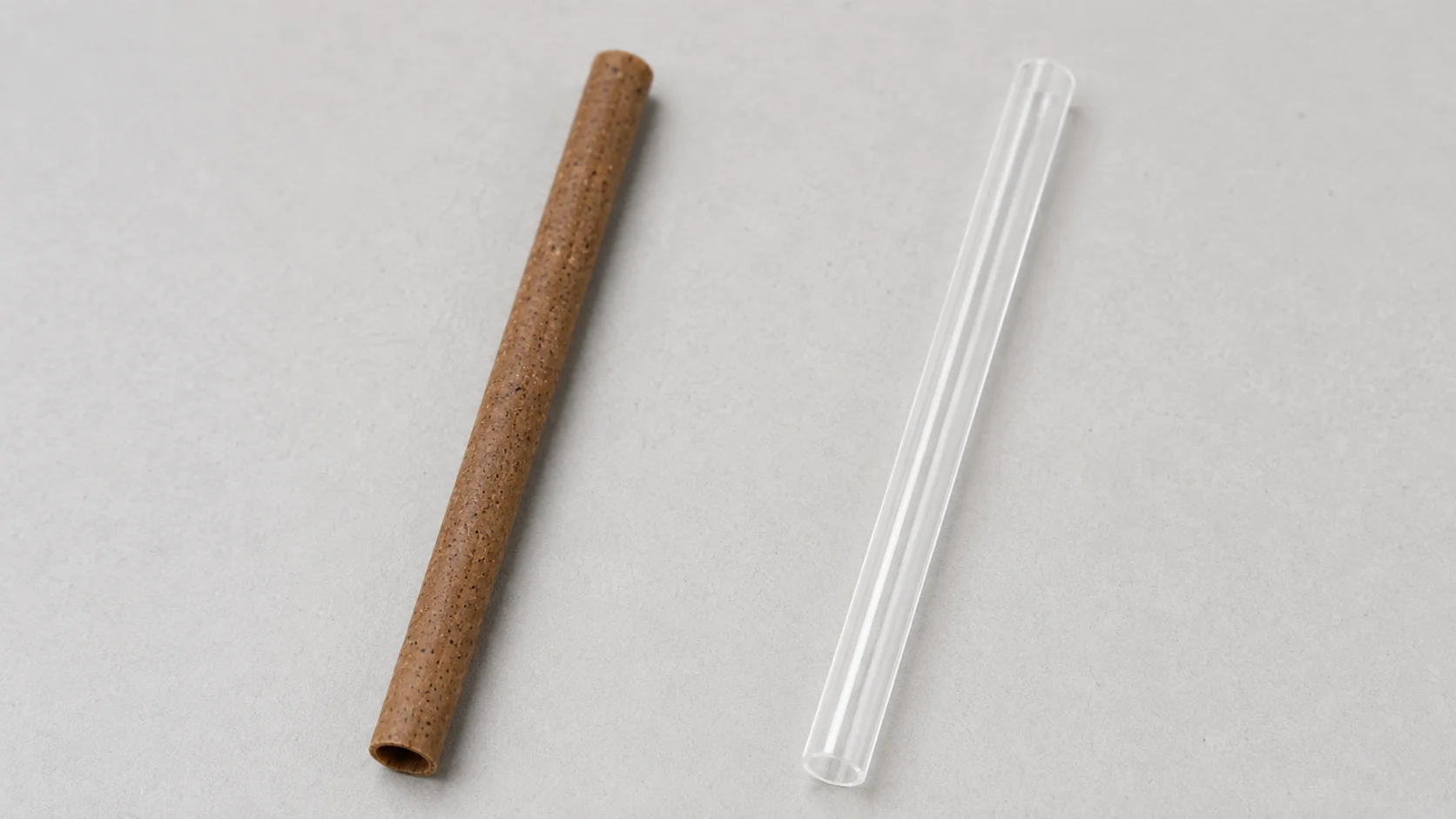
Иллюстрация 1: Путь соломы от поля до готового компоста.
Расшифровка разложения: наука и переменные, лежащие в основе сроков компостирования соломы
Процесс трансформации органического вещества сложен, и солома с ее волокнистой природой не является исключением. В типичных условиях компостирования на заднем дворе можно ожидать, что солома превратится в пригодный для использования компост примерно через шесть-девять месяцев. Однако, если оставить его без присмотра в пассивной стопке, не измельчив, этот срок может продлиться до года и более. И наоборот, при оптимальных условиях и тщательном управлении этот период разложения может быть значительно сокращен до трех месяцев. Для бизнеса этот спектр подчеркивает критическую разницу между пассивным управлением отходами и активной оценкой ресурсов. Скорость и качество разложения не случайны; они тщательно контролируются рядом взаимосвязанных факторов, каждый из которых предлагает рычаг для операционной оптимизации.
At the heart of efficient straw composting lies theCarbon-to-Nitrogen (C:N) Ratio. Straw is inherently high in carbon (a “brown” material), boasting a C:N ratio typically ranging from 40:1 to 100:1. For rapid microbial activity and effective decomposition, the ideal compost C:N ratio hovers around 30:1. This means straw must be strategically balanced with nitrogen-rich “green” materials such as grass clippings, kitchen scraps, or, most effectively for large-scale operations, animal manure. An imbalance can lead to sluggish decomposition or even an unpleasant, moldy outcome. Beyond the chemical balance,Moisture Levelsимеют первостепенное значение; компостная куча должна поддерживать постоянную влажность, как отжатая губка, в идеале влажность составляет 45-55% для горячего компостирования. Слишком много воды приводит к анаэробным условиям, вызывая неприятный запах и замедляя процесс, а слишком мало воды подавляет важную микробную активность.
Аэрация и повороттакже не подлежат обсуждению для ускорения разложения. Регулярное переворачивание компостной кучи обогащает ее кислородом, который необходим аэробным микроорганизмам – неутомимым труженикам, расщепляющим органику. Переворачивание также предотвращает уплотнение и помогает поддерживать идеальную температуру, обычно в пределах 90–140°F (32–60°C). Последовательное переворачивание может сократить время компостирования на целых 50%. Для таких материалов, как рисовая солома, рекомендуется переворачивать каждые три-четыре недели.Размер частицof the straw also profoundly influences decomposition speed; chopping or shredding straw into smaller pieces (ideally 1-3 inches) dramatically increases the surface area available for microorganisms to colonize and break down, ensuring a faster turnaround. Unshredded materials, by contrast, take considerably longer.
Temperature Managementwithin the pile is a natural byproduct of microbial activity. Monitoring and managing this heat are crucial; if temperatures exceed 140°F (60°C), turning the pile can cool it down and prevent the death of beneficial microbes. For agricultural waste, an initial hot phase (55-65°C) is particularly beneficial as it helps to kill weed seeds and pathogens, ensuring a cleaner, safer end product. Furthermore, theComposting Method and Management Intensitydirectly dictate speed. From passive “dumped” piles that can take a year, to well-managed aerobic systems that finish in 40-60 days (or even 20 days with optimal conditions and cattle manure), the choice of method is a strategic business decision. Finally, the strategic addition ofInoculants and Effective Microorganisms (EM)can significantly boost decomposition rates, especially in the initial stages. These microbial agents introduce or bolster the beneficial bacteria and fungi necessary for breaking down recalcitrant materials like lignin and cellulose found in straw. However, a crucial consideration for businesses is theType of Straw and potential Contaminants. Хотя разные типы соломы (например, пшеница, рис) имеют разную скорость разложения, наличие стойких гербицидов, часто встречающихся в сене, является серьезной проблемой. Эти химикаты могут оставаться активными даже после компостирования, создавая риск для сельскохозяйственных культур и потенциально делая почву непригодной для использования на долгие годы. Поэтому тщательный отбор соломы и обеспечение ее необработанности имеют первостепенное значение для целостности и соответствия требованиям конечного продукта. Для более глубокого изучения факторов, влияющих на разложение различных компостируемых материалов, изучите этот ресурс на страницевремя разложения компостируемой соломы.
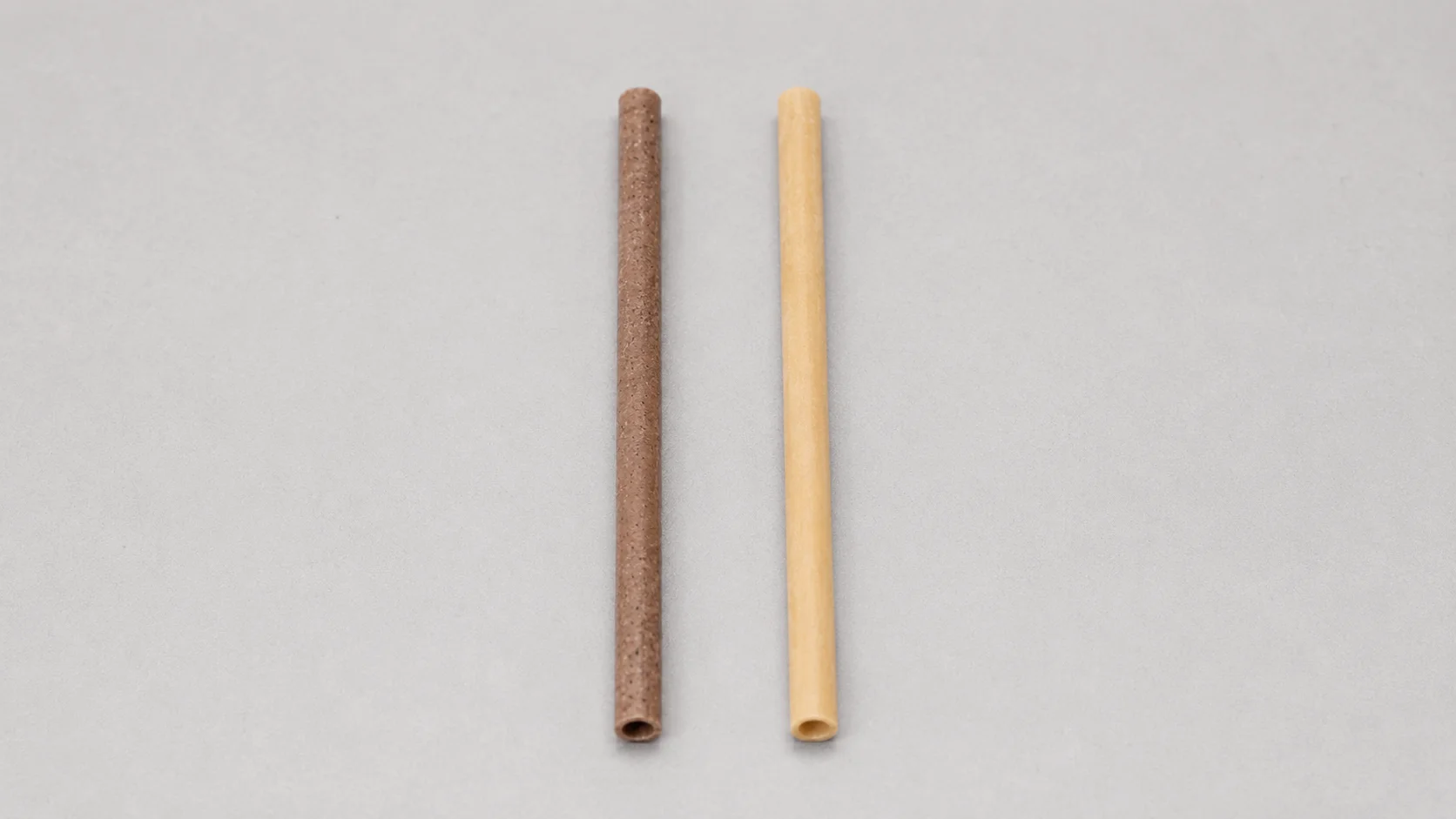
Иллюстрация 2: Идеальные условия для микробной активности в компостной куче.
Стратегическое компостирование: использование соломы для улучшения здоровья почвы и устойчивости бизнеса
Оптимизация компостирования соломы в коммерческих масштабах требует стратегического подхода, сочетающего проверенные методы с инновационными технологиями. Для небольших контролируемых объемов или конкретных примененийЭлектрические Компостерыпредлагают быстрое разложение, преобразуя отходы за несколько недель до года. Однако для более крупных сельскохозяйственных операций необходимы масштабируемые методы.Аэробное компостирование, при правильном обращении с внесенными поправками, разложение может достигать 40-60 дней, а в некоторых интенсивных системах с ежедневным ворошением и использованием навоза крупного рогатого скота это может быть всего за 20 дней.Компостирование валков, широкомасштабируемый метод, обычно созревает в течение 110-120 дней, что делает его пригодным для обработки больших объемов сельскохозяйственных отходов.
The efficacy of these methods is significantly enhanced by intelligent use ofAdditives and Amendments. Carbon-rich additives like wood chips, mushroom residues, rice bran, and biochar are not just bulking agents; they actively improve porosity, regulate nitrogen loss, and control greenhouse gas emissions. Biochar, in particular, has shown promise in enhancing compost stability and nutrient retention. Conversely, nitrogen-rich additives like manure, grass clippings, and food scraps are vital for balancing straw’s high carbon content. Furthermore, the burgeoning field of microbial biotechnology offers powerful tools. SpecificMicrobial Inoculantssuch asC. iranensis(ZJW-6), Effective Microorganisms (EM), and Waste Decomposers (WD) have been scientifically proven to accelerate the degradation of complex lignocellulose in straw, significantly shortening composting periods and improving nutrient mineralization. Research from institutions like Iowa State University consistently highlights the critical interplay of these factors in achieving optimal compost.
Let’s consider the commercial viability of different composting methods:
| Особенность | Passive Piles | Regularly Turned Piles | Windrow Systems | Mechanized Systems (e.g., IRRI Tech) | Electric Composter/Bio-digesters |
|---|---|---|---|---|---|
| Влияние B2B | Minimal, disposal focus | Moderate, basic soil amendment | High volume, consistent output | High efficiency, premium quality | Niche, rapid, localized solution |
| Composting Time | 1 year+ | 6-9 months | 110-120 days | 20-60 days | Weeks to a year (variable) |
| Management Intensity | Минимальный | Умеренный | Higher, structured | High-tech, less manual | Low manual (automated) |
| Output Quality | Variable, often coarse | Good, consistent | Consistent, large scale | High, nutrient-rich, pathogen-free | High, concentrated |
| Capital Investment | Очень низкий | Низкий-умеренный | Умеренный | Выше | Высокий |
| Compliance Risk (Herbicides) | High (if unverified straw) | Moderate (if unverified straw) | Умеренный | Lower (controlled inputs) | Lower (controlled inputs) |
| Потенциал рентабельности инвестиций | Low (disposal savings) | Moderate (soil health, some sales) | Good (large-scale sales) | Very High (premium product, efficiency) | Moderate-High (niche markets, speed) |
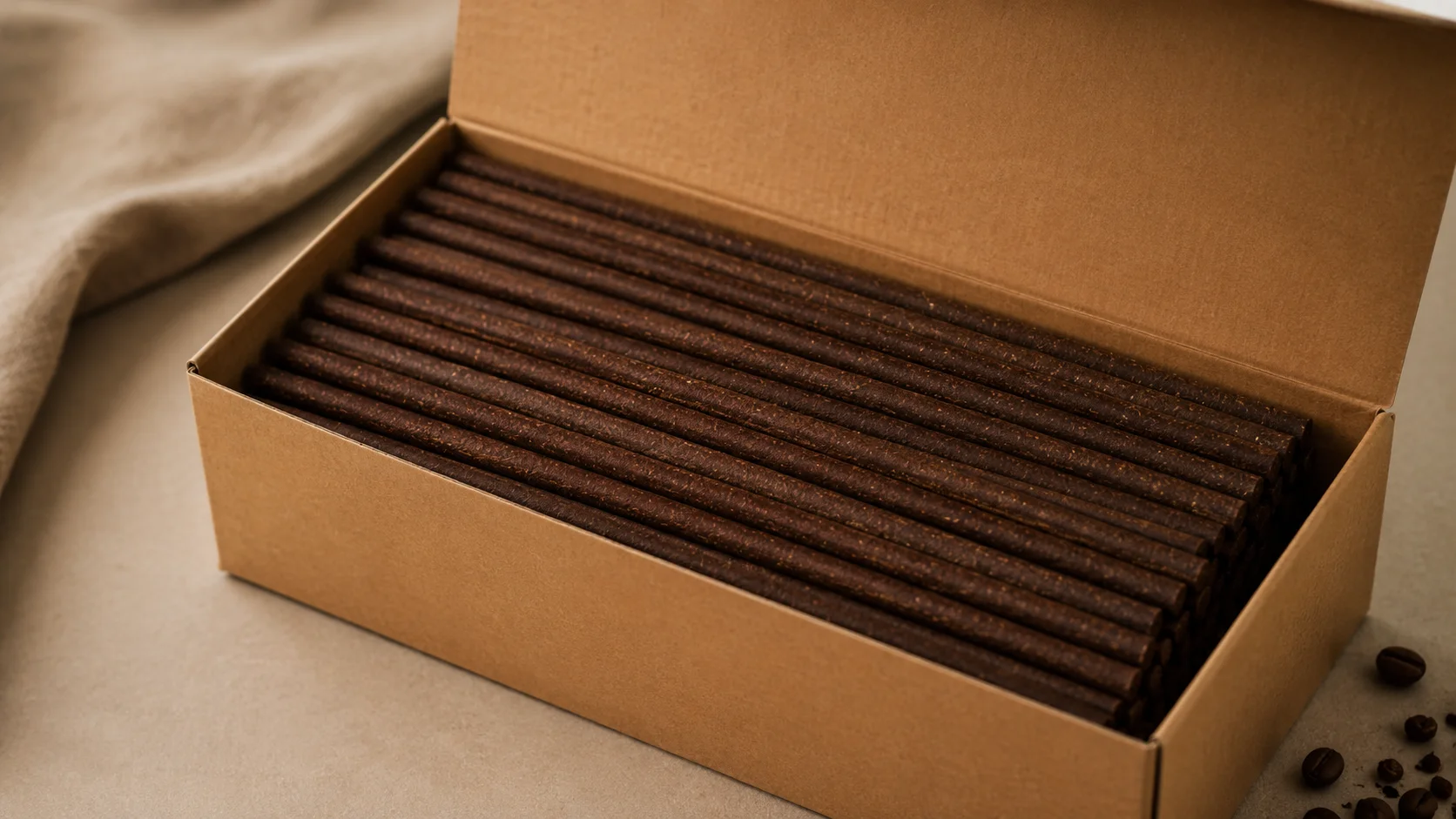
Illustration 3: Commercial viability of different composting methods.
Ярким примером инноваций в этой области является отмеченная наградами механизированная технология компостирования на основе рисовой соломы, совместная работа, впервые разработанная Международным научно-исследовательским институтом риса (IRRI) и Департаментом растениеводства и защиты растений Кантхо во Вьетнаме. Эта система успешно преобразует сельскохозяйственные остатки в высококачественные органические удобрения, воплощая в себе безотходный и низкоуглеродный подход к сельскому хозяйству, целью которого является повышение производительности, ценности и прибыльности сельского хозяйства, одновременно значительно снижая воздействие на окружающую среду. Такие достижения подталкивают рынок сельскохозяйственных отходов к последовательному росту, при этом, по прогнозам, к 2033 году он может достичь 3,3 миллиарда долларов США. Этот рост обусловлен растущим спросом на устойчивое управление отходами и растущей ценностью сельскохозяйственных отходов для биоэнергетики, компоста и органических удобрений.
Отрасль переживает значительную трансформацию, переходя от модели, основанной на отходах, к модели, основанной на производстве продукции. Это означает больший акцент на создании специализированных компостных продуктов, адаптированных для различных городских и сельскохозяйственных применений, что приводит к дифференцированным ценам и качеству. Этот сдвиг стимулирует мировой рынок компостируемых соломинок, который, по прогнозам, вырастет с 1,9 млрд долларов США в 2025 году до 3,8 млрд долларов США к 2035 году при среднегодовом темпе роста (CAGR) 7,1%. Это расширение во многом стимулируется ужесточением запрета на пластик, повышением экологического сознания и широким внедрением экологически чистых альтернатив в секторах общественного питания и гостеприимства. Вы можете глубже понять, как предприятия внедряют устойчивое развитие, изучив такие темы, какразлагаются ли бамбуковые соломинки для устойчивого развития B2B.
The technological frontier in composting is rapidly evolving.Biotechnological Advancesare leading to new microbial technologies that accelerate organic material decomposition, enabling faster compost production and allowing for targeted composting processes optimized for specific agricultural needs. This includes innovations like vermicomposting integrated with traditional methods for enhanced nutrient content.Precision Compostingis also emerging, where GPS-guided spreaders and variable rate technologies enable precise compost application, minimizing waste and maximizing soil benefits. Furthermore,Smart Compostingis integrating IoT into composting machines to monitor temperature, moisture levels, and other critical parameters in real-time. These connected devices with automated controls minimize manual intervention, making large-scale composting more accessible and efficient.
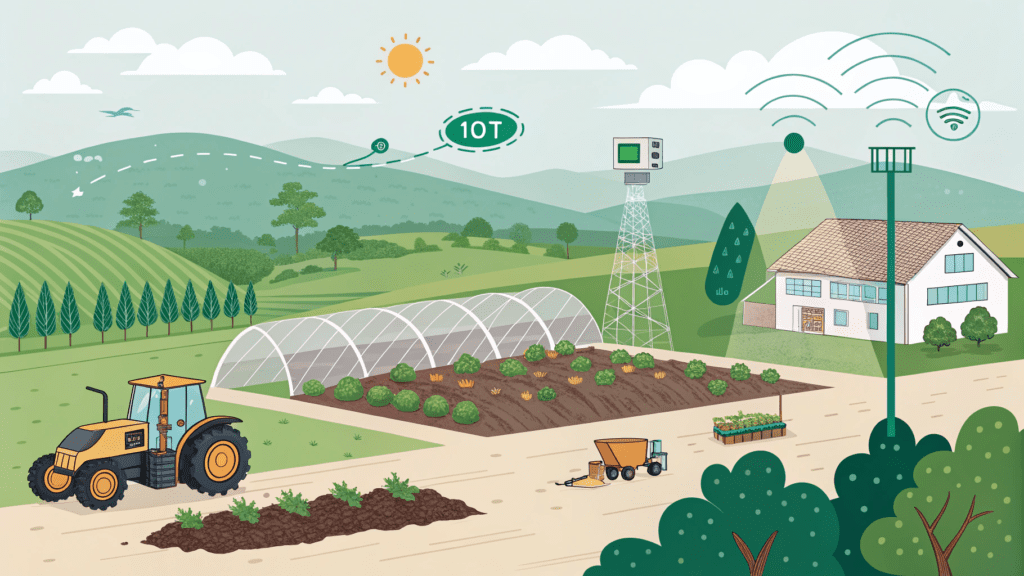
Illustration 4: Precision agriculture technology in compost application.
Central to this evolution is theCircular Economy Integration. Composting agricultural straw is becoming a cornerstone of a no-waste, low-carbon farming model. By diverting organic waste from landfills, it actively prevents methane emissions (a potent greenhouse gas). When applied to soil, the finished compost sequesters carbon, enhances drought resilience, and significantly reduces reliance on synthetic fertilizers, aligning perfectly with global climate mitigation efforts. While challenges persist, such as the long composting cycle, space requirements, greenhouse gas emissions, and the cost-competitiveness of compost versus chemical fertilizers, scientific interventions are actively exploring solutions. The increasing regulatory support from governments and environmental organizations, coupled with strategic partnerships between material suppliers, manufacturers, and waste management companies, are creating a robust framework for a sustainable, circular bioeconomy. Research into bio-based materials and the intricate dynamics of microbial diversity during composting will continue to shape the future, ensuring ever more efficient and effective methods of agricultural waste valorization.
Transform Your Waste Stream: Steps to Implement Optimized Straw Composting
Transforming your agricultural residue from a disposal challenge into a high-value asset begins with a strategic assessment. First, evaluate your current straw volume, the desired compost output quality, and your available resources. This assessment forms the foundation for developing a tailored composting plan. Based on this, select the most appropriate method – be it enhanced windrows, mechanized systems, or a combination – and identify necessary amendments and technologies. Critically, source your straw strategically, prioritizing materials free from persistent herbicides and minimizing weed seed contamination to ensure a safe, high-quality end product. Implement best practices diligently, focusing on meticulous C:N ratio balance, consistent moisture management, optimized particle size reduction, and regular, consistent aeration. For scaled operations seeking peak efficiency, explore advanced solutions such as mechanized systems, specific microbial inoculants, or smart composting technologies. Finally, connect with industry experts and agricultural extension services. Their specialized knowledge can further optimize your process, ensuring you realize the full value of efficient straw composting: reduced disposal costs, generation of valuable soil amendments, enhanced crop yields, and a tangible uplift in your brand’s commitment to sustainability, potentially capturing greater market share in a rapidly greening economy.
Ready to transform your agricultural residue into a high-value asset, reduce your environmental impact, and unlock new commercial opportunities?Contact Us Today
Компостирование из соломы — часто задаваемые вопросы
Under typical backyard conditions, straw often takes 6–9 months to compost.
With optimal management it can be shortened to ≈3 months; if left unattended and unshredded,
it may take 12+ months.
Critical levers include: C:N ratio ≈30:1; moisture 45–55%; regular aeration/turning;
particle size 1–3 in (2.5–7.5 cm); temperature 90–140°F (32–60°C); method (windrow, ASP, in-vessel);
and use of microbial inoculants. Straw type and contaminants (e.g., persistent herbicides) also matter.
Use well-managed aerobic systems (e.g., windrows with scheduled turning, aerated static piles, in-vessel reactors),
blend nitrogen-rich materials, add biochar, and apply microbial inoculants (e.g., EM, ZJW-6).
Mechanization (turners, blowers, probes) improves throughput and quality.
Lower disposal costs; creation of high-quality soil amendments (new revenue); efficiency gains; reduced reliance on synthetic
fertilizers; stronger brand and ESG credentials; and new circular-economy opportunities.
Shift from waste-driven to product-driven composting; ag-waste market projected toward USD 3.3B by 2033;
biotech & smart-composting advances; deeper circular-economy integration (incl. carbon sequestration); and expanding
policy support for sustainable waste management.