Решения о закупках, с которыми сегодня сталкиваются лидеры B2B, более сложны, чем когда-либо, особенно когда речь идет о, казалось бы, простых предметах, таких как соломинки для питья. Переход к устойчивым альтернативам, который когда-то был очевидным путем для экологически сознательного бизнеса, осложнился недавними изменениями в политике. Новая федеральная директива США возобновила дебаты вокруг бумажных трубочек, поставив под сомнение их эффективность и рентабельность и заставив многих руководителей цепочек поставок и операционных директоров пересмотреть свои стратегии соблюдения требований и обязательства по устойчивому развитию. В этом посте мы углубимся в тонкости нынешней подставной политики, сравним варианты материалов и наметим стратегические пути для предприятий, позволяющие поддерживать соблюдение требований, оптимизировать операции и поддерживать ценности своего бренда.
A Shifting Compliance Landscape: Re-Evaluating Your Single-Use Strategy
For years, the trend for businesses seeking to align with growing environmental concerns and stricter regulations was clear: phase out plastic straws in favor of paper or other biodegradable options. Cities and states across the U.S. and numerous countries globally adopted bans on single-use plastics, creating a strong market pull for alternatives. However, the regulatory environment is rarely static, and a significant pivot at the U.S. federal level has introduced new considerations for organizations, particularly those involved in federal contracts or with a national presence.

InFebruary 2025В США был подписан указ, направленный на прекращение закупок федеральным правительством и предоставления бумажных трубочек в федеральных зданиях. Эта директива прямо предписывает федеральным агентствам прекратить покупать бумажные трубочки и отказаться от политики, которая ранее не одобряла пластиковые альтернативы. Заявленное обоснование этого изменения многогранно: утверждения о том, что бумажные трубочки «не работают», «служат недолго», более дороги и могут содержать потенциально вредные химические вещества, такие как ПФАС. В нем также неоднозначно указано, что некоторые бумажные трубочки индивидуально завернуты в пластик, что подрывает их экологическую пользу.
Эти федеральные меры, в первую очередь влияющие на деятельность правительства, посылают сильный сигнал, который может распространиться по частному сектору, вызывая замешательство как среди потребителей, так и среди предприятий. Ранее исполнительный указ администрации Байдена 14057 (8 декабря 2021 г.) был направлен на поэтапный отказ от федеральных закупок одноразового пластика к 2027 году для предприятий общественного питания и упаковки, а также к 2035 году для всех федеральных операций. Быстрый разворот подчеркивает непредсказуемый характер политики и непосредственную проблему, которую она представляет для предприятий, которые структурировали свои инициативы в области закупок и устойчивого развития на основе предыдущих директив. Для менеджеров по закупкам и операционных директоров понимание этих нюансов федерального изменения имеет решающее значение для обеспечения непрерывности работы и защиты репутации бренда, особенно если есть какое-либо предполагаемое несоответствие с более широкими целями устойчивого развития.
Сложная паутина соломенных правил: за пределами федеральных директив
Хотя федеральное правительство США выразило предпочтение отказу от бумажных трубочек, предприятиям необходимо признать, что это не универсальный запрет и не отменяет существующие государственные, местные или международные правила. Ситуация с соблюдением требований остается крайне фрагментированной, что требует пристального внимания к деталям со стороны руководителей цепочек поставок.
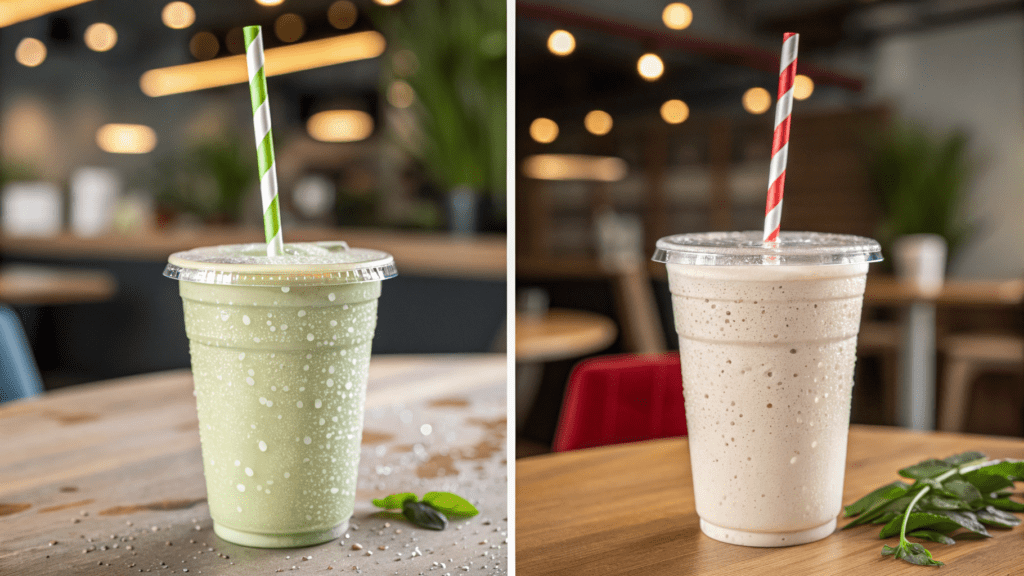
Устойчивые государственные и местные запреты на пластиковые соломинки в США:
Несмотря на федеральный поворот, многие штаты и города США продолжают поддерживать и обеспечивать соблюдение своих запретов или ограничений на одноразовые пластиковые соломинки. Эти местные правила часто прямо поощряют или предписывают использование бумажных, компостируемых или многоразовых альтернатив, создавая лоскутное одеяло требований по всей стране. Ключевые примеры включают в себя:
- Калифорния: Законопроект о собрании 1884 (2018 г.) запрещает ресторанам с полным спектром услуг автоматически предоставлять пластиковые трубочки.
- Сиэтл, Вашингтон: Запрет на пластиковые трубочки и посуду действует с июля 2018 года.
- Вашингтон, округ Колумбия: В январе 2019 года ввели запрет на пластиковые соломинки.
- Майами-Бич, Флорида: В 2019 году введен запрет на пластиковые трубочки.
- Другие штаты, такие как Мэн, Нью-Джерси, Нью-Йорк, Орегон, Род-Айленд, Вермонт и Вашингтон, также сохраняют различные ограничения, демонстрируя твердую и постоянную приверженность местного населения сокращению пластиковых отходов.
Для предприятий, работающих на национальном уровне, это означает, что единая стратегия закупок может оказаться неосуществимой. Например, сеть ресторанов должна быть готова соблюдать различные требования к соломинке в разных городах, даже в пределах одного штата. Это требует четкого понимания местных постановлений, чтобы избежать штрафов и обеспечить соблюдение законодательства.
Глобальный импульс к сокращению использования одноразового пластика:
На международном уровне преобладающей тенденцией по-прежнему является резкий отказ от одноразового пластика. Европейский Союз, например, ввел полный запрет на одноразовые пластиковые тарелки, столовые приборы и соломинки, который вступил в силу в июле 2021 года. Это широкое регулирование затрагивает все предприятия, импортирующие в ЕС или работающие на его территории, требуя перехода к устойчивым альтернативам.
За пределами Европы другие крупные экономики и регионы последовали этому примеру:
- Китай: С 2021 года Китай постепенно запретил использование одноразовых пластиковых пакетов и посуды в крупных городах, а к концу 2020 года введет общенациональный запрет на одноразовые соломинки в ресторанном бизнесе.
- Канада: Объявлены планы запретить широкий спектр одноразовых пластиковых изделий, включая трубочки, к концу 2022 года.
- Великобритания: Запрет на пластиковые трубочки, мешалки и ватные палочки, хотя и был первоначально отложен, вступил в силу в октябре 2020 года.
- Другие страны: Такие страны, как Франция (ставящая целью запретить весь одноразовый пластик к 2040 году), Испания, Италия, Бали, Ямайка, Белиз и Тайвань также ввели или объявили аналогичные ограничения.
Эти глобальные правила подчеркивают четкую международную приверженность защите окружающей среды и сокращению пластиковых отходов. Для компаний с международными цепочками поставок или компаний, ориентированных на глобальные рынки, соответствие этим более широким тенденциям означает не только соблюдение требований, но и поддержание конкурентоспособности и благоприятного восприятия бренда в условиях все более экологически сознательной глобальной экономики.
Потребительские настроения и операционные реалии:
Дебаты вокруг соломенных материалов не являются чисто нормативными; оно также формируется потребительскими предпочтениями и практическими особенностями бизнес-операций. Несмотря на то, что стремление к устойчивому развитию является сильным, опыт использования бумажных трубочек часто становится предметом разногласий. Опросы показывают, что потребители отдают предпочтение долговечности и удобству использования пластиковых трубочек. Опрос IPSOS, проведенный в 2018 году, показал, что большинство американцев предпочитают пластик: только 4% считают пластиковые трубочки «неприятными» по сравнению с бумажными трубочками в семь раз чаще. Опрос YouGov 2023 года также показал, что 33% американцев «не любили» или «ненавидели» бумажные трубочки, ссылаясь на такие проблемы, как быстрая поломка, распад и потенциальное влияние на вкус напитков.
Эти опасения превращаются в реальные операционные проблемы для бизнеса. Рассыпающаяся соломинка может привести к жалобам клиентов, порче продукта и дополнительным затратам, если для одного напитка потребуется несколько соломинок. Более того, экологические преимущества бумажных трубочек подверглись тщательному изучению. Некоторые исследования показывают, что процесс производства бумажных трубочек может иметь больший углеродный след и требовать больше воды по сравнению с пластиком, что бросает вызов восприятию их как однозначно превосходящих по воздействию на окружающую среду. Эта сложность означает, что предприятия должны балансировать между соблюдением требований, удовлетворенностью клиентов и реальным воздействием выбранных ими материалов на окружающую среду.
Strategic Solutions for Your Business: Adapting to the New Straw Economy
Navigating this intricate web of regulations, consumer preferences, and operational demands requires a robust, data-driven strategy. B2B leaders must go beyond simply reacting to policy changes and instead proactively explore sustainable and compliant solutions that align with their long-term business goals.
Comparing Your Options: A Business Decision Matrix
The choice of straw material has direct implications for cost, compliance, customer experience, and your brand’s sustainability narrative. Here’s a comparative look at common options:
| Особенность | Влияние B2B | Комплаенс-риск | Потенциал рентабельности инвестиций |
|---|---|---|---|
| Бумажные трубочки | Eco-friendly image (generally), widely available. Customer complaints due to durability issues. Higher cost than plastic. | Соответствует большинству государственных/местных запретов на использование пластика и директив ЕС. Федеральная немилость в контексте правительства США. Возникает потенциальное беспокойство по поводу PFAS. | Позитивное восприятие бренда (для экологически сознательного сегмента). Более высокие эксплуатационные расходы на единицу. Риск недовольства клиентов. |
| Пластиковые соломинки | Знакомый, прочный, недорогой. Высокие потребительские предпочтения. | Запрещен/ограничен во многих штатах/городах США и во всем мире (ЕС, Китай, Канада). Федеральное значение вновь подчеркивается в контексте правительства США. | Более низкие непосредственные затраты. Значительный риск восприятия бренда из-за экологических проблем. Возможны штрафы там, где это запрещено. |
| Альтернативные материалы | (e.g., bamboo, metal, silicone, pasta, edible) Diverse options, varying durability & reusability. Often higher upfront cost. | Compliance varies by material & local regulations. Reusable options reduce waste. | Варьируется в широких пределах. Может быть высоким для многоразового использования (долгосрочная экономия). Может быть низким для одноразового компостирования. Сильное положительное восприятие бренда (инновации, устойчивое развитие). Возможность премиальной цены. Требуется обучение клиентов многоразовым вариантам. |
Часто задаваемые вопросы
Legal & market context for paper and plastic straw policies (U.S. & global), with practical guidance for foodservice operators.
Являются ли бумажные трубочки незаконными в США?
Нет. Общенационального запрета на использование бумажных трубочек для населения или частного бизнеса не существует. Федеральный указ от февраля 2025 года предписывает федеральные агентства прекратить закупку и раздачу бумажных трубочек в федеральных зданиях, но это не является широким общественным запретом. Многие штаты и города по-прежнему ограничивают использование пластиковых трубочек, часто поощряя использование бумаги или других альтернатив.
Какова сейчас позиция федерального правительства США в отношении бумажных трубочек?
По состоянию на февраль 2025 года исполнительный указ предписывает федеральным учреждениям прекратить закупку/поставку бумажной соломинки, изменив направление с EO 14057 (декабрь 2021 года). Приведенное обоснование включает функциональность, стоимость, потенциальные проблемы с PFAS и экологическую эффективность (например, пластиковая упаковка). Эта позиция применима к федеральным операциям, а не к частному бизнесу или широкой общественности.
Запрет на пластиковые соломинки все еще существует в США?
Да. Многие штаты и муниципалитеты (например, Калифорния, Сиэтл, Вашингтон, округ Колумбия, Майами-Бич) продолжают вводить запреты или политику «по запросу» в отношении пластиковых трубочек. Операторы должны следить за местными правилами и соответствующим образом обновлять СОП по закупкам и приему на дому.
Какова глобальная тенденция в отношении одноразовых пластиковых соломинок?
Траектория направлена в сторону сокращения или запрета (например, Директива ЕС об одноразовых пластиках, ограничения на соломинки в ресторанах Китая, меры в Канаде и Австралии). Бумага, растительное волокно, PHA/PLA и съедобные варианты растут, но степень удовлетворенности зависит от варианта использования и типа напитка.
Как потребительские предпочтения влияют на выбор соломинки для бизнеса?
Потребители часто предпочитают пластик из-за его долговечности и приятного вкуса; жалобы на бумагу включают сырость и передачу вкуса. Выигрышная стратегия обеспечивает баланс между соблюдением нормативных требований и качеством обслуживания гостей — например, предлагая более эффективные биоразлагаемые или съедобные соломинки для густых напитков, а также политику «соломинки по запросу» для сокращения объема и стоимости.