В запутанном мире глобальных цепочек поставок и закупок мало что может показаться столь же безобидным, как скромная пластиковая соломинка. Тем не менее, это повсеместное удобство стало символом колоссальной экологической проблемы, несущей в себе необъявленный долг, который бизнес больше не может позволить себе игнорировать. Для менеджеров по закупкам, операционных директоров, специалистов по устойчивому развитию и руководителей цепочек поставок понимание истинного жизненного цикла пластиковых трубочек — это не просто экологическая проблема; это важнейший операционный императив, влияющий на соблюдение требований, репутацию бренда и долгосрочную финансовую жизнеспособность. Тревожная правда заключается в том, что традиционные пластиковые соломинки на самом деле не разлагаются; вместо этого они упорствуют, распадаясь на коварные фрагменты, которые проникают в самые жизненно важные системы нашей планеты.
The core of the problem lies in the very nature of plastic. Made primarily from polypropylene (#5 plastic), a durable petroleum byproduct, plastic straws are engineered for longevity, not biodegradability. This means they can take up to 200 years to even begin breaking down, and even then, they don’t return to natural components. What occurs is a process of photo-degradation and fragmentation, yielding smaller and smaller pieces known as microplastics. These microscopic particles, less than 5mm in size, are pervasive contaminants, infiltrating soil, water, and air, posing a significant threat to ecosystems and, increasingly, human health. They enter the food chain, accumulate in wildlife, and are now detectable in an estimated 80% of human blood.
Это невидимое путешествие часто начинается с утилизации. Несмотря на то, что пластиковые соломинки технически пригодны для вторичной переработки, они редко перерабатываются в рамках обычных программ у тротуаров из-за их небольшого размера, из-за чего они проваливаются через оборудование для переработки и загрязняют другие потоки, пригодные для вторичной переработки. Следовательно, по крайней мере 97% правильно утилизированных пластиковых соломинок оказываются на свалках или сжигаются, или, что еще хуже, они попадают в естественную среду. По оценкам, 8,3 миллиарда пластиковых соломинок загрязняют пляжи мира, в результате чего ежегодно в океан попадает 8 миллионов тонн пластика. Их легкий вес позволяет им легко переноситься ветром и водой, что приводит к повсеместному засорению и представляет серьезную угрозу для морской жизни, включая морских черепах, морских птиц и млекопитающих, которые принимают их за пищу, что приводит к проглатыванию, запутыванию и часто к смерти. Коммерческий эффект огромен: предприятия, которые не осознают эту постоянную проблему, сталкиваются не только с потенциальными штрафами со стороны регулирующих органов, но и с серьезными ударами по их общественному имиджу и доверию потребителей.
Меняющиеся волны общественного сознания и нормативные требования создают для бизнеса настоятельную необходимость переоценить свою зависимость от одноразового пластика. Помимо видимого загрязнения, пластиковые соломинки несут в себе тихий риск для здоровья. Они могут выделять химические соединения, такие как BPA (бисфенол А) и PFAS (пер- и полифторалкильные вещества), в напитки, особенно горячие напитки. Эти «вечные химические вещества» и эндокринные разрушители связаны с потенциальными гормональными нарушениями, повышенным риском развития рака и нарушением иммунной функции. Проглатывание микропластика из фрагментированных соломинок также вызывает постоянную обеспокоенность по поводу последствий для здоровья человека.
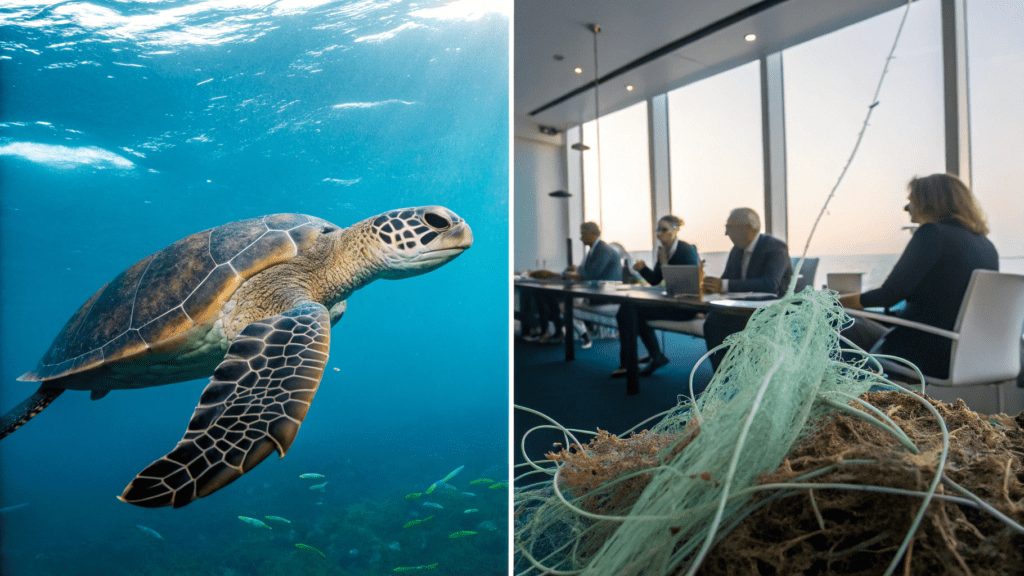
Globally, a formidable wave of regulatory pressure is forcing businesses to adapt. The European Union’s Single-Use Plastics Directive, for example, mandates a ban on certain single-use plastic products, including straws, by July 2021, and strongly promotes sustainable alternatives. In the United States, cities like Seattle and states like California have implemented their own bans or “straw upon request” policies. This regulatory landscape is not a distant threat but an immediate operational challenge for supply chain executives and procurement teams, requiring proactive sourcing of compliant alternatives. The catalyst for this widespread legislative action and public scrutiny was profoundly influenced by viral moments, most notably the harrowing 2015 video of a plastic straw being removed from a sea turtle’s nostril, which galvanized the anti-plastic straw movement worldwide. This event significantly shaped evolving consumer expectations; a February 2025 Oceana poll in the U.S. showed 81% of voters support policies to reduce plastic production, including single-use plastic and foodware. Brands that ignore this shift risk alienating a growing segment of environmentally conscious consumers, impacting purchasing decisions and market share.
However, the conversation around plastic straw bans is not without its complexities, particularly concerning accessibility. For many individuals with disabilities, chronic illnesses, or mobility issues, bendable plastic straws are not a mere convenience but an essential tool for safe, independent drinking. Current alternatives often fall short, with paper straws becoming soggy and posing choking hazards, and rigid metal or glass straws presenting injury risks for those with tremors or involuntary movements. Silicone straws may lack the necessary flexibility. This critical nuance means that while businesses strive for sustainability, they must also ensure inclusivity, adopting solutions that cater to universal design principles. For operations directors, this necessitates a balanced approach, considering options like offering plastic straws upon request for those who need them, while transitioning to sustainable alternatives for general use. The UK’s Equality Act (2010) underscores the legal implications, protecting people with disabilities from discrimination due to inaccessible goods and services.

Embracing sustainable alternatives is no longer just about compliance or mitigating risk; it’s a strategic pathway to business growth and enhanced brand value. The global eco-friendly straw market is booming, projected to nearly double from an estimated $12.3 billion in 2025 to $25.1 billion by 2035, exhibiting a robust Compound Annual Growth Rate (CAGR) of 7.3%. This expansion signals significant investment opportunities and a clear market shift.
Navigating the Alternatives: A Comparative Guide for B2B Decision-Makers
Procurement teams face a critical choice, balancing cost, performance, and environmental impact. Here’s a comparative overview of the leading sustainable straw alternatives:
Reusable Straws: Long-Term Investments
- Металл (нержавеющая сталь): Known for durability, hygiene (when properly cleaned), and a sleek aesthetic. Ideal for high-end dining, hotels, or corporate offices that can manage washing and sanitization. While their decomposition time is indefinite, their reusability makes them highly sustainable.
- Glass: Offers an elegant, transparent aesthetic that allows for visible cleanliness. Durable for repeated use, though susceptible to breakage. Best for controlled environments like cafes or for retail sale to consumers.
- Silicone: Flexible, soft, and child-friendly, making them a good option for family-oriented establishments or healthcare settings where safety is paramount. Require thorough cleaning and are not biodegradable (50-500 years to break down).
- Бамбук: Provides a natural, rustic aesthetic, appealing to eco-conscious brands. They are reusable and decompose in several months to a year. However, they require careful cleaning and can sometimes harbor bacteria if not dried properly. For more on their decomposition, read about разлагаются ли бамбуковые соломинки для устойчивого развития B2B.
Single-Use Biodegradable & Compostable Options: Convenient Sustainability
- Бумажные соломинки: The most common single-use alternative, decomposing in 2-6 weeks. While highly biodegradable, early versions suffered from sogginess. Recent advancements include improved waterproof coatings, though some studies suggest they may contain “forever chemicals” (PFAS), a concern manufacturers are actively addressing with PFAS-free solutions. Best for fast food, quick-service restaurants, and high-volume takeaway operations.
- Bioplastics (PLA, PHA, CDA):
- PLA (полимолочная кислота): Made from organic materials like corn starch, PLA straws are considered biodegradable but require industrial composting facilities to decompose properly. They do not degrade well in landfills or oceans. Suitable for businesses with access to industrial composting infrastructure.
- PHA (Polyhydroxyalkanoates): Derived from microorganisms, PHA straws are a promising biodegradable plastic that can decompose within a few months under the right composting conditions, including marine environments. Offers better durability and flexibility than PLA. Ideal for wider use cases given their environmental profile.
- CDA (Cellulose Diacetate): Shows promising degradation (up to 50% in 16 weeks) in coastal ocean systems, with projected environmental lifetimes of 20 months, offering a marine-degradable option.
- Novel Plant-Based Straws (Sugarcane, Rice, Grass, Wheat, Coffee Grounds, Pasta, Seaweed): These innovations offer diverse properties and decomposition rates, ranging from 1-3 months for rice and grass straws, to 3-6 months for sugarcane. Pasta straws are flavorless and edible, as are some seaweed-based straws from companies like LOLIWARE, which are designed to disappear after use. Stroodles also offers edible pasta straws. These options present unique branding opportunities and minimal waste, appealing to innovative and environmentally committed businesses.
| Тип соломы | Decomposition/Lifespan | Key Pros (B2B) | Key Cons (B2B) | Best For (Business Type/Use Case) |
|---|---|---|---|---|
| Пластик | 200+ years (fragments) | Low initial cost, durable, flexible | Severe pollution, microplastics, regulatory risk | Legacy usage (phasing out) |
| Бумага | 2-6 weeks | Biodegradable, widely available | Can get soggy, potential PFAS, higher cost than plastic | Fast food, cafes, takeaway, high-volume operations |
| НОАК | Промышленный компост | Compostable, plant-based | Requires industrial facilities, not marine-degradable | Establishments with industrial composting access |
| Пхат | Compostable (incl. marine) | Biodegradable in marine, durable, flexible | Higher cost than plastic, newer technology | Eco-focused brands, coastal businesses |
| Металл | Reusable (indefinite) | Highly durable, premium feel, zero waste | Requires cleaning, initial cost, not flexible | Fine dining, hotels, corporate dining, retail |
| Стекло | Reusable (indefinite) | Aesthetic, transparent, easy to inspect | Fragile, requires careful cleaning, not flexible | Cafes, bars, retail (for home use) |
| Силикон | 50-500 years | Flexible, soft, safe for kids | Not biodegradable, requires cleaning | Healthcare, family restaurants, retail |
| Бамбук | Reusable (months-1 year) | Natural aesthetic, reusable, biodegradable | Requires cleaning/care, potential for off-taste | Eco-resorts, natural food cafes, retail |
| Сахарный тростник | 3-6 months | Fully biodegradable/compostable, sturdy | Higher cost than paper | Restaurants, catering, events |
| Рис | 1-3 months | Edible, biodegradable, gluten-free | Can get soggy, limited lifespan in liquid | Asian cuisine, niche eateries, eco-events |
| Pasta | Biodegradable (edible) | Edible, zero waste, natural ingredients | Softens quickly, may impact taste of light drinks | Casual dining, pizzerias, novelty uses |
| Seaweed | Biodegradable (edible) | Marine-degradable, edible, rapidly renewable | Emerging technology, higher cost | Innovative, high-end, marine-conscious businesses |
Illustration 3: Comparative Guide to Sustainable Straw Alternatives for B2B Decision-Makers.
The industry is responding to these demands with remarkable speed. Asia Pacific currently leads the eco-friendly straw market, holding 48.5% of the revenue in 2023, driven by expanding retail sectors and stringent plastic waste legislation. Europe is also a key market due to comprehensive policies like the EU Single-Use Plastics Directive, while North America is poised for substantial expansion, supported by increasing environmental consciousness. This global shift means procurement strategies must move beyond traditional cost-cutting to prioritize lifecycle analysis and environmental impact. For example, a metal straw needs to be used 150 times to break even with the emissions generated by producing a single plastic straw, highlighting the need for true circular economy thinking.

Looking ahead, the future of plastic straw alternatives is characterized by continuous innovation. Researchers are developing straws from a wider array of agricultural byproducts and renewable resources, including flax straw, potato peels, and apple pomace, with the latter even offering edible, flavored options. Bio-engineered solutions are emerging, such as bacterial cellulose straws demonstrating superior strength and edible, microplastic-free properties. Seaweed-based packaging and straws, rapidly renewable and naturally biodegradable even in marine environments, represent a significant leap forward. The market is also focusing on enhanced performance, addressing sogginess, improving durability, and even exploring “smart straws” with integrated sensors. These advancements not only solve existing challenges but also create new opportunities for brands to differentiate themselves through cutting-edge sustainable offerings. This commitment to innovation, as seen in the development of materials discussed on sites likeразлагаются ли бамбуковые соломинки для устойчивого развития B2B, is vital for long-term supply chain resilience.
The competitive landscape is diversifying, with key players like Huhtamaki, Aardvark Straws, and Biopac investing heavily in research and development to improve functionality and sustainability. Major fast-food chains and coffee giants like Starbucks have already committed to phasing out plastic straws, demonstrating a leading corporate responsibility trend that directly impacts the global supply chain. This shift is not merely about compliance but about capturing market share, with consumers increasingly willing to pay a premium for environmentally responsible options. A 2019 poll revealed two-thirds of Americans would pay more for sustainable everyday items, reinforcing the link between sustainability and brand loyalty. Understanding these market dynamics and partnering with innovative suppliers is crucial for businesses aiming to reduce their environmental footprint and secure a competitive edge.
The transition, however, isn’t without its operational and economic considerations. Eco-friendly alternatives often have higher production costs than traditional plastic, and robust composting infrastructure is not uniformly available. Despite these hurdles, the long-term benefits – reduced regulatory risks, enhanced brand reputation, and alignment with evolving consumer values – far outweigh the initial challenges. Furthermore, focusing solely on straws is a symbolic step; a truly sustainable approach extends to broader single-use plastic reduction. The insights into howразлагаются ли бамбуковые соломинки для устойчивого развития B2Bcan further guide a holistic approach.
The time for decisive action is now. Proactively transition your operations towards sustainable straw alternatives to mitigate mounting environmental and regulatory risks, quantify your commitment through tangible changes, and capture significant market share opportunities. By embracing innovation in your procurement strategy, you can position your business as a leader in corporate responsibility, enhancing brand value, fostering deeper customer loyalty, and securing a sustainable future that drives both profit and purpose.
Пластиковые трубочки — часто задаваемые вопросы
No, traditional plastic straws do not fully decompose. Instead, they break down into smaller fragments known as microplastics, which can persist in the environment for hundreds of years, contaminating ecosystems and entering the food chain.
Plastic straws contribute to ocean pollution (estimated 8.3 billion on beaches), harm marine wildlife through ingestion and entanglement, and form microplastics that contaminate water, soil, and potentially human bodies. They also consume fossil fuels in production and are rarely recycled.
Plastic straws can leach chemical compounds like BPA and PFAS into beverages, particularly hot ones. These chemicals are linked to potential hormonal disruption, increased cancer risk, and impaired immune function. The ingestion of microplastics also raises ongoing health concerns.
Effective alternatives include reusable options (metal, glass, silicone, bamboo) and single-use biodegradable/compostable options (paper, bioplastics like PLA, PHA, CDA, and novel plant-based materials like sugarcane, rice, grass, pasta, or seaweed straws). The best choice depends on operational needs, access to composting facilities, and specific use cases.
Stricter legislation, such as the EU’s Single-Use Plastics Directive and various U.S. state bans, compels businesses to transition from plastic to sustainable alternatives to ensure compliance. Failure to adapt can lead to penalties and damage to brand reputation, making proactive procurement of compliant options essential.