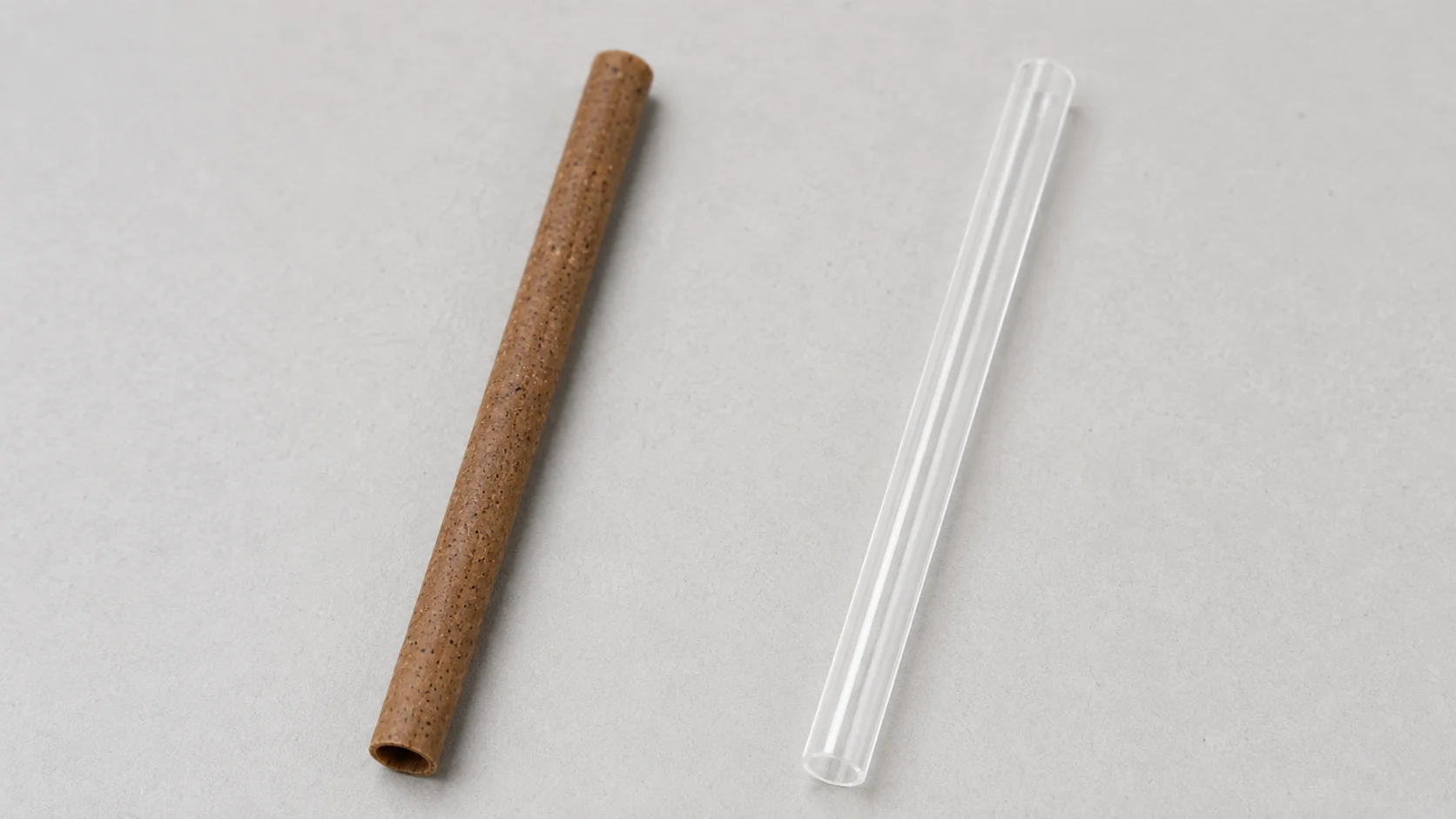
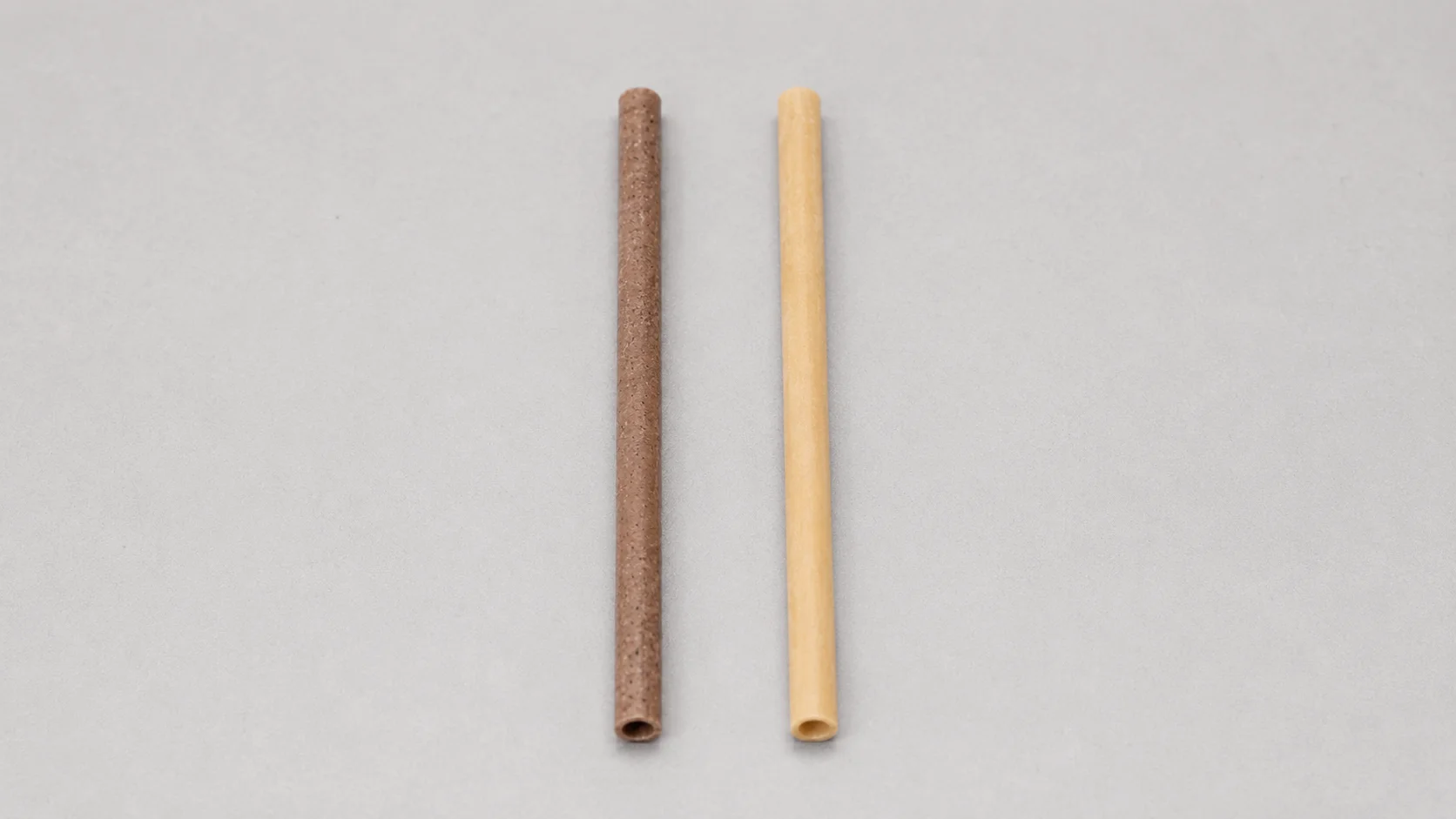
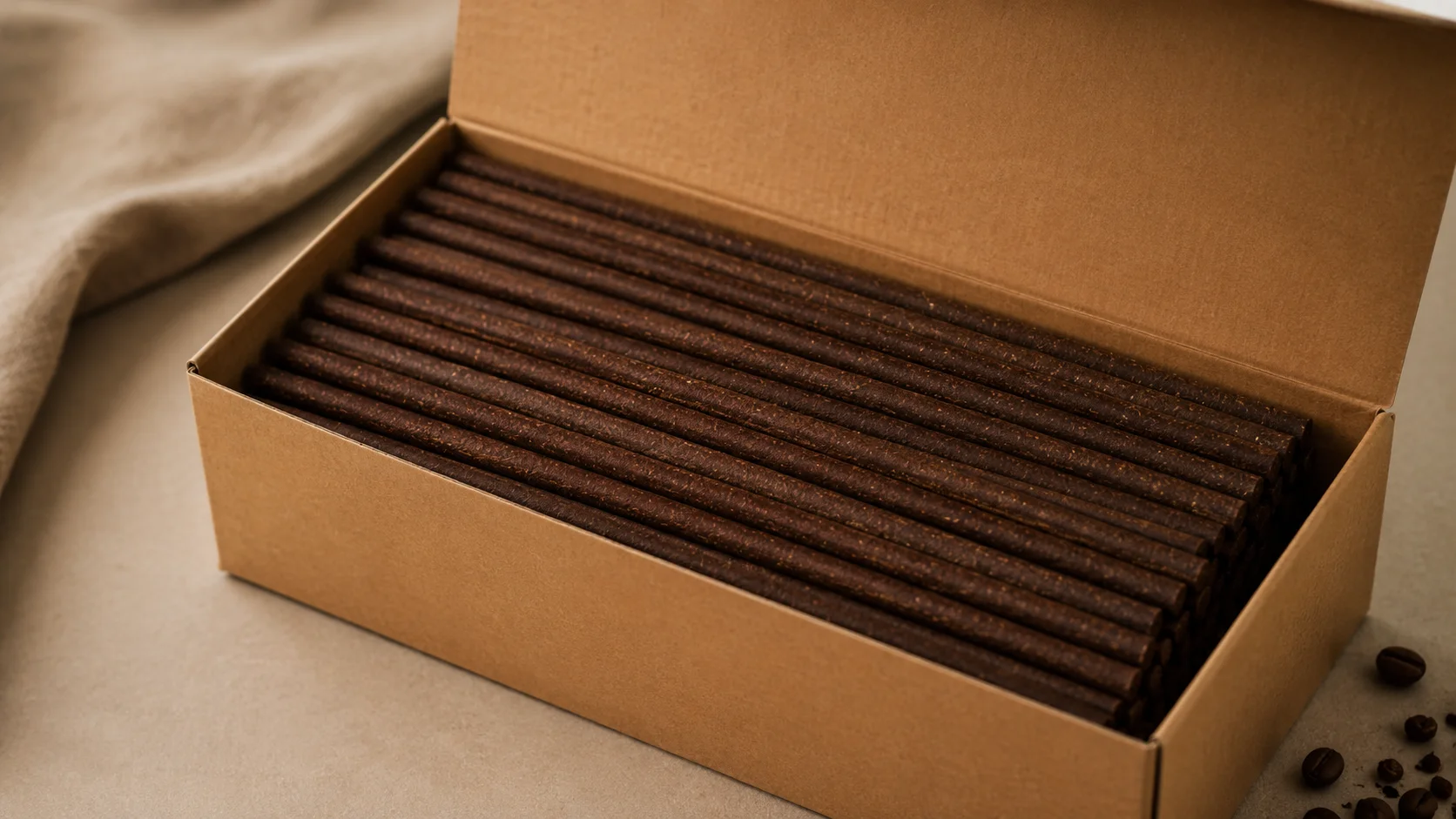
Из чего сделаны компостируемые соломинки? Материалы, которые должен знать каждый покупатель
На пути к устойчивой соломенной революции: почему материалы важны для вашего бизнеса
The global landscape for businesses is undergoing a monumental shift, driven by an undeniable move away from single-use plastics. This transformation isn’t merely a trend; it’s a convergence of escalating consumer demand for eco-friendly products, stringent regulatory mandates like those seen in the EU and various US states, and ambitious corporate sustainability goals. For procurement and operations teams, this presents a critical challenge: identifying truly effective and compliant compostable alternatives amidst a complex and often confusing market. The term “greenwashing” has become a serious concern, as many products touting “biodegradable” labels may not actually decompose as promised, leading to significant confusion for B2B buyers trying to discern genuine sustainability from marketing fluff. Understanding the nuanced difference between terms like “biodegradable” and “compostable” is paramount. It’s no longer enough to simply swap out plastic; businesses must make informed material choices to ensure operational integrity, regulatory compliance, and safeguard their invaluable brand reputation in an increasingly eco-conscious world.
Понимание ландшафта компостируемой соломы для стратегического поиска поставщиков
The modern resurgence of compostable straws is a direct response to a global environmental crisis. While drinking tubes date back to ancient Sumeria, the 1800s saw a common use of rye grass straws, though they were prone to sogginess and imparted an unpleasant taste. The invention of the paper straw in 1888 by Marvin C. Stone offered an early solution, a predecessor to today’s diverse array of eco-friendly options. The mid-20th century saw plastic dominate due to its low cost and durability, but images of marine life entangled in plastic debris, coupled with the pervasive issue of microplastics, catalyzed a renewed global push for sustainable alternatives. Cities like Seattle, which banned single-use plastic straws in 2018, and the sweeping EU Directive against them, highlight the regulatory pressure driving this market.
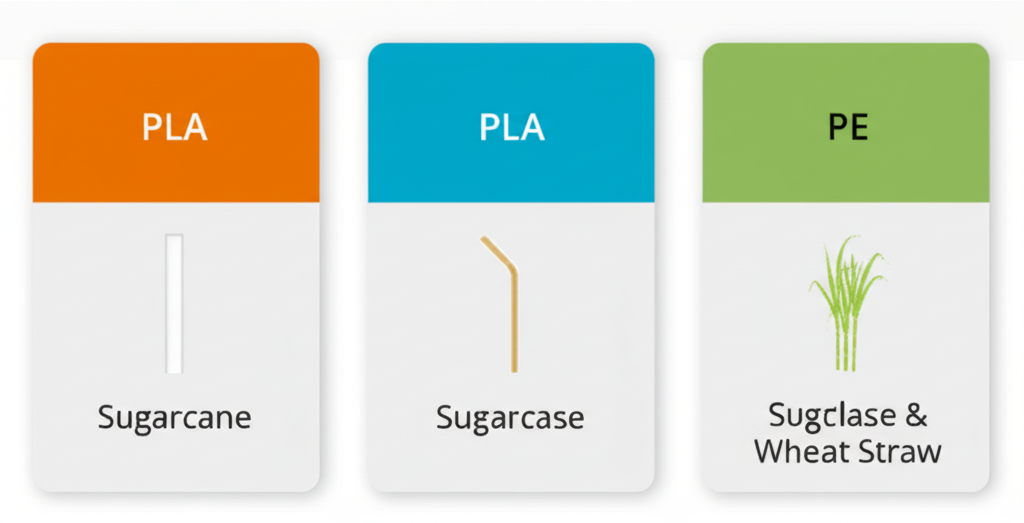
Today’s market offers core categories of compostable straw materials, broadly divided into plant-based polymers and natural fibers. Plant-based polymers include Polylactic Acid (PLA) and Polyhydroxyalkanoate (PHA), while natural fibers encompass materials like Paper, Sugarcane (Bagasse), Bamboo, Rice, and Wheat. The global eco-friendly straws market is not just growing; it’s projected to reach nearly USD 25.1 billion by 2035, indicating a robust and rapidly expanding sector. This growth is fueled by increasing environmental consciousness, more stringent plastic regulations, and a heightened focus on Corporate Social Responsibility (CSR) initiatives across industries. Major market players are continuously innovating, showcasing the maturity and global adoption of these sustainable solutions. For instance, companies like Huhtamaki Oyj and Vegware are significant contributors to the compostable packaging ecosystem, while innovative materials are being developed by companies featured onmomoio.com, such as their advanced compostable packaging solutions.

Choosing the Right Compostable Straw: A Buyer’s Essential Guide to Materials
Making the optimal choice for your business demands a deep dive into the properties of each material. Procurement teams need to understand not just what compostable straws are made of, but how they perform, their disposal requirements, and their overall suitability for specific operational needs.
- Полимолочная кислота (PLA): Derived from renewable resources like cornstarch or sugarcane, PLA straws offer a feel akin to traditional plastic. However, their critical caveat is the requirement for industrial composting facilities, typically needing temperatures of 56-60°C to fully break down. Without these specific conditions, PLA can persist in landfills for hundreds of years, resembling conventional plastic waste.
- Полигидроксиалканоат (ПГА): Produced through the fermentation of vegetable oils or sugars, PHA stands out for its robust durability and significant advantage of being both home compostable and marine degradable. This means PHA straws can break down efficiently in a wider range of natural environments, offering a more versatile disposal profile.
- Бумага: Made from wood pulp, bamboo, or bagasse, modern paper straws have seen advancements in water-resistant coatings. While earlier versions often suffered from sogginess and could impart a taste, newer innovations aim to overcome these performance challenges. It’s crucial to source PFAS-free paper straws to avoid “forever chemicals.”
- Sugarcane (Bagasse) & Wheat Straw: These materials are derived from agricultural waste, specifically the fibrous byproduct of sugarcane juice extraction and wheat harvesting. They are known for their natural sturdiness and impressive home compostability, making them highly desirable for truly circular economy initiatives.
To aid in strategic sourcing, consider the following comparative analysis:
| Особенность | НОАК | Пхат | Бумага | Сахарный тростник (багасс) |
|---|---|---|---|---|
| Primary Source | Кукурузный крахмал, сахарный тростник | Растительные масла, сахар | Wood Pulp, Bamboo, Bagasse | Sugarcane Waste Fibers |
| Feel/Appearance | Пластиковый | Пластиковый | Paper/Fiber | Natural Fiber, Sturdy |
| Hot Liquid Suit. | Softens at high temps | High temperature resistant | Varies (can soften) | High temperature resistant |
| Cold Liquid Suit. | Хороший | Отличный | Varies (can soften) | Отличный |
| Disposal Req. | Industrial Composting (Crucial) | Home & Industrial, Marine Degradable | Home & Industrial (often wax-coated) | Home & Industrial |
| Долговечность | Good (can be brittle) | Excellent, resists sogginess | Varies (can get soggy) | Excellent, resists sogginess |
| Нейтральность вкуса | Generally neutral | Generally neutral | Может придать бумаге вкус | Нейтральный |
| Риск ПФАС | Low (not typically coated) | Очень низкий | Higher (in some coated varieties) | Низкий |
| Типичная стоимость | От умеренного до высокого | Высокий (но улучшается) | Умеренный | Умеренный |
A significant concern for B2B buyers, particularly in Europe and the US, has been the “forever chemicals” (PFAS) controversy found in some paper straws. It’s vital to partner with suppliers who guarantee PFAS-free options. While PLA remains a popular choice, the critical need for proper composting infrastructure often limits its real-world environmental benefit. PHA, however, offers a more versatile degradation profile, addressing this challenge by decomposing in more accessible environments. Looking ahead, exciting future developments are underway, including seaweed-based straws, bacterial cellulose, and advanced starch-lignin straws. These innovations, like those highlighted in cutting-edge research, are paving the way for even more sustainable and higher-performing options that can meet the rigorous demands of commercial use. For an in-depth look at certifications, explore guides like this one onBPI Certification from momoio.com.
Future-Proofing Your Operations with Sustainable Straw Procurement
Beyond mere compliance, choosing the right compostable straws offers tangible operational benefits. By selecting materials that avoid common issues like sogginess or taste alteration, businesses can significantly enhance the customer experience, thereby protecting and even elevating their brand image. This strategic shift is crucial for meeting escalating regulatory demands, particularly in markets with stringent plastic bans like many across the European Union and progressive US states, helping businesses avoid potential penalties or public relations crises. Furthermore, adopting truly compostable solutions strengthens your brand’s sustainability narrative, attracting the growing segment of eco-conscious consumers and partners who prioritize environmental responsibility. Find out more about how sustainable packaging aligns with your business goals atmomoio.com/blog/sustainable-packaging-guide.
Инвестиции в современные биоразлагаемые соломинки являются мощным конкурентным преимуществом. Это позиционирует ваш бизнес как лидера в области охраны окружающей среды, демонстрируя искреннюю приверженность более зелёному будущему. Этот шаг касается не только хорошей оптики; речь идет об активном сокращении количества отходов на свалках и поддержке экономики замкнутого цикла, которая идеально согласуется с более широкими целями корпоративной социальной ответственности и ожиданиями инвесторов. В долгосрочной перспективе такой ответственный выбор поставщиков может привести к прямой экономии средств за счет снижения платы за утилизацию отходов и улучшения общественного мнения, что приведет к увеличению лояльности клиентов и увеличению доли рынка. Недавние отчеты исследовательских фирм, таких как Future Market Insights, подтверждают уверенный рост рынка экологически чистой соломинки, подчеркивая стратегическое преимущество, доступное ранним пользователям. Эта приверженность устойчивому развитию все больше влияет на выбор потребителей, о чем свидетельствуют отчеты таких организаций, как Национальная федерация розничной торговли, в которых подробно описывается рост сознательного потребительства.

Secure Your Sustainable Straw Supply: Make an Informed Choice Today
The journey toward fully sustainable operations is complex, and selecting the optimal compostable straw material for your specific business needs is a critical step. Move beyond generic “biodegradable” claims and focus on certified compostable materials with proven performance that align with both your brand values and the practical realities of disposal. Don’t let uncertainty derail your sustainability efforts.