Är sugrör från sockerrör säkra för kontakt med mat?
I dagens snabbt föränderliga hållbarhetslandskap är företag världen över under enorm press att minska sitt miljöavtryck, med stort fokus på att ersätta engångsplast. När innovativa alternativ dyker upp, dyker en avgörande och komplex fråga upp för B2B-köpare: Är dessa "gröna" lösningar, särskilt sugrör av sockerrör, otvetydigt säkra för kontakt med livsmedel, och uppfyller de de alltmer rigorösa regulatoriska standarder som förväntas av globala marknader och kräsna konsumenter?
Marknaden är för närvarande översvämmad av en kakofoni av miljöanspråk, vilket gör det otroligt utmanande för B2B-köpare att urskilja äkta säkerhet, verifierad efterlevnad och sann hållbarhet. Desinformation, vaga löften eller förbisedda regulatoriska detaljer kan leda till betydande risker för ditt företag. Föreställ dig det potentiella nedfallet: oro för kundernas hälsa som leder till skadat varumärkesrykte, rejäla böter under allt strängare miljö- och livsmedelssäkerhetslagar och urholkningen av konsumenternas förtroende som mödosamt byggts upp under åren. Insatserna är helt enkelt för höga för att förlita sig på ogrundade påståenden.
Den här omfattande guiden är utformad för att skära igenom bruset och ge definitiva svar och djupa insikter om varför certifierade sockerrörsstrån inte bara är ett miljömedvetet val utan en helt säker, kompatibel och framtidssäker lösning för ditt företags olika behov av matservice. Vi kommer att packa upp vetenskapen, reda ut certifieringarna och avmystifiera det regulatoriska landskapet, vilket ger dig möjlighet att fatta välgrundade beslut som gynnar ditt resultat, dina kunder och planeten.

II. Intresse: Avslöja den kompromisslösa säkerheten och robusta referenserna hos sockerrörsstrån
Resan till verkligt hållbara matserveringslösningar börjar med ett kompromisslöst engagemang för säkerhet och verifierbara referenser. Sockerrörsstrån utmärker sig som ett förstklassigt alternativ, byggt på en grund av naturliga material, rigorösa tester och omfattande certifiering.
1. Grunden för säkerhet: Materialsammansättning och kemisk renhet
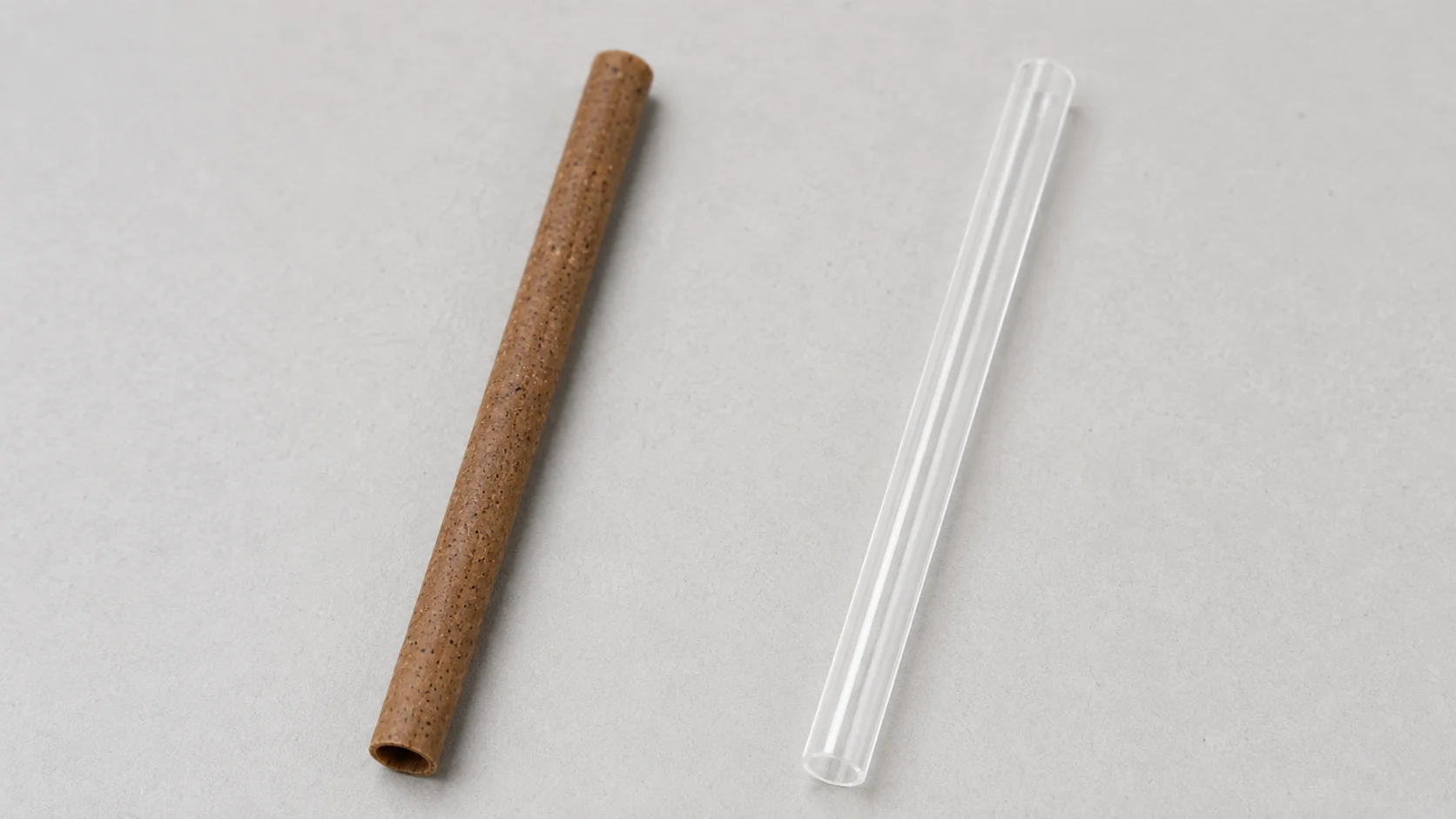
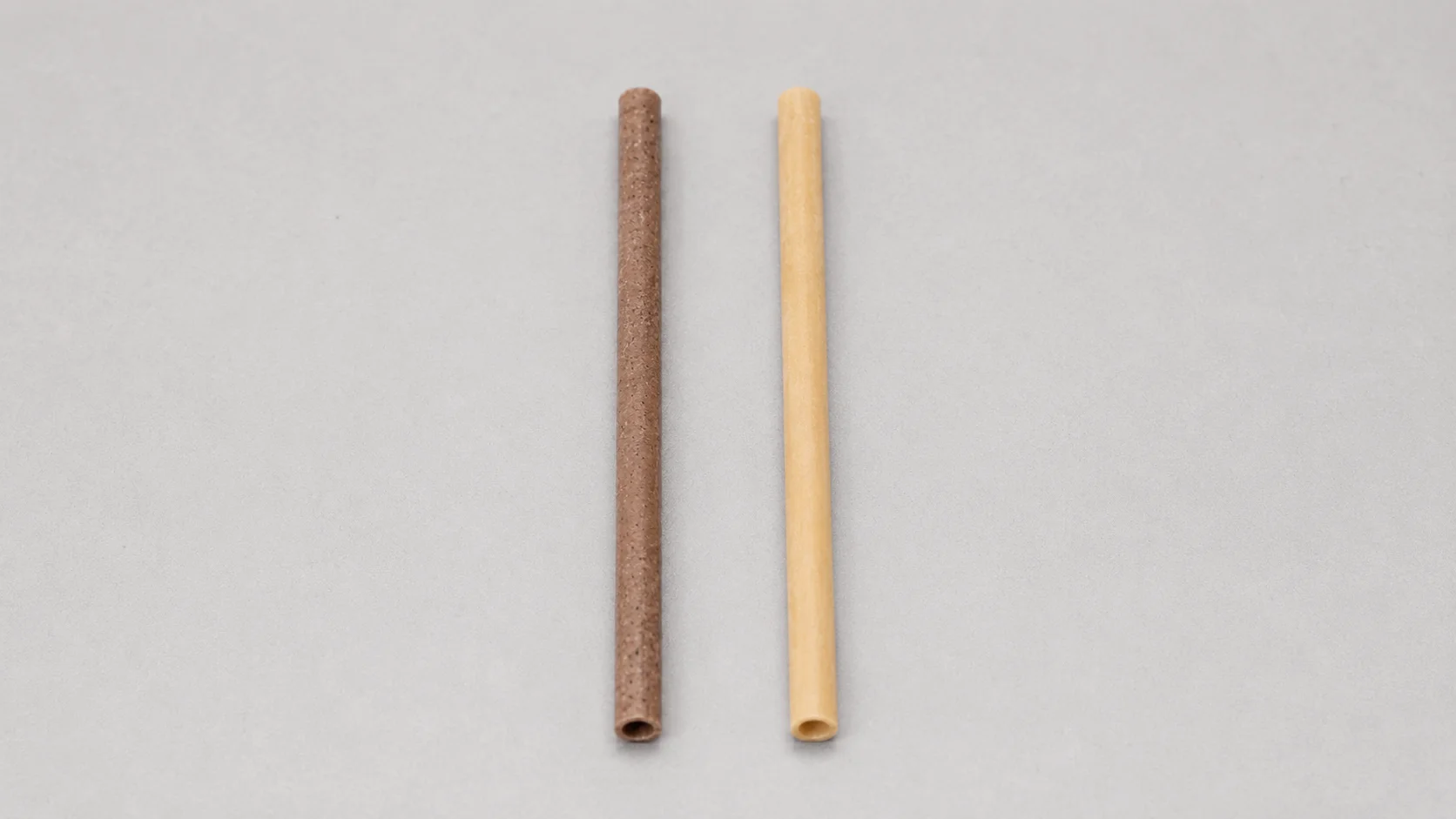
Den inneboende säkerheten hos sockerrörsstrån börjar med deras grundläggande sammansättning. De är huvudsakligen tillverkade av sockerrörsbagass, den fibrösa biprodukten som finns kvar efter sockerextraktion. Detta material, en hållbar cellulosaresurs, förvandlar det som en gång var jordbruksavfall till en värdefull, miljövänlig produkt. Avgörande är att många högkvalitativa alternativ på marknaden uttryckligen är "PLA-fria", som tillgodoser specifika regulatoriska behov och konsumentpreferenser som försöker undvika även biobaserad plast.
Ansedda tillverkare går långt för att garantera den kemiska renheten hos sina sockerrörsstrån. Detta åtagande säkerställer att de är noggrant testade och certifierade fria från ett brett spektrum av skadliga ämnen som vanligtvis förknippas med traditionell plast:
- BPA (Bisphenol-A) and Phthalates: Known endocrine disruptors, these are entirely absent.
- PFAS (“Forever Chemicals”) and Fluorine: A critical safety concern, certified sugarcane straws are explicitly PFAS-Free and Fluorine-Free, putting your business ahead of emerging global restrictions.
- Heavy Metals: Strict limits are maintained to prevent any migration of toxic elements.
- Petroleum and Bleach: These harsh chemicals, often found in paper processing, are excluded.
- “5 Plastics Free”: High-quality sugarcane straws are certified free from Polystyrene (PS), Polyethylene (PE), Polypropylene (PP), Polyvinyl Chloride (PVC), and Polyethylene Terephthalate (PET/PETE), ensuring they are devoid of conventional plastic compounds.
- Gluten-Free: Dessa sugrör är även glutenfria för att tillgodose kostkänslighet.
Utöver frånvaron av skadliga ämnen följer sockerrörsstrån strikta materialstandarder för livsmedel, vilket säkerställer en oklanderlig integritet utan urlakning. Detta är inte bara ett påstående utan stöds av robusta internationella godkännanden, inklusive amerikanska FDA-godkännande för kontaktsäkerhet och överensstämmelse med EU:s livsmedelssäkerhetsföreskrifter (t.ex. EU-förordning 10/2011). Detta garanterar att inga oönskade ämnen kommer att läcka ut i drycker, vilket bevarar dryckernas renhet och smak. Dessutom är de noggrant designade för att vara luktfria och smakneutrala, vilket förhindrar varje förändring av konsumentens sensoriska upplevelse.
Deras termiska prestanda och hållbarhet är också viktiga skillnader. Konstruerade för att bibehålla strukturell integritet över ett brett temperaturområde, tål de kalla drycker och varma drycker upp till 60°C, med vissa avancerade varianter som presterar tillförlitligt vid upp till 90°C. Till skillnad från många pappersalternativ som snabbt blir blöta eller kollapsar, erbjuder sockerrörsstrån överlägsen hållbarhet, vilket säkerställer en förstklassig användarupplevelse som varar under hela drycken.
För hälsomedvetna företag och konsumenter är det viktigt att klargöra att på grund av sockerutvinningsprocessen har sugrör från sockerrör ingen inverkan på blodsockernivåerna. Även om de är gjorda av naturliga material och giftfria, är det viktigt att notera att de är detinte ätbaroch bör inte konsumeras. Liksom alla icke-livsmedel, rekommenderas tillsyn för barn för att förhindra tuggning eller oavsiktligt förtäring.

2. A Mark of Trust: Globala certifieringar som validerar komposterbarhet och miljöpåståenden
På en marknad som är mättad med "gröna" påståenden är verifierade certifieringar din starkaste garanti för en produkts verkliga miljöprestanda och säkerhet. Sockerrörsstrån utmärker sig genom en omfattande serie internationella certifieringar, som visar ett oöverträffat engagemang för både livsmedelssäkerhet och biologisk nedbrytbarhet i slutet av livet.
Internationell livsmedelskontaktsäkerhet
Grunden för förtroende börjar med direkt matkontaktsäkerhet. Våra sugrör för sockerrör är universellt godkända av amerikanska FDA och har framgångsrikt klarat de rigorösa EU-förordningen EU nr 10/2011 livsmedelskontakttesterna, vilket verifierar deras säkerhet för direktkontakt med mat och dryck. Dessa godkännanden är avgörande för all B2B-verksamhet som betjänar allmänheten.
Industriell komposteringskraftverk
För produkter som verkligen är designade för en cirkulär ekonomi är industriell komposterbarhet av största vikt. Sockerrörsstrån leder vägen med flera certifieringar:
- EN 13432 (Europa): Denna europeiska standard för industriell komposterbarhet är en hörnsten. Certifierade av organ som DIN CERTCO, produkter som uppfyller EN 13432 måste uppnå 90 % biologisk nedbrytning inom sex månader och sönderfalla till fragment mindre än 2 mm inom 12 veckor i industriella komposteringsanläggningar. Detta säkerställer att materialet återgår till jorden utan att skada den resulterande komposten. Det officiella standarddokumentet för EN 13432 beskriver stränga kriterier för biologisk nedbrytbarhet, sönderdelning, kemisk sammansättning och ekotoxicitet, vilket säkerställer en helhetssyn på komposterbara förpackningar. För mer information om denna viktiga europeiska standard, se Europeiska bioplaster organisationens resurser på EN 13432.
- ASTM D6400 (USA): I USA certifierar Biodegradable Products Institute (BPI) produkter mot standarden American Society for Testing and Materials (ASTM) D6400. Detta specificerar att produkter måste uppnå 90 % biologisk nedbrytning inom 180 dagar i kommunala/industriella komposteringsanläggningar, tillsammans med korrekt sönderfall och icke-toxicitet för komposten. De BPIworld.org webbplatsen är den auktoritativa källan för BPI-certifieringsstandarder, inklusive ASTM D6400, för komposterbara produkter i Nordamerika.
- ASTM D6868 (USA): Denna standard är kritisk för produkter som innehåller plast som beläggning eller tillsatser med andra komposterbara substrat. Det säkerställer hela produktens komposterbarhet i industriella miljöer, vilket innebär att både bagassen och eventuella bindemedel är helt komposterbara.
- BPI industriell certifiering: Som nämnts tillhandahåller Biodegradable Products Institute (BPI) tredjepartsverifiering, vilket säkerställer överensstämmelse med ASTM D6400/D6868 och främjar ansvarsfull avfallshantering.
- TÜV OK Compost Industrial: En oberoende verifiering av industriell komposterbarhet tillhandahållen av TÜV Österrike, i linje med de stränga kraven i EN 13432.
Hemkomposteringsfördel
Om man går ett steg längre erbjuder många sockerrörsstrån komposterbarhet i hemmet, vilket ger ännu större flexibilitet vid slutet av livet:
- TÜV OK Compost Home & Home Material: Denna strängare certifiering, även från TÜV Österrike, verifierar fullständig biologisk nedbrytbarhet i bakgårdsjordmiljöer, utan behov av industriella förhållanden.
- ABA hemkompostering: The Australian Biodegradable Plastics Association (ABA) provides certification for home composting in the Australian market.
Chemical Transparency & Carbon Footprint
Beyond biodegradability, comprehensive environmental responsibility extends to chemical transparency and climate impact:
- PFAS-Free and Fluorine-Free: Explicitly certified, this guarantees freedom from “forever chemicals,” a crucial consideration for modern food contact materials.
- SVHC Free: Certified free from Substances of Very High Concern.
- BSI Carbon Footprint Certified: Demonstrates a commitment to assessing and reducing the product’s carbon footprint throughout its lifecycle.
To illustrate the distinctions and shared criteria of these vital certifications, here is a comparison table:
| Certification | Område | Fokus | Key Requirements | Certification Body (Examples) |
|---|---|---|---|---|
| EN 13432 | Europa | Industrial Compostability | 90% biodegradation in 6 months; 90% disintegration (<2mm) in 12 weeks; low heavy metals; no ecotoxicity. | DIN CERTCO, TÜV Austria |
| ASTM D6400 | USA | Industrial Compostability | 90% biodegradation in 180 days; disintegration comparable to compost; low heavy metals; no ecotoxicity. | BPI (Biodegradable Products Institute) |
| ASTM D6868 | USA | Industrial Compostability (Coated Products) | Ensures compostability of entire product, including plastic coatings/additives on other substrates (e.g., paper). | BPI (Biodegradable Products Institute) |
| TÜV OK Compost Industrial | Global (Europe-aligned) | Industrial Compostability | Aligns with EN 13432; verified by independent third-party. | TÜV Austria |
| TÜV OK Kompost Hem | Global | Home Compostability | More stringent; complete biodegradation in lower, less consistent home composting temperatures. | TÜV Austria |

3. Navigating the Regulatory Landscape: Sugarcane Straws as a Future-Proof Solution
Den globala regleringsmiljön för engångsplaster och material i kontakt med livsmedel utvecklas snabbt, driven av växande miljöhänsyn och en strävan mot en cirkulär ekonomi. Sockerrörsstrån, med sin robusta materialsammansättning och omfattande certifieringar, erbjuder en avgörande fördel för att navigera i detta komplexa landskap.
Överensstämmelse med EU:s engångsplastdirektiv (SUPD) (direktiv 2019/904)
DeEU:s engångsplastdirektiv (direktiv 2019/904), implemented in July 2021, has fundamentally reshaped the market for single-use items in Europe. It bans a range of single-use plastic products, including straws, to combat plastic pollution. The directive’s definition of “plastic” is broad, encompassing even bio-based and biodegradable plastics if they consist of “chemically modified natural polymers.”
This is where the distinction of truly “PLA-Free” or unmodified bagasse sugarcane straws becomes critical. If sugarcane straws are made entirely from natural sugarcane bagasse that has not been chemically modified during processing, they may fall outside the SUPD’s definition of plastic and thus be exempt from the ban on single-use plastic straws. However, if they contain chemically modified natural polymers or other plastics like PLA, even if compostable, they would typically be subject to the ban. Choosing certified “PLA-Free” sugarcane straws ensures your business aligns with the strictest interpretation of this directive, providing a compliant solution for the European market. The full text of the directive is available from officialEuropa.eusources.
Global PFAS Restrictions & Bans
The global movement against Per- and Polyfluoroalkyl Substances (PFAS) in food contact materials represents one of the most urgent compliance challenges for businesses. These “forever chemicals” are under increasing scrutiny due to their environmental persistence and potential health impacts. Sugarcane straws’ certified PFAS-Free status positions businesses proactively ahead of critical and rapidly approaching deadlines:
- EU Ban: A full ban on PFAS in food packaging is set to take effect across the EU from August 12, 2026, under the new Packaging and Packaging Waste Regulation (PPWR). This will prohibit food packaging containing PFAS above stringent concentration limits.
- Förbud på statlig nivå i USA: Several US states have already enacted stringent bans:
- California: Banned plant fiber-based food packaging with intentionally added PFAS or exceeding 100 ppm total organic fluorine, effective January 1, 2023.
- New York: Prohibited distribution and sale of food packaging containing intentionally added PFAS from December 31, 2022.
- Maine, Colorado, Connecticut, Minnesota, Vermont, and Rhode Island: Have similar bans or phase-outs coming into effect between 2023-2024.
- FDA Voluntary Phase-out: At the federal level, the US FDA announced a voluntary phase-out by food packaging manufacturers of PFAS-containing grease-proof packaging in February 2024, demonstrating a clear industry shift.
- Canada’s Toxic Substance Designation: Canada is taking steps to add PFAS as a class to its official list of toxic substances, with a phased approach to address their use in consumer products, including food packaging, from 2025 onwards.
By choosing certified PFAS-Free sugarcane straws, businesses can confidently meet these diverse and evolving regulatory requirements, avoiding costly fines and upholding their commitment to public health.
FTC Green Guides Alignment (USA)
In the United States, the Federal Trade Commission (FTC) Green Guides provide essential guidance for marketers to avoid making deceptive environmental claims. While not legally binding regulations, claims inconsistent with the Green Guides can lead to FTC enforcement actions. Formore information on the FTC Green Guides, visit the official website of the Federal Trade Commission.
The extensive certifications for sugarcane straws (BPI, TÜV OK Compost, PFAS-Free) provide the robust scientific evidence and third-party verification needed to substantiate environmental claims truthfully. This allows businesses to confidently market their eco-friendly initiatives, avoid accusations of “greenwashing,” and uphold consumer trust, aligning perfectly with the FTC’s principles of clear and substantiated environmental marketing.
Extended Producer Responsibility (EPR) Trends
Extended Producer Responsibility (EPR) is a policy approach gaining global traction, shifting the responsibility for the entire lifecycle of products and packaging to their producers. EPR policies (such as the EU Waste Framework Directive, Packaging and Packaging Waste Directive, and new initiatives in the UK and various US states) are pushing producers to fund and manage product end-of-life, including collection, recycling, and disposal.
Compostable sugarcane straws align perfectly with these EPR trends:
- Incentivizing Sustainable Design: EPR encourages manufacturers to design packaging that is easier to recycle, reuse, or compost. Sugarcane straws embody this by being derived from renewable resources and designed for organic recovery.
- Infrastructure Support: As EPR schemes generate fees from producers, these funds are increasingly earmarked for improving waste management infrastructure, including dedicated composting facilities, which directly benefits the end-of-life processing of compostable items like sugarcane straws.
- Circular Economy Principles: By choosing compostable products, businesses contribute to a circular economy, where materials are kept in use for as long as possible, and waste is minimized. This proactive approach not only satisfies regulatory mandates but also demonstrates leadership in sustainable practices.
III. Desire: Transform Your Business with Smart, Sustainable, and Compliant Sugarcane Straws
Adopting certified sugarcane straws is more than just an eco-friendly switch; it’s a strategic business decision that delivers multifaceted benefits, elevating your brand and future-proofing your operations in a rapidly changing market.
1. Ensure Seamless Regulatory Compliance and Mitigate Risk
Navigating the intricate web of international and national environmental regulations can be daunting. With certified sugarcane straws, you can confidently steer through complex compliance landscapes, including the EU SUPD, global PFAS bans, US state PFAS laws, and the FTC Green Guides. This proactive approach helps you avoid costly fines, legal challenges, and reputational damage. By demonstrating unwavering adherence to the highest food safety and environmental standards, you protect your brand’s integrity and gain a significant competitive advantage.
Gain a competitive edge and ensure your business stays ahead of regulatory changes with our in-depth guide.
2. Elevate Your Brand’s Image and Meet Conscious Consumer Demand
Today’s consumers and B2B partners increasingly prioritize sustainability. By choosing sugarcane straws backed by verifiable, industry-leading certifications (BPI, TÜV OK Compost, PFAS-Free), you showcase an authentic, transparent commitment to environmental responsibility. This resonates deeply with eco-conscious customers, attracting new clientele and fostering stronger loyalty. Differentiate your brand in a crowded market as a leader in responsible, innovative, and genuinely safe food service solutions, demonstrating that your green claims are not just marketing, but a verifiable reality.
3. Optimize Operational Efficiency and Enhance Customer Experience
Beyond compliance and brand, sugarcane straws offer tangible operational and experiential benefits. Provide a superior drinking experience with durable, taste-neutral, and non-soggy straws that don’t compromise the quality or enjoyment of beverages. Their robust performance outshines many flimsy alternatives, reflecting positively on your service standards. Furthermore, simplifying waste management is a major operational advantage. With products that are industrially compostable and, in many cases, home compostable, you contribute to reducing landfill burden and streamline your waste streams. This reduces reliance on traditional plastics, simplifies procurement of compliant alternatives, and aligns your operations with a more sustainable future.
Compare sugarcane straws with other leading sustainable options like bamboo to make the best choice for your hospitality brand.ochlearn more about sustainable straws for hospitality.
4. Drive Real Environmental Impact and Support a Circular Economy
Your choice of disposables has a direct impact on the planet. By integrating certified sugarcane straws, you actively contribute to the reduction of plastic pollution and landfill waste, choosing products designed to biodegrade and return valuable nutrients to the earth. This supports sustainable agricultural practices by utilizing sugarcane bagasse, a renewable byproduct, thereby reducing the need for virgin resources and fostering a more circular and regenerative economy. This commitment is a tangible demonstration of your business’s role in creating a healthier planet.
IV. Action: Secure Your Future with Certified Sugarcane Straws
Don’t just switch to “eco-friendly”—choose genuinely safe, certified, and compliant sugarcane straws that benefit your business, your customers, and the planet. The time to act is now, to ensure your operations are not only sustainable but also future-proof against evolving regulations and increasing consumer expectations.
Specific Next Steps:
- Explore Our B2B Sugarcane Straw Collection: Browse momoio.com’s full range of certified, high-performance sugarcane straws designed to meet the highest standards of safety and sustainability.
- Download Your Exclusive B2B Guide: Access the ultimate resource for seamlessly integrating sustainable straws into your operations and mastering compliance. Find it here: momoio.com/eco-friendly-sugarcane-straws-b2b-guide/
- Request a Sample Pack: Experience the quality, durability, and superior performance of momoio.com sugarcane straws firsthand before making a commitment.
- Connect with a Sustainability Expert: Get personalized consultation on selecting the optimal compliant and sustainable straw solution for your specific business needs.
Partner with momoio.com to confidently navigate the future of sustainable disposables, enhance your brand, and make a tangible positive impact on both your bottom line and the environment.
Vanliga frågor
Yes, certified sugarcane straws are unequivocally safe for food contact. They are crafted primarily from natural sugarcane bagasse, a sustainably sourced cellulosic material. Reputable manufacturers ensure they are rigorously tested and certified free from harmful substances such as BPA, PFAS, phthalates, heavy metals, petroleum, and bleach. Furthermore, these straws hold robust international food contact approvals, including US FDA approval for food contact safety and compliance with EU food safety regulations (e.g., EU Regulation 10/2011).
Sugarcane straws are backed by an extensive suite of international certifications that affirm their compostability and environmental performance. Key certifications include EN 13432 (Europe, certified by DIN CERTCO or TÜV OK Compost Industrial), ASTM D6400 / D6868 (USA, certified by BPI), and TÜV OK Compost Home certification for biodegradability in backyard soil environments. They are also PFAS-Free, SVHC Free, and BSI Carbon Footprint Certified.
Certified “PLA-Free” sugarcane straws comply with the EU Single-Use Plastics Directive (Directive 2019/904) as they are made from natural, unmodified sugarcane bagasse. Their PFAS-Free certification ensures compliance with the EU ban on PFAS in food packaging (effective 2026) and US state-level bans (California, New York, etc.), helping businesses avoid fines and maintain safety standards.
Yes, sugarcane straws are engineered to resist sogginess and collapse, unlike many paper alternatives. They perform reliably in cold beverages and hot drinks up to 60°C, with some variants tested up to 90°C. They are odorless and flavor-neutral, ensuring no impact on taste.
Sugarcane straws are safe for all ages, including children, as they are non-toxic and free from harmful chemicals. However, they are not edible and should not be consumed. Supervision is recommended to avoid chewing or swallowing, as ingestion could cause discomfort or choking risk.