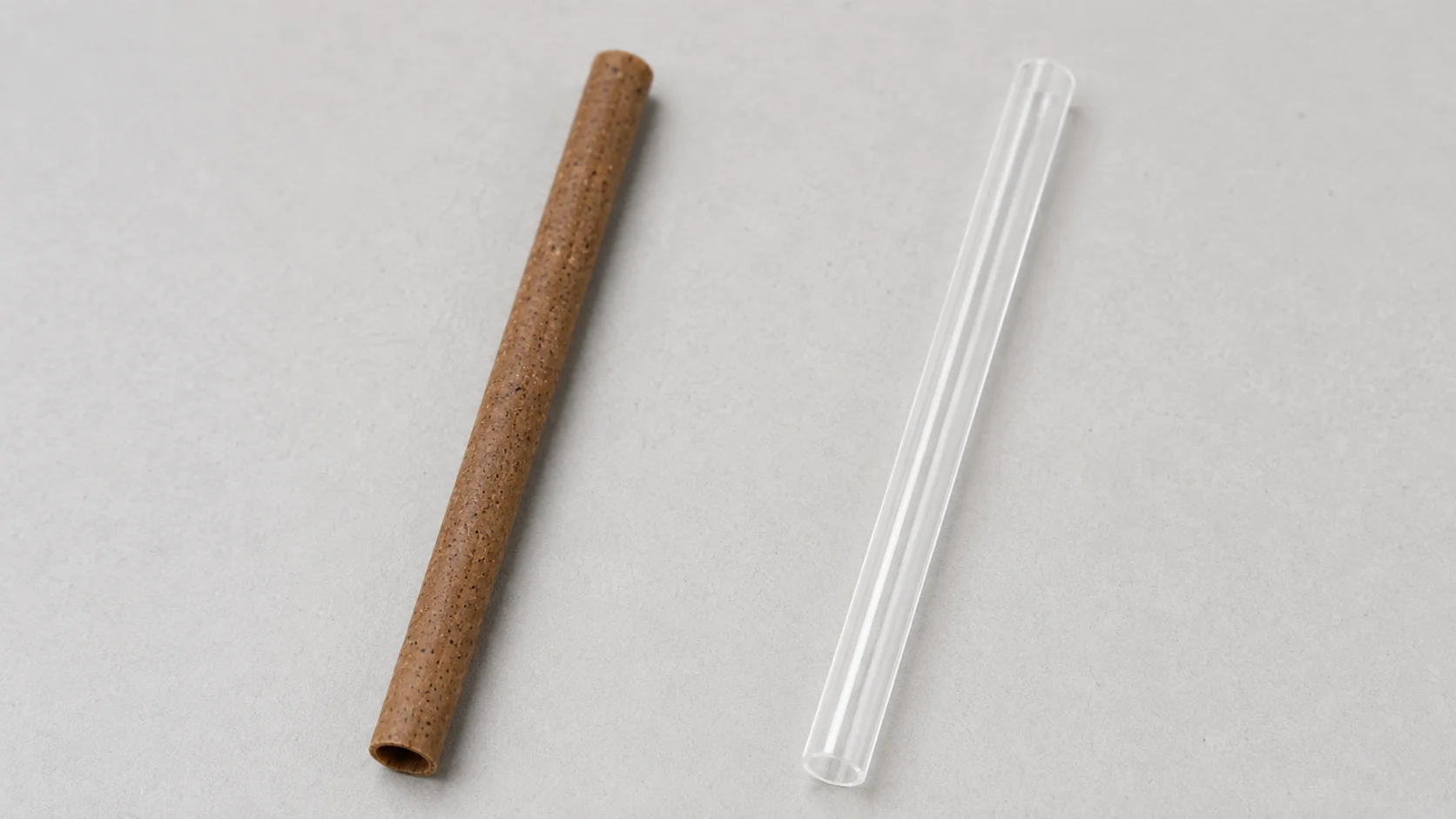
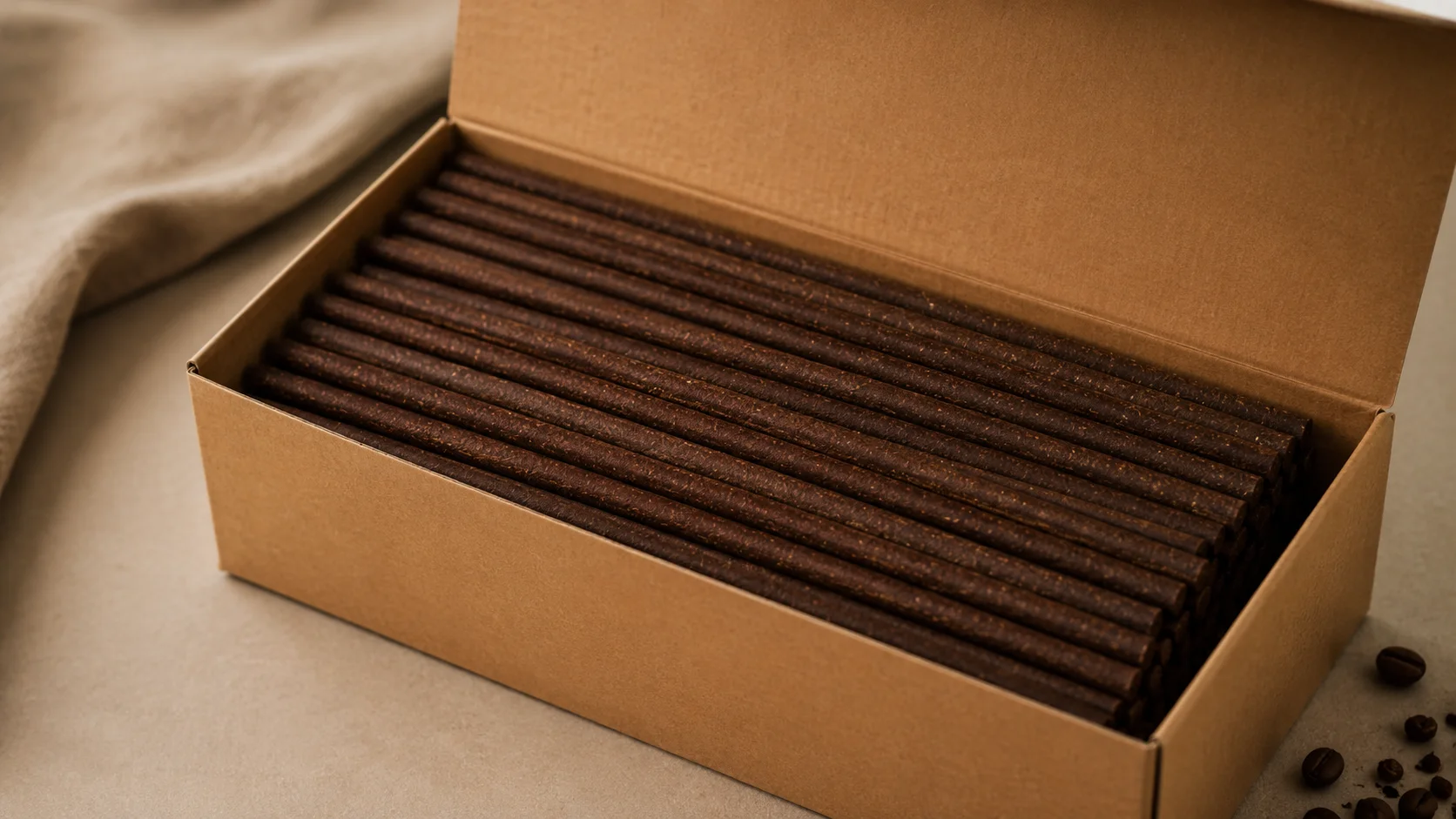
Navigera i det gröna skiftet: Hur man hittar pålitliga leverantörer för biologiskt nedbrytbara sugrör
Det globala kravet att stävja plastföroreningar har i grunden förändrat landskapet för företag över hela världen. För inköpschefer, verksamhetschefer, hållbarhetsansvariga och chefer för leveranskedjan är övergången från konventionell plast till miljövänliga alternativ inte längre ett nischproblem utan en strategisk nödvändighet. Den biologiskt nedbrytbara halmmarknaden, en nyckelgräns i denna övergång, understryker denna brådska. Värderad till cirka 22 miljarder USD 2021, förväntas denna marknad nå nästan50 miljarder dollar till 2025 och förväntas skjuta i höjden till nästan 250 miljarder dollar 2033, som visar en imponerande sammansatt årlig tillväxttakt (CAGR) på 22,4%. Denna explosiva tillväxt drivs av globala ansträngningar för att minska plastavfall och skärpta bestämmelser, inklusive EU:s engångsdirektiv för engångsplaster (EU SUPD) som ska träda i kraft senast 2025.
Att ignorera denna trend medför betydande operativa och kommersiella risker. Cirka70 % av konsumenterna föredrar nu företag som aktivt använder miljövänliga alternativ, vilket gör hållbarhet till en kraftfull differentiator och en avgörande faktor för marknadstillträde och varumärkeslojalitet. Regioner som Afrika upplever ett snabbt antagande, med den högsta regionala CAGR som överstiger 24 %, vilket indikerar en global kapplöpning mot hållbara lösningar. Företag som misslyckas med att anpassa sig riskerar inte bara regulatoriska påföljder och skada på ryktet utan också att förlora på ett snabbt växande marknadssegment och förtroendet från en allt mer miljömedveten kundbas. Utmaningen ligger i att navigera på en komplex marknad för att hitta verkligt pålitliga leverantörer som uppfyller rigorösa standarder.Att omfamna biologiskt nedbrytbara sugrör är en strategisk nödvändighet för gästfrihet och matservice för att möta konsumenternas efterfrågan och förändringar i regelverket.
Kärnkriterier för att identifiera pålitliga leverantörer för biologiskt nedbrytbara sugrör
Att övergå till biologiskt nedbrytbara sugrör kräver mer än bara goda avsikter; det kräver en rigorös granskningsprocess för att säkerställa produktens effektivitet, miljöintegritet och tillförlitlighet i leveranskedjan. Beslutsfattare måste se bortom ytliga anspråk och fördjupa sig i en leverantörs kärnpraxis.
Prioritera omfattande certifieringar för biologiskt nedbrytbara sugrör
Certifieringar är grunden för förtroende på marknaden för hållbara produkter. De tillhandahåller oberoende verifiering av att en produkt uppfyller specifika miljö-, säkerhets- och kvalitetsstandarder. För biologiskt nedbrytbara sugrör innebär detta att man granskar deras livslängdsprestanda och livsmedelssäkerhet.
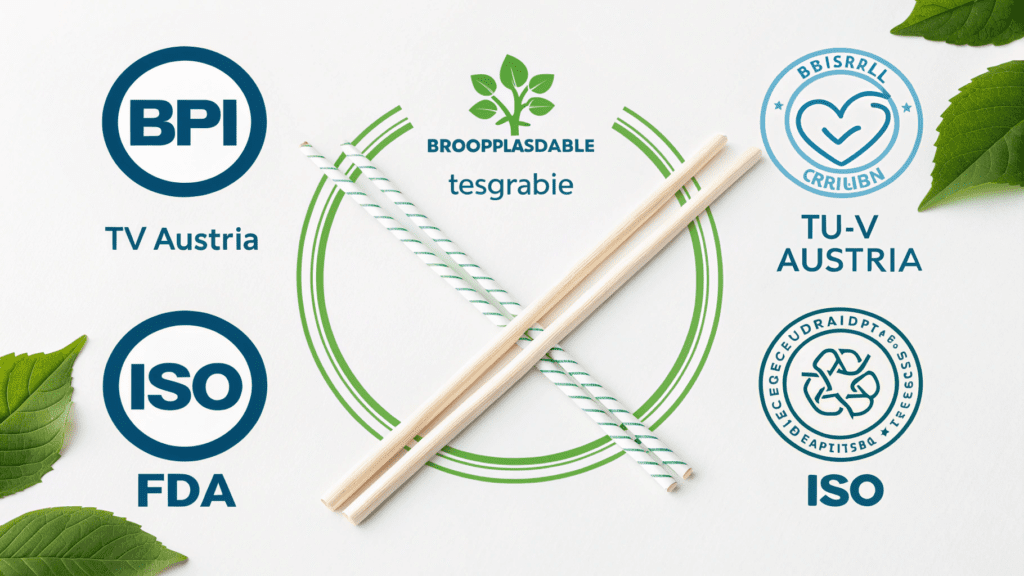
För det första,standarder för biologisk nedbrytbarhet och komposterbarhetär avgörande. Sök leverantörer vars produkter är certifierade av erkända organisationer som BPI Certified Compostable (för den amerikanska marknaden) och TÜV AUSTRIA. Dessa certifieringar bekräftar att produkter uppfyller stränga kriterier för nedbrytning i industriella komposteringsanläggningar. Specifikt säkerställa efterlevnad avASTM D6400ellerEN 13432för industriella komposteringsstandarder, eftersom dessa är avgörande för europeisk marknadstillträde och korrekt avfallshantering. Att förstå skillnaden mellan "biologiskt nedbrytbart" och "komposterbart" är avgörande för effektiv avfallshantering och för att undvika greenwashing. För en djupare dykning, överväg att granska resurser som vår guide omKomposterbara vs biologiskt nedbrytbara sugrör: En B2B-guide.
För det andra,livsmedelssäkerhetscertifikatare non-negotiable. Verify that products hold certifications like FDA (U.S. Food and Drug Administration), ISO 22000 (Food Safety Management System), or HACCP (Hazard Analysis and Critical Control Points) to ensure consumer protection and regulatory compliance.
Finally, assess the supplier’s broader operational integrity throughquality and environmental management systems. Look forISO 9001for quality management andISO 14001for environmental performance systems. Suppliers committed to Environmental, Social, and Governance (ESG) initiatives will also often adhere to social accountability standards likeSA8000for ethical labor practices. These holistic certifications indicate a supplier’s commitment to responsible business practices, from material sourcing to manufacturing processes.
Demand Supply Chain Transparency and Ethical Sourcing
True sustainability extends beyond the product itself to the entire supply chain. Reliable suppliers for biodegradable straws should provide comprehensive documentation on material origin and manufacturing processes. This transparency helps combat “greenwashing” – unsubstantiated environmental claims – which is a significant risk in the eco-friendly market.
Fokusera på företag som visar ett verifierbart engagemang för miljö-, sociala och styrningsinitiativ (ESG). Detta inkluderar transparens i deras företagsstyrning, miljövänliga produktionsmetoder och engagemang för de anställdas välbefinnande. Verifiera att de följer sociala ansvarsstandarder, såsom SA8000, för etiska arbetsmetoder, säkerställande av rättvisa löner, säkra arbetsförhållanden och inget barnarbete.
Furthermore, partner with suppliers actively working to reduce their carbon footprint and minimize waste generation across their operations. This could involve using renewable energy, implementing waste reduction programs, or optimizing logistics to lower transportation emissions. For instance, some companies, like BD Straws, exemplify strong ESG initiatives and transparent corporate governance, serving as benchmarks for responsible sourcing.

Reliable suppliers offer comprehensive certifications and transparent supply chains, crucial for sustainable procurement.
Diverse Biodegradable Straw Materials and Their Operational Impacts
The market offers a growing array of biodegradable straw materials, each with distinct properties, benefits, and operational considerations. Understanding these differences is crucial for selecting the right solution for your specific business needs.
Understanding Key Biodegradable Straw Materials
- Pappersstrån: Widely available and often the most affordable initial option. However, they are prone to becoming soggy quickly, diminishing the customer experience. A significant concern is the potential presence of PFAS (“forever chemicals”) and other concerning compounds that can leach into beverages, especially acidic or hot ones, posing health risks and environmental persistence issues.
- PLA (polylactic Acid) sugrör: PLA-strån kommer från förnybara resurser som majsstärkelse eller sockerrör och erbjuder en plastliknande känsla och är lämpliga för både varma och kalla drycker. De är helt komposterbara, men kräver vanligtvis industriella komposteringsanläggningar (t.ex. ASTM D6400-kompatibla) för att bryta ner ordentligt, vilket kan vara en utmaning för bortskaffande i områden som saknar sådan infrastruktur.
- Sugarrör för sockerrör (Bagasse): Tillverkade av den fibrösa biprodukten från sockerrörsbearbetning, dessa strån är hållbara, resistenta mot både värme och kyla, och ofta certifierade hemmakomposterbara. De är naturligt PFAS-fria och återanvänder jordbruksavfall, vilket är väl anpassat till principerna för cirkulär ekonomi.
- Vete/hö sugrör: Naturliga, robusta och prisvärda, dessa strån är gjorda av stjälkar av veteplantor efter spannmålsskörd. De är lämpliga för olika typer av drycker och är helt biologiskt nedbrytbara, och erbjuder ett enkelt, naturligt alternativ.
- Coconut Leaf sugrör: Ett innovativt och mycket hållbart alternativ, strån av kokosnötblad är miljövänliga, exceptionellt robusta, kostnadseffektiva och blir särskilt inte blöta. De erbjuder en unik naturlig estetik och är en stark skillnad för varumärken som söker nya, verkligt miljövänliga lösningar.
Jämförelse av biologiskt nedbrytbara halmmaterial
| Särdrag | B2B operationell påverkan | Efterlevnadsanteckning | ROI -potential |
|---|---|---|---|
| Pappersstrån | Hög volymtillgänglighet, relativt låg kostnad i förväg. | Oro över PFAS-kontamination och kemisk urlakning, bristande efterlevnad av EU SUPD. | Lower initial investment, but potential brand reputational risk and customer dissatisfaction. |
| PLA sugrör | Plastic-like feel, versatile for both hot and cold beverages, good shelf life. | Requires industrial composting facilities (e.g., ASTM D6400 or EN 13432). | Enhanced customer experience, aligns with single-use plastic bans, perceived as premium alternative. |
| Sockerrör (Bagasse) | Superior durability, heat/cold resistant, repurposes agricultural waste, PFAS-free. | Often home compostable certified, naturally PFAS-free. | Strong sustainability narrative, reduces waste disposal complexity, superior customer experience. |
| Coconut Leaf sugrör | Unique natural aesthetic, exceptional sturdiness (no sogginess), highly durable. | Novel material; ensure reliable supply chain for consistency, naturally biodegradable. | Differentiates brand, appeals to premium, eco-conscious consumers, unique selling proposition. |

Different biodegradable straw materials offer varied operational impacts and compliance considerations for businesses.
Vetting Processes for Reliable Suppliers for Biodegradable Straws
A robust vetting process extends beyond certifications to encompass practical product performance and a supplier’s reputation. This due diligence ensures that your chosen sustainable solutions deliver on their promises.
Assess Product Performance and End-of-Life Solutions
Before committing to a large order, it’s crucial torequest samplesto test the straws’ durability in liquids, their resistance to hot or cold temperatures, and their overall user experience. This hands-on evaluation will confirm whether the product meets your operational standards and customer expectations. For instance, while paper straws are ubiquitous, their tendency to become soggy can significantly detract from the consumer experience.
Furthermore, verify theproper disposal guidancefor the straws. Some materials, like PLA, explicitly require industrial composting facilities, while others, such as many sugarcane or wheat straws, are suitable for home composting. Mismanagement of disposal can negate the environmental benefits, leading to “compostable” items ending up in landfills. Ensure transparency regarding biodegradability claims to avoid “greenwashing” misconceptions; a truly reliable supplier will clearly communicate the specific conditions required for their products to break down. This transparency is key to aligning with your sustainability goals and avoiding regulatory scrutiny.
It’s also essential to be aware of ongoing research indicating that certain paper and bamboo straws may containPFAS “forever chemicals”or show concerning chemical leaching into beverages. Prioritize suppliers who explicitly guarantee PFAS-free products, safeguarding both consumer health and your brand’s integrity.
Leverage Third-Party Validation and Industry Recognition
A supplier’s credibility is often bolstered by independent verification. Prioritize suppliers who actively engage inthird-party testing and auditsto verify product claims and manufacturing practices. These independent assessments offer an objective layer of assurance regarding product quality, biodegradability, and safety standards.
Evaluate the supplier’shistory, industry experience, and customer reviews or testimonials. A long-standing positive reputation, coupled with consistent product quality and service, is a strong indicator of reliability. Additionally, seek suppliers who arerecognized by the large foodservice industry or well-known chain supermarkets. Such recognition signifies that their products meet the high standards and demands of significant commercial entities. For example, BD Straws is known for its strong ESG initiatives and transparent corporate governance, making it a reliable partner.

Thorough vetting, including performance assessment and third-party validation, ensures reliable sustainable straw solutions.
Case Study: Straw Matters – A Model for Sustainable Biodegradable Straw Sourcing
A compelling example of a reliable, sustainability-focused supplier isStraw Matters, a Canadian company that has carved a niche in producing high-quality, plant-based compostable straws. Their approach embodies several best practices for sustainable sourcing.
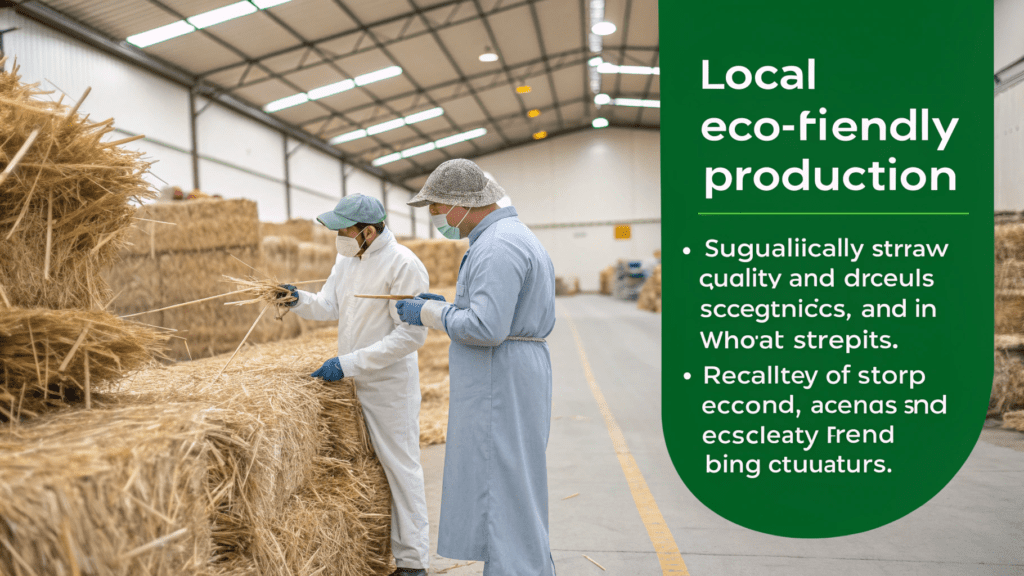
Straw Matters’ products are uniquely made fromagricultural by-products, emphasizing a circular economy model that diverts waste from landfills and reduces reliance on virgin resources. This commitment to true sustainability is reflected in their product’s end-of-life performance, designed for genuine compostability.
Crucially, Straw Matters championslocal production, a strategy that significantly reduces carbon emissions associated with long-distance shipping. By sourcing and manufacturing domestically, they minimize the environmental footprint of their supply chain and contribute to regional economies. This approach aligns perfectly with emerging trends in circular design and ethical sourcing practices, providing a blueprint for businesses seeking to operationalize their commitment to environmental responsibility while securing a reliable, high-quality supply.Straw Matters exemplifies sustainable sourcing through agricultural by-products and local production, minimizing environmental impact.
Future Trends & Innovation in Sustainable Straws
The landscape of sustainable packaging, particularly for straws, is evolving rapidly, driven by continuous innovation in materials, processes, and regulatory frameworks. Staying ahead of these trends is crucial for long-term strategic advantage.
One of the most promising areas of innovation isseaweed-based packaging. Seaweed is emerging as a highly promising sustainable material due to its biodegradable and edible properties, requiring no fertilizers, freshwater, or land for cultivation. Its growth also helps absorb carbon dioxide, contributing to climate change mitigation. Innovators are developing seaweed-based solutions that can naturally compost or even dissolve in warm water.
Another significant trend ismono-material packaging, which focuses on using a single material for packaging components. This simplifies the recycling process, addressing a major challenge with traditional mixed-material packaging and reducing overall waste. Similarly, the industry is increasingly adoptingupcycling waste materials, transforming agricultural, textile, and other industrial waste streams into new packaging products, thereby conserving resources and supporting a circular economy.
The push towardsreusable packaging systemsis gaining momentum, especially in logistics and food services, as companies shift from single-use models to durable, multi-use pallets and containers, leading to significant waste reduction and long-term cost savings. Furthermore, new bioplastics likePHA (polyhydroxialkanoater)ochCellulose Diacetate (CDA)are showing promise for degrading within months even in marine environments, addressing critical concerns about ocean plastic pollution. For those interested in this specific area, our resource onMarine Biodegradable Straws for Hospitality & Foodserviceoffers further insights.
Regulatory bodies are also playing a significant role. By2025, the European Union’s Packaging and Packaging Waste Regulation (PPWR) will come into force, setting stringent measures for reducing packaging waste and promoting reuse and recyclability. In the U.S., the first ofsix Extended Producer Responsibility (EPR) lawsare also taking effect in 2025, fundamentally shifting the sustainable packaging paradigm by holding producers accountable for the entire lifecycle of their products. Beyond these, the Australian Packaging Covenant Organisation’s (APCO)2030 Strategic Planemphasizes designing easier-to-recycle packaging, improving collection systems, and increasing recycled content, pushing for a truly circular economy. These regulatory shifts will continue to drive demand for highly compliant and innovative sustainable solutions.Future trends in sustainable straws include seaweed-based materials, mono-material packaging, and evolving global regulations.
Competitive Advantage & Business Case
Adopting biodegradable straws is far more than a compliance exercise; it’s a strategic investment that delivers quantifiable benefits across multiple business dimensions.
Firstly, it serves as a powerfulrisk mitigation strategy. By proactively transitioning to compliant, certified biodegradable alternatives, businesses effectively shield themselves from potentialregulatory penaltiesassociated with evolving plastic bans and stricter environmental legislation, such as the EU SUPD and emerging US EPR laws. This foresight secures market access and ensures operational continuity in increasingly regulated environments.
Secondly, the impact onbrand value and reputationis immense. With approximately 70% of consumers favoring businesses that use eco-friendly options, embracing biodegradable straws connects authentically with a growing segment of eco-conscious consumers. This tangible commitment to sustainability enhances brand image, builds trust, and fosters loyalty, translating into amarknadsandelsmöjlighetwithin a rapidly expanding industry projected to reach nearly $250 billion by 2033. This positive perception can differentiate your brand in a competitive landscape, attracting new customers and retaining existing ones.
Finally, while initial procurement costs for high-quality, certified biodegradable straws might be slightly higher than conventional plastics, thelong-term ROI potentialis significant. This includes not only the avoidance of future fines and remediation costs but also potentialkostnadsbesparingarthrough improved waste management, reduced disposal complexities, and even operational efficiencies as supply chains optimize for sustainable materials. Furthermore, strong sustainability initiatives can attract environmentally focused investors and talent, reinforcing the overall business case. By becoming an early mover or solidifying your position as a leader in sustainable procurement, your organization gains a distinct competitive advantage, positioning itself for resilient growth and enhanced profitability.Biodegradable straws offer competitive advantages through risk mitigation, enhanced brand value, and significant long-term ROI.
Slutsats
Finding reliable suppliers for biodegradable straws demands a rigorous vetting process, focusing on comprehensive certifications, transparent supply chains, and material integrity. By prioritizing these factors, your organization can confidently transition to sustainable alternatives, enhancing brand reputation, mitigating compliance risks, and meeting evolving regulatory and consumer demands. The future of procurement is sustainable, and securing dependable partnerships in this space is paramount for long-term success.
Elevate your brand’s sustainability footprint by partnering with certified, transparent biodegradable straw suppliers today.Prioritizing certified, transparent suppliers for biodegradable straws is crucial for sustainable procurement and long-term success.
Vanliga frågor
Why is finding reliable biodegradable straw suppliers crucial for hospitality businesses?
Reliable suppliers ensure product efficacy, environmental integrity, and supply chain stability, helping hospitality businesses meet evolving regulations and consumer demand for sustainable options.
What certifications should I look for in biodegradable straw suppliers?
Prioritize certifications like BPI Certified Compostable, TÜV AUSTRIA (ASTM D6400/EN 13432), FDA, ISO 22000, HACCP, ISO 9001, ISO 14001, and SA8000 for comprehensive assurance.
How can I avoid ‘greenwashing’ when sourcing biodegradable straws for my restaurant?
Demand supply chain transparency, verify material origin, and ensure clear, verifiable biodegradability claims with specific disposal guidance to avoid misleading environmental claims.
Are sugarcane straws truly better than paper straws for cafes and hotels?
Sugarcane (bagasse) straws offer superior durability, heat/cold resistance, and are often PFAS-free and home compostable, providing a better customer experience and stronger sustainability narrative compared to soggy paper alternatives.
What are the long-term benefits of switching to certified biodegradable straws for a large hotel chain?
Long-term benefits include risk mitigation from regulatory penalties, enhanced brand value and customer loyalty, potential cost savings from improved waste management, and attracting environmentally focused investors.