Sürdürülebilirlik İçerik Strateji Uzmanınız Tarafından

Zorlayıcı Endüstri Sorununa Giriş
Gıda hizmeti ambalajının manzarası, artan çevresel zorunluluklar ve değişen tüketici tercihleri nedeniyle derin bir dönüşümden geçiyor. Tedarik yöneticileri, operasyon direktörleri, sürdürülebilirlik görevlileri ve tedarik zinciri yöneticileri için bu yeni gerçekliğe uyum sağlamak yalnızca bir uyum çalışması değil aynı zamanda stratejik bir zorunluluktur. 2024 yılında 55,53 milyar ABD doları değerinde olan küresel kompostlanabilir ambalaj pazarının, 2032 yılına kadar 89,85 milyar ABD dolarına yükseleceği ve %6,20'lik güçlü bir Bileşik Yıllık Büyüme Oranı (CAGR) sergileyeceği tahmin edilmektedir (Grand View Research, 2024). Bu üstel büyüme, çevre dostu alternatiflere yönelik açık bir pazar talebinin sinyalini veriyor.
Consumers are actively scrutinizing the sustainability credentials of the brands they support; a multi-country survey revealed that 86% of respondents acknowledge climate change and are willing to pay an average of 9.7% more for sustainable products (NielsenIQ, 2023). Ignoring this trend carries significant operational and commercial risks, from eroding brand loyalty to incurring penalties under tightening environmental regulations. This comprehensive guide clarifies whether BPI-certified compostable solutions meet the demanding criteria of microwave safety, operational efficiency, and environmental responsibility, empowering B2B decision-makers to make informed choices.
BPI sertifikalı mikrodalgaya uygun ambalajın benimsenmesi, gıda hizmetlerinin gelişen talepleri karşılaması ve riskleri azaltması açısından çok önemlidir.
BPI Sertifikasyonunu Anlamak: Kompostlanabilirlik için Altın Standart
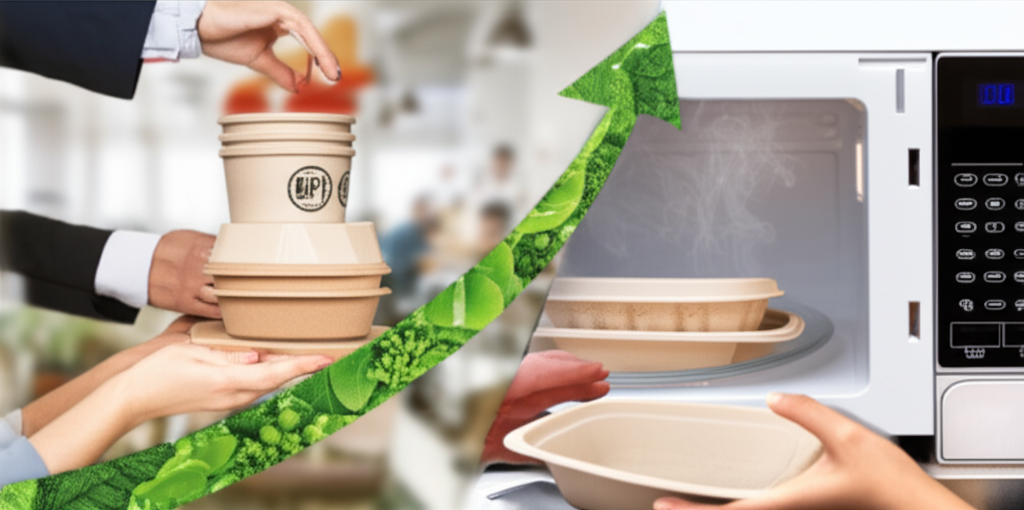
Güvenilir gübrelenebilir ambalajın kalbinde sıkı sertifikasyon yatmaktadır.Biyobozunur Ürünler Enstitüsü (BPI)offers North America’s leading third-party verification program for compostable products. BPI certification ensures that products rigorously meet ASTM D6400 or D6868 standards, which dictate that items will achieve 90% disintegration within 12 weeks and 90% biodegradation within 180 days in industrial composting facilities. This meticulous testing guarantees that BPI-certified products break down into non-toxic biomass, water, and carbon dioxide, without leaving harmful residues or microplastics.
Crucially, addressing significant chemical concerns, BPI has proactively evolved its standards. As of January 1, 2020, BPI prohibits intentionally added PFAS (per- and polyfluoroalkyl substances) in certified products, with a strict limit of less than 100ppm total fluorine. This commitment to eliminating “forever chemicals” from the supply chain sets a vital benchmark for environmental and human health safety in compostable packaging.
BPI certification guarantees rigorous compostability standards, including the absence of intentionally added PFAS.
Unpacking “Microwave Safe” for BPI Certified Compostable Packaging
BPI sertifikasyonu gübrelenebilirlik için bir referans olsa da, bir ürünün "mikrodalgaya dayanıklı" durumu öncelikle malzeme bileşimine ve özel tasarımına bağlıdır. Hem operasyonel uygunluğu hem de güvenliği sağlamak için B2B alıcılarının bu ayrımları anlaması zorunludur.
Mikrodalga Güvenliği İçin Önemli Hususlar:
- Sugarcane Bagasse & Plant Fibers: Şeker kamışı küspesi (şeker kamışı işlemenin bir yan ürünü) ve diğer bitki lifleri (bambu, miscanthus veya sorgum gibi) gibi malzemeler genellikle ısıya dayanıklılıkları açısından oldukça kabul görmektedir. Bu doğal elyaflardan yapılan ürünler tipik olarak mikrodalgaya dayanıklıdır ve yeniden ısıtma için yaklaşık 20 dakika boyunca 200°F'ye (93°C) kadar sıcaklıklara dayanma kapasitesine sahiptir. Bazı gelişmiş bitki lifi ürünleri, 450°F'ye kadar daha yüksek sıcaklıklara dayanacak şekilde tasarlanmıştır, bu da onları 2-3/4 dakika (astarsız) ve 5-3/4 dakika (astarlı) ısıtma için mikrodalgaya uygun hale getirir.
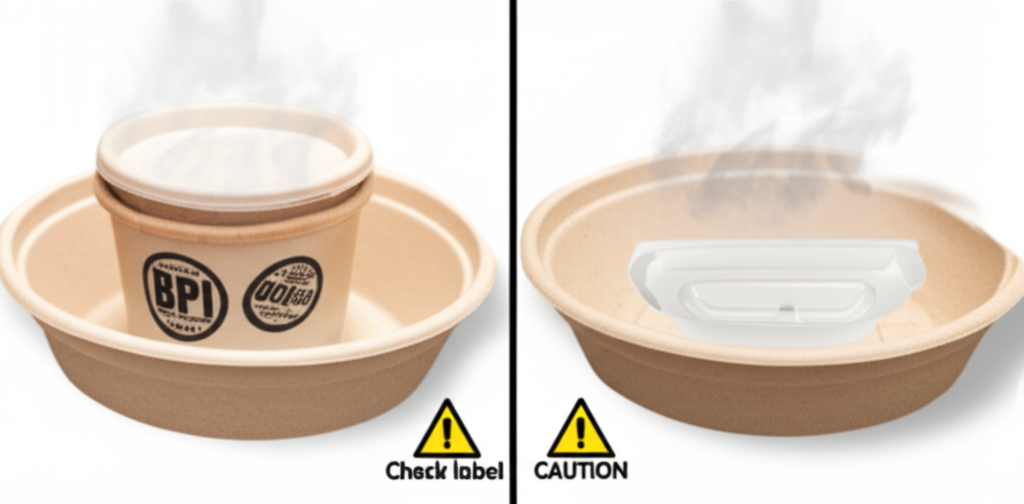
- PLA (Polilaktik Asit) Hususları: Polylactic Acid, a bioplastic derived from renewable resources like corn starch, is widely used in compostable packaging. However, standard PLA can be sensitive to high heat and may warp or melt when exposed to microwave temperatures. While some specialized “white PLA” containers are explicitly designed and certified as microwave-safe, it is crucial to always check for explicit “microwave-safe” labels or symbols on PLA products. CPLA (crystallized polylactic acid), while designed for hot foods, is generally not microwave-safe.
General Microwave Usage Guidelines:
Even with microwave-safe compostable packaging, best practices are essential. Advise your operations teams to:
- Always check for the “microwave-safe” label on the product itself. If it’s not explicitly stated, avoid microwaving.
- Use lower power settings and shorter heating intervals (e.g., 30-second to 1-minute bursts) to prevent overheating and potential deformation.
- Remove or vent lids before microwaving to prevent steam buildup and breakage.
- Avoid using for high-fat or sugary foods, as these can reach extremely high temperatures that might compromise the container’s integrity.
- Recognize that most compostable containers are designed for single use and may not withstand repeated microwave exposure or washing.
Microwave safety for compostable packaging depends on material and explicit labeling; always follow usage guidelines.
Regulatory Landscape and Compliance for Microwave Safe Compostable Packaging
Karmaşık düzenleme ağında gezinmek, tedarik zinciri ve satın alma liderleri için temel bir sorumluluktur. BPI sertifikalı gübrelenebilir ambalajlar, özellikle mikrodalga kullanımı için tasarlananlar, önemli pazarlardaki katı gıdayla temas eden malzeme düzenlemelerine uygun olmalıdır.
ABD'de FDA, GMP düzenlemesi (21 CFR 174.5) ve mikrodalga uygunluğunu değerlendiren FCN programı kapsamındaki uyumlulukla gıdayla temas eden malzemeleri yönetir. 1935/2004 Sayılı AB Çerçeve Yönetmeliği (EC) ve EN 13432, mikrodalga fırın da dahil olmak üzere amaçlanan kullanım için güvenliği zorunlu kılar ve SUPD, birçok geleneksel tek kullanımlık plastiği yasaklar. Uluslararası düzeyde, Avustralya'nın AS4736:2006 standardı EN 13432 ile uyumludur, Kanada sertifikalı kompostlanabilir ürünleri teşvik etmektedir ve Japonya, Haziran 2025'e kadar "Pozitif Liste" sistemine geçiş yapmaktadır. Bu küresel hareketler, sertifikalı ve güvenli kompostlanabilir çözümlere yönelik artan zorunluluğun altını çizmektedir. Küresel düzenleyici çerçevelerle ilgili tüm ayrıntılar için sürdürülebilir ambalaj düzenlemelerine ilişkin kapsamlı kılavuzumuza bakın.Küresel sürdürülebilir ambalaj düzenlemeleri hakkında daha fazla bilgi edinin.
Küresel düzenlemeler, sertifikalı kompostlanabilir ambalajları giderek zorunlu kılıyor ve mikrodalgaya dayanıklı çözümler için B2B uyumluluğunu zorunlu kılıyor.
B2B Operational Impact & ROI of BPI Compostable Microwave Safe Solutions
BPI sertifikalı mikrodalgaya uygun kompostlanabilir ambalajın benimsenmesi, B2B operasyonları için sadece uyumluluğun çok ötesine geçen çok yönlü bir yatırım getirisi sunar.
- Waste Diversion & Cost Savings: Redirecting organic waste (food scraps and certified compostable packaging) from landfills to composting facilities can significantly reduce disposal fees. For composters, the removal of non-compostable contaminants often accounts for approximately 17% of operating expenses. By enabling cleaner waste streams, businesses can contribute to cost efficiencies in the composting infrastructure, potentially reducing their own waste hauling costs in the long run. Embracing a comprehensive sustainable waste management strategy can further unlock these savings. For more insights, refer to our B2B playbook on sustainable waste management. Read our B2B playbook on sustainable waste management.
- Enhanced Brand Reputation & ESG Commitment: In an era of heightened corporate social responsibility, adopting BPI-certified compostable packaging signals a strong commitment to environmental, social, and governance (ESG) principles. This proactive stance enhances brand reputation, builds trust with consumers and stakeholders, and can lead to higher brand valuation growth for companies with strong sustainability positioning.
- Meeting Mandates & Regulatory Compliance: Forward-thinking businesses are not waiting for mandates; they are preparing for them. California’s groundbreaking SB 54, for instance, requires all packaging to be recyclable or compostable by 2032. Proactive adoption of certified solutions ensures compliance with current and impending regulations, mitigating future risks and potential penalties.
- Tüketici Tercihini Yakalamak: Tüketici talebi güçlü bir pazar gücüdür. Restoran müşterilerinin `'ından fazlası gübrelenebilir veya geri dönüştürülebilir paket malzemelerini aktif olarak kontrol ediyor ve 10 müşteriden 7'sinin sürdürülebilir ambalaj kullanan işletmelerden alışveriş yapma olasılığı daha yüksek. Kullanışlı, mikrodalgaya uygun ve gerçekten gübrelenebilir seçeneklerin sağlanması, bu artan tercihe doğrudan hitap ederek müşteri memnuniyetini ve sadakatini artırır. "Gübrelenebilir" ve "biyolojik olarak parçalanabilir" arasındaki nüansları anlamak, müşterilerinizle ve şirket içi ekiplerinizle net iletişim kurmak için kritik öneme sahiptir. Sürdürülebilirlik kılavuzumuzda bu ayrım hakkında daha fazla bilgi edinin: Gübrelenebilir ve biyolojik olarak parçalanabilir arasındaki farkı keşfedin.
| Özellik | B2B operasyonel etki | Uyum Notu | YG'nin potansiyeli |
|---|---|---|---|
| BPI Sertifikası | Gıda hizmeti operasyonları için atıkların ayrıştırılmasını kolaylaştırır. | ASTM D6400/D6868'i karşılar; 2020'den beri PFAS içermez. | Depolama maliyetlerini azaltır, marka bağlılığını artırır. |
| Mikrodalga Güvenliği | Alıp götürebileceğiniz yemeklerin rahatça yeniden ısıtılmasını destekler. | Ürün üzerinde “mikrodalgaya dayanıklı” etiketinin bulunması gerekir. | Müşteri memnuniyetini ve hizmet sunumlarını artırır. |
| Bitki Bazlı Malzemeler | Tedarik zincirinde fosil yakıtlara olan bağımlılığı azaltır. | Yenilenebilir içerik için USDA Biyobazlı sertifikası. | Çevre bilincine sahip tüketicilere hitap eder, karbon ayak izini azaltır. |
| Dayanıklılık (örn. Bagasse) | Taşıma ve kullanım sırasında sızıntıları ve kırılmaları en aza indirir. | Isı altında gıda güvenliğini ve ürün bütünlüğünü sağlar. | Ürün kaybını önler, müşteri şikâyetlerini azaltır. |
BPI sertifikalı mikrodalgaya dayanıklı ambalajlar, atık azaltma, marka geliştirme ve uyumluluk yoluyla önemli bir yatırım getirisi sunuyor.
Örnek Olay İncelemeleri: Sürdürülebilir Mikrodalgaya Uygun Ambalajlamada Liderlik

Gerçek dünyadaki uygulamalar, BPI sertifikalı mikrodalgaya dayanıklı çözümlerin uygulanabilirliğini ve etkisini vurgulamaktadır. İleriyi düşünen şirketler sadece bu malzemeleri benimsemekle kalmıyor, aynı zamanda sınırlarını zorlamak için yenilikler yapıyor.
- İyi Doğalı Ürünler A.Ş.: This North American leader has successfully launched BPI-certified microwavable to-go containers. Made from an impressive 97% plant-based materials, these containers are engineered for durability and leak resistance, performing comparably to traditional plastic counterparts. Their success demonstrates that high-performance, commercially viable, and affordable plant-based microwaveable packaging is achievable through dedicated development and a commitment to sustainability. As Paul Antoniadis, CEO of good natured Products Inc., emphasized in a BNN Bloomberg interview, these products ensure “your customers can heat up their grub in peace knowing there’s nothing nasty leaching into it!”
- W-Cycle'ın SupraPulp™'u: A remarkable innovation in the field, SupraPulp™ is a patented material derived primarily from sugarcane bagasse, with potential for other feedstocks like reed, wood, and banana leaves. Developed in part to address an Israeli government challenge for hot and greasy food trays in schools, SupraPulp™ is fully compostable and boasts an extraordinary temperature resistance, withstanding conditions from -40°C to 270°C (-40°F to 518°F). This material’s ability to be both liquid and oil-proof, preventing wetting by oily and moist foods, showcases the advanced engineering now possible in sustainable, microwave-safe packaging.
These examples highlight that the industry is moving beyond basic compostability to deliver solutions that meet the rigorous demands of modern foodservice operations, from freezer to microwave.
Case studies demonstrate the viability and high performance of BPI-certified microwave-safe packaging in foodservice.
Future Outlook and Trends in BPI Compostable Microwave Packaging
The trajectory for BPI-certified compostable microwave packaging is one of accelerating innovation and market expansion over the next 5-10 years.
- Market Projections: The broader compostable packaging market is projected to reach USD 232.47 billion by 2034, growing at a robust CAGR of 8.4%. This indicates a clear long-term growth opportunity for businesses positioned in this space.
- Advanced Materials & Design: Innovations will continue to focus on enhancing performance. Expect the widespread adoption of PHA bioplastics (Polyhydroxyalkanoates), which are fully biodegradable even in marine environments, offering superior moisture resistance and durability. Furthermore, integrated self-venting mechanisms, already emerging in microwave packaging, will become standard for compostable options. These built-in valves or pre-engineered weak spots will automatically release steam, preventing bursting and ensuring more evenly cooked food without manual intervention. New materials like nano-cellulose and edible coatings are also on the horizon, promising lighter, stronger, and even more environmentally benign packaging.
- Stricter Regulatory Landscape: Düzenleyici ortam giderek daha sıkı hale gelecektir. Daha fazla ABD eyaletinin ve uluslararası yargı bölgesinin, sertifikalı kompostlanabilir ambalajı zorunlu hale getirmesi ve "yeşil yıkama" ve tüketici kafa karışıklığıyla mücadele etmek için net etiketleme gereklilikleri uygulaması bekleniyor. Kaliforniya'nın SB 54'ü sadece bir örnek; BPI sertifikasyonu 2026 yılına kadar yedi eyalette daha gıda hizmeti ambalajları için muhtemelen zorunlu hale gelecek. İşletmeler uyumluluk için çabaladıkça bu düzenleme baskısı benimsenmeyi hızlandıracak.
- Altyapı Genişletme: The success of compostable packaging relies heavily on robust composting infrastructure. Future trends include greater collaborative efforts between packaging manufacturers, composters, and municipalities to expand industrial composting facilities. Programs like the Composting Consortium are actively working to build a roadmap for investment in technologies and infrastructure, bridging the gap between product availability and proper end-of-life processing.
- Beyond PFAS: Towards Truly Chemical-Free Solutions: While BPI has already taken a significant step by prohibiting intentionally added PFAS, the future will see an even greater emphasis on “free from” claims across a wider spectrum of chemicals of concern. This commitment to safer materials will become a standard expectation, driven by consumer demand and a growing body of peer-reviewed research on chemical migration from packaging into food.
The future of BPI compostable microwave packaging promises innovation, stricter regulations, and infrastructure growth.
Challenges to Broader B2B Adoption
Despite the promising outlook, several significant challenges must be addressed for broader B2B adoption of BPI-certified compostable microwave packaging:
- Infrastructure Gaps: A critical barrier remains the limited commercial composting infrastructure. Currently, only about 10% of U.S. composting facilities accept food scraps, which are essential for processing most compostable packaging. This means that even certified products often end up in landfills if regional composting options are unavailable, negating their intended environmental benefit.
- Consumer Confusion: Widespread consumer confusion is a major hurdle. Misleading labels, a lack of clear differentiation between “compostable,” “biodegradable,” and conventional plastics, and insufficient education cause significant contamination in both composting and recycling streams. This forces composters to dedicate substantial resources (up to 17% of operating expenses) to remove contaminants, sometimes leading to entire loads being diverted to landfills.
- Cost & Scalability: The initial higher cost of compostable materials and manufacturing processes compared to traditional plastics can deter businesses, particularly smaller enterprises. While innovations are reducing costs, achieving cost parity and scaling production to meet mass market demand remains a challenge.
- Chemical Migration Concerns (General Packaging Context): While BPI specifically addresses PFAS, some peer-reviewed research indicates broader chemical migration risks from plastics when subjected to microwave conditions. Studies have shown that microwave heating can lead to the migration of various intentionally and non-intentionally added substances (IAS/NIAS) and even microplastics from general plastic food containers into food. While BPI’s rigorous certification for compostables aims to mitigate chemical concerns, the industry must continuously innovate and provide transparency on all material components to build full confidence among B2B buyers regarding overall food safety under microwave conditions.
Infrastructure, consumer confusion, cost, and chemical migration are key challenges for broader B2B adoption.

Competitive Advantage & Business Case
For B2B decision-makers, the transition to BPI-certified microwave-safe compostable packaging represents a clear competitive advantage and a robust business case.
- Quantifiable Cost Savings & Risk Mitigation: While initial material costs might be higher, the long-term operational savings from waste diversion can be significant. By facilitating the composting of food-soiled packaging, businesses can reduce landfill disposal fees, potentially saving up to 17% on waste management expenses for operations partnered with industrial composters. Furthermore, proactive adoption mitigates the increasing compliance risks associated with single-use plastic bans and evolving PFAS regulations, protecting your brand from future penalties and public scrutiny.
- Enhanced Brand Value & Market Share Opportunity: Sürdürülebilirliğe yönelik artan tüketici talebine uyum sağlamak güçlü bir farklılaştırıcı unsurdur. Güçlü ÇSY taahhütlerine sahip şirketler daha yüksek marka değerleme artışı elde ediyor. Sertifikalı kompostlanabilir ambalajlar aracılığıyla çevre dostu uygulamalara olan bağlılığınızı gözle görülür bir şekilde göstererek, çevreye duyarlı tüketicilerin ilgisini çeker ve sadakati güçlendirirsiniz. Restoran müşterilerinin p'inden fazlasının, rekabetçi bir ortamda doğrudan pazar payı fırsatı sunan, sürdürülebilir ambalaj kullanan işletmeleri seçme olasılıkları daha yüksek. Bu taahhüt, basit pazarlamanın ötesine geçer; modern tüketicilerin ve ortakların temel değerlerine hitap ediyor. Konaklama sektöründe BPI gübrelenebilir sertifikasyonuna ilişkin ayrıntılı kılavuzumuz, bu çabaların nasıl somut ticari faydalara dönüştüğünü vurgulamaktadır: Konaklama sektöründe BPI sertifikasyonunun avantajlarını keşfedin.
- Operasyonel Kolaylaştırma: Gıda hizmeti operasyonlarında BPI sertifikalı ambalajlar, atıkların ayrıştırılmasını basitleştirir. Gıdayla kirlenmiş kompostlaştırılabilir öğeler bir arada toplanabilir, böylece iş yeri operasyonları kolaylaştırılabilir ve farklı atık akışlarının ayrılmasıyla ilgili personel eğitimi karmaşıklıkları azaltılabilir. Bu operasyonel verimlilik, iş durumunu daha da güçlendiriyor.
BPI sertifikalı mikrodalgaya dayanıklı ambalajın benimsenmesi rekabet avantajı, maliyet tasarrufu ve artırılmış marka değeri sunar.
Sıkça Sorulan Sorular (SSS)
❓BPI sertifikalı tüm gübrelenebilir ürünler mikrodalgada güvenli midir?
HAYIR. Mikrodalga güvenliği malzemeye bağlıdır:
- Sugarcane bagasse & plant fibers → Genel olarak mikrodalgaya dayanıklı; orta derecede yeniden ısıtmayı kaldırabilir.
- PLA (Polilaktik Asit) → Isıya duyarlı; eğilebilir veya eriyebilir. Yalnızca özel versiyonlar (örneğin “beyaz PLA”) mikrodalgaya dayanıklı olabilir.
✅ Her zaman arayın açık "mikrodalgaya uygun" etiketleri Kullanmadan önce.
❓ Gıda hizmetinde BPI sertifikalı mikrodalgaya dayanıklı ambalaj kullanmanın temel faydaları nelerdir?
- Waste Diversion & Cost Savings → Organik atık + ambalaj kompostlaştırmayı mümkün kılarak depolama ücretlerini azaltır.
- Compliance & Risk Mitigation → ASTM standartlarını karşılar ve California SB 54 gibi düzenlemeler kapsamındaki cezalardan kaçınır.
- ESG & Brand Reputation → Sürdürülebilirlik liderliği sergiliyor, tüketici güveni oluşturuyor ve ESG derecelendirmelerini iyileştiriyor.
- Operasyonel Verimlilik → Ayırmayı basitleştirir; gıdayla kirlenmiş ambalajlar doğrudan kompost kutularına gidebilir.
❓ BPI sertifikalı ürünler PFAS endişelerini nasıl giderir?
O zamandan beri Ocak 2020, BPI yasaklıyor kasıtlı olarak PFAS eklendi Tüm sertifikalı ürünlerde.
- Sınır: <100 ppm total fluorine.
- Sonuç: Gıdayla temas için güvenlidir, zararlı "sonsuza kadar kimyasalları" ortadan kaldırır ve mevzuat riskini azaltır.
❓ Gübrelenebilir mikrodalga ambalajın B2B benimsenmesindeki ana zorluklar nelerdir?
- Sınırlı Kompostlama Altyapısı → Tesislerin yalnızca küçük bir kısmı kompostlaştırılabilir ambalajları kabul etmektedir.
- Tüketici Karışıklığı → Çoğu kişi yanlışlıkla gübrelenebilir maddeleri geri dönüşüm kutularına atıyor ve bu da kirlenmeye yol açıyor.
- Daha Yüksek Ön Maliyetler → Gübrelenebilir malzemeler genellikle plastiklerden daha pahalıdır, ancak yatırım getirisi zamanla artar.
- Kimyasal Göç Kaygıları → Tüm mikrodalga koşullarında gıda güvenliğini sağlamak için devam eden araştırmalara ihtiyaç vardır.
SSS'ler B2B alıcıları için BPI sertifikasyonu, mikrodalga güvenliği, avantajlar, PFAS ve benimseme zorluklarını açıklamaktadır.
Sonuç: Sürdürülebilir Bir Gelecek için BPI Gübrelenebilir Mikrodalga Güvenliğinin Benimsenmesi
BPI sertifikalı gübrelenebilir mikrodalgaya dayanıklı ambalaj, hem çevre yönetimine hem de operasyonel mükemmelliğe kendini adamış işletmeler için ilgi çekici, bilimsel olarak desteklenen bir çözüm sunar. Altyapı ve tüketici eğitimindeki zorluklar devam ederken, bunlar endüstri işbirliği, daha sıkı düzenlemeler ve sürekli maddi yenilikler yoluyla aktif olarak ele alınmaktadır.
İşletmeler, gelişmiş bitki bazlı malzemeleri stratejik olarak kullanarak ve BPI gibi tanınmış sertifikalara bağlı kalarak, çevre dostu ürünlere yönelik artan tüketici talebini güvenle karşılayabilir. Bu proaktif yaklaşım yalnızca kritik ÇSY hedeflerine ulaşmanıza yardımcı olmakla kalmaz, aynı zamanda markanızı farklılaştırır, düzenleyici riskleri azaltır ve daha döngüsel bir ekonomiye katkıda bulunur. BPI sertifikalı mikrodalgaya dayanıklı çözümlere yatırım yapma kararı, markanızın geleceğine yapılan bir yatırımdır ve kârlılığı gezegensel sorumlulukla uyumlu hale getirir.Satın alma işleminizi bugün strateji haline getirin
Sürdürülebilirliği geliştirmek, operasyonel mükemmelliği sağlamak ve markanızı farklılaştırmak için BPI gübrelenebilir mikrodalgaya dayanıklı ambalajı entegre edin.