Gübrelenebilir Pipetlere Talebi Artıran Temel Pazarlar: B2B Liderleri için Stratejik Bir Bakış
Navigating the shift to sustainable solutions in hospitality & foodservice supply chains.
Küresel ekonomi, inkar edilemez bir zorunluluk olan çevresel sürdürülebilirlik nedeniyle tek kullanımlık plastiklerden köklü bir uzaklaşma yaşıyor. Tedarik, operasyonlar, sürdürülebilirlik ve tedarik zinciri yönetimi alanlarındaki B2B karar vericileri için bu yalnızca çevresel bir kaygı değildir; bu, yüksek riskli bir operasyonel ve ticari zorluktur. Çevre dostu alternatiflere geçiş artık isteğe bağlı değil; pazar erişimini sürdürmek, uyumluluğu sağlamak ve artan tüketici ve paydaş taleplerini karşılamak için kritik bir stratejik manevradır.
Gübrelenebilir pipetler bu paradigma değişiminde çok önemli bir çözüm olarak ortaya çıktı. Bunların benimsenmesi, katı düzenleyici kuralların güçlü bir şekilde bir araya gelmesi, çevresel açıdan giderek daha bilinçli hale gelen tüketici tabanı ve proaktif kurumsal sürdürülebilirlik girişimlerinin desteğiyle hızla hızlanıyor. Uyum sağlamayan işletmeler önemli para cezaları, itibar kaybı ve müşteri güveninin erozyona uğraması riskiyle karşı karşıya kalır ve sonuçta kârlılıklarını ve uzun vadeli sürdürülebilirliklerini etkiler. Bu analiz, kompostlaştırılabilir pipetlere olan talebi artıran birincil pazarları inceliyor ve bu gelişen ortamda yön veren B2B liderleri için stratejik bir yol haritası sunuyor.
Sources: UNEP (2023) on global plastic pollution, European Commission (2021) on SUPD enforcement, NielsenIQ (2023) on consumer sustainability preferences.Embracing compostable straws is a strategic imperative for B2B leaders in hospitality and foodservice.
The Foodservice & Hospitality Sector: A Primary Driver for Compostable Straws
The foodservice and hospitality industries stand at the vanguard of the compostable straw revolution, driven by their direct interface with consumers and the sheer volume of single-use items they dispense daily.
Quick-Service Restaurants (QSRs) and Coffee Chains Lead Adoption with 52.8% Market Share

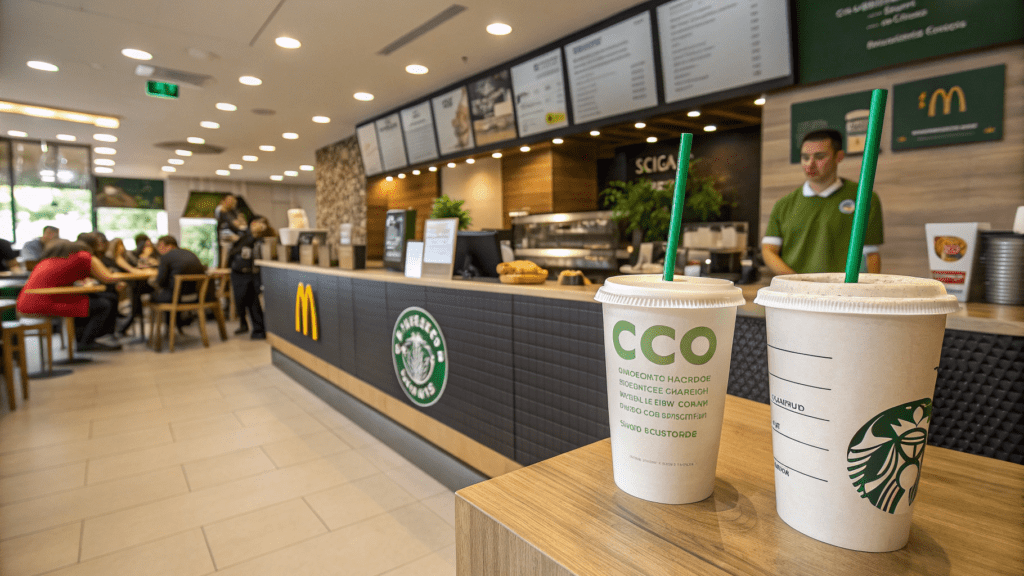
Hızlı servis restoranı (QSR) ve kahve zinciri segmentleri, kompostlanabilir pipetlerin benimsenmesinde tartışmasız liderlerdir. Bu yiyecek hizmeti sektörünün baskın bir pazara sahip olması öngörülüyorR,8McDonald's ve Starbucks gibi büyük küresel oyuncular, iddialı kurumsal sürdürülebilirlik hedefleri ve yeşil ambalajı önceliklendiren değişen yemek normları sayesinde bu geçişin ön saflarında yer aldı.
Yaygın geçişleri tüm sektör için bir emsal teşkil ediyor. Tüketiciler çevre dostu seçimleri giderek daha fazla tercih ettikçe, QSR'ler ve kahve zincirleri gübrelenebilir çözümleri benimsemenin sadece uyumlulukla ilgili olmadığını, aynı zamanda marka imajını geliştirmek ve çevreye duyarlı müşterilerin büyüyen bir bölümünü çekmekle ilgili olduğunun farkına varıyor.
Tam Hizmet Veren Restoranlar, Oteller ve Yiyecek Hizmetleri Sürdürülebilir Pipetleri Kucaklıyor
Hızlı ve rahat olmanın ötesinde, tam hizmet veren restoranlar, oteller ve catering hizmetleri, kompostlaştırılabilir pipetleri hızla faaliyetlerine entegre ediyor. Bu değişim, daha geniş sıfır atık ve Çevresel, Sosyal ve Yönetişim (ESG) uyumluluk hedefleriyle kusursuz bir şekilde uyum sağlıyor. Bu ortamlarda içmeye hazır ürünlerin artan tüketimi, ölçeklenebilir, çevre dostu bir pipet seçeneğini zorunlu kılmaktadır. İçinoteller ve havayolları, specifically, adopting individually wrapped compostable straws offers a strategic advantage, combining hygiene compliance with significant ROI opportunities through enhanced brand perception and reduced waste management costs. Discover more about how these sectors benefit by exploring our insights onhow hotels and airlines gain a strategic advantage with individually wrapped compostable straws.Hospitality and foodservice sectors are primary drivers for compostable straw demand.
Global Regulatory Frameworks Accelerating Compostable Straws Adoption
Government legislation and regulatory mandates are undeniably the most forceful catalysts for the widespread adoption of compostable straws, compelling businesses to adapt or face significant repercussions.
Avrupa Birliği'nin Tek Kullanımlık Plastik Direktifinin (EU SUPD) Etkisi
Avrupa Birliği'nin 2021'den bu yana titizlikle uygulanan Tek Kullanımlık Plastik Direktifi (EU SUPD), yasal açıdan çok önemli bir tetikleyici oldu. Bu direktif, üye devletlerde pipetler de dahil olmak üzere çok sayıda tek kullanımlık plastik ürünü etkili bir şekilde yasaklıyor. Birleşik Krallık, Almanya, Fransa ve İtalya gibi ülkeler sonuç olarak sertifikalı gübrelenebilir alternatiflere yönelik talepte bir artış yaşadı.
AB SUPD'nin kapsamlı yapısı, Avrupa'da faaliyet gösteren konaklama mekanlarının uyumluluğu sağlamak için gübrelenebilir sertifikalı pipetler tedarik etmesi gerektiği anlamına geliyor. Bu düzenlemelere uyulmaması, ciddi para cezalarına ve operasyonel kesintilere neden olabilir; bu da sertifikalı çözümlere öncelik veren sağlam satın alma stratejilerine olan kritik ihtiyacın altını çizer. EU SUPD hakkında daha fazla ayrıntıyı şu adreste bulabilirsiniz:Avrupa Komisyonu web sitesi.
Kuzey Amerika Eyaleti ve Şehri, ABD Bileşik Büyüme Oranı %7,5 ile İtici Talebi Yasakladı
ABD federal bir plastik yasağına sahip olmasa da, Kuzey Amerika, büyük oranda eyalet ve şehir düzeyindeki agresif düzenlemelerin etkisiyle gübreleşebilen pipetler için küresel pazar payına liderlik ediyor. Özellikle ABD pazarının Bileşik Yıllık Büyüme Oranında (CAGR) büyümesi bekleniyor.%7,5. Kaliforniya ve New York gibi eyaletler, tek kullanımlık plastiklere yönelik kapsamlı kısıtlamalar uygulayarak yaygın bir şekilde benimsenmesini sağladı.
Dikkate değer bir örnek, pipetler de dahil olmak üzere tüm tek kullanımlık gıda malzemelerinin BPI (Biyobozunur Ürünler Enstitüsü) veya TÜV AUSTRIA gübrelenebilir sertifikalı olması gerektiğini zorunlu kılan 2020 San Francisco yasasıdır. Üçüncü taraf sertifikasyonuna yapılan bu vurgu, B2B alıcılarının seçtikleri çözümlerin orijinalliğini ve gerçek kompostlanabilirliğini doğrulama ihtiyacının altını çiziyor. Kanada ayrıca pipetler de dahil olmak üzere tek kullanımlık plastiklere yönelik federal yasakları yürürlüğe koyarak Kuzey Amerika'nın bu pazardaki liderliğini daha da sağlamlaştırdı.
Asya Pasifik'in Plastik Atık Konusunda Proaktif Duruşu En Hızlı Büyümeyi Sağlıyor
Asya-Pasifik bölgesi, hızlı kentleşme, artan harcanabilir gelirler ve plastik atıkların azaltılmasına yönelik giderek proaktif hükümet girişimlerinin etkisiyle gübrelenebilir pipetler için en hızlı büyüyen pazar olarak ortaya çıkıyor. Güney Kore gibi ülkeler, 2050 yılına kadar karbon nötrlüğüne ulaşmak gibi iddialı hedefler belirlediler ve bu da çevre dostu alternatiflerin benimsenmesini doğrudan destekliyor. Japonya ve Hindistan da plastik tüketimini önemli ölçüde azaltmak için aktif olarak stratejiler araştırıyor ve uyguluyor. Bu bölgesel ivme, gübrelenebilir ürün üreticileri ve tedarikçileri için büyük fırsatlar yaratıyor.Küresel düzenlemeler, gübrelenebilir samanın tüm pazarlarda benimsenmesi için güçlü bir katalizördür.
Consumer Demand & Corporate ESG Drive the Shift to Compostable Straws
Düzenlemelerin ötesinde, tüketici tercihlerindeki sarsıcı değişim ve Kurumsal Sosyal Sorumluluk (KSS) ile ÇSY ölçütlerine artan vurgu, satın alma kararlarını şekillendiren güçlü güçlerdir.
80% of Consumers Prefer Eco-Friendly Products, Influencing Procurement
Şaşırtıcı80%of consumers globally now prefer eco-friendly products, directly influencing purchasing decisions at every level. This growing global consciousness about environmental issues and the devastating impact of plastic pollution on oceans and ecosystems is compelling businesses to act. Consumers are increasingly willing to pay a premium for sustainable choices, placing immense pressure on businesses to integrate green packaging and practices. For decision-makers, embracing eco-friendly product offerings isn’t just a trend; it’s a strategic imperative for competitive advantage and long-term brand loyalty.
Büyük Şirketler Yeşil Girişimlerin Bir Parçası Olarak Sürdürülebilir Pipetlere Yatırım Yapıyor
Çevre yönetiminin ve artan marka itibarının ikili faydalarını kabul eden lider şirketler, sürdürülebilir saman çözümlerine aktif olarak yatırım yapıyor. Örneğin Coca-Cola Company, çeşitli pazarlarda FSC onaylı biyolojik olarak parçalanabilen ve geri dönüştürülmüş kağıt pipetlere geçiş yaparak plastik alternatiflerini aşamalı olarak kaldırdı. Sertifikalı kompostlanabilir çözümlerin benimsenmesi, paydaşların, yatırımcıların ve müşterilerin değişen beklentilerini karşılayarak KSS'ye gerçek bir bağlılığı gösterir. Bu proaktif yaklaşım, şirketlerin kalabalık bir pazarda kendilerini farklılaştırmalarına ve dayanıklı bir marka imajı oluşturmalarına yardımcı olur.
Mini Case Study: Starbucks Korea & Paris Baguette Lead South Korean Market Shift

South Korea exemplifies the powerful combination of government mandates and corporate leadership driving market transformation. In alignment with the nation’s “Zero Waste” campaign and its ambitious 2050 carbon neutrality goal, major chains have taken decisive action. Starbucks Korea has been a trailblazer, actively adopting compostable straws across its extensive network of cafes. Following suit, Paris Baguette, another prominent bakery and cafe chain, significantly expanded its use of compostable straws. These high-profile adoptions have not only reduced plastic waste but have also driven substantial market expansion for compostable straw manufacturers in the region, illustrating the ripple effect of large-scale corporate commitments.Consumer demand and corporate ESG goals are powerful forces for sustainable straw adoption.
Emerging Markets & Expanding Applications for Eco-Friendly Straws
The reach of compostable straws extends far beyond traditional foodservice, permeating new sectors and applications as the sustainability movement gains momentum.
Retail and E-commerce Channels Broaden Accessibility
Perakende ve e-ticaret kanallarının büyümesi, çeşitli çevre dostu pipet seçeneklerinin erişilebilirliğini önemli ölçüde genişletti. Süpermarketler, hipermarketler ve çevrimiçi mağazalar, ev kullanımı için sıfır atık yaşam tarzını benimseyen bireysel tüketicilere doğrudan hitap ederek, çeşitli kompostlanabilir pipetleri giderek daha fazla stokluyor. Bu çoğalma, geleneksel ticari gıda hizmeti alımına güvenmenin ötesine geçerek yeni dağıtım kanalları ve pazar segmentleri yaratıyor.
Etkinlikler ve Festivaller Büyük Toplantılar için Çevre Dostu Pipetleri Benimsiyor
Large-scale public events, music festivals, sports venues, and concerts are increasingly promoting sustainability through green practices. This includes widespread adoption of compostable straws to minimize environmental impact from single-use items. Similarly, corporate events are integrating compostable solutions to align with their sustainability pledges, demonstrating commitment to a broad audience and reinforcing responsible business practices.
Healthcare and Educational Institutions Join the Green Movement
Even sectors traditionally slower to adopt green initiatives are making strides. Medical facilities and hospitals are beginning to utilize biodegradable straws to align with their broader sustainability policies and waste reduction goals. Similarly, schools and universities are encouraging the use of eco-friendly options, not only for practical reasons but also as a vital component of environmental education and promoting responsible consumption among students and staff. Public sector institutions are increasingly prioritizing ESG compliance in their procurement processes, further expanding the market for compostable solutions.Compostable straws are expanding into new markets like retail, events, healthcare, and education.
Innovation & Market Projections for Compostable Straws
The market for compostable straws is characterized by rapid innovation in materials science and manufacturing, underpinning impressive growth projections.
Advancements in Materials: Paper, PLA, and Beyond for Durable Compostable Straws
The landscape of compostable straw materials is continuously evolving to enhance performance, durability, and user experience. Paper straws are currently projected to dominate the market, holding a44.3%market share in 2025, largely due to their established eco-friendly credentials and widespread availability. However, innovations are pushing beyond basic paper, incorporating new multi-layered coatings that significantly improve durability and prevent the common issue of sogginess.
Yenilenebilir bitki bazlı biyoplastiklerden (mısır nişastası gibi) türetilen Polilaktik Asit (PLA), sertliğiyle bilinen geleneksel plastiğe daha yakın bir his veren gübrelenebilir bir alternatif sunuyor. Ortaya çıkan diğer malzemeler arasında şeker kamışı, bambu, buğday, pirinç, deniz yosunu ve hatta makarna yer alıyor. Bu gelişmeler, kompostlaştırılabilir pipetlerin, tüketici deneyiminden ödün vermeden çeşitli içecek uygulamalarının pratik taleplerini karşılamasını sağlamak açısından kritik öneme sahiptir. Bu malzemeler arasındaki farkları anlamak satın alma açısından çok önemlidir veGübrelenebilir ve biyolojik olarak parçalanabilen pipetler hakkında B2B kılavuzudaha fazla ayrıntı sağlar.
Küresel Pazar Büyüme Tahminleri: 2035'e Kadar 1,9 Milyar Dolardan 3,8 Milyar Dolara
The robust growth trajectory of the compostable straws market signifies a major, irreversible shift in the beverage packaging industry. The global compostable straws market is projected to expand significantly, from USD1.9 billion in 2025 to USD 3.8 billion by 2035, exhibiting a Compound Annual Growth Rate (CAGR) of 7.1%. When looking at the broader eco-friendly straws market, which includes all sustainable alternatives, the value is estimated at approximately USD 12.3 billion in 2025, with projections indicating growth to nearly USD 25.1 billion by 2035 at a CAGR of 7.3%. This substantial market expansion underscores the accelerating demand and investment in sustainable solutions.
Navigating Disposal Infrastructure Challenges for Optimal Composting
Despite the advancements in materials, a significant challenge for the compostable straw market remains the disposal infrastructure. For many compostable materials, particularly PLA, effective biodegradation requires specific industrial composting facilities. The lack of widespread access to such infrastructure in all regions can hinder the full circularity of these products, leading to them potentially ending up in landfills if not properly sorted. Strategic collaborations between B2B suppliers and waste management companies are essential to develop robust collection and processing systems. Businesses must understand the proper disposal methods for certified compostable products to ensure their environmental benefits are fully realized. OurSürdürülebilir atık yönetimi için B2B taktik kitabıoffers practical guidance.Innovation in materials and strong market projections define the compostable straw industry.

Comparison Table: Compostable Straw Technologies for B2B Adoption
Making the right procurement decision requires understanding the operational, compliance, and financial implications of various compostable straw options.
| Özellik | B2B operasyonel etki | Uyum Notu | YG'nin potansiyeli |
|---|---|---|---|
| Kağıt Pipetler | Widely available, cost-effective for high volume use; diverse sizes. | Generally compliant with most single-use plastic bans; check for durability (sogginess) depending on application. | High customer satisfaction due to eco-friendly choice; positive brand image; reduces plastic waste fines; broad market acceptance. |
| Pla pipetler | Offers superior rigidity and mouthfeel compared to paper, similar to traditional plastic. | Requires industrial composting facilities; certified to ASTM D6400 or EN 13432 standards. | Enhanced user experience leading to repeat business; strong alignment with sustainability goals; appeals to discerning eco-conscious consumers; supports circular economy initiatives. |
| Sugarcane/Bamboo Straws | Durable, unique natural texture; often higher unit cost than paper or PLA; artisanal appeal. | Excellent natural biodegradability; ensures compliance with strict environmental policies and green certifications. | Premium brand perception and differentiation; niche market appeal for high-end or specialty venues; long-term environmental benefits and reduced ecological footprint. |
Choosing the right compostable straw requires understanding operational, compliance, and financial implications.
Competitive Advantage & Business Case
For B2B leaders, the decision to adopt compostable straws extends beyond mere compliance; it’s a powerful opportunity to forge competitive advantage and build a robust business case.
Quantifiable benefits include significant risk mitigation. By proactively transitioning to certified compostable solutions, businesses can avoid substantial fines associated with evolving plastic bans and safeguard their operations against future regulatory changes. This foresight ensures uninterrupted market access in regions with strict environmental policies, such as the EU.
Moreover, the brand value uplift is considerable. With 80% of consumers favoring eco-friendly products, embracing compostable straws directly enhances brand reputation and cultivates consumer loyalty. This positive public perception can translate into increased sales and market share. For instance, in the foodservice sector, which commands over 50% of the market, offering sustainable options can be a key differentiator, attracting eco-conscious customers and potentially allowing for premium pricing. Beyond direct sales, a strong sustainability commitment also appeals to ESG-focused investors and talented employees, bolstering a company’s overall market standing and long-term resilience. The transition also supports the broader circular economy by reducing reliance on finite resources and promoting waste diversion.Adopting compostable straws offers significant competitive advantages and a strong business case.
Sık Sorulan Sorular (SSS)
What are compostable straws and why are they important for hospitality and foodservice?
Compostable straws are eco-friendly alternatives to traditional plastic straws, designed to break down into natural elements. They are crucial for hospitality and foodservice to meet regulatory mandates, consumer demand for sustainability, and enhance brand reputation while reducing plastic waste.
How do global regulations impact the adoption of compostable straws in B2B sectors?
Regulations like the EU Single-Use Plastics Directive and various state/city bans in North America compel businesses to switch to certified compostable straws. Failure to comply can result in significant fines and operational disruptions, making compliance a key driver for B2B procurement.
What are the key benefits for hotels and airlines adopting individually wrapped compostable straws?
Hotels and airlines gain a strategic advantage by combining hygiene compliance with significant ROI opportunities. This includes enhanced brand perception, reduced waste management costs, and meeting the expectations of environmentally conscious travelers, leading to increased customer loyalty.
What are the different types of materials used for compostable straws?
Common materials include paper, Polylactic Acid (PLA) derived from plant starches, and natural materials like sugarcane, bamboo, wheat, rice, and even pasta. Each offers different characteristics in terms of durability, feel, and composting requirements.
What challenges exist in the disposal of compostable straws?
A significant challenge is the need for specific industrial composting facilities for many compostable materials, particularly PLA. Lack of widespread access to such infrastructure can lead to these products ending up in landfills if not properly sorted, hindering their full environmental benefit.
How can adopting compostable straws provide a competitive advantage for businesses?
Beyond compliance, adopting compostable straws mitigates risks from evolving plastic bans, ensures market access, and significantly uplifts brand value. It attracts eco-conscious consumers, appeals to ESG-focused investors, and differentiates businesses in a crowded marketplace, fostering long-term resilience.FAQs address common pain points and provide actionable solutions for B2B leaders.
Conclusion: Seizing the Sustainable Advantage with Compostable Straws
The demand for compostable straws is no longer a niche trend but a critical imperative, driven by the powerful forces of regulatory mandates, consumer preferences, and corporate sustainability goals. Key markets, especially the foodservice and hospitality industries, are at the forefront of this transformation, supported by rapid innovation in materials and encouraging market projections. B2B leaders who proactively adopt certified compostable solutions will not only ensure compliance with evolving standards but also capture significant market share, enhance brand loyalty, and build enduring competitive advantage in the evolving sustainable economy.Act now: Evaluate your current straw usage and transition to certified compostable straw solutions to enhance your environmental stewardship and secure a competitive edge in the evolving sustainable economy. Don’t wait for regulation to dictate your strategy—lead the change.Proactive adoption of compostable straws secures competitive advantage and ensures compliance.