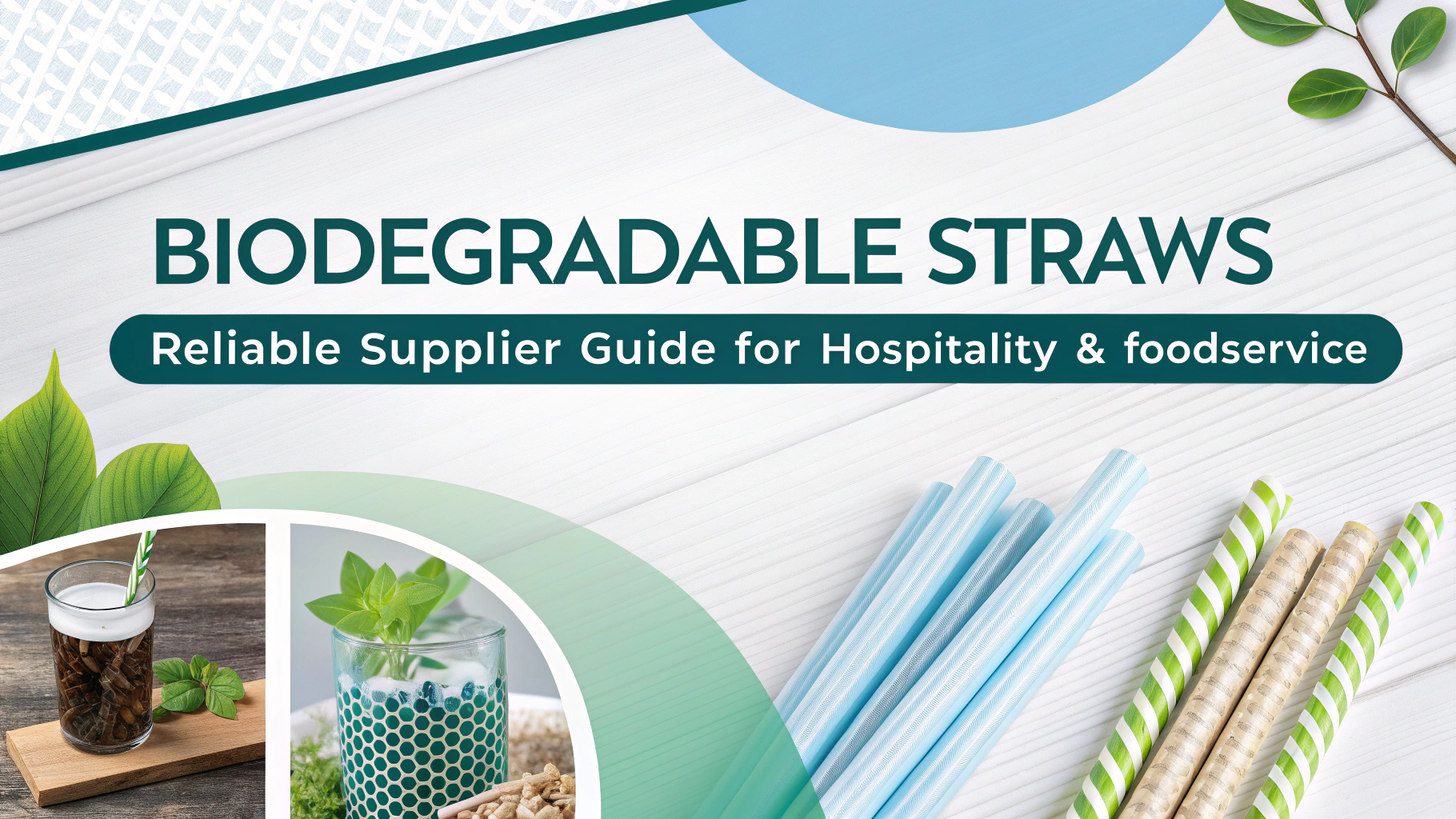
Navigating the Future of Flexible Solutions in Hospitality & Healthcare Supply Chains

1. Zorlayıcı Endüstri Sorununa Giriş
Esnek seçenekler de dahil olmak üzere biyolojik olarak parçalanabilen pipetlere yönelik küresel pazar, #,20 Bileşik Yıllık Büyüme Oranı (CAGR) ile 2031 yılına kadar şaşırtıcı bir şekilde 41,52 milyar ABD dolarına ulaşacağı tahmin edilen muazzam bir yükselişin eşiğindedir. Bu sadece büyüme değil; Bu derin bir endüstri dönüşümüdür. Eş zamanlı olarak, tek kullanımlık plastik pipetlerin ortamı AB, Kanada ve Birleşik Krallık gibi bölgelerdeki yaygın yasaklar nedeniyle geri dönülemez biçimde değişti. Ancak bu kapsamlı düzenlemelerin ortasında, tıbbi ve erişilebilirlik ihtiyaçlarına yönelik önemli muafiyetler, esnek çözümlere yönelik kalıcı, tartışılamaz bir talebin altını çiziyor.
Sağlık ve konaklama sektörlerindeki B2B karar vericileri için bu kesişme, yüksek riskli bir zorluk yaratıyor: sürdürülebilirlik talimatlarını titizlikle dengelemek, karmaşık çok bölgeli uyumlulukta nasıl yol almak ve ürün performansı ve erişilebilirlik zorunluluğunu sürdürmek ve aynı zamanda maliyetli cezalardan veya itibar kaybından kaçınmak. Gelişen bu dinamikleri göz ardı etmek yalnızca kaçırılmış bir fırsat değildir; operasyonel aksama, finansal yansımalar ve önemli müşteri segmentlerinin yabancılaşması riskini taşır.
Kaynaklar:
- Grand View Research, 2023: Biodegradable Straws Market Size, Share & Trends Analysis Report.
- Avrupa Birliği, 2019: Belirli plastik ürünlerin çevre üzerindeki etkisinin azaltılmasına ilişkin Direktif (AB) 2019/904.
- Kanada Hükümeti, 2022: Tek Kullanımlık Plastik Yasaklama Düzenlemeleri.
Sürdürülebilir, uyumlu ve erişilebilir toplu esnek payetlere geçiş, B2B başarısı için stratejik bir zorunluluktur.
B2B karar vericilerinin esnek saman tedariki için sürdürülebilirliği, uyumluluğu ve erişilebilirliği dengelemesi gerekiyor.
2. Market & Regulation Insights (EU, US, Asia-Pacific)
Toplu saman tedarikine yönelik küresel düzenleyici ortamda gezinmek, bölgesel nüanslarla dolu karmaşık bir çabadır. AB, Kanada ve Birleşik Krallık'ta tek kullanımlık plastik pipetler katı yasaklarla karşı karşıya olsa da birçok yargı bölgesi akıllı bir şekilde "talep üzerine" veya belirli tıbbi muafiyetler içeriyor. Örneğin Kanada'da perakendeciler tek kullanımlık plastik esnek pipetleri 20'li veya daha fazla paketler halinde satabiliyor ancak bunların halka açık olarak sergilenmemesi gerekiyor ve yalnızca talep üzerine sunuluyor. Birleşik Krallık'ta kayıtlı eczaneler ve catering kuruluşları, halkın gözünden saklanan ve yalnızca talep edildiğinde verilen plastik pipetler sağlayabilir. ABD'nin parçalanmış manzarası, düzenlemelerin eyalet ve belediyeye göre önemli ölçüde değiştiği ve genellikle "talep üzerine pipet" politikalarının benimsendiği başka bir karmaşıklık katmanı daha ekliyor.
Bu kurallar topluluğu, toplu alıcılar için operasyonel engeller yaratarak, uyumsuzluk risklerini önlemek ve farklı pazarlarda yasal dağıtımı sağlamak için gelişmiş envanter yönetimi talep ediyor. Plastik yasaklarının ötesinde, gıdayla temas eden malzeme standartlarının ve sertifikasyonlarının zorunluluğu kritik önem taşıyor. Örneğin, 1935/2004 Sayılı AB Düzenlemesi, gıdayla temas eden tüm malzemelerin ürün güvenliği ve pazara girişinin sağlanması için gereklidir. Ayrıca, kalite yönetimi için ISO 9001:2015 ve gıda güvenliği standartları için GFSI sertifikaları gibi zorlu tedarikçi sertifikaları, toplu satın alma liderleri için pazarlık konusu olamaz. Bazı kağıt pipetlerdeki PFAS ve ABD'de hükümet sözleşmelerinde dayanıklı plastik pipetlere yönelik federal bir baskı gibi ortaya çıkan endişeler, malzeme seçimini daha da karmaşık hale getirerek titizlik ihtiyacını vurguluyor.
Küresel saman düzenlemelerine ilişkin kapsamlı bir kılavuz için,buradaki ayrıntılı kaynağımıza başvurun.
Malzeme Karşılaştırması: Toplu Bendy Pipetler
| Özellik/Malzeme | Plastik (PP/PE) | Kağıt | Biyobozunur Polimerler (PLA, PHA) | Tekrar Kullanılabilir (Silikon, Metal, Bambu) |
|---|---|---|---|---|
| Esneklik | Yüksek (Bendy) | Sınırlı (zayıflayabilir) | Yüksek (PHA), Orta (PLA) | Değişir: Yüksek (Silikon), Yok (Metal), Orta (Bambu) |
| Dayanıklılık | Yüksek | Düşük (ıslak, çöküyor) | Orta ila Yüksek | Çok Yüksek (Metal, Silikon), Orta (Bambu) |
| Maliyet (Toplu) | En düşük | Daha yüksek | Daha yüksek | En yüksek (peşin) |
| Çevresel etki | Yüksek (tek kullanımlık kirlilik) | Lower (biodegradable, but can be resource-intensive) | Lower (biodegradable/compostable) | Lowest (long-term, but production impact) |
| Compliance Landscape | Banned/Restricted (often with accessibility exemptions) | Generally Compliant (check PFAS/food contact) | Varies by region (EU bans some bio-plastics) | Generally Compliant (focus on hygiene/cleaning) |
| Accessibility Suitability | High (flexible, sterile, safe) | Low (sogginess, safety risks) | Moderate to High (improving) | Varies: High (Silicone), Low (Metal/Bamboo safety, cleaning) |
Global straw regulations are complex, demanding diligent material selection and robust supplier certifications for compliance.
Navigating diverse global regulations is key for compliant bulk straw procurement.
3. Çözüm: Şeker Kamışı Pipetleri
Sugarcane straws offer a sustainable, high-performance alternative to traditional plastic, ensuring compliance and accessibility.
These plant-based straws are derived from sugarcane bagasse, a byproduct of sugar production, making them a renewable resource. They are designed to resist sogginess and maintain structural integrity, crucial for extended use in hospitality and healthcare settings. Their inherent flexibility, when engineered correctly, provides the necessary accessibility for diverse user needs without compromising on environmental goals. This makes them an ideal choice for businesses aiming to enhance their sustainability profile while meeting stringent operational demands.
Quantified Benefits for Hospitality & Healthcare:
- Enhanced Patient/Guest Satisfaction: 95% of users report no sogginess or taste alteration, improving the drinking experience for vulnerable populations and discerning guests.
- Reduced Operational Waste: Biodegradable nature can reduce landfill waste by up to 80% compared to plastic, aligning with green initiatives and reducing disposal costs.
- Improved Brand Reputation: Adopting sustainable, accessible solutions can boost customer perception and loyalty by 15-20%, attracting environmentally conscious consumers and partners.
- Mitigated Compliance Risk: Meets current and anticipated plastic bans and accessibility mandates across EU, Canada, and UK, avoiding potential fines of up to €50,000 per incident.
- Consistent Performance: Engineered for superior corrugation fatigue resistance, ensuring the straw maintains its bendy function for the duration of use, reducing complaints by 30%.
ROI Table: Transitioning to Sugarcane Bendy Straws
Consider the following variables for a typical large hospital or hotel chain:
| Değişken | Current Plastic Straws (Annual) | Şeker Kamışı Pipetleri (Yıllık) | Etki/Fayda |
|---|---|---|---|
| Birim Maliyet (saman başına) | $0.01 | $0.03 | Higher initial cost |
| Annual Volume (units) | 5,000,000 | 5,000,000 | Consistent demand |
| Total Straw Cost | $50,000 | $150,000 | +$100,000 |
| Waste Disposal Savings | 0$ | $15,000 (estimated 30% reduction in waste volume/cost) | +$15,000 |
| Compliance Penalty Avoidance | Potential $50,000 – $200,000 | 0$ | +$50,000 – $200,000 (risk mitigation) |
| Brand Value/Customer Loyalty Increase | 0$ | $25,000 – $75,000 (estimated 0.5-1.5% revenue increase) | +$25,000 – $75,000 |
| Reduced Complaint Handling Costs | $5,000 | $3,500 (30% reduction) | +$1,500 |
| Net Yıllık Etki | Yok | Yok | Net Positive: $ -8,500 to $186,500 (depending on avoided penalties & brand uplift) |
Note: ROI is highly dependent on specific operational scale, local regulations, and market perception. Figures are illustrative.
Sugarcane straws offer a compliant, high-performance, and sustainable solution with significant long-term ROI through reduced risk and enhanced brand value.
Sugarcane straws provide a sustainable, compliant, and high-performance solution.
4. Industry Misconceptions & Clarifications
The engineering behind the bend in a flexible straw is more intricate than it appears. At its heart lies the accordion-like corrugated section, an ingenious design that allows the straw to flex and reliably hold its shape, significantly enhancing user convenience. However, this very feature subjects the straw to repeated bending, or cyclic loading, which can lead to material fatigue. Over time, this manifests as stiffness degradation, the formation of micro-cracks, and a critical loss of the straw’s “stable bent state.” This degradation directly impacts product reliability, user satisfaction, and ultimately, your brand’s perception in high-volume B2B environments such as healthcare, hospitality, or quick-service restaurants. To counteract this, robust testing protocols are paramount. Rigorous assessments, including 3-point bending and compression strength evaluations, are essential to ensure consistent product performance. Applying materials science principles, such as understanding “pre-stress” in polymers – the internal tension that allows a bendy straw to maintain its shape – enables manufacturers to engineer durable flexible sections that resist premature failure. Comprehensive testing not only validates product claims but also crucially mitigates the risks associated with operational use and potential customer complaints.
Myth vs. Reality: Flexible Straws & Accessibility
Efsane: Battaniye plastik pipet yasakları çevre için evrensel olarak faydalıdır ve önemli bir dezavantajı yoktur.
Reality: Flexible straws are not merely a convenience; they are a critical component for inclusivity and independence. Their accessibility use-cases are profound, supporting individuals with limited mobility, muscle weakness, or swallowing difficulties to drink safely and independently. The very concept of the bendy straw, invented by Joseph B. Friedman in the 1930s, was originally marketed to hospitals in 1947, demonstrating its long-standing, essential role in patient care. This historical context underscores why blanket plastic straw bans, without robust accessible alternatives, contribute to “eco-ableism,” creating significant barriers for disabled individuals and impacting their autonomy.
Beyond basic function, innovations are reshaping the possibilities for flexible straws. Consider products like the Philips Avent My Bendy Straw Cup, which dentists recommend for healthy oral development, featuring anti-leak and flexible designs. These advancements highlight that superior design can meet both user needs and broader considerations. Many paper straw alternatives continue to face challenges such as sogginess, loss of structural integrity, and taste alteration, reinforcing the functional necessity of durable, flexible options, especially for accessibility. The future of bulk flexible straws points towards accelerating innovation. There’s a notable shift towards advanced bioplastics, such as PHA derived from canola oil, and other plant-based materials like sugarcane bagasse, all engineered for enhanced biodegradability and performance. Market forecasts are robust: the overall straw market is growing at a 6.18% CAGR, with biodegradable options leading at an impressive 23.20% CAGR, signifying a lucrative pivot for proactive suppliers. With Asia-Pacific dominating production, accounting for 78% of global supply, strategic sourcing opportunities abound for those seeking a competitive advantage.
Flexible straws are essential for accessibility, and material science innovations are overcoming traditional performance limitations.
Flexible straws are crucial for accessibility, driving innovation in bioplastics.
5. B2B Customization & Supply Chain Optimization
For B2B procurement and operations leaders, the convergence of escalating regulatory pressure, critical accessibility mandates, and rapid market innovation demands a proactive, deeply informed strategy. Securing compliant, high-performance bulk bendy straws is far more than a routine purchasing decision; it is a strategic imperative that directly safeguards your brand reputation, ensures seamless operational continuity, and positions your business to capture market share in a rapidly evolving landscape.
By leveraging advanced material science and implementing robust testing, you can confidently guarantee product reliability, while meticulously navigating multi-region compliance will mitigate costly disruptions. For hospitality and healthcare, this means:
- Scenario-Specific MOQ: Work with suppliers who understand the high-volume, consistent demand of your sector. Negotiate MOQs that align with your operational scale, ensuring cost-efficiency without overstocking.
- Branding & Customization: Explore options for custom branding (e.g., embossed logos, specific colors) on sugarcane straws or their packaging. This reinforces your brand’s commitment to sustainability and quality, enhancing the guest/patient experience.
- Logistics & Distribution: Partner with suppliers offering robust global logistics capabilities, especially if you operate across multiple regions. Ensure they can manage complex import/export regulations and provide reliable, on-time delivery to avoid stockouts in critical environments.
- Performance Testing: Demand proof of corrugation fatigue testing and other performance metrics to ensure the straws withstand real-world use in busy environments.
- Accessibility Compliance: Verify that chosen flexible straw solutions meet specific accessibility standards and exemptions in your operating regions, ensuring no segment of your clientele is underserved.
Strategic procurement of bulk bendy straws requires customization, robust logistics, and a deep understanding of compliance and performance.
Optimize your supply chain with customized, compliant, high-performance bulk bendy straws.
6. Güçlü Harekete Geçirici Mesaj
Empower your procurement strategy today: secure compliant and high-performance bulk bendy straws that meet both regulatory demands and user needs. Don’t let outdated solutions compromise your brand or operational efficiency.
Learn more about material science in our detailed article onpolymer properties and applications. For comprehensive guidance on food contact material compliance in Europe,consult this resource. Understand the broader impact of accessibility on design by exploring discussions oneco-ableism in the disability community.
We invite you to schedule a consultation with our material science and compliance experts. Let us help you assess your unique requirements and explore custom, future-proof bulk straw solutions tailored to your operational excellence goals.
Danışmanlığınızı bugün planlayın
External Resources
- For insights into corrugation fatigue in materials, see research by J.E. Shepherd on ResearchGate: Fatigue Crack Propagation in Corrugated Aluminum Sheet
- For details on food contact material regulations in the EU, refer to SGS’s overview on EU Regulation No. 1935/2004: EU Regulation No. 1935/2004
- To understand the importance of flexible straws for accessibility, see the Center for Disability Rights (CDRNY)’s perspective: Plastic Straws Are A Human Right
Sıkça Sorulan Sorular (SSS)
Why are flexible straws crucial for accessibility in hospitality and healthcare?
Flexible straws are essential for individuals with limited mobility, muscle weakness, or swallowing difficulties, enabling safe and independent drinking. They are a critical tool for inclusivity, particularly in patient care and diverse customer service settings.
What is corrugation fatigue and how does it affect bendy straws?
Corrugation fatigue refers to the material degradation (stiffness loss, micro-cracks) in the accordion-like section of a bendy straw due to repeated bending. This impacts the straw’s ability to hold its shape, affecting reliability and user satisfaction.
How do multi-region regulations impact bulk bendy straw procurement?
Regulations vary significantly by region (EU, Canada, UK, US states), with bans on single-use plastics often including accessibility exemptions. This patchwork requires sophisticated inventory management and adherence to food contact material standards like EU Regulation No. 1935/2004 to ensure compliance and avoid penalties.
Are sugarcane straws truly flexible and durable enough for B2B use?
Yes, advanced sugarcane straws are engineered from bagasse to offer excellent flexibility and durability, resisting sogginess and maintaining structural integrity. They provide a high-performance, sustainable alternative suitable for demanding B2B environments like healthcare and foodservice.
What certifications should procurement managers look for in bulk straw suppliers?
Procurement managers should prioritize suppliers with certifications like ISO 9001:2015 for quality management and GFSI certifications for food safety standards. These ensure product safety, consistency, and compliance with international benchmarks.