Her yerde bulunan plastik pipet, yaklaşmakta olan küresel krizin sembolü haline geldi. Tek kullanımlık plastikler okyanuslarımızı boğmaya, çöplükleri doldurmaya ve gıda zincirlerimize sızan sinsi mikroplastiklere parçalanmaya devam ederken, günümüzde işletmeler benzeri görülmemiş bir incelemeyle karşı karşıya kalıyor. Bu sadece çevresel bir sorun değil; bu kritik bir iş riskidir. Kapsamlı Tek Kullanımlık Plastik Direktifi ile Avrupa Birliği'nden, çok sayıda ABD eyaleti ve Seattle gibi şehirlere kadar dünya çapındaki düzenleyici kurumlar, bu malzemelere yönelik yasakları uyguluyor veya sıkılaştırıyor. Uyum sağlamadaki başarısızlık yalnızca etik bir yanlış adım değildir; doğrudan potansiyel para cezalarına, maliyetli uyum engellerine ve ciddi itibar kaybına yol açar.
Bu baskıya ek olarak tüketici beklentileri de temelden değişti. Yeni nesil alıcılar, özellikle Y kuşağı ve Z kuşağı, yalnızca çevresel sorunların farkında olmakla kalmıyor, aynı zamanda destekledikleri markaların kendi değerleriyle uyumlu olmasını aktif olarak talep ediyorlar. Araştırmalar, yüzeysel "yeşil yıkama" yerine sürdürülebilirliğe gerçek bağlılık sergileyen işletmelerin güçlü bir tercihi sürekli olarak gösteriyor. Bu doğrudan satın alma kararlarına, müşteri sadakatine ve nihayetinde pazar payına dönüşür. Gelişen bu ortamda başarılı olmak için işletmelerin salt uyumluluğun ötesine geçmeleri ve bilinçli bir müşteri tabanıyla örtüşen gerçekten etkili sürdürülebilir uygulamaları benimsemeleri gerekiyor. Önde gelen işletmelerin çevresel ayak izlerini nasıl yeniden tanımladıklarını keşfedin sürdürülebilir ambalajlama çözümler. Küresel plastik kirliliği krizinin daha derinlemesine anlaşılması için, Birleşmiş Milletler Çevre Programı.
Gübrelenebilir Pipetleri Anlamak: “Biyobozunurluğun” Ötesinde
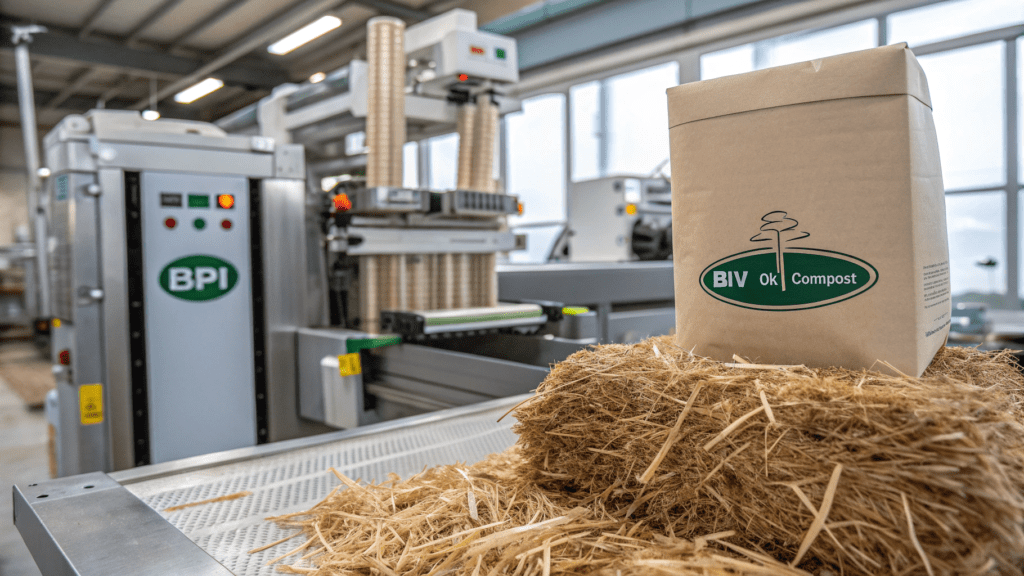
Hızla değişen bu ortamda, basit bir anahtar önemli avantajların kilidini açabilir. Salt uyumluluğun ötesine geçerek gübreleşebilen pipetlerin benimsenmesi, daha sürdürülebilir ve dayanıklı bir iş modeline doğru stratejik bir dönüm noktasını temsil ediyor. Peki gerçekten kompostlanabilir bir pipeti tam olarak tanımlayan şey nedir? Tanımlanmamış ve genellikle uzun bir süre boyunca ayrışmayı ima edebilen genel "biyolojik olarak parçalanabilir" etiketlerin aksine, "kompostlanabilir", belirli bir zaman dilimi içinde, genellikle haftalar veya aylar içinde, toksik olmayan, doğal bileşenlere (su, karbondioksit ve biyokütle) parçalanmak üzere özel olarak tasarlanmış ürünleri ifade eder. Birçok yaygın kompostlaştırma seçeneği için bu süreç, endüstriyel kompostlama tesislerinde bulunan kontrollü koşulları gerektirir. Orijinalliği sağlamak ve sıkı çevre standartlarını karşılamak için işletmelerin, Kuzey Amerika'da BPI Sertifikalı Gübrelenebilir veya Avrupa'da TÜV OK Kompost ve DIN CERTCO gibi ürünün zararlı kalıntılar bırakmadan tamamen ayrışma yeteneğini doğrulayan temel sertifikaları araması gerekir. Ürün yelpazemizi keşfedin sertifikalı gübrelenebilir ürünler ve operasyonlarınız için mükemmel uyumu bulun. Gübrelenebilirlik standartları ve sertifikaları hakkında ayrıntılı bilgi için şu adresi ziyaret edin: Biyobozunur Ürünler Enstitüsü (BPI).
Malzemelerde Yenilik: Sürdürülebilir Yudumlamanın Geleceği
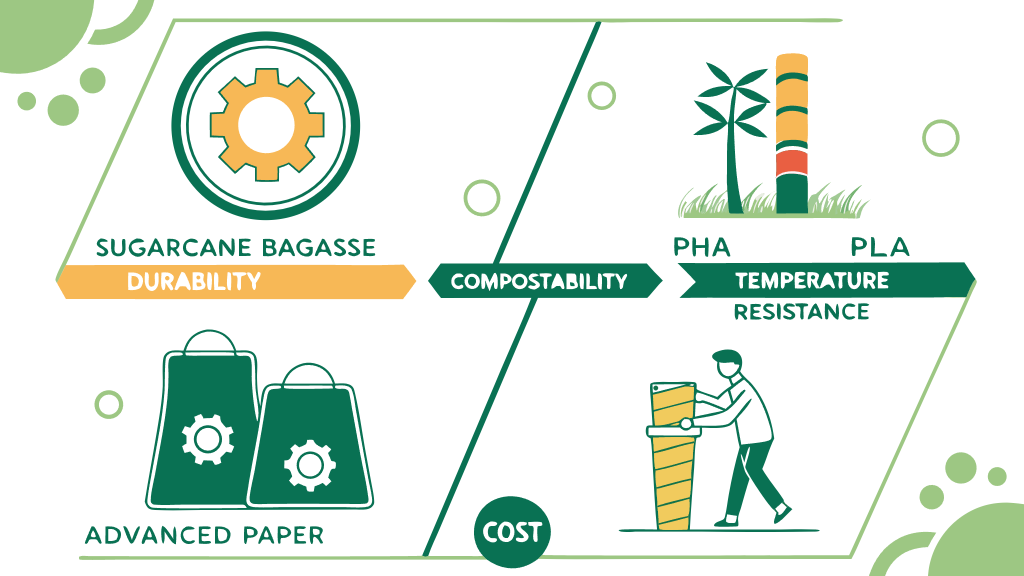
Gübrelenebilir saman malzemelerindeki yenilik dikkat çekicidir ve değişen iş ihtiyaçlarını karşılamak için çeşitli çözümler sunar. Ücretin başında şunlar gibi malzemeler geliyor:Şeker kamışı küspesihem sıcak hem de soğuk içecekler için uygun, dayanıklı, toksik olmayan ve çoğu zaman PLA içermeyen pipetler üreten, şeker kamışı suyu ekstraksiyonunun lifli bir yan ürünüdür.PHA (Polihidroksialkanoatlar), derived from plant-based oils like canola, stands out as a marine-degradable bioplastic, offering exceptional durability and resistance to sogginess, comparable to traditional plastic, even at high temperatures (up to 212°F/100°C).PLA (Polilaktik Asit), made from fermented plant sugars like cornstarch, mimics the look and feel of conventional plastic but requires specific industrial composting facilities for complete breakdown. Finally,Advanced Paper Straws, crafted from wood pulp, have evolved significantly. Modern versions feature improved water-resistant, food-safe coatings that enhance durability and prevent sogginess, making them a highly reliable and widely available option.
This shift isn’t just about material science; it’s a market transformation. The global eco-friendly straws market is projected to reach nearly $25.1 billion by 2035, demonstrating a robust compound annual growth rate (CAGR) of 7.3%. This remarkable expansion is fueled by heightened environmental awareness, evolving consumer preferences, and an increasing number of corporate sustainability commitments. By embracing compostable straws, businesses position themselves to capture a growing segment of the market and secure a competitive edge in an industry rapidly moving towards a greener future.

Strategic Advantages: Beyond Environmental Compliance
Adopting compostable straws offers more than just environmental compliance; it’s a strategic asset for strengthening your brand and optimizing operations. Leveraging compostable straws profoundly enhances your brand’s public image by resonating with the values of modern consumers, fostering increased customer satisfaction, and building lasting trust. This tangible commitment to environmental responsibility sets your business apart from competitors, allowing you to craft a powerful and positive brand narrative that encourages loyalty and attracts new patrons. Critically, integrating compostable straws aligns seamlessly with broader Corporate Social Responsibility (CSR) and Environmental, Social, and Governance (ESG) strategies, signaling a deep commitment to sustainable practices that can attract eco-conscious investors and partners. Learn more about integrating comprehensiveESG strategies for B2Bto boost your market position. For more on the role of ESG in corporate strategy, consult reports from organizations likePwC’s ESG Hub.
Proactive adoption also future-proofs your operations within an increasingly complex regulatory landscape. By switching to certified compostable straws now, your business pre-empts and complies with evolving single-use plastic bans and regulations, particularly prevalent across the US and Europe. This foresight helps you avoid potential fines, circumvent legal costs, and mitigate supply chain disruptions that can arise from non-compliance. Demonstrating environmental leadership through the use of certified compostable products underscores your commitment to a circular economy, enhancing your reputation as a responsible and forward-thinking enterprise.
Choosing the Right Solution: Performance and Cost
Choosing the right compostable straw involves understanding the unique performance attributes of each material, vital for smart procurement decisions:
- Sugarcane Bagasse Straws: Derived from a fibrous byproduct of sugarcane juice extraction, these straws are often certified for both home and industrial composting. They are highly durable in both hot and cold beverages and are typically PLA-free, offering a sturdy and reliable user experience.
- PHA (Polihidroksialkanoatlar) Pipetler: Produced from plant-based oils like canola, PHA straws are remarkable for their ability to biodegrade in both industrial composting facilities and natural marine environments. They offer durability and resistance to sogginess that closely mirrors traditional plastic, performing exceptionally well even at high temperatures (up to 212°F/100°C).
- PLA (Polilaktik Asit) Pipetler: Formulated from fermented plant sugars (e.g., cornstarch), PLA straws beautifully mimic the look and feel of conventional plastic. However, it’s crucial to note that they require specific industrial composting facilities for complete and timely decomposition.
- Gelişmiş Kağıt Pipetleri: Crafted from sustainably sourced wood pulp, these straws are highly compostable. Significant technological advancements have led to improved water-resistant, food-safe coatings that enhance their durability and prevent premature sogginess, making them a more reliable and widely accepted alternative.
Modern compostable options are engineered to overcome past concerns about durability and performance, ensuring a consistently positive customer experience comparable to, if not exceeding, that of traditional plastic. While the initial investment in compostable straws might be slightly higher than their plastic counterparts, the long-term cost implications are often favorable. Businesses can realize potential savings on waste management fees due to reduced landfill waste volume and avoid the significant financial penalties and reputational damage associated with non-compliance.
The Future is Now: Continuous Innovation
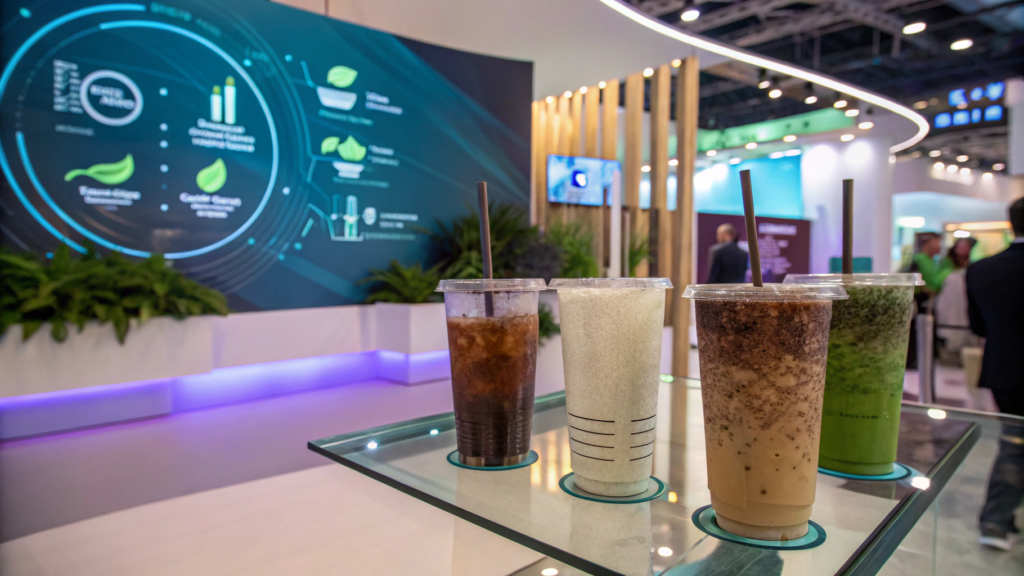
The future of compostable straw technology is already here, marked by continuous innovation. Breakthroughs include the development of PFAS-free formulations, addressing concerns about “forever chemicals,” and the exciting emergence of novel plant-based alternatives such as seaweed, coffee grounds, and even straws derived from bacterial cellulose. These cutting-edge materials promise to deliver plastic-like performance with uncompromising compostability and environmental integrity. Furthermore, optimized production methods are steadily reducing manufacturing costs and improving the scalability of compostable straw solutions, making them increasingly accessible for businesses of all sizes.
Ready to Catalyze Your Green Transition?
Ready to catalyze your green transition and make a lasting impact? Implementing a compostable straw strategy is simpler than you might think. Begin by training your staff on proper disposal procedures and ensure clear signage is provided for customers, guiding them to appropriate composting bins. Always prioritize sourcing certified compostable products to guarantee authenticity and fulfill your environmental claims. Beyond internal operations, leverage your sustainability certifications and eco-labels as powerful marketing tools to amplify your brand appeal and attract a discerning customer base.
Embracing compostable straws isn’t just about adhering to new norms; it’s about seizing a distinct competitive advantage. From an enhanced brand reputation to robust regulatory resilience, this strategic move positions your business as a leader in sustainable practices within your industry. Don’t just adapt—lead the change.
Ready to Lead the Change?
- • Schedule a complimentary sustainability consultation with our experts to assess your current waste streams and explore the best compostable straw solutions for your business needs.
- • Request a sample kit of our cutting-edge compostable straws to experience their quality and performance firsthand.
- • Download our comprehensive B2B Guide to Sustainable Foodservice Packaging for in-depth insights and implementation strategies.