The global push away from single-use plastics is no longer a distant environmental concern; it’s a pressing business imperative. Driven by escalating environmental awareness and an increasingly stringent regulatory landscape, companies worldwide are facing undeniable pressure to embrace sustainable practices. This shift is deeply rooted in evolving consumer behavior, with approximately 80% of consumers now expressing a willingness to pay more for eco-friendly products and services. For businesses, the core challenge lies in striking a delicate balance: satisfying this imperative for sustainability without compromising on performance, ensuring compliance, and maintaining operational efficiency.
Düzenleyici ortam hızla gelişiyor. Avrupa Birliği'nin 2021'de uygulamaya konulan Tek Kullanımlık Plastik Direktifi, pipetler de dahil olmak üzere birçok tek kullanımlık plastik ürünü etkili bir şekilde yasaklayarak net bir emsal oluşturdu. Atlantik boyunca, New York City, Seattle ve San Francisco gibi çok sayıda ABD şehri ve eyaleti kendi plastik yasaklarını veya "talep üzerine saman" yasalarını yürürlüğe koyarken, Kanada da benzer bir yol izliyor. Uyumsuzluk, ağır para cezaları ve olumsuz tanıtım da dahil olmak üzere önemli mali ve itibar riskleri taşır. İşletmeler, engelli bireyler için hala hayati önem taşıyan esnek plastik pipetlere ilişkin istisnaları sorumlu bir şekilde ele alırken bile uyanık kalmalı.

Decoding Eco-Friendly Straws: Performance, Pitfalls, and the Path to True Sustainability
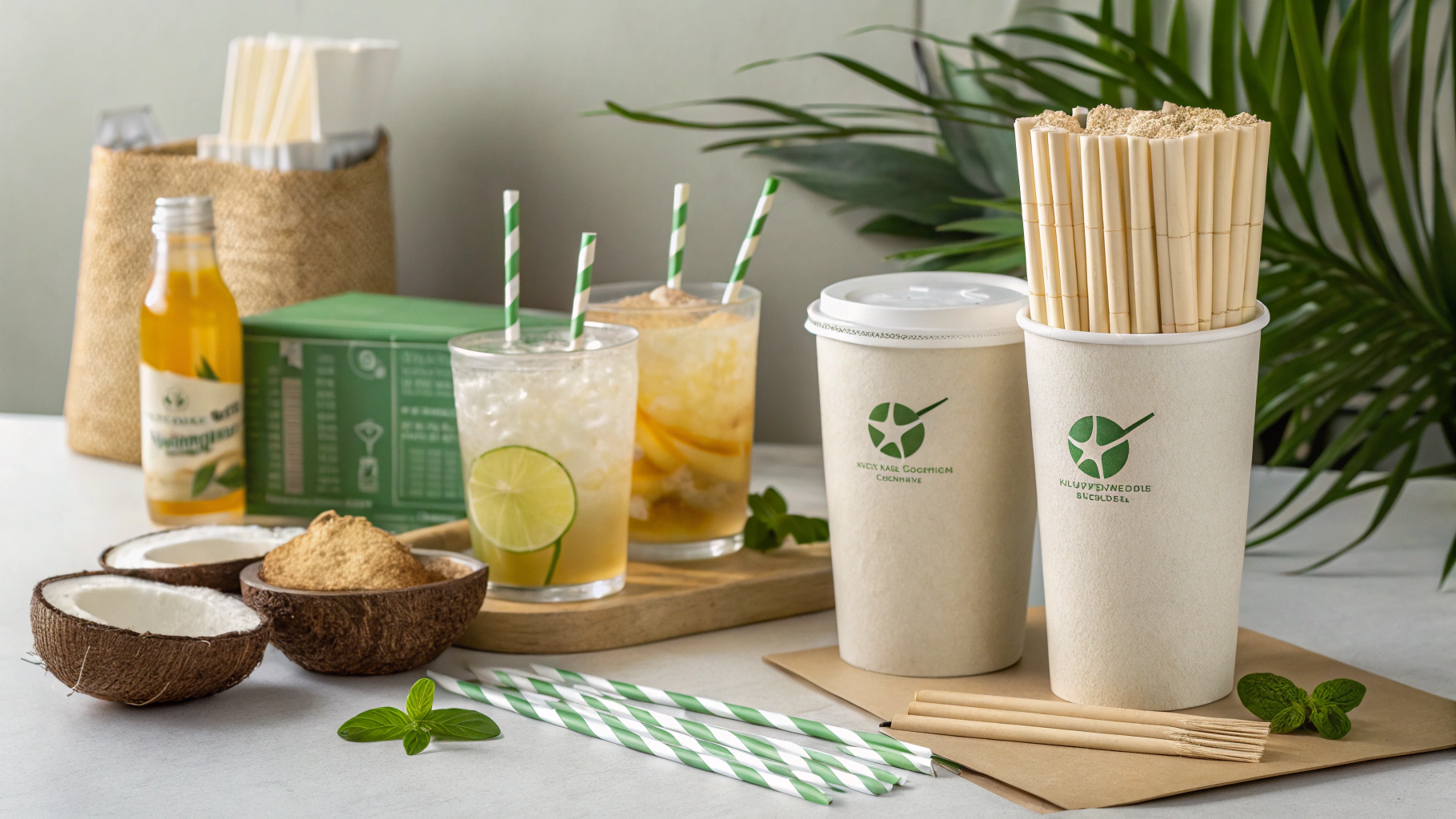
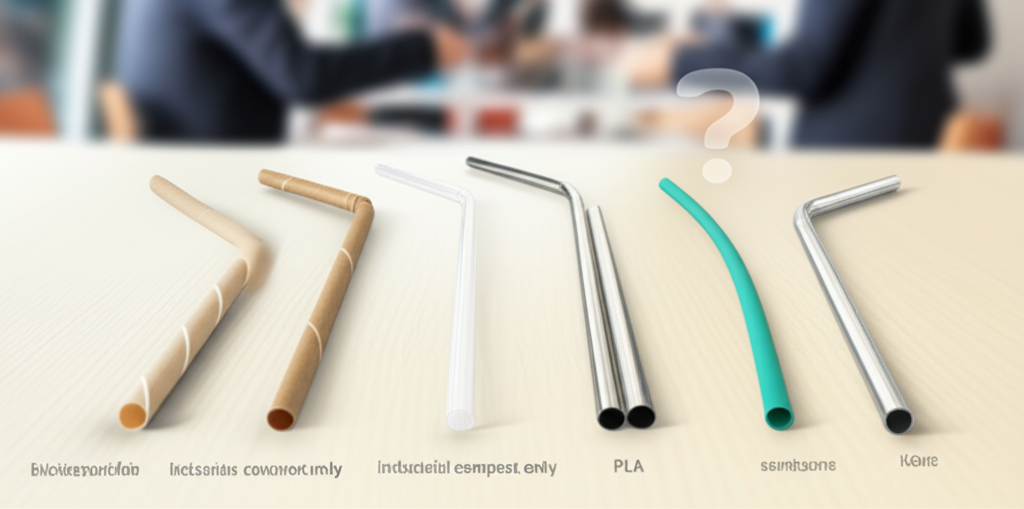
As businesses seek alternatives, the market has exploded with various eco-friendly straw types. Common contenders include paper, sugarcane, PHA (Polyhydroxyalkanoate), PLA (Polylactic Acid), bamboo, and an array of reusable options. Each offers different performance characteristics regarding durability, temperature resistance, and tactile feel, alongside diverse disposal methods. However, the proliferation of options has also given rise to “greenwashing,” where terms like “biodegradable” and “compostable” are often used misleadingly, causing significant confusion in the market.
Common Eco-Straw Contenders: A Performance Snapshot
- Kağıt Pipetler: Yaygın olarak benimsenen ve genel olarak uygun fiyatlı olmasına rağmen kağıt pipetler, özellikle sıvılarla uzun süre temas ettiğinde sıklıkla ıslanma sorunları yaşar. Endişe verici bir husus, su yalıtımı için kullanılan ve hem sağlık hem de çevre açısından kırmızı bayrakları yükselten PFAS'ın (“sonsuza kadar kimyasallar”) potansiyel varlığıdır. Gıda kirliliği ve kaplamalarının doğası nedeniyle geri dönüştürülebilirlikleri de sınırlıdır.
- PLA Pipes: These plant-based straws offer a sturdy, plastic-like feel. However, their critical limitation lies in their end-of-life. PLA straws require specialized industrial composting facilities to break down effectively, which are not widely available. If improperly disposed of in landfills, they behave much like conventional plastics, taking hundreds to thousands of years to decompose and potentially contaminating recycling streams.
- Reusable Straws (Stainless Steel, Glass, Silicone): These options represent the pinnacle of eco-credentials, offering significant long-term cost savings by eliminating repeat purchases. Stainless steel straws are durable and dishwasher-safe, while silicone is flexible and safe for children. Glass straws provide an elegant, neutral-taste experience, though they carry a risk of breakage. For businesses, the primary operational challenge involves implementing rigorous cleaning and sanitization protocols to meet health standards, which can be labor-intensive and require dedicated equipment.
Beyond surface-level claims, businesses must consider the hidden costs of misinformation. The controversy surrounding PFAS in some paper and bamboo straws highlights that not all “eco-friendly” alternatives are truly benign. Furthermore, the environmental footprint of production varies significantly across materials; for instance, paper production demands substantial water and energy resources. The most significant challenge often remains the disposal infrastructure, especially for materials like PLA, where the lack of industrial composting facilities negates their purported environmental benefits, leading to “compostable” products ending up in landfills.
Strategic Selection: Elevating Your Brand with Next-Generation Eco-Straws
The path to genuine sustainability involves selecting solutions that offer authentic environmental benefits without compromising on performance or operational practicality. This is where advanced biopolymer options like Polyhydroxyalkanoate (PHA) and sugarcane fiber straws emerge as superior alternatives, providing a clear competitive edge for businesses. Choosing truly compostable and PFAS-free options can significantly enhance your brand’s reputation and differentiate you in a crowded market.
The Gold Standard: PHA and Sugarcane Fiber Straws
- PHA Pipes: These innovative straws closely mimic traditional plastic in look, feel, and robustness, often backed by a “Never Soggy Promise.” Their standout feature is true biodegradability across diverse environments, including industrial compost, home compost, soil (within 12 months), and even marine water, with 90% disintegration observed in 4-8 months. This makes them an ideal choice for businesses committed to comprehensive environmental responsibility. To learn more about PHA solutions, visit momoio.com/pha-straws.
- Sugarcane Fiber Straws: Crafted from a byproduct of sugarcane processing, these straws embody sustainable sourcing. They are remarkably sturdy, resistant to water for hours, and offer rapid home compostability within weeks to months. Sugarcane fiber straws provide a neutral taste and smooth feel, addressing common complaints associated with paper and PLA, thereby offering a superior customer experience. For a wider range of sustainable packaging, explore momoio.com.
Eco-Friendly Straw Comparison: Performance, Compliance & ROI
| Özellik | Kağıt Pipetler | Pla pipetler | Şeker Kamışı Elyaf Pipetleri | PHA Pipetleri | Reusable (Stainless Steel) |
|---|---|---|---|---|---|
| Durability/Sogginess | Poor (soggy quickly) | Fair (can be brittle) | Excellent (water-resistant hours) | Excellent (“Never Soggy”) | Excellent |
| Hot/Cold Performance | Fair to Poor | İyi | Excellent (up to 100°C) | Excellent (up to 100°C) | Excellent |
| Biodegradability/Compost. | Biodegradable (weeks), often not home compostable | Industrial compostable ONLY (180 days), not home compostable, slow in landfill | Home compostable (weeks-months) | True biodegradable (soil, marine, home/industrial compost) | Reusable (not biodegradable) |
| PFAS-Free Status | Often contains PFAS | Genellikle PFAS içermez | Genellikle PFAS içermez | Genellikle PFAS içermez | PFAS içermez |
| Relative Cost | Low-Medium | Orta | Orta-Yüksek | Daha yüksek | High initial, low long-term |
| Operasyonel Etki | Frequent replacement | Requires specialized disposal | Easy disposal | Easy disposal | Cleaning/sanitization |
As regulations tighten in regions like the EU, where the plastic ban in 2021 significantly shifted market demand, and across various US states and cities, choosing certified, high-performance alternatives becomes paramount. The eco-friendly straw market is projected to expand significantly, from an estimated $12.3 billion in 2025 to nearly $25.1 billion by 2035, underscoring the growing value of sustainable solutions.
Certifications That Matter: Ensuring Authentic Sustainability
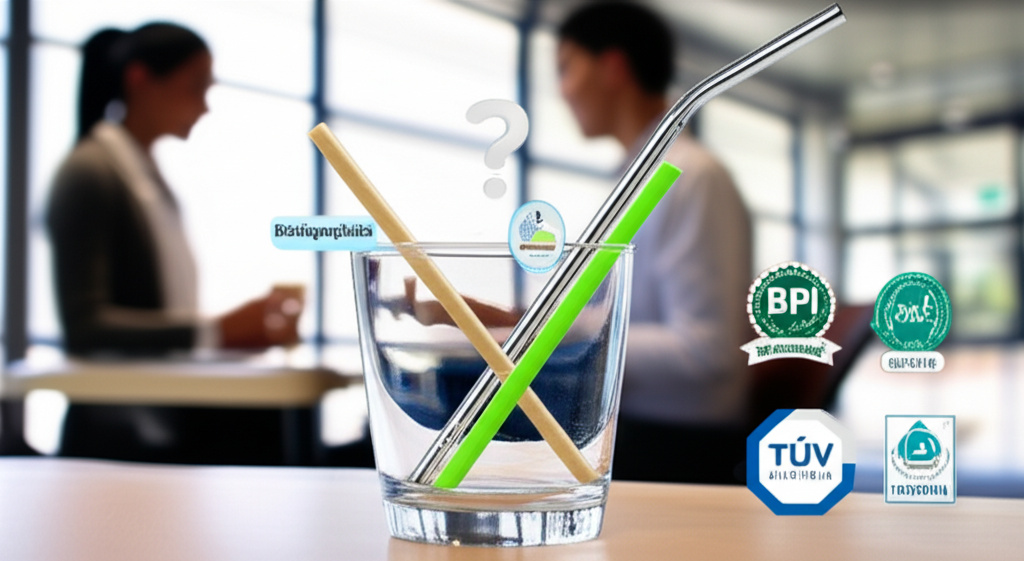
To safeguard your business from “greenwashing” and ensure genuine environmental impact, prioritize products with robust third-party certifications. Look forBPI Sertifikalı GübrelenebilirVeTÜV AUSTRIA (OK Compost Home/Industrial), which validate a product’s breakdown in specific composting environments.DIN CERTCOVeCompost Manufacturing Alliance (CMA-S)also provide critical validation. These certifications are your assurance of regulatory compliance and authentic claims. Furthermore, always advocate for and seek explicit “PFAS-Free” labeling for both health and environmental safety. For more information on certified solutions, visit a resource like theBiyobozunur Ürünler Enstitüsü.
Sürdürülebilir Avantajı Yakalamak: İşletmeniz için İleriye Doğru Açık Bir Yol
Günümüz işletmelerinin stratejik zorunluluğu açıktır: Yüksek performanslı, uyumlu ve gerçek anlamda sürdürülebilir pipet çözümlerini benimsemek. Bu karar basit bir ürün değişiminin çok ötesine uzanıyor; daha geniş iş hedeflerine doğrudan bağlanan bir yatırımdır. Gelişmiş çevre dostu pipetleri seçerek marka konumunuzu önemli ölçüde geliştirebilir, daha derin müşteri sadakati geliştirebilir, azaltılmış atık yönetimi sayesinde uzun vadeli maliyet tasarrufları gerçekleştirebilir ve hızla gelişen bir pazarda rekabetçi farklılaşma elde edebilirsiniz. Çevre dostu saman pazarının 2035 yılına kadar önemli ölçüde büyüyerek tahminen 25,1 milyar dolara ulaşacağı tahmin edilirken, bu sadece uyumlulukla ilgili değil, aynı zamanda önemli bir büyüme fırsatının yakalanmasıyla da ilgili.
İşletmenizin Yeşil Potansiyelini Ortaya Çıkarın
Embracing superior, certified eco-friendly straws translates into tangible benefits: a consistently excellent customer experience, assured regulatory compliance in regions like Europe and the US, and a highly visible commitment to environmental stewardship. This proactive approach ensures a stronger market presence and attracts the ever-growing segment of eco-conscious consumers who actively seek out brands aligned with their values. Don’t wait for reactive compliance; lead the charge towards a greener future. Explore our range of environmentally responsible solutions at momoio.com/eco-friendly-packaging.
Partner for a Greener Tomorrow: Your Next Step
Ready to upgrade your business with eco-friendly straws that truly deliver on performance, compliance, and sustainability? Don’t let the complexities of the sustainable packaging market hold you back. Contact our experts today to schedule a personalized consultation and receive a custom quote tailored to your operational needs. Discover how our certified, high-performance PHA and sugarcane fiber straw solutions can seamlessly enhance your brand, delight your customers, and ensure effortless compliance, paving the way for a more sustainable and successful future.
Further Resources:
- Learn more about the EU’s Single-Use Plastics Directive: Avrupa Komisyonu
- Understand the concerns about “forever chemicals” (PFAS) in food packaging: Environmental Working Group (EWG)
- Explore global plastic pollution statistics and efforts: Birleşmiş Milletler Çevre Programı (UNEP)