The escalating global plastic pollution crisis presents both a profound environmental challenge and an unprecedented commercial opportunity. As landfills overflow and marine ecosystems face catastrophic degradation from persistent plastic waste, the demand for sustainable alternatives has reached a critical juncture. Among these, eco-friendly straws have emerged not just as a responsible choice, but as a high-growth, **profitable export product** for discerning B2B procurement managers, operations directors, and supply chain executives in the hospitality and foodservice industries.
Ignoring this paradigm shift carries significant operational and commercial risks, including regulatory non-compliance, reputational damage, and the forfeiture of substantial market share. This comprehensive guide delves into the compelling market drivers, the tangible return on investment (ROI), and the strategic export methodologies that position eco-friendly straws as a cornerstone of future-proof procurement.
Sources: European Union Single-Use Plastics Directive (2019), U.S. “Break Free From Plastic Pollution Act of 2023” (proposed), UK Single-Use Plastics Ban (2020).
The Global Shift: Why Demand for Eco-Friendly Straws is Soaring
The transition away from single-use plastics is not a fleeting trend but a fundamental recalibration of global consumption patterns. This monumental shift is powered by a confluence of environmental urgency, legislative mandates, and a rapidly evolving consumer conscience.
Environmental Imperative: Tackling Plastic Pollution
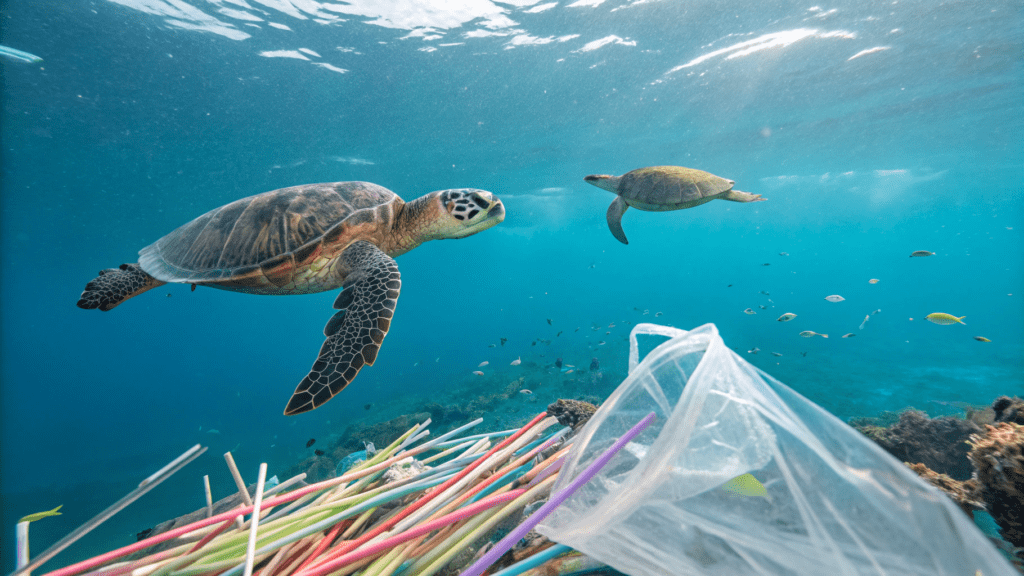
Plastic straws, often used for mere minutes, persist in the environment for hundreds of years, making them a potent symbol of our throwaway culture. Their eventual breakdown into harmful microplastics infiltrates marine ecosystems, posing severe threats to wildlife and entering the human food chain. This undeniable environmental impact has fueled a global outcry and heightened awareness, compelling businesses and governments alike to seek viable, **sustainable alternatives**. Companies that proactively address this imperative differentiate themselves, mitigating environmental liabilities and aligning with a global push for cleaner oceans and healthier planetary systems.
Regulatory Tailwind: Governments Mandate Sustainable Alternatives
Dünya çapındaki hükümetler çevresel kaygıları katı politikalara dönüştürüyor ve çevre dostu pipetlerin benimsenmesini isteğe bağlı bir seçim yerine düzenleyici bir gereklilik haline getiriyor. Örneğin Avrupa Birliği'nin Tek Kullanımlık Plastik Direktifi, plastik pipetleri açıkça yasaklıyor ve AB içinde faaliyet gösteren veya AB'ye ihracat yapan işletmeleri sürdürülebilir seçeneklere geçmeye zorluyor. Benzer yasal düzenlemeler dünya çapında hızla artıyor.
In the United States, numerous states and cities have enacted their own bans, creating a fragmented yet decisive market shift. China, a colossal market, phased out non-degradable single-use plastic straws in its catering industry by 2025, signaling a massive transition. Further solidifying this trajectory, the proposed U.S. “Break Free From Plastic Pollution Act of 2023” aims for all covered products and beverage containers to be reusable, recyclable, or compostable by 2033. The UK has also taken decisive action, with Wales and Scotland implementing bans on single-use plastic straws, and England following suit in October 2020. These regulations create an inescapable market demand for certified eco-friendly straws, turning compliance into a strategic export advantage.
Consumer Consciousness: Driving the Sustainable Wave
Beyond regulatory pressure, consumer behavior is a powerful catalyst. Market research indicates that a substantial 70-80% of consumers prefer eco-friendly products and actively seek out businesses committed to sustainable dining experiences. This burgeoning environmental consciousness directly influences purchasing decisions, with a growing willingness to support businesses that prioritize green options. For B2B entities, this translates into a clear message: offering eco-friendly straw solutions is not just about compliance, but about capturing and retaining the loyalty of an increasingly values-driven customer base. This growing preference applies across various service contexts, as explored in our B2B guide to eco-friendly cocktail straws, demonstrating the breadth of the market.
Global demand for eco-friendly straws is soaring due to environmental urgency, regulatory mandates, and evolving consumer consciousness.

Unpacking the Profitability of Eco-Friendly Straws as an Export Product
The convergence of environmental concern, regulatory action, and consumer demand has created a fertile ground for the eco-friendly straw market, transforming it into a significant export opportunity.
Market Projections: A Billion-Dollar Opportunity for Eco-Friendly Straws
The financial trajectory of the eco-friendly straw market paints a compelling picture of profitability. The global eco-friendly straws market was estimated at approximately USD 12.3 billion in 2025 and is projected to nearly double, reaching USD 25.1 billion by 2035, demonstrating a robust Compound Annual Growth Rate (CAGR) of 7.3%. Other forecasts are even more optimistic, with projections seeing the market grow from USD 11.03 billion in 2024 to USD 19.36 billion by 2029 at an impressive CAGR of 12.0%. The biodegradable straws market specifically is forecasted for a remarkable 41.1% CAGR from 2024 to 2031, with some estimates placing its value at over USD 890 million by 2032. This substantial and consistent growth underscores the immense, long-term opportunity for businesses positioned to export these products.
Diverse Material Innovation: Catering to Global Needs
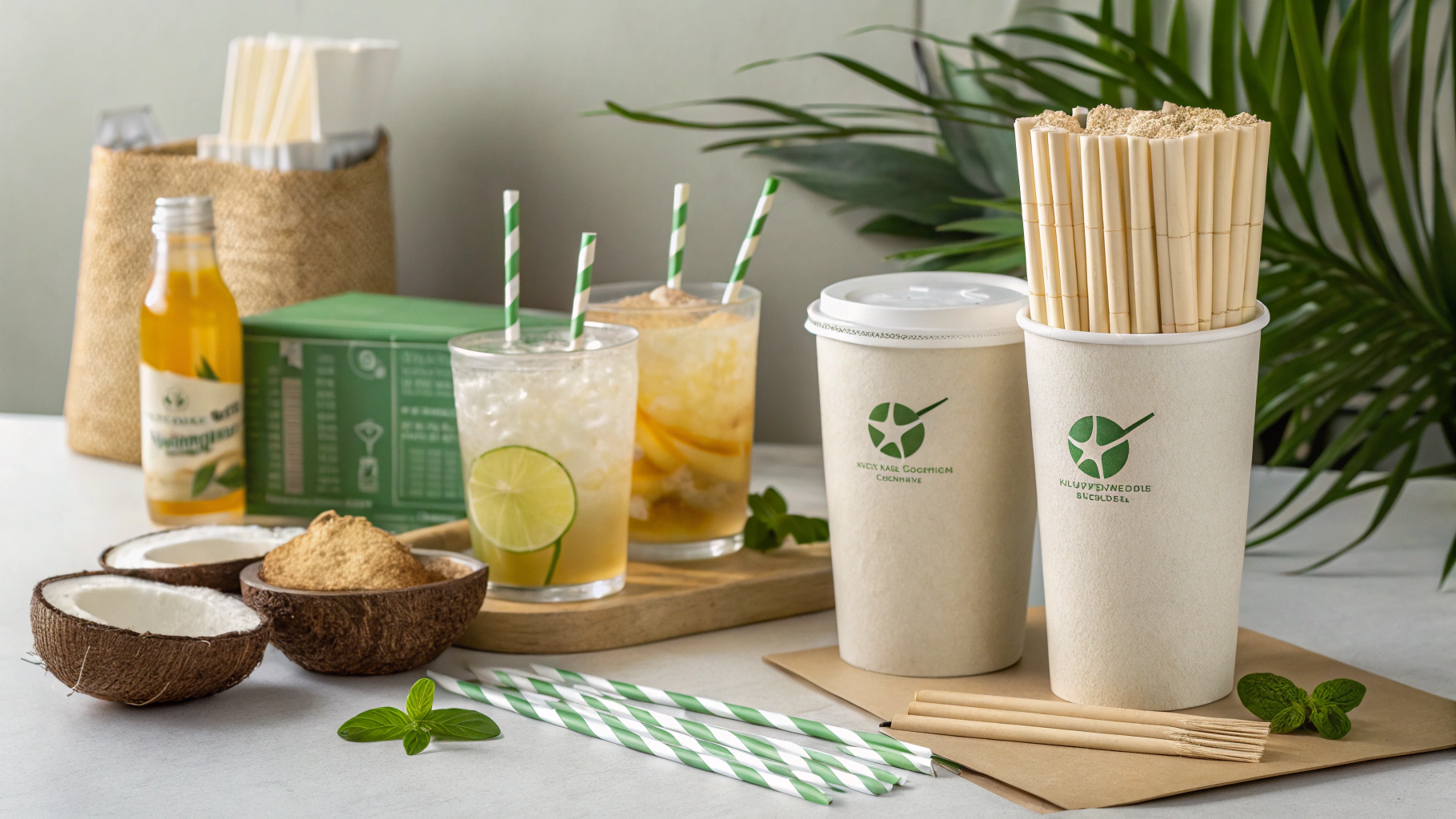
The eco-friendly straw market is characterized by dynamic material innovation, offering a spectrum of solutions to meet varied B2B requirements and consumer preferences. Paper straws currently dominate the market share, with virgin kraft paper accounting for approximately 38% of paper straw sales and recycled paper for around 22%. Bamboo straws also hold a significant 15% market share in the overall eco-friendly straw market and lead the reusable segment with a 36.5% share, prized for their natural aesthetic and durability.
Bunların ötesinde, Polilaktik Asit (PLA) ve Polihidroksialkanoatlar (PHA) gibi bitki bazlı biyoplastiklerdeki gelişmeler, geleneksel plastiklere benzer ancak biyolojik olarak parçalanabilir özellikler sunan seçenekleri genişletiyor. Diğer yenilikler arasında dayanıklı cam, şık metal ve hatta pirinç, şeker kamışı, buğday, makarna veya kahve telvesinden hazırlanmış yeni yenilebilir seçenekler yer alıyor. Üreticiler, dayanıklılığı artırmak ve ıslanmayı önlemek amacıyla kağıt pipetler için suya dayanıklı kaplamalar geliştirmek gibi ürün performansını artırmaya sürekli yatırım yapıyor ve bu sayede kağıt pipetleri çeşitli içecek servisi ihtiyaçları için daha çekici hale getiriyor. Bu yenilikler, B2B alıcılarının belirli operasyonel taleplere ve sürdürülebilirlik hedeflerine mükemmel şekilde uyarlanmış ürünleri tedarik edebilmelerini sağlar.
Strategic B2B Adoption: Fueling Wholesale Demand for Eco-Friendly Straws
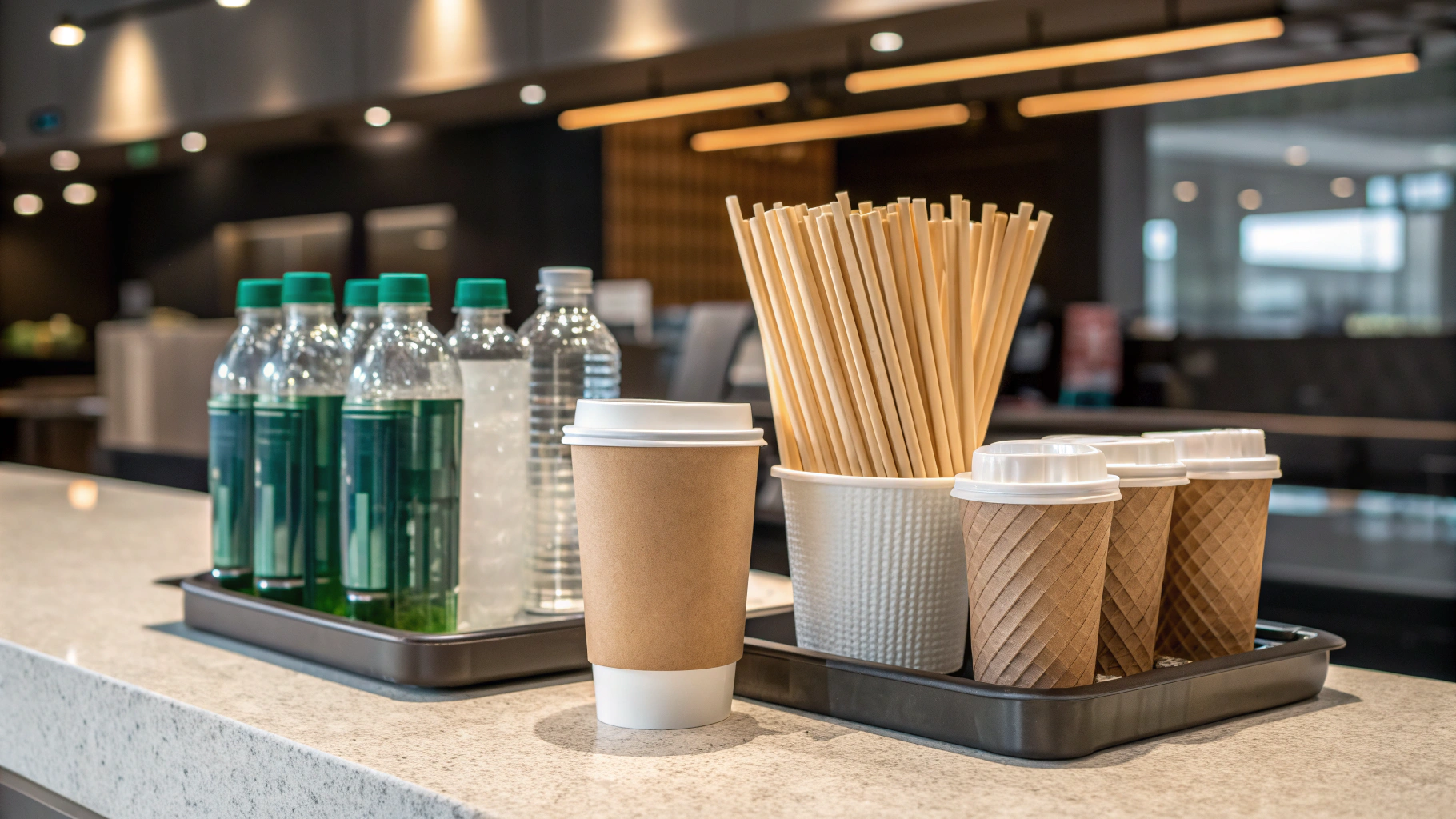
The wholesale demand for eco-friendly straws is primarily driven by large-scale B2B adoption across critical sectors. The foodservice industry, encompassing Quick Service Restaurants (QSRs), cafes, juice bars, and boba tea shops, is at the forefront of this transition. The hospitality sector, including hotels, resorts, and airlines, is also rapidly adopting sustainable straw solutions to enhance guest experience and comply with international standards.
Major global Food & Beverage chains, such as Nestlé, Starbucks, and McDonald’s, have already made significant shifts to eco-friendly straws, setting precedents for the wider industry. Prominent Vietnamese F&B chains like The Coffee House, Phuc Long, and Trung Nguyên have similarly transitioned to paper straws, reflecting a regional commitment to sustainability. This widespread adoption by industry giants, coupled with expanding demand from corporate events and institutional sectors, validates the scale and urgency of the B2B market. For procurement managers, understanding these industry-wide shifts is crucial for aligning with future supply chain demands. Learn more about the future of beverage service with eco-friendly options in our özel makale.
The eco-friendly straw market is a multi-billion dollar opportunity driven by diverse material innovation and strategic B2B adoption.

Competitive Advantage & ROI: Leveraging Eco-Friendly Straws for Export Success
Beyond compliance and good corporate citizenship, strategic engagement with the eco-friendly straw market offers tangible competitive advantages and clear financial returns for businesses.
Enhancing Brand Image and CSR Credentials
In today’s interconnected world, a company’s environmental footprint directly impacts its brand perception and market appeal. Adopting eco-friendly straws is a visible and impactful way to improve brand reputation, attract eco-conscious clients, and align with vital Corporate Social Responsibility (CSR) initiatives. This proactive stance transforms what could be perceived as a regulatory burden into a significant competitive market advantage, demonstrating a commitment to sustainability that resonates deeply with modern consumers and business partners. This strategic move can significantly reduce reputational risks and open doors to new, environmentally conscious partnerships.
Case Study: Vietnam’s Eco-Friendly Straw Export Boom
Vietnam, çevre dostu saman ihracatının kazançlı potansiyeline örnek teşkil ediyor. Sürdürülebilir pipetlerdeki önemli ihracat fırsatlarıyla tanınan Vietnam, sıkı plastik yasakları olan ülkeler için önemli bir tedarikçi haline geldi. Biyolojik olarak parçalanabilen pipetler de dahil olmak üzere Vietnam yapımı sürdürülebilir ambalajlara Avrupa ülkeleri, Kuzey Amerika, Güney Kore ve Japonya'dan yüksek talep var.
This surge is driven by Vietnam’s active efforts to eliminate single-use plastics in urban areas by 2030, aligning its domestic production capabilities with international market needs. The Asia-Pacific region, where Vietnam is a key player, is not only experiencing rapid growth in eco-friendly straw demand but is also emerging as a major hub for research, development, and cost-effective production. This regional dominance further enhances export potential, showcasing how countries can leverage sustainable manufacturing to secure a prominent position in the global market.
Comparison of Eco-Friendly Straw Materials for Export
İhracat için doğru çevre dostu saman malzemesini seçmek, özelliklerinin, B2B operasyonel etkisinin, uyumluluk gerekliliklerinin ve yatırım getirisi potansiyelinin incelikli bir şekilde anlaşılmasını gerektirir. Aşağıdaki tablo, satın alma kararlarına rehberlik edecek kısa bir karşılaştırma sunmaktadır:
| Özellik | B2B operasyonel etki | Uyum Notu | YG'nin potansiyeli |
|---|---|---|---|
| Kağıt | Uygun maliyetli, yaygın olarak kabul gören, tek kullanımlık | Biyolojik olarak parçalanabilir, kompostlanabilir (sertifikalıysa) | Yüksek hacimli satışlar, güçlü başlangıç pazar payı |
| Bambu | Yeniden kullanılabilir, doğal estetik, dayanıklı | Gübrelenebilir, yenilenebilir, doğal | Premium fiyatlandırma, niş pazar çekiciliği |
| Pla | Gübrelenebilir, net görünüm, sert his | Endüstriyel gübrelenebilir (ASTM D6400, EN 13432 sertifikalı) | Biyoplastiklere ve inovasyona yönelik artan talep |
| Paslanmaz çelik | Son derece dayanıklı, yeniden kullanılabilir, uzun ömürlü | Gıdaya uygun, toksik olmayan, uzun vadeli | Daha yüksek ön maliyet, B2B için uzun vadeli önemli tasarruflar |
| Bardak | Yeniden kullanılabilir, zarif, şeffaf, kırılgan | Gıdaya uygun, geri dönüştürülebilir, estetik açıdan çekici | Niş lüks pazar, azaltılmış atık |
Her malzeme, B2B alıcılarının kendi özel operasyonel ihtiyaçlarına, marka konumlandırmalarına ve hedef pazar tercihlerine uygun ürünleri seçmelerine olanak tanıyan farklı avantajlar sunar. Örneğin, uygun maliyetli, tek kullanımlık çözümler arayan restoranlar, sertifikalı kağıt pipetlere öncelik verebilirken, üst düzey konaklama mekanları, premium sunumlarını geliştirmek için yeniden kullanılabilir paslanmaz çelik veya camı tercih edebilir. Gıda hizmeti sektörünün farklı ihtiyaçlarını göz önünde bulundurarak, restoranlar için çevre dostu pipet rehberi ayrıntılı bilgiler için.
Çevre dostu pipetler, gelişmiş marka imajı ve çeşitli malzeme seçenekleri sayesinde rekabet avantajı ve net yatırım getirisi sunar.

İhracat Ortamında Yön Bulma: Çevre Dostu Pipetlerin Sertifikaları ve Uzun Vadeli Uygulanabilirliği
Çevre dostu saman ihracat pazarındaki başarı, ürünün bulunabilirliğinden daha fazlasına bağlıdır; katı uluslararası standartlara bağlılığı ve uzun vadeli ekonomik sürdürülebilirliğin net bir şekilde anlaşılmasını gerektirir.
Çevre Dostu Pipetler İçin Sertifika ve Standartların Önemi
For B2B buyers and exporters, certifications are non-negotiable. Ensuring products are BPA-free and food-safe is fundamental for consumer health and safety across international borders. More critically, for compostable straws, meeting specific biodegradation standards is paramount. This includes demonstrating that products break down within a defined timeframe and leave no toxic residue. Key international standards, such as ASTM D6400 (for compostability in North America) and EN 13432 (for compostability in Europe), are crucial for market access and credibility.
Genellikle Sürdürülebilir Ambalaj Koalisyonu gibi sektör birlikleri ve ulusal standart kuruluşları tarafından desteklenen bu standartlara uyan üreticilerle ortaklık kurmak, ürün kalitesini, güvenliğini ve mevzuata uygunluğu sağlar. Bu titizlik, ürün geri çağırmaları veya pazara erişim kısıtlamalarıyla ilişkili riskleri azaltarak tedarik zincirinizi ve marka itibarınızı korur.
Maliyet Etkinliği ve Ölçek Ekonomisi
While the initial production costs for certain eco-friendly straw materials may exceed those of traditional plastics, the long-term economic outlook is highly favorable. Investing in automation and leveraging larger-scale orders significantly reduces unit costs over time, allowing for competitive pricing in the global market. The robust and sustained demand, driven by regulatory mandates and consumer preferences, enables profitability despite any initial price differentials.
Ayrıca devam eden araştırma ve geliştirme çalışmaları sürekli olarak üretim maliyetlerini düşürmeye ve sürdürülebilir alternatiflerin karşılanabilirliğini artırmaya odaklanıyor. Paslanmaz çelik veya cam gibi yeniden kullanılabilir seçenekler için, daha yüksek ön maliyet, atık bertaraf ücretlerinin azaltılması ve tekrarlanan kullanım sayesinde işletmeler için uzun vadeli önemli tasarruflarla dengeleniyor. Geri dönüştürülmüş veya sertifikalı malzeme tedariki de dahil olmak üzere sürdürülebilir uygulamalara stratejik olarak yatırım yapan şirketler, yalnızca maliyetleri düşürüp verimliliği artırarak değil, aynı zamanda etik kaynak kullanımına öncelik veren çevreye duyarlı müşterileri çekerek uzun vadeli karlılık elde edebilir. Bu aynı zamanda giderek daha fazla düzenlenen piyasalarda potansiyel olarak sakatlayıcı uyumsuzluk cezalarının önlenmesine de yardımcı olur.
Certifications and economies of scale are crucial for long-term viability and success in the eco-friendly straw export market.
The Future of Sustainable Straws and Your Competitive Edge
The trajectory for eco-friendly straws is one of relentless innovation and expanding market dominance. Businesses that proactively embrace this future will secure a definitive competitive edge.
Emerging Innovations and Material Science
The next 5-10 years will witness continued breakthroughs in material science, making eco-friendly straws even more performant and versatile. Expect advanced coatings that significantly enhance durability, moisture resistance, and temperature fluctuation resilience, suitable for both hot and cold beverages. New plant-based materials derived from sources like wheat, cornstarch, and even coffee grounds are poised to become mainstream, offering novel textures and improved biodegradability. The industry is rapidly adopting circular economy models, focusing on minimizing waste and maximizing resource utilization, driven by increasing investment in innovative sustainable materials and evolving government incentives for eco-friendly product development. These innovations will not only expand the application scope of eco-friendly straws but also further reduce their environmental footprint and cost.
Quantifying the Business Case for Sustainable Straw Exports
For procurement managers, operations directors, and supply chain executives, the business case for integrating and exporting eco-friendly straws is quantifiable and compelling:
- Cost Savings & Risk Mitigation: Proactively switching to compliant eco-friendly straws mitigates the risk of hefty non-compliance penalties and fines imposed by increasingly stringent regulations in key export markets. It also reduces waste disposal costs associated with single-use plastics.
- Marka Değeri Artışı: Aligning with global sustainability trends and actively reducing plastic pollution significantly enhances brand reputation and Corporate Social Responsibility (CSR) credentials. This translates into increased customer loyalty, attracts environmentally conscious talent, and fosters stronger partnerships with like-minded businesses.
- Pazar Payı Fırsatı: Hızla genişleyen ve 2035 yılına kadar yaklaşık 25,1 milyar ABD dolarına ulaşması öngörülen küresel çevre dostu saman pazarı, henüz keşfedilmemiş çok büyük bir fırsatı temsil ediyor. İşletmeler, çeşitli, sertifikalı ve yenilikçi çevre dostu saman çözümleri sunarak, özellikle Avrupa ve Kuzey Amerika gibi yüksek çevre bilincine ve katı düzenlemelere sahip bölgelerde önemli bir pazar payı elde edebilir. Bu stratejik konumlandırma, değişken iç pazarlara olan bağımlılığı azaltır ve gelir akışlarını çeşitlendirir.
Sürdürülebilir saman yeniliklerini benimsemek önemli maliyet tasarrufu, marka değeri artışı ve pazar payı fırsatları sunar.
Sıkça Sorulan Sorular (SSS)
S: Çevre dostu pipetler otellerde ve tatil köylerinde misafir deneyimini nasıl etkiler?
C: Çevre dostu pipetler, sürdürülebilir uygulamalara yönelik artan tüketici talebine uyum sağlayarak konuk deneyimini önemli ölçüde artırır. Misafirler, özellikle çevreye duyarlı pazarlardan gelenler, plastik atıkların azaltılması konusunda kararlılık gösteren otel ve tatil köylerini takdir ediyor. Bu, konuk memnuniyetinin artmasına, olumlu değerlendirmelere ve daha güçlü bir marka imajına yol açarak sürdürülebilir seçenekler için daha fazla ödemeye istekli bir demografik kitlenin ilgisini çekebilir.
S: Büyük zincirler için çevre dostu pipetler tedarik ederken gıda hizmeti satın alma yöneticilerinin dikkate alması gereken temel hususlar nelerdir?
A: Procurement managers for large foodservice chains must prioritize certifications (e.g., ASTM D6400, EN 13432 for compostability), consistent supply chain reliability, competitive pricing at scale, and material suitability for various beverage types (hot/cold, thick/thin). Ensuring the chosen straw material aligns with existing waste management infrastructure (composting facilities) is also crucial for true sustainability.
Q: How can airlines effectively manage the logistics of eco-friendly straws for in-flight service?
A: Airlines should focus on lightweight, durable, and compact eco-friendly straw options to minimize fuel consumption and storage space. Partnering with suppliers offering bulk, pre-packaged solutions can streamline cabin crew operations. Additionally, clear communication with passengers about the sustainable choice can enhance their experience and reinforce the airline’s environmental commitment.
Q: Are eco-friendly straws truly cost-effective for B2B operations in the long run?
A: Yes, while initial unit costs might be slightly higher for some eco-friendly options compared to traditional plastic, the long-term benefits outweigh this. These include avoiding regulatory fines, reducing waste disposal costs, enhancing brand reputation, and attracting environmentally conscious customers. For reusable options, the ROI is even clearer through repeated use and reduced procurement frequency.
Q: What is the typical MOQ for custom-branded eco-friendly straws for hospitality businesses?
C: Özel markalı çevre dostu pipetler için Minimum Sipariş Miktarları (MOQ'lar), üreticiye ve malzemeye göre önemli ölçüde farklılık gösterir. Kağıt pipetler için MOQ'lar 50.000 ila 100.000 birim arasında değişebilirken, paslanmaz çelik veya cam gibi yeniden kullanılabilir seçenekler için MOQ'lar 1.000 ila 5.000 birim civarında daha düşük olabilir. Belirli markalama ihtiyaçlarını ve hacim gereksinimlerini tartışmak için doğrudan tedarikçilere danışmak en iyisidir.
SSS'ler, senaryoya özgü sıkıntılı noktaları ele alarak konaklama ve yemek hizmeti işletmeleri için uygulanabilir çözümler sunar.
Tedarik Stratejinizi Bugün Yükseltin
The shift to eco-friendly straws is not just a reactive response to regulation; it is a proactive business strategy that delivers tangible ROI, strengthens brand equity, and positions your organization as a leader in sustainable global trade.Partner with Certified Eco-Friendly Straw Manufacturers Now
Secure your competitive advantage in the booming international market before regulatory changes accelerate further.