Acil çevresel kaygılar ve gelişen düzenleyici ortamlarla tanımlanan bir çağda konaklama, yiyecek hizmeti ve perakende sektörlerindeki işletmeler, sürdürülebilir uygulamalara yönelme konusunda benzeri görülmemiş bir baskıyla karşı karşıyadır. Tek kullanımlık plastiklerden küresel uzaklaşma hareketi yalnızca bir trend değil; hem ekolojik sorumluluk hem de operasyonel mükemmellik ile uyumlu, uygulanabilir, güvenilir alternatifler gerektiren temel bir değişimdir. Tedarik yöneticileri, operasyon direktörleri, sürdürülebilirlik görevlileri ve tedarik zinciri yöneticileri için kağıt, bambu, metal, cam ve diğerleri gibi seçenekler denizinin ortasında kritik bir soru ortaya çıkıyor: Şeker kamışı pipetleri operasyonlarınız için gerçekten güvenli, etkili ve uzun vadeli sağlam bir yatırım mı? Bu gönderi, gürültüyü ortadan kaldırarak bilinçli bir karar vermeniz için gereken netliği sağlayarak, sorumlu operasyonlara proaktif bir bağlılığın marka itibarınızı korumak, mevzuata uygunluğu sağlamak ve sarsılmaz tüketici güveni oluşturmak için çok önemli olduğunun altını çiziyor.
Beyond Plastic: Understanding the Safety & Composition of Sugarcane Straws
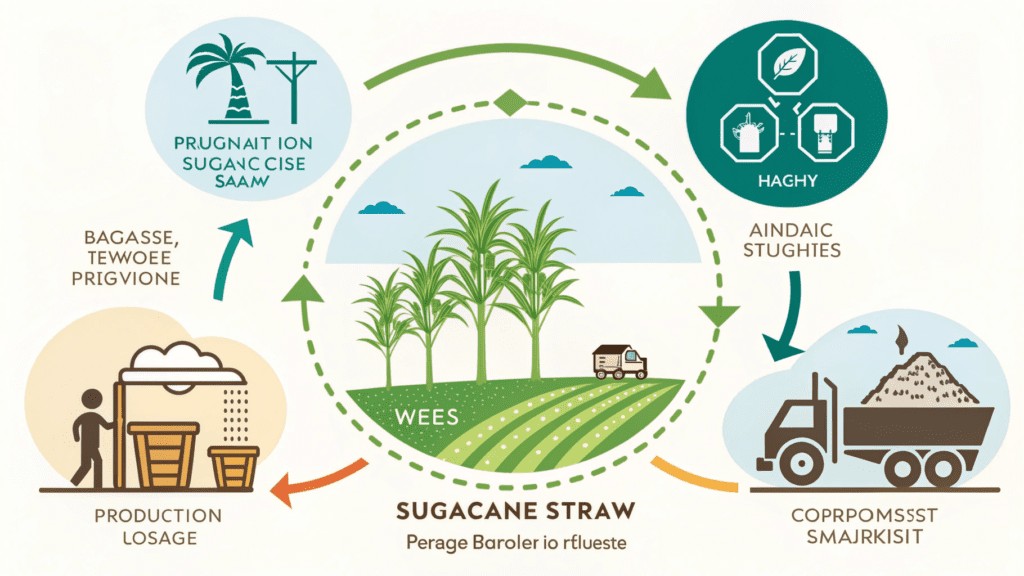
Plastik kirliliğinden uzaklaşma yolculuğu yenilikçi malzemeleri anlamakla başlar. Şeker kamışı samanlarının merkezinde, şeker kamışı saplarının şeker veya etanol üretimi için suyunu çıkarmak üzere ezilmesinden sonra kalan lifli yan ürün olan küspe bulunur. Tarihsel olarak bu tarımsal atıklar sıklıkla yakılıyor veya düşük değerli kalıntı olarak değerlendiriliyordu. Bugün çevre dostu ürünler için doğal, yenilenebilir ve bereketli bir temel olarak yeniden tasavvur ediliyor.

Şeker kamışı pipetleri, sıfırdan toksik olmayacak şekilde tasarlanmış, etkileyici bir kimyasal madde içermeyen vaat sunuyor. BPA, PFAS (per- ve polifloroalkil maddeler, genellikle "sonsuza kadar kimyasallar" olarak anılır), ftalatlar, petrol, ağartıcı, ağır metaller ve glüten gibi plastiklerde yaygın olarak bulunan zararlı maddelerden doğal olarak aridirler. Titiz üretim süreci, bu pipetlerin içeceklere istenmeyen herhangi bir madde sızmamasını sağlar, böylece içeceklerinizin bütünlüğünü ve en önemlisi tüketici sağlığını korur. Bu, müşterilerinizin mikroplastik yutma veya kimyasal kirlenme endişesi olmadan güvenle yudumlayabilecekleri anlamına gelir.
İşletmeler için ürün güvenliğine duyulan güven, sıkı sertifikalarla pekiştirilir. Saygın şeker kamışı pipetleri, gıdayla temas güvenliği için FDA onayı ve AB gıda güvenliği uyumluluğu (AB 10/2011 gibi) dahil olmak üzere uluslararası gıda güvenliği standartlarına uygundur. Güvenliğin ötesinde, çevresel yeterlilikleri BPI (Biyobozunur Ürünler Enstitüsü) ve TÜV Avusturya tarafından verilen OK Home Compostable gibi sertifikalarla doğrulanmıştır ve bu da kullanım ömrü sonunda gerçek faydalarını gösterir. Bu sertifikalar, bunların biyolojik olarak parçalanabilirliğine ve kompostlanabilirliğine dair nesnel bir kanıt sağlayarak çevreye zarar vermeden doğal olarak parçalanmalarını sağlar. Ayrıca, şeker kamışı pipetleri genellikle her yaş için güvenli kabul edilir ve şeker işleme sırasında ekstrakte edildiğinden ve pipetler bileşimlerini sıvılara aktarmadığından diyabet gibi sağlık koşullarını etkilemez. Plastiğe uygulanabilir bir alternatif olarak şeker kamışı kamışlarının geçmişi, plastik kirliliğine ilişkin küresel farkındalığın artması ve yaygın tek kullanımlık plastik yasaklarının etkisiyle 2019 civarında önemli bir ilgi kazandı ve bir endüstrinin gerçek anlamda sürdürülebilir çözümlere doğru hızlı dönüşünü ortaya koydu.
Stratejik Avantaj: Şeker Kamışı Pipetleri Neden İş Değerini Artırıyor?
Şeker kamışı pipetlerini seçmek sadece uyumluluğun ötesine geçer; bu, hem müşteri deneyimini hem de operasyonel verimliliği artıran, somut iş avantajları sağlayan stratejik bir hamledir. Çevre dostu alternatiflerle, özellikle de kağıt pipetlerle ilgili en yaygın hayal kırıklıklarından biri, meşhur "ıslak saman ikilemi" olmuştur. Şeker kamışı pipetleri bu sorunu doğrudan ele alıyor ve hem sıcak (80-90°C'ye kadar sıcaklıklara dayanıklı) hem de soğuk içeceklerde bile yapısal bütünlüklerini saatlerce koruyacak şekilde tasarlandı. Bu üstün dayanıklılık, müşterilerinizin içeceğin ortasında pipetleri parçalanmadan tutarlı, güvenilir bir yudumlama deneyimi yaşaması anlamına gelir. Üstelik, tat açısından nötr tasarımları, istenmeyen tat veya kokuların yayılmamasını sağlayarak, servis edilen içeceklerin orijinal kalitesini ve keyfini korur.
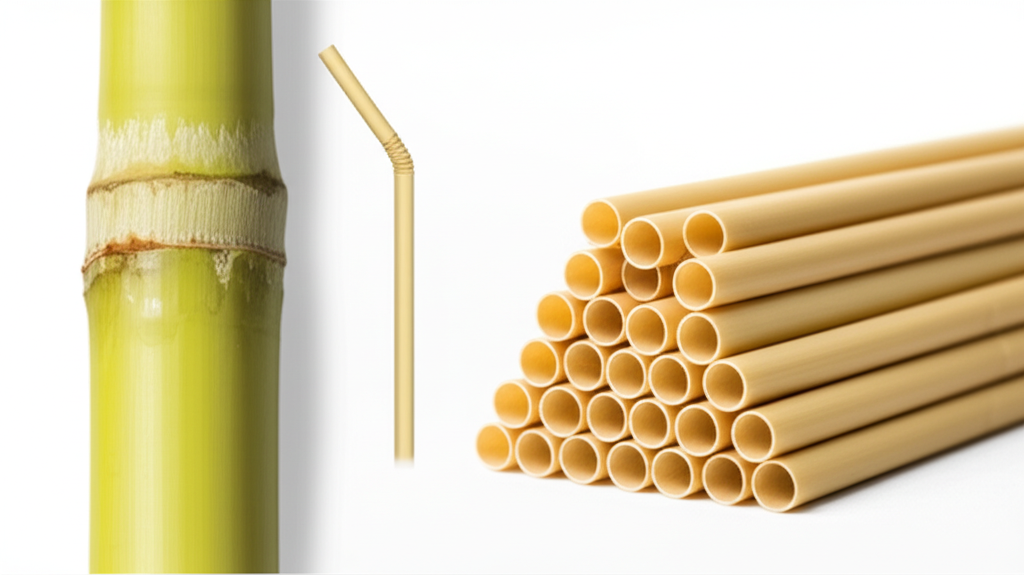
Operasyonel açıdan bakıldığında şeker kamışı pipetleri mevcut iş akışlarına kusursuz entegrasyon sunar. Tek kullanımlık ancak çevreye duyarlı bir çözüm olarak, metal veya cam gibi yeniden kullanılabilir alternatiflerle ilişkili karmaşık yıkama, kurutma veya depolama lojistiği ihtiyacını ortadan kaldırarak işçilik maliyetlerini ve operasyonel karmaşıklıkları önemli ölçüde azaltır. They also minimize the risk of breakages common with glass straws. Bu kolaylık, çevresel faydalarıyla birleştiğinde ilgi çekici bir değer teklifi yaratır. En önemlisi, şeker kamışı pipetlerini benimsemek, işletmenizin hızla büyüyen tüketici tercihine uyum sağlamasına olanak tanır: Tüketicilerin yaklaşık p-75'i artık aktif olarak çevre dostu seçeneklere öncelik veriyor ve arıyor, sürdürülebilir uygulamalara gerçek bir bağlılık sergileyen işletmeleri tercih ediyor. Geçiş yaparak, yalnızca bu artan talebi karşılamakla kalmaz, aynı zamanda daha güçlü müşteri sadakatini teşvik eder, marka itibarınızı artırır ve kuruluşunuzu sorumlu bir sektör lideri olarak konumlandırırsınız. Konaklama sektöründe sürdürülebilir seçeneklerin benimsenmesine ilişkin daha derin bilgiler edinmek için nasıl olduğunu keşfedinSugarcane Straws are Shaping the Sustainable Foodservice Future.
Making the Informed Switch: A B2B Comparison Guide to Eco-Straws
The market offers a diverse array of straw alternatives, each with its own set of advantages and drawbacks. Understanding these distinctions is crucial for procurement and operations leaders committed to making the best strategic choice.
Comparative Analysis: Sugarcane vs. Alternatives
- Plastik Pipetler: While inexpensive and durable, their environmental cost is staggering. They persist for centuries, breaking down into harmful microplastics that permeate ecosystems and food chains. Increasingly, they are targeted by stringent regulatory bans globally.
- Kağıt Pipetler: A common early alternative, paper straws are biodegradable. However, they frequently suffer from the “soggy straw” syndrome, quickly losing integrity. Concerns also exist regarding the glues and potential “forever chemicals” (PFAS) used in some variants, and their production often has a higher carbon footprint than sugarcane.
- Metal & Glass Straws: These offer reusability and high durability. Yet, their higher upfront cost and the logistical burden of cleaning, sanitizing, and storing them can be significant for high-volume operations. Safety concerns, such as potential for dental injury or choking hazards, also need consideration, especially for diverse customer bases including children.
- Bambu Pipetler: Natural and often reusable, bamboo straws are an eco-friendly option. However, quality can vary, and they require meticulous cleaning and drying to prevent mold or odors. Some may also have rough edges or impart a slight woody taste. For a detailed comparison, consider Sürdürülebilir Misafirperverlik için Şeker Kamışı ve Bambu Pipetler. Another valuable resource for making sustainable choices can be found in our deep dive on Sustainable Straws: Sugarcane vs. Bamboo in Hospitality.
Here’s a comprehensive comparison to guide your decision-making:
| Özellik | Şeker Kamışı Pipetleri | Plastik Pipetler | Kağıt Pipetler | Metal/Glass Straws | Bambu Pipetler |
|---|---|---|---|---|---|
| Birincil Malzeme | Sugarcane Bagasse (often 100% plant-based) | Petroleum-based plastics (PP, PS, PET) | Odun hamuru | Paslanmaz Çelik, Borosilikat Cam | Natural Bamboo Stalk |
| Safety (Toxicity) | Non-toxic, PFAS-free, BPA-free | Potential for BPA, phthalates, microplastics | May contain PFAS, glues; can get soggy | Safe (if clean); potential for injury | Natural, but quality varies; potential for mold |
| İçeceklerde Dayanıklılık | Hours, hot & cold (resistant to sogginess) | Yüksek | Low (soggy, disintegrates quickly) | Çok Yüksek | Moderate (can crack/splinter) |
| Taste/Odor Impact | Doğal | Doğal | Can impart paper taste, odor | Can impart metallic taste (metal), no (glass) | Can impart woody taste |
| Biyobozunurluk | 100% Biodegradable & Compostable (60-180 days) | Centuries to break down; microplastics | Biodegradable, but often slow; some PFAS | Biyolojik olarak parçalanamaz | Biyolojik olarak parçalanabilir |
| Kompostlanabilirlik | Yes (Home & Industrial Certified options) | HAYIR | Varies; often industrial only; some not | HAYIR | Yes (home compostable) |
| Mevzuata Uygunluk | High (meets EU SUPD, global plastic bans) | Low (targeted by bans) | Variable (some bans target non-compostable) | Exempt (reusable) | Exempt (reusable/natural) |
| Maliyet Etkileri | Competitive, slightly more than paper | Düşük | Düşük ila Orta | High initial investment | Moderate initial investment |
| Eco-Impact | Low carbon footprint, repurposes agricultural waste | High carbon footprint, pollution | Higher footprint than sugarcane; tree-based | High production energy | Variable (depends on sourcing) |
| Cleaning Required | No (single-use) | No (single-use) | No (single-use) | Yes (reusable) | Yes (reusable) |

A real-world example of this strategic shift is seen with companies like Strwd, which successfully replaced over 500,000 traditional paper straws with sugarcane alternatives across 60 sites in its inaugural year. This demonstrates the viability and positive reception of sugarcane straws in large-scale operations. Looking ahead, the eco-friendly straw market is projected for robust growth, with global eco-friendly straw market reaching USD 5.1 billion by 2030 (from USD 1.8 billion in 2023) and the specific sugarcane straw market growing from USD 10.7 million in 2023 to USD 16.9 million by 2030. The broader biodegradable straw market is set to soar from USD 41.52 billion in 2024 to an estimated USD 178.87 billion by 2031, reflecting a compound annual growth rate (CAGR) of 23.20%. This trajectory highlights a sustained global shift driven by both consumer demand and regulatory pressures.
Sektör İçgörüleri: Sürdürülebilir Operasyonların Geleceğini Şekillendirmek
The future of sustainable operations is intrinsically linked to material innovation and regulatory foresight. The market for eco-friendly straws, particularly sugarcane, is experiencing unprecedented growth, driven by stringent global environmental laws and evolving consumer expectations. In Europe, the comprehensive Single-Use Plastics Directive (EU SUPD) has significantly impacted businesses, pushing them to abandon traditional plastics. Similarly, countries like Taiwan have implemented outright bans on plastic straws in dining outlets since 2020, and numerous U.S. states and cities are following suit. This creates a compliance imperative, where sugarcane straws offer a future-proof solution, helping businesses avoid escalating fines and legal repercussions while enhancing their public image.
Despite the clear advantages, some misconceptions about “biodegradable” products persist. One common point of confusion revolves around Polylactic Acid (PLA) content. While some bioplastics, including certain straw variants, are made with PLA which often requires specific industrial composting facilities to break down effectively, it is crucial to differentiate. Many leading sugarcane straws are now manufactured to be 100% PLA-free and certified for home composting, meaning they can decompose in less controlled environments within weeks to months. This distinction is vital for businesses to ensure they are truly delivering on their sustainability promises. Proper disposal, typically through composting, remains crucial for realizing the full environmental benefits of sugarcane straws; if they end up in landfills without the necessary conditions for decomposition, their advantages are diminished. Educating staff and customers on proper disposal is a small but impactful step.

Looking 5-10 years into the future, expect continuous innovations in sugarcane straw technology. Research and development are already exploring “second-generation” sugarcane straws designed for even higher temperature resistance and the integration of other agricultural waste streams, such as coffee grounds and bamboo fiber, to create multi-fiber solutions. This embodies the circular economy principle of transforming waste into valuable resources, minimizing carbon footprints, and promoting resource efficiency. This approach aligns perfectly with the Sustainable Development Goals (SDGs), ensuring that materials stay in continuous cycles. Leading industry players like Naturepoly, Strwd, and Renouvo (JuTian Cleantech Co., Ltd.) are at the forefront of this innovation, providing products backed by crucial certifications like BPI Industrial, TÜV Austria (OK Compost Home/Industrial), and US FDA approval, which verify their claims of biodegradability, compostability, and food contact safety.
Taking the Next Step: Integrating Sugarcane Straws into Your Business
The shift to sugarcane straws is more than just a product change; it’s a statement of your business’s values and a commitment to a sustainable future. When considering strategic sourcing, prioritize suppliers who demonstrate transparent production processes and possess verifiable certifications. While sugarcane straws are competitively priced, often only slightly more than paper straws, evaluate their cost-effectiveness against the long-term environmental benefits, enhanced brand reputation, and avoidance of regulatory penalties.
Operational implementation is straightforward. Sugarcane straws are easily integrated into existing supply chains and distribution networks, requiring minimal disruption. Crucially, invest in staff education to inform your teams about the benefits of this sustainable choice and ensure proper disposal practices are understood and followed.
Finally, showcase your commitment. Leverage your choice of sustainable straws as a key marketing message. Communicate your environmental stewardship clearly and proudly to customers, stakeholders, and the wider community. This demonstrates proactive leadership in sustainability, strengthens brand loyalty, and attracts the growing segment of eco-conscious consumers. By adopting sugarcane straws, you are not just purchasing a product; you are investing in a more resilient and responsible business model.
Conclusion: Lead with Sustainability, Sip with Confidence
Sugarcane straws unequivocally stand out as a safe, high-performing, and truly sustainable alternative to traditional plastic and even many less effective eco-friendly options. Made from agricultural byproducts, they exemplify circular economy principles, significantly reducing environmental impact while offering superior user experience compared to soggy paper alternatives.
By choosing sugarcane straws, businesses can effectively meet escalating regulatory demands, significantly enhance customer satisfaction, strengthen their brand reputation, and contribute meaningfully to a greener, more sustainable future. This decision is a win-win: it mitigates risks associated with plastic pollution, quantifies cost savings through avoided fines and reduced waste disposal fees, and dramatically uplifts brand value, opening doors to new market share opportunities driven by consumer preference. Make the informed decision today to elevate your operations with a product that embodies safety, innovation, and environmental responsibility, leading your industry towards a truly sustainable tomorrow.
This section demonstrates responsive design. Content and layout adapt to screen size.
Sıkça Sorulan Sorular (SSS)
Yes, reputable sugarcane straws are 100% biodegradable and compostable. They are made from bagasse, the fibrous byproduct of sugarcane, and are designed to break down naturally in composting conditions. Many varieties are certified for both industrial composting (60-180 days) and home composting (weeks to months), leaving no harmful residues or microplastics behind.
While some “bioplastic” straws may contain PLA, many leading sugarcane straw brands offer 100% PLA-free options. Pure bagasse straws are often certified home compostable, ensuring they break down effectively without specialized facilities. Look for certifications like “PLA-free” and “OK Home Compostable.”
Sugarcane straws maintain their structural integrity for several hours, even in hot (up to 90°C/194°F) and cold beverages, making them a reliable option that won’t get soggy or disintegrate quickly.
Yes, sugarcane straws are generally considered safe for all ages. They are non-toxic, chemical-free (no BPA, PFAS, heavy metals, or gluten), and do not pose a risk if accidentally chewed. They have no impact on glucose-sensitive conditions like diabetes, as sugar is extracted during processing.
No, sugarcane straws are taste-neutral and odorless. Unlike paper, metal, or bamboo straws, they do not impart unwanted flavors or smells, preserving the true taste of beverages.
Sugarcane straws are competitively priced. While slightly more expensive than plastic, they are often comparable to or only marginally higher than quality paper straws. Their durability and compliance advantages deliver a strong return on investment.
Bagasse is the fibrous residue left after crushing sugarcane stalks to extract juice. Instead of discarding it, bagasse is processed into pulp and molded into straws, turning waste into a sustainable product.
While mainly designed for single use, sugarcane straws can be reused a few times if properly cleaned and stored in a cool, dry environment. Their true benefit lies in being high-performing, disposable, and compostable.
Look for certifications like: • BPI (Biodegradable Products Institute) • TÜV Austria (OK Compost Home/Industrial) • US FDA food contact safety • EU 10/2011 compliance • PFAS-free & BPA-free claims