Küresel içecek pazarı, tek kullanımlık plastiklere olan bağımlılığı nedeniyle yoğun bir inceleme altında. Tüketici tercihleri geliştikçe, balonlu çayın popülaritesinin hızla artması, tapyoka incilerini tüketmek için gerekli olan kendine özgü, geniş plastik pipetlere olan talebin artmasına neden oldu. Ancak sektörde kritik bir yanılgı varlığını sürdürüyor: Bu plastik boba pipetlerinin etkili bir şekilde geri dönüştürülebilir olduğu inancı. Gerçek şu ki çoğu plastik boba pipeti, teknik olarak geri dönüştürülebilir polimerlerden yapılmış olmasına rağmen mevcut geri dönüşüm altyapısı tarafından verimli bir şekilde işlenmiyor.
This systemic failure poses significant operational and reputational challenges for businesses operating within the beverage and food service sectors. Beyond the environmental impact, a lack of proactive engagement with sustainable procurement practices can lead to non-compliance with escalating regulations, increased waste management costs, and a diminishing brand image among an increasingly eco-conscious consumer base. Ignoring this issue means risking market access, eroding customer trust, and undermining long-term business viability.Proactive sustainable procurement is crucial for beverage businesses to avoid risks and enhance brand image.
The Unrecyclable Reality of Plastic Boba Straws: A Supply Chain Challenge
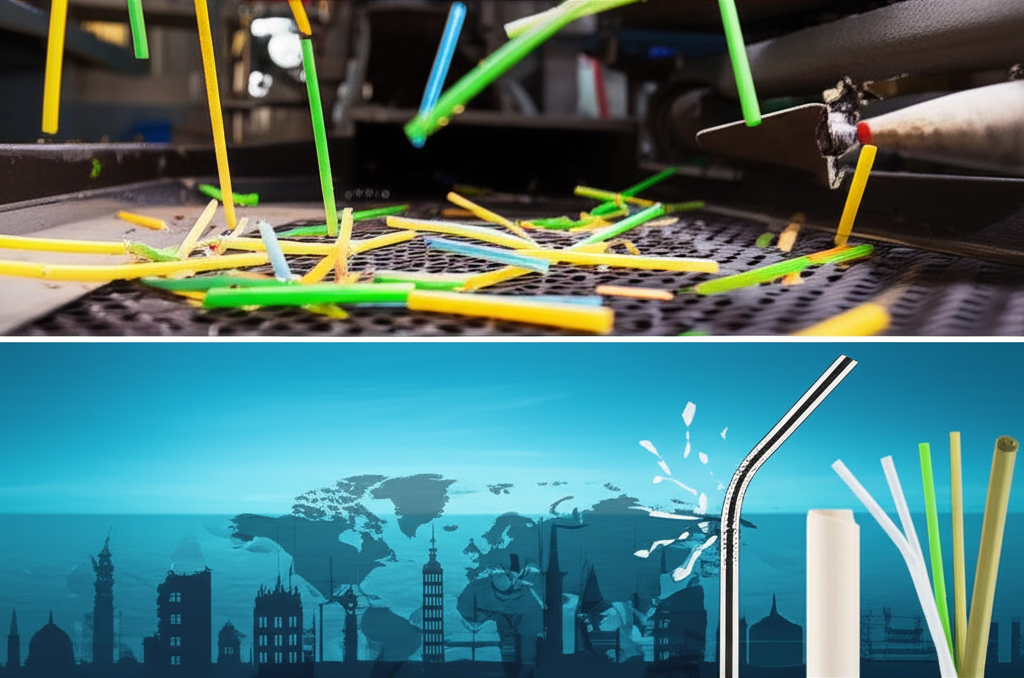
Tipik olarak polietilen (PE) veya polipropilenden (PP) üretilen plastik boba pipetleri aslında teknik olarak geri dönüştürülebilen polimerlerden yapılır. Ancak geri dönüşüm akışındaki yolculukları sistemsel başarısızlıklarla doludur. Temel sorun onların fiziksel özelliklerinde yatıyor: küçük boyutları ve hafif yapıları, tapyoka incilerini barındırmak için 12 mm veya daha fazla çapları olsa bile, otomatik atık ayırma sistemlerinin karmaşık ağından kaymalarına neden oluyor. Bunlar, geri dönüşüm için ayrıştırılmak yerine sıklıkla çöp depolama alanlarına yönlendiriliyor veya daha da kötüsü, değerli olan geri dönüşüm akışlarını kirletiyor.
Compounding this mechanical failure, residual sugar and beverage content clinging to the interior of used straws further complicate the recycling process. This sticky contamination reduces the quality of recycled material, making it less desirable for reprocessing and often leading to its rejection. The economic viability of collecting and processing such lightweight, often contaminated items is also extremely low, weighing less than a gram per straw. This low economic value disincentivizes recyclers from investing in the specialized equipment or manual labor required to handle them effectively.
Why Standard Recycling Systems Fail Plastic Boba Straws
Standart geri dönüşüm sistemlerinin plastik boba pipetlerinde başarısız olmasının temel nedeni büyük ölçüde mekaniktir. Modern geri dönüşüm tesislerindeki makinelerin çoğu, daha büyük ve daha ağır öğeleri verimli bir şekilde ayırmak için tasarlanmıştır. Pipetler de dahil olmak üzere küçük, ince veya düzensiz şekilli plastikler genellikle eleklerden düşer, optik ayırıcıları atlar veya makinelere karışarak tıkanmalara ve maliyetli arıza sürelerine neden olur. Bu gerçekleştiğinde, bunlar genellikle genel atık akışına yönlendirilir ve sonuçta çöplüklere veya çöp yakma tesislerine atılır.
Geri dönüşüme ilişkin yerel belediye yönergeleri de önemli farklılıklar göstererek hem işletmeler hem de tüketiciler için kafa karıştırıcı bir ortam yaratmaktadır. Örneğin, Los Angeles'ın geri dönüşüm programları plastik pipetleri kabul edebilirken Denver'ın kabul etmemesi, farklı bölgelerdeki geri dönüşüm altyapısının parçalı doğasının altını çiziyor. Bu tutarsızlık, ulusal veya uluslararası içecek zincirleri için plastik pipetlerin imhasına yönelik standart bir yaklaşımın, önemli yerel ayarlamalar yapılmadan pratik olarak imkansız olduğu anlamına geliyor. Ayrıca, bu spesifik tipteki tüketici sonrası geri dönüştürülebilir malzemelere (çoğunlukla düşük dereceli polipropilen) yönelik genel pazar talebinin düşük olması, bir samanın ayıklama işlemini tamamlamasını sağlasa bile, nihai pazar faydasının olmayışı nedeniyle hala yakılma veya çöp depolama sahasına atılma tehlikesiyle karşı karşıya kalabileceği anlamına geliyor.Small, contaminated plastic boba straws often bypass recycling systems due to mechanical and economic inefficiencies.
Escalating Environmental Impact & Regulatory Pressure on Single-Use Plastics

The environmental consequences of persistent plastic straw usage are profound and far-reaching. Petroleum-based plastic straws do not biodegrade; instead, they take hundreds of years to break down, gradually disintegrating into smaller and smaller pieces. This fragmentation leads to the pervasive issue of microplastic pollution, with an estimated 8 million tons of plastic entering oceans annually. These microplastics infiltrate water sources, soil, and the global food chain, impacting ecosystems, marine life, and posing potential, still-emerging threats to human health. Moreover, harmful chemicals like Bisphenol A (BPA) can leach from degrading plastics into the environment, adding another layer of toxic burden.
Global Shifts Towards Plastic Straw Bans and Reductions
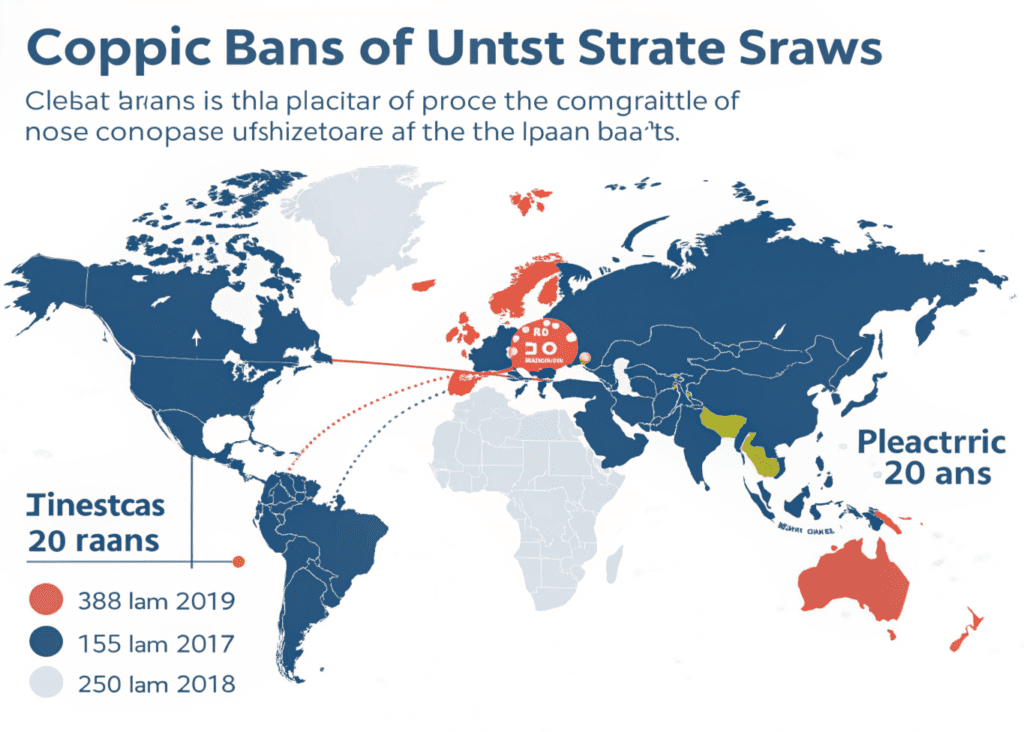
Dünya çapındaki hükümetler, tek kullanımlık plastik pipetlerin neden olduğu ciddi çevresel zararları kabul etmeye başladı ve bu farkındalığı somut düzenleyici eylemlere dönüştürdü. Seattle, Ocak 2018'de plastik pipet yasağını uygulayarak ABD'de öncülük yaptı ve onu hızla San Francisco ve Portland gibi diğer büyük şehirler izledi. Bu yerel eğilim, güçlü uluslararası mevzuatla da yansıtılmaktadır. Örneğin Avrupa Birliği, 2021'de tek kullanımlık plastiklere yönelik kapsamlı bir yasak uygulayarak, küresel tedarik zincirlerini etkileyen güçlü ve geri döndürülemez bir düzenleme eğiliminin sinyalini verdi.
AB'nin yanı sıra Asya'daki ülkeler de önemli politikalar hayata geçiriyor. Tayland, plastik atıkları yılda 0,78 milyon ton azaltmayı ve atık yönetimi maliyetlerinde 3,9 milyar baht tasarruf etmeyi hedefleyen 2020-2030 plastik atık yönetimine yönelik bir yol haritasını kabul etti. Bu iddialı yol haritasında plastik pipet, bardak ve torbaların yasaklanması da yer alıyor. Benzer şekilde Malezya'daki Selangor eyaleti hükümeti, 1 Temmuz 2019'da tüm restoranlarda plastik pipetlere yasak getirdi. Bu küresel değişimler, tek kullanımlık plastiklerin ortadan kaldırılmasına yönelik net ve geri dönüşü olmayan bir gidişatı ortaya koyuyor; işletmelere uyum sağlamaları veya önemli uyumluluk riskleriyle ve pazara erişim kısıtlamalarıyla karşı karşıya kalmaları konusunda büyük bir baskı oluşturuyor.Küresel düzenlemeler hızla tek kullanımlık plastiklerin yasaklanmasına doğru kayıyor ve işletmeleri sürdürülebilir alternatifleri benimsemeye zorluyor.
Operasyonel Engeller: Plastik Boba Pipetlerinden Sürdürülebilir Alternatiflere Geçiş
Geleneksel plastik pipetlerden uzaklaşmak, özellikle dinamik balonlu çay sektöründeki işletmeler için benzersiz operasyonel engeller sunuyor. Gıda tesisleri, geleneksel, ucuz plastik pipetlerden alternatif malzemelere geçiş yaparken sıklıkla maliyetlerin arttığını bildiriyor. Dahası, mevcut iş modellerinin çoğu, özellikle de büyük ölçüde "gitmek üzere" içeceklere bağımlı olanlar, tek kullanımlık ambalaj bileşenleriyle derinlemesine entegre edilmiş durumda ve bu da kusursuz bir geçişi zorlaştırıyor.
A particularly acute challenge for bubble tea operations is finding alternative straws sturdy enough to reliably puncture the sealed plastic cups and accommodate the unique texture and size of tapioca pearls. Unlike standard beverage straws, boba straws require a larger diameter (typically 12mm or more) and sufficient rigidity, which many eco-friendly alternatives struggle to match. Ensuring continued customer satisfaction during this transition is paramount, as historical surveys indicate that approximately 85% of users initially preferred traditional plastic straws. While 76% are open to reusable alternatives, the initial adoption curve can present a customer experience challenge.
Navigating “Compostable” vs. “Biodegradable” Labeling for Eco-Friendly Boba Straw Alternatives
The landscape of eco-friendly straw alternatives is complex, often marked by ambiguous labeling. It is crucial for procurement and operations teams to understand the distinction between “compostable” and “biodegradable” to avoid missteps. “Compostable” straws, commonly made from plant-based materials like Polylactic Acid (PLA) from corn plastic or Polyhydroxyalkanoate (PHA) from canola/soy seeds, are designed to decompose into nutrient-rich organic matter. However, this decomposition typically requires specific industrial composting conditions, characterized by high heat and microbial activity, which are not universally available.
Daha da önemlisi, bu alternatif plastikler genellikle geleneksel plastik geri dönüşüm akışlarında kirletici madde olarak kabul edilir. Gübrelenebilir pipetlerin geleneksel plastiklerle karıştırılması, geri dönüşüm makinelerini bozabilir, operasyonel verimsizliklere yol açabilir ve sonuçta geri dönüştürülmüş malzemelerin kalitesini düşürebilir. Yanlış etiketleme veya yanlış anlama, bu "çevre dostu" seçeneklerin hâlâ çöplüklere atılmasına yol açabilir. Bazı gelişmiş PHA pipetleri denizde parçalanabilir olması ve okyanus ortamlarında bile parçalanması nedeniyle umut verici bir çözüm sunarken, gübrelenebilir malzemelerin çoğunluğu henüz yaygın olmayan belirli imha yolları gerektirir. İşletmeniz için sürdürülebilir seçeneklere daha derinlemesine bakmak için şunları keşfedin:boba çay pipetleri toptan satış.Understanding “compostable” versus “biodegradable” is vital for selecting effective, compliant boba straw alternatives.
Case Study: Vancouver’s Adaptation to Plastic Straw Regulations
Britanya Kolumbiyası'nın Vancouver Şehri, tek kullanımlık plastik düzenlemelerine başarılı aşamalı uyumun çarpıcı bir örneğini sunuyor. 22 Nisan 2020'den itibaren geçerli olan plastik pipet yönetmeliği şehirdeki içecek işletmelerini önemli ölçüde etkiledi. Özel pipet ihtiyacı nedeniyle balonlu çay satıcılarının karşılaştığı benzersiz operasyonel zorlukların farkında olan şehir, akıllıca davranarak Nisan 2020'den Nisan 2021'e kadar bir yıllık muafiyet tanıdı. Bu düzenleyici öngörü, balonlu çay işletmelerine sağlam alternatif pipet çözümlerini araştırmak, kaynak sağlamak ve tedarik zincirlerine ve müşteri deneyimi modellerine entegre etmek için yeterli zaman tanıdı.
As of April 22, 2021, all bubble tea vendors in Vancouver were required to comply with the ban, demonstrating that with adequate planning and regulatory support, businesses can successfully transition to sustainable practices without compromising their core offerings. This case study underscores the importance of a proactive approach to regulatory changes and stakeholder engagement. It also highlights that some by-laws, like Vancouver’s, do mandate the provision of flexible plastic straws upon request for accessibility needs, ensuring inclusivity during the transition.Vancouver’s phased ban on plastic straws demonstrates successful industry adaptation with proactive planning and regulatory support.
Comparison Table: Sustainable Boba Straw Alternatives for B2B
Choosing the right sustainable boba straw alternative requires a careful evaluation of operational impact, compliance, and ROI. Below is a comparison of common options:
| Özellik | B2B operasyonel etki | Uyum Notu | YG'nin potansiyeli |
|---|---|---|---|
| Kağıt Pipetler | Prone to sogginess, affecting drink experience; requires robust, PFAS-free options. | Generally compliant with single-use plastic bans; often compostable. | Lower initial cost than other alternatives; enhances brand sustainability. |
| Pla pipetler | Requires specific industrial composting facilities for proper decomposition. | Not accepted in traditional plastic recycling; may contaminate streams. | Higher cost than plastic; boosts green image if correctly composted. |
| Paslanmaz çelik | Durable, reusable; requires in-house or third-party cleaning infrastructure for dine-in; cannot puncture seals easily. | Highly compliant with reuse-focused regulations; significantly reduces single-use waste. | High upfront cost; significant long-term savings for dine-in; strong customer appeal. |
| PHA Pipetleri | Biodegradable, including marine-degradable options; some break down in home compost. | High compliance potential with evolving regulations; avoids landfill. | Higher cost than PLA; strong environmental brand differentiation; premium offering. |
| Bambu Pipetler | Sturdy but may be too narrow for boba pearls; can retain residue and require thorough cleaning. | Compliant with single-use bans; natural, renewable resource. | Moderate cost; appeals to eco-conscious consumers; requires quality control. |
For businesses seeking a reliable partner in this transition, exploring dedicated suppliers of alternative boba straws can be beneficial. Find more options forsustainable boba drinking straws B2B.Evaluate sustainable boba straw alternatives based on operational impact, compliance, and ROI for informed procurement.
Strategic Imperatives for Sustainable Boba Straw Procurement and Operations
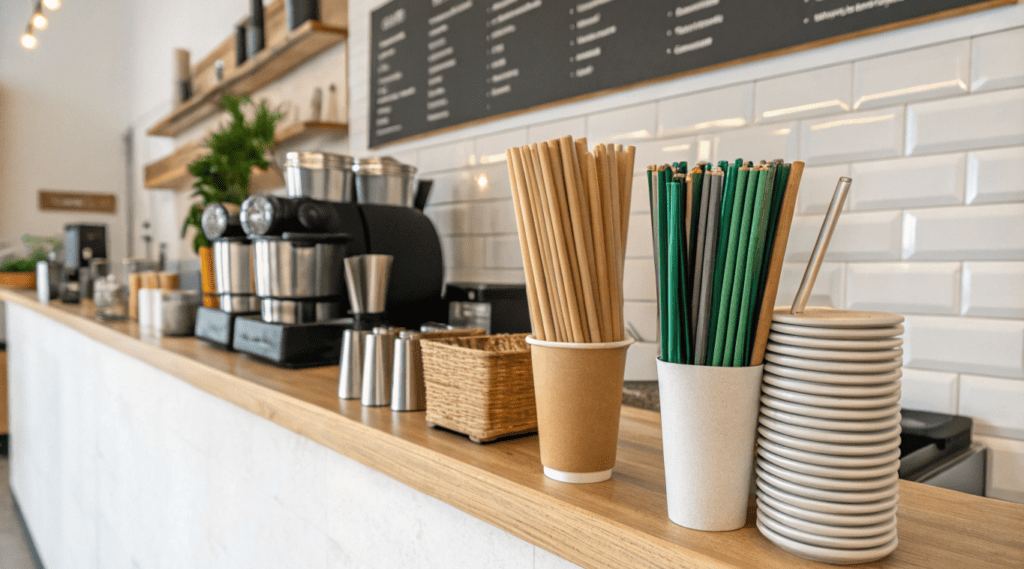
Tedarik zinciri yöneticileri ve satın alma müdürleri için plastik boba pipetlerinden uzaklaşmak, yalnızca uyumluluğun ötesine geçiyor; gelecekteki pazar konumunu ve marka değerini güvence altına almak için stratejik bir zorunluluğu temsil eder. Bu geçişin temel prensibi, “Azalt, Yeniden Kullan, Geri Dönüştür” hiyerarşisini titizlikle benimsemek, atıkların kaynağında azaltılmasına öncelik vermek ve sistemleri döngüsellik için tasarlamaktır. Bu, özellikle yemekli deneyimler için yeniden kullanılabilir alternatiflerin uygun olduğu tek kullanımlık öğelerin gerekliliğinin sorgulanması anlamına geliyor.
A critical step is to conduct comprehensive Life Cycle Assessments (LCAs) for alternative materials. While counter-intuitive, some LCAs have indicated that traditional polypropylene (PP) straws can sometimes show a lower global warming potential than even stainless steel straws when considering their entire life cycle, including manufacturing and end-of-life. This highlights the complexity and the need for data-driven decisions rather than relying on perceived “green” options. Procurement teams must engage proactively and strategically with suppliers to develop and secure innovative, compliant boba straw alternatives that meet both environmental standards and operational demands, such as puncture strength and resistance to sogginess. Businesses like PMI Packaging Sdn Bhd in Malaysia, for example, have been manufacturing corn starch and PLA straws since 2016 and are researching materials like oil palm waste and tapioca for future solutions.
Investing in robust consumer education is also vital. While 85% of consumers historically preferred plastic straws, 76% are now open to reusable alternatives, indicating a significant shift in readiness. Educating customers on the proper disposal of new materials and the long-term benefits of reusable options can foster adoption and strengthen brand loyalty. Moreover, businesses must remain cognizant of accessibility needs, as some regulations, like Vancouver’s by-law, still mandate the provision of flexible plastic straws upon request for individuals with disabilities. This balanced approach ensures both environmental responsibility and social equity. To further understand wholesale procurement options, visitboba straws wholesale.Strategic procurement of sustainable boba straws requires LCAs, supplier engagement, and consumer education for market leadership.
Future Trends & Innovation
The trajectory for sustainable beverage packaging over the next 5-10 years points towards radical innovation and increasingly stringent regulatory frameworks. Expect continued global expansion of single-use plastic bans, extending beyond straws to other packaging components. The EU’s 2021 ban and Thailand’s 2020-2030 roadmap, which aims for widespread reduction and bans on plastic items until 2026, are harbingers of this global movement. Procurement strategies must anticipate these legislative shifts, not merely react to them.
Innovation in material science will bring forth new generations of truly sustainable alternatives. Expect to see increased adoption of advanced bioplastics like marine-degradable PHA, which offers a genuine end-of-life solution even in challenging environments. Research into novel, renewable plant-based resources, such as tapioca and agricultural waste products like oil palm empty fruit pulp, will likely yield commercially viable solutions. Furthermore, the concept of “integrated packaging,” where straws are part of the main beverage container (e.g., juice boxes), is also facing bans in regions like New South Wales, Australia, as of January 2025, pushing for even more fundamental shifts in design. The emphasis will move beyond just “compostable” to materials that are genuinely biodegradable across diverse natural environments or those that can be efficiently closed-loop recycled into high-value products. Future procurement will prioritize materials with transparent LCAs that demonstrate minimal environmental impact across their entire lifecycle, favoring products with high recycled content where plastics remain unavoidable.Future trends indicate stricter plastic bans and innovative bioplastics, demanding proactive procurement strategies.
Competitive Advantage & Business Case
The transition to sustainable boba straws is not merely a cost of doing business; it is a profound opportunity for competitive differentiation and long-term value creation. Quantifiable benefits include significant risk mitigation against escalating compliance penalties and brand reputation damage. By proactively adopting sustainable solutions, businesses can avoid the substantial fines associated with plastic bans and circumvent potential market access restrictions in increasingly eco-conscious regions. For example, countries implementing plastic waste reduction roadmaps, like Thailand, project billions in annual savings from reduced waste management, a benefit that can be partially realized by businesses minimizing their waste footprint.
Moreover, this shift offers a powerful brand value uplift. Consumers, especially the younger demographic, are increasingly making purchasing decisions based on a company’s environmental stewardship. A business that champions genuinely sustainable practices, such as offering truly eco-friendly boba straws, can significantly enhance its brand perception, foster stronger customer loyalty, and even capture a larger market share among environmentally aware consumers. This proactive stance transforms a potential compliance burden into a distinct competitive advantage, positioning the brand as a leader in sustainability and innovation within the crowded beverage market.Embracing sustainable boba straws offers competitive advantage through risk mitigation, brand uplift, and increased market share.
Conclusion: Pioneering a Plastic-Free Future for Boba
The widespread belief that plastic boba straws are recyclable is largely a misconception, with significant environmental and operational consequences for businesses. The transition away from these problematic single-use plastics is no longer merely an option; it is a strategic imperative driven by evolving consumer expectations and stringent global regulations. Proactive adoption of genuinely sustainable alternatives, coupled with a deep understanding of the nuanced differences between “compostable” and “biodegradable” materials, is crucial for long-term viability.
Transformyour supply chain now to meet sustainability mandates, mitigate regulatory risks, and profoundly enhance your brand’s environmental stewardship. Secure your market leadership in the sustainable beverage economy by embracing truly eco-friendly boba straw solutions today.Embrace sustainable boba straw solutions now to enhance brand stewardship and secure market leadership.
Sıkça Sorulan Sorular
Are plastic boba straws truly recyclable in standard municipal systems?
No, despite being made from recyclable polymers like PE or PP, their small size and lightweight nature cause them to fall through sorting machinery, often ending up in landfills or contaminating other recycling streams.
What are the main environmental impacts of plastic boba straws?
Plastic boba straws contribute to microplastic pollution, taking hundreds of years to break down and infiltrating ecosystems, marine life, and potentially the food chain, with harmful chemicals leaching into the environment.
What operational challenges do bubble tea businesses face when switching to sustainable straws?
Challenges include increased costs, finding alternatives sturdy enough to puncture sealed cups and accommodate tapioca pearls, and ensuring customer satisfaction during the transition.
What is the difference between ‘compostable’ and ‘biodegradable’ straws?
‘Compostable’ straws require specific industrial composting conditions to decompose, while ‘biodegradable’ straws break down naturally in various environments, though the speed and conditions vary greatly.
How can businesses ensure compliance with evolving plastic straw regulations?
Proactive research, strategic sourcing of compliant alternatives, conducting Life Cycle Assessments, and engaging with suppliers are crucial for adapting to regulatory shifts and securing market position.