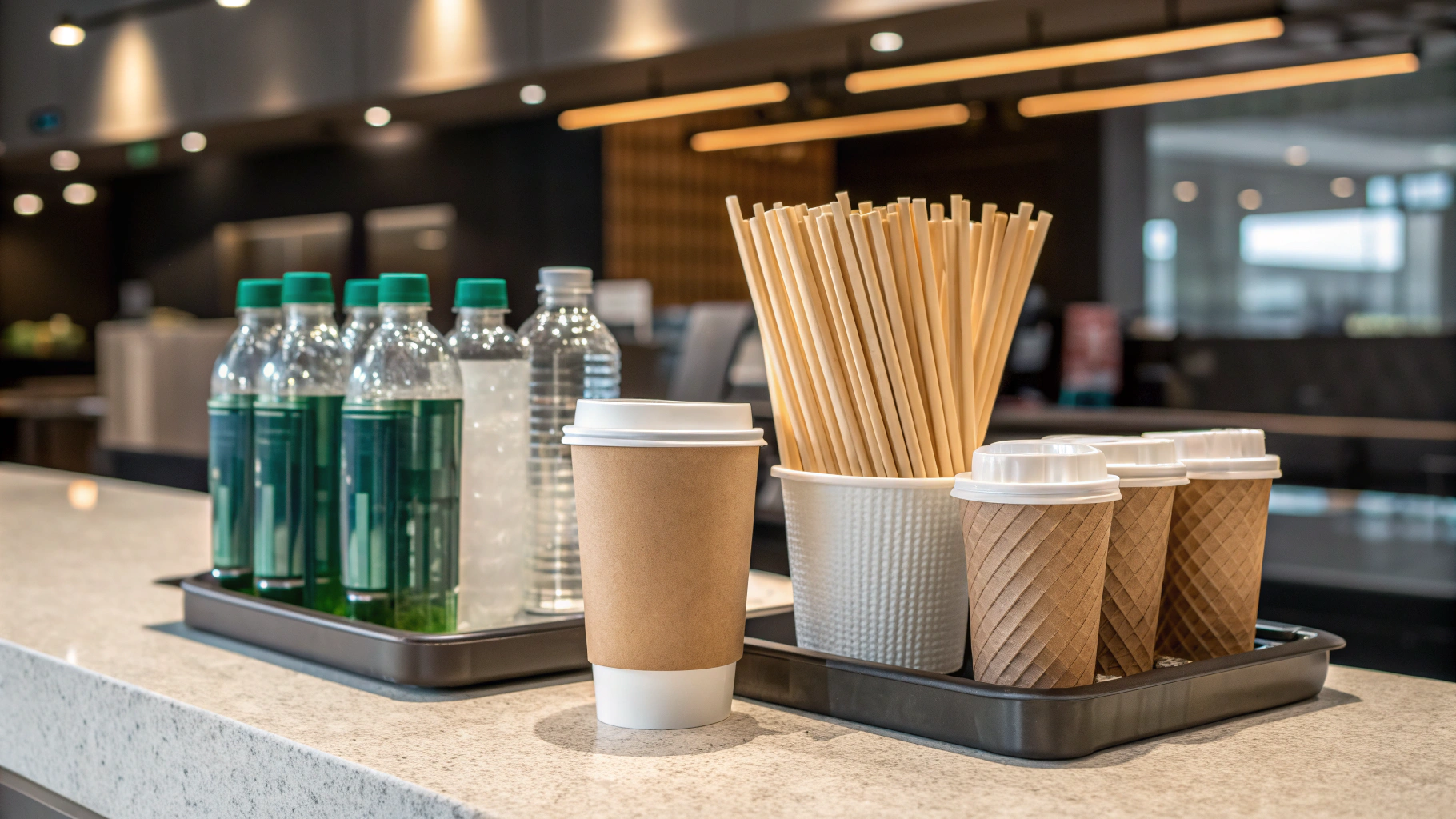
Günümüzde barlar ikili bir zorlukla karşı karşıyadır: artan işletme maliyetleri ve artan çevre düzenlemeleri baskısı. Bir zamanlar standart olan tek kullanımlık tek kullanımlık pipetlere olan bağımlılık, mali açıdan bir yük ve uyumluluk riski haline geldi. Birleşik Krallık Hükümeti'nin 2020'de İngiltere'de tek kullanımlık plastikleri yasaklaması ve AB'nin Temmuz 2021'den itibaren geçerli olacak Tek Kullanımlık Plastik Direktifi (SUPD) gibi dünya çapındaki hükümetlerin pipetler de dahil olmak üzere tek kullanımlık plastiklere yönelik daha katı yasaklar uygulamasıyla, işletmeler satın alma stratejilerini yeniden düşünmeye zorlanıyor.
Tedarik yöneticileri, operasyon direktörleri ve sürdürülebilirlik görevlileri için bu değişim yalnızca uyumlulukla ilgili değil; bu stratejik bir fırsattır. Yeniden kullanılabilir pipetleri benimsemek, devam eden operasyonel giderleri azaltmak, marka imajını önemli ölçüde geliştirmek ve işletmenizi gelişen düzenlemelere karşı geleceğe hazırlamak için ikna edici bir çözüm sunar. Bu stratejik eksen, düzenleme yükünü uzun vadeli kârlılığa giden bir yola dönüştürerek önemli bir rekabet avantajı sağlayabilir.
Barlar için Tek Kullanımlık Pipetlerin Gizli Maliyetleri
Tek kullanımlık pipetlerin gerçek maliyeti, ilk satın alma fiyatlarının çok ötesine geçer. Barlar için bu gizli giderler hızla birikerek kârlılığı ve operasyonel verimliliği etkiler.
Escalating Procurement & Waste Expenses
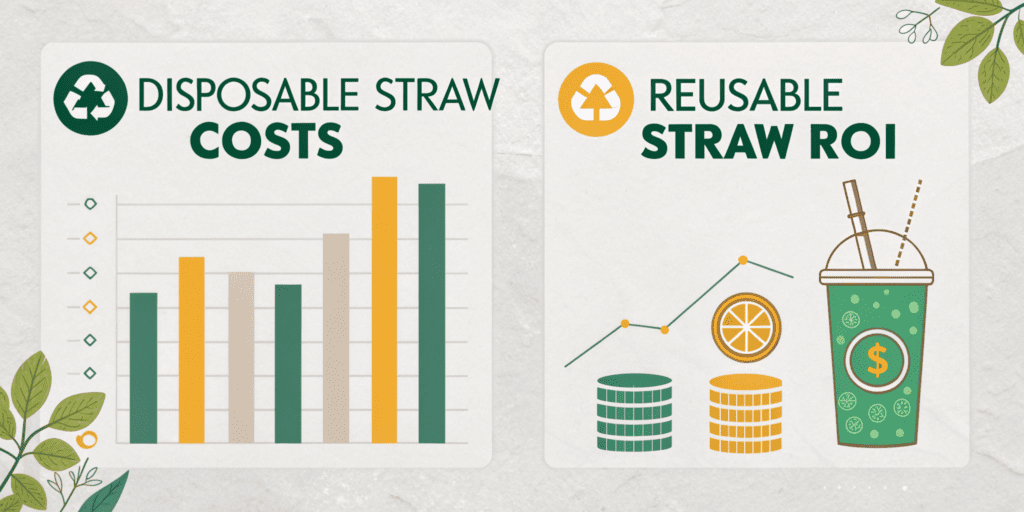
Tek kullanımlık plastik, kağıt ve hatta kompostlanabilir pipetlerin sürekli olarak yeniden sipariş edilmesi, önemli miktarda sürekli satın alma maliyetine neden olur. Birim başına ucuz gibi görünse de, tipik bir çubuğun tükettiği büyük hacim, önemli miktarda yıllık harcama anlamına gelir. Tek kullanımlık seçenekler uzun vadede oldukça daha pahalı olabilir; bazı analizler, bunların dayanıklı yeniden kullanılabilir alternatiflerle karşılaştırıldığında yılda 5.000 $ daha fazla maliyete sahip olabileceğini gösteriyor. Satın almanın ötesinde, barlar doğrudan atık bertaraf ücretlerine de tabidir; bu ücretler, üretilen plastik ve diğer tek kullanımlık atık miktarının artmasıyla kaçınılmaz olarak artar. Bu sürekli satın alma, kullanma ve atma döngüsü, verimsiz ve maliyetli bir operasyonel döngü yaratır.
Düzenleyici Riskler ve Cezalar
Tek kullanımlık plastiklere karşı küresel hareket hız kesmiyor. Hükümetler hızla daha sıkı düzenlemeler uyguluyor ve uyguluyor, bu da konaklama sektörü üzerinde önemli bir baskı oluşturuyor. Örneğin Birleşik Krallık Hükümeti, 2020 yılında İngiltere'de pipetler de dahil olmak üzere tek kullanımlık plastiklerin satışını yasakladı. Benzer şekilde, Avrupa Birliği'nin Tek Kullanımlık Plastik Direktifi (SUPD), Temmuz 2021'den itibaren pipetler de dahil olmak üzere birçok tek kullanımlık plastik ürünü genel olarak yasaklayarak üye devletlerdeki işletmeleri sürdürülebilir alternatifler aramaya zorladı.
Bu katı düzenlemelere uyulmaması ciddi sonuçlar doğurur. Barolar, operasyonel aksamalar, olumsuz tanıtım nedeniyle ciddi itibar kaybı ve karlılığı ciddi şekilde etkileyebilecek ağır para cezaları riskiyle karşı karşıyadır. Yeniden kullanılabilir çözümlere proaktif bir geçiş, yalnızca uyumluluğu sağlamakla kalmaz, aynı zamanda işletmeyi sorumlu, ileriyi düşünen bir kuruluş olarak konumlandırır.
Tek kullanımlık pipetler, sürekli satın alma ve atık bertaraf ücretlerinin arttırılması yoluyla bar karlarını tüketir.
Yeniden Kullanılabilir Pipetler: Uzun Vadeli Tasarruf için Stratejik Bir Yatırım
İlk yatırım gerekli olsa da, yeniden kullanılabilen pipetler sürekli olarak hızlı bir yatırım getirisi gösterir ve uzun vadeli önemli mali faydalar sunar.
Hızlı Yatırım Geri Dönüşü (ROI)
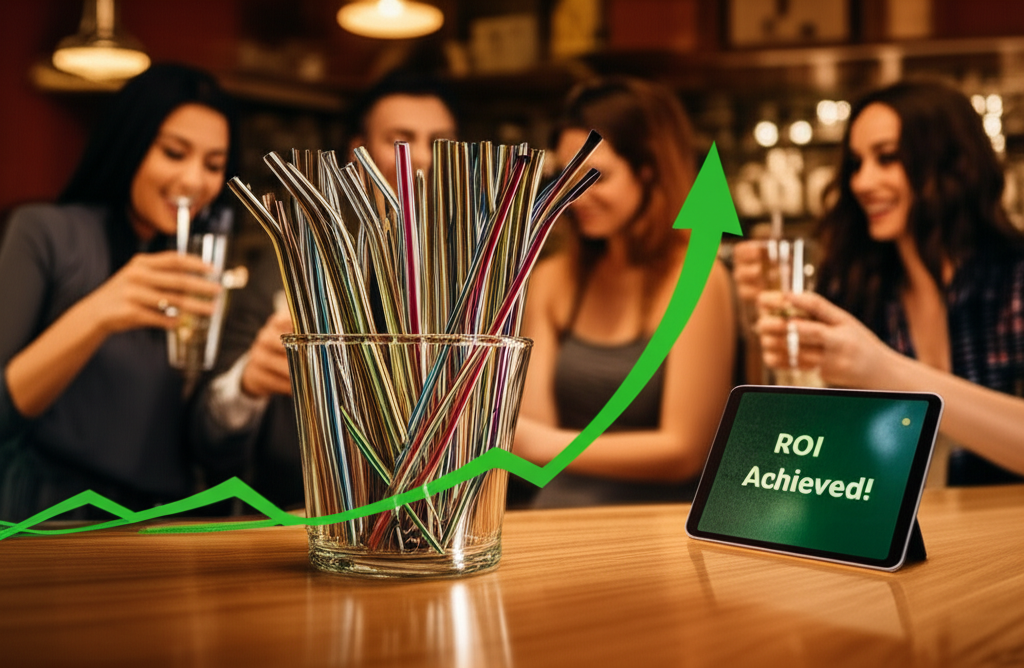
Dayanıklı yeniden kullanılabilir pipet satın almanın ön maliyeti, sürekli yeniden satın almanın ortadan kaldırılmasıyla hızla telafi edilir. Bazı kuruluşlar, tek kullanımlık plastik ve hatta kağıttan geçiş yaptıktan sadece 2-3 hafta sonra etkileyici bir ortalama yatırım getirisi bildirdi. Örneğin, birinci sınıf bir yeniden kullanılabilir seçenek olan HALM cam pipetlerin, işletmelere tek kullanımlık alternatiflerle karşılaştırıldığında yılda 5.500 Euro'ya kadar tasarruf sağladığı gösterildi ve bu da benimseme için açık bir mali teşvik sergiliyor. Maliyetlerin bu hızlı şekilde karşılanması, yeniden kullanılabilen pipetleri anında uygulanabilir bir finansal strateji haline getiriyor.
Azaltılmış Operasyonel Giderler
Beyond the rapid ROI, reusable straws significantly reduce ongoing operational overhead. The need for continuous purchasing, inventory management, and restocking of disposable straws is virtually eliminated. Procurement teams can shift from frequent, small orders to larger, less frequent bulk purchases of reusable options, potentially unlocking further per-unit cost reductions over their extended lifespan. Furthermore, the direct reduction in plastic waste volume translates into lower waste management and disposal fees, contributing directly to a healthier balance sheet.
Reusable straws offer rapid ROI and significantly cut operational overhead for bars.

Beyond Savings: Enhancing Brand & Customer Loyalty with Reusable Straws
Yeniden kullanılabilen pipetlerin finansal faydaları etkileyicidir ancak avantajları bilançonun çok ötesine uzanır. Sürdürülebilir bir pipet stratejisini benimsemek, marka algısı ve müşteri katılımı üzerinde derin etkiler yaratır.
Çevreye Duyarlı Tüketici Tabanının Çekilmesi
Günümüzün tüketicileri, özellikle de Y kuşağı ve Z kuşağı, sürdürülebilirliğe ve etik iş uygulamalarına giderek daha fazla öncelik veriyor. Yeniden kullanılabilir pipetleri benimseyen çubuklar, çevresel sorumluluğa olan bağlılığı gözle görülür bir şekilde ortaya koyuyor. Bu taahhüt, çevreye duyarlı müşterilerde derin bir yankı uyandırarak marka imajını güçlendiriyor ve ortak değerler duygusunu güçlendiriyor. Bu tür bir farklılaşma, sürdürülebilir işletmeleri aktif olarak arayan yeni müşterileri cezbetmekte, bu da patronajın artmasına ve olumlu ağızdan ağza pazarlamaya yol açmaktadır. Bu dolaylı gelir artışı, uzun vadeli finansal sağlık ve pazar payına önemli bir katkı sağlıyor.
Uyumluluk ve Geleceğe Hazırlama
Yeniden kullanılabilir pipetlerin proaktif olarak benimsenmesi, mevcut plastik pipet yasaklarına anında uyum sağlar ve işletmenizi gelecekteki mevzuat değişikliklerine karşı avantajlı bir şekilde konumlandırır. Uyumsuzluktan kaynaklanan potansiyel para cezalarından, hukuki mücadelelerden ve operasyonel aksaklıklardan kaçınmak, iş sürekliliğini güvence altına alır ve zorlukla kazandığınız itibarınızı korur. Yeniden kullanılabilir çözümleri benimsemek, ileri görüşlü bir yaklaşımın sinyalini verir, işletmenizi gelişen düzenleyici baskılardan korur ve sürdürülebilir konaklama alanında lider konumunu sağlamlaştırır.
Sürdürülebilir pipetin benimsenmesi, bar markasının imajını güçlendirir ve gelecekte uyumluluğu güvence altına alır.
Karşılaştırmalı Analiz: B2B Operasyonları için Yeniden Kullanılabilir Saman Malzemeleri
Choosing the right reusable straw material is critical for operational efficiency, hygiene, and long-term cost-effectiveness. Each material presents a unique profile of features, impacts, and potential returns.
| Özellik | B2B operasyonel etki | Uyum Notu | YG'nin potansiyeli |
|---|---|---|---|
| Paslanmaz çelik | Highly durable, dishwasher safe, no taste transfer. Requires thorough cleaning checks, can conduct heat. | Complies with plastic bans, promotes circular economy. | High, due to exceptional longevity and multiple reuses. |
| Borosilicate Glass | Elegant, taste-neutral, clear for visible cleanliness. Breakage risk, requires careful handling. | Complies with plastic bans, non-toxic, BPA-free. | Very High; some report ROI in 2-3 weeks; reusable over 1000 times. |
| Bambu | Natural aesthetic, biodegradable, lightweight. Prone to sogginess, can retain moisture, requires careful drying. | Fully biodegradable, aligns with zero-waste initiatives. | Moderate; good for specific branding, but shorter lifespan than glass/steel. |
| Silikon | Flexible, safe for children, various colors. Can attract dust/lint, harder to clean thoroughly, not biodegradable. | Complies with plastic bans, though not biodegradable. | Moderate; good for specific client needs or outdoor events. |
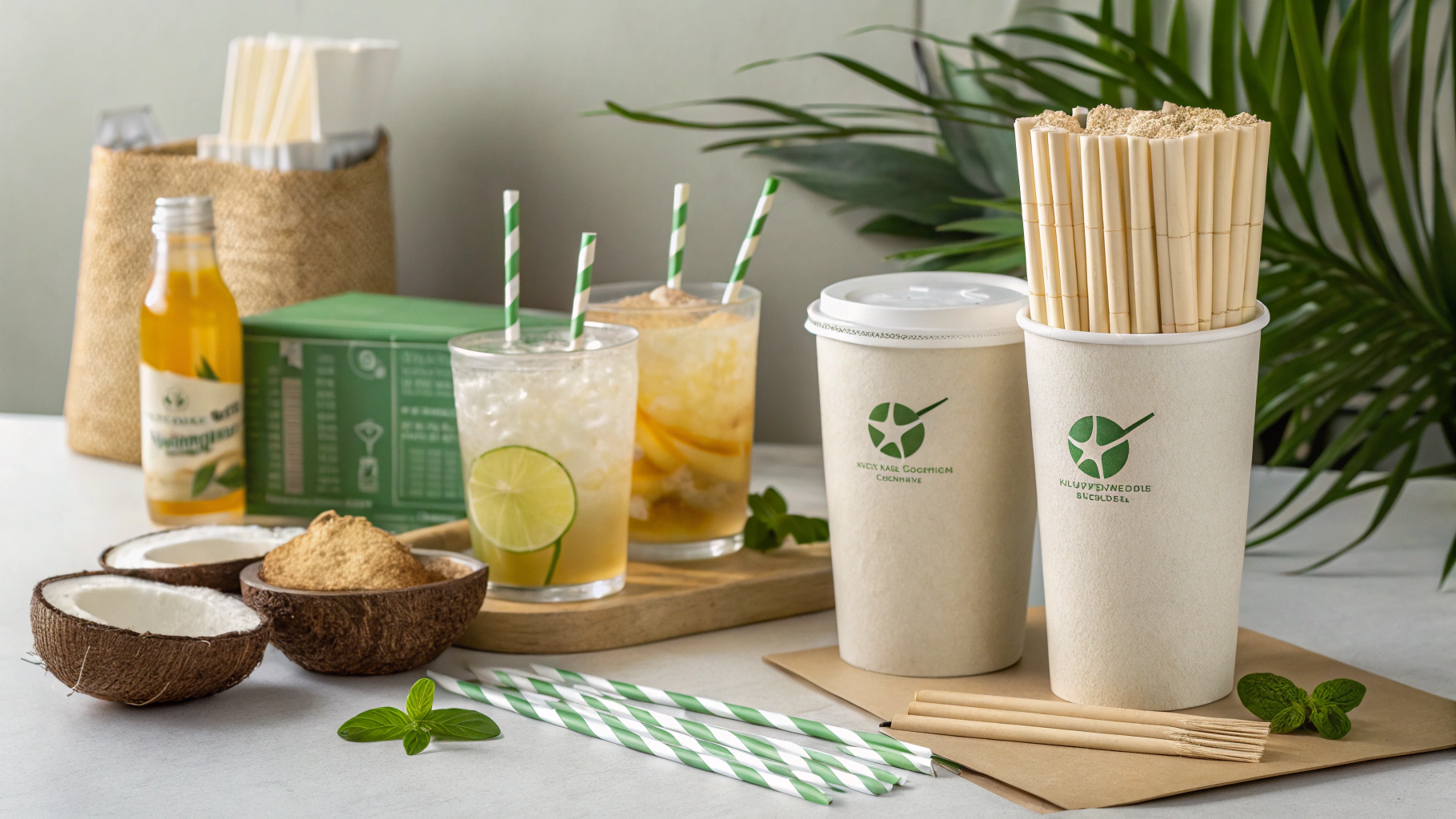
Beyond these popular options, the market is also seeing innovations in compostable straw alternatives made from agricultural waste, such as those derived from sugarcane. While not reusable in the multi-wash sense, these materials offer another pathway to reducing plastic waste and enhancing a business’s eco-friendly image, particularly for specialized events or grab-and-go services. Exploring options likepremium compostable cocktail straws for bars and eventscan complement a reusable straw strategy, offering versatility in eco-friendly solutions. Similarly, materials likesugar cane strawsrepresent a significant step towards biodegradability, further diversifying the market for responsible sourcing.
Choosing the right reusable straw material optimizes bar operations and ROI.
Navigating the Transition: Best Practices for Implementing Reusable Straws
Successfully integrating reusable straws into a bar’s operation requires careful planning across material selection, hygiene protocols, and consumer engagement.
Material Selection and Durability
The choice of material directly impacts longevity and guest experience. Opting for highly durable materials like borosilicate glass, which can be reused over 1000 times, or high-grade stainless steel ensures maximum lifespan and durability, minimizing replacement costs. Considerations such as aesthetic appeal, taste neutrality, and heat resistance should align with your bar’s beverage menu and brand identity. For instance, clear glass allows customers to visually confirm cleanliness, an important factor for perceived hygiene. It is also crucial to account for the total environmental impact of a reusable straw, recognizing that over 85% of a metal straw’s impact over its lifecycle often comes from the washing process itself, emphasizing the need for energy-efficient cleaning methods.
Streamlined Cleaning & Hygiene Protocols
Robust cleaning and sanitization are paramount for health, safety, and customer confidence. Implement a meticulous process that includes an initial antibacterial dish-soap bath, thorough rinsing, and high-temperature dishwashing to ensure 100% sanitization between uses. Invest in efficient dishwashing equipment that can handle straw volumes without disrupting operational flow, or allocate sufficient staff time for manual cleaning if high-volume dishwashers are not feasible. Clear protocols and staff training are essential to maintain consistent hygiene standards, which directly impacts customer perception and trust.
Consumer Engagement and Education
Proactive communication about your bar’s commitment to sustainability is key. Inform customers about the benefits of eco-friendly straws and your rigorous hygiene practices to address any potential concerns about cleanliness. A subtle yet effective strategy is to provide straws only upon request, which can significantly reduce overall straw usage and further diminish associated costs, regardless of the straw type. This approach not only supports your sustainability goals but also subtly educates consumers on conscious consumption.
Mini Case Study: Quick Wins in Reusable Straw Adoption
The hospitality sector has seen numerous success stories in the transition to reusable straws. Across various establishments, from high-volume city bars to casual dining restaurants, the shift from traditional plastic and even paper straws to durable reusable options like borosilicate glass straws has yielded impressive results. Many businesses reported an average return on their initial investment in as little as 2 to 3 weeks. This rapid recouping of costs underscores the immediate financial viability for businesses prioritizing sustainable practices, proving that environmental responsibility can directly translate into immediate economic benefits.
Successful reusable straw implementation requires careful planning and clear communication.

The Growing Market for Sustainable Straws: Industry Projections
The shift towards sustainable straw solutions is not a fleeting trend but a fundamental market transformation, driven by environmental urgency and evolving consumer preferences.
Market Expansion & Demand
The global reusable straw market is experiencing robust growth, projected to reach approximately USD 4.5 billion by 2033, up from USD 2.2 billion in 2023. This represents a significant 7.3% compound annual growth rate (CAGR) from 2024 to 2033, reflecting increasing environmental awareness and a strong consumer preference for eco-friendly alternatives. The Asia Pacific region currently holds a substantial 30% market share, leading the global transition and indicating a clear direction for market demand. This expansion signifies a mature and growing market ripe for investment and strategic adoption.
Innovation in Eco-Friendly Straw Alternatives
The market is characterized by continuous innovation, pushing the boundaries of sustainable materials. Beyond traditional reusable options, advancements include straws made from agricultural waste products like wheat, reed, and agave. These innovations further reduce environmental impact, offering diverse choices for bars looking to differentiate their sustainability efforts. This trend aligns with a broader industry shift towards a “circular economy” in the hospitality sector, where waste is minimized, and resources are kept in use for as long as possible. The development of such materials provides greater flexibility for businesses to meet specific operational needs while adhering to their sustainability goals.
The sustainable straw market is rapidly expanding with continuous eco-friendly innovations.

Competitive Advantage & Business Case
Embracing reusable straws is more than an environmental gesture; it’s a strategic move that delivers quantifiable competitive advantages and a robust business case for any bar.
From a financial perspective, the cumulative savings are substantial. By eliminating the constant replenishment of disposable straws and reducing waste disposal fees, bars can realize significant annual cost reductions—potentially thousands of dollars. Risk mitigation is another key component; proactive compliance with burgeoning plastic bans avoids hefty fines, legal entanglements, and the operational disruptions that can cripple unprepared businesses.
Beyond cost savings and risk avoidance, the brand value uplift is immeasurable. Aligning with consumer demand for sustainability, particularly among influential millennial and Gen Z demographics, enhances reputation and fosters deep customer loyalty. This strong positive brand image translates into increased patronage, improved customer retention, and positive word-of-mouth marketing, which are invaluable for long-term growth. This differentiation in a crowded market allows bars to capture a larger share of the eco-conscious consumer segment, leading to increased revenue and stronger profit margins. In essence, the investment in reusable straws transforms a regulatory challenge into a powerful engine for financial health and market leadership.
Reusable straws offer bars significant financial, reputational, and competitive advantages.
Sıkça Sorulan Sorular (SSS)
Q: How do reusable straws specifically reduce costs for a high-volume bar?
A: For high-volume bars, the primary cost reduction comes from eliminating continuous procurement of disposable straws. While the initial investment in reusable straws might seem higher, their extended lifespan (e.g., glass straws reusable over 1000 times) quickly offsets this. Additionally, reduced waste volume directly lowers waste disposal fees, and avoiding potential fines from plastic bans further protects your bottom line. The efficiency of bulk cleaning also makes the per-use cost negligible.Q: What are the best practices for cleaning reusable straws in a busy bar environment?
A: Implement a two-step cleaning process: first, a pre-rinse or soak in an antibacterial dish-soap solution to loosen residues, followed by high-temperature commercial dishwashing. Investing in specialized straw cleaning racks or baskets for your dishwasher can streamline the process. Regular staff training on proper handling and cleaning protocols is crucial to maintain hygiene standards and ensure customer confidence.Q: How can bars manage customer perception regarding hygiene with reusable straws?
A: Transparency is key. Use clear materials like borosilicate glass so customers can visually confirm cleanliness. Display subtle signage explaining your commitment to sustainability and rigorous cleaning processes. Staff can also briefly mention your eco-friendly initiative when serving drinks. Offering straws upon request rather than automatically providing them can also subtly educate customers and reduce overall straw usage.Q: Are there any specific regulations bars should be aware of regarding reusable straws?
A: While specific regulations vary by region (EU, UK, US states/cities, Asia-Pacific), the general trend is towards banning single-use plastics. Reusable straws are typically compliant. The focus shifts to ensuring proper hygiene and sanitation, which falls under general food safety and health regulations. Always consult local health department guidelines for specific cleaning and storage requirements. For a comprehensive overview of global regulations, refer to ourGlobal Plastic Straw Bans Guide.Q: What is the typical ROI for bars switching to reusable straws?
A: Many bars report a rapid return on investment, often within 2-3 weeks, especially when transitioning from plastic or even paper disposables. This is due to the immediate cessation of recurring purchase costs. Over a year, savings can range from thousands of dollars to over €5,500 annually, depending on the bar’s volume and the type of reusable straw adopted.
Çözüm
The adoption of reusable straws is undeniably a strategic imperative for modern bars. By significantly reducing ongoing procurement costs, minimizing waste management expenses, and mitigating the risk of escalating regulatory fines, bars can achieve substantial long-term cost savings. Simultaneously, this commitment to sustainability powerfully enhances brand image, attracts a loyal eco-conscious customer base, and future-proofs operations against an increasingly stringent regulatory landscape. The economic and reputational benefits far outweigh the initial investment, positioning forward-thinking establishments for sustained success and market leadership.Act now to future-proof your bar’s operations and boost your bottom line by embracing sustainable straw solutions. Secure your competitive edge and demonstrate your commitment to a more sustainable future today.