Sürdürülebilir Saman Devriminde Yön Bulma: İşletmeniz İçin Malzeme Neden Önemlidir?
The global landscape for businesses is undergoing a monumental shift, driven by an undeniable move away from single-use plastics. This transformation isn’t merely a trend; it’s a convergence of escalating consumer demand for eco-friendly products, stringent regulatory mandates like those seen in the EU and various US states, and ambitious corporate sustainability goals. For procurement and operations teams, this presents a critical challenge: identifying truly effective and compliant compostable alternatives amidst a complex and often confusing market. The term “greenwashing” has become a serious concern, as many products touting “biodegradable” labels may not actually decompose as promised, leading to significant confusion for B2B buyers trying to discern genuine sustainability from marketing fluff. Understanding the nuanced difference between terms like “biodegradable” and “compostable” is paramount. It’s no longer enough to simply swap out plastic; businesses must make informed material choices to ensure operational integrity, regulatory compliance, and safeguard their invaluable brand reputation in an increasingly eco-conscious world.
Stratejik Kaynak Kullanımı için Gübrelenebilir Saman Ortamını Anlamak
The modern resurgence of compostable straws is a direct response to a global environmental crisis. While drinking tubes date back to ancient Sumeria, the 1800s saw a common use of rye grass straws, though they were prone to sogginess and imparted an unpleasant taste. The invention of the paper straw in 1888 by Marvin C. Stone offered an early solution, a predecessor to today’s diverse array of eco-friendly options. The mid-20th century saw plastic dominate due to its low cost and durability, but images of marine life entangled in plastic debris, coupled with the pervasive issue of microplastics, catalyzed a renewed global push for sustainable alternatives. Cities like Seattle, which banned single-use plastic straws in 2018, and the sweeping EU Directive against them, highlight the regulatory pressure driving this market.
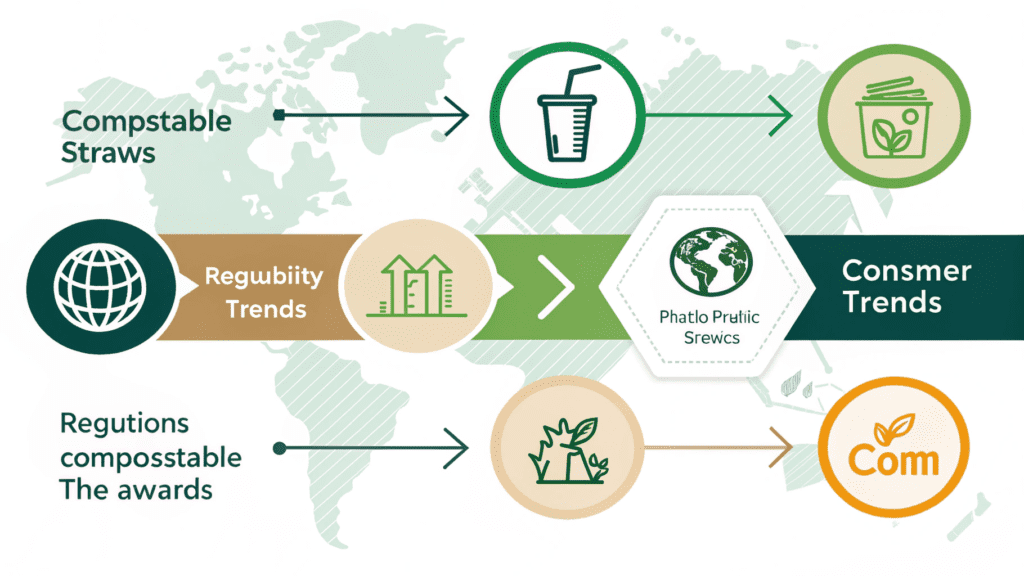
Günümüzün pazarı, genel olarak bitki bazlı polimerler ve doğal lifler olarak ayrılan, kompostlaştırılabilir saman malzemelerinin temel kategorilerini sunmaktadır. Bitki bazlı polimerler arasında Polilaktik Asit (PLA) ve Polihidroksialkanoat (PHA) yer alırken, doğal lifler Kağıt, Şeker Kamışı (Bagasse), Bambu, Pirinç ve Buğday gibi malzemeleri kapsar. Küresel çevre dostu pipet pazarı sadece büyümekle kalmıyor; 2035 yılına kadar yaklaşık 25,1 milyar ABD dolarına ulaşacağı öngörülüyor; bu da güçlü ve hızla büyüyen bir sektöre işaret ediyor. Bu büyüme, artan çevre bilinci, daha katı plastik düzenlemeleri ve sektörler genelinde Kurumsal Sosyal Sorumluluk (KSS) girişimlerine daha fazla odaklanılmasıyla destekleniyor. Büyük pazar oyuncuları sürekli olarak yenilikler yaparak bu sürdürülebilir çözümlerin olgunluğunu ve küresel olarak benimsendiğini ortaya koyuyor. Örneğin, Huhtamaki Oyj ve Vegware gibi şirketler gübrelenebilir ambalaj ekosistemine önemli katkılarda bulunurken, yenilikçi malzemeler de bu konuda öne çıkan şirketler tarafından geliştiriliyor.momoio.comgelişmiş kompostlanabilir ambalaj çözümleri gibi.

Doğru Gübrelenebilir Pipeti Seçmek: Bir Alıcının Temel Malzeme Rehberi
İşletmeniz için en uygun seçimi yapmak, her malzemenin özelliklerine derinlemesine bakmayı gerektirir. Tedarik ekiplerinin sadece kompostlaştırılabilir pipetlerin neyden yapıldığını değil, aynı zamanda nasıl performans gösterdiklerini, imha gereksinimlerini ve belirli operasyonel ihtiyaçlara genel uygunluklarını da anlaması gerekiyor.
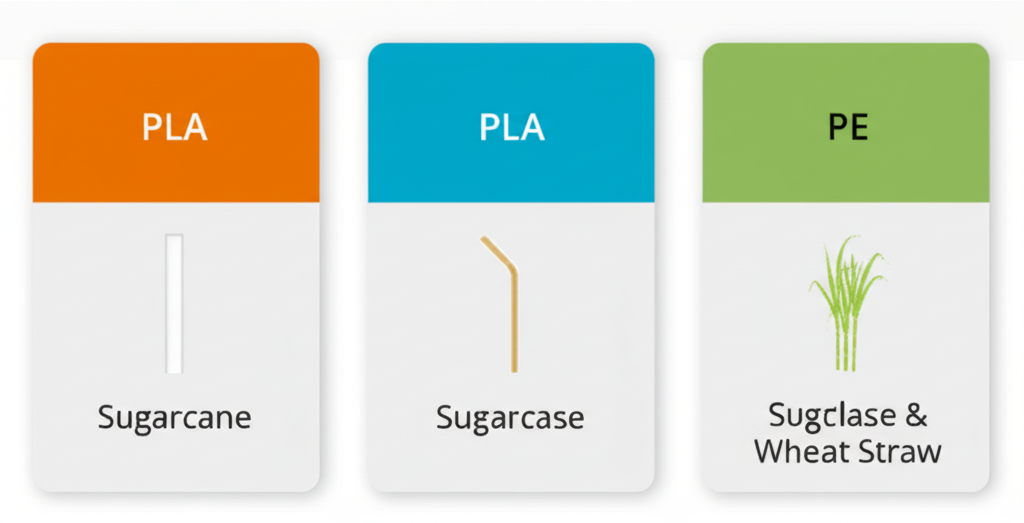
- Polilaktik Asit (PLA): Mısır nişastası veya şeker kamışı gibi yenilenebilir kaynaklardan elde edilen PLA pipetleri, geleneksel plastiğe benzer bir his sunar. Bununla birlikte, bunların kritik uyarısı, tamamen parçalanması için tipik olarak 56-60°C sıcaklıklara ihtiyaç duyan endüstriyel kompostlama tesislerinin gerekliliğidir. Bu özel koşullar olmadan PLA, geleneksel plastik atıklara benzer şekilde çöplüklerde yüzlerce yıl kalabilir.
- Polihidroksialkanoat (PHA): Bitkisel yağların veya şekerlerin fermantasyonu yoluyla üretilen PHA, sağlam dayanıklılığı ve hem evde kompostlanabilir hem de denizde parçalanabilir olma avantajıyla öne çıkıyor. Bu, PHA pipetlerinin daha geniş bir yelpazedeki doğal ortamlarda verimli bir şekilde parçalanabileceği ve daha çok yönlü bir imha profili sunabileceği anlamına gelir.
- Kağıt: Made from wood pulp, bamboo, or bagasse, modern paper straws have seen advancements in water-resistant coatings. While earlier versions often suffered from sogginess and could impart a taste, newer innovations aim to overcome these performance challenges. It’s crucial to source PFAS-free paper straws to avoid “forever chemicals.”
- Sugarcane (Bagasse) & Wheat Straw: These materials are derived from agricultural waste, specifically the fibrous byproduct of sugarcane juice extraction and wheat harvesting. They are known for their natural sturdiness and impressive home compostability, making them highly desirable for truly circular economy initiatives.
To aid in strategic sourcing, consider the following comparative analysis:
| Özellik | Pla | PHA | Kağıt | Şeker kamışı (Bagasse) |
|---|---|---|---|---|
| Primary Source | Mısır nişastası, Şeker kamışı | Bitkisel Yağlar, Şekerler | Wood Pulp, Bamboo, Bagasse | Sugarcane Waste Fibers |
| Feel/Appearance | Plastic-like | Plastic-like | Paper/Fiber | Natural Fiber, Sturdy |
| Hot Liquid Suit. | Softens at high temps | High temperature resistant | Varies (can soften) | High temperature resistant |
| Cold Liquid Suit. | İyi | Excellent | Varies (can soften) | Excellent |
| Disposal Req. | Industrial Composting (Crucial) | Home & Industrial, Marine Degradable | Home & Industrial (often wax-coated) | Home & Industrial |
| Dayanıklılık | Good (can be brittle) | Excellent, resists sogginess | Varies (can get soggy) | Excellent, resists sogginess |
| Tat Tarafsızlığı | Generally neutral | Generally neutral | Can impart paper taste | Doğal |
| PFAS Riski | Low (not typically coated) | Çok Düşük | Higher (in some coated varieties) | Düşük |
| Tipik maliyet | Orta ila Yüksek | High (but improving) | Ilıman | Ilıman |
Özellikle Avrupa ve ABD'deki B2B alıcıları için önemli bir endişe, bazı kağıt pipetlerinde bulunan "sonsuza kadar kimyasallar" (PFAS) tartışmasıdır. PFAS içermeyen seçenekleri garanti eden tedarikçilerle ortaklık kurmak hayati önem taşıyor. PLA popüler bir seçim olmaya devam ederken, uygun kompostlama altyapısına yönelik kritik ihtiyaç çoğu zaman gerçek dünyadaki çevresel faydalarını sınırlamaktadır. Ancak PHA, daha erişilebilir ortamlarda ayrıştırarak bu zorluğun üstesinden gelen, daha çok yönlü bir bozunma profili sunar. İleriye bakıldığında, deniz yosunu bazlı pipetler, bakteriyel selüloz ve gelişmiş nişasta-lignin pipetleri dahil olmak üzere geleceğe yönelik heyecan verici gelişmeler devam ediyor. En son araştırmalarda vurgulananlar gibi bu yenilikler, ticari kullanımın zorlu taleplerini karşılayabilecek daha sürdürülebilir ve daha yüksek performanslı seçeneklerin önünü açıyor. Sertifikalara derinlemesine bakmak için şu adresteki buna benzer kılavuzları keşfedin:momoio.com'dan BPI Sertifikası.
Sürdürülebilir Saman Tedarikiyle Operasyonlarınızı Geleceğe Hazırlama
Beyond mere compliance, choosing the right compostable straws offers tangible operational benefits. By selecting materials that avoid common issues like sogginess or taste alteration, businesses can significantly enhance the customer experience, thereby protecting and even elevating their brand image. This strategic shift is crucial for meeting escalating regulatory demands, particularly in markets with stringent plastic bans like many across the European Union and progressive US states, helping businesses avoid potential penalties or public relations crises. Furthermore, adopting truly compostable solutions strengthens your brand’s sustainability narrative, attracting the growing segment of eco-conscious consumers and partners who prioritize environmental responsibility. Find out more about how sustainable packaging aligns with your business goals atmomoio.com/blog/sustainable-packaging-guide.
Investing in advanced compostable straws is a powerful competitive differentiator. It positions your business as a leader in environmental stewardship, demonstrating a genuine commitment to a greener future. This move isn’t just about good optics; it’s about actively reducing landfill waste and supporting a circular economy, which aligns perfectly with broader corporate social responsibility goals and investor expectations. In the long term, this responsible sourcing can lead to direct cost savings through reduced waste disposal fees and an improved public perception that translates into increased customer loyalty and market share. Recent reports from research firms like Future Market Insights confirm the robust growth of the eco-friendly straw market, underscoring the strategic advantage available to early adopters. This commitment to sustainability is increasingly influencing consumer choices, as demonstrated by reports from organizations like the National Retail Federation detailing the rise of conscious consumerism.

Secure Your Sustainable Straw Supply: Make an Informed Choice Today
The journey toward fully sustainable operations is complex, and selecting the optimal compostable straw material for your specific business needs is a critical step. Move beyond generic “biodegradable” claims and focus on certified compostable materials with proven performance that align with both your brand values and the practical realities of disposal. Don’t let uncertainty derail your sustainability efforts.