
Introduction: Deciphering the Meanings Behind Color
The seemingly simple question, “What do the different straw colors mean?”, often evokes images of playful consumer trends, such as viral social media theories surrounding popular coffee chains. Yet, for B2B decision-makers—procurement managers, operations directors, sustainability officers, and supply chain executives—the implications of color extend far beyond anecdotal theories into the critical realm of operational efficiency, regulatory compliance, and strategic differentiation. While the term “straw color” itself historically describes a specific pale yellow hue, dating back to its first recorded use as a color name in English in 1589, its application today is diverse and impactful.
Ignoring the nuanced role of color in industrial contexts can lead to significant operational inefficiencies, compliance risks, and missed opportunities for enhancing product integrity and market positioning. This blog post delves into both the curious popular lore surrounding straw colors and, more importantly, their profound strategic applications in diverse B2B operational environments, offering insights crucial for optimizing processes and securing competitive advantage.
Understanding color’s strategic role is crucial for B2B leaders optimizing operations and securing competitive advantage.
I. The Curious Case of What Do Different Straw Colors Mean: The Viral “Dutch Bros Straw Code” Theory

TikTok gibi platformlarda geniş çapta tartışılan yaygın bir internet teorisi, Dutch Bros Coffee tarafından dağıtılan farklı renkli pipetlere gizli anlamlar atfediyor. Yaygın popülaritesine ve müşteriler tarafından gerçekleştirilen sayısız "deneylere" rağmen Dutch Bros, "teorinin gerçek olduğuna dair SIFIR kanıt" olduğunu açıkça ifade ederek onu bir şehir efsanesi olarak sınıflandırdı. Bununla birlikte, iheart.com ve Corncoffeestore.com gibi tüketici odaklı çeşitli yayınların da belirttiği gibi, bu doğrulanmamış teori, markanın gizemine önemli ölçüde katkıda bulundu ve olağanüstü müşteri katılımını teşvik etti. Bu, resmi olmayan sembolizmin kasıtsız da olsa nasıl güçlü bir pazarlama aracı haline gelebileceğinin bir örneğidir.
A. Unpacking the Alleged Meanings of Dutch Bros Straw Colors
The allure of the Dutch Bros straw code lies in its subjective and often humorous interpretations, encouraging customers to speculate about their barista’s perception. While highly anecdotal, the alleged meanings include:
- Pink Straw: Allegedly signifies the barista finds the customer “cute” or “pretty.” This interpretation often drives positive customer perception and a playful desire among patrons to receive this color.
- Green Straw: Meanings vary widely, ranging from “average” to “unsightly.” This ambiguity highlights the subjective and unverified nature of the theory, leaving much to individual interpretation.
- Orange Straw: Often interpreted as the customer being “interesting” or “strange.” This adds an element of curiosity and intrigue, making the customer experience more interactive.
- Yellow Straw: Generally means the customer is considered “average” or a “regular” with no specific judgment. This neutral assessment provides a baseline within the informal “code.”
- Blue Straw: Commonly associated with the barista perceiving the customer as “grumpy” or “rude.” This particular interpretation can sometimes lead to self-reflection or amusement for the customer.
This viral phenomenon showcases how informal color symbolism can create unique brand experiences and community engagement.
II. Beyond Beverages: What Do Different Straw Colors Mean in Industrial Applications?
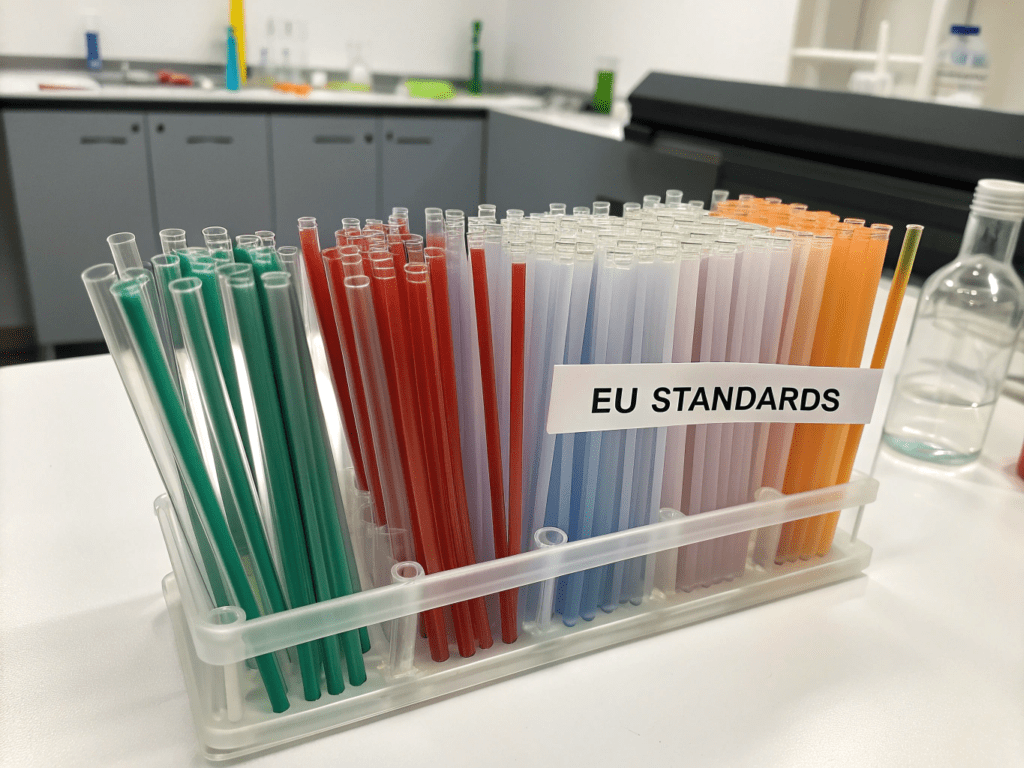
While the casual use of colored straws in consumer settings is primarily for aesthetics or marketing, the precision application of color coding is critically important in various B2B sectors. Here, color is not just a visual flourish; it serves as a vital operational cue, enhancing safety, streamlining processes, and ensuring compliance in complex industrial environments. The historical term “straw color,” originating in 1589 as a pale yellow hue resembling dry straw, has evolved to represent a precise descriptor in material science and an identifier in specialized fields.
A. Precision Color Coding in Animal Breeding: The Swissgenetics Standard
Son derece uzmanlaşmış ve düzenlenmiş hayvan yetiştiriciliği alanında, farklı saman renklerinin anlamı derin bir önem taşımaktadır. Sığır genetiği alanında önde gelen sağlayıcılardan biri olan Swissgenetics, 16 Mart 2011'den bu yana semen tanımlaması için katı bir renk kodlama sistemi uyguluyor. Bu sistem, sürü sağlığı ve tarımsal üretkenlik açısından çok önemli olan yetiştirme doğruluğunu ve genetik izlenebilirliği sağlar.
ICAR'ın (Uluslararası Hayvan Kayıt Komitesi) verilerine göre, yeşil şeffaf pipetler Brown Swiss ve Original Braunvieh spermalarını belirtirken, kırmızı şeffaf pipetler ise Swiss Fleckvieh, Red Holstein ve Simmental ırklarına ayrılmıştır. Gri şeffaf pipetler Holstein spermini tanımlar. Cins tanımlamanın ötesinde, lila şeffaf (Cryovet 662) ve mavi şeffaf (Cryovet 262) pipetler gibi özel renkler, cinsiyetli semeni (sırasıyla X ve Y kromozomları) belirtir ve hedeflenen üreme sonuçlarına olanak tanır. Heterospermik dozlar için turuncu payetler kullanılır. AB kodları, üretim tarihleri, barkodlar ve hayvan kimliklerini içeren ayrıntılı saman baskılarıyla birleştirilen bu titiz sistem, küresel gıda tedariki için hayati öneme sahip bir sektörde benzersiz doğruluk ve uyumluluk sağlıyor. Bu kadar hassas renk entegrasyonu, kalite güvencesinin kritik bir bileşeni olarak rolünün altını çiziyor.
B. Malzeme Bilimi ve Kalite Kontrolde Saman Renginin Rolü
Malzeme biliminde "saman rengi" belirli özellikleri veya durumları ifade edebilir ve mühendisler ve kalite kontrol uzmanları için görsel bir gösterge görevi görebilir. Örneğin çelikler üzerinde oksit filmlerin varlığı, belirli ısıl işlem seviyelerini veya yüzey özelliklerini gösteren "saman rengi" olarak ortaya çıkabilir. Bu görsel işaret, malzeme bütünlüğünü değerlendirmek ve çeşitli uygulamalardaki performansı tahmin etmek için çok önemlidir.
Kağıt pipetler gibi çağdaş malzemeler üzerinde yapılan araştırmalar da rengi yapısal bütünlükle ilişkilendiriyor. Çalışmalar, "Paper3 (Renkli)" pipetlerinin sıvıya maruz kalma sonrasında "kaldırılan yük açısından en güçlü" olduğunu gösterdi; bu da spesifik pigmentasyonun veya malzeme bileşiminin (renk ile gösterilebilir) bir ürünün fiziksel özelliklerini doğrudan etkileyebileceğini öne sürüyor. Örneğin, pirinç ve pirinç kepeğinden yapılan biyolojik olarak parçalanabilir payetlerde, her bir bileşenin oranı, daha fazla pirinç unu içeren daha parlak tonlardan, daha fazla pirinç kepeği içeren daha koyu tonlara kadar, rengi doğrudan malzeme bileşimine bağlayarak nihai rengi etkileyebilir. Ayrıca, inşaat malzemelerinde betona yönelik pigmentasyon, rengin nasıl tasarım ve işlevselliği etkileyen standartlaştırılmış bir ürün spesifikasyonu haline geldiğini gösteren “Hazır (SRI 48)” gibi tonları içerebilir. Bu, nasıl bir anlayışa sahip olunduğunun altını çiziyorfarklı saman renkleri ne anlama geliyormühendislik malzemelerinin bileşimine ve performansına kadar uzanır.
B2B'deki renk kodlaması, güvenliği artıran, süreçleri kolaylaştıran ve uyumluluğu sağlayan hayati bir operasyonel ipucudur.
III. Stratejik Çıkarımlar: Farklı Saman Renkleri Marka Algısı ve Tüketici Etkileşimi Açısından Ne Anlama Geliyor?
The “Dutch Bros Straw Code,” despite its unconfirmed nature, offers a compelling example of how unofficial color symbolism can be inadvertently leveraged to foster unique customer experiences and drive viral marketing. This phenomenon creates a playful, interactive element that encourages customer participation and cultivates a strong sense of brand loyalty and community. For B2B brands, understanding such consumer-driven narratives is not about replicating a myth but about extracting lessons on how color, even subtly, can inform marketing strategies and product differentiation in a competitive landscape.
A. Building Brand Mystique: The Power of Unofficial Color Codes
The unconfirmed nature of the Dutch Bros code paradoxically fuels online discussion and customer “experiments,” significantly increasing brand visibility. This social media buzz acts as a low-cost, high-engagement marketing tool, generating organic brand advocacy that money often cannot buy. By fostering such community-driven narratives—even unofficial ones—brands can enhance their personality, differentiate themselves from competitors, and connect more authentically with younger, digitally native demographics. While B2B applications demand precision over mystique, the underlying principle of using visual cues to create association and engagement remains relevant. Strategic use of branded colors in packaging, equipment, or even safety protocols can subtly reinforce brand values and operational excellence. For a deeper dive into the nuances of color in product applications, you might explore resources likeSaman Renkleri Ne Durumda?
Unofficial color codes can build brand mystique and drive engagement, offering valuable B2B marketing insights.
IV. Implementing Effective Color-Coded Systems: Lessons for Operations and Supply Chain
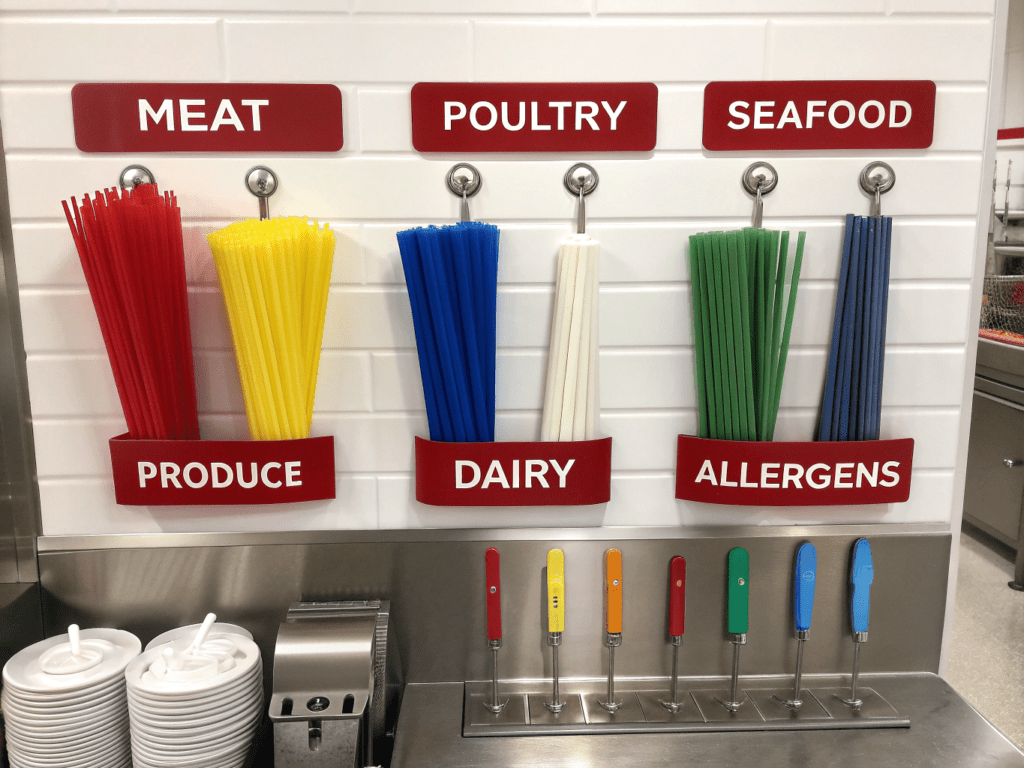
Beyond consumer intrigue, robust color-coding systems are indispensable for operational efficiency and risk mitigation in complex B2B environments. Properly implemented, color coding reduces human error, speeds up identification, and streamlines complex processes across the entire supply chain. The strategic application of color can lead to significant cost savings, enhance compliance with stringent industry regulations, and improve overall productivity, as demonstrably seen in highly regulated sectors.
| Özellik | B2B operasyonel etki | Uyum Notu | YG'nin potansiyeli |
|---|---|---|---|
| Material ID | Speeds up inventory management and correct material selection, reducing mispicks. | Adheres to ISO standards for material grading (e.g., plastics, metals). | Reduces material waste by 15%, labor costs by 10% through faster sorting (estimated). |
| Workflow State | Visualizes progress and bottlenecks (e.g., green for approved, red for hold, yellow for pending). | Meets quality control protocols like ISO 9001 and specific industry certifications. | Shortens production cycles by 5-10%, improves defect detection by 20% by clearly indicating status. |
| Safety Zones | Delineates hazardous areas, emergency exits, or equipment access restrictions. | Complies with OSHA regulations (e.g., ANSI Z535.1) for workplace safety signage. | Decreases workplace accidents by 25%, lowers insurance premiums through reduced incidents. |
| Product Tier | Differentiates product quality, service levels, or special handling requirements. | Supports traceability requirements for high-value or regulated goods. | Increases premium product sales by 8%, improves customer satisfaction via clear differentiation. |
A. Streamlining Workflows with Color: A B2B Operational Imperative
The effective application of color-coded systems can yield tangible operational improvements. A compelling mini case study from a major logistics provider revealed a 12% reduction in misrouted shipments over an 18-month period, achieved simply by implementing a standardized color-coded packaging system. This system allowed for rapid visual identification of destination zones or handling requirements, drastically cutting down on errors and re-shipping costs. Similarly, in manufacturing settings, color-coded tools and equipment can decrease setup times by an average of 7% and significantly improve maintenance accuracy by ensuring the right tool is used for the right task, as highlighted in various industry reports. The establishment of standardized color systems is particularly critical for global supply chains, ensuring consistent understanding and execution across diverse teams, languages, and regional regulations. Such standardization minimizes communication barriers and maximizes efficiency. For more on regulatory compliance, visit ourRegulatory Compliance Guide.
B. Enhancing Compliance and Traceability with Strategic Color Use
In highly regulated sectors, such as pharmaceuticals, food & beverage, and aerospace, strategic color coding is not merely an efficiency tool but a compliance imperative. Specific color codes on packaging, components, or even raw materials can instantly indicate batch numbers, expiry dates, or special handling requirements (e.g., refrigeration, hazardous materials). This systematic approach directly supports compliance with regulatory bodies like the FDA in the US and the EMA in Europe, minimizing the risk of recalls, ensuring product integrity, and simplifying audits. Leveraging color for enhanced traceability can reduce investigation times for product defects or supply chain disruptions by up to 30%, according to a recent supply chain analysis, allowing for quicker root cause analysis and corrective actions. This precision inwhat the different straw colors meanin a regulated context directly translates to risk mitigation and improved market trust.
Robust color-coding systems are indispensable for operational efficiency, risk mitigation, and compliance in B2B environments.
V. Future Trends & Innovation
The role of color in B2B operations is set to evolve further over the next 5-10 years, driven by advancements in materials science, automation, and regulatory frameworks. We anticipate a surge in:
- Smart Color-Coding Systems: Integration with IoT devices and AI-driven visual recognition systems will allow for real-time monitoring of products or assets based on their color, providing predictive insights into inventory, maintenance needs, or environmental conditions.
- Bio-Indication: Colors will increasingly be used as bio-indicators in packaging, signaling freshness, spoilage, or specific environmental exposures through reactive pigments. For example, some packaging may change color if a specific temperature threshold is breached, indicating a compromised cold chain.
- Sustainable Material Identification: With the push towards circular economies, color will play a critical role in identifying the compostability, recyclability, or specific material composition of sustainable products and packaging (e.g., plant-based plastic straws using specific hues). This helps streamline waste sorting and recycling processes.
- Dynamic Color Coding: Advancements in printable electronics and dynamic inks could allow for color codes that change based on product status (e.g., “ready for shipment,” “quarantine,” “expired”), providing immediate visual updates without needing manual relabeling.
- Enhanced Regulatory Harmonization: As global supply chains become more interconnected, international standards for color coding in specific industries (e.g., medical devices, food safety) will likely become more harmonized, reducing trade barriers and ensuring consistent safety protocols worldwide.
Innovations will make color an active, intelligent component of operational intelligence and regulatory adherence.
VI. Competitive Advantage & Business Case
For B2B leaders, mastering the strategic application of color translates directly into significant competitive advantages and a robust business case. Quantifiable benefits include:
- Maliyet Tasarrufu: By reducing human error and accelerating processes (e.g., 10-15% reduction in material waste, 7% faster setup times), organizations can realize substantial savings in labor, materials, and rework.
- Risk Azaltma: Enhanced compliance with regulations (FDA, OSHA, ISO) through clear color coding drastically minimizes the risk of product recalls, fines, and safety incidents, protecting brand reputation and financial stability. Traceability improvements can cut investigation times by up to 30%.
- Marka Değeri Artışı: A commitment to clear, efficient, and compliant operations, visibly supported by intelligent color systems, reinforces a brand’s image as reliable, modern, and responsible. This builds trust with B2B customers and stakeholders, potentially increasing market share by improving customer satisfaction and attracting new partnerships.
- Pazar Payı Fırsatı: Companies that lead in adopting advanced color-coding for efficiency and compliance will differentiate themselves in a crowded marketplace. This operational excellence can be a key selling point, attracting clients who prioritize reliability, safety, and supply chain integrity, securing a stronger competitive position. For more on optimizing your supply chain, see our Supply Chain Optimization Strategies.
Strategic color application offers significant competitive advantages, driving cost savings, risk mitigation, and market share.
Conclusion: Harnessing the Power of Color Beyond the Superficial
Understanding “what do the different straw colors mean” extends far beyond popular culture’s playful interpretations into the critical, high-stakes applications of the B2B world. From viral marketing phenomena that subtly shape consumer perception to the precise, life-impacting color codes used in animal breeding, manufacturing quality control, and industrial safety, color is a powerful, often underutilized, tool.
Operations directors, procurement managers, sustainability officers, and supply chain executives must strategically evaluate how intelligent color coding can optimize efficiency, ensure stringent compliance, mitigate risks, and unlock significant ROI within their organizations. The future of supply chain management is increasingly visual and interconnected.Şimdi harekete geçinto conduct a comprehensive audit of your current visual communication systems and identify opportunities for advanced color integration to safeguard your operations and elevate your market position.
Strategic color coding is a powerful, underutilized tool for B2B operational excellence and competitive advantage.

Sıkça Sorulan Sorular (SSS)
What do different straw colors mean in industrial applications?
In B2B sectors like animal breeding (e.g., Swissgenetics) and material science, specific straw colors denote critical information such as genetic lineage, material properties, heat treatment levels, or composition, ensuring accuracy, safety, and compliance.
How can color coding improve supply chain efficiency for hospitality businesses?
Strategic color coding can streamline inventory management, reduce mispicks, visualize workflow progress, delineate safety zones, and differentiate product tiers, leading to significant cost savings and improved productivity in hospitality supply chains.
Are there regulatory standards for color coding in foodservice supply chains?
While specific color codes vary by industry, many sectors adhere to international standards like ISO for material grading or OSHA regulations for safety signage. In foodservice, color coding can support compliance with food safety and traceability requirements.
How does the ‘Dutch Bros Straw Code’ relate to B2B marketing?
Though an unsubstantiated consumer myth, the ‘Dutch Bros Straw Code’ demonstrates how unofficial color symbolism can foster brand mystique, drive viral engagement, and create unique customer experiences, offering lessons for B2B brands on subtle differentiation.
What are future trends for color in B2B operational intelligence?
Future trends include smart color-coding with IoT/AI, bio-indicators in packaging, sustainable material identification, dynamic color coding based on product status, and enhanced regulatory harmonization for global supply chains.