አለም እየተቀየረች ነው። በምግብ አገልግሎት፣ በእንግዳ ተቀባይነት እና በችርቻሮ ዘርፍ ላሉ ንግዶች፣ በአንድ ጊዜ ጥቅም ላይ በሚውሉ ፕላስቲኮች ላይ ያለው ባህላዊ መታመን የአካባቢን ችግር ብቻ ሳይሆን ወሳኝ የአሠራር እና መልካም ስም ተግዳሮቶችን ያቀርባል። ዘላቂነት ከአስጨናቂ ጉዳይ ወደ ዋናው የንግድ ሥራ ሲሸጋገር፣ ለአካባቢ ተስማሚ የሆኑ አማራጮችን የሕይወት ዑደት እና ባህሪያትን መረዳት -በተለይም እንደ መጠጥ ገለባ ያለ በሁሉም ቦታ የሚገኝ ነገር - ዋነኛው ይሆናል። የግዥ አስተዳዳሪዎች፣ ኦፕሬሽን ዳይሬክተሮች፣ የዘላቂነት ኦፊሰሮች እና የአቅርቦት ሰንሰለት አስፈፃሚዎች ምርቶችን መግዛት ብቻ አይደሉም። በምርታቸው የወደፊት ጊዜ ላይ ኢንቨስት እያደረጉ ነው፣ ከሸማች እሴቶች ጋር በማጣጣም እና እየጨመረ ጥብቅ የሆነ የቁጥጥር መልክዓ ምድርን በንቃት በማሰስ ላይ ናቸው።
የሚታየው የፕላስቲክ ብክለት ከውቅያኖስ ጅሮች ጀምሮ እስከ ማይክሮፕላስቲክ ብክለት ድረስ ያለው የምግብ ሰንሰለታችን በድርጅታዊ ማህበረሰባዊ ሃላፊነት (CSR) እና የህዝብ ግንዛቤ ላይ በቀጥታ ይጎዳል። ከፕላስቲክ ብክነት ጋር የተቆራኙ ብራንዶች የተጠቃሚዎችን ምላሽ እና የገበያ እምነት ማሽቆልቆልን አደጋ ላይ ይጥላሉ። የሸማቹ ስሜት ግልፅ ነው፡ ከግራንድ ቪው ምርምር የገበያ ግንዛቤን ጨምሮ ጥናቶች እንደሚያመለክቱት ወደ 80% የሚጠጉ ሸማቾች ለአካባቢ ተስማሚ የሆኑ ምርቶችን በንቃት እንደሚመርጡ በቀጥታ ወደ ግዢ ውሳኔዎች እና የምርት ስም ታማኝነት መተርጎም። ይህ አዝማሚያ አይደለም; በተጠቃሚዎች ባህሪ ውስጥ መሠረታዊ ለውጥ ነው. በተመሳሳይ ጊዜ፣ ዓለም አቀፋዊ የቁጥጥር ማዕበል ነጠላ ጥቅም ላይ ከሚውሉ ፕላስቲኮች ጋር እየተለወጠ ነው። የአውሮፓ ህብረት የነጠላ አጠቃቀም የፕላስቲክ መመሪያ እና በመላው ዩናይትድ ስቴትስ እየጨመረ ያለው የስቴት ደረጃ እገዳዎች በህጋዊ መንገድ ሽግግርን ያስገድዳሉ። አለማክበር ከፍተኛ ቅጣትን እና የህግ ተግዳሮቶችን ብቻ ሳይሆን ከፍተኛ የሆነ መልካም ስም መጥፋትንም ይጋብዛል። ስለዚህ ባዮግራዳዳዴድ ገለባ ስልታዊ ጉዲፈቻ ቅጣቶችን ማስወገድ ብቻ አይደለም። በአካባቢያዊ ተጠያቂነት በተገለጸው ዘመን ኃይለኛ የውድድር ጥቅም ስለመያዝ፣ ፈጠራን የሚያመለክት እና የገበያ አመራርን ስለማጠናከር ነው።
ዘላቂ መፍትሄዎችን ይፋ ማድረግ፡- ከባዮሎጂካል ገለባ በስተጀርባ ያለው ሳይንስ
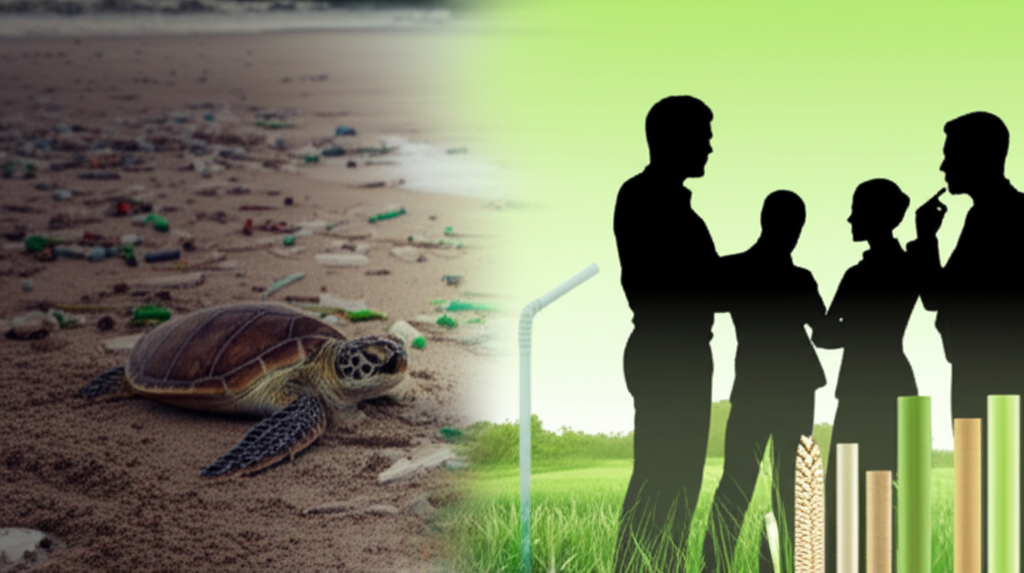
The journey from ancient drinking tubes to today’s advanced biodegradable straws is a testament to human ingenuity and evolving environmental consciousness. Millennia ago, ancient Mesopotamians and Egyptians utilized natural reeds and precious metals for sipping. The 19th century saw Marvin C. Stone’s revolutionary paper straw, born from a desire for a cleaner, non-soggy alternative to rye grass. Despite this innovation and Joseph Friedman’s later invention of the bendy straw, the mid-20th century ushered in the era of plastic straws—cheap, durable, and globally dominant. However, the 21st century witnessed a dramatic awakening. Viral images of marine life entangled in plastic waste underscored the devastating impact of single-use plastics, reigniting a global demand for sustainable solutions.
Today, biodegradable straws are crafted from a diverse array of materials, each bringing unique properties and manufacturing complexities to the table. These fall broadly into three categories:
- Plant-Based Polymers (Bioplastics): Leading this category are Polylactic Acid (PLA) and Polyhydroxyalkanoates (PHA). PLA is derived from fermented plant starches (like corn, sugarcane, or cassava) and offers a feel and clarity similar to conventional plastic. PHA, a newer bioplastic, comes from renewable resources like vegetable oils and is known for enhanced biodegradability.
- ወረቀት A common and continuously evolving option, paper straws are made from high-quality, food-grade paper, often sourced from sustainably managed (FSC-certified) forests.
- Natural Fibers and Agricultural Byproducts: This diverse group includes materials like fast-growing bamboo, hollow wheat stems (a byproduct of grain harvesting), rice and tapioca starches, fibrous residue from crushed sugarcane (bagasse), and even agave waste fibers.
The manufacturing processes for these eco-friendly alternatives are as varied as their materials, yet all are designed with sustainability at their core.
The Manufacturing Journey: From Raw Material to Eco-Friendly Straw
1. Bioplastic (PLA & PHA) Straw Production
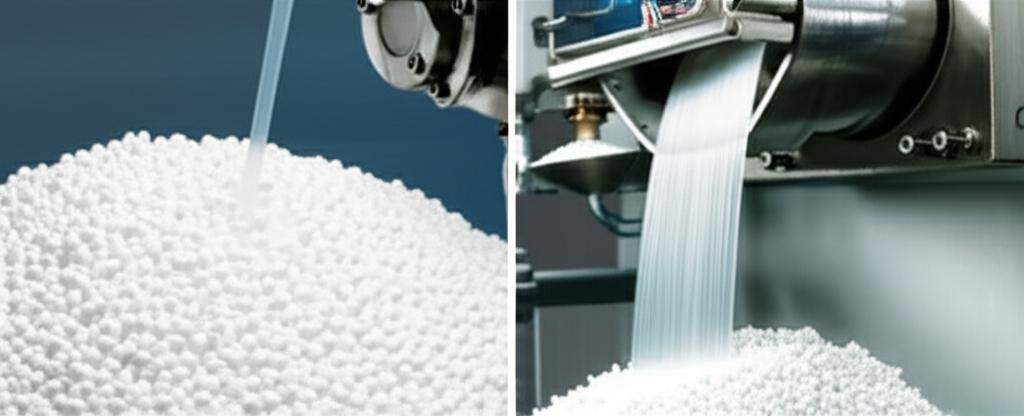
የ PLA ገለባ ማምረት የሚጀምረው ታዳሽ ጥሬ ዕቃዎችን በተለይም የበቆሎ ስታርች ወይም ሸንኮራ አገዳ በጥንቃቄ በማፈላለግ ነው። ስታርችኑ ይወጣና ከዚያም የመፍላት ሂደትን ያካሂዳል, ኢንዛይሞች እና ጠቃሚ ባክቴሪያዎች ወደ ላቲክ አሲድ ይቀይራሉ. ይህ ፈሳሽ ላቲክ አሲድ በሙቀት ይሞላል እና በፖሊሜራይዜሽን ምላሽ ውስጥ ይጣመራል, የ polylactic acid (PLA resin) ረጅም ሰንሰለቶችን ይፈጥራል. ይህ ሙጫ በመቀጠል ወደ ትናንሽ እና የተጣራ እንክብሎች ይሠራል. እነዚህ የPLA እንክብሎች ቀልጠው ወደ የላቀ ኤክስትሮደር ማሽን ይመገባሉ፣ ይህም የቀለጠውን PLA በትክክል በተመረተ ዳይ ውስጥ በመግፋት ረጅምና ቀጣይ ቱቦዎች እንዲሆኑ ያደርጋል። የተወጡት ቱቦዎች ወደሚፈለገው የገለባ ርዝመት ከመቁረጥ በፊት ቅርጻቸውን ለማጠናከር በፍጥነት ይቀዘቅዛሉ, መዋቅራዊ ጥንካሬን ያረጋግጣሉ. የመጨረሻው ደረጃ ጥብቅ የጥራት ፍተሻዎችን ያካትታል, ገለባዎች አንድ አይነት ልኬቶች, ለስላሳ ጠርዞች እና አጠቃላይ ጥንካሬ የሚረጋገጡበት. ለB2B ግዥ በወሳኝ መልኩ፣ አምራቾች ከተወሰኑ የኢንዱስትሪ ማዳበሪያ ደረጃዎች ጋር መከበራቸውን ያረጋግጣሉ፣ ይህም ምርቱ የታሰበውን የህይወት መጨረሻ ዑደቱን የሚያሟላ መሆኑን ያረጋግጣል። ይህ እንደ ከፍተኛ የሙቀት መጠን (56-60 ° ሴ) እና የተለየ የማይክሮባላዊ እንቅስቃሴን ይጠይቃል፣ ይህም ለትክክለኛው አወጋገድ ቁልፍ ልዩነት ነው። ለእንደዚህ ዓይነቶቹ ምርቶች ልዩ መስፈርቶችን መረዳት በጣም አስፈላጊ ነው ፣ ምክንያቱም የብስባሽ እና የብዝሃ-ማረጋገጫ የምስክር ወረቀቶችን ውስብስብነት ማሰስ ለግዥ አስተዳዳሪዎች ወሳኝ ነው ፣ በዝርዝር መመሪያችን ውስጥ የተዳሰሰው ርዕስBPI ኮምፖስትብል ከባዮዲዳዳድ ዘላቂነት ጋር.
2. የላቀ የወረቀት ገለባ ማምረት
ዘመናዊ የወረቀት ገለባዎች በተሻሻለ ዘላቂነት እና በአካባቢያዊ ታማኝነት ላይ በማተኮር ከቀደምት ቀዳሚዎቻቸው ጉልህ የሆነ ዝላይን ይወክላሉ። ሂደቱ የሚጀምረው በትላልቅ ጥቅልሎች ከፍተኛ ጥራት ባለው የምግብ ደረጃ ወረቀት ነው, ብዙውን ጊዜ ዘላቂነት ያለው, በትክክል ወደ ጠባብ ቁርጥራጮች የተቆራረጡ ናቸው. ብዙ የወረቀት ንብርብሮች፣በተለይ ሶስት ወይም አራት፣በኢኮ ተስማሚ፣ውሃ ላይ የተመሰረተ ማጣበቂያ ተሸፍነዋል። እነዚህ ንጣፎች ከዚያም በማንዴላ ወይም በእንዝርት ዙሪያ በጥብቅ ቁስለኛ ሲሆኑ የቱቦው ገለባ ቅርጽ ይሠራሉ። ወሳኝ እድገት የባለቤትነት፣ ውሃ ተከላካይ ሽፋን - ብዙ ጊዜ ከዕፅዋት የተቀመመ እና ከ PFAS-ነጻ - አፈፃፀሙን በእጅጉ የሚያሻሽል እና የተለመደውን የጭንቀት ጉዳይ የሚፈታ ነው። የተፈጠሩት ገለባዎች ማጣበቂያውን ለመፈወስ እና ቅርጹን ለማዘጋጀት ቁጥጥር የሚደረግበት የማድረቅ ሂደት ይከተላሉ. ከዚያም ረጅም ቱቦዎች ትክክለኛ ርዝመት ያላቸው ነጠላ ገለባዎች ተቆርጠዋል. ጥብቅ የጥራት ፍተሻዎች ጥንካሬን፣ ተመሳሳይነት እና የምግብ ደህንነት መስፈርቶችን ማክበርን ያረጋግጣሉ፣ ይህም ከጎጂ “ለዘላለም ኬሚካሎች” (PFAS) ነፃ መሆናቸውን ማረጋገጥን ጨምሮ፣ ኃላፊነት ላለው ግዥ አስፈላጊ ነው።
3. የተፈጥሮ ፋይበር ገለባ ማምረት (ቀርከሃ፣ ስንዴ፣ ሩዝ፣ ሸንኮራ አገዳ)

These straws leverage the inherent properties of natural plants, often requiring simpler, more mechanical processing. Raw materials like mature bamboo stalks or hollow wheat stems are sustainably harvested. For materials like sugarcane bagasse, it involves collecting the fibrous residue from existing agricultural processing. Thorough cleaning is paramount. For bamboo, this might involve natural disinfection with solutions like vinegar and water, followed by cutting into desired lengths and hollowing out natural nodes. Rice and tapioca straws involve producing a starch mixture, which is then steamed and extruded into straw shapes. Sugarcane bagasse can be pressed and molded into a material with plastic-like properties. The straws undergo natural or controlled drying processes to reduce moisture content and enhance stability. Edges are often sanded smooth for safe and comfortable use. These natural fiber straws inherently boast high biodegradability, breaking down without leaving harmful residues, aligning perfectly with a circular economy approach. For those exploring viable alternatives for everyday consumables, our comprehensive B2B guide onbiodegradable drinking tubesoffers deeper insights into material selection and supplier vetting.
Empowering Business Decisions: Comparative Analysis & Market Dynamics
For discerning decision-makers, choosing the right biodegradable straw involves a nuanced understanding of their performance characteristics, environmental impact, and cost implications. The market offers a range of options, each suited to different business needs and customer experiences.
| ገለባ ዓይነት | Key Performance Attributes | Disposal & Environmental Impact | Cost Implications (B2B) | Ideal Business Applications |
|---|---|---|---|---|
| PLA | ዘላቂነትHigh, similar to plastic.Temperature:Best for cold/room temp (can soften in hot).Taste/Odor:Neutral.የአፍ ስሜት፡Smooth, plastic-like.Reusability:Single-use. | ማካካሻIndustrial composting required (e.g., 56-60°C).ባዮሎጂያዊነት፡Very slow in landfills/natural environments; can take years.Microplastics:Can persist and break into microplastics if not industrially composted. | Medium (more cost-effective than paper). | Quick-service restaurants, cafes with cold drinks, events where plastic feel is desired. |
| ወረቀት | ዘላቂነትVariable; improved with coatings, but can get soggy.Temperature:Best for cold/room temp.Taste/Odor:Can impart slight paper taste.የአፍ ስሜት፡Varies; can feel fibrous.Reusability:Single-use. | ማካካሻGenerally compostable, but often requires industrial composting (some contain PFAS).ባዮሎጂያዊነት፡Breaks down within 2-6 weeks.Microplastics:No plastic microplastics; concern over PFAS residues. | Medium to High (can be more expensive than PLA). | Cafes, bars, takeaway, high-volume venues, compliant with broad bans. |
| የቀርከሃ | ዘላቂነትHigh, very sturdy.Temperature:Suitable for hot/cold.Taste/Odor:Natural, subtle.የአፍ ስሜት፡Natural, woody.Reusability:Yes, with cleaning. | ማካካሻHome & industrial compostable.ባዮሎጂያዊነት፡Fully natural breakdown into soil nutrients.Microplastics:ምንም። | High (initial cost), but offset by reusability. | Eco-conscious establishments, high-end cafes, hotels, catering (for reusable options). |
| ሸንኮራ አገዳ (ባጋሴ) | ዘላቂነትGood, sturdy, maintains integrity.Temperature:Good for hot beverages (up to 90°C).Taste/Odor:Neutral.የአፍ ስሜት፡Smooth, fibrous feel.Reusability:Single-use. | ማካካሻHome & industrial compostable.ባዮሎጂያዊነት፡Breaks down naturally.Microplastics:ምንም። | Medium. | Cafes, hotels, catering, any venue needing durable, heat-resistant single-use option. |
| Rice/Edible | ዘላቂነትModerate (can soften in hot liquids).Temperature:Best for cold/room temp.Taste/Odor:Neutral; can be flavored.የአፍ ስሜት፡Smooth, edible.Reusability:Single-use (and edible). | ማካካሻFully home compostable.ባዮሎጂያዊነት፡Very fast (e.g., 90 days in natural environment).Microplastics:None. Safe for marine life if consumed. | Medium to High. | Unique cafes, eco-conscious events, educational institutions (novelty, safety), places with severe plastic bans. |
| Wheat Stem | ዘላቂነትGood, naturally hollow & sturdy.Temperature:Good for cold/room temp.Taste/Odor:Neutral (gluten-free despite wheat origin).የአፍ ስሜት፡Natural, clean.Reusability:Single-use. | ማካካሻHome & industrial compostable.ባዮሎጂያዊነት፡Fully natural breakdown.Microplastics:ምንም። | Low to Medium (agricultural byproduct). | Bars, eco-friendly events, cost-sensitive businesses seeking natural alternative. |
Navigating the Green Market: Essential Industry Insights for Decision-Makers
The global eco-friendly straws market is experiencing robust growth, projected to reach nearly USD 25.1 billion by 2035 from an estimated USD 12.3 billion in 2025, with a compound annual growth rate (CAGR) of 7.3%. This expansion is fueled by several interconnected factors crucial for businesses to recognize. Government mandates, such as the EU’s proactive stance on single-use plastics and various state-level prohibitions across the USA, are directly driving demand. Concurrently, evolving consumer preferences, particularly among younger generations, for transparently sustainable products compel businesses to adapt. Corporate sustainability initiatives, driven by CSR goals and investor pressure, further accelerate this shift. Leading regions in adoption include North America and Europe, pioneers in environmental consciousness and policy, while Asia-Pacific is rapidly emerging due to increasing urbanization and green manufacturing initiatives.
ምንም እንኳን ፍጥነት ቢኖረውም, ውሳኔ ሰጪዎች አንዳንድ ውስብስብ ነገሮችን ማሰስ አለባቸው. የ"አረንጓዴ እጥበት" ክርክርጠቃሚ ሆኖ ይቆያል፡ የPLA ገለባዎች በእጽዋት ላይ የተመሰረቱ ሲሆኑ፣ በዋናነት የኢንደስትሪ ማዳበሪያ ፋሲሊቲዎች (እንደ 140°F ወይም 60°C ባሉ የሙቀት መጠን የሚሰሩ) ውጤታማ በሆነ መንገድ እንዲበላሹ ይፈልጋሉ። በአግባቡ ካልተያዙ ለዘመናት በቆሻሻ ማጠራቀሚያዎች ውስጥ ሊቆዩ ይችላሉ, እንደ ባህላዊ ፕላስቲኮች. ይህ ግልጽ የሆነ የBPI ሰርተፊኬቶችን እና እውነተኛ ብስባሽነትን የመረዳትን አስፈላጊነት ያጎላል።
ትልቅ አሳሳቢ ጉዳይ ነው።የPFAS ፈተና. Recent studies, notably from Europe, have detected “forever chemicals” (poly- and perfluoroalkyl substances) in many paper and bamboo straws, used for water repellency. These chemicals are long-lasting and linked to health issues, necessitating stringent supplier vetting and demanding PFAS-free certifications to protect both consumers and the environment. This directly impacts the safety and long-term compliance of your procurement choices.
BalancingPerformance vs. Cost vs. Perceptionis another ongoing challenge. Early iterations of paper straws, for example, often suffered from sogginess, affecting customer experience. While innovations have improved durability, this trade-off between cost efficiency, product performance, and customer satisfaction requires careful consideration. Ultimately, choosing the right supplier for biodegradable drinking straws is paramount to ensuring product integrity and alignment with your sustainability goals.
የDisposal Infrastructure Gapspresent a practical hurdle. Even truly compostable bioplastics face limitations due to the scarce availability of industrial composting facilities, particularly in the United States where there are just over 100 qualified commercial composting centers. This means many “compostable” straws may still end up in landfills, negating their environmental benefit. Businesses need to assess local infrastructure and plan accordingly. Finally,Accessibility Considerationsfor individuals with disabilities must be addressed. Many rely on the flexibility and safety of traditional plastic straws, and alternatives like metal or glass can pose injury risks, while some compostable options may not be suitable. Inclusive solutions are paramount. Despite these hurdles, adopting verified sustainable straws presents immenseOpportunities for Brand Differentiation. It showcases a genuine commitment to environmental stewardship, attracting eco-conscious customers and aligning with critical CSR goals, ultimately enhancing brand value and market competitiveness.

Your Path to Sustainable Operations: A Forward-Looking Outlook
The future of biodegradable straws is vibrant, with continuous innovation aimed at overcoming current limitations and pushing the boundaries of sustainable design. Breakthroughs in materials science are leading toemerging materialssuch as bacterial cellulose straws, which are as cheap as plastic, stronger than paper, and break down without composting, potentially tasting like dried coconut. Advanced PHA bioplastics and foam-based bioplastics are being engineered for faster and more complete degradation in diverse environments, including marine settings, with foam CDA straws showing disintegration in seawater in as little as 8 months. Researchers are also exploring bio-based plastics incorporating starch and lignin for enhanced integrity and natural decomposition. Thesetechnological advancementsinclude improved water-resistant coatings for paper straws using biodegradable plastic and cellulose nanocrystals, ensuring they maintain physical integrity in both hot and cold drinks. Furthermore, the focus oncircular economy principlesis driving research into energy-efficient production methods, such as solar-powered machinery, and fostering collaborations between manufacturers and waste management facilities to streamline composting and repurposing processes.
To effectively transition your operations towards a greener future with biodegradable straws, a strategic and informed approach is paramount. Firstly, conduct acomprehensive needs assessmentfor your business, evaluating volume requirements, types of beverages served, and available waste management infrastructure. This will guide your material selection. Secondly, forge astrategic supplier partnership. Prioritize suppliers offering transparent certifications (e.g., BPI, TUV Austria OK Compost INDUSTRIAL/HOME, FSC) and proven product performance, ensuring their claims align with your sustainability goals and local disposal capabilities. Thirdly, consider apilot programwithin a controlled environment. Test different straw types in real-world scenarios to gauge durability, user satisfaction, and operational efficiency, gathering invaluable feedback before a full-scale rollout. Fourthly,educate and communicateeffectively. Develop clear internal training for staff on proper usage and disposal, and create compelling messaging for customers explaining your commitment to sustainable choices. Finally,embrace the future of waste managementby actively investigating opportunities for partnering with industrial composting facilities or supporting local green initiatives that can handle your chosen biodegradable materials.
The time to act is now. By integrating carefully selected, truly biodegradable straws into your supply chain, your organization can significantly reduce its environmental footprint, mitigate escalating regulatory risks, and enhance brand value in a competitive market. This proactive approach will not only contribute to a healthier planet but will also position your company as a visionary leader, capturing market share and building deep, lasting trust with an increasingly eco-conscious clientele. Make the strategic choice for sustainability, and lead your business into a more responsible and prosperous future.
ተዘውትረው የሚጠየቁ ጥያቄዎች (ተዘውትረው የሚጠየቁ ጥያቄዎች)
What are the primary materials used to make biodegradable straws?
Biodegradable straws are primarily made from:
- Plant-based polymers (e.g., PLA, PHA)
- Food-grade paper
- Natural fibers & agricultural byproducts - የቀርከሃ፣ የስንዴ ግንድ፣ ሩዝ/ታፒዮካ ስታርች፣ የሸንኮራ አገዳ ከረጢት፣ አጋቭ፣ ወዘተ.
የ PLA ገለባዎች በእውነት ባዮዲግሬድ ያደርጋሉ?
PLA በእጽዋት ላይ የተመሰረተ እና ብስባሽ, ግን በተለምዶ ያስፈልገዋል የኢንዱስትሪ ማዳበሪያ (≈56-60 ዲግሪ ሴንቲ ግሬድ እና ልዩ ተህዋሲያን እንቅስቃሴ)። በቆሻሻ ማጠራቀሚያዎች ወይም በተፈጥሮ አካባቢዎች፣ PLA ለዓመታት ሊቆይ ይችላል እና በትክክል ካልተዳበረ ወደ ማይክሮፕላስቲክ ሊከፋፈል ይችላል።
ሊበላሹ በሚችሉ ገለባዎች ውስጥ ስለ "ለዘላለም ኬሚካሎች" (PFAS) ስጋቶች አሉ?
አዎ። አንዳንድ ጥናቶች (በተለይ በአውሮፓ) PFASን በተወሰነ ደረጃ አግኝተዋል ወረቀት እና የቀርከሃ የውሃ መከላከያ ጥቅም ላይ የሚውሉ ገለባዎች. የሚያቀርቡትን አቅራቢዎች ይምረጡ PFAS-ነጻ የእውቅና ማረጋገጫዎች ጤናን እና የአካባቢን ታማኝነት ለመጠበቅ.
ሊበላሹ የሚችሉ ገለባዎችን ሲጠቀሙ ንግዶች የሚያጋጥሟቸው ዋና ዋና ችግሮች ምንድን ናቸው?
- ከፍተኛ ምርት እና አሃድ ዋጋ ከፕላስቲክ ጋር
- የአፈጻጸም ችግሮች (ለምሳሌ፣ ቀደምት የወረቀት ስሪቶች ጨልመዋል)
- የተገደበ መዳረሻ የኢንዱስትሪ ማዳበሪያ ለ PLA
- እውነተኛ ባዮዳዳዴሽን ማረጋገጥ እና ማስወገድ አረንጓዴ እጥበት
- ተደራሽነትን ማረጋገጥ (ለምሳሌ፡ ለአካል ጉዳተኛ እንግዶች አማራጮች)
ሊበላሽ በሚችል የገለባ ቴክኖሎጂ የወደፊት እድገቶች ምንድናቸው?
- ቀጣይ-ጂን ቁሳቁሶች እንደ ባክቴሪያ ሴሉሎስ እና የላቀ PHA (ፈጣን የባህር መበላሸት)
- ተሻሽሏል። ውሃ-ተከላካይ, PFAS-ነጻ ሽፋን ለጥንካሬ
- የበለጠ ኃይል ቆጣቢ ማምረት እና ሰፊ ክብ-ኢኮኖሚ ውህደት