የሚበላ ገለባ ለንግድዎ ትክክለኛ ዘላቂ ምርጫ ነው?
ቀጣይነት ያለው የመጠጣት የወደፊት ዕጣ፡- የሚበሉ ገለባዎች እውነተኛው ዜሮ ቆሻሻ መፍትሔ ለንግድ ድርጅቶች ናቸው?

የወደፊት የመጠጥ አገልግሎትን ማሰስ
ነጠላ ጥቅም ላይ የሚውለውን የፕላስቲክ ቆሻሻን ለመግታት ያለው ዓለም አቀፋዊ አስፈላጊነት ትሑት የሆነውን የመጠጥ ገለባ ወደ ትኩረት ብርሃን ውስጥ እንዲገባ አድርጎታል፣ ይህም ከአመቺ ዕቃነት ወደ የድርጅት የአካባቢ ኃላፊነት ምልክትነት ቀይሮታል። የግዥ ሥራ አስኪያጆች፣ የኦፕሬሽን ዳይሬክተሮች፣ የዘላቂነት ኦፊሰሮች እና የአቅርቦት ሰንሰለት ሥራ አስፈፃሚዎች ዛሬ ወሳኝ ፈተና ይገጥማቸዋል፡ የአሠራር ቅልጥፍናን በመጠበቅ፣ ወጪን በማስተዳደር እና የሸማቾችን እና የቁጥጥር ፍላጎቶችን በማሟላት ከባህላዊ ፕላስቲኮች እንዴት እንደሚሸጋገሩ። ችካሎች ከፍተኛ ናቸው; የፕላስቲክ ገለባ ብቻ 4% የሚሆነውን የፕላስቲክ ቆሻሻ በባህር ዳርቻዎች ይሸፍናል፣ እና በ2015 በቫይራል የታየ የባህር ኤሊ ገለባ ያለው የባህር ኤሊ ቪዲዮ አለም አቀፍ የለውጥ እንቅስቃሴን አበረታቷል። ይህንን ለውጥ ችላ ማለት እንደ አውሮፓ ህብረት ነጠላ አጠቃቀም ፕላስቲኮች መመሪያ ካሉት የቁጥጥር ቅጣቶች ጀምሮ እስከ የምርት ስም እሴት መቀነስ እና ከጊዜ ወደ ጊዜ እየጨመረ በመጣው የስነ-ምህዳር-ንቃት ሸማቾች መካከል የገበያ ድርሻን ማጣት ወደ ከፍተኛ የንግድ ተፅእኖዎች ያስከትላል። ይህ መመሪያ ለምግብነት የሚውሉ መፍትሄዎች በእውነት ለድርጅትዎ አዋጭ፣ ሊሰፋ የሚችል እና ጠቃሚ አማራጭ ሊሆኑ እንደሚችሉ ላይ ስትራቴጂካዊ እይታን በመስጠት የስነ-ምህዳር-ተስማሚ ገለባዎችን በጥልቀት ያጠናል።
የኢኮ ተስማሚ ገለባውን ስፔክትረም መፍታት
ወደ ዘላቂ ገለባ የሚደረገው ጉዞ ብዙ ጊዜ ውስብስብ ነው፣ ግራ የሚያጋቡ ቃላት ድርድር እንደ “ባዮግራዳዳዴድ”፣ “የሚበሰብሰው” እና “የሚበላ” ግራ መጋባትን ይጨምራሉ። በመረጃ ላይ የተመሰረተ የንግድ ውሳኔዎች እነዚህን ልዩነቶች መረዳት በጣም አስፈላጊ ነው፡-
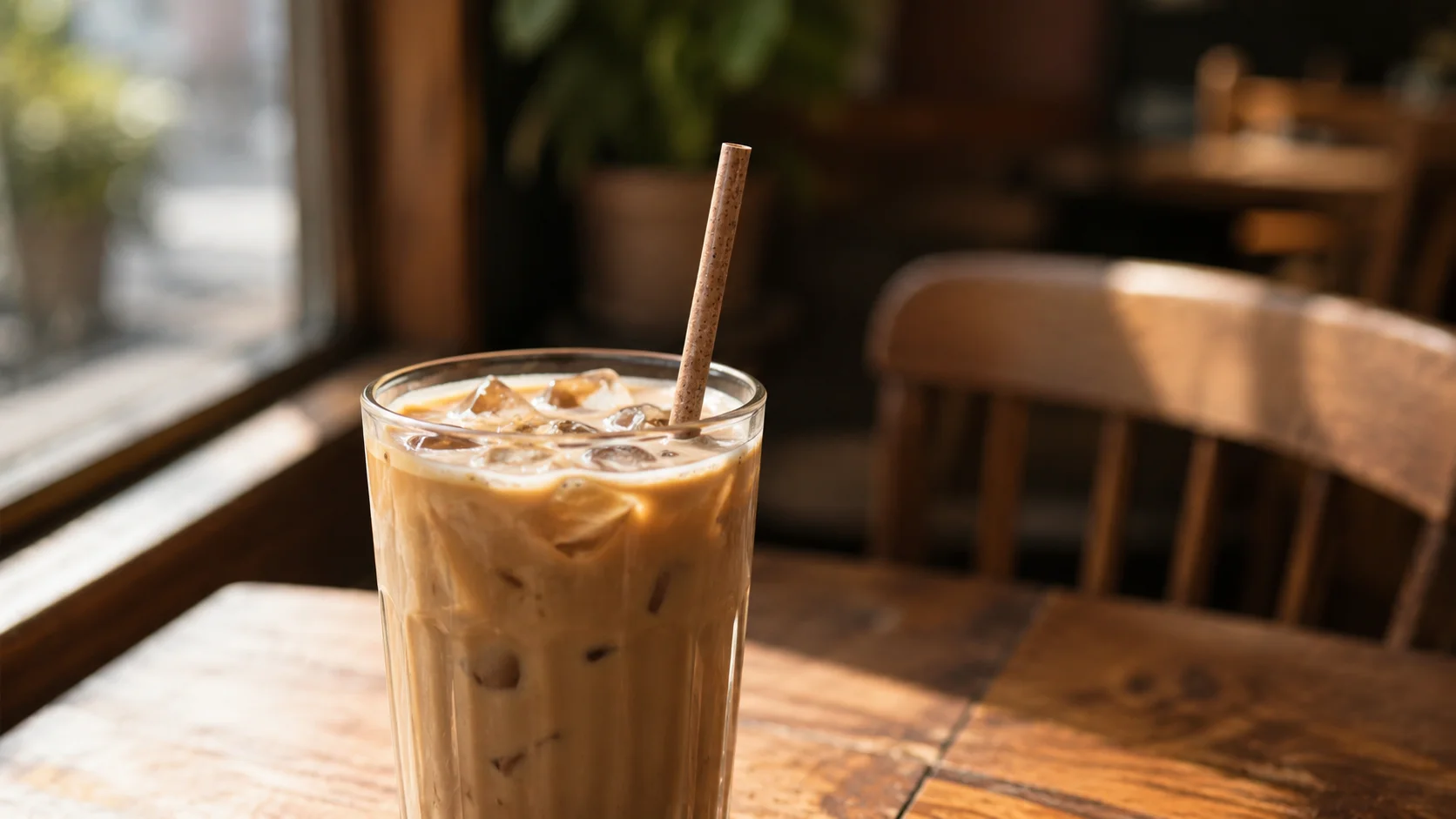
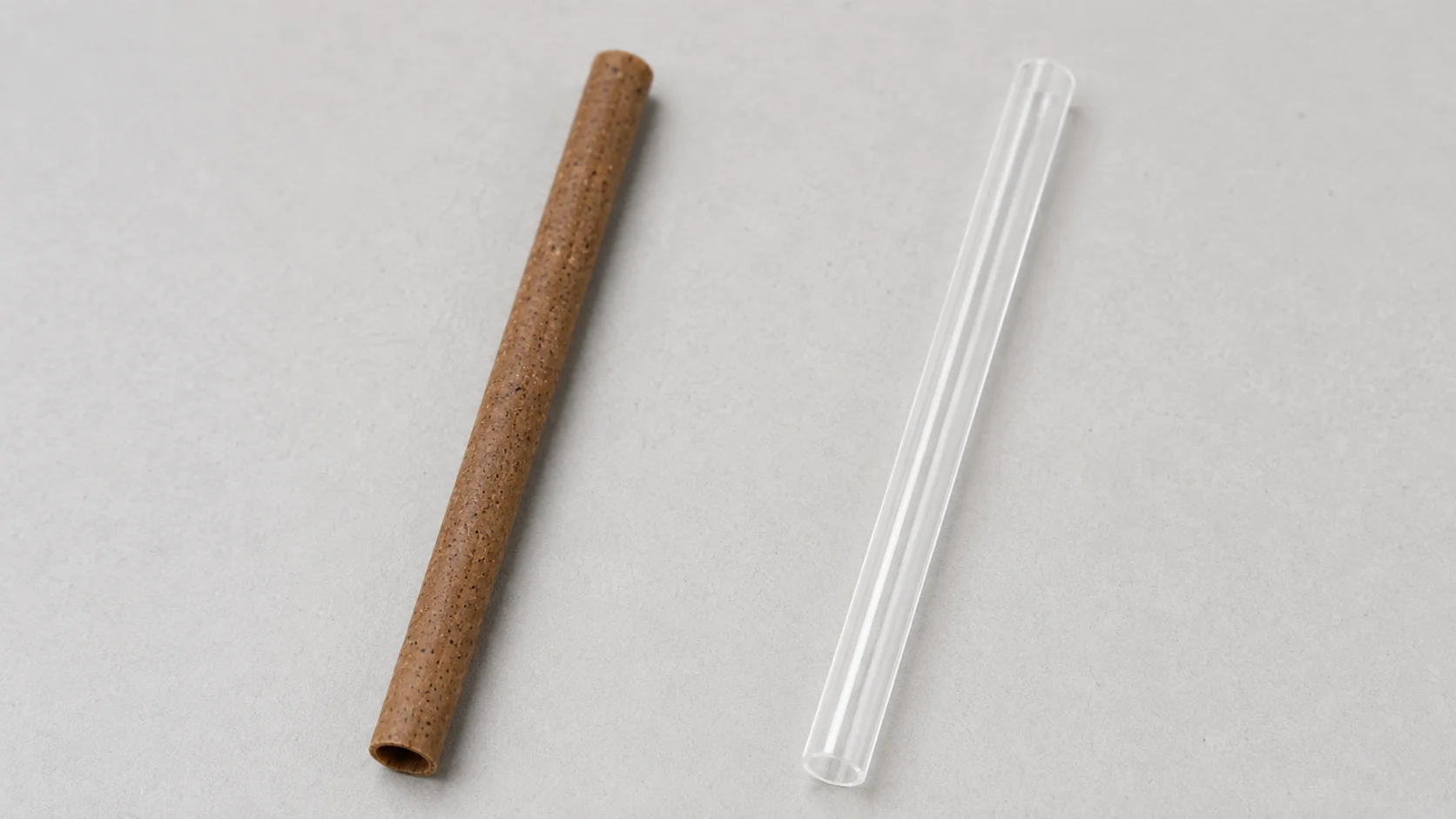
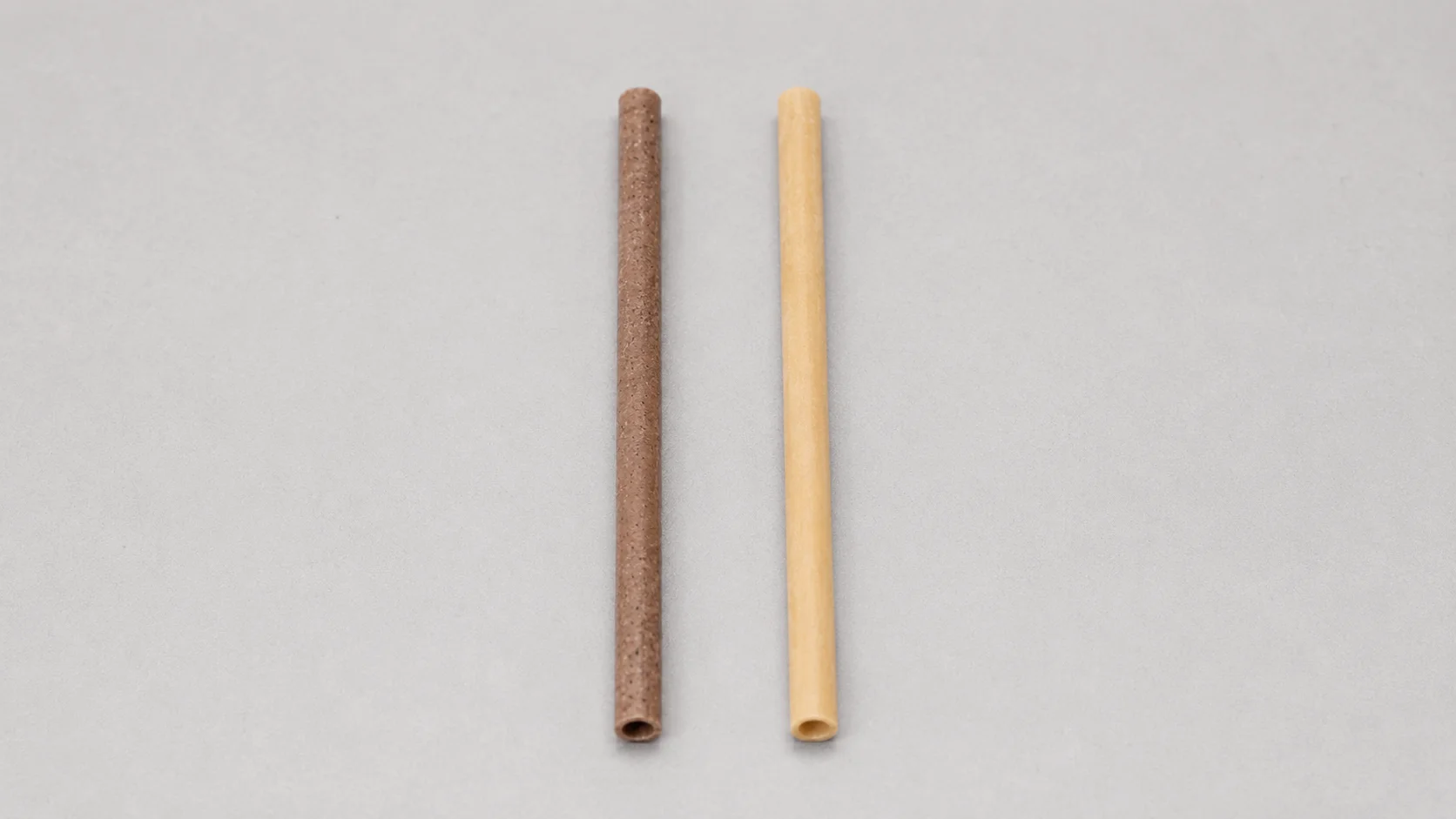
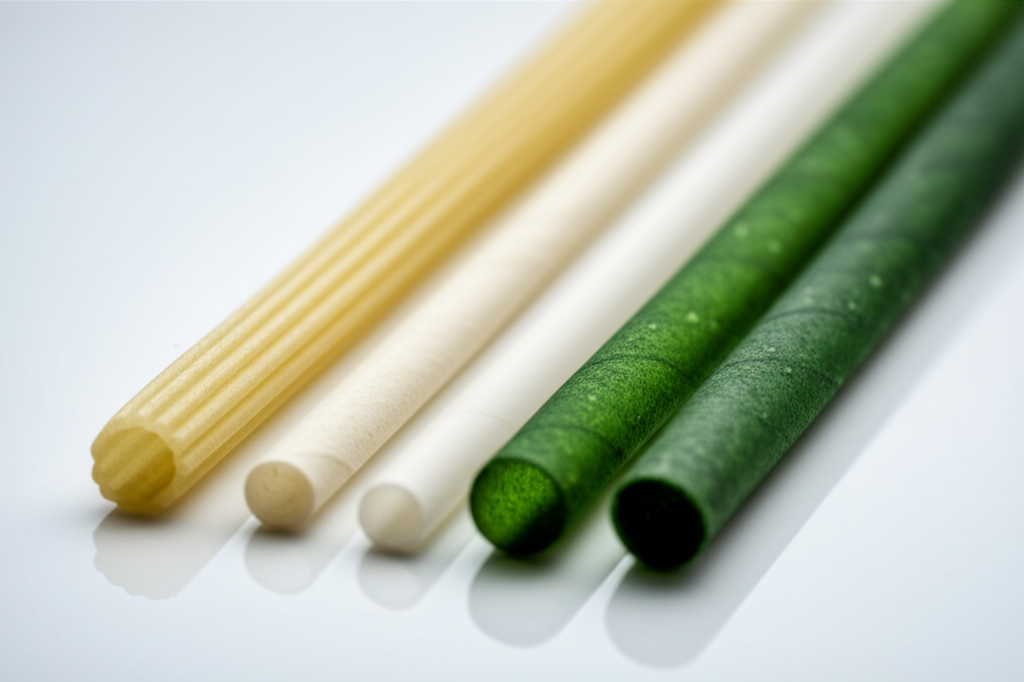
የሚበሉ ገለባዎች ይገለጻሉ፡እነዚህ አዳዲስ አማራጮች በተለይ ከተጠቀሙበት በኋላ ጥቅም ላይ እንዲውሉ የተነደፉ ናቸው፣ ይህም እውነተኛ ዜሮ-ቆሻሻ መፍትሄ ነው። እንደ ሩዝ፣ ፓስታ (በተለምዶ ስንዴ ወይም ሴሞሊና)፣ tapioca starch፣ cornstarch፣ የባሕር አረም፣ ስኳር ወይም ጄልቲን ካሉ የምግብ ደረጃ ግብዓቶች የተሰሩ፣ ጥብቅ የምግብ ደህንነት ምርመራ ይደረግባቸዋል። ለምግብነት የሚውሉ ገለባዎች በአጠቃቀሙ ጊዜ ጠንካራ እና ተግባራዊ እንዲሆኑ የተነደፉ ናቸው ፣ ብዙውን ጊዜ በቀዝቃዛ መጠጦች ውስጥ ለብዙ ሰዓታት ታማኝነታቸውን ይጠብቃሉ (ለምሳሌ የሩዝ ገለባ እስከ 4-5 ሰአታት ድረስ ሊቆይ ይችላል) ፣ ለመመገብ በቂ ለስላሳ ከመሆንዎ በፊት ወይም ካልጠጡት ፣ በተፈጥሮው ይሰበራሉ። ብዙዎቹ የተነደፉት ጣዕም የሌላቸው እንዲሆኑ ወይም ተጨማሪ፣ ስውር ጣዕም እንዲሰጡ፣ ይህም አጠቃላይ የመጠጥ ልምድን እንዲያሳድጉ ነው።
ሊበላሹ የሚችሉ ገለባዎች (የማይበሉ)፡-ይህ ሰፊ ምድብ በጊዜ ሂደት በተፈጥሮ የሚበሰብሱ ቁሳቁሶችን ያጠቃልላል, ነገር ግን ለሰው ልጅ ፍጆታ የታሰቡ አይደሉም. ምሳሌዎች የሚከተሉትን ያካትታሉ:
- የወረቀት ጭነት በሰፊው ተቀባይነት ያለው አማራጭ፣ ብዙ ጊዜ ቶሎ ቶሎ መኮማቱ፣ በተለይም በሙቅ መጠጦች ውስጥ ወይም ለረጅም ጊዜ ጥቅም ላይ ሲውል ይተቻል። ከፍተኛ መጠን ባለው የወረቀት ገለባ ውስጥ ለውሃ መቋቋም የሚያገለግሉ "ለዘላለም ኬሚካሎች" (PFAS) መኖራቸውን በተመለከተ ከፍተኛ ስጋት ፈጥሯል ይህም በአካባቢ ላይ ሊቆይ እና የጤና አደጋዎችን ሊያስከትል ይችላል.
- ፕላዝ (ፖሊታይቲክ አሲድ) አውታ እንደ በቆሎ ወይም ሸንኮራ አገዳ ካሉ ከተመረቱ የእፅዋት ስታርችሎች የተገኘ፣ የPLA ገለባዎች ባህላዊ ፕላስቲክን የሚመስሉ እና ብስባሽ ናቸው። ይሁን እንጂ የእነሱ ባዮዲዳዳድነት ሁኔታዊ ነው; በተለይም በከፍተኛ ሙቀት (ከ60 ዲግሪ ሴንቲግሬድ በላይ) የሚሰሩ ልዩ የኢንዱስትሪ ማዳበሪያ ፋሲሊቲዎች በትክክል እንዲሰበሩ ይፈልጋሉ። በእነዚህ ልዩ ተቋማት ውስጥ ካልተወገዱ፣ ከተለመደው ፕላስቲኮች ጋር በሚመሳሰል መልኩ በመቶዎች እና በሺዎች ለሚቆጠሩ ዓመታት በቆሻሻ ማጠራቀሚያዎች ወይም ውቅያኖሶች ውስጥ ሊቆዩ ይችላሉ, እና በተለያየ የመቅለጫ ነጥቦቻቸው ምክንያት እንደገና ጥቅም ላይ የሚውሉ ጅረቶችን እንኳን ሊበክሉ ይችላሉ.
- ሌሎች በእፅዋት ላይ የተመሰረቱ ገለባዎች; እንደ ሸንኮራ አገዳ ከረጢት (ከሸንኮራ አገዳ ማቀነባበር የተገኘ ቆሻሻ)፣ የቀርከሃ እና አጋቭ ያሉ ቁሳቁሶች ባዮግራዳዳዊ ገለባ ለማምረት ያገለግላሉ። በመበላሸታቸው ውስጥ ለአካባቢ ተስማሚ ቢሆኑም, እነዚህ በሰዎች እንዲበሉ የተነደፉ አይደሉም.
ለB2B ውሳኔ ሰጭዎች፣ የአካባቢ አስፈላጊነት በመላው አውሮፓ ህብረት እና በተለያዩ የአሜሪካ ግዛቶች እየተስፋፋ የመጣውን የፕላስቲክ እገዳዎች ከማክበር በላይ ይዘልቃል። እንደ ለምግብነት የሚውሉ ገለባ ያሉ እውነተኛ ዘላቂ መፍትሄዎችን መቀበል የኩባንያውን የአካባቢ ምስክርነቶች በከፍተኛ ሁኔታ ያጠናክራል፣ ከሥነ-ምህዳር ጠንቃቃ ሸማቾች ጋር በጥልቅ ያስተጋባ እና ለብራንድ ምስል እና ለድርጅታዊ ማህበራዊ ኃላፊነት ግቦች ትርጉም ያለው አስተዋፅዖ ያደርጋል። ንግዶች እንደ ርእሶች ላይ አጠቃላይ መመሪያዎችን በመገምገም ዘላቂ የማሸግ ስትራቴጂያቸውን ለማመቻቸት ግንዛቤዎችን ማግኘት ይችላሉ።ሊበላሹ የሚችሉ ገለባዎች ማስመጣት.
የስትራቴጂካዊው ጠርዝ፡ ለምንድነው የሚበሉ ገለባዎች ከዘመናዊ ንግዶች ጋር ያስተጋባሉ።
ዘላቂነትን ለመምራት ለሚፈልጉ ወደፊት ለሚያስቡ ንግዶች ለምግብነት የሚውሉ ገለባዎች በቀላሉ “ሥነ-ምህዳር ወዳጃዊ” ከመሆን የዘለለ አሳማኝ ጥቅሞችን ይሰጣሉ።
- ዜሮ ቆሻሻ ስራዎች፡- በጣም ፈጣን እና ተፅዕኖ ያለው ጥቅም ከሸማቾች በኋላ ያለውን ቆሻሻ ሙሉ በሙሉ ማስወገድ ነው. ለምግብነት የሚውል ገለባ በሚበላበት ጊዜ፣ ለመጣል ምንም የቀረ ነገር የለም፣ ይህም የቆሻሻ መጣያ መዋጮን በእጅጉ በመቀነስ እና የቆሻሻ አወጋገድ ሂደቶችን ለተቋምዎ ያመቻቻል። ይህ ተጨባጭ የቆሻሻ ቅነሳ በቀጥታ ወደ ይበልጥ ቀልጣፋ፣ ብዙ ወጪ የማይጠይቅ እና የአካባቢ ጥበቃ ኃላፊነት ያለው ተግባር ነው።
- Enhanced Customer Experience & Brand Differentiation: ለምግብነት የሚውሉ ገለባዎች ልዩ፣ የማይረሳ እና ብዙ ጊዜ ጣዕም ያላቸውን መጠጦች ይጨምራሉ። ይህ አዲስነት በተወዳዳሪ ገበያ ውስጥ ኃይለኛ ልዩነት ሊሆን ይችላል፣ ዘላቂ ምርጫዎችን እና ልዩ ልምዶችን ቅድሚያ ለሚሰጡ ወጣት የስነ-ሕዝብ ባለሙያዎች አጥብቆ ይማርካል። እንደ ሎሚ፣ እንጆሪ፣ ቸኮሌት ወይም ዝንጅብል ያሉ ጣዕም ያላቸው አማራጮች የመጠጥ ልምድን ከመጠቀሚያነት በላይ ከፍ ያደርጋሉ፣ አወንታዊ የማህበራዊ ሚዲያ ተሳትፎን እና የአፍ-አፍ ግብይትን ያዳብራሉ። አንድ ስውር የቸኮሌት ፍንጭ ከቡና ጋር፣ ወይም የሚያድስ የሎሚ ማስታወሻ ከጭማቂ ጋር ብታቀርቡ አስቡት።
- የደህንነት እና የጤና ግምት፡- ከተፈጥሯዊ፣ የምግብ ደረጃ ንጥረነገሮች የተሰሩ፣ የሚበሉ ገለባዎች በተፈጥሯቸው እንደ BPA እና phthalates ባሉ አንዳንድ የፕላስቲክ ጭድ ውስጥ ከሚገኙ ጎጂ ኬሚካሎች የፀዱ ናቸው። በተጨማሪም እንደ አንዳንድ የወረቀት አማራጮች ከ PFAS (የፐር እና ፖሊፍሎሮአልኪል ንጥረነገሮች) ነፃ ናቸው, እንዲሁም "ለዘላለም ኬሚካሎች" በመባል ይታወቃሉ, ከከባድ የጤና ችግሮች ጋር የተገናኙ ናቸው. ብዙ ለምግብነት የሚውሉ አማራጮች ከግሉተን-ነጻ እና ከአለርጂ-ነጻ እንዲሆኑ ተዘጋጅተዋል፣ ይህም ይግባኝነታቸውን በማስፋት እና ለሰፋፊ ደንበኛ መሰረት ተደራሽነትን ያረጋግጣሉ።
- የተደራሽነት ፍላጎቶች ማሟላት፡ ከፕላስቲክ ገለባ የራቀው ዓለም አቀፋዊ እንቅስቃሴ፣ አንዳንድ ጊዜ፣ በባህላዊ የፕላስቲክ ገለባዎች ተለዋዋጭነት እና ዘላቂነት ላይ የሚተማመኑ የአካል ጉዳተኞችን ፍላጎት ችላ ብሎታል። ለምግብነት የሚውሉ ገለባዎች፣ ከግትር ዳግም ጥቅም ላይ ሊውሉ ከሚችሉ አማራጮች (እንደ ብረት ወይም ብርጭቆ) የበለጠ ታዛዥ መሆን እና የወረቀት ገለባዎችን በፍጥነት ከማበላሸት የበለጠ ዘላቂነት ያለው፣ የበለጠ ተግባራዊ እና ደህንነቱ የተጠበቀ አማራጭ ሊያቀርብ ይችላል፣ ይህም በዘላቂነት ጥረቶችዎ ውስጥ ማካተትን ያረጋግጣል። በዋና ዋና ብራንዶች የሚጠቀሙትን ጨምሮ ዘላቂነት ያለው የገለባ አማራጮችን ሙሉ ገጽታ መረዳት በመመሪያችን ላይ በዝርዝር እንደተገለጸው ለግዢ ስልቶች ወሳኝ ሊሆን ይችላል። የ McDonald's Straw ስልት ዲኮዲንግ: B2B መመሪያ.
ምርጫዎቹን ማሰስ፡ የ B2B ንጽጽር መመሪያ ለቀጣይ ገለባ
ጥሩውን የገለባ መፍትሄ መምረጥ ስለ አፈጻጸም፣ የዋጋ አንድምታ እና እውነተኛ የአካባቢ ተጽዕኖ ግንዛቤን ይጠይቃል። ለ B2B ውሳኔ ሰጭዎች የመሪ አማራጮችን የንጽጽር እይታ እነሆ፡-
| የባህሪ/የገለባ አይነት | ሊበሉ የሚችሉ ገለባ (ሩዝ፣ ፓስታ፣ የባህር አረም) | የወረቀት አውታሮች | PLA (ባዮፕላስቲክ) ገለባ | ባህላዊ የፕላስቲክ (PP/PS) ገለባ (ለዐውደ-ጽሑፉ) |
|---|---|---|---|---|
| ቁልፍ ቁሳቁሶች | የሩዝ ዱቄት, የ tapioca ስተርች, ስንዴ, የበቆሎ ዱቄት, የባህር አረም, ስኳር, ጄልቲን | የቨርጂን ክራፍት ወረቀት፣ እንደገና ጥቅም ላይ የዋለ ወረቀት (ብዙውን ጊዜ ከሽፋኖች ጋር) | የበቆሎ ስታርች፣ ሸንኮራ አገዳ፣ አጋቭ (የፈላ የእፅዋት ስታርች) | ፖሊፕሮፒሊን (PP)፣ ፖሊቲሪሬን (ፒኤስ) |
| በፈሳሾች ውስጥ ዘላቂነት | ጥሩ (30 ደቂቃ - 4 ሰአታት, እንደ አይነት / መጠጥ ይወሰናል); ለማለስለስ የተነደፈ | ተለዋዋጭ (በፍጥነት ሊጠጣ ይችላል, በሙቅ / ረጅም ጊዜ ጥቅም ላይ የሚውል); ማሻሻል | ጥሩ (ከፕላስቲክ ጋር ተመሳሳይ); ለሙቀት / ቅዝቃዜ ተስማሚ | በጣም ጥሩ, ነገር ግን ወደ ማይክሮፕላስቲክ ይሰብራል |
| የህይወት መጨረሻ መወገድ | ከተጠቀሙ በኋላ ይጠጡ; ካልተበላ, ሙሉ በሙሉ ብስባሽ / ባዮሎጂያዊ | ባዮግራዳዳድ, ማዳበሪያ (PFAS ከሌለ); ብዙውን ጊዜ በቆሻሻ ማጠራቀሚያ ውስጥ ያበቃል | የሚበሰብሰው (የኢንዱስትሪ መገልገያዎችን ይፈልጋል እንጂ የቤት ውስጥ ማዳበሪያ አይደለም) | እንደገና ጥቅም ላይ ሊውል የሚችል (ብዙውን ጊዜ ተቀባይነት የለውም); በአብዛኛው የቆሻሻ ማጠራቀሚያ / የውቅያኖስ ብክለት |
| የጣዕም/የጽሑፍ ተጽእኖ | ገለልተኛ ወይም ተጨማሪ ጣዕም; ልዩ, ሊበላ የሚችል ሸካራነት | የወረቀት ጣዕም መስጠት ይችላል; በሚቀዘቅዝበት ጊዜ ደስ የማይል የአፍ ስሜት | ገለልተኛ ጣዕም; የፕላስቲክ አይነት ስሜት | ገለልተኛ ጣዕም; ለስላሳ, የታወቀ ስሜት |
| የወጪ እንድምታ | ከፍተኛ የመነሻ ክፍል ዋጋ፣ ነገር ግን ዜሮ ብክነት የአወጋገድ ወጪን ይቀንሳል | መጠነኛ, ግን ከፕላስቲክ ከፍ ያለ ሊሆን ይችላል | ከመካከለኛ እስከ ከፍተኛ | በጣም ዝቅተኛ |
| የቁጥጥር ተገዢነት | በጣም ጥሩ (ዜሮ-ቆሻሻ መፍትሄ፣ ከፕላስቲክ እገዳዎች ጋር የሚስማማ) | ይለያያል (አንዳንድ እገዳዎችን ያሟላል፣ነገር ግን PFAS የሚያሳስበው እያደገ ነው) | ይለያያል (የኢንዱስትሪ ማዳበሪያ ካለ እና ጥቅም ላይ ከዋለ ያሟላል) | ከፍተኛ ስጋት (በአለም አቀፍ ደረጃ እየጨመረ የተከለከለ/የተገደበ) |
| የሸማቾች ግንዛቤ | ከፍተኛ አዎንታዊ (ፈጠራ፣ አዝናኝ፣ ስነ-ምህዳር-አወቀ፣ ልዩ የመሸጫ ቦታ) | የተቀላቀለ (ኢኮ-ተስማሚ ዓላማ፣ ግን ብዙ ጊዜ ደካማ ተሞክሮ) | የተቀላቀለ (ለሥነ-ምህዳር ተስማሚ ነገር ግን በቆሻሻ መጣያ ዙሪያ ግራ መጋባት፣ የአረንጓዴ እጥበት ስጋቶች) | ከፍተኛ አሉታዊ (ዋና የአካባቢ ጥፋተኛ, ብዙውን ጊዜ በንቃት የሚወገድ) |
| የአለርጂ አደጋዎች | እንደ ንጥረ ነገሮች ይወሰናል (ለምሳሌ, ፓስታ ግሉተን ይዟል); ብዙዎቹ GF/AF ናቸው። | ዝቅተኛ፣ ግን እያደገ የPFAS ስጋቶች (ለምሳሌ፣ በአውሮፓ እና በሰሜን አሜሪካ) | ዝቅተኛ፣ ግን አንዳንድ ስለ ጂኤምኦ ሰብሎች ስጋት | ዝቅተኛ |
| የመደርደሪያ ሕይወት | በተለምዶ ከ12-24 ወራት (ደረቅ፣ እርጥበት ቁጥጥር ያለው ማከማቻ ያስፈልገዋል) | ይለያያል, በአጠቃላይ ጥሩ | ጥሩ, ከፕላስቲክ ጋር ተመሳሳይ ነው | በጣም ረጅም (በአካባቢ ውስጥ ለብዙ መቶ ዓመታት, የማይክሮፕላስቲክ ብልሽት) |

Market Dynamics & Forward-Looking Insights for Your Business
ወደሚበሉ እና ሊበላሹ ወደሚችሉ ገለባዎች ዓለም አቀፋዊ ሽግግር ማለፊያ አዝማሚያ ብቻ ሳይሆን ጥልቅ የገበያ ለውጥ ፣ ተለዋዋጭ ንግግሮችን ለሚረዱ ንግዶች ጉልህ እድሎችን እና ልዩ ፈተናዎችን የሚያቀርብ ነው።
ጠንካራ የገበያ ዕድገት፡-በ2025 ከተገመተው 12.3 ቢሊዮን የአሜሪካን ዶላር ወደ 25.1 ቢሊዮን ዶላር የሚጠጋው በ2035 ወደ 25.1 ቢሊዮን ዶላር እንደሚደርስ የተገመተው አጠቃላይ ኢኮ-ተስማሚ የስትሮውስ ገበያው ጠንካራ መስፋፋት እያሳየ ነው፣ ይህም አጠቃላይ አመታዊ እድገትን (CAGR) 7.3 በመቶ ያሳያል። በዚህ በማደግ ላይ ባለው ዘርፍ ውስጥ፣ የሚበላው የገለባ ክፍል ብቻ ከ9-10% በ2033-2035 በጠንካራ CAGR እንደሚያድግ ይተነብያል፣ አንዳንድ ሪፖርቶች በ2020 ከ209.03 ሚሊዮን ዶላር በ2020 ወደ 446.96 ዶላር በ2030 ወደ ዶላር 446.96 ሚሊዮን ዶላር ማደጉን ያመለክታሉ፣ ይህም የኢንቨስትመንት ፍላጎት እያደገ መምጣቱን ያሳያል።
ጉዲፈቻን የሚገፋፉ ቁልፍ ነጂዎች፡-
- የቁጥጥር ግፊቶች; መንግስታት በአለም አቀፍ ደረጃ ከጊዜ ወደ ጊዜ ጥብቅ እገዳዎች እና ነጠላ ጥቅም ላይ በሚውሉ ፕላስቲኮች ላይ እገዳዎችን እያወጡ ነው። ለአብነት የአውሮፓ ህብረት ነጠላ አጠቃቀም ፕላስቲኮች መመሪያ (SUPD) ወደ አማራጮች የሚደረገውን ሽግግር በከፍተኛ ሁኔታ አፋጥኗል ፣ ይህም አውሮፓን በባዮዳዳዳዳዳዳድ ገለባ ገበያ ውስጥ መሪ አድርጓታል። በተመሳሳይ፣ በዩናይትድ ስቴትስ ውስጥ ያሉ የተለያዩ የስቴት ደረጃ እገዳዎች ንግዶችን እንዲላመዱ ያስገድዳሉ።
- የሸማቾች ፍላጎት፡- በአለም አቀፍ ደረጃ ከፍ ያለ የአካባቢ ንቃተ-ህሊና በተለይም በወጣቶች መካከል ለዘላቂ አማራጮች ከፍተኛ ምርጫ እና ፍላጎትን ያነሳሳል። ሸማቾች ከሥነ-ምህዳር እሴቶቻቸው ጋር የሚጣጣሙ ብራንዶችን በንቃት ይፈልጋሉ።
- የድርጅት ዘላቂነት ተነሳሽነት ኩባንያዎች ኢኮ-ተስማሚ ልምምዶችን ከዋና የንግድ ስልታቸው ጋር እያዋሃዱ ነው። ዘላቂነት ያለው ገለባ መቀበል የምርት ስምን ለማበልጸግ፣ ተወዳዳሪ ጥቅምን ለማሻሻል እና የውስጥ ESG (አካባቢያዊ፣ ማህበራዊ እና አስተዳደር) ግቦችን ለማሟላት የሚታይ እና ተፅዕኖ ያለው መንገድ ነው።

Sector-Specific Adoption & Regional Insights:የሆሬካ (ሆቴሎች፣ ምግብ ቤቶች እና ካፌዎች)ሴክተሩ ለምግብነት የሚውሉ እና ሊበላሹ የሚችሉ ገለባዎችን በቀዳሚነት በማፅደቅ ጎልቶ ይታያል። እንደ ደብሊው ሆቴሎች (ማርዮት) እና ሂልተን ሆቴሎች ያሉ ዋና ዋና የእንግዳ ተቀባይነት ብራንዶች የአካባቢ ጥቅሞቹን እና የተሻሻለውን የደንበኛ ልምድ በመገንዘብ ሊበሉ የሚችሉ ገለባዎችን በስራቸው ውስጥ በማካተት ላይ ናቸው። ፈጣን አገልግሎት የሚሰጡ ሬስቶራንቶች (QSRs) እና የምግብ አቅርቦት አገልግሎቶችም ለፍላጎት ከፍተኛ አስተዋፅዖ እያበረከቱ ነው። በክልል ደረጃ፣ አውሮፓ እና ሰሜን አሜሪካ በአሁኑ ጊዜ በጉዲፈቻ እና በገበያ ድርሻ ይመራሉ፣ አውሮፓ በዓመት ወደ 180 ሚሊዮን የሚጠጉ ገለባ ታሰማራለች፣ ይህም 30% የአለም አቀፋዊ አጠቃቀምን ይወክላል። ኤዥያ-ፓሲፊክ በፈጣን የከተሞች መስፋፋት፣ የችርቻሮ ዘርፎችን በማስፋፋት እና በፕላስቲክ ቆሻሻን ለመቆጣጠር በሚያደርጋቸው ጠንካራ የመንግስት ውጥኖች የሚመራ ለኢኮ-ተስማሚ ገለባዎች በፍጥነት በማደግ ላይ ያለ ክልል እንደሆነ ተለይቷል።

Innovation Hotbeds & Future Trends:ኢንዱስትሪው አዳዲስ ቁሳቁሶችን በየጊዜው በማዳበር እና ተግባራዊነትን የሚያጎለብት የፈጠራ ማዕከል ነው።
- አዲስ እቃዎች፡ በ PHA (polyhydroxyalkanoate) ገለባ ውስጥ ያሉ ከታዳሽ ሀብቶች እንደ ካኖላ ዘይት የሚመነጩትን ቀጣይ እድገቶች ፈልጉ፣ ይህም በወራት ውስጥ በተለያዩ አካባቢዎች፣ የባህር አካባቢን ጨምሮ ባዮዲጅድ የማድረግ ችሎታቸው እየጨመረ ነው። በስኳር በሚመገቡ ባክቴሪያ የሚመረተው እና በሶዲየም አልጃኔት የተሸፈነ የባክቴሪያ ሴሉሎስ ገለባ ከወረቀት ጋር ሲነፃፀር የላቀ ዘላቂነት ያለው ሲሆን ከፕላስቲክ ዋጋ ጋር ሊነፃፀር ይችላል፣ ከኢንዱስትሪ ብስባሽ ውጭ ይሰበራል። የደረቁ የኮኮናት ቅጠሎችም ወደ ባለ ብዙ ሽፋን፣ በተፈጥሮ አንቲኦክሲደንትድ ገለባ እንዲሆኑ እየተሰራ ነው።
- የተሻሻለ ተግባር፡- የትኩረት አቅጣጫው ቀደምት አማራጮች ድክመቶችን በማሸነፍ ላይ ነው። ፈጠራዎች የእርጥበት ጥንካሬን እና የመጠጥ ጥንካሬን እያሻሻሉ ነው, ልዩ የምግብ ገለባ ቀመሮች ለስላሳ ከመጠጣት በፊት በቀዝቃዛ መጠጦች ውስጥ እስከ 45 ደቂቃዎች እንዲቆዩ ተደርገዋል. የተለያዩ እና ማራኪ ጣዕም ያላቸው መገለጫዎች ለምግብነት የሚውሉ ገለባዎች እንዲሁ ትልቅ የእድገት ቦታ ናቸው ፣ ኩባንያዎች ከሎሚ እና እንጆሪ እስከ ቡና እና እንጆሪ ድረስ በስፋት ይሰጣሉ ።
- የማምረት ብቃት፡- አዳዲስ የማስወጫ ቴክኖሎጂዎች እና ሙጫ-ነጻ የማምረቻ ዘዴዎች የምርት ወጪዎችን ያለማቋረጥ እያሽቆለቆሉ እና ወጥነትን በማሻሻል ዘላቂ አማራጮችን የበለጠ ኢኮኖሚያዊ አዋጭ በማድረግ ላይ ናቸው።
- "ብልጥ" መፍትሄዎች; ገና ገና በመጀመር ላይ እያለ፣ ወደፊት የሚደረጉ አዳዲስ ፈጠራዎች ለውሃ ማጣሪያ ወይም AI-powered የቆሻሻ ቅነሳ ትንታኔ ያላቸው ድጋሚ ጥቅም ላይ ሊውሉ የሚችሉ ብልጥ ገለባዎችን ሊያካትቱ ይችላሉ።
ተግዳሮቶችን መፍታት በቅድሚያ፡-ለምግብነት የሚውሉ ገለባዎች ተስፋ እጅግ በጣም ብዙ ቢሆንም፣ ንግዶች ያሉትን ውስንነቶች መቀበል እና ማሰስ አለባቸው። ከተለምዷዊ ፕላስቲክ ጋር ሲነፃፀር ከፍተኛው የፊት ለፊት ክፍል ዋጋ እንቅፋት ሆኖ ይቆያል፣ ምንም እንኳን ከቆሻሻ አወጋገድ የሚገኘው የረዥም ጊዜ ቁጠባ ይህንን ሊቀንስ ይችላል። ተገቢ የሆነ የማስወገጃ ትምህርት አስፈላጊነት፣ በተለይም የPLA ገለባዎች በጥብቅ የኢንዱስትሪ ማዳበሪያን የሚጠይቁ እና በተሳሳተ አቅጣጫ ጥቅም ላይ የሚውሉ ከሆነ እንደገና ጥቅም ላይ ማዋልን ሊበክሉ ይችላሉ ፣ እንዲሁም የተግባር ፈተናን ይፈጥራል። በተጨማሪም በአንዳንድ የወረቀት ገለባ ውስጥ ስለ “ዘላለም ኬሚካሎች” (PFAS) ስጋቶች ጥንቃቄ የተሞላበት የቁሳቁስ ምንጭ እና ግልጽ የአቅርቦት ሰንሰለት አስፈላጊነትን ያጎላሉ። በእውነተኛ ለምግብነት ወይም ለባህር-ተበላሽ በሆኑ አማራጮች ላይ የሚያተኩሩ ኩባንያዎች እነዚህን አደጋዎች በእጅጉ ሊቀንሱ፣ የደንበኞችን እምነት ማሳደግ እና የምርት ስያሜቸውን ሊለዩ ይችላሉ። ለመስተንግዶ ውጤታማ የሆነ የቆሻሻ አወጋገድ ጥልቀት ለመዝለቅ፣ የእኛን መመሪያ አስቡበት፡-ሊበሰብስ የሚችል የገለባ አወጋገድ፡ የእንግዳ ተቀባይነት መመሪያ.
ለድርጅትዎ ዘመናዊ ዘላቂ ምርጫ ማድረግ
ወደፊት የሚያስቡ የግዥ አስተዳዳሪዎች፣ የኦፕሬሽን ዳይሬክተሮች፣ የዘላቂነት መኮንኖች እና የአቅርቦት ሰንሰለት አስፈፃሚዎች ጥያቄ ከአሁን በኋላ አይደለምከሆነንግድዎ ዘላቂ የሆኑ ገለባዎችን መቀበል አለበት ፣ ግንየትኛውዘላቂነት ያለው ገለባ ከድርጅትዎ እሴቶች፣ የስራ ፍላጎቶች እና የደንበኛ ፍላጎቶች ጋር በተሻለ ሁኔታ ይስማማል። ለምግብነት የሚውሉ ገለባዎችን በስትራቴጂያዊ መንገድ በመቀበል፣ እያደገ ከሚሄደው የሕግ ማዕበል ጋር ብቻ አይደለህም; የምርት ስምዎ እንደ ፈጠራ ፈጣሪ እና በአካባቢ ጥበቃ ውስጥ መሪ ሆኖ በሚታወቅበት ለወደፊቱ ተጨባጭ ኢንቨስትመንት እያደረጉ ነው። ይህ የነቃ አቀራረብ በቆሻሻ አያያዝ ወጪዎች ከፍተኛ ወጪ ቆጣቢነትን ያስከትላል፣ የቁጥጥር ስጋቶችን በመቀነስ እና የምርት ዋጋን በከፍተኛ ደረጃ ከፍ በማድረግ ለእውነተኛ ዘላቂነት የሚሸልመውን የገበያ ትልቅ ድርሻ ይይዛል።
የእርስዎ ቀጣይ ስልታዊ እርምጃዎች፡-
- አጠቃላይ ግምገማ ማካሄድ፡- አሁን ያለዎትን የገለባ አጠቃቀም ዘይቤዎች፣ የሚቀርቡት የመጠጥ ዓይነቶች፣ ዋና የደንበኞችዎ የስነ-ህዝብ መረጃ እና ለኦፕሬሽንዎ ያለውን የአካባቢ ቆሻሻ አያያዝ እና የማዳበሪያ መሠረተ ልማት ይተንትኑ።
- የሙከራ ፕሮግራም ጀምር፡- ቁጥጥር በተደረገበት አካባቢ ውስጥ ሊበሉ የሚችሉ ገለባዎች መጠነኛ ሙከራን አስቡበት። ሰፋ ያለ ልቀት ከመደረጉ በፊት በጥንካሬያቸው፣ በደንበኞች ተቀባይነት እና በማናቸውም የአሠራር ማስተካከያዎች ላይ በዋጋ ሊተመን የማይችል ግብረ መልስ ይሰብስቡ።
- ስትራቴጂካዊ አጋርነቶችን ይፍጠሩ ለብራንድዎ ልዩ ፍላጎቶች ፍጹም የሚስማማውን ለመለየት ግልጽ ምንጭ፣ ጠንካራ የምስክር ወረቀቶች (ለምሳሌ፣ የምግብ ደረጃ፣ ማዳበሪያ) እና የተለያዩ የሚበሉ ገለባ አማራጮችን ከሚሰጡ ታዋቂ አቅራቢዎች ጋር ይተባበሩ።
- ቁርጠኝነትዎን ያሳድጉ፡ በእርስዎ የግብይት እና የደንበኛ ተሳትፎ ጥረቶች ላይ እንደ ኃይለኛ ትረካ ወደ ሊበሉ የሚችሉ ገለባዎች ሽግግርዎን ይጠቀሙ። አስፈላጊውን የአሠራር ለውጥ ወደ አስገዳጅ የአካባቢ አመራር ታሪክ በመቀየር ለዘላቂነት እና ለፈጠራ ያላችሁን ቁርጠኝነት በግልፅ አሳውቁ።
ዛሬ በመረጃ ላይ የተመሰረተ ስልታዊ ውሳኔ በማድረግ ንግድዎ ዓለም አቀፋዊ የአካባቢ ተግዳሮትን ወደ አስገዳጅ የእድገት እድል፣ የተሻሻለ የምርት ስም ስም እና ጉልህ አወንታዊ ተፅእኖ ሊለውጠው ይችላል።
ተዘውትረው የሚጠየቁ ጥያቄዎች (ተዘውትረው የሚጠየቁ ጥያቄዎች)
ሁሉም ሊበላሹ የሚችሉ ገለባዎች ለመብላት ደህና ናቸው?
ተለይተው የተሰየሙ ገለባዎች ብቻ ናቸው። "የሚበሉ ገለባ" ከምግብ-ደረጃ ንጥረ ነገሮች የተሠሩ እና ለመብላት የታሰቡ ናቸው.
እንደ ሸንኮራ አገዳ ባጋሴ ገለባ ወይም አንዳንድ የወረቀት ገለባ ያሉ ሌሎች ሊበላሹ የሚችሉ አማራጮች በተፈጥሮ ለመፈራረስ የተነደፉ ናቸው ነገርግን ለመዋጥ የታሰቡ አይደሉም።
ሊበሉ የሚችሉ ገለባዎች ከምን የተሠሩ ናቸው?
እነዚህ ቁሳቁሶች ገለባዎቹ በሚጠቀሙበት ጊዜ ቅርጻቸውን እንዲይዙ እና ከዚያም በጥንቃቄ እንዲጠጡ ወይም እንዲበስሉ ያስችላቸዋል.
የሚበሉ ገለባዎች በመጠጥ ውስጥ ለምን ያህል ጊዜ ይቆያሉ?
ብዙ ለምግብነት የሚውሉ ገለባዎች በቀዝቃዛ መጠጦች ውስጥ ታማኝነታቸውን ሊጠብቁ ይችላሉ። ከ 30 ደቂቃዎች እስከ አንድ ሰዓት.
አንዳንድ የላቁ የሩዝ ገለባዎች እስከ ሊቆዩ ይችላሉ። በቀዝቃዛ መጠጦች ውስጥ ከ4-5 ሰአታት, ሌሎች ደግሞ ለቀላል ፍጆታ በጊዜ ሂደት ለማለስለስ የተነደፉ ናቸው.
የሚበሉት ገለባዎች በመጠጥ ጣዕም ላይ ተጽዕኖ ያሳድራሉ?
ነገር ግን፣ አንዳንድ ዝርያዎች ሆን ተብሎ የተቀመሙ (ለምሳሌ፣ ሎሚ፣ ቸኮሌት፣ እንጆሪ) የተወሰኑ መጠጦችን ለማሟላት ወይም ልዩ የስሜት ህዋሳትን ለማቅረብ ነው።
ሸማቾች በአጠቃላይ መጥፎ ጣዕም የማይሰጡ ገለባዎችን ይመርጣሉ.
ለንግድ ሥራ የሚበላው ገለባ ዋና ጥቅሞች ምንድ ናቸው?
- ማሳካት የዜሮ ቆሻሻ ስራዎች (እንደሚበሉት)
- አዲስነት እና ጣዕም በመጨመር የደንበኞችን ልምድ ማሳደግ
- የምግብ ደህንነት ማረጋገጥ (ከPFAS-ነጻ፣ የምግብ ደረጃ የተረጋገጠ)
- መደገፍ ተደራሽነት ለአካል ጉዳተኞች