

Compostable Straws for Coffee Shops: PLA-Free Solutions Driving Sustainability
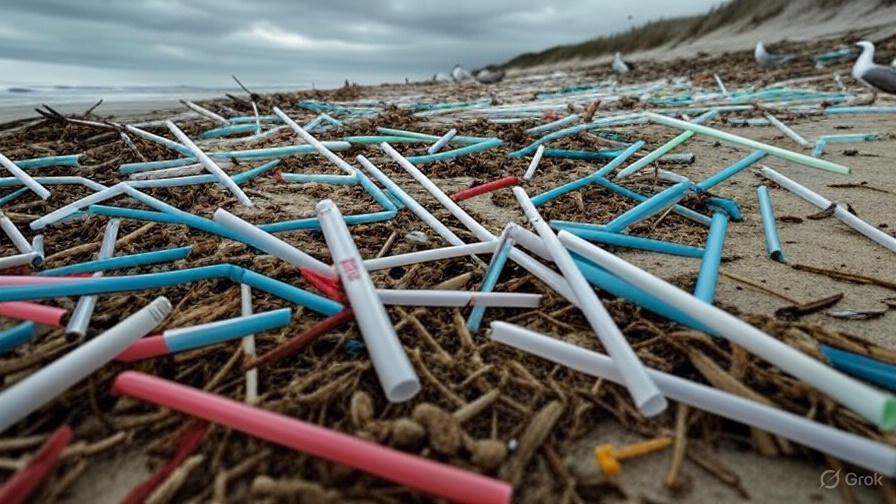
The global push to reduce plastic waste, coupled with evolving regulations and increasing consumer eco-consciousness, has made finding sustainable straw alternatives a critical business imperative for coffee shops, cafes, bars, hotels, and packaging importers in the US and Europe. Americans alone discard an estimated 500 million plastic straws daily, many of which end up in landfills and oceans, harming wildlife. This has led to widespread bans on single-use plastic straws in numerous jurisdictions, including states like California, New York, New Jersey, Vermont, and Washington in the U.S., and across all EU member countries via the EU’s Single-Use Plastics Directive implemented in July 2021. Importantly, these bans often include “bioplastic” PLA straws, with the EU explicitly treating them as prohibited plastics.
Why Early Alternatives Fell Short
Early attempts at replacing traditional plastic straws, such as paper and PLA (polylactic acid) straws, presented significant drawbacks:
- Paper Straws:
- They frequently turn soggy or disintegrate within 30-60 minutes, frustrating customers and sometimes imparting a papery taste.
- They are not always as environmentally friendly as they seem, potentially contributing to deforestation if made from virgin wood pulp and sometimes coated with chemicals like PFAS for water resistance, raising health and compostability concerns.
- PLA Straws:
- While plant-derived, PLA is only compostable in industrial facilities that require high temperatures (~58°C/136°F) and special microbes to break down. In landfills or oceans, PLA can persist as long as conventional plastic.
- A major flaw for coffee shops is their poor heat tolerance; PLA straws tend to warp or soften in hot drinks (above ~60-70°C), losing their shape and integrity.
- From a regulatory standpoint, PLA is not exempt from plastic bans, with the EU explicitly prohibiting them and some U.S. cities also excluding them. This means using PLA straws could still lead to non-compliance.
These limitations have paved the way for a new generation of PLA-free compostable straws that offer both a superior drinking experience and true environmental benefits.
The New Generation: Sugarcane Fiber Straws and PHA Straws
Two leading PLA-free solutions have emerged: sugarcane fiber straws and PHA straws.
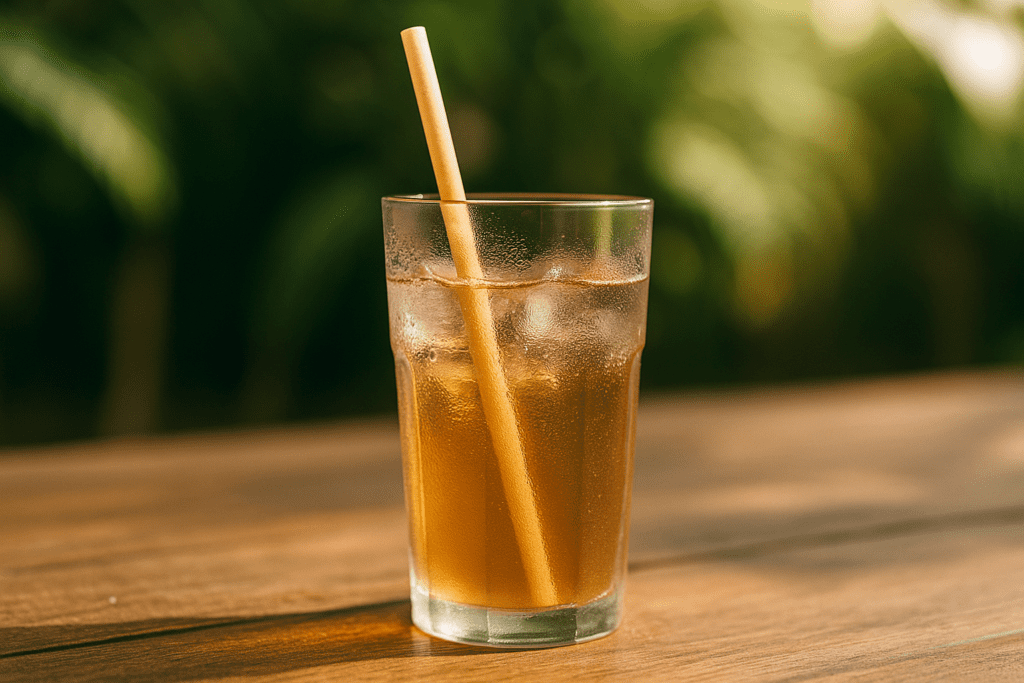
1. Sugarcane Fiber Straws: Often called bagasse straws, these are made from bagasse, the fibrous byproduct of sugar production. This repurposes agricultural waste in a zero-waste, circular process.
- Material & Composition: They are entirely plant-based and plastic-free, containing no fossil plastic or PLA binders, ensuring no harmful chemicals or microplastics are left behind.
- Compostability: Sugarcane straws are naturally biodegradable and home compostable, typically breaking down into organic matter within 90-180 days in a compost environment. They can be safely disposed of in backyard composts or municipal food waste bins.
- Durability: Unlike paper, they are water-resistant and do not turn soggy quickly, lasting 4-6 hours in a beverage without disintegrating. They offer a neutral taste and smooth texture.
- Heat Tolerance: Best for cold and room-temperature drinks, they can also handle warm beverages up to ~90°C (194°F). While they might soften slightly in very hot liquids, they will not leach chemicals or fall apart.
- Certifications: Quality sugarcane straws often carry BPI Compostable (ASTM D6400) certification for commercial composting and may have OK Compost HOME certification.
- Cost & Availability: They are comparable to other premium straw alternatives and can be quite affordable in large volumes (a few cents per straw), especially given that bagasse is an abundant waste product.
- Environmental Impact: Their production has a low carbon footprint due to the repurposing of agricultural by-products, and they fully biodegrade, returning organic matter to the soil.
- Appearance: They have an earthy, natural look (light brown or off-white), which can subtly signal eco-friendly branding.
2. PHA Straws: PHA (polyhydroxyalkanoate) is a family of bio-based polymers produced by the natural fermentation of plant oils (like canola or soy) by special microbes. These are considered a high-tech upgrade to PLA.
- Feel & Durability: PHA straws feel like traditional plastic straws, offering the same strength, flexibility, and smooth mouthfeel without getting soggy. Most people would not distinguish them from conventional plastic straws in use.
- Temperature Resistance: They exhibit excellent temperature resistance, withstanding hot liquids up to ~100°C (212°F). Unlike PLA, PHA straws hold their form in steaming hot coffee or tea, making them ideal for hot and cold beverage applications. They also resist warping during high-heat storage or in hot weather.
- Unmatched Biodegradability: PHA straws are a game-changer due to their biodegradability in virtually any environment, including industrial compost, home compost, soil, freshwater, and even ocean water. Naturally occurring bacteria consume and degrade them completely, leaving no microplastic residue. Some studies show 90% biodegradation in a marine environment in just 98 days.
- Certifications: Leading PHA straws, like the phade® PHA straw, are BPI-certified compostable (ASTM D6400), TÜV Austria OK Compost Home certified, and have passed ASTM D6691 tests for marine biodegradability. They often meet or exceed plastic straw regulations.
- Safety: PHA is a naturally occurring polyester, and PHA straws are food-safe and non-toxic, containing no BPA, phthalates, or added coatings. They are taste-neutral and odor-neutral.
- Cost & Availability: PHA is a newer technology, making PHA straws traditionally a bit more expensive than PLA straws. However, prices are decreasing as production scales up, with bulk pricing becoming more competitive (~$0.05 per straw). The value of their superior performance and environmental benefits often justifies the cost.
- Environmental Impact: PHA production is improving in efficiency with lower carbon emissions than other bioplastics. Their end-of-life is excellent, with no pollution, even helping to nourish soil as they decompose.
- Use Cases: PHA straws are suitable for any beverage, from iced coffees and smoothies to hot lattes and mixed drinks, serving as a reliable drop-in replacement for plastic straws.
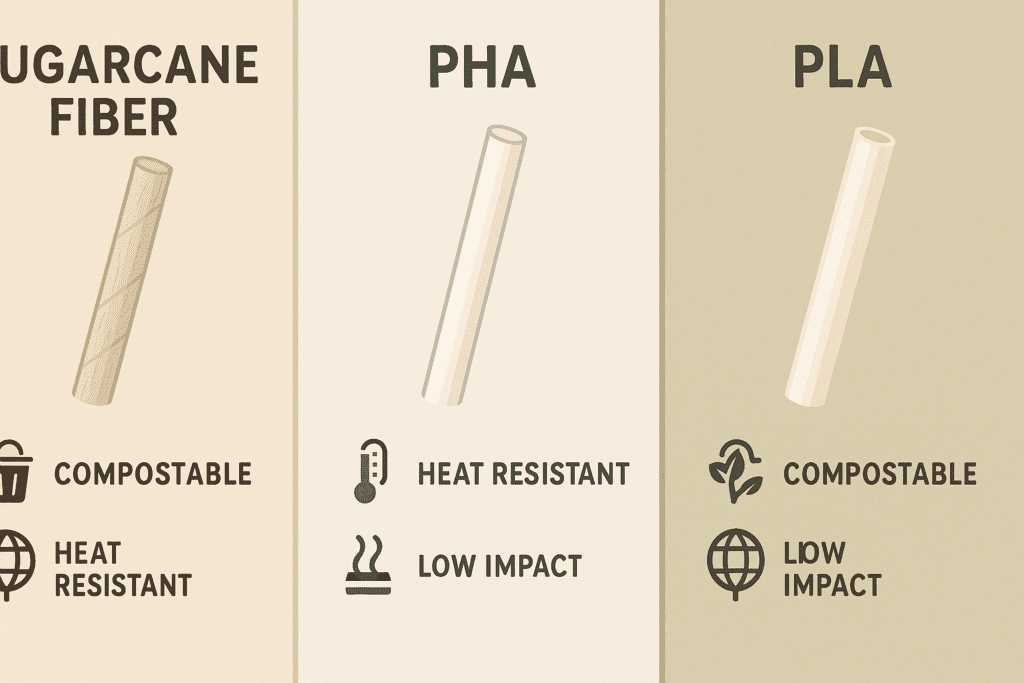
Comparison of Sugarcane, PHA, and PLA Straws
| Criteria | Sugarcane Fiber Straws | PHA Straws | PLA Straws |
|---|---|---|---|
| Material Source | Bagasse (sugarcane fiber waste). Natural plant-based fiber with plant binders. | PHA biopolymer produced by bacterial fermentation of plant oils (e.g., canola). 100% bio-based plastic. | PLA bioplastic derived from fermented plant sugars (corn, sugarcane, etc.). |
| Feel & Durability | Sturdy paper-like texture but lasts 4–6 hours in liquids without sogginess. Neutral taste. More durable than regular paper straws. | Feels like traditional plastic – flexible, smooth, and won’t get soggy. Maintains integrity for hours or days. Essentially indistinguishable from a standard plastic straw in use. | Rigid plastic feel. Stable in cold drinks, but can turn slightly brittle over time. Softens/warps in hot liquids and long exposure to heat. |
| Heat/Cold Compatibility | Cold: Excellent. Hot: Good up to ~90°C – suitable for warm drinks and brief contact with hot liquid. | Cold: Excellent. Hot: Excellent up to 100°C – can be used in boiling hot beverages without losing shape. | Cold: Good. Hot: Poor – softens above ~60–70°C, not recommended for hot drinks. High-heat storage can deform them. |
| Compostability | Home & Industrial Compostable. Breaks down naturally in compost within ~90-180 days. | Home, Industrial, and Marine Compostable. Fully biodegrades in many environments (soil, seawater, home compost). Certified to leave no microplastics. | Industrial Compostable only. Requires specific high temperatures and microbes. Not viable in home compost or nature; can persist for years if landfilled or littered. |
| Certifications | Typically meets ASTM D6400 / EN 13432 (BPI for commercial); some OK Compost Home. | Multiple third-party certs: BPI Compostable, TÜV OK Compost HOME, and marine biodegradability standards (e.g., ASTM D6691). | Usually BPI Certified Compostable for industrial composting. Not home or marine certified. |
| Environmental Impact | Made from renewable waste, low carbon footprint, fully biodegrades. Very eco-friendly lifecycle. | Lower carbon emissions than other bioplastics. Excellent end-of-life (no pollution, helps soil). Arguably the most eco-friendly straw option. | Energy-intensive to make. If not composted properly, can pollute like regular plastic. Often made from corn, raising concerns about GMOs/food diversion. |
| Cost & Availability | Widely available. Cost: Moderate, competitive in bulk, prices dropping. | Increasingly available. Cost: Slightly higher per unit than PLA or paper initially, but prices continue to improve. | Widely available. Cost: Generally affordable, but often treated as single-use plastics by regulations. |
In summary, sugarcane and PHA straws are the top contenders for coffee shops seeking compostable solutions. Sugarcane fiber straws excel in natural compostability and cost-effectiveness for cold drinks, while PHA straws lead in versatility and true biodegradability across all conditions. PLA, once a popular “eco” option, is now largely outshone by these PLA-free alternatives in performance and sustainability. Many businesses find success by using both: sugarcane for most cold drinks and PHA for specialty uses or when maximum versatility (like for hot beverages) is needed.
Benefits of Switching to PLA-Free Compostable Straws
Switching to compostable, PLA-free straws offers significant advantages beyond mere compliance:
- Compliance with Regulations: Ensures alignment with growing laws banning single-use plastics, including those that prohibit PLA, effectively “future-proofing” your business.
- Appeal to Eco-Conscious Consumers: Demonstrates a commitment to sustainability, attracting customers and building loyalty. Surveys show that 70% of consumers prefer brands with clear sustainability commitments.
- Improved Customer Experience: Provides a better drinking experience than soggy paper or deforming PLA straws, leading to higher customer satisfaction.
- Positive Environmental Impact & Brand Values: Directly reduces plastic waste and your carbon footprint, aligning with corporate social responsibility goals and enhancing your brand’s story.
- Ease of Disposal & Waste Management: Simplifies waste sorting as these straws can often go directly into food waste or compost bins, potentially saving on disposal costs and contributing to compost creation.
- Marketing & Storytelling Opportunities: Offers a powerful marketing tool; you can promote your “compostable straws initiative” on social media and in-store, engaging customers and differentiating your brand.
- Leadership & Press Opportunities: Positions your business as a leader in sustainability, potentially attracting positive media and community attention.
Taking Action: Making the Switch to PLA-Free Straws
For businesses ready to transition to sustainable straws, here are actionable steps:
- Request Samples: Start by requesting samples of both sugarcane and PHA straws to test them in your establishment and experience their quality firsthand.
- Evaluate Your Needs: Consider your typical beverage offerings. Sugarcane straws may suffice for cold drinks, while PHA straws offer versatility for all temperatures. Factor in your budget and the hidden costs of not switching.
- Secure a Reliable Supplier: Reach out to packaging distributors or eco-packaging specialists for bulk quotes. Inquire about certifications, lead times, and customization options. Ensure the straws meet relevant international standards (EU and US).
- Train and Inform Staff: Educate your team on proper usage and disposal, emphasizing that these straws belong in the compost bin, not the trash. Encourage them to inform customers about the eco-friendly switch.
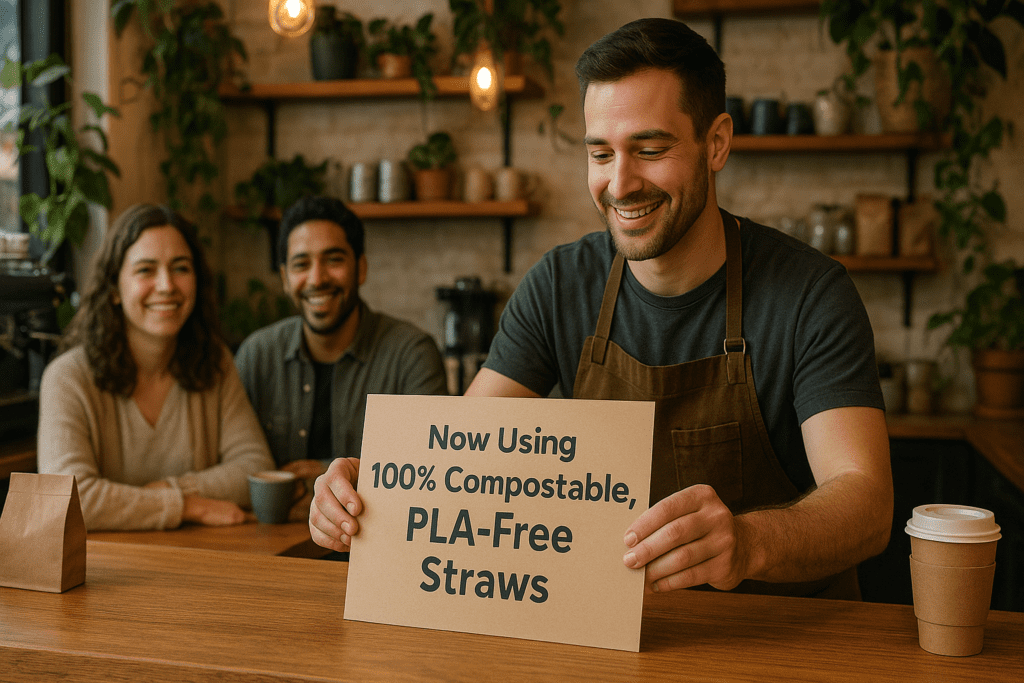
- Promote Your Switch: Actively market your transition to 100% compostable, PLA-free straws on social media, your website, and through in-store signage. This highlights your commitment and translates operational changes into tangible brand value.
By making this informed choice, you align your business with environmental values and customer demands, leading to enhanced brand image, smoother operations, and a positive contribution to the planet.