Orientace ve složitosti ekologicky šetrného balení v QSR: Poučení ze strategie papírové slámy společnosti McDonald's
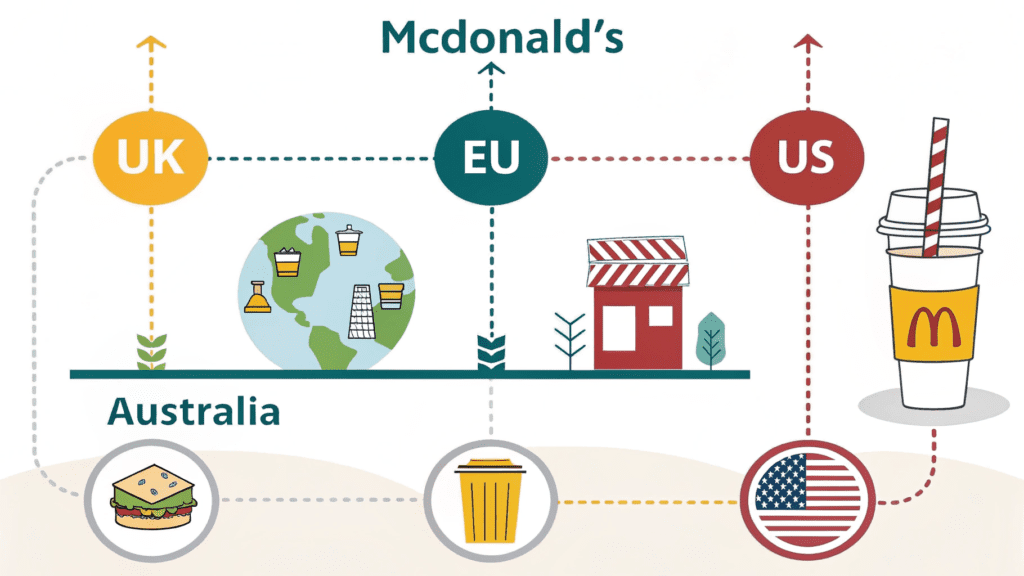
Orientace ve složitosti ekologicky šetrného balení v QSR
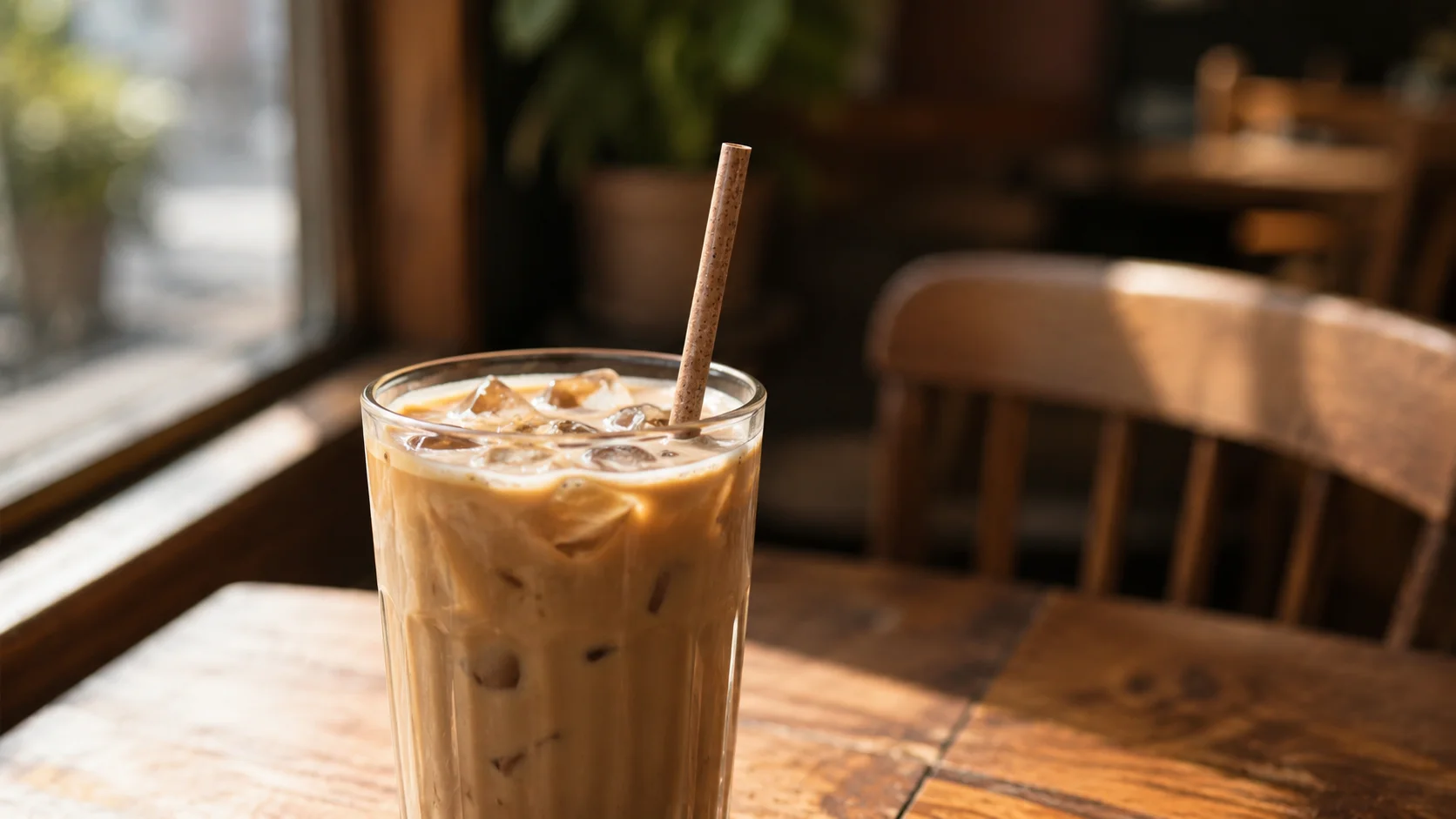
Nutnost, aby podniky přijaly udržitelné postupy, se přesunula z okrajového zájmu na základní strategický pilíř. Napříč průmyslovými odvětvími, ale zejména v rámci restaurací rychlého občerstvení (QSR) a širších sektorů stravovacích služeb, je tlak obrovský. Tento tlak pramení z několika front: eskalující poptávka spotřebitelů po ekologicky odpovědných produktech, přísné regulační rámce zaměřené na plasty na jedno použití a nepopiratelná provozní a komerční rizika spojená s nečinností. Globální giganti jako McDonald’s, známí svým rozsahem a tržním vlivem, slouží v tomto vyvíjejícím se prostředí jako dojímavé případové studie. Jejich vysoce propagovaný přechod na papírová brčka, zpočátku oslavovaný jako monumentální krok k zelenější budoucnosti, od té doby odhalil složitou pravdu, která nabízí kritické ponaučení pro každého B2B s rozhodovací pravomocí, který se pohybuje na své vlastní cestě udržitelnosti. Otázka „Jsou papírová brčka McDonald’s biologicky odbouratelná? i když to vypadá jednoduše, rozbaluje mnohem širší příběh o složitosti skutečné udržitelnosti.
Ignorování nuancí ekologických obalů může vést k významným dopadům. Kromě bezprostřední hrozby pokut za nedodržení na stále více regulovaných trzích existuje dlouhodobá eroze důvěry ke značce a loajality zákazníků. Dnešní spotřebitelé jsou informovanější a prozíravější; nehledí na povrchová „zelená“ tvrzení a požadují hmatatelné přínosy pro životní prostředí. Nesplnění těchto očekávání, nebo ještě hůř, zapojení se do vnímaného „greenwashingu“ může vážně ovlivnit podíl na trhu a ziskovost. Naproti tomu podniky, které skutečně integrují udržitelnost, mohou získat konkurenční výhodu, přilákat nové zákaznické segmenty a vybudovat odolný provoz odolný vůči budoucnosti.
Od plastu k papíru: Rozbalení McDonald’s Sustainability Saga
Poháněn rostoucím znepokojením veřejnosti nad znečištěním plasty a nadcházejícími vládními mandáty zahájil McDonald’s významný odklon od plastových brček. Počínaje březnem 2018 zkouškami ve Spojeném království se společnost zavázala k úplnému přechodu ve všech 1 361 restauracích ve Spojeném království a Irsku do konce roku 2019. Tento krok byl přímou reakcí na veřejné petice, z nichž jedna shromáždila téměř půl milionu podpisů vyzývajících giganta rychlého občerstvení, aby se zbavil plastových brček, a následovala dubnový návrh vlády Spojeného království zakázat používání bavlny slámkami 218. do roku 2020. Podobné iniciativy a zkoušky brzy následovaly na dalších klíčových trzích, včetně Austrálie, Kanady, Belgie, Francie, Švédska, Norska a vybraných trhů v USA, přičemž všechny měly za cíl nahradit plasty s dlouhou životností materiály vnímanými jako ekologičtější.
Tento dobře zamýšlený přechod však rychle odhalil řadu mnohostranných výzev a přeměnil přímou výměnu materiálu na komplexní případovou studii v reálné implementaci udržitelnosti.
„Biodegradabilní“ nuance se stala ústředním bodem sporu. Zatímco papírová brčka jsou ze své podstaty navržena tak, aby se přirozeně rozkládala, jejich praktická recyklovatelnost se ukázala jako hrozivá překážka. Papírová brčka McDonald’s, zejména silnější a odolnější verze, které byly uvedeny na trh v reakci na stížnosti zákazníků na rozmočené, představovaly potíže pro stávající infrastrukturu nakládání s odpady. V srpnu 2019 se ukázalo, že přestože jsou brčka vyrobena z recyklovatelných materiálů, byla příliš silná na to, aby je mohli efektivně zpracovat jejich recyklační partneři ve Spojeném království a Irsku. To vedlo ke kritickému odhalení: McDonald’s doporučil zákazníkům v některých regionech likvidovat papírová brčka do běžného odpadu. Zatímco společnost objasnila, že tento obecný odpad byl poté využíván k výrobě energie, nikoli na skládky, veřejné pobouření bylo rychlé. Kritici vznesli obvinění z „greenwashingu“ a poukázali na ironii údajného ekologického produktu, který skončí ve spalování, místo aby byl recyklován, jak se všeobecně předpokládá. To zdůrazňuje zásadní rozdíl mezi vlastní recyklovatelností materiálu a skutečnou infrastrukturou dostupnou pro jeho zpracování. Pochopení nuancí tohoto přechodu je životně důležité pro každé podnikání. Chcete-li se hlouběji ponořit do jedné z nejviditelnějších změn v odvětví rychlého občerstvení, prozkoumejte naši analýzudekódování slámové strategie McDonald’s.
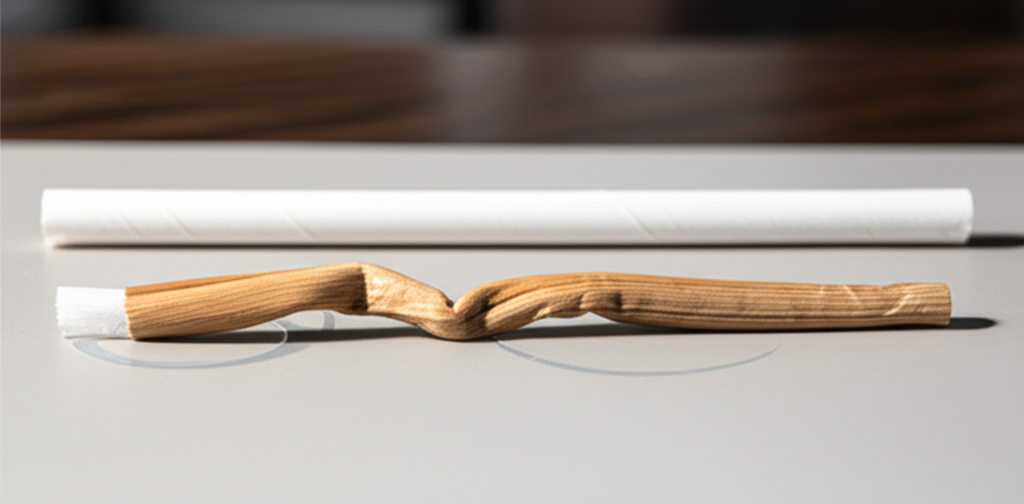
Kromě recyklačního hlavolamu výrazně utrpěla zkušenost zákazníků a vnímání značky. Objevily se četné stížnosti, kdy spotřebitelé naříkali, že papírová brčka se rozmočila a rychle se rozpadla, zejména v hustších nápojích, jako jsou mléčné koktejly, což ztěžuje nebo dokonce znemožňuje jejich použití. Někteří zákazníci uvedli, že papírová brčka změnila chuť a pocit z jejich nápojů, což negativně ovlivnilo jejich celkový požitek. Tato rozšířená nespokojenost podnítila online petice požadující vrácení plastových brček, z nichž jedna získala přes 51 000 podpisů. McDonald’s reagoval zavedením „vyvinutého“ silnějšího papírového brčka v Evropě v listopadu 2019 a v Austrálii později potvrdil 30% nárůst tloušťky svých papírových brček. Přesto ani tato vylepšení nedokázala zcela zmírnit negativní sentiment. Tato případová studie zdůrazňuje kritickou rovnováhu, kterou musí podniky dosáhnout mezi environmentálními cíli, funkčností produktu a spokojeností zákazníků, zejména při zavádění změn v globálním měřítku.
Vytváření zelenější budoucnosti: Strategická řešení pro balení potravin
Složitost, s níž se potýká přední průmyslová společnost, jako je McDonald's, nabízí neocenitelné lekce pro všechny podniky, které chtějí implementovat skutečně udržitelná obalová řešení. Trh s ekologicky šetrnými alternativami nejen roste; rychle se rozvíjí, je poháněn neustálými inovacemi, rostoucí spotřebitelskou poptávkou a stále přísnějšími legislativními tlaky po celém světě. Očekává se například, že celosvětový trh s brčky šetrnými k životnímu prostředí vzroste z přibližně 12,3 miliardy USD v roce 2025 na téměř 25,1 miliardy USD do roku 2035 při složené roční míře růstu (CAGR) 7,3 %. Tento mohutný růst podtrhuje nezvratný posun směrem k udržitelnějším postupům.
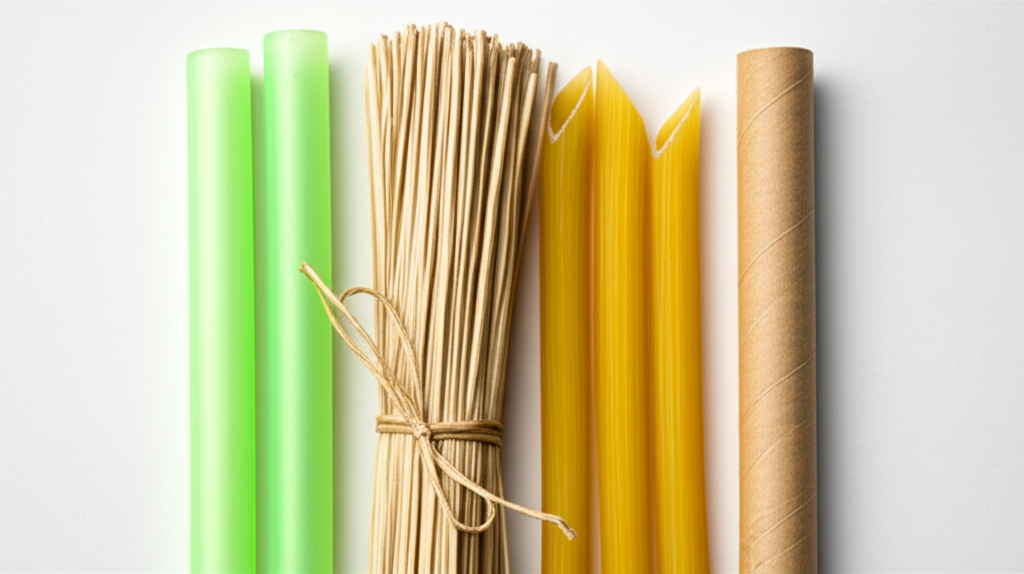
Srovnání udržitelných technologií slámy: perspektiva B2B
Výběr optimálního udržitelného řešení slámy zahrnuje více než pouhou výměnu materiálu. Vyžaduje důkladné vyhodnocení výkonu, dopadů na náklady a řešení na konci životnosti, která jsou v souladu s vaším konkrétním provozním prostředím a cílovým trhem. Podniky musí vzít v úvahu faktory, které přesahují počáteční cenu, včetně dodržování předpisů, stability dodavatelského řetězce a celkového dopadu na zákaznickou zkušenost a věrnost značce. Pro širší pochopení vlastností materiálů nahlédněte do našeho průvodce nabiologicky rozložitelné slaměné materiály.
| Materiál slámy | Klíčové vlastnosti | Biologická rozložitelnost/kompostovatelnost | Trvanlivost/případ použití | Důsledky nákladů | Potřeba infrastruktury |
|---|---|---|---|---|---|
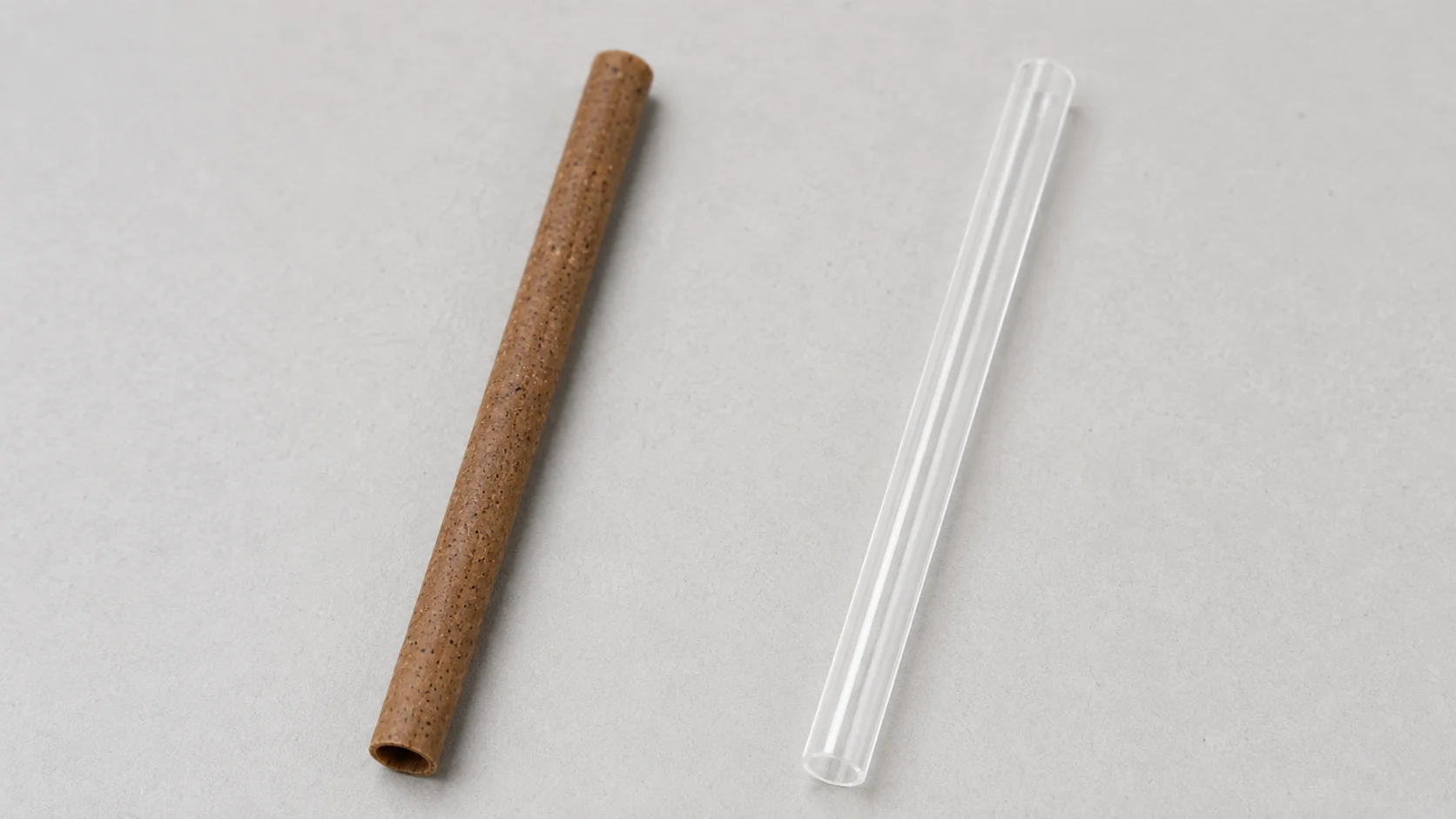
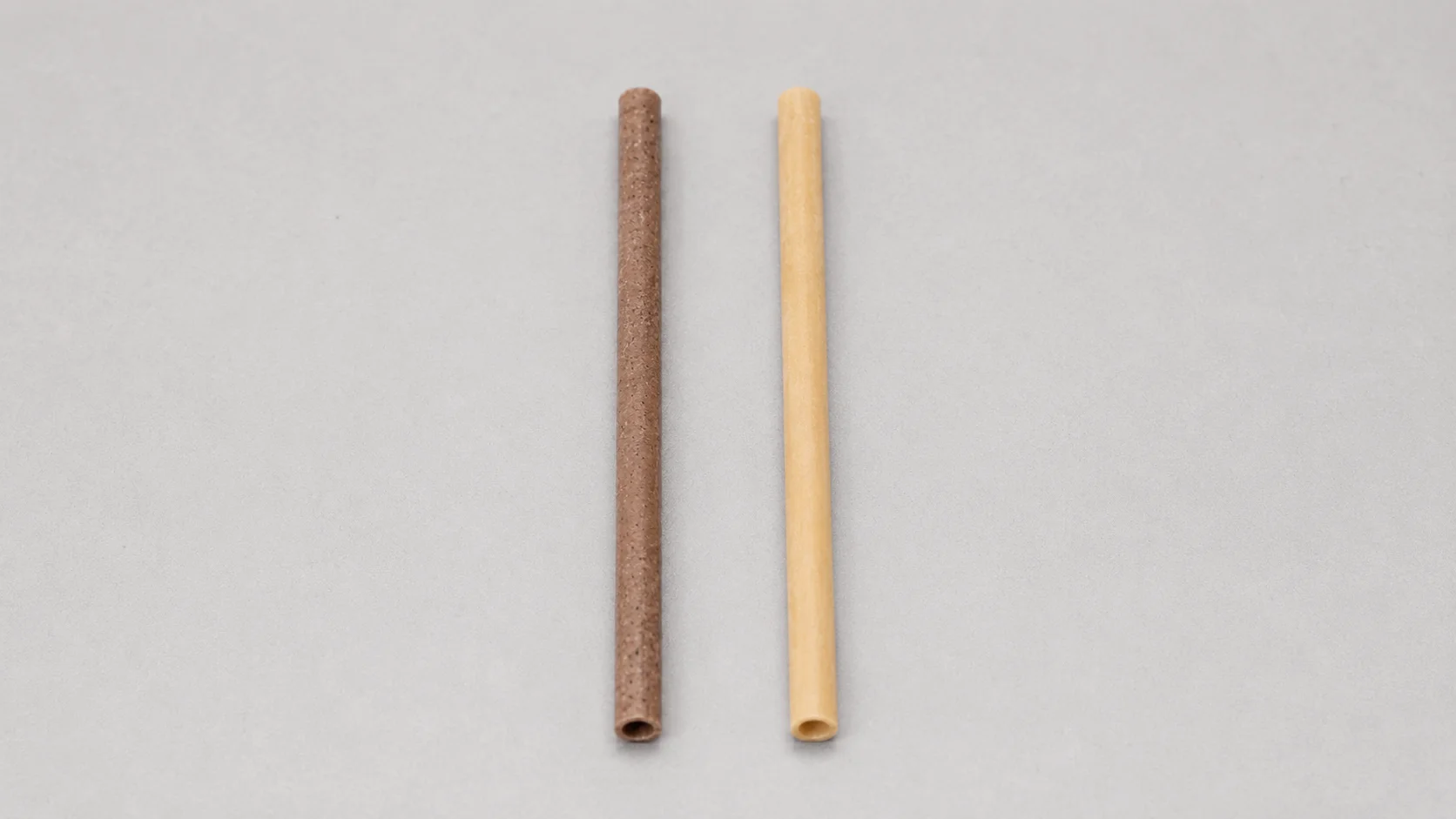
| Papírová brčka | Vyrobeno z dřevité buničiny, často potažené. Panenský kraftový papír oblíbený pro pevnost. | Biologicky odbouratelné; často komerčně kompostovatelné. | Proměnná; náchylné k rozmočení. Vylepšené povlaky zvyšují odolnost. Vhodné pro většinu studených nápojů. | Mírný | Obecný odpad (často spalovaný) nebo specifické průmyslové kompostování, pokud je obalováno. Obtížné pro standardní recyklační zařízení kvůli tloušťce. |
| PHA brčka | Bioplast z obnovitelných zdrojů (kukuřičný škrob, cukrová třtina). Napodobuje tradiční plast. | Biologicky se rozkládá v různých prostředích, včetně moře a půdy. | Vysoký; podobný pocit a odolnost jako plast. Vynikající pro teplé/studené nápoje. | Vysoký | Průmyslové kompostování; přirozený rozklad v různých prostředích. |
| PLA brčka | Bioplast z fermentovaného rostlinného škrobu (kukuřice). | Vyžaduje komerční kompostovací zařízení. | Dobrý; podobně jako plast. Není ideální pro velmi horké tekutiny. | Mírný | Pro správnou likvidaci jsou nezbytná průmyslová kompostovací zařízení. |
| Sláma z cukrové třtiny (Bagasse). | Vyrobeno z odpadního vedlejšího produktu cukrové třtiny. | Biologicky odbouratelné; často domácí kompostovatelné. | Dobrý; robustní v teplých i studených nápojích. Voděodolný. | Mírný | Domácí nebo průmyslové kompostování, minimální potřeba infrastruktury. |
| Slámky sena | Přírodní stonky pšenice. | Snadno kompostovatelné. | Dobrý, odolný na studené nápoje. | Nízký | Kompostování. Omezené případy použití kvůli přirozeným variacím. |
| Těstovinová brčka | Jedlé, typicky na bázi pšenice. | Jedlé, biologicky rozložitelné, skutečně bez odpadu. | Krátkodobé použití (cca 1 hodina ve studených nápojích); ne pro horké. Alergenové obavy (lepek). | Nízký | Jedlé/kompostovatelné. |
| Brčka na bázi mořských řas | Vznikající technologie z mořských řas. | Bezpečné pro moře, plně biologicky odbouratelné. V přírodě se neškodně rozpouští. | Durable for hot & cold liquids; doesn’t affect taste. | Vysoká (vznikající) | Přirozený rozklad/kompostování. Řešení odolné vůči budoucnosti. |
| Opakovaně použitelné (kov, sklo, silikon) | Odolné, víceúčelové, omyvatelné. | N/A (opakovaně použitelné, ne jednorázové) | Velmi vysoká odolnost, dlouhá životnost. | Vysoké počáteční, velmi nízké dlouhodobé náklady na jedno použití. | Vyžaduje robustní infrastrukturu čištění, sběru a sanitace. Obecně není vhodné pro velkoobjemové rychlé občerstvení z důvodu logistiky a rizika poškození. |
Industry Trends & The Future of Eco-Friendly Packaging
Otočení průmyslu směrem k udržitelným brčkám není izolovaným jevem, ale nedílnou součástí širšího, transformačního posunu v globálním balení. Tento vývoj je definován závazkem k zásadám oběhového hospodářství a proaktivním přístupem k péči o životní prostředí.
- Market Growth & Regulatory Tailwinds: Významný růst trhu předpokládaný pro ekologicky šetrná brčka je poháněn přímo stupňujícími se zákazy a omezeními plastových výrobků. Regiony jako Evropská unie, různé státy USA (např. Kalifornie, New York, Washington) a Spojené království aktivně nařizují ekologické výrobní postupy a snižování odpadu, což nutí podniky, aby se přizpůsobily nebo čelily sankcím. Podniky, které proaktivně přijmou tyto změny, si mohou zajistit výhodu prvního tahu a ochránit své operace před zpřísňujícími se předpisy.
- Síla spotřebitelských preferencí: Moderní spotřebitelé jsou mocnou silou, která tuto změnu řídí. Průzkum NielsenIQ z roku 2023 odhalil, že 69 % zákazníků rychlého občerstvení zaznamenalo změny v ekologických obalech, přičemž 58 % uvedlo, že takové balení ovlivnilo jejich výběr v restauraci. Kromě toho 44 % spotřebitelů vyjádřilo ochotu zaplatit dalších 5–10 % za jídla podávaná v kompostovatelných nebo biologicky rozložitelných obalech. To se přímo promítá do lepší pověsti značky, zvýšené loajality zákazníků a potenciálně i většího podílu na trhu pro podniky, které se autenticky zavazují k udržitelnosti.
- Inovace řešící klíčové výzvy: Výzvy, kterým čelí rané udržitelné alternativy, jako je rozmočená papírová brčka nebo náklady na bioplasty, jsou výrobci agresivně řešeny. Inovace zahrnují vývoj pokročilých, rostlinných nátěrů na papírová brčka pro zlepšení odolnosti proti vlhkosti, aniž by byla ohrožena biologická odbouratelnost. Objevení se brček z polyhydroxyalkanoátu (PHA), které svým dojmem a výkonem napodobují konvenční plasty a zároveň nabízejí vynikající biologickou rozložitelnost v různých prostředích (včetně moře a půdy), znamená velký skok vpřed. Jedlé brčka, dostupné v různých příchutích a již adoptované klienty jako Disney, nabízejí skutečně nulové řešení. Komplexního průvodce odpovědným nakládáním s odpady, včetně likvidace kompostovatelných předmětů, naleznete v našem článku na likvidace kompostovatelné slámy.
- Budování cirkulární ekonomiky: Kromě individuálních materiálových řešení se průmysl stále více zaměřuje na zavedení cirkulární ekonomiky. To zahrnuje nejen výběr udržitelných materiálů, ale také proaktivní zlepšování infrastruktury pro recyklaci a kompostování, podporu spolupráce s poskytovateli odpadového hospodářství a zkoumání uzavřených systémů. McDonald’s například investuje do partnerství, jako je Polypropylene Recycling Coalition společnosti The Recycling Partnership, aby podpořila recyklovatelnost náročných materiálů. Společnosti také zavádějí strategie, jako je nabízení brček pouze na vyžádání a pilotní testování „bezslámových víček“, aby se snížila spotřeba u zdroje, což demonstruje holistický přístup ke snižování odpadu. Budoucnost spočívá v řešeních, která nejsou pouze teoreticky „biologicky odbouratelná“, ale skutečně ovladatelná v rámci stávajících nebo vyvíjejících se toků odpadů, což zajišťuje, že úsilí o udržitelnost se promítne do hmatatelných přínosů pro životní prostředí.
Váš plán k udržitelnému úspěchu: Implementace odpovědného balení
U rychlých restaurací, kaváren, pohostinských skupin a všech potravinářských podniků vyžaduje přechod na skutečně udržitelná brčka a balení strategický, holistický přístup, který daleko přesahuje pouhé dodržování předpisů. Je to příležitost předefinovat vaši značku, optimalizovat provoz a zajistit si konkurenční výhodu na rychle se vyvíjejícím trhu.
- Proveďte komplexní audit obalů: Začněte pečlivým vyhodnocením svého současného portfolia obalů. Identifikujte všechny závislosti na plastech na jedno použití a zhodnoťte jejich dopad na životní prostředí, související náklady (včetně likvidace odpadu) a dopad na zkušenosti zákazníků. Je důležité porozumět specifické infrastruktuře likvidace a recyklace dostupné v každé z vašich provozních oblastí, protože to určuje životaschopnost různých výběrů materiálů.
- Upřednostněte výběr materiálu na základě životního cyklu: Vyhněte se pasti typu „papír je vždy lepší“. Místo toho zvažte celý životní cyklus alternativních materiálů: získávání surovin, spotřebu energie při výrobě, emise z dopravy a především scénáře konce jejich životnosti (skutečná recyklovatelnost, průmyslová nebo domácí kompostovatelnost nebo degradace). Vyvážit teoretickou biologickou rozložitelnost s praktickou funkčností – vydrží papírové brčko například hustý koktejl? – a schopnosti vašich místních partnerů pro nakládání s odpady.
- Invest in Infrastructure & Partnerships: Případ McDonald’s poukazuje na kritickou mezeru v odpadní infrastruktuře. Proaktivně se zapojte do svých poskytovatelů nakládání s odpady, abyste pochopili jejich schopnosti pro zpracování nových, udržitelných materiálů. Prozkoumejte a investujte do partnerství, která podporují uzavřené systémy, upcyklační iniciativy nebo průmyslové kompostování, je-li k dispozici. Staňte se zastáncem zlepšení místní a regionální infrastruktury.
- Zapojte se do svého dodavatelského řetězce: Úzce spolupracujte s dodavateli obalů, kteří jsou skutečně oddaní inovacím a udržitelnosti. Požadujte transparentnost, pokud jde o certifikace (např. FSC pro papír, ASTM D6400 pro kompostovatelné látky, certifikace mořské biologické rozložitelnosti) a environmentální tvrzení jejich produktů. Silné partnerství v dodavatelském řetězci je zásadní pro získávání nákladově efektivních a skutečně udržitelných materiálů.
- Vzdělávejte své zaměstnance a zákazníky: Transparentnost je prvořadá. Jasně sdělte své cíle udržitelnosti, důvody změn obalů a přínosy pro životní prostředí, kterých chcete dosáhnout. Poskytněte jednoznačné pokyny pro správnou likvidaci v místě spotřeby, abyste maximalizovali efektivitu svého úsilí. Komplexní školení zaměstnanců zajišťuje konzistentní implementaci a pomáhá jim s jistotou odpovídat na otázky zákazníků.
- Měřit a opakovat: Udržitelnost je neustálá cesta. Stanovte jasné metriky pro sledování dopadu vašich změn na životní prostředí (např. snížení plastů, míra přesměrování odpadu), sledujte zpětnou vazbu od zákazníků a analyzujte provozní efektivitu. Buďte připraveni přizpůsobit a opakovat svou strategii, jak se objevují nové technologie, vyvíjejí se odpadové infrastruktury a mění se očekávání spotřebitelů.
Učením se ze zkušeností lídrů v oboru, přijímáním strategických poznatků a zavazováním se k holistickému přístupu se vaše podnikání může posunout za hranice povrchních zelených iniciativ. Můžete implementovat řešení, která skutečně přispívají k udržitelnější budoucnosti, výrazně zvyšují hodnotu značky, zmírňují regulační rizika a hluboce rezonují s dnešním ekologicky uvědomělým spotřebitelem, čímž si nakonec zajistíte větší podíl na stále více zeleném trhu.
Často kladené otázky
Q1: Jsou papírová brčka McDonald's skutečně biologicky odbouratelná?
A1: Ano, papírová brčka McDonald’s jsou považována za biologicky odbouratelná, protože jsou vyrobena z papíru a přirozeně se rozkládají. Jejich tloušťka však ztěžuje jejich zpracování ve standardních recyklačních zařízeních, což vede k doporučení společnosti likvidovat je v běžném odpadu.
Otázka 2: Proč nejsou papírová brčka McDonald’s snadno recyklovatelná, přestože jsou vyrobena z papíru?
A2: Hlavním důvodem je zvýšená tloušťka brček. McDonald’s posílil papírová brčka po stížnostech na rozpouštění dřívějších verzí. Tato silnější konstrukce zpochybňuje stávající recyklační systémy, které jsou nastaveny pro standardní druhy papíru.
Otázka 3: Co se stane s papírovými brčky McDonald's, když jsou likvidovány v běžném odpadu?
A3: McDonald’s uvádí, že obecný odpad z jeho restaurací, včetně papírových brček, je směřován do zařízení na výrobu energie z odpadu, nikoli na skládkách na některých trzích.
Q4: Jaké jsou hlavní kritiky papírových brček McDonald’s ze strany zákazníků?
A4: Mezi běžné stížnosti patří rozmočení nebo rozpadání (zejména u silných koktejlů), změněná chuť nebo pocit v ústech a dojem, že na jeden nápoj může být potřeba více brček.
Otázka 5: Jaké alternativní udržitelné slaměné materiály jsou pro podniky k dispozici?
A5: Mezi životaschopné možnosti patří:
- Bagasa z cukrové třtiny (pevný, kompostovatelný; zkontrolujte certifikace jako BPI/TÜV AUSTRIA).
- PHA bioplast (rostlinné; navrženo tak, aby se biologicky rozkládalo ve více prostředích než PLA).
- Rákos / stonky pšenice / bambus (přírodní vlákna; doma kompostovatelné, rustikální estetické).
- Rýžová/tapioková „jedlá“ brčka (skutečný nulový odpad při konzumaci; chuťově neutrální nebo ochucený).
- Opakovaně použitelné nerezová ocel, sklo nebo silikon (nejlépe pro stolování s robustními čisticími SOP).
Při získávání zdrojů upřednostňujte Bez PFAS nároky na výrobky z papíru/vlákna a ověřte dokumentaci pro styk s potravinami (např. FDA/LFGB) plus standardy kompostovatelnosti (BPI, CMA, EN 13432).