Skutečné náklady na pohodlí: Proč vaše „kompostovatelná“ brčka nemusí být tak zelená
Pro manažery zásobování a úředníky pro udržitelnost je mandát jasný: dodávat ekologicky šetrná řešení, aniž by byla ohrožena provozní efektivita nebo pověst značky. Nicméně orientace v krajině „udržitelných“ obalů, zejména předmětů na jedno použití, jako jsou brčka na pití, představuje složitý paradox. Jak se globální předpisy zpřísňují – od komplexníhoSměrnice EU o plastech na jedno použitík celostátním zákazům v Kanadě – a povědomí spotřebitelů o životním prostředí rychle eskaluje, podniky jsou pod obrovským tlakem, aby prokázaly skutečný závazek k udržitelnosti. Všudypřítomná mylná představa o termínech jako „biologicky odbouratelný“ versus „kompostovatelný“ však může neúmyslně vést k obavám z „zeleného vymývání“, což ohrožuje podnikovou odpovědnost a integritu značky. Výzvou není jen hledání alternativ; nalézá *skutečně* udržitelné, které jsou v souladu s environmentálními cíli i regulační realitou.
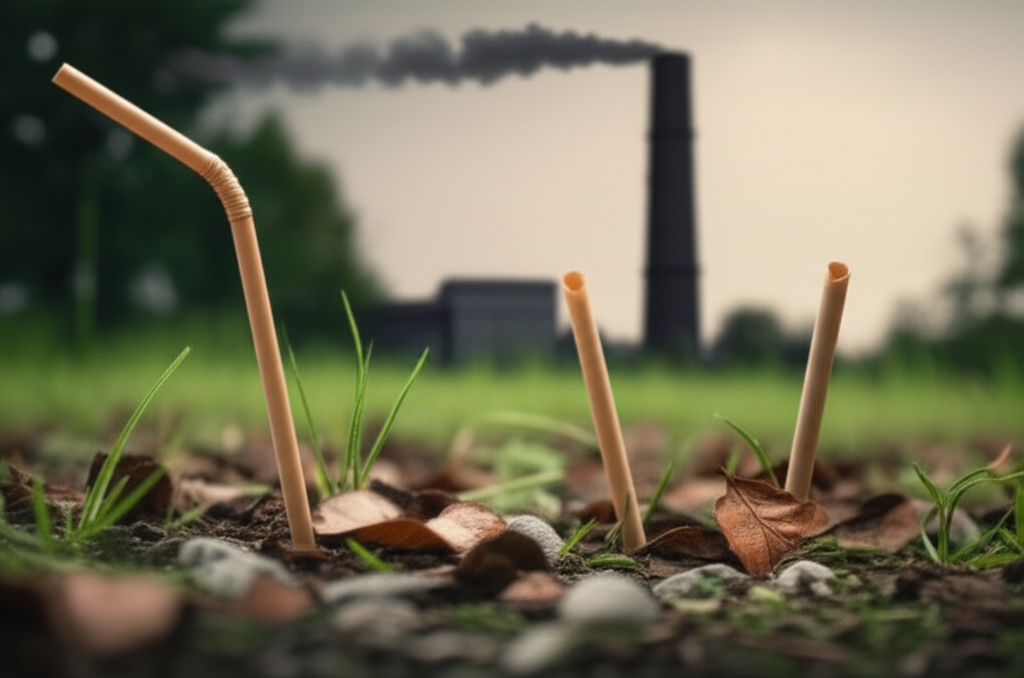
Pochopení vědy za těmito alternativami je zásadní pro informované rozhodování. Když mluvíme o „kompostovatelných“ brčkách, máme na mysli především materiály, jako je kyselina polymléčná (PLA), polyhydroxyalkanoáty (PHA), papír a bagasa z cukrové třtiny. Zatímco všechny jsou rostlinného původu, jejich cesty rozkladu se výrazně liší. PLA, získaný z fermentovaných rostlinných cukrů, jako je kukuřičný škrob, napodobuje dojem tradičního plastu, ale jepřísně závislé na průmyslových kompostovacích zařízeníchrozebrat se tak, jak bylo zamýšleno. Tato zařízení poskytují vysoké teploty a kontrolované mikrobiální prostředí nezbytné pro rozklad PLA. Bez těchto specifických podmínek se produkty PLA často nepodaří rozložit na skládkách nebo v přírodním prostředí, přetrvávají po delší období – někdy i stovky let – a přispívají k právě plastovému znečištění, které se snaží vyřešit. To často podněcuje obvinění z „greenwashingu“, kdy je produkt uváděn na trh jako ekologický, ale postrádá řádnou infrastrukturu na konci životnosti pro jeho slibované zhroucení. Trh se však nepopiratelně mění; Očekává se, že celosvětový trh s ekologicky šetrnými brčky vzroste z 12,3 miliardy USD v roce 2025 na 25,1 miliardy USD do roku 2035, což podtrhuje jasný odklon od tradičních plastů v celém odvětví. Chcete-li se hlouběji ponořit do udržitelného získávání materiálu, prozkoumejte našeho průvodce na[ekologická řešení balení].
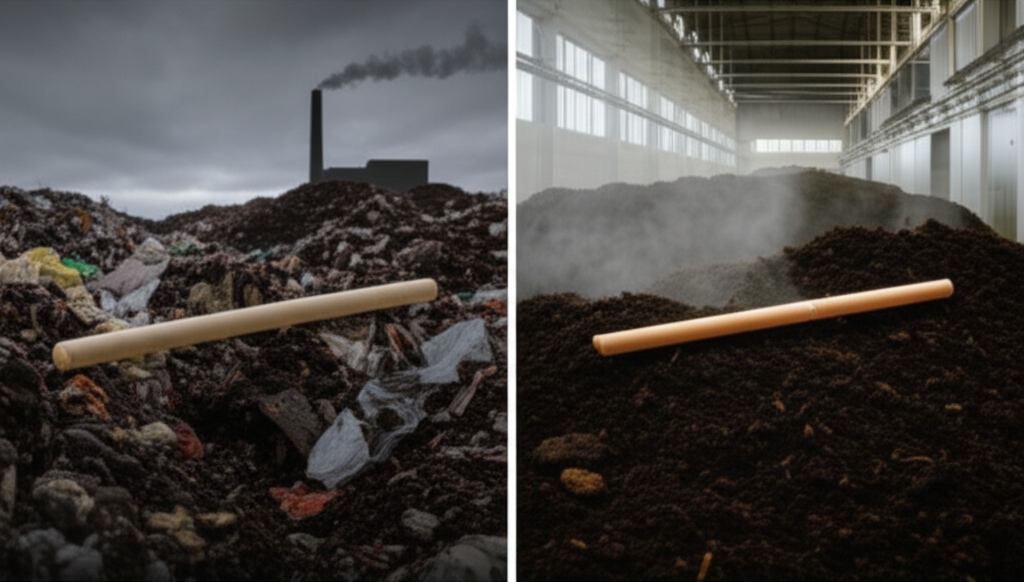
Cesta ke skutečné udržitelnosti spočívá v přijetí materiálů nové generace a certifikovaných řešení. Pokročilé varianty PHA například nabízejí významný skok vpřed a prokazují schopnost rozkladu nejen v prostředí průmyslového kompostování, ale také v domácím kompostu, půdě a dokonce i v mořském prostředí. Podobně inovace v technologii papírové slámy přinesly trvanlivější, voděodolné možnosti, které překonávají minulá omezení výkonu často spojená s papírem. Přijetím skutečně certifikovaných kompostovatelných brček získávají podniky jasné provozní výhody, lepší pozici značky a kritické dodržování předpisů. Hlavní řetězce už jsou v čele: například McDonald’s a Starbucks provedly významný přechod na programy kompostovatelné slámy, což signalizuje jasný trend na trhu a posun spotřebitelských preferencí. Nejde jen o soulad; jde o konkurenční výhodu a budování značky, které spotřebitelé důvěřují.
Srovnávací vzhled: Běžné kompostovatelné slámové materiály
| Funkce/kritérium | Papírová brčka | Brčka PLA (kyselina polymléčná). | PHA (polyhydroxyalkanoáty) brčka | Bagasová brčka z cukrové třtiny |
|---|---|---|---|---|
| Primární materiál | Rostlinná celulózová vlákna | Fermentované rostlinné cukry (kukuřičný škrob, cukrová třtina) | Rostlinné oleje (kanola) | Vláknitý vedlejší produkt cukrové třtiny |
| Požad. rozkladu | Rychlý, domácí/průmyslový kompost, přírodní env. | Přísně průmyslové kompostování (vysoké teplo/kontrolované prostředí) | Průmyslové, domácí, půdní, mořské prostředí (širší biodegradace.) | Průmyslový, domácí kompost, půda, přírodní env. |
| Trvanlivost | Variabilní, může rychle měknout | Napodobuje tradiční plastový pocit, dobrá odolnost | Vysoká, srovnatelná s tradičním plastem | Vysoká, odolává horkým/studeným nápojům |
| Riziko mikroplastů | Minimální až žádné | Potenciál uvolňování mikroplastů, pokud není správně kompostován | Velmi nízká až žádná (rozkládá se na přírodní složky) | Minimální až žádné |
| Greenwashing riziko | Nízké, široce srozumitelné | Vysoká, často mylně označená jako „biologicky rozložitelná“ bez kontextu | Nízká díky širší biologické rozložitelnosti | Nízký |
| Efektivita nákladů | Vysoká (obecně nejdostupnější) | Mírný | Vyšší (rozvíjející se technologie) | Mírný |
| Uhlíková stopa | Obecně nízká | Nižší než ropné plasty, ale vázané na průmyslové procesy | Obecně nízká (obnovitelný zdroj, efektivní rozpad) | Velmi nízká (využívá zemědělský odpad) |

Strategickým imperativem pro dnešní podniky je přijmout skutečně udržitelná řešení ze slámy. Nejde jen o zaškrtávání políček; jde o orientaci ve vyvíjejícím se regulačním prostředí a povýšení vašeho profilu společenské odpovědnosti společnosti. Přechodem na certifikované kompostovatelné alternativy zmírníte značné riziko „greenwashing“ tvrzení, zajistíte si dlouhodobou konkurenční výhodu a výrazně zvýšíte hodnotu své značky v očích spotřebitelů, kteří stále více dbají na životní prostředí. Další informace o navigaci v globálním souladu s předpisy naleznete v tomto zdroji na[směrnice EU o plastech]. Přečtěte si naše poznatky o tom, jak může robustní dodavatelský řetězec tento přechod podpořit[optimalizace vašeho B2B dodavatelského řetězce]. Budoucnost podnikání vyžaduje zodpovědnost a rozhodnutí, která uděláte dnes, určují váš budoucí dopad. Chcete-li prozkoumat kritickou roli certifikace, můžete se dozvědět více o certifikačních standardech BPI na adrese[Certifikace BPI].
Podpořte svou udržitelnou budoucnost
Umožněte svým týmům pro nákup a udržitelnost přijímat skutečně informovaná rozhodnutí. Vyžádejte si ještě dnes komplexní konzultaci s našimi odborníky na udržitelnost, abyste zhodnotili své současné využití slámy, prozkoumali certifikované kompostovatelné alternativy přizpůsobené vašim specifickým potřebám a získejte podrobnou analýzu návratnosti investic pro integraci těchto řešení do vašich provozů.Objevte, jak vám může momoio.com pomoci při přechodu