Optimering af driften med varmebestandige miljøvenlige sugerør til varme drikke
A B2B Guide for Hospitality & Foodservice Procurement
I. Det presserende imperativ for bæredygtige løsninger inden for varme drikke
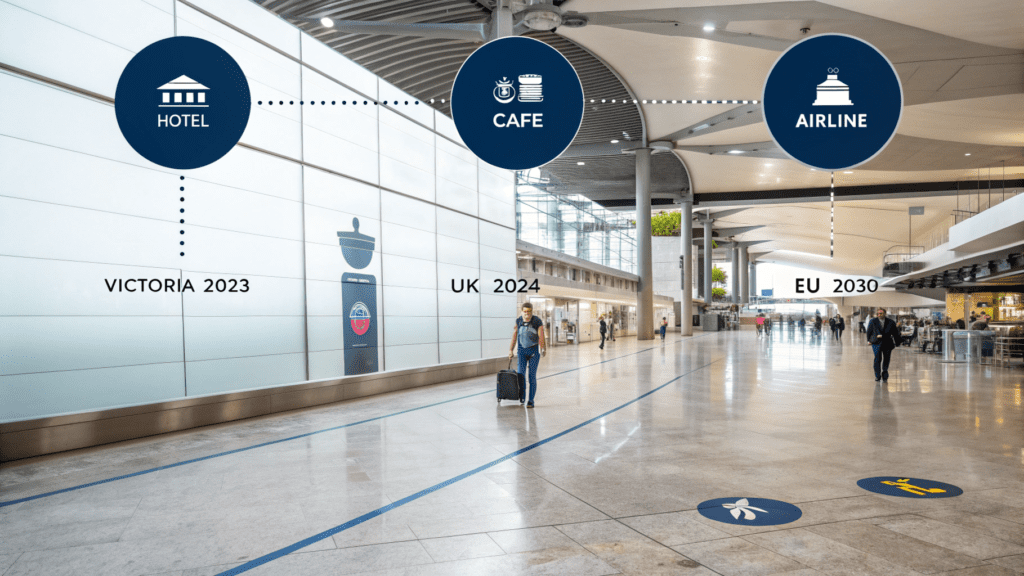
Landskabet for B2B-indkøb gennemgår et seismisk skift, drevet af eskalerende miljøregler og et globalt skub for bæredygtighed. For virksomheder, der opererer i drikkevaresektoren, udgør denne transformation et kritisk tidspunkt, især hvad angår engangsplast. Reguleringsorganer verden over indfører strenge forbud, eksemplificeret af Victoria, Australien, som forbød engangsplastiksugerør fra den 1. februar 2023, og Storbritannien, efter trop fra den 7. oktober 2024. Disse mandater skaber et presserende krav for virksomheder om at søge efter kompatible, højtydende alternativer.
En væsentlig operationel udfordring dukker op, når man tager fat på varme drikke: traditionelle papirsugerør vakler ofte, bliver hurtigt bløde og går i opløsning, hvilket alvorligt kompromitterer kundeoplevelsen. Dette allestedsnærværende "blødte halm"-dilemma har skabt et grelt markedsgab, der kræver innovative løsninger, der kan modstå høje temperaturer uden forringelse. Ydermere står virksomheder over for et enormt pres for at tilpasse deres drift til den voksende forbrugerefterspørgsel efter bæredygtig praksis og udviklende ESG (Environmental, Social, and Governance) indkøbspolitikker. Manglende tilpasning risikerer ikke kun manglende overholdelse af lovgivning og tilhørende bøder, men også betydelig skade på omdømmet på et marked, der i stigende grad værdsætter miljøforvaltning. De økonomiske konsekvenser af dette skift er betydelige; Det globale marked for bæredygtig emballage, et segment, der direkte påvirker halmalternativer, forventes at stige fra USD 316,8 milliarder i 2024 til USD 662,4 milliarder i 2034, hvilket viser en robust 7,6 % sammensat årlig vækstrate (CAGR). Denne bane understreger den kommercielle levedygtighed og den strategiske betydning af at investere i avancerede miljøvenlige løsninger.**Omfavn varmebestandige, miljøvenlige sugerør for at opfylde reglerne og øge kundetilfredsheden inden for gæstfrihed.**
II. Navigering i det lovpligtige landskab og markedskrav til varmebestandige miljøvenlige sugerør
Udvikling af plastforbud og deres operationelle virkning: Ud over EU's PPWR-mandat
Den globale lovgivningsindsats mod engangsplastik intensiveres og ændrer fundamentalt indkøbs- og forsyningskædebeslutninger for virksomheder på tværs af brancher. Ud over nationale og regionale forbud kræver overordnede regler som EU-forordningen om emballage og emballageaffald (PPWR), at al emballage, der markedsføres på EU-markedet, skal kunne genbruges eller genanvendes inden 2030. Disse direktiver er ikke blot forslag; de er juridisk bindende krav, der tvinger brands til at integrere bæredygtige alternativer i deres kerneaktiviteter.
Omfanget af disse forbud er bredt og omfatter alle typer engangsplastik, hvad enten det er konventionelt, biologisk nedbrydeligt, komposterbart eller genanvendt, og endda genstande, der delvist er fremstillet af plast, inklusive dem med plastbelægninger eller -foringer. For eksempel gælder den victorianske regerings 2023-forbud mod engangsplastiksugerør universelt, med specifikke undtagelser kun for personer med handicap eller medicinske behov. Tilsvarende omfatter Storbritanniens forbud fra 2024 drikkevarer med påsatte plastiksugerør, men fritager dem, der bruges som emballage til varer som medicin. Virksomheder, der undlader at navigere i disse komplekse og udviklende regler, risikerer ikke kun betydelige bøder, men også alvorlig skade på omdømme blandt en offentlighed, der i stigende grad er opmærksom på virksomhedernes miljøansvar. For fuldt ud at forstå skiftet mod grønnere muligheder i drikkevaresektoren, udforsk vores omfattende guide ommiljøvenlige sugerør til restauranter.
The Growing Sustainable Packaging Market & Why Hot Beverage Straws are Key
Fremdriften bag bæredygtig emballage er ubestridelig, drevet af et sammenløb af øget forbrugerbevidsthed, ambitiøse virksomheders bæredygtighedsmål og den globale overtagelse af principper for cirkulær økonomi. Dette marked oplever hurtig vækst, med papir- og papmaterialer, der forventes at dominere og har en anslået markedsandel på 42 % i 2025. Denne stigning er understøttet af regeringskampagner og en udbredt overgang blandt Fast-Moving Consumer Goods (FMCG)-mærker, der søger at reducere deres afhængighed af traditionel plast.
Nordamerika stod for eksempel for cirka 33 % af den globale bæredygtige emballageomsætning i 2024, hvilket signalerer et stærkt markedsberedskab og efterspørgsel efter miljøvenlige løsninger. Mens udfordringer såsom højere produktionsomkostninger for bæredygtige materialer og potentielle råmaterialebegrænsninger fortsætter, absorberer større virksomheder i stigende grad disse udgifter som en del af deres langsigtede strategiske forpligtelser. Fokus på sugerør til varme drikke inden for dette markedssegment er kritisk, da det repræsenterer et vedvarende smertepunkt, som standard papir- eller førstegenerations bioplastsugerør har kæmpet for at løse. Innovationer i denne niche handler ikke kun om compliance, men om at forbedre kundeoplevelsen og styrke brandværdien i et konkurrencepræget miljø.**Globale plastikforbud og markedsvækst kræver kompatible, højtydende halm-alternativer til varme drikke til gæstfrihed.**
III. Banebrydende materialer i varmebestandige miljøvenlige sugerør
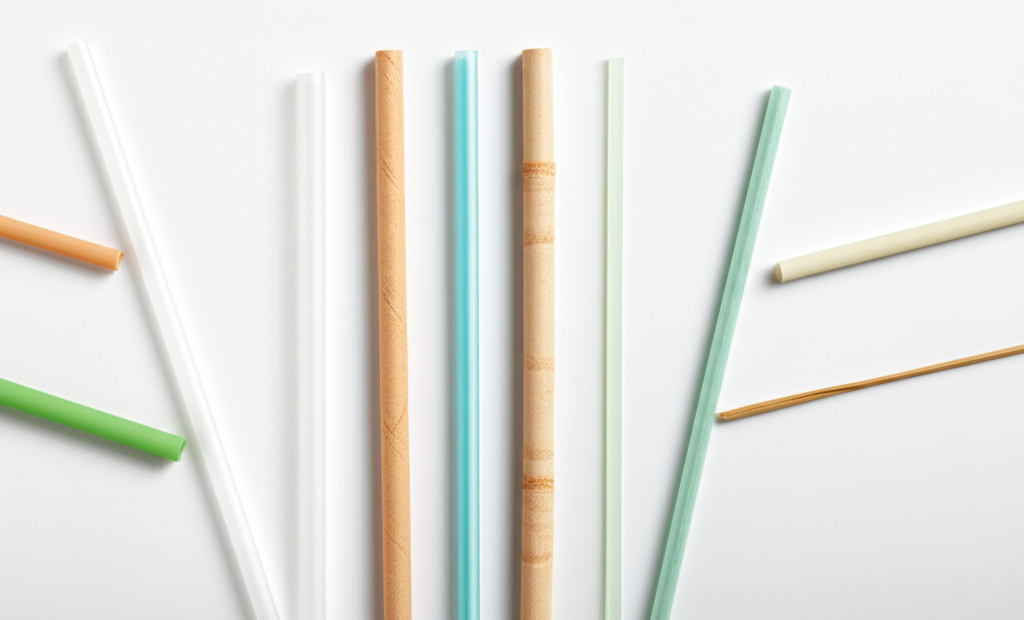
Bestræbelsen på at overvinde dilemmaet med "våde halm" i varme drikke har ansporet til betydelige fremskridt inden for materialevidenskab, hvilket har ført til en ny generation af varmebestandige, miljøvenlige sugerør. Disse innovationer er afgørende for virksomheder, der sigter på at opfylde både forbrugernes forventninger og lovgivningsmæssige mandater.
Avanceret bioplastik: Løsning af "Soggy Straw"-dilemmaet ved høje temperaturer
Traditionelle sugerør af polymælkesyre (PLA), selv om de er biologisk nedbrydelige, har historisk set lidt under en lav varmeafbøjningstemperatur (HDT), der typisk deformeres over 40°C (104°F). Denne begrænsning har gjort standard PLA uegnet til varme drikke. Men de seneste gennembrud inden for bioplastteknik revolutionerer dette.
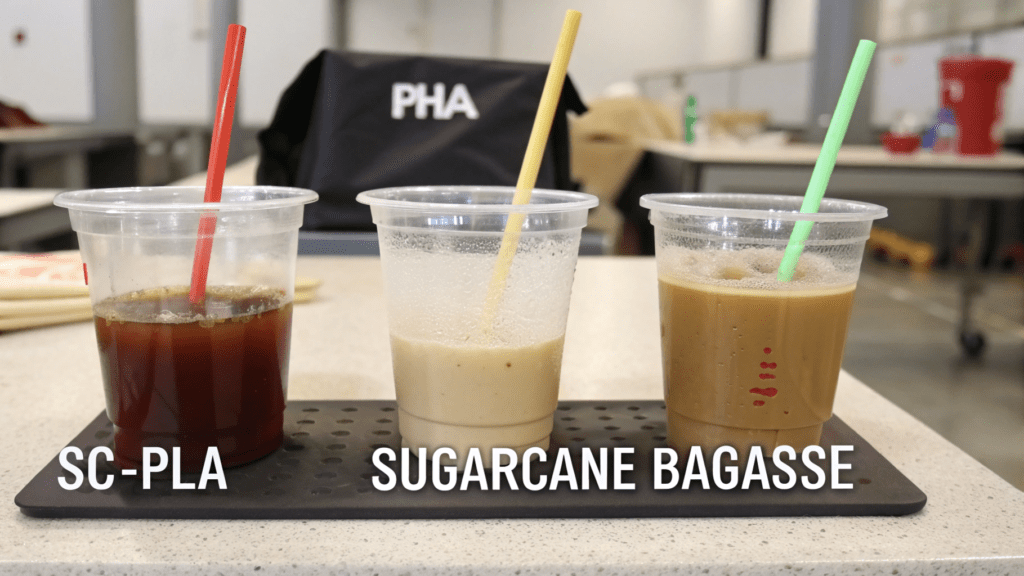
- Stereocomplexed Poly(lactic acid) (SC-PLA) straws represent a significant leap forward. Research indicates that SC-PLA straws remain remarkably stable even after immersion in 100°C water for 10 minutes, with only minimal loss of tensile strength. These straws are fully biodegradable and meet stringent compostable standards such as BPI (ASTM D6400) and TÜV Austria (EN 13432), offering a premium feel and robust performance in hot liquids.
- Evanesce tilbyder innovative plantebaserede sugerør, der er varmebestandige op til 80°C. Disse er 100 % kommercielt komposterbare og konstrueret til at være fri for skadelige PFAS-kemikalier og mikroplastik, hvilket giver en sikker og bæredygtig løsning.
- Hvilke sugerør, afledt naturligt af majs, ris og andre kornsorter, viser fremragende biokompatibilitet og stabilitet i kogende vand, og tilbyder et virkelig naturligt og yderst funktionelt alternativ.
- Desuden avancerede PLA-muligheder er nu ved at blive udviklet, som kan modstå temperaturer på over 70°C, hvor nogle formuleringer endda overstiger 100°C. Disse fremskridt involverer ofte specialiseret krystallisation (CPLA, som kan håndtere op til 82°C) eller blanding med andre polymerer for at forbedre termiske egenskaber, der direkte adresserer de historiske varmebegrænsninger af bioplast.
- Sugerør af polyhydroxyalkanoater (PHA). er en anden lovende plantebaseret bioplast, der tilbyder holdbarhed, der kan sammenlignes med traditionel plast. PHA'er er bemærkelsesværdige for deres modstandsdygtighed over for fugtighed på tværs af forskellige drikkevaretemperaturer og er unikt marinenedbrydelige, ud over at være hjemme- og industrielt komposterbare, fremtidssikrede investeringer for virksomheder.
Naturlige fibre: Bæredygtige sugerør til varme drikke, der giver holdbarhed
Ud over avanceret bioplast, har naturlige fiberbaserede sugerør bevist deres evne til at bruge varme drikke, hvilket tilbyder både bæredygtighed og overraskende holdbarhed.
- Sukkerrør (Bagasse) sugerør, lavet af de fibrøse rester, der er tilbage efter ekstraktion af sukkerrørsjuice, er meget holdbare. De kan klare temperaturer på op til 100°C og modstå blødhed i længere perioder, hvilket gør dem til et robust og pålideligt valg til varme drikke. De er ofte certificeret komposterbare, bredt accepteret af kommercielle komposteringsanlæg.
- Risstrå, lavet af rismel og tapiokastivelse, giver en innovativ, spiselig og biologisk nedbrydelig mulighed. De kan modstå temperaturer op til 60°C (140°F) i 2-3 timer før de blødgøres, hvilket giver en unik og bæredygtig drikkeoplevelse.
- Hvede sugerør, afledt af naturlige hvedestængler, er naturligt varmebestandige og viser sig at være mere holdbare end mange papiralternativer. De er 100 % komposterbare og repræsenterer en nul-affaldsløsning ved at udnytte et landbrugsbiprodukt.
- Innovative materialer som f.eks lignin- og citronsyrebaserede "termoshærdende film", derived from edible starch and polyvinyl alcohol, show enhanced hydrostability and superior tensile strength, outperforming traditional paper and even some plastic straws in functionality.
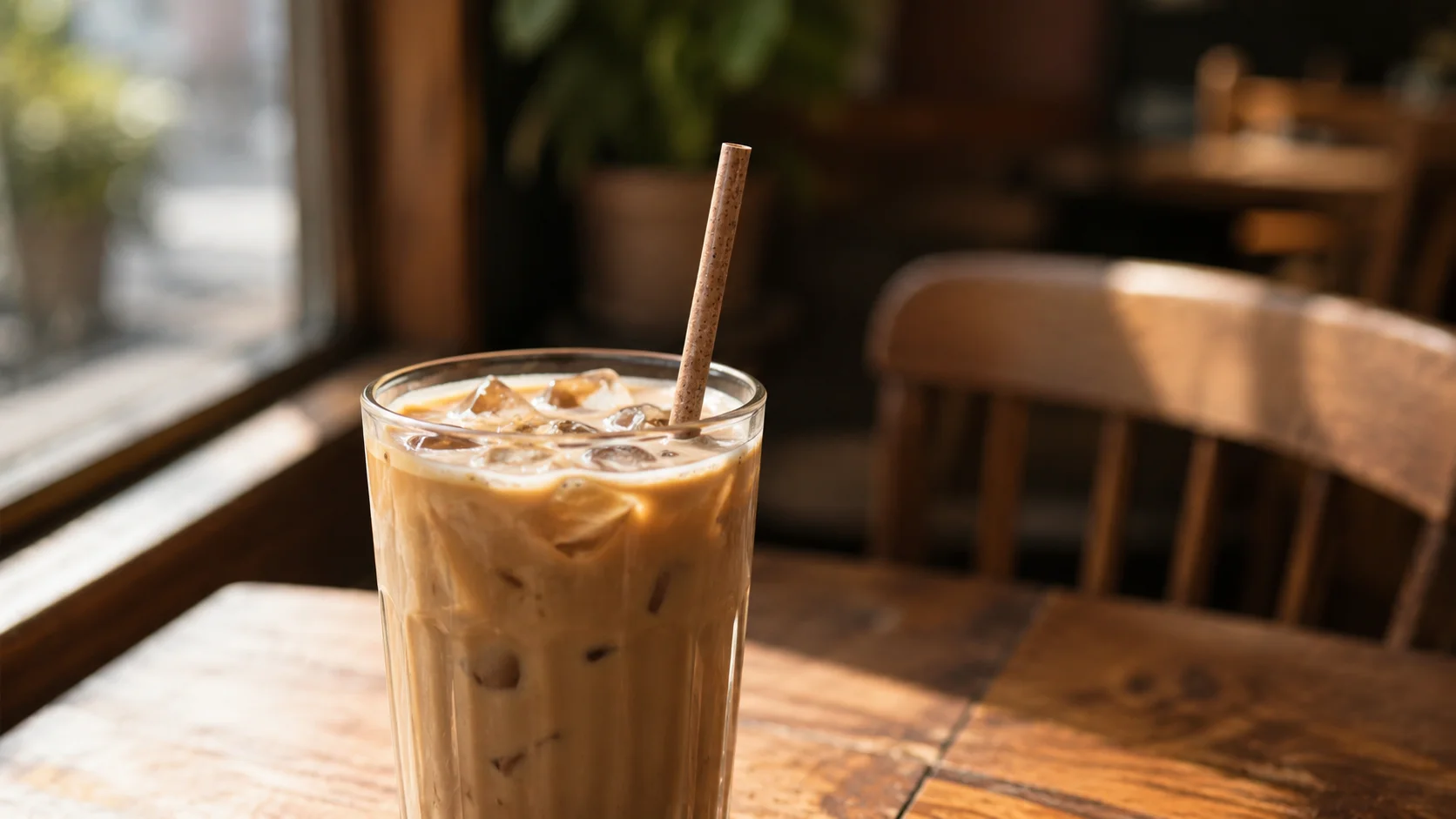
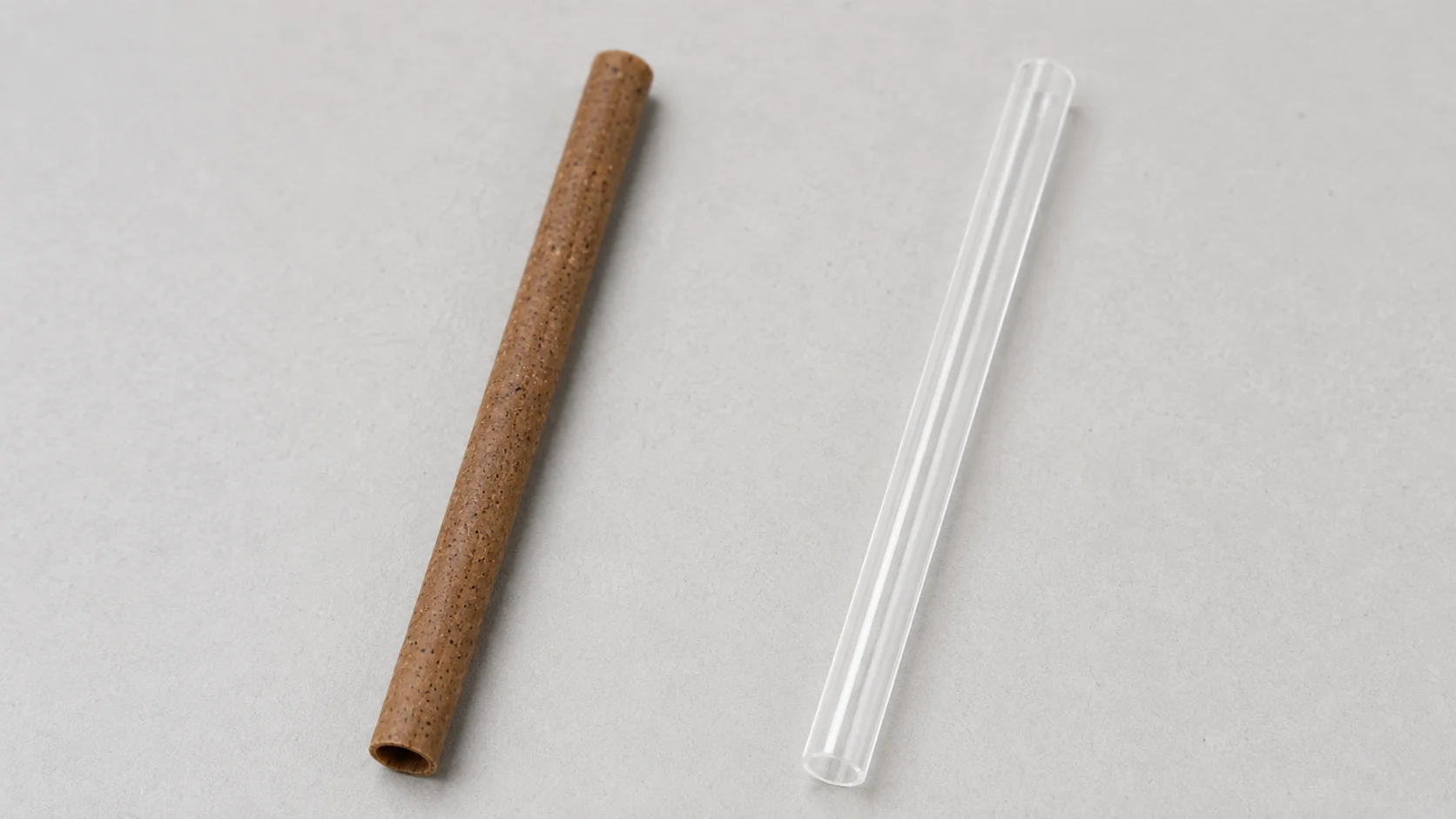
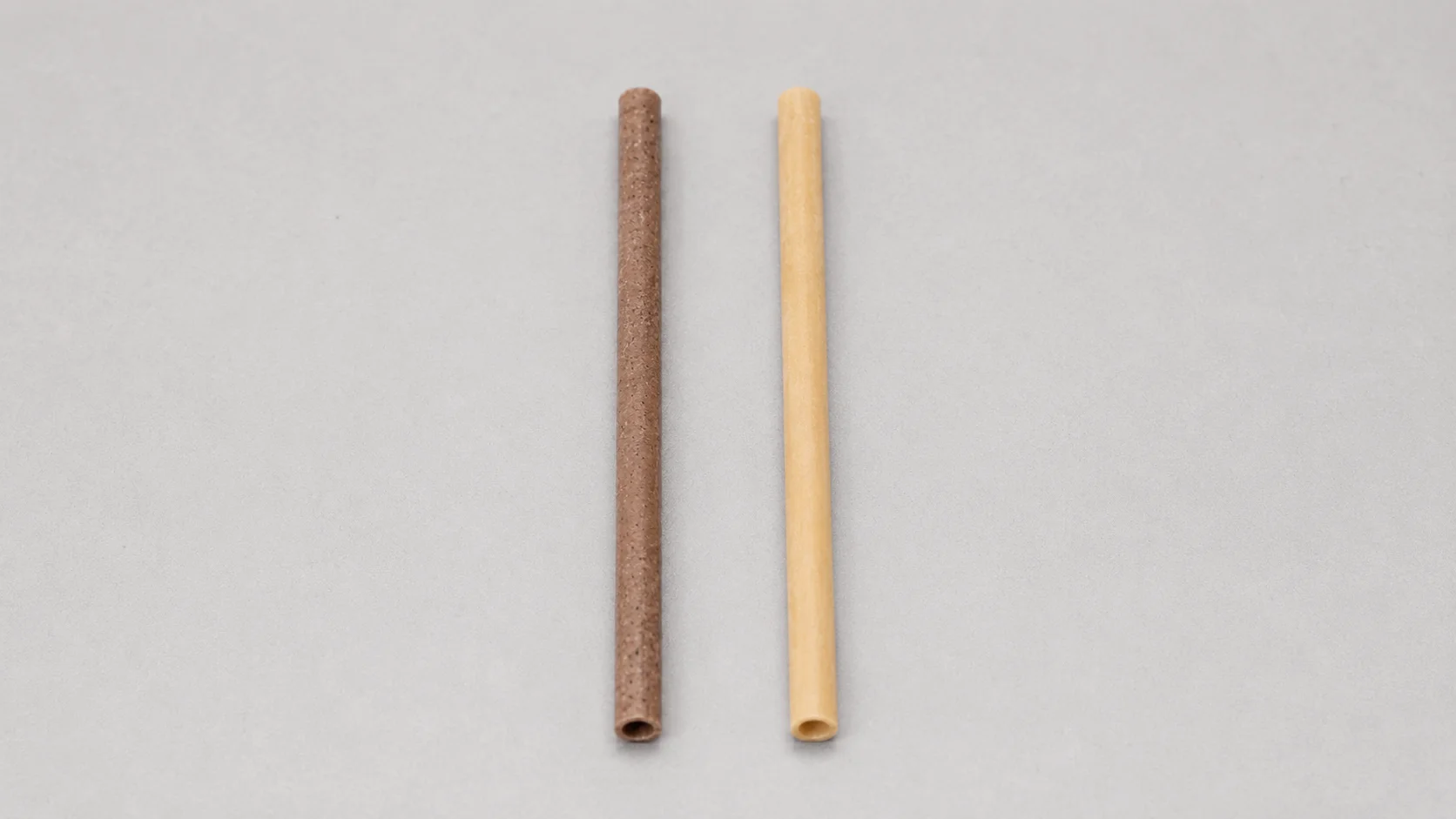
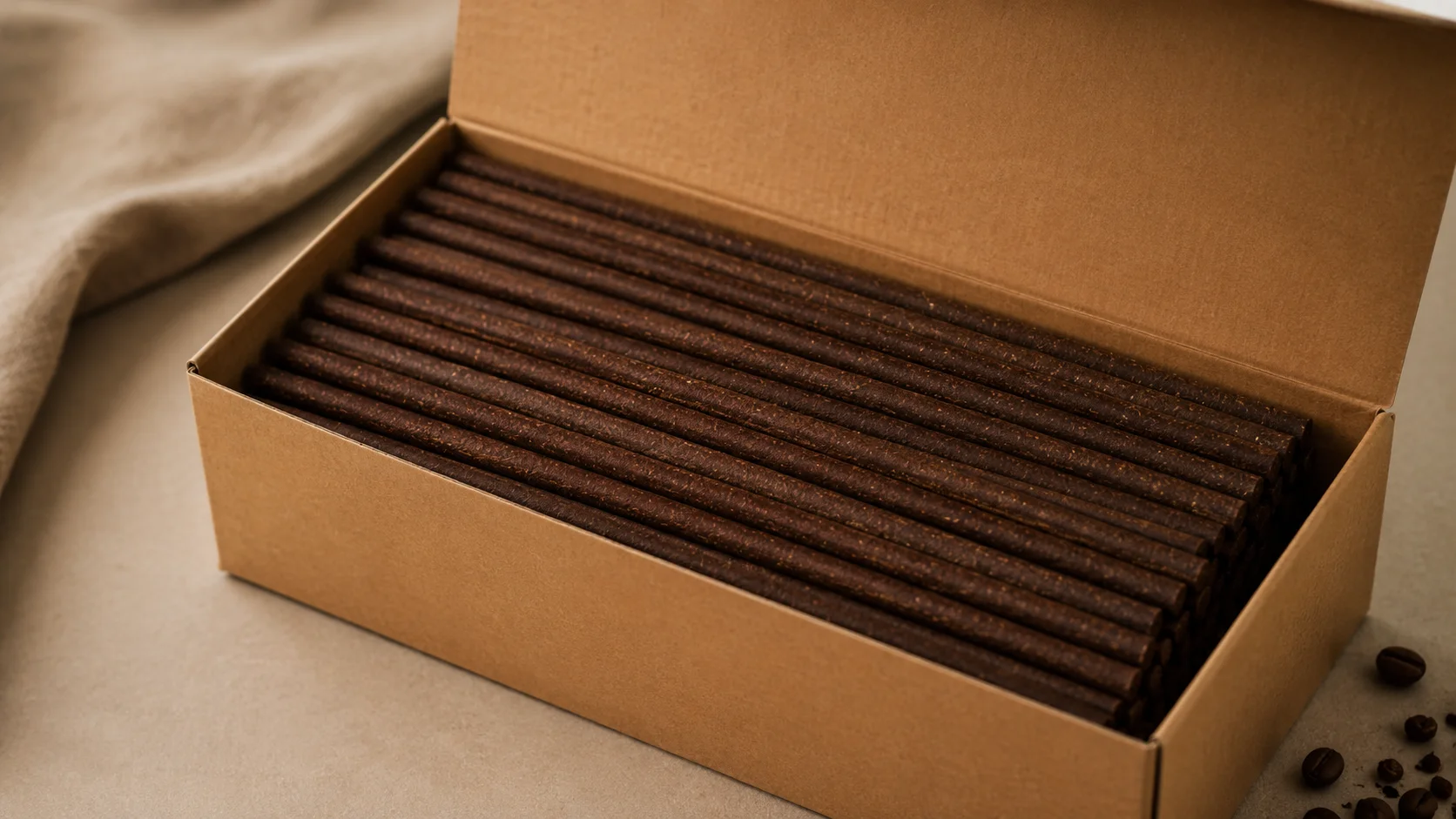
- Other notable natural alternatives include agave sugerør, made from upcycled agave fibers, which are durable, plastic-free, and designed to maintain their structure in hot and cold drinks, biodegrading within 12 months. Coffee straws, fremstillet af genbrugt kaffegrums, er lugtfri, smagløs og fri for giftstoffer. Derudover rørstrå tilbyder naturlig vandmodstand og robusthed, der nedbrydes naturligt i forskellige miljøer.
**Ny bioplast og naturlige fibre tilbyder holdbare, varmebestandige og komposterbare halmløsninger til varme drikke.**
IV. Sammenligning af varmebestandige miljøvenlige sugerør: En B2B indkøbsvejledning
At vælge det rigtige varmebestandige miljøvenlige halm kræver en strategisk evaluering af driftspåvirkning, overholdelse og investeringsafkast. Den følgende sammenligning fremhæver nøgleovervejelser for indkøbschefer, driftsdirektører og bæredygtighedsansvarlige.
| Feature | B2B operationel effekt | Overholdelsesnotat | ROI-potentiale |
|---|---|---|---|
| SC-PLA | Superior integrity in hot liquids (>100°C), offering a premium drinking experience. Maintains shape and structure longer, reducing customer complaints. | Fully biodegradable, certified compostable to rigorous standards like BPI (ASTM D6400) and TÜV Austria (EN 13432). Aligns with EU PPWR and global plastic bans. | Forbedrer brandets image som førende inden for bæredygtighed, understøtter premium-priser. Reducerer omkostningerne til bortskaffelse af affald ved kommerciel kompostering. Bidrager til højere kundetilfredshed og gentagelsesforretning på grund af overlegen ydeevne. |
| Sukkerrør (Bagasse) | Meget robust til varme drikke (op til 100°C), giver en naturlig, rustik æstetik. Modstår blødhed i længere perioder, velegnet til forskellige varme drikke. | Certificeret komposterbar, bredt accepteret af kommercielle komposteringsanlæg. Overholder de fleste forbud mod engangsplastik og tilbyder en pålidelig løsning, der overholder massemarkedet. | Omkostningseffektiv til masseindkøb, balancerer bæredygtighed med budget. Opfylder centrale bæredygtighedsmandater for stordrift. Stærk forbrugerappel på grund af naturlig oprindelse, forbedrer mærkeopfattelsen og fremmer miljøbevidste indkøb. |
| Avanceret papir | Betydeligt forbedret holdbarhed i forhold til standard papirsugerør, hvilket reducerer klager over "våde halm". Bredt tilgængeligt og velkendt for forbrugerne. Stadig kan blødgøres ved meget langvarig udsættelse for ekstrem varme. | Generelt biologisk nedbrydeligt; dog kan industriel kompostering være nødvendig for nogle varianter afhængig af belægninger. Overholdelse varierer baseret på specifikke regionale regler for "engangsplastik" (nogle forbud omfatter *alle* typer engangsbrug, selv papir). | Lavere initialinvestering sammenlignet med andre avancerede alternativer, hvilket letter udbredt anvendelse. Henvender sig til direkte "vådt halm"-feedback. Kan være et springbræt i retning af mere avanceret bioplast og samtidig imødekomme det umiddelbare miljømæssige pres. |
| Pha | Giver holdbarhed og føles sammenlignelig med traditionel plast i et alsidigt temperaturområde. Tilbyder ensartet ydeevne til forskellige typer varme drikke uden at gå på kompromis med integriteten. | Kendt for at være marin nedbrydeligt, udover hjemmet og industrielt komposterbart. Repræsenterer et væsentligt skridt hen imod en cirkulær økonomi, der er i overensstemmelse med fremtidige lovgivningstendenser. | Repræsenterer en fremtidssikret investering givet dens brede nedbrydelighed. Tilbyder stærke miljømæssige akkreditiver, der appellerer til et niche, men voksende segment af meget miljøbevidste forbrugere. Reducerer langsigtet miljøansvar. |
| Hvede/ris sugerør | Hvedesugerør er naturligt varmebestandige og mere holdbare end papir. Risstrå tåler op til 60°C i 2-3 timer og er spiselige, hvilket giver en unik kundeoplevelse. Begge er lette. | Begge er 100 % komposterbare og virkelig biologisk nedbrydelige. Hvedestrå bruger et landbrugsbiprodukt, mens risstrå er spiselige, hvilket eliminerer spild. Høj overholdelse af forbud mod naturlige materialer. | Meget lavt miljømæssigt fodaftryk, hvilket øger mærkets autenticitet. Kan være et omkostningseffektivt valg til specifikke brugstilfælde. Det nye ved spiselige sugerør eller hvedes naturlige tiltrækningskraft kan skabe unikke markedsføringsmuligheder og kundeglæde. |
**Vurder varmebestandige miljøvenlige sugerør baseret på driftspåvirkning, overholdelse og ROI for optimal indkøb.**
V. Certificeringer og standarder: Sikring af overholdelse og tillid
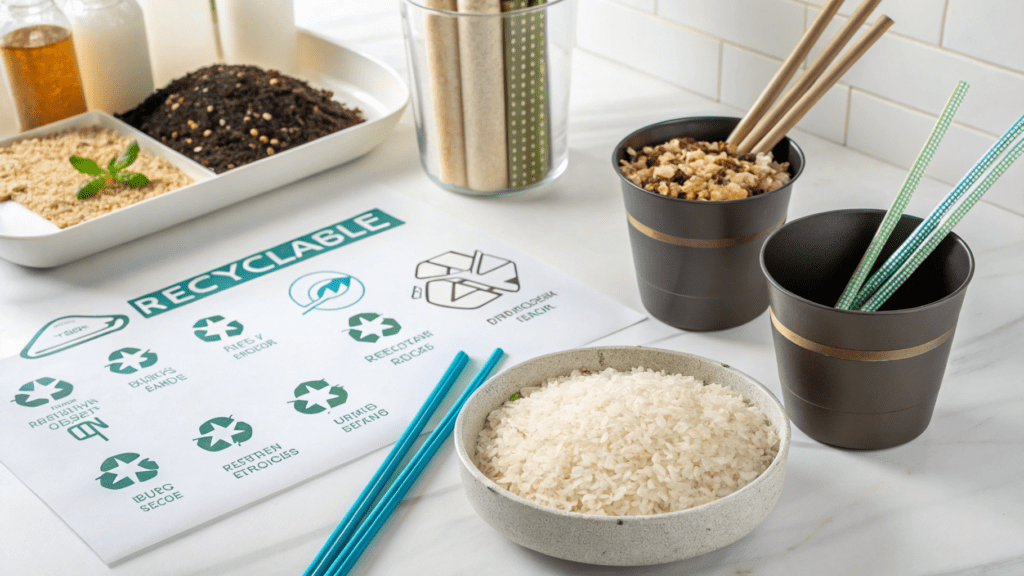
For beslutningstagere kræver det en klar forståelse af de certificeringer og standarder, der garanterer både overholdelse og produktintegritet, at navigere i rækken af miljøvenlige halmmuligheder. Bekræftelse af disse legitimationsoplysninger er altafgørende for at sikre brandets omdømme og driftskontinuitet.
Navigerende komposterbarhedsstandarder for bionedbrydelige sugerør ved høj temperatur
The term “eco-friendly” can be broad, making robust certifications essential for validating claims of biodegradability and compostability. These standards ensure that products truly break down without leaving harmful residues, differentiating genuine sustainable solutions from greenwashing.
- Biodegradable Products Institute (BPI): I Nordamerika er BPI et førende certificeringsorgan. Produkter certificeret af BPI opfylder de strenge ASTM D6400- eller ASTM D6868-standarder, hvilket sikrer, at de nedbrydes fuldstændigt og sikkert i kommercielle komposteringsmiljøer. Denne certificering er kritisk for virksomheder, der bortskaffer affald via industrielle komposteringsanlæg.
- TÜV Østrig: Et fremtrædende europæisk certificeringsorgan, TÜV Austria tilbyder "OK Compost INDUSTRIAL" og "OK Compost HOME"-certificeringer. Disse verificerer overensstemmelse med europæiske bioplastkrav og EN 13432-standarden for industriel kompostering, eller for specifikke materialer, egnethed til hjemmekompostering.
- Australasian Bioplastics Association (ABA): For businesses operating in Australia and New Zealand, the ABA’s “Certified Compostable” trademark is key. Products certified to AS4736 (for industrial composting) require 90% biodegradation within 180 days and 90% disintegration within 12 weeks, ensuring high performance in managed waste streams.
- De Compost Manufacturing Alliance (CMA) also plays a vital role by collaborating with commercial composting facilities to verify that products meet ASTM lab standards through combined lab and field tests, providing additional assurance of real-world performance. Businesses can reference the BPI website for a comprehensive list of certified compostable products and materials at bpiworld.org.
Food Safety Regulations and Responsible Sourcing
Beyond environmental degradation, the safety of food contact materials is non-negotiable.
- FDA Approval: For products sold in the United States, Food and Drug Administration (FDA) approval is crucial. This ensures that the materials used in heat-resistant eco-friendly straws are non-toxic, do not leach harmful chemicals into beverages, and are safe for direct food contact.
- Chemical Safety: Virksomheder skal sikre, at deres valgte halmalternativer er fri for skadelige kemikalier som BPA (Bisphenol A) og PFAS (per- og polyfluoralkylstoffer). Disse "for evigt kemikalier" udgør langsigtede sundheds- og miljørisici og er i stigende grad under regulatorisk kontrol.
- Etisk sourcing: Ansvarlig indkøbspraksis strækker sig ud over miljøpåvirkning til at omfatte de sociale aspekter af produktionen. Se efter certificeringer eller leverandørforpligtelser, der bekræfter etisk arbejdspraksis, rimelige lønninger og gennemsigtighed i hele forsyningskæden. Dette forbedrer brandets omdømme og mindsker forsyningskæderisici.
**Certificeringer som BPI og FDA-godkendelse er afgørende for at sikre kompatible, sikre og troværdige miljøvenlige sugerør.**
VI. Operationalizing Sustainability: Case Study & Strategic Advantages
Skiftet til varmebestandige, miljøvenlige sugerør er ikke blot en overholdelsesbyrde, men en strategisk mulighed for at øge brandværdien, strømline driften og opbygge varig kundeloyalitet.
Mini-casestudie: "Eco-Brew"-kædens overgang til halm til varme drikke
"Eco-Brew"-kæden, en stor aktør i kaffeserviceindustrien, stod over for betydelige udfordringer som følge af forbrugernes utilfredshed og udviklende regionale regler. Deres traditionelle papirsugerør til varme drikke var en konstant kilde til klager, de blev hurtigt bløde og nedværdigende, hvilket underminerede den førsteklasses kaffeoplevelse, de havde til hensigt at levere. Samtidig pressede regionale engangsplastikforbud, som Victorias 2023-mandat, dem til at finde kompatible alternativer.
Som svar påbegyndte Eco-Brew omfattende forsøg med forskellige varmebestandige miljøvenlige sugerør. Efter strenge tests valgte de at skifte til avancerede sukkerrørsbagasse-strå, certificerede komposterbare og bevist at modstå temperaturer op til 100°C (212°F) uden at miste strukturel integritet. Dette strategiske omdrejningspunkt gav bemærkelsesværdige resultater: Inden for seks måneder efter den fulde overgang steg kundetilfredshedsscore relateret til deres varme drikkeoplevelse med bemærkelsesværdige 15 %. Desuden blev deres overholdelse af affaldsrevision væsentligt forbedret, hvilket viser en mærkbar positiv indvirkning på deres miljømæssige fodaftryk og lovgivningsmæssige status. Den vellykkede integration af disse sugerør gjorde det muligt for Eco-Brew at opfylde strenge miljøstandarder og samtidig hæve deres mærkeopfattelse blandt et hurtigt voksende segment af miljøbevidste forbrugere.
ROI Beyond Compliance: Brand Image and Customer Loyalty
The return on investment for adopting superior heat-resistant eco-friendly straws extends far beyond simply avoiding fines. This strategic move can significantly bolster a company’s bottom line through:
- Enhanced Brand Perception: In today’s market, consumers are increasingly prioritizing sustainability. Adopting certified heat-resistant eco-friendly straws demonstrates a genuine commitment to environmental stewardship, improving brand perception and resonating deeply with eco-conscious customers. This positive image translates directly into increased sales and market share.
- Operational Efficiency & Cost Savings: While initial procurement costs for advanced materials might be higher, the reduction in “soggy straw” complaints leads to fewer refunds or remakes, enhancing operational efficiency. Furthermore, by adopting certified compostable options, businesses can reduce waste disposal costs associated with non-recyclable plastics, especially in regions with escalating landfill taxes or stricter waste segregation mandates.
- Strengthened Customer Loyalty: A superior customer experience, free from the frustration of a disintegrating straw, fosters repeat business and positive word-of-mouth. This enhances customer loyalty, transforming a potentially negative interaction into a moment that reinforces brand quality and care.
- Alignment with Corporate Sustainability Goals: Investing in these solutions directly contributes to a company’s broader corporate sustainability goals and Environmental, Social, and Governance (ESG) targets. This alignment is increasingly important for attracting ethically-minded investors, employees, and business partners. Procurement managers are keenly aware of the need for bulk supply, consistent quality, competitive pricing, and reliable supply chains for these crucial components. As consumer perception continues to drive demand for higher quality, durable eco-friendly options, the market for products like eco-friendly cocktail straws for B2B is also growing.
**Adopting heat-resistant eco-friendly straws boosts brand image, operational efficiency, and customer loyalty for hospitality businesses.**
VII. Future Outlook for Eco-Friendly Straw Innovations
The innovation pipeline for eco-friendly straws, particularly those designed for hot beverages, is robust and rapidly advancing. The drive for truly sustainable and high-performing alternatives will continue to shape material science and manufacturing processes over the next 5-10 years.
Ongoing Research and Development (R&D) is intensely focused on further improving the thermal stability and cost-effectiveness of biopolymers. Scientists are exploring novel blends and polymerization techniques to push the boundaries of heat resistance for biodegradable materials. For instance, academic research continues to investigate methods to improve the hydrophobicity and mechanical strength of natural materials, aiming to overcome the limitations of early-generation solutions.
New materials are constantly emerging, promising enhanced functionality and broader applicability. Examples include those refined from edible starch combined with lignin and citric acid, which are showing promise for superior hydrostability and strength. The future will also see greater integration of circular economy principles, with an emphasis on creating solutions that are not just compostable but can be recycled back into new products or designed for durable reuse, minimizing resource depletion.
Crucially,collaboration across material science, manufacturing, and the food service sectorswill accelerate innovation. This interdisciplinary approach is essential to translate laboratory breakthroughs into scalable, commercially viable products. The demand for materials that maintain stability and taste neutrality in hot liquids for extended periods remains a primary goal. The next decade will likely witness a diversification of heat-resistant eco-friendly straw options, addressing specific operational needs and catering to an increasingly discerning market that prioritizes both performance and planet. For a deeper dive into material science advancements and their environmental implications, consider exploring relevant scientific papers, such as those found on reputable academic platforms likeResearchGate.**Fremtidige innovationer lover endnu mere holdbare, omkostningseffektive og cirkulære varmebestandige miljøvenlige halmløsninger.**
Konklusion: Løft dit brand med overlegne varmebestandige miljøvenlige sugerør
Overgangen til varmebestandige miljøvenlige sugerør er utvetydigt mere end blot en lovgivningsmæssig nødvendighed; det repræsenterer en dybtgående strategisk mulighed for fremsynede virksomheder. Ved proaktivt at investere i certificerede, højtydende bæredygtige halmløsninger kan din organisation reducere dets miljømæssige fodaftryk betydeligt, sikre problemfri overholdelse af et stadigt strengere reguleringslandskab og afgørende, levere en enestående kundeoplevelse, der afbøder den langvarige "blødte halm" frustration. Denne proaktive tilgang forvandler en potentiel compliance-udfordring til en klar konkurrencefordel, og positionerer dit brand som en brancheleder inden for bæredygtighed og kundetilfredshed.
Act now to future-proof your procurement strategy; secure your market leadership and elevate your brand’s reputation. Request a compliance-ready sample pack today to explore the next generation of heat-resistant eco-friendly straws and transform your hot beverage service, recognizing that the future of beverage service is undeniablyeco-friendly drinking straws.
Ofte stillede spørgsmål
Why are traditional paper straws unsuitable for hot beverages in hospitality?
Traditional paper straws quickly become soggy and disintegrate in hot liquids, compromising the customer experience and leading to dissatisfaction in cafes, hotels, and restaurants.
What are the key benefits of switching to heat-resistant eco-friendly straws?
Benefits include enhanced customer satisfaction, compliance with plastic bans, improved brand image, reduced waste disposal costs, and alignment with corporate sustainability goals.
Are heat-resistant eco-friendly straws truly compostable or biodegradable?
Many advanced options like SC-PLA and sugarcane (bagasse) straws are certified compostable (e.g., BPI, TÜV Austria), ensuring they break down safely in commercial composting facilities.
How do new bioplastics like SC-PLA and PHA perform in hot beverages?
SC-PLA straws remain stable even in boiling water, while PHA straws offer durability comparable to traditional plastic across various temperatures, resisting sogginess effectively.
What certifications should procurement managers look for when sourcing these straws?
Se efter certificeringer som BPI (ASTM D6400), TÜV Austria (EN 13432) og ABA (AS4736) for komposterbarhed, og sørg for FDA-godkendelse for fødevaresikkerhed og fravær af skadelige kemikalier som PFAS.