Navigering i det grønne løfte: Er PLA -strå virkelig komposterbare til dine B2B -operationer?
A Guide for Procurement Managers, Operations Directors, and Sustainability Officers in Hospitality & Foodservice
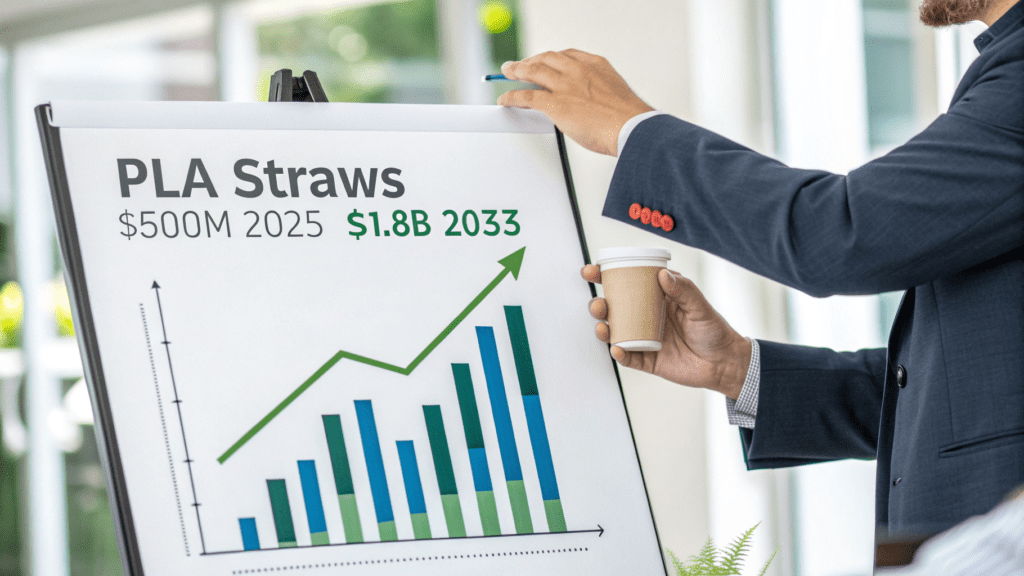
Det globale skift mod bæredygtighed har drevet polylactic Acid (PLA) sugerør frem i søgelyset som et miljøvenligt alternativ til traditionel plast. For indkøbschefer, driftsdirektører og bæredygtighedsansvarlige udgør dette både en betydelig mulighed og en kompleks udfordring. Alene markedet for PLA-nedbrydelige sugerør forventes at stige fra anslået 500 millioner dollars i 2025 til ca. 1,8 milliarder dollars i 2033, drevet af stigende miljøregler og forbrugerefterspørgsel, hvor over 70 % af forbrugerne foretrækker virksomheder, der bruger miljøvenlige muligheder. Det er dog altafgørende at forstå den sande natur af PLAs komposterbarhed. Fejltrin i materialevalg og affaldshåndtering kan føre til alvorlige overholdelsesrisici, beskadiget brands omdømme og operationel ineffektivitet, hvilket gør et grønt initiativ til et dyrt ansvar.
Forståelse af PLAs sande komposterbarhed er afgørende for gæstfriheds- og foodservicevirksomheder for at undgå overholdelsesrisici og skader på omdømmet.
Hvad er PLA-sugerør, og hvorfor hypen?
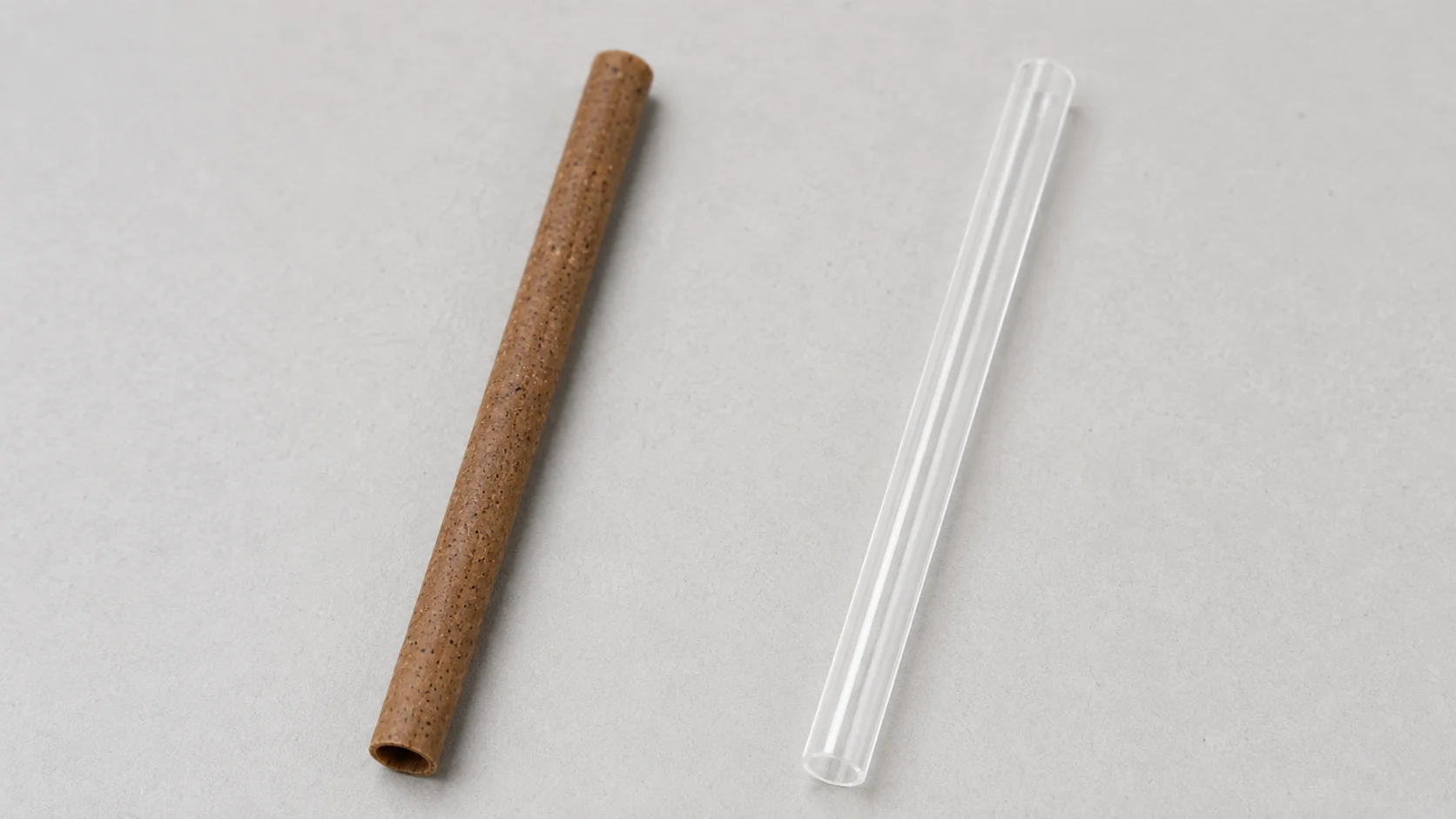
PLA-sugerør er en type bioplast, typisk fremstillet af fermenteret plantestivelse som majs, sukkerrør, kassava eller sukkerroemasse. Denne plantebaserede oprindelse er en væsentlig del af deres tiltrækningskraft, da deres produktion udnytter cirka 68 % færre fossile brændstoffer sammenlignet med konventionel plast, hvilket er direkte i overensstemmelse med virksomhedens mål for reduktion af CO2-fodaftryk. Designet til at efterligne udseendet, følelsen og styrken af traditionelle plastiksugerør, tilbyder PLA en velkendt brugeroplevelse, mens den markedsføres som "biologisk nedbrydelig, miljøvenlig og komposterbar." Denne opfattede miljøfordel gør dem til en attraktiv løsning for virksomheder, der stræber efter at imødekomme forbrugernes stigende efterspørgsel efter bæredygtig praksis.
PLA-sugerør, fremstillet af plantestivelse, giver en velkendt brugeroplevelse, mens de reducerer afhængigheden af fossile brændstoffer.
Nuancen af "Komposterbar": Forståelse af PLA-sugerørs krav
På trods af den udbredte markedsføring kommer udtrykket "komposterbar" for PLA-sugerør med kritiske forhold. I modsætning til virkelig bionedbrydelige materialer, der nedbrydes naturligt i forskellige miljøer, er PLAs nedbrydning meget afhængig af en kontrolleret indstilling. Denne sondring er afgørende for B2B-beslutningstagere, der vurderer deres miljøpåvirkning og overholdelse af lovgivningen.
Imperativet for industriel kompostering: Temperaturer og tidsrammer for PLA-sugerør
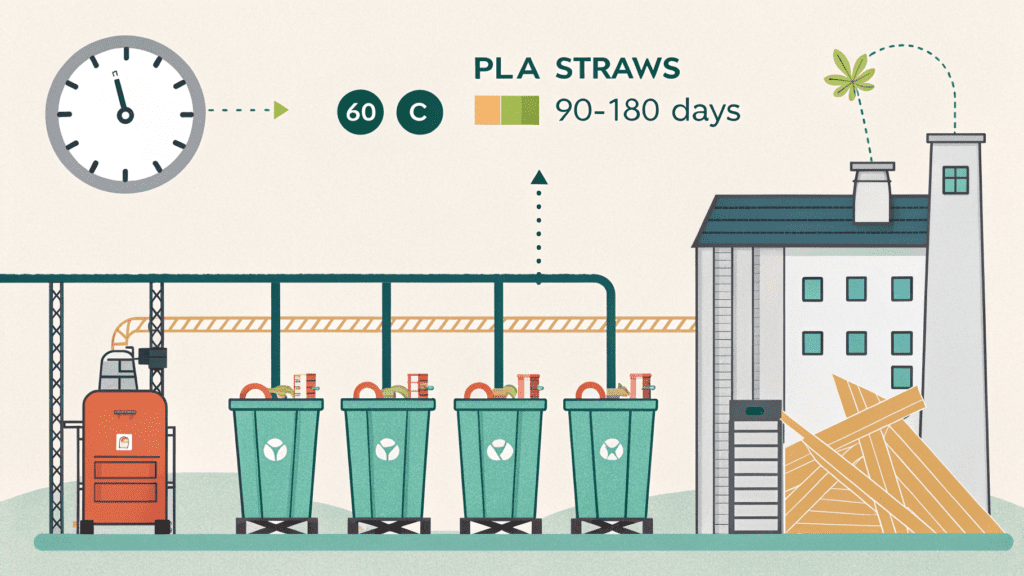
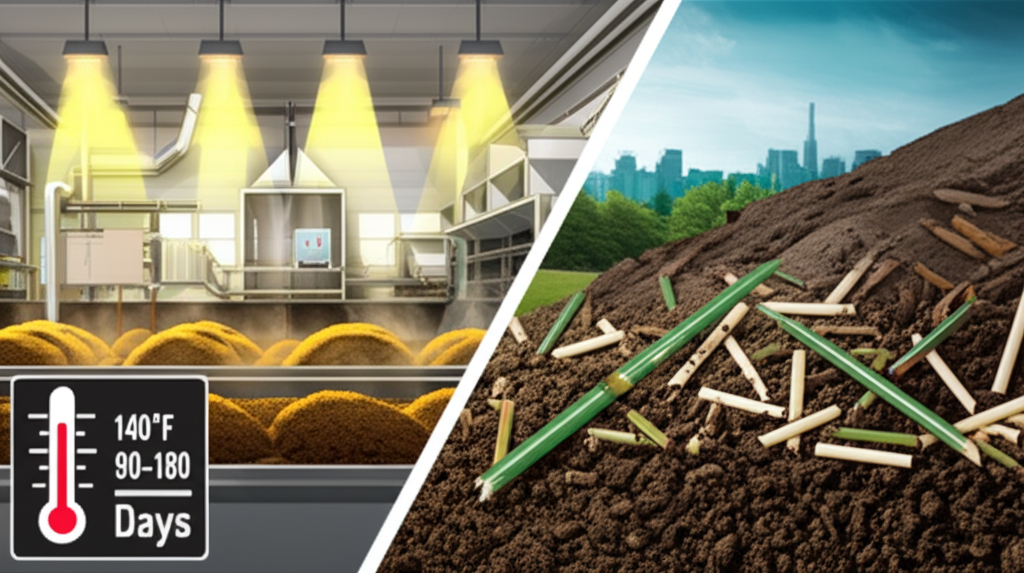
PLA-strå kræver utvetydigt industrielle komposteringsanlæg for at nedbrydes effektivt. Disse specialiserede miljøer opretholder vedvarende høje temperaturer, typisk over 140 grader Fahrenheit (60 grader Celsius), i mindst 10 på hinanden følgende dage. Under disse ideelle, kontrollerede forhold er PLA-sugerør designet til at nedbrydes til vand, kuldioxid og organisk materiale, generelt inden for 90 til 180 dage. Peer-reviewed forskning, såsom undersøgelser, der anvender EN ISO 14855-1:2012 European Standard, bekræfter PLA's evne til at kompostere inden for 90 dage, når det udsættes for disse strenge forhold, og måler CO2-generering som en indikator for biologisk nedbrydning.
The Home Composting & Landfill Limitations of PLA Straws
Effektiviteten af PLA-kompostering ændrer sig drastisk uden for industrielle omgivelser. PLA-strå nedbrydes generelt ikke i hjemmekomposteringsbeholdere eller baggårdssystemer, fordi disse miljøer simpelthen mangler de vedvarende høje temperaturer og kontrollerede mikrobielle aktivitet, der er nødvendige for deres nedbrydning. Mere kritisk, hvis PLA-strå ender på lossepladser eller naturlige miljøer som oceaner, kan de vare ved i hundreder eller endda tusinder af år og opføre sig på samme måde som traditionel plast. Undersøgelser har eksplicit vist, at PLA-strå ikke let nedbrydes i havvandet, hvilket udgør en trussel mod havets dyreliv i lighed med konventionel plastikforurening.
Certificeringsstandarder for PLA-sugerør: BPI, EN 13432 og ASTM D6400
For virkelig at sikre industriel komposterbarhed og afbøde bekymringer om "grønvask" skal virksomheder prioritere certificerede PLA-produkter. Velrenommerede certificeringer såsom BPI (Biodegradable Products Institute) i Nordamerika eller TÜV Østrigs "OK compost INDUSTRIAL" bekræfter, at produkterne opfylder strenge standarder. Disse certificeringer stemmer overens med globale benchmarks som ASTM D6400 (Nordamerika) og EN 13432 (Europa), som kræver, at produkter nedbrydes til organisk materiale uden at efterlade giftige rester inden for bestemte tidsrammer. DeEU's engangsplastikdirektiv (2019/904), håndhævet siden 2021, forbyder ikke-certificerede engangs-plaststrå, selv hvis de er "bio-sourcede", hvilket gør certificerede komposterbare sugerør til det overensstemmende valg for europæisk markedsadgang. At forstå disse sondringer er afgørende for indkøbs- og bæredygtighedsteams, som udforsket i dybden i vores vejledning omkomposterbare vs. biologisk nedbrydelige sugerør.
PLA-strå kræver industrielle komposteringsfaciliteter og specifikke certificeringer som BPI eller EN 13432 for ægte nedbrydning.

Operationelle udfordringer og miljømæssige misforståelser af PLA-sugerør
På trods af deres opfattede miljømæssige fordele udgør integration af PLA-sugerør i eksisterende affaldshåndteringssystemer betydelige forhindringer for virksomheder. Disse udfordringer stammer ofte fra PLAs unikke fysiske egenskaber og begrænsningerne af den nuværende infrastruktur, hvilket fører til operationelle kompleksiteter og miljømæssige ineffektiviteter, hvis de ikke løses ordentligt.
Forureningsrisici ved genanvendelse af vandløb med PLA-sugerør
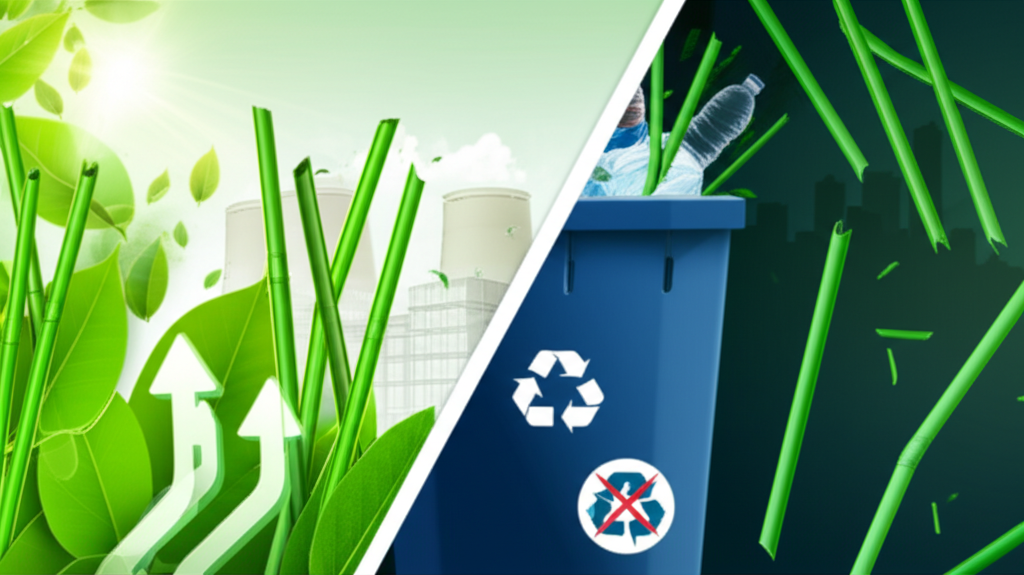
En stor operationel hovedpine for virksomheder er forureningsrisikoen fra PLA-sugerør i genbrugsstrømme. PLA-sugerør kan ikke blandes med andre almindelige plasttyper, såsom PET (polyethylenterephthalat) eller HDPE (high-density polyethylen), til genbrug på kantsten. Dette skyldes PLAs lavere smeltetemperatur, som, hvis det blandes, forurener hele partiet af genanvendeligt plastik, hvilket ofte gør det usælgeligt og bestemt til en losseplads. Mange kommuner og genbrugsanlæg accepterer simpelthen ikke PLA, hvilket mærker det som en forurening, hvilket komplicerer korrekt bortskaffelse og øger omkostningerne til affaldshåndtering.
The Infrastructure Gap: Begrænsede industrielle komposteringsfaciliteter i U.S.A.
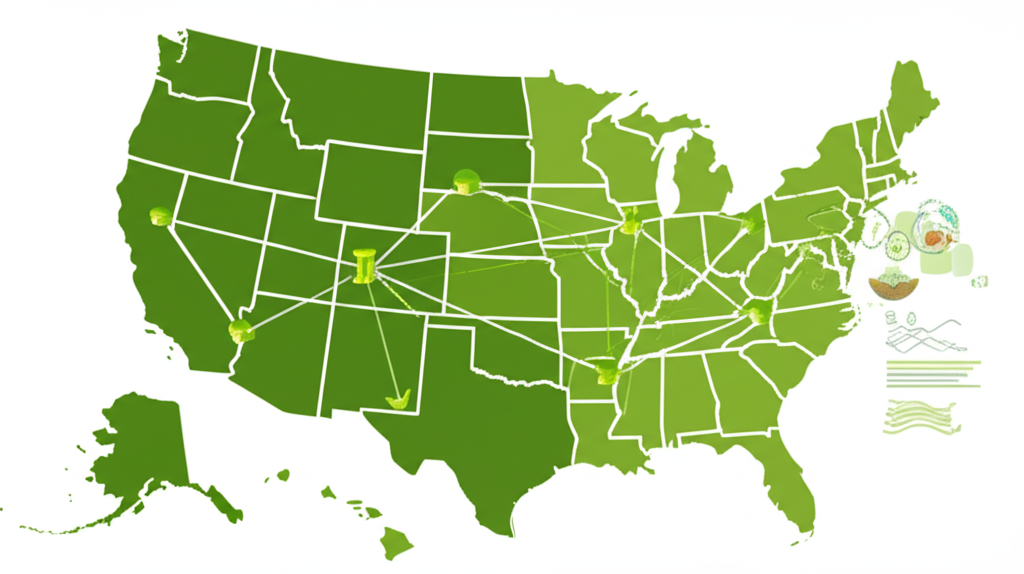
En væsentlig systemisk barriere for effektiv PLA-kompostering er manglen på passende faciliteter. På trods af PLA's tekniske komposterbarhed mangler den nødvendige infrastruktur til at behandle det alvorligt. Fra januar 2023 accepterer kun omkring 49 ud af 47.000 komposteringsanlæg i USA komposterbare plastmaterialer, hvoraf de fleste er koncentreret på vestkysten. Denne iøjnefaldende infrastrukturkløft betyder, at et væsentligt flertal af PLA-halmrør, på trods af at de teoretisk set er "komposterbare", i sidste ende ender på lossepladser, hvilket negererer deres miljømæssige formål. For virksomheder, der sigter mod at administrere BPI-certificerede komposterbare produkter effektivt, er det afgørende at forstå og navigere i denne infrastrukturudfordring, som beskrevet i voresB2B-håndbog for bæredygtig affaldshåndtering.
"Greenwashing"-bekymringer og metan-emissioner fra PLA-sugerør
Markedsføringen af PLA-sugerør som bredt "bionedbrydelige" eller "miljøvenlige" uden klare, præcise bortskaffelsesinstruktioner bidrager væsentligt til "grønvaskning". Når bioplast som PLA ender i anaerobe lossepladsforhold - hvor ilt er knapt - kan de stadig frigive metan, en potent drivhusgas, der er langt mere virkningsfuld end kuldioxid over en 20-årig periode. Dette paradoks underminerer selve de miljømæssige fordele, de har til hensigt at give. Manglen på standardiserede føderale regler i USA for udtryk som "bioplast" eller "komposterbare" produkter forværrer denne forvirring yderligere, hvilket gør det udfordrende for både virksomheder og forbrugere at træffe virkelig informerede, miljømæssigt ansvarlige valg.
PLA-sugerør udgør forureningsrisici ved genanvendelse og står over for huller i infrastrukturen, hvilket fører til "greenwashing"-problemer og metanemissioner.
Markedsdynamik: Den voksende efterspørgsel efter bæredygtige sugerør, herunder PLA-sugerør
Den eskalerende efterspørgsel efter bæredygtige alternativer er en stærk kraft, der omformer B2B-markedet, hvilket giver både betydelige muligheder og konkurrencepres for virksomhederne. Virksomheder udnytter i stigende grad miljøvenlige muligheder, ikke kun for at imødekomme skiftende regulatoriske krav, men også for dybt at forbedre deres brandappel og uddybe kundeloyalitet.
Global markedsvækst og regulatorisk medvind for bioplastsugerør
Det globale marked for miljøvenlige sugerør forventes at vokse fra cirka 12,3 mia. USD i 2025 til næsten 25,1 mia. USD i 2035 ved en robust sammensat årlig vækstrate (CAGR) på 7,3 %. Inden for denne spirende sektor er markedet for PLA nedbrydeligt halm specifikt anslået til $500 millioner i 2025 og forventes at nå $1,8 milliarder i 2033, hvilket viser en imponerende 15% CAGR. Denne hurtige ekspansion er væsentligt understøttet af strenge regler, såsom EU's engangsplastikdirektiv, som trådte i kraft i 2021, og et stigende antal forbud mod engangsplastik på amerikansk niveau. Disse lovgivningsmandater tvinger virksomheder på tværs af foodservice- og gæstfrihedssektorerne til at vedtage bæredygtige alternativer, hvilket gør overensstemmende, certificerede muligheder til en forretningsmæssig nødvendighed.
B2B-muligheder for indkøbschefer på PLA-halmmarkedet
For kloge indkøbsledere byder det voksende marked for bæredygtige sugerør, herunder PLA, klare muligheder. Der er et betydeligt potentiale for at udnytte den stigende efterspørgsel fra foodservice- og gæstfrihedssektoren, drevet af initiativer til virksomhedernes sociale ansvar og stærk forbrugerpræference for miljøbevidste produkter. Førende leverandører, såsom Pando EP Technology, etableret i 1996, har allerede indgået partnerskaber med store Quick-Service Restaurant (QSR) og Fast-Moving Consumer Goods (FMCG) virksomheder globalt, inklusive Nestlé og Yum!, hvilket viser levedygtigheden og omfanget af dette marked. Vedtagelse af certificerede komposterbare PLA-sugerør sikrer ikke kun overholdelse af lovgivning, men forbedrer også markant brandpositionering, tiltrækker og fastholder miljøbevidste kunder, som ofte er villige til at betale en præmie for virksomheder, der er forpligtet til bæredygtig praksis.
Det bæredygtige halmmarked vokser hurtigt og tilbyder B2B-muligheder for indkøbsansvarlige for at forbedre brandet og sikre overholdelse.
Sammenligning af miljøvenlige halmalternativer
Valget af det optimale halmalternativ kræver en omfattende evaluering af driftspåvirkning, overholdelsesovervejelser og potentielt investeringsafkast. Markedet tilbyder en bred vifte af materialer, hver med forskellige fordele og begrænsninger.
| Feature | B2B operationel effekt | Overholdelsesnotat | ROI-potentiale |
|---|---|---|---|
| PLA sugerør | Kræv separate affaldsstrømme til industriel kompostering; høj potentiale for genbrugsforurening, hvis den sorteres forkert. Følsom over for høj varme, kan blødgøres med varme væsker. | BPI/EN 13432-certificering for industriel komposterbarhed er afgørende for ægte miljøpåstande og overholdelse af lovgivning. | Reducerer afhængigheden af fossile brændstoffer (-68%); brand forbedring; ofte en højere startomkostning end traditionel plast, men lavere end nogle avancerede bioplast. Omkostningsbesparelser på bøder for manglende overholdelse. |
| PHA sugerør | Tilbyd bredere bortskaffelsesmuligheder, herunder komposterbarhed i hjemmet og i havet, hvilket reducerer byrden på specialiseret infrastruktur. Potentiale for førsteklasses produktpositionering. | Certificeres for hjemlig, kommerciel og marin nedbrydning (f.eks. TÜV AUSTRIA OK kompost HOME/MARINE), og tilbyder mere alsidige miljøoverholdelsesveje. | Stærkere langsigtet bæredygtighed ROI på grund af bredere nedbrydningsevner og reduceret risiko for deponering. Kan have en højere startpris end PLA, men tilbyder forbedrede øko-legitimationsoplysninger og markedsdifferentiering. |
| Papirsugerør | Bredt accepterede og velkendte bortskaffelsesmetoder; tilbøjelig til at blive blød, medmindre den er specifikt belagt. | Generelt i overensstemmelse med plastikforbud; kontrollere for certificeringer, der verificerer bionedbrydelighed, komposterbarhed og vigtigst af alt, PFAS-fri status. | Lavere startomkostninger end de fleste bioplast; hurtig nedbrydning (typisk 30-60 dage) i industriel kompostering; høj forbrugerkendskab. Potentiale for negativ kundeoplevelse, hvis ydeevnen er dårlig (f.eks. gennemblødt). |
| Sukkerrør bagasse | Holdbar, vandafvisende og bevarer generelt den strukturelle integritet godt. Typisk komposterbar i hjemmet eller industrielle faciliteter. | Ofte hjemmekomposterbar og industrielt komposterbar, i overensstemmelse med brede bæredygtighedsmål og forskellige bortskaffelsesscenarier. | Stærkt miljøvenligt image på grund af upcycling af landbrugsbiprodukt; effektiv ydeevne; konkurrencedygtige priser med andre komposterbare muligheder. Godt for mærkeværdien og undgår præstationsklager. |
| Genanvendelig (metal/glas) | Kræver betydelige driftsomkostninger, herunder vask, desinficering, opbevaring og lagerstyring. Højere forhåndsinvestering. | Reducerer spild til næsten nul, opfylder de strengeste bæredygtighedsmandater og fremmer en cirkulær økonomi. | Højt langsigtet ROI gennem gentagen brug, hvilket eliminerer tilbagevendende omkostninger til indkøb af halm. Stærkeste brandforpligtelse til cirkulæritet og dyb forbrugerloyalitet. Kræver forbrugertilkøb til brug udenfor stedet. |
PHA-sugerør: Et næste generations bioplastisk alternativ
PHA (Polyhydroxyalkanoat) sugerør, ofte afledt af vedvarende kilder som rapsolie, repræsenterer et betydeligt fremskridt i forhold til PLA med hensyn til biologisk nedbrydelighed. De er konstrueret til at nedbrydes i en bredere vifte af miljøer, herunder kommercielle komposteringsfaciliteter, hjemmekomposteringsbeholdere og endda marine omgivelser, typisk inden for måneder. Denne bredere nedbrydelighedsprofil adresserer mange af de infrastrukturbegrænsninger, der er forbundet med PLA, og tilbyder en mere universelt levedygtig end-of-life-løsning. Virksomheder som Good Start Packaging er især gået fra PLA til PHA sugerør, idet de anerkender sidstnævntes hurtigere og mere alsidige komposterbarhed som en vigtig differentiator for deres B2B-kunder.
Andre komposterbare stråmaterialer: Papir, sukkerrør og mere
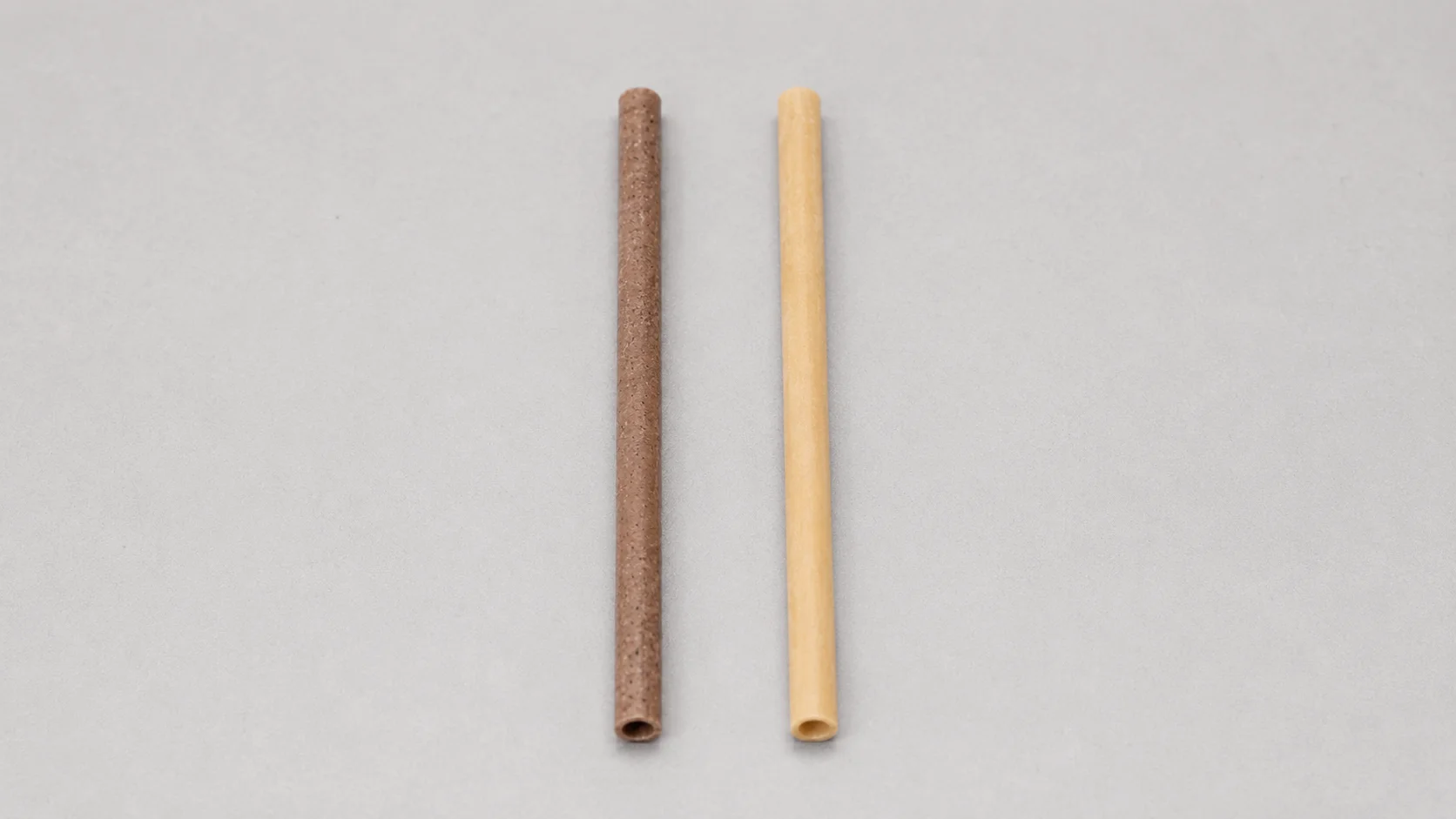
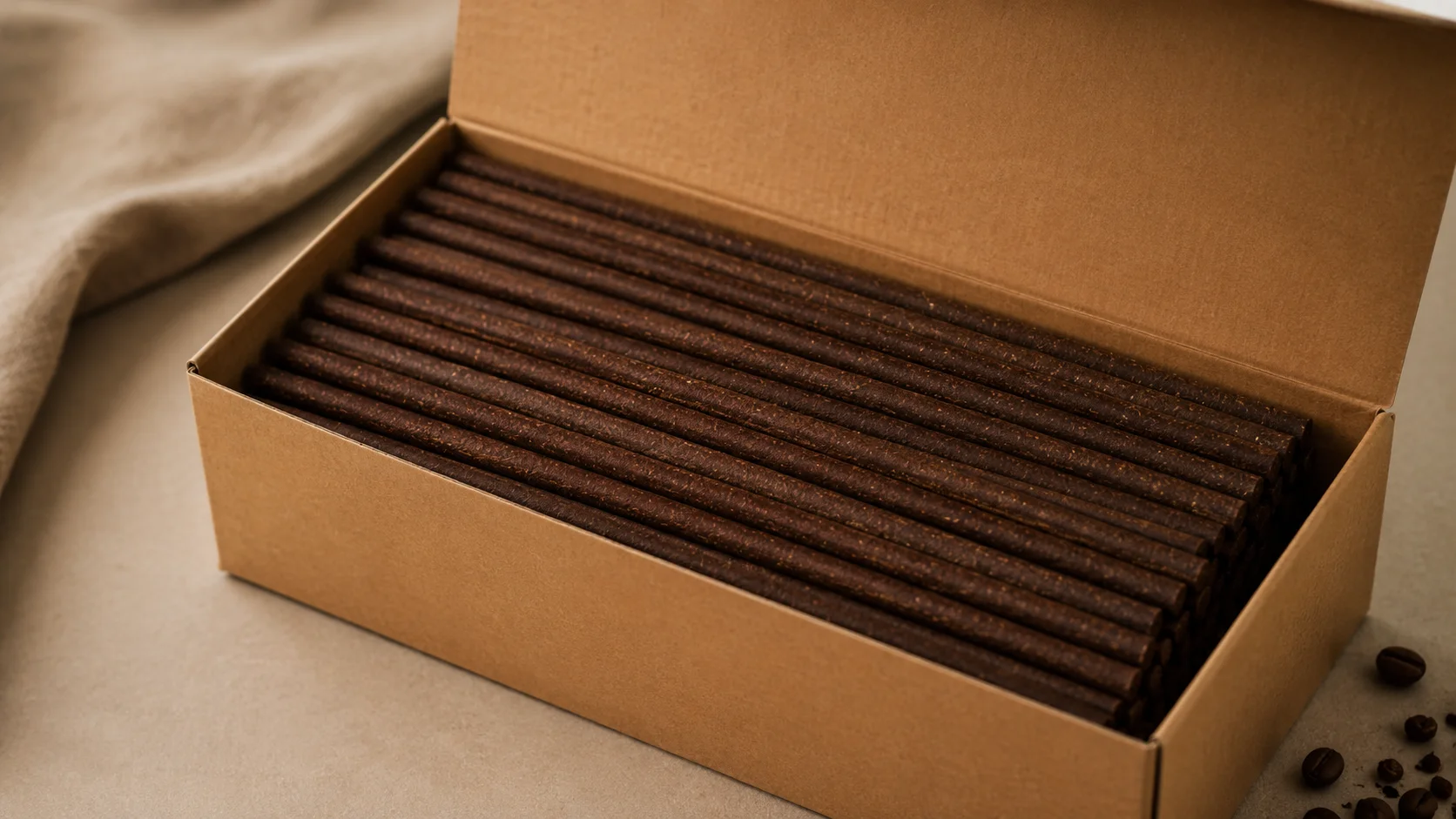
Ud over PLA og PHA tilbyder markedet adskillige andre overbevisende komposterbare halmmaterialer. Papirsugerør er et førende alternativ, der forventes at have en betydelig markedsandel på 44,3 % i 2025 på grund af deres udbredte tilgængelighed, relative omkostningseffektivitet og fulde bionedbrydelighed og komposterbarhed. Deres ydeevne kan dog variere, med nogle tilbøjelige til at blive bløde, medmindre de behandles med avancerede, fødevaresikre belægninger. Sukkerrør bagasse sugerør, lavet af et fibrøst biprodukt fra sukkerrør forarbejdning, tilbyder en holdbar, vandafvisende og alsidig mulighed, der er komposterbar i både hjem og industrielle omgivelser. Nye alternativer omfatter sugerør lavet af ris, hvede, pasta (som kan spises), agave og kaffegrums, der hver især har unikke egenskaber og miljømæssige fordele. For et omfattende kig på, hvordan forskellige materialer klassificeres, se vores guide vedrBPI komposterbar vs. biologisk nedbrydelig.
PHA-sugerør tilbyder bredere nedbrydelighed end PLA, mens papir og sukkerrør giver andre levedygtige komposterbare alternativer.
Casestudie: Good Start Packagings skift til virkelig komposterbare PHA-sugerør
Som et centralt strategisk træk inden for den miljøvenlige foodservice-industri, tog Good Start Packaging, en fremtrædende leverandør af bæredygtige produkter, beslutningen om at udfase sit udbud af PLA-sugerør til fordel for PHA (polyhydroxyalkanoat) sugerør. Denne markante overgang, observeret inden for de sidste tre år, var direkte motiveret af en klarøjet vurdering af PLAs praktiske begrænsninger. Mens PLA er teknisk industrielt komposterbar, betød den udbredte mangel på tilgængelig kommerciel komposteringsinfrastruktur på tværs af mange regioner, at Good Start Packagings PLA-produkter ofte endte på lossepladser.
I erkendelse af denne kritiske kløft mellem ideelle forhold og bortskaffelse i den virkelige verden, søgte virksomheden en mere ægte bæredygtig løsning. PHA-sugerør tilbød derimod en overlegen miljøprofil med certificeret hjemmekomposterbarhed og marin nedbrydelighed, hvilket gav en robust end-of-life-løsning, der ikke var afhængig af knappe industrielle faciliteter. Dette proaktive og gennemsigtige skift fra en industrileder understreger vigtigheden af streng due diligence i bæredygtige indkøb. Det fremhæver en virksomhed, der reagerer direkte på udfordringerne ved bortskaffelse af PLA og prioriterer et mere universelt levedygtigt og virkelig komposterbart alternativ, og derved tilpasser dets produktudbud med dets dybe engagement i ægte miljøpåvirkning.
Good Start Packaging gik fra PLA til PHA sugerør på grund af PHAs overlegne, mere alsidige komposterbarhed og bredere infrastrukturkompatibilitet.
Strategiske overvejelser for B2B-beslutningstagere
For indkøbsledere, driftsdirektører og bæredygtighedsmedarbejdere går det at navigere i landskabet af bæredygtige sugerør på tværs af blot etiketlæsning. Det nødvendiggør en strategisk, holistisk tilgang, der tager højde for hele livscyklussen af et produkt, fra indkøb til dets ultimative end-of-life. At forstå bortskaffelsesrealiteterne og infrastrukturbegrænsningerne er altafgørende for at sikre ægte miljøpåvirkning og effektivt afbøde operationelle risici.
Due Diligence Beyond the "Compostable" Label til PLA-sugerør
Det første trin i ansvarlige indkøb er streng due diligence. Blot at se udtrykket "komposterbar" er utilstrækkeligt. Beslutningstagere skal aktivt verificere certificeringer, såsom BPI (Biodegradable Products Institute) eller TÜV AUSTRIA's "OK compost INDUSTRIAL", for at sikre, at produkter opfylder strenge industrielle komposteringsstandarder. Desuden er en kritisk forståelse af tilgængeligheden af lokal komposteringsinfrastruktur uundværlig. Med kun cirka 15 % af de amerikanske komposteringsanlæg, der i øjeblikket accepterer bioplast, bliver mange "komposterbare" genstande, herunder PLA-strå, omdirigeret til lossepladser, hvor de kan blive ved i århundreder. Prioriter gennemsigtige leverandører, der kan give klare oplysninger om materialesammensætning, instruktioner om udtjente levetider og ideelt set bevis for partnerskaber med kommercielle komposteringsfaciliteter i dine driftsområder for at undgå faldgruberne ved "grønvask".
Optimering af affaldshåndtering til PLA-sugerør og anden bioplast
Effektiv affaldshåndtering er omdrejningspunktet for at realisere de miljømæssige fordele ved PLA og anden bioplast. Virksomheder skal implementere klare, utvetydige interne sorteringsprotokoller for at forhindre PLA-strå i at forurene traditionelle genbrugsstrømme. I betragtning af PLAs lavere smeltetemperatur sammenlignet med almindelig plast som PET, kan sammenblanding gøre hele genbrugspartier ubrugelige. Derfor er det vigtigt at etablere dedikerede opsamlingsbeholdere til komposterbare materialer. Ud over interne protokoller bør virksomheder aktivt samarbejde med kommercielle komposteringsanlæg eller affaldshåndteringsudbydere, der er specielt udstyret til at håndtere bioplast. For regioner, der mangler en sådan infrastruktur, bliver det en strategisk nødvendighed at udforske avanceret bioplast som PHA, der tilbyder mere fleksible bortskaffelsesmuligheder, herunder hjemlig og marin nedbrydning.
Forbedring af brands omdømme og overholdelse af bæredygtige sugerør
Proaktiv anvendelse af ægte bæredygtige halmløsninger er en stærk løftestang til at forbedre brandets omdømme og sikre overholdelse af lovgivningen. Kommuniker gennemsigtigt med dine kunder om dine bæredygtige valg og giv klare instruktioner til korrekt bortskaffelse, fremme tillid og overensstemmelse med værdierne for miljøbevidste forbrugere. Denne forpligtelse bidrager direkte til bredere Corporate Social Responsibility (CSR) og Environmental, Social, and Governance (ESG), som er stadig vigtigere for investorrelationer og markedspositionering. Ved proaktivt at vedtage certificerede komposterbare løsninger, såsom dem, der opfylderASTM D6400standard for industriel komposterbarhed, kan virksomheder sikre overholdelse af nye regler, såsom EU's engangsplastikdirektiv og forskellige forbud på amerikansk statsniveau, hvilket mindsker risikoen for sanktioner og positionerer sig som industriledere.
B2B-beslutningstagere skal udføre due diligence, optimere affaldshåndtering og forbedre brandets omdømme gennem certificerede bæredygtige halmvalg.
Future Trends & Innovation
Landskabet af bæredygtige sugerør er dynamisk, drevet af kontinuerlig innovation og skiftende regulatoriske pres. Ser vi 5-10 år frem i tiden, forudser vi adskillige nøgletendenser, der vil omdefinere B2B-indkøb på dette område:
- Fremkomsten af virkelig nedbrydelige materialer: Der vil ske et accelereret skift i retning af materialer med virkelig bredere nedbrydelighedsprofiler, der går videre end at stole på specialiserede industrielle faciliteter. PHA og anden næste generations bioplast, der er i stand til at nedbrydes i hjemmekompostering, jord og havmiljøer, vil opleve øget anvendelse.
- AI-drevet materialevidenskab: Kunstig intelligens vil spille en transformativ rolle i forskning og udvikling, hurtigt identificere og optimere nye højtydende bio-baserede polymerer, fremskynde opdagelsen af endnu mere bæredygtige og effektive materialer.
- Advanced Performance & Functionality: Innovationer vil overvinde historiske præstationsproblemer såsom blødhed, skørhed og varmefølsomhed. Vi vil se komposterbare sugerør, der yder identisk med eller endda overgår traditionel plast i holdbarhed, temperaturbestandighed (op til 90°C/194°F for varme drikke) og brugeroplevelse.
- Integration af cirkulær økonomi: Industrien vil i stigende grad fokusere på lukkede kredsløb, der integrerer landbrugsbiprodukter og affaldsstrømme direkte i halmproduktionen. Dette omfatter opskalering af produktionen af sugerør lavet af materialer som tang, kaffegrums og landbrugsrester, hvilket bidrager til en mere cirkulær økonomi.
- Standardization & Transparency: Større lovgivningsmæssig klarhed og udbredt vedtagelse af standardiserede evalueringskriterier for bionedbrydelighed og komposterbarhed vil reducere "grønvaskning" og fremme ægte miljømæssig ansvarlighed. Dette vil gøre indkøbsbeslutninger klarere og mere virkningsfulde.
- Localized Solutions & Infrastructure Expansion: Investeringer i regionale industrielle komposteringsfaciliteter vil vokse, suppleret med decentraliserede komposteringsløsninger, hvilket gør korrekt bortskaffelse af komposterbare materialer mere tilgængelig og økonomisk levedygtig på tværs af forskellige geografier.
Disse tendenser vil omforme forsyningskæder og tilbyde nye veje for virksomheder, der er forpligtet til ægte miljøledelse.
Fremtidige tendenser inden for bæredygtige sugerør inkluderer virkelig nedbrydelige materialer, AI-drevet innovation, forbedret ydeevne og integration af cirkulær økonomi.
Competitive Advantage & Business Case
For B2B-beslutningstagere er overgangen til ægte komposterbare sugerør ikke blot et omkostningscenter; det er en strategisk investering, der giver håndgribelige konkurrencefordele og en overbevisende business case.
Kvantificerbar effekt:
- Risikobegrænsning: Ved at tilpasse sig strenge certificeringer (f.eks. BPI, EN 13432) og sikre korrekt bortskaffelse kan virksomheder praktisk talt eliminere risikoen for manglende overholdelse af udviklende engangsplastikforbud og undgå store bøder og juridiske komplikationer. Proaktiv overholdelse fremtidssikrer din drift i et strammere regulatorisk landskab.
- Forøgelse af brandværdi: Ved at vedtage certificerede, virkelig komposterbare løsninger forbedrer dit brands omdømme som miljøforvalter markant. Dette giver dyb genklang hos de over 70 % af forbrugerne, der prioriterer miljøvenlige virksomheder, hvilket omsættes til øget kundeloyalitet og en vilje til at betale en præmie for dine produkter eller tjenester.
- Mulighed for markedsandele: Da det globale marked for miljøvenlige sugerør nærmer sig $25,1 milliarder i 2035, giver en tidlig og autentisk adoption virksomheder mulighed for at erobre en større andel af dette ekspanderende segment. Ved at appellere til miljøbevidste forbrugere og samarbejde med ligesindede leverandører, kan virksomheder overgå konkurrenter, der klamrer sig til forældede, ikke-kompatible løsninger.
- Driftseffektivitet gennem reduceret spild: Selvom startomkostningerne kan være højere, kan effektive affaldshåndteringssystemer for komposterbare materialer føre til langsigtede omkostningsbesparelser ved at omdirigere affald fra lossepladser, potentielt reducere lossepladsgebyrer og strømline affaldsstrømme.
- Investorappel: Stærk ESG-præstation (Environmental, Social, and Governance), drevet af verificerbare bæredygtighedsinitiativer, tiltrækker i stigende grad socialt ansvarlige investorer. At demonstrere en klar forpligtelse til ægte komposterbarhed kan forbedre din virksomheds investeringsprofil og adgang til kapital.
Ved omhyggeligt at evaluere og investere i ægte komposterbare alternativer, overskrider din virksomhed blot overholdelse, frigør betydelige markedsandele, styrker brand equity og sikrer en bæredygtig, profitabel fremtid.
Investering i ægte komposterbare sugerør tilbyder B2B-virksomheder risikoreduktion, brandforøgelse, vækst i markedsandele og investorappel.
Konklusion
PLA-sugerør repræsenterer et meningsfuldt skridt fremad inden for bæredygtig emballageinnovation. Men deres sande komposterbarhed er indviklet bundet til meget specifikke industrielle forhold og en robust infrastruktur, der for det meste forbliver væsentligt underudviklet. For kræsne B2B-beslutningstagere – indkøbsledere, driftsdirektører og bæredygtighedsansvarlige – kræver det langt mere end gode intentioner at navigere i denne kompleksitet. Det kræver streng due diligence, en strategisk tilgang til affaldshåndtering og en urokkelig forpligtelse til gennemsigtig, verificerbar bæredygtighed. Ved at forstå de kritiske skel mellem materialer og udforske ægte alsidige alternativer som PHA, kan din virksomhed trygt gå over til en fremtid med autentisk miljøansvar, samtidig forbedre driftseffektiviteten og styrke dit brands omdømme som førende inden for miljøbevidst praksis.
Handl nu for at sikre din forsyningskædes bæredygtige fremtid; rådfør dig med certificerede leverandører af komposterbart halm og vurder din affaldshåndteringsstrategi i dag for at sikre ægte miljøpåvirkning!
Ægte komposterbarhed kræver streng due diligence og strategisk affaldshåndtering for B2B-virksomheder for at opnå ægte miljøansvar.
Ofte stillede spørgsmål (ofte stillede spørgsmål)
Spørgsmål: Går PLA-sugerør virkelig i stykker i et typisk hotel eller restaurants affaldsspand?
A: Nej, PLA-strå kræver specifikke industrielle komposteringsfaciliteter med vedvarende høje temperaturer (over 140°F) for at nedbrydes effektivt. De nedbrydes ikke under standard lossepladsforhold eller typiske kommercielle affaldsspande, og opfører sig meget som traditionel plast.
Q: Kan PLA-sugerør forurene mine eksisterende genbrugsstrømme i en foodservice-drift?
A: Ja, absolut. PLA har et lavere smeltepunkt end almindelig plast som PET eller HDPE. Hvis PLA-sugerør blandes i din plastgenbrug, kan de forurene hele partiet, gøre det ubrugeligt til genbrug og omdirigere det til en losseplads.
Spørgsmål: Hvilke certificeringer skal indkøbsledere kigge efter, når de køber komposterbare sugerør til deres B2B-behov?
A: Indkøbsledere bør prioritere sugerør certificeret af velrenommerede organisationer som BPI (Biodegradable Products Institute) i Nordamerika eller TÜV Østrigs "OK compost INDUSTRIAL." Disse certificeringer sikrer, at produktet opfylder strenge industriel komposterbarhedsstandarder som ASTM D6400 eller EN 13432.
Spørgsmål: Er der virkelig komposterbare halmalternativer, der ikke er afhængige af industrielle komposteringsfaciliteter?
A: Ja, PHA (Polyhydroxyalkanoat) sugerør er en næste generations bioplast, der kan nedbrydes i en bredere vifte af miljøer, herunder hjemmekompostering og marine omgivelser. Andre muligheder som sukkerrør bagasse sugerør tilbyder også bredere komposterbarhedsprofiler.
Spørgsmål: Hvordan kan en gæstfrihedsvirksomhed sikre korrekt bortskaffelse af PLA-strå, hvis industriel kompostering ikke er let tilgængelig lokalt?
A: Hvis industriel kompostering ikke er tilgængelig, kan du overveje at skifte til alternativer som PHA-sugerør, der tilbyder komposterbarhed i hjemmet eller i havet. Alternativt kan du samarbejde med specialiserede affaldshåndteringsvirksomheder, der kan transportere bioplast til passende faciliteter, eller udforske lokale initiativer til udvikling af komposteringsinfrastruktur.