

Is an Edible Straw the Right Sustainable Choice for Your Business?
The Future of Sustainable Sipping: Are Edible Straws the True Zero‑Waste Solution for Businesses?

Navigating the Future of Beverage Service
The global imperative to curb single-use plastic waste has thrust the humble drinking straw into the spotlight, transforming it from a mere convenience item into a symbol of corporate environmental responsibility. Procurement managers, operations directors, sustainability officers, and supply chain executives today face a critical challenge: how to transition away from traditional plastics while maintaining operational efficiency, managing costs, and meeting evolving consumer and regulatory demands. The stakes are high; plastic straws alone account for approximately 4% of plastic waste on beaches, and a viral 2015 video of a sea turtle with a lodged straw galvanized a global movement for change. Ignoring this shift can lead to significant commercial impacts, from regulatory fines under directives like the EU Single-Use Plastics Directive to diminished brand value and lost market share among increasingly eco-conscious consumers. This guide delves into the nuances of eco-friendly straws, offering a strategic perspective on whether edible solutions can truly be a viable, scalable, and beneficial alternative for your enterprise.
Unpacking the Spectrum of Eco-Friendly Straws
The journey toward sustainable straws is often complex, with a bewildering array of terms like “biodegradable,” “compostable,” and “edible” adding layers of confusion. For informed business decisions, understanding these distinctions is crucial:
Edible Straws Defined: These innovative alternatives are specifically engineered to be consumed after use, offering a truly zero-waste solution. Made from food-grade ingredients such as rice, pasta (typically wheat or semolina), tapioca starch, cornstarch, seaweed, sugar, or gelatin, they undergo stringent food safety testing. Edible straws are designed to be firm and functional during use, often maintaining their integrity in cold beverages for several hours (rice straws, for instance, can last up to 4-5 hours), before softening enough to be eaten or, if not consumed, breaking down naturally. Many are designed to be tasteless or impart a complementary, subtle flavor, enhancing the overall drinking experience.
Biodegradable Straws (Non-Edible): This broader category encompasses materials that decompose naturally over time, yet are not intended for human consumption. Examples include:
- Paper Straws: A widely adopted alternative, often criticized for becoming soggy quickly, particularly in hot beverages or during prolonged use. A significant concern has also emerged regarding the presence of “forever chemicals” (PFAS), used for water resistance, in a high percentage of paper straws, which can persist in the environment and pose health risks.
- PLA (Polylactic Acid) Straws: Derived from fermented plant starches like corn or sugarcane, PLA straws resemble traditional plastic and are compostable. However, their biodegradability is conditional; they typically require specific industrial composting facilities operating at high temperatures (above 60°C) to break down effectively. If not disposed of in these specialized facilities, they can persist in landfills or oceans for hundreds to thousands of years, similar to conventional plastics, and can even contaminate recycling streams due to their different melting points.
- Other Plant-Based Straws: Materials like sugarcane bagasse (a waste product from sugarcane processing), bamboo, and agave are also used to produce biodegradable straws. While environmentally friendly in their breakdown, these are not designed to be eaten by humans.
For B2B decision-makers, the environmental imperative extends beyond mere compliance with burgeoning plastic bans across the EU and various US states. Embracing genuinely sustainable solutions like edible straws can significantly bolster a company’s environmental credentials, resonate deeply with eco-conscious consumers, and contribute meaningfully to brand image and corporate social responsibility goals. Businesses can also gain insights into optimizing their sustainable packaging strategy by reviewing comprehensive guides on topics such as biodegradable straws import compliance.
The Strategic Edge: Why Edible Straws Resonate with Modern Businesses
For forward-thinking businesses aiming to lead in sustainability, edible straws offer compelling advantages that extend far beyond simply being “eco-friendly”:
- Zero-Waste Operations: The most immediate and impactful benefit is the complete elimination of post-consumer waste. When an edible straw is consumed, there is literally nothing left to dispose of, significantly reducing landfill contributions and streamlining waste management processes for your establishment. This tangible reduction in waste translates directly into a more efficient, less costly, and environmentally responsible operation.
- Enhanced Customer Experience & Brand Differentiation: Edible straws provide a unique, memorable, and often flavorful addition to beverages. This novelty can be a powerful differentiator in a competitive market, appealing strongly to younger demographics who prioritize sustainable choices and unique experiences. Flavored options, such as lemon, strawberry, chocolate, or even ginger, elevate the drinking experience beyond mere utility, fostering positive social media engagement and word-of-mouth marketing. Imagine offering a subtle chocolate hint with a coffee, or a refreshing citrus note with a juice.
- Safety and Health Considerations: Crafted from natural, food-grade ingredients, edible straws are inherently free from harmful chemicals commonly found in some plastic straws, such as BPA and phthalates. Furthermore, unlike some paper alternatives, they are free from PFAS (per- and polyfluoroalkyl substances), also known as “forever chemicals,” which have been linked to serious health issues. Many edible options are also formulated to be gluten-free and allergen-free, broadening their appeal and ensuring accessibility for a wider customer base.
- Meeting Accessibility Needs: The global movement away from plastic straws has, at times, overlooked the needs of individuals with disabilities who rely on the flexibility and durability of traditional plastic straws for hydration and medication. Edible straws, being more pliable than rigid reusable options (like metal or glass) and more durable than quickly degrading paper straws, can offer a more practical and safer alternative, ensuring inclusivity in your sustainability efforts. Understanding the full landscape of sustainable straw options, including those used by major brands, can be critical for procurement strategies, as detailed in our guide: Decoding McDonald’s Straw Strategy: A B2B Guide.
Navigating the Choices: A B2B Comparison Guide for Sustainable Straws
Selecting the optimal straw solution requires a nuanced understanding of performance, cost implications, and true environmental impact. Here’s a comparative look at leading options for discerning B2B decision-makers:
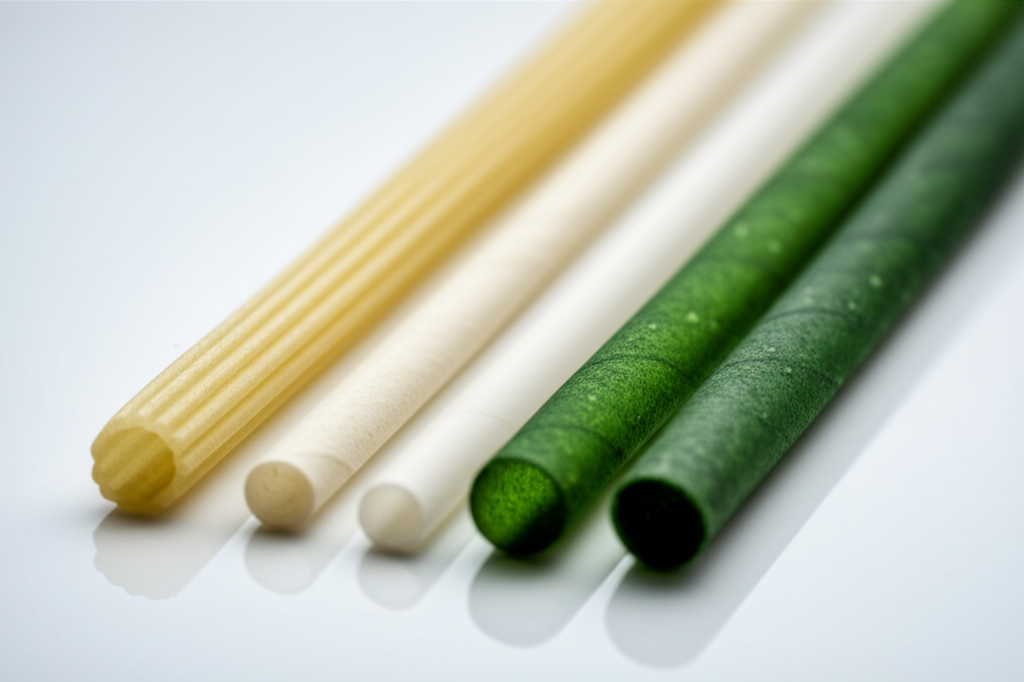
| Feature/Straw Type | Edible Straws (Rice, Pasta, Seaweed) | Paper Straws | PLA (Bioplastic) Straws | Traditional Plastic (PP/PS) Straws (for context) |
|---|---|---|---|---|
| Key Materials | Rice flour, tapioca starch, wheat, corn starch, seaweed, sugar, gelatin | Virgin Kraft paper, recycled paper (often with coatings) | Corn starch, sugarcane, agave (fermented plant starch) | Polypropylene (PP), Polystyrene (PS) |
| Durability in Liquids | Good (30 mins – 4 hrs, depending on type/drink); designed to soften | Variable (can get soggy quickly, esp. in hot/long use); improving | Good (similar to plastic); suitable for hot/cold | Excellent, but breaks into microplastics |
| End-of-Life Disposal | Consume after use; if not eaten, fully compostable/biodegradable | Biodegradable, compostable (if no PFAS); often ends in landfill | Compostable (requires industrial facilities, not home compostable) | Recyclable (often not accepted); mostly landfill/ocean pollution |
| Taste/Texture Impact | Neutral or complementary flavor; unique, edible texture | Can impart papery taste; unpleasant mouthfeel when soggy | Neutral taste; plastic-like feel | Neutral taste; smooth, familiar feel |
| Cost Implications | Higher initial unit cost, but zero waste reduces disposal overhead | Moderate, but can be higher than plastic | Moderate to high | Very Low |
| Regulatory Compliance | Excellent (zero-waste solution, complies with plastic bans) | Varies (meets some bans, but PFAS concern growing) | Varies (complies if industrial composting is available and utilized) | High risk (increasingly banned/restricted globally) |
| Consumer Perception | Highly positive (innovative, fun, eco-conscious, unique selling point) | Mixed (eco-friendly intention, but often poor experience) | Mixed (eco-friendly but confusion around disposal, greenwashing concerns) | Highly negative (major environmental culprit, often actively avoided) |
| Allergen Risks | Depends on ingredients (e.g., pasta contains gluten); many are GF/AF | Low, but growing PFAS concerns (e.g., in Europe and North America) | Low, but some concern about GMO crops | Low |
| Shelf Life | Typically 12-24 months (requires dry, humidity-controlled storage) | Varies, generally good | Good, similar to plastic | Very Long (centuries in environment, microplastic breakdown) |

Market Dynamics & Forward-Looking Insights for Your Business
The global shift toward edible and biodegradable straws is not merely a passing trend but a profound market transformation, presenting significant opportunities and unique challenges for businesses that understand its dynamics.
Robust Market Growth: The overall eco-friendly straws market is experiencing robust expansion, projected to reach nearly USD 25.1 billion by 2035 from an estimated USD 12.3 billion in 2025, demonstrating a compound annual growth rate (CAGR) of 7.3%. Within this burgeoning sector, the edible straw segment alone is forecasted to grow at a strong CAGR of over 9-10% through 2033-2035, with some reports indicating growth from USD 209.03 million in 2020 to USD 446.96 million in 2030, a testament to burgeoning demand and a ripe environment for strategic investment.
Key Drivers Propelling Adoption:
- Regulatory Pressures: Governments globally are enacting increasingly stringent bans and restrictions on single-use plastics. The European Union’s Single-Use Plastics Directive (SUPD), for instance, has significantly accelerated the transition to alternatives, making Europe a leader in the biodegradable straws market. Similarly, various state-level bans across the USA are forcing businesses to adapt.
- Consumer Demand: A globally heightened environmental consciousness, particularly among younger generations, drives a strong preference for and willingness to pay a premium for sustainable options. Consumers are actively seeking brands that align with their eco-values.
- Corporate Sustainability Initiatives: Companies are increasingly integrating eco-friendly practices into their core business strategy. Adopting sustainable straws is a visible and impactful way to enhance brand reputation, improve competitive advantage, and meet internal ESG (Environmental, Social, and Governance) goals.

Sector-Specific Adoption & Regional Insights: The HoReCa (Hotels, Restaurants, and Cafes) sector stands out as a primary adopter of edible and biodegradable straws. Major hospitality brands like W Hotels (Marriott) and Hilton Hotels are already incorporating edible straws into their operations, recognizing both the environmental benefits and the enhanced customer experience. Quick-service restaurants (QSRs) and food delivery services are also contributing significantly to demand. Regionally, Europe and North America currently lead in adoption and market share, with Europe deploying roughly 180 million edible straws annually, representing 30% of global use. Asia-Pacific is identified as the fastest-growing region for eco-friendly straws, driven by rapid urbanization, expanding retail sectors, and robust government initiatives to control plastic waste.

Innovation Hotbeds & Future Trends: The industry is a hotbed of innovation, constantly developing new materials and enhancing functionality.
- New Materials: Look for continued advancements in PHA (polyhydroxyalkanoate) straws, derived from renewable resources like canola oil, which are gaining traction due to their ability to biodegrade in diverse environments, including marine settings, within months. Bacterial cellulose straws, produced by bacteria feeding on sugar and coated with sodium alginate, offer superior durability compared to paper and can be comparable in cost to plastic, breaking down without industrial composting. Dried coconut leaves are also being processed into multilayered, naturally antioxidant straws.
- Enhanced Functionality: The focus remains on overcoming the shortcomings of early alternatives. Innovations are improving wet strength and in-drink durability, with specific edible straw formulations designed to last up to 45 minutes in cold beverages before softening. Diversified and appealing flavor profiles for edible straws are also a significant growth area, with companies offering a wide range from lemon and strawberry to coffee and beet.
- Manufacturing Efficiency: New extrusion technologies and glue-free production methods are continuously driving down production costs and improving consistency, making sustainable options more economically viable.
- “Smart” Solutions: While still nascent, future innovations may include reusable smart straws with embedded filtration for water purification or AI-powered waste reduction analytics, offering truly integrated sustainability solutions.
Addressing Challenges Head-On: While the promise of edible straws is immense, businesses must acknowledge and navigate existing limitations. The higher upfront unit cost compared to traditional plastic remains a hurdle, though the long-term savings from reduced waste disposal can offset this. The need for proper disposal education, especially for PLA straws which strictly require industrial composting and can contaminate recycling if misdirected, also presents an operational challenge. Furthermore, concerns about “forever chemicals” (PFAS) in some paper straws highlight the critical need for careful material sourcing and transparent supply chains. Companies that focus on genuinely edible or marine-degradable options can significantly mitigate these risks, build stronger consumer trust, and differentiate their brand. For a deeper dive into effective waste management for hospitality, consider our guide: Compostable Straw Disposal: A Hospitality Guide.
Making the Smart Sustainable Choice for Your Enterprise
The question for forward-thinking procurement managers, operations directors, sustainability officers, and supply chain executives is no longer if your business should adopt sustainable straws, but which sustainable straw best aligns with your corporate values, operational needs, and customer expectations. By strategically embracing edible straws, you’re not just complying with a growing wave of regulations; you are making a tangible investment in a future where your brand stands out as an innovator and a leader in environmental stewardship. This proactive approach can lead to significant cost savings through reduced waste management expenses, mitigate regulatory risks, and substantially uplift brand value, securing a larger share of a market that increasingly rewards genuine sustainability.
Your Next Strategic Steps:
- Conduct a Comprehensive Assessment: Analyze your current straw usage patterns, the types of beverages served, your primary customer demographics, and the local waste management and composting infrastructure available to your operations.
- Initiate a Pilot Program: Consider a small-scale trial of edible straws in a controlled environment. Gather invaluable feedback on their durability, customer acceptance, and any operational adjustments required before a wider rollout.
- Forge Strategic Partnerships: Collaborate with reputable suppliers who offer transparent sourcing, robust certifications (e.g., food-grade, compostable), and a diverse range of edible straw options to identify the perfect fit for your brand’s unique needs.
- Amplify Your Commitment: Leverage your transition to edible straws as a powerful narrative in your marketing and customer engagement efforts. Clearly communicate your dedication to sustainability and innovation, turning a necessary operational change into a compelling story of environmental leadership.
By making an informed, strategic decision today, your business can transform a global environmental challenge into a compelling opportunity for growth, enhanced brand reputation, and significant positive impact.
Frequently Asked Questions (FAQ)
Are all biodegradable straws safe to eat?
Only straws specifically labeled as “edible straws” are made from food-grade ingredients and intended to be eaten.
Other biodegradable options, like sugarcane bagasse straws or some paper straws, are designed to break down naturally but are not meant for ingestion.
What are edible straws made from?
These materials allow the straws to hold their shape during use and then be safely consumed or composted.
How long do edible straws last in a drink?
Many edible straws can maintain their integrity in cold beverages for 30 minutes to an hour.
Some advanced rice straws can last up to 4–5 hours in cold drinks, while others are designed to soften over time for easy consumption.
Do edible straws impact the taste of beverages?
However, some varieties are intentionally flavored (e.g., lemon, chocolate, strawberry) to complement specific beverages or offer a unique sensory experience.
Consumers generally prefer straws that do not impart an off-flavor.
What are the primary benefits of edible straws for businesses?
- Achieving zero-waste operations (as they can be eaten)
- Enhancing customer experience through novelty and flavor additions
- Ensuring food safety (PFAS-free, food-grade certified)
- Supporting accessibility for individuals with disabilities