

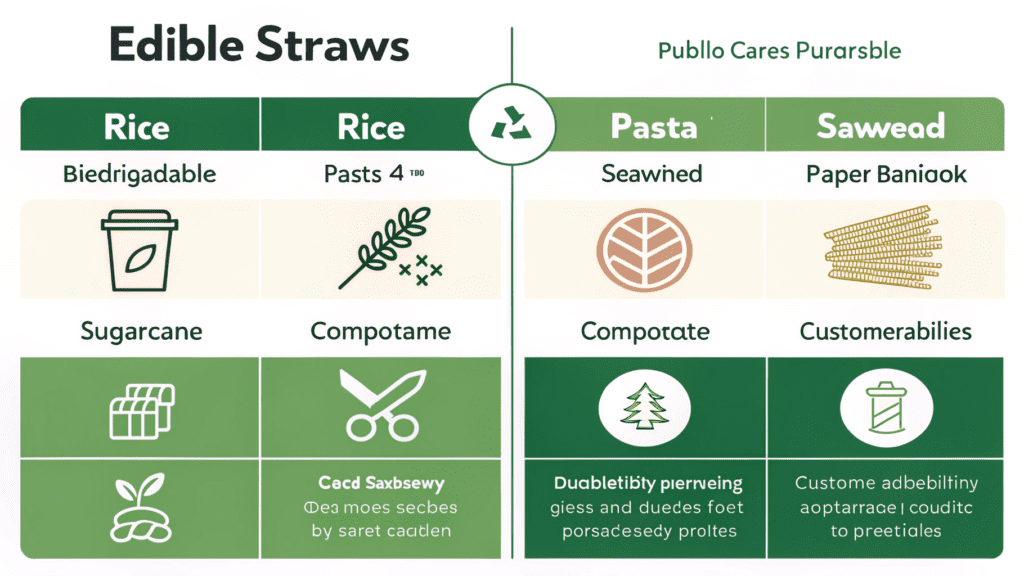
The modern foodservice landscape is at a critical juncture, facing unprecedented pressure to align operations with genuine sustainability. For procurement managers, operations directors, and sustainability officers, the shift from single-use plastics is no longer a niche concern but a foundational imperative. The plastic straw, once a ubiquitous convenience, has become a potent symbol of global waste, driving a wave of environmental regulations and profound consumer-driven change. While the term “biodegradable” often offers a perceived solution, it’s crucial for B2B decision-makers to look beyond this label and understand why it’s frequently insufficient for truly impactful, zero-waste strategies. Failing to make genuinely sustainable choices not only risks brand reputation but also invites potential regulatory penalties and alienates an increasingly eco-conscious customer base, impacting market share and long-term viability.
The Eco-Revolution in Sipping: From Ancient Reeds to Cutting-Edge Innovations
The journey of the drinking straw traces back millennia, with ancient Mesopotamians using elaborate gold and silver tubes to drink beer as far back as 3000 BCE, followed by South American bombillas for yerba mate in the 16th century. In the 1800s, natural rye grass straws gained popularity in the West, but their short lifespan and tendency to impart an unpleasant taste spurred American inventor Marvin Stone to patent the first modern paper straw in 1888. Despite early success and the 1937 innovation of the bendy straw, the mid-20th century saw the inexpensive and durable plastic straw quickly dominate, virtually unchallenged for decades.
This dominance, however, came at a steep environmental cost. By the late 2010s, the sheer volume of single-use plastic straws accumulating in oceans and landfills sparked a global awakening. Plastic straws became a poster child for pollution, contributing significantly to marine debris and threatening wildlife. This growing awareness, combined with a surge in regulatory actions – such as the European Union’s ambitious Single-Use Plastics Directive (SUPD) and bans implemented in numerous US cities and states – triggered a rapid resurgence in and innovation of alternative straw materials. This environmental imperative has profoundly reshaped procurement strategies, pushing businesses to move beyond simple “plastic-free” claims towards solutions that genuinely minimize ecological impact. The challenge now lies in distinguishing between materials that simply decompose and those engineered for safe consumption, addressing common misconceptions prevalent in the B2B market to ensure strategic, environmentally responsible purchasing decisions.
Demystifying Zero-Waste: Edible Straws vs. Non-Edible Biodegradable Alternatives
As businesses navigate the complex landscape of sustainable packaging, understanding the nuances between various eco-friendly straw options is paramount. Not all “biodegradable” solutions offer the same environmental impact or operational benefits.
Edible Straws: The Ultimate Zero-Waste Solution for Forward-Thinking Businesses
Edible straws represent the pinnacle of zero-waste innovation. Unlike their counterparts, they are explicitly designed to be consumed after use, offering an unparalleled end-of-life solution that eliminates post-consumer waste entirely.
What Defines an Edible Straw?
An edible straw is crafted from food-grade ingredients and engineered for safe, often palatable, consumption once a beverage is finished. These aren’t just straws that break down; they’re an integrated part of the consumer experience.
Core Material Science:
The versatility of edible straws stems from their diverse natural compositions:
- Rice and Tapioca Starch: These are foundational for many edible straws, offering a neutral taste and impressive durability. Manufacturers like EQUO have pioneered rice straws that remain firm for extended periods and can even be cooked like rice noodles after use.
- Sugar and Gelatin: Brands such as Sorbos utilize these to create flavored edible straws, adding a sensory dimension to the drinking experience.
- Seaweed Derivatives: Emerging as a highly sustainable option, seaweed-based straws are 100% biodegradable and compostable, often featuring rapid decomposition or edibility.
- Wheat or Pasta: Stroodles, for example, have popularized pasta straws made from wheat flour and water, offering a sturdy, neutral-tasting option that is naturally edible. Some gluten-free pasta straws are made with rice and cassava flour.
- Bacterial Cellulose: Scientists are developing ultrastrong, microplastic-free edible straws from bacterial cellulose, promising durability comparable to plastic at competitive costs.
Tangible Benefits for B2B Operations:
- Achieves True Zero-Waste: The most significant advantage is the complete elimination of straw litter, a powerful statement for any brand committed to sustainability.
- Enhances Customer Experience: Edible straws offer a novel, engaging, and often flavorful addition to drinks, with options like lemon, strawberry, chocolate, or coffee. This unique selling proposition can significantly boost customer satisfaction and brand recall.
- Strengthens Brand Reputation: Adopting edible straws positions a business as a leader in environmental stewardship and innovation, resonating strongly with environmentally conscious consumers and bolstering ESG credentials.
- Robust Durability Profiles: Contrary to common misconceptions about eco-friendly alternatives, many edible straws, particularly those made from rice and tapioca, offer superior durability compared to traditional paper straws, remaining intact for hours in cold beverages.
- Versatile Applications: Suitable for a wide range of cold beverages, with continuous innovation extending their performance in some warm drinks.
Biodegradable, But Not Consumable: Understanding the Eco-Friendly Spectrum
While not edible, other biodegradable straw options play a vital role in reducing plastic waste. However, their efficacy depends heavily on specific disposal infrastructure and consumer behavior.
Material Overview:
- Sugarcane Bagasse: Made from the fibrous waste of sugarcane, these straws are strong and durable. However, they are explicitly not edible as the human body cannot digest the cellulose and lignin.
- PHA (Polyhydroxyalkanoate) Bioplastics: Derived from renewable resources like cornstarch or plant oils, PHA straws are notable for their ability to biodegrade in diverse environments, including marine settings, within months.
- Paper Straws: The original alternative, modern paper straws have seen improvements but still grapple with issues like sogginess and potential “forever chemical” coatings (PFAS) for water resistance.
- Grass and Agave Fibers: These natural materials offer compostable alternatives, though often with limitations in durability and extended use in liquids.
Environmental Decomposition:
These materials are designed to break down naturally under specific conditions:
- Industrial Composting: Many bioplastics and plant-based straws require industrial composting facilities (high heat, specific moisture) to decompose effectively within designated timeframes (e.g., sugarcane straws typically decompose in 3-6 months).
- Home Composting/Natural Environments: Some advanced materials, like certain PHA formulations, are certified for home composting or even marine biodegradation. Understanding the nuances of how quickly biodegradable plastics break down is crucial for managing their environmental impact.
- Challenges: Without proper disposal into the correct waste streams, even biodegradable straws can end up in landfills, where decomposition is significantly hindered due to lack of oxygen and microbial activity, negating their environmental benefit.
Operational Considerations for Businesses:
- Waste Stream Management: Businesses must have access to appropriate composting or waste management facilities for these straws to fulfill their environmental promise. This requires clear operational protocols and often, partnerships with specialized waste handlers.
- Performance Limitations: Paper straws are notorious for getting soggy, affecting the customer experience. Other materials may have durability constraints in certain beverage types or temperatures.
- Transparent Communication: It’s essential for businesses to educate consumers on proper disposal methods for these non-edible biodegradable straws to ensure they are composted rather than landfilled, a key step in accelerating biodegradable straw decomposition. For more information on accelerating decomposition, see Accelerating Biodegradable Straw Decomposition: A B2B Guide.
Strategic Sourcing: A B2B Comparative Analysis of Sustainable Straw Solutions
For procurement and operations leaders, the choice of sustainable straws goes beyond environmental rhetoric; it’s a strategic decision impacting operational efficiency, brand value, and regulatory compliance.
Performance & Sustainability Matrix for Commercial Straws (Illustration 1)
| Edible Rice/Pasta | Rice flour, Tapioca starch, Wheat | Yes | High/Moderate | Edible / Compostable | HoReCa, QSR, Events | Medium | True zero-waste, neutral taste, can be flavored, cookable, enhanced UX |
| Edible Seaweed | Seaweed-derived cellulose | Yes | High/Moderate | Edible / Marine Biodegradable | Fine Dining, Resorts | High | Innovative, ocean-friendly, unique texture, strong sustainability story |
| Sugarcane (Bagasse) | Sugarcane fiber | No | High | Compostable (Industrial) | QSR, Cafes, Takeaway | Low/Medium | Sturdy, made from agricultural waste, good alternative to plastic |
| PHA Bioplastic | Renewable plant oils | No | High | Marine Biodegradable / Compostable | QSR, Events, Retail | Medium/High | Biodegrades in diverse environments (soil, water), strong performance |
| Paper (Coated) | Wood pulp, Plant-based coatings | No | Low/Moderate | Compostable (Specific) / Landfill | High-volume QSR | Low | Widely available, but prone to sogginess, potential PFAS concerns |
| Bamboo (Reusable) | Bamboo | No | Very High | Reusable / Compostable (Long) | Eco-conscious Cafes | Medium (initial) | Highly durable, reusable, requires cleaning/sanitization, premium feel |
Industry Insights: Navigating the Future Landscape of Sustainable Sipping (Illustration 2)
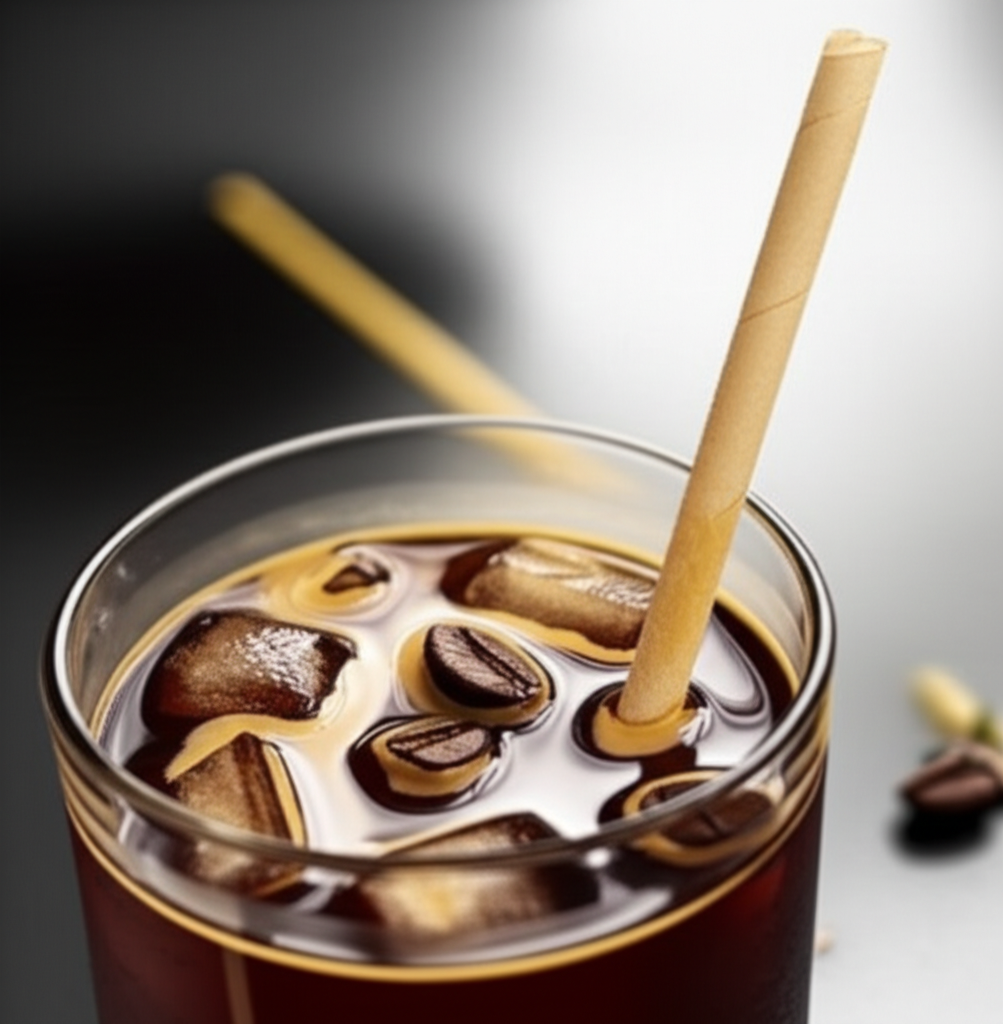
The eco-friendly straw market is undergoing explosive growth, projected to reach nearly USD 25.1 billion by 2035 from an estimated USD 12.3 billion in 2025, with a compound annual growth rate (CAGR) of 7.3%. The edible straw segment, in particular, is poised for significant acceleration, forecasting a CAGR of over 9-10% through 2033-2035, with some reports suggesting a jump from USD 209.03 million in 2020 to USD 446.96 million by 2030. This robust expansion is fueled by several critical drivers for B2B adoption.
Key Driving Forces for B2B Adoption:
- Regulatory Imperatives: Governments globally are enacting increasingly stringent bans and restrictions on single-use plastics, forcing industries to seek compliance proactively. The EU’s SUPD, for instance, has reshaped supply chains across the continent.
- Evolving Consumer Expectations: A rapidly growing segment of consumers, especially younger demographics, actively seeks out and rewards businesses demonstrating genuine commitment to sustainability. Ignoring this shift means losing competitive edge.
- Corporate ESG Goals: Integrating sustainable practices, like adopting zero-waste straws, is crucial for achieving Environmental, Social, and Governance (ESG) targets. This not only enhances brand value but also improves investor appeal and stakeholder relations.
- HoReCa and QSR Leadership: Major hospitality players like W Hotels (Marriott) and Hilton Hotels are actively incorporating edible straws, setting new industry benchmarks and influencing widespread adoption within the HoReCa (Hotel, Restaurant, Cafe) and Quick Service Restaurant (QSR) sectors.
Addressing Common Challenges and Solutions:
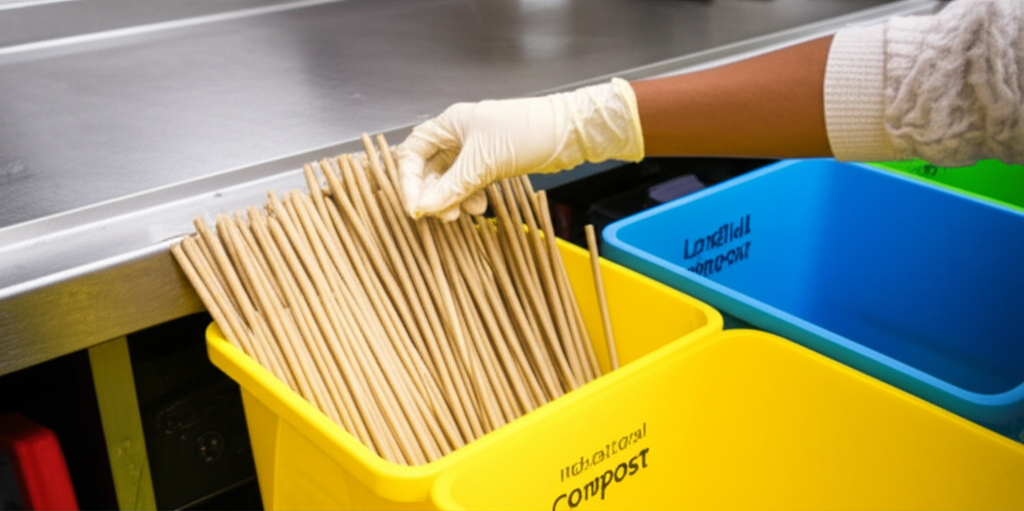
While the transition to sustainable straws offers immense benefits, it’s not without challenges (Illustration 3):
- Durability and Performance Consistency: Early versions of eco-straws often suffered from poor performance. However, continuous innovation in material science—from advanced coatings to novel compounds like bacterial cellulose—is dramatically improving resistance to heat, moisture, and mechanical stress, ensuring a consistent and satisfying user experience.
- Cost vs. Value Proposition: Edible and advanced biodegradable straws may have a higher unit cost than traditional plastic. However, businesses can offset this through enhanced brand image, reduced waste management expenses (e.g., lower landfill fees, simplified recycling), and the ability to position products as premium, environmentally responsible choices.
- “Greenwashing” Scrutiny: With increasing consumer and regulatory oversight, transparent claims and verifiable environmental impact data are paramount. Businesses must ensure that their “eco-friendly” products, whether edible or biodegradable, come with legitimate certifications and clear communication to build trust and avoid accusations of greenwashing.
- Consumer Acceptance and Education: Introducing edible straws requires some consumer education. Highlighting their benefits – novelty, flavor, and zero-waste – can transform initial unfamiliarity into enthusiastic acceptance.
Future Innovations and Emerging Trends (Illustration 4):

The future of sustainable sipping is dynamic and innovative.
- Next-Generation Bioplastics: Developments in PHA and other truly marine-biodegradable polymers promise solutions that break down naturally even in oceans, offering a robust, plastic-like feel without the environmental footprint. For a comprehensive guide to biodegradable straws, visit Biodegradable Straws: A B2B Guide.
- Novel Plant-Based Composites: Research is expanding into agricultural waste streams, exploring fruit fibers, mycelium, and other biomass for straw production, turning waste into valuable resources.
- Enhanced Functionality: Expect longer-lasting, more versatile edible straws with expanded flavor profiles and improved sensory experiences, making them an even more appealing choice.
- Manufacturing Efficiency: Advancements in extrusion technologies and glue-free production methods are continuously driving down manufacturing costs and increasing scalability, making these sustainable options more economically viable for mass adoption.
- Global Market Expansion: While Europe and North America currently lead, the Asia-Pacific region is anticipated to be the fastest-growing market, spurred by rapid urbanization and increasing government and consumer focus on sustainability.
Your Path to Sustainable Sipping: Choose with Confidence
The imperative for sustainable business practices has never been clearer. For B2B decision-makers, moving beyond generic “biodegradable” labels is no longer an option, but a necessity. A deep understanding of the specific attributes, performance, and environmental impact of each sustainable straw solution is critical for making informed choices that resonate with your values and operations. Aligning your business operations with genuine environmental commitments offers a significant strategic advantage, allowing you to exceed evolving customer expectations, mitigate regulatory risks, and cement your brand’s reputation as a leader in corporate responsibility.
Elevate your brand and make a tangible commitment to zero-waste by choosing the right sustainable sipping solution. By embracing innovative options like edible straws, you’re not just purchasing a product; you’re investing in a future where cost savings from reduced waste management, unparalleled risk mitigation from compliance, and a significant uplift in brand value converge. This positions your business to capture a larger share of the growing eco-conscious market.
Ready to transform your business’s environmental footprint?
Explore momoio.com‘s comprehensive portfolio of innovative edible and advanced biodegradable straws today.
Contact us todayOrder samplesGet a custom quote
Frequently Asked Questions
No, not all biodegradable straws are edible. The term “biodegradable” simply means a straw will break down naturally in the environment. Edible straws are a specific category, made from food-grade ingredients like rice, tapioca starch, or seaweed, designed to be safely consumed after use. Other biodegradable straws, such as those made from sugarcane bagasse or PHA bioplastics, are not intended for consumption, although they are environmentally friendly and decompose naturally.
For businesses, edible straws offer significant benefits including achieving true zero-waste by eliminating post-consumer straw litter, enhancing customer experience with novel flavors and textures, strengthening brand reputation as a leader in sustainability, and offering robust durability that often outperforms traditional paper straws. They also contribute positively to ESG (Environmental, Social, and Governance) goals.
Many edible straws, especially those made from rice and tapioca starch, offer superior durability compared to traditional paper straws. Paper straws are often criticized for quickly becoming soggy and losing their shape, negatively impacting the drinking experience. Edible straws are designed to remain firm throughout consumption and maintain their integrity in cold beverages for extended periods.
Edible straws, being made from food-grade ingredients, are generally considered safe and free from harmful chemicals. However, there have been controversies regarding some paper straws that use per- and polyfluoroalkyl substances (PFAS), known as “forever chemicals,” for water resistance. These chemicals are linked to health issues and environmental persistence. When sourcing, it’s crucial for businesses to ensure transparency regarding materials and certifications to avoid such risks.
The sustainable straw market is a hotbed of innovation. Future developments include next-generation bioplastics like PHA capable of marine biodegradation, novel plant-based composites from agricultural waste streams (e.g., fruit fibers, mycelium), and advanced bacterial cellulose straws offering plastic-like durability at comparable costs. There’s also a focus on enhanced functionality, expanded flavor profiles for edible straws, and improved manufacturing efficiency to reduce costs and increase scalability.
No, not all biodegradable straws are edible. The term “biodegradable” simply means a straw will break down naturally in the environment. Edible straws are a specific category, made from food-grade ingredients like rice, tapioca starch, or seaweed, designed to be safely consumed after use. Other biodegradable straws, such as those made from sugarcane bagasse or PHA bioplastics, are not intended for consumption, although they are environmentally friendly and decompose naturally.
For businesses, edible straws offer significant benefits including achieving true zero-waste by eliminating post-consumer straw litter, enhancing customer experience with novel flavors and textures, strengthening brand reputation as a leader in sustainability, and offering robust durability that often outperforms traditional paper straws. They also contribute positively to ESG (Environmental, Social, and Governance) goals.
Many edible straws, especially those made from rice and tapioca starch, offer superior durability compared to traditional paper straws. Paper straws are often criticized for quickly becoming soggy and losing their shape, negatively impacting the drinking experience. Edible straws are designed to remain firm throughout consumption and maintain their integrity in cold beverages for extended periods.
Edible straws, being made from food-grade ingredients, are generally considered safe and free from harmful chemicals. However, there have been controversies regarding some paper straws that use per- and polyfluoroalkyl substances (PFAS), known as “forever chemicals,” for water resistance. These chemicals are linked to health issues and environmental persistence. When sourcing, it’s crucial for businesses to ensure transparency regarding materials and certifications to avoid such risks.
The sustainable straw market is a hotbed of innovation. Future developments include next-generation bioplastics like PHA capable of marine biodegradation, novel plant-based composites from agricultural waste streams (e.g., fruit fibers, mycelium), and advanced bacterial cellulose straws offering plastic-like durability at comparable costs. There’s also a focus on enhanced functionality, expanded flavor profiles for edible straws, and improved manufacturing efficiency to reduce costs and increase scalability.