Ĉu vi povas maĉi aŭ gluti sukerkan fibron?
Ĉu vi povas maĉi aŭ gluti sukerkan fibron? Ĉi tiu ŝajne simpla demando enhavas kompleksan respondon, rivelante la rimarkindan duoblan naturon de sukerkanfibro - de antikva regalo ĝis moderna mirindaĵo de daŭripovo.
Beyond the Sweetness - Malkaŝante la Surprizan Rolon de Sukerkan Fibro
Ĉu vi povas maĉi aŭ gluti sukerkan fibron? Ĉi tiu ŝajne simpla demando enhavas kompleksan respondon, rivelante la rimarkindan duoblan naturon de sukerkanfibro - de antikva regalo ĝis moderna mirindaĵo de daŭripovo. De generacioj, homoj tutmonde gustumis sukerkanon por ĝia dolĉa, refreŝiga suko, natura ĝojo ĝuita per simpla, rekta maĉado. Tamen, la fibreca restaĵo postlasita, konata kiel bagaso, prezentas unikan defion al nia digesta sistemo kiam konsumita en sia kruda formo.
Paradokse, ĉi tiu sama fibro estas ĉe la avangardo de la ekologia revolucio, transformante industriojn kaj redifinante daŭrigeblajn praktikojn. Komercoj, ĉiam pli sub premo de konsumantoj kaj reguligistoj por adopti pli verdajn solvojn, malkovras la profundan industrian potencialon de sukerkanbagaso. Ĝi estas repurigita, reinĝenierita kaj reimagita en valoran, ekokonscian rimedon kiu kondukas aŭtentan daŭripovon.
En la sekvaj sekcioj, ni malkovros kial kruda sukerkanfibro estas plej bone elkraĉita post kiam ĝia sukera esenco estas ĝuita, kaj kiel, en sia zorge prilaborita formo, ĝi iĝas nemalhavebla, ekokonscia solvo por entreprenoj serĉantaj veran ekologian gvidadon kaj alt-efikecan, konforman pakaĵon. Ĉi tiu duobla rakonto de nedigestebla krudaĵo kontraŭ industria ŝanco elstarigas la novigan vojon al pli daŭrigebla estonteco.
La Nedigestebla Vero kontraŭ La Industria Ŝanco
Kompreni sukerkan fibron postulas rigardi ĝiajn du apartajn formojn: la kruda, neprilaborita plantmaterialo kaj la industrie transformita derivaĵo. Por entreprenoj celantaj daŭripovon, ĉi tiu distingo estas kritika por kaj konsumanta komunikado kaj produkta evoluo.
La Kruda Realo: Kial Maĉi estas Malsama de Glutado
La praktiko ĝui freŝan sukerkanon estas vigla kultura tradicio en multaj partoj de la mondo. Ĝi estas simpla plezuro, kiu implikas la rektan interagon kun la kruda planto, sed ĝi venas kun decida, biologia averto.
Maĉi por Suko: Kultura Ĝojo kun Klaraj Limoj
Kiam homoj maĉas sukerkanon, ili ĉefe okupiĝas pri procezo simila al maĉgumo. La celo estas ĉerpi la dolĉan, sukulecan sukon ŝlositan en la malmolaj, fibrecaj tigoj. Ĉi tio implicas komencan preparon: lavi la kanon ĝisfunde, fortranĉante ĉirkaŭ unu colo de ĉiu fino por forigi iujn ajn sekigitajn aŭ malpli bongustajn partojn, kaj poste senŝeligi la eksteran ŝelon. Post kiam senŝeligita kaj porciigita en regeblajn pecojn (tipe ĉirkaŭ 6 coloj), la interna, fibreca karno estas maĉita. Dum la dentoj malkonstruas la ĉelan strukturon de la planto, la dolĉa suko estas liberigita kaj ĝuita. Preter ĝia rava gusto, ĉi tiu tradicia maĉado eĉ povas oferti avantaĝojn kiel naturajn dentojn purigado pro la abrazia ago de la fibro.
La Nedigestebla Baro: Kial Homoj Ne Povas Prilabori Krudan Fibro
Despite its sweetness, the fibrous material that remains after extracting the juice – known as bagasse – is fundamentally indigestible for humans. The reason lies in our biology. Sugarcane fiber is primarily composed of tough plant cell wall components: cellulose, hemicellulose, and lignin. Unlike ruminant animals, humans lack the specific enzymes (like cellulase) required to break down these complex polysaccharides into absorbable sugars. Even if the cell walls are thoroughly broken down by vigorous chewing, the inherent chemical structure of these fibers remains resistant to human digestive enzymes. It’s similar to trying to digest wood pulp; while you can chew it, your body simply doesn’t have the enzymatic machinery to convert it into nutrients.
Potential Digestive Issues: The Risks of Swallowing Raw Bagasse
Given its tough, straw-like, or even wood-like consistency, swallowing large quantities of raw sugarcane fiber is generally not recommended. While small, accidental amounts may pass through the digestive system harmlessly for individuals with robust digestive health, consuming significant volumes can lead to various digestive upsets. These can range from discomfort and irritation in the throat and gastrointestinal tract to, in severe and extreme cases, intestinal blockages. The physical nature of the undigested fiber can be abrasive and challenging for the body to process and eliminate, reinforcing the traditional wisdom and expert recommendation: after extracting the sweet juice, the fibrous bagasse should be spit out and disposed of responsibly.
The Industrial Revelation: Sugarcane Fiber Reimagined
While raw bagasse presents a digestive challenge for humans, its inherent properties make it an extraordinary resource when transformed through industrial processes. This pivot from an agricultural byproduct to a high-value industrial raw material unlocks its immense potential for sustainable business growth.
Transformation of Bagasse: From Waste to Wonder Material
The “indigestible” bagasse is no longer a waste product. Instead, it undergoes sophisticated industrial processing, including pulping, pressing, and molding, to create a versatile material. This transformation gives sugarcane fiber a new life, turning it into a cornerstone of the eco-friendly packaging and disposable products sector. Its fibrous structure, which makes it challenging for human digestion, provides excellent strength and form stability in manufactured goods.
Beyond Diet: Health Benefits ofProcessedFibro de Sukerkano
It’s important to distinguish the raw, indigestible bagasse fromprocessedsukerkanfibro uzata en dietaj suplementoj. Kiam rafinita kaj korpigita en specifajn manĝaĵojn aŭ suplementojn (ekz., pulvoroj aŭ kapsuloj), sukerkanfibro povas proponi konsiderindajn sanajn avantaĝojn. Riĉa je kaj solvebla kaj nesolvebla fibro, ĝi estas konata pro helpi digestadon, antaŭenigi intestan sanon agante kiel prebiotiko (nutrante utilajn intestbakteriojn), subtenante intestan regulecon kaj malhelpante estreñimiento. Krome, prilaborita sukerkanfibro povas helpi en pezo-administrado promociante sentojn de pleneco kaj estis ligita al eble malpliigo de LDL-kolesterolo-niveloj. Ĉi tiu dieta kunteksto, tamen, estas tre for de la kruda, neprilaborita materialo.
The Eco-Packaging Powerhouse: Bagasse por Daŭrigeblaj Solvoj
The most impactful industrial application of sugarcane bagasse for businesses lies in its emergence as a premier material for eco-friendly, biodegradable, and compostable food packaging. This is where MOMOIO.com’s expertise shines. Sugarcane bagasse products boast an impressive array of properties that make them superior to conventional alternatives:
- Safe for Food Contact: Unlike many plastics, bagasse-based packaging is inherently safe, non-toxic, and does not leach harmful chemicals into food or beverages, a critical concern for both consumers and regulatory bodies.
- Heat-Resistant and Microwave-Safe: Ĝia natura strukturo permesas al ĝi elteni altajn temperaturojn, igante ĝin taŭga por varmaj manĝaĵoj kaj mikroonda revarmigo, ofertante oportunon sen endanĝerigi sekurecon aŭ strukturan integrecon.
- Daŭra kaj Funkcia: Prilaborita bagaso ofertas fortikan agadon, pritraktante diversajn manĝspecojn kaj temperaturojn sen rapide degradi aŭ malsekiĝi, ofta problemo kun iuj paperaj alternativoj.
- Vere Daŭrigebla: Farita de rapide renovigebla rimedo (kromprodukto de sukerproduktado), ĝia uzo reduktas dependecon de virga ligno kaj fosiliaj fueloj, enkarnigante verajn cirkulekonomiajn principojn.
Ĉi tiu industria transformo igas sukerkanan fibron valorega valoraĵo por entreprenoj kompromititaj al daŭripovo, plenumado kaj bonfarto de konsumantoj.
Utiligante Sukerkan Fibro por Daŭrigebla Komerca Kresko
In today’s global marketplace, the shift towards genuine sustainability is no longer a niche preference; it’s a strategic imperative. Consumers are more environmentally aware than ever, and regulatory bodies worldwide are enacting stringent legislation to curb plastic pollution and promote circular economy principles. For B2B enterprises, embracing sugarcane fiber-based packaging is not just about meeting demand; it’s about leading in environmental responsibility, future-proofing operations, and building a resilient, ethical brand image.
Meeting the Demand for Genuine Sustainability
La merkato por ekologiaj produktoj kreskas, movita de konscia konsumanta bazo, kiu aktive serĉas markojn konformajn al iliaj valoroj. Komercoj kiuj integras vere daŭrigeblajn solvojn, kiel tiuj derivitaj de sukerkanfibro, akiras signifan konkurencivan avantaĝon. Ĉi tiu engaĝiĝo tradukiĝas en plifortigitan markreputacion, pliigitan klientlojalecon kaj aliron al novaj merkatsegmentoj, kiuj prioritatas median administradon. Ĝi estas ŝanco preterpasi nuran plenumon kaj fariĝi unuaranga en la daŭrigebla ekonomio.
Navigante la Reguligan Pejzaĝon kun Fido
La kompleksa kaj rapide evoluanta reguliga medio por pakado postulas zorgan atenton. Mispaŝoj povas konduki al monpunoj, reputacia damaĝo kaj merkata ekskludo. Sukerkanaj bagasproduktoj, kiam konvene atestitaj, ofertas klaran kaj obeeman vojon antaŭen, precipe en lumo de ŝlosilaj tutmondaj kaj regionaj kadroj.
EU-Ununura Uza Plastika Direktivo (SUPD): Ludŝanĝilo
The European Union’s Single-Use Plastics Directive (SUPD), which came into force on July 3, 2021, represents a landmark effort to curb plastic pollution. It imposes a broad ban on certain single-use plastic items, including straws, cutlery, plates, and beverage stirrers. Crucially, the SUPD defines “plastic” broadly to include bioplastics and even biodegradable/compostable plastics if they are single-use. This means that many “eco-friendly” alternatives that still contain plastic components, even plant-based ones, are caught in the ban.
For businesses operating in or exporting to the EU, this directive pushes an urgent shift towards genuinely sustainable, non-plastic alternatives. Sugarcane bagasse products, by being entirely plant-fiber-based and free from plastic coatings or additives, offer a compliant and future-proof solution. They are designed to degrade naturally and effectively, aligning with the directive’s core objective of reducing environmental impact.
Compostability Standards – The Gold Standard for End-of-Life
Demonstrating true compostability is paramount for eco-friendly packaging. Without robust, internationally recognized standards, claims of “biodegradable” can easily devolve into greenwashing. These standards provide a scientific benchmark for how materials must perform in industrial composting facilities.
- European Standards (EN 13432): In Europe, EN 13432 is the stringent benchmark for industrial compostability. To achieve this standard, packaging materials must meet rigorous criteria:
- Biodegradebleco: At least 90% of the material must biodegrade into carbon dioxide, water, and biomass within six months.
- Disintegriĝo: Within 12 weeks, at least 90% of the material must physically fragment into pieces smaller than 2mm.
- Kemia komponado: Strict limits are placed on heavy metals and other regulated substances to ensure the resulting compost is non-toxic.
- Ekotokseco: The compost produced must not negatively impact plant growth.
Products that meet EN 13432 can proudly display the “Seedling” logo, a key identifier for certified compostable packaging across Europe.
- North American Standards (ASTM D6400 & D6868): Across the Atlantic, the American Society for Testing and Materials (ASTM) sets equivalent standards for compostability.
- ASTM D6400: “Standard Specification for Labeling of Plastics Designed to be Aerobically Composted in Municipal or Industrial Facilities” applies to plastic films and solid plastic products.
- ASTM D6868: “Standard Specification for Labeling of End Items that Incorporate Plastics and Polymers as Coatings or Additives with Paper and Other Substrates Designed to be Aerobically Composted in Municipal or Industrial Facilities” addresses composite products like plastic-coated paper.
Both standards require materials to achieve significant biodegradation (60-90% conversion to CO2 within 180 days, depending on polymer type), disintegration (less than 10% residue on a 2mm sieve within 84-120 days), and no ecotoxicity to the finished compost.
These standards are critical for establishing credibility and ensuring that products genuinely contribute to organic waste diversion.
Kompara Tablo: Industriaj Kompostebleco-Normoj
| Karakterizaĵo | EN 13432 (Eŭropo) | ASTM D6400 / D6868 (North America) |
|---|---|---|
| Amplekso | Pakaj materialoj | Plastics & products (D6400); Coated products (D6868) |
| Composting Type | Industrial Composting (55-60°C) | Municipal/Industrial Aerobic Composting (Thermophilic) |
| Biodegradiĝo | ≥ 90% in 6 months (CO2 evolution) | 60% in 180 days (single polymers); 90% in 180 days (co-polymers) |
| Disintegrado | ≥ 90% to < 2mm in 12 weeks | < 10% residue on 2mm sieve in 84-120 days |
| Pezaj Metaloj | Restricted limits | Restricted limits |
| Ekotokseco | No negative impact on plant growth | No negative impact on plant growth |
| Identification | Seedling Logo (via certifiers like TÜV AUSTRIA) | BPI Certification Mark |
Crucial Certifications for Credibility
Beyond the technical standards, independent third-party certifications are essential for market acceptance and consumer trust.
- BPI-Atestado (Instituto pri Biodiserigeblaj Produktoj): In North America, BPI certification is the gold standard for compostable products. This non-profit organization independently verifies that products meet ASTM D6400 and D6868 standards, ensuring they safely break down in commercial composting facilities. BPI maintains a searchable database of certified products, providing transparency and verifiable proof for businesses, composters, and consumers. Furthermore, BPI has implemented strict requirements regarding PFAS, ensuring that certified products contain no intentionally added fluorinated chemicals and have total organic fluorine below 100 ppm. This commitment to PFAS-free materials enhances the credibility and safety of BPI-certified products. For more information, visit BPI’s official website. [External link 1: bpiworld.org]
- TÜV AUSTRIA’s OK Compost: Globally recognized, TÜV AUSTRIA offers the “OK compost” certification.
- OK compost INDUSTRIAL certifies products meeting EN 13432 for industrial composting environments, often granting the “Seedling” logo.
- OK compost HEJMO addresses the distinct conditions of home composting, ensuring biodegradability at lower, less consistent temperatures. These certifications provide undeniable proof of environmental claims, distinguishing truly compostable items from ambiguous “biodegradable” products.
Comparison Table: Key Compostability Certifications
| Karakterizaĵo | BPI Certification (North America) | TÜV AUSTRIA OK Compost (Global, Europe-centric) |
|---|---|---|
| Administering Body | Biodegradable Products Institute (Non-profit) | TÜV AUSTRIA (International certification body) |
| Primary Standards | ASTM D6400 & D6868 | EN 13432 (for Industrial); Internal standard (for Home) |
| Certification Logos | BPI Certification Mark | OK compost INDUSTRIAL / OK compost HOME (also Seedling for EN 13432) |
| Scope of Composting | Commercial/Industrial | Industrial (OK compost INDUSTRIAL) & Home (OK compost HOME) |
| PFAS Requirements | No intentionally added PFAS; <100 ppm total organic fluorine | Evaluates chemical composition; no specific explicit PFAS threshold in summary info but aligned with clean compost outcomes |
| Verification | Publicly accessible online database of certified products | Certification numbers and logos, often cross-referenced with standards |
The PFAS Imperative: Eliminating “Forever Chemicals”
A critical concern in the eco-friendly packaging space is the pervasive issue of Per- and Polyfluoroalkyl Substances (PFAS), often dubbed “forever chemicals.” These compounds are frequently added to “eco-friendly” alternatives like paper and bamboo straws to provide water and grease resistance. However, research has revealed that many seemingly green products contain PFAS, which can leach into food and beverages, posing significant health and environmental risks due to their persistence and toxicity.
This hidden problem led to critical legislation like California’s AB 1200, which, effective January 1, 2023, prohibits PFAS in paper, paperboard, or plant-based food packaging. Other states and the EU are also moving to restrict these chemicals. For businesses, guaranteeing PFAS-free products is no longer optional; it’s a compliance necessity and a moral obligation. MOMOIO.com’s unwavering commitment to PFAS-free products, meeting not only regulatory demands but also stringent certifications like BPI’s <100 ppm total organic fluorine limit, offers a truly safe and compliant solution. The shift away from PFAS is a cornerstone of genuine sustainability and consumer safety. For detailed guidance on avoiding deceptive environmental claims, the Federal Trade Commission (FTC) provides the Green Guides, which offer crucial insights for businesses.[External link 2: ftc.gov/green-guides]
Extended Producer Responsibility (EPR): Shifting the Burden
Extended Producer Responsibility (EPR) laws are a growing global trend, fundamentally reshaping how packaging waste is managed. EPR shifts the financial and, in some cases, operational responsibility for a product’s entire lifecycle – from design to end-of-life – from municipalities and taxpayers to the producers who introduce packaging to the market.
States across the U.S., including California, Oregon, and Minnesota, have enacted EPR legislation. These laws typically require producers to join Producer Responsibility Organizations (PROs) and pay fees, which are often “eco-modulated” – meaning fees are lower for packaging that is easily recyclable, compostable, or contains recycled content. For businesses, this creates a clear financial incentive to adopt truly recyclable or compostable packaging, like MOMOIO.com’s sugarcane bagasse products. By choosing materials that align with EPR principles, businesses can significantly reduce their financial obligations, ensure compliance, and contribute to a more circular economy, preventing their products from becoming a burden in landfills. Understanding these frameworks is vital for sustainable business strategy; a comprehensive resource on packaging EPR trends can be found at the Sustainable Packaging Coalition.[External link 3: sustainablepackaging.org]
FTC Green Guides: Avoiding Greenwashing Pitfalls
In the increasingly crowded market of “eco-friendly” products, avoiding greenwashing is critical for maintaining consumer trust and regulatory compliance. The Federal Trade Commission (FTC) Green Guides provide essential guidance for marketers to ensure their environmental claims are truthful, substantiated, and not misleading. These guides cover a wide range of claims, including “compostable,” “biodegradable,” and general environmental benefit claims. They emphasize the need for competent and reliable scientific evidence to back up all assertions. By adhering to the FTC Green Guides, businesses using sugarcane fiber products can confidently make substantiated environmental claims, reinforce their credibility, and protect their brand from accusations of deception. MOMOIO.com helps partners navigate these guidelines, ensuring their sustainability messaging is both accurate and impactful.
Momoio’s Solution: Sustainable Sugarcane Fiber Products
At MOMOIO.com, we harness the powerful resource of sugarcane fiber to create truly sustainable, compliant, and high-performance packaging solutions. Our commitment goes beyond merely offering alternatives; we provide products meticulously designed to meet the most rigorous global standards and address the complex regulatory challenges businesses face today.
Discover how MOMOIO.com leverages sugarcane fiber to offer superior, eco-conscious options:
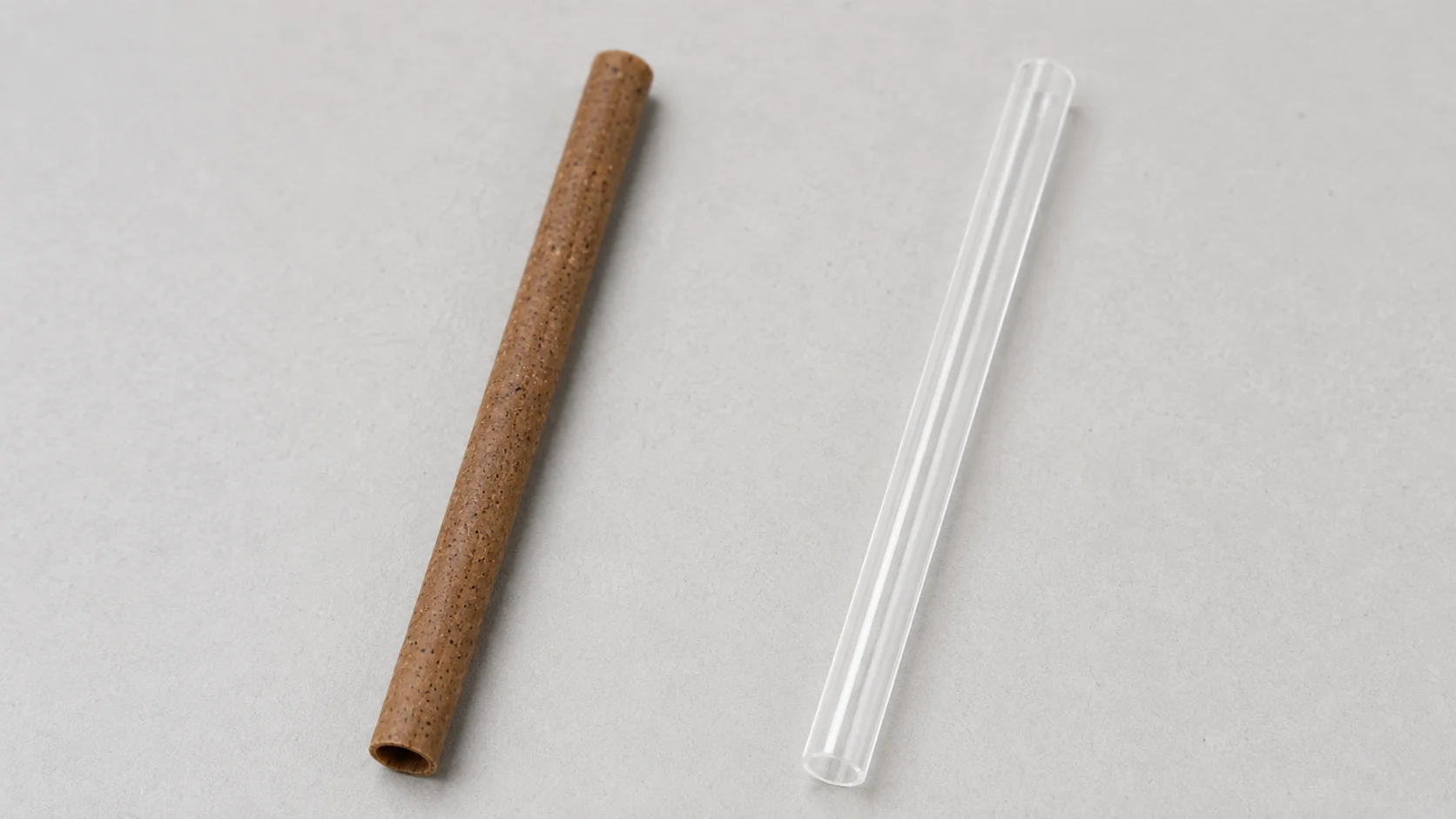
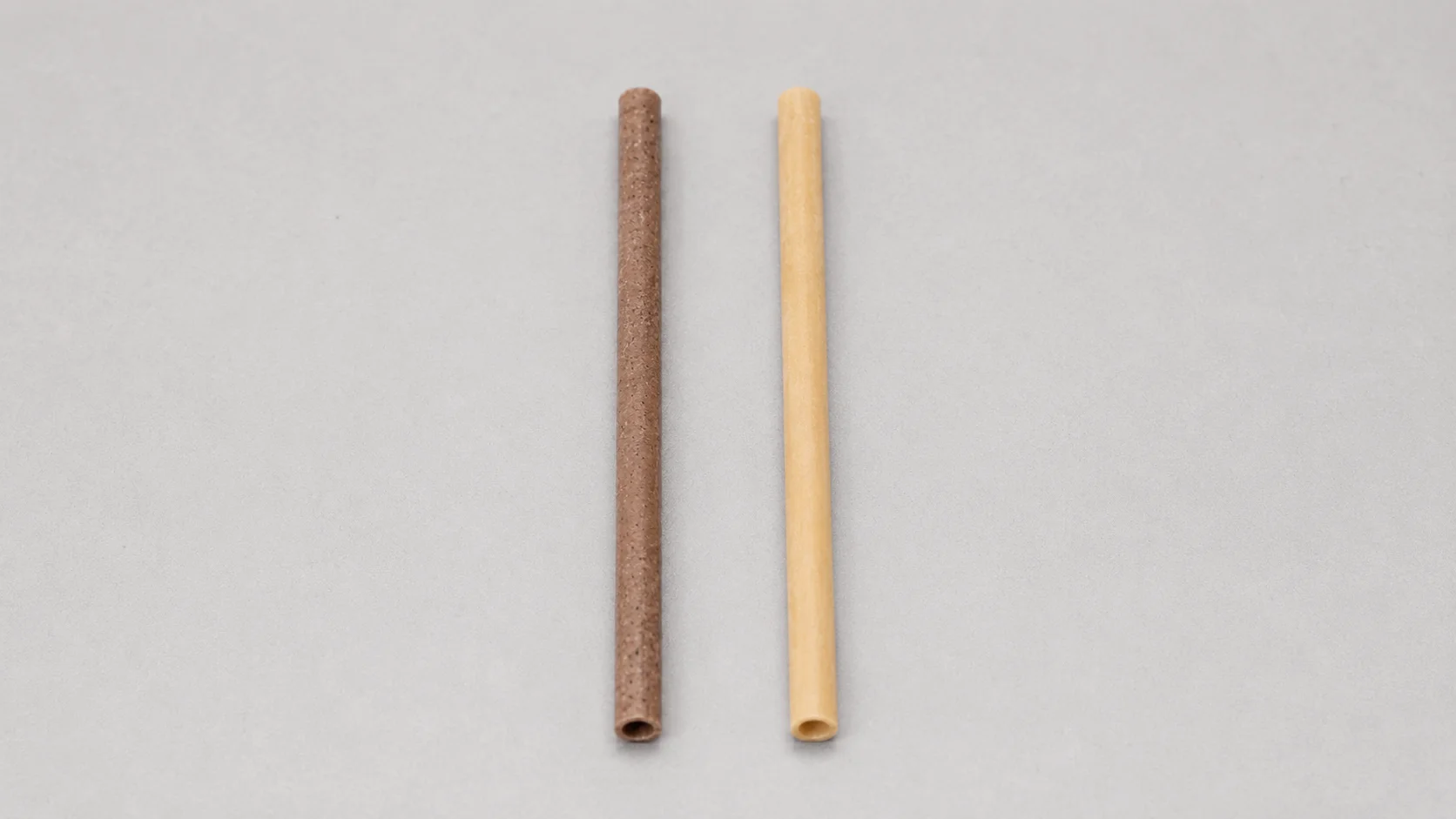
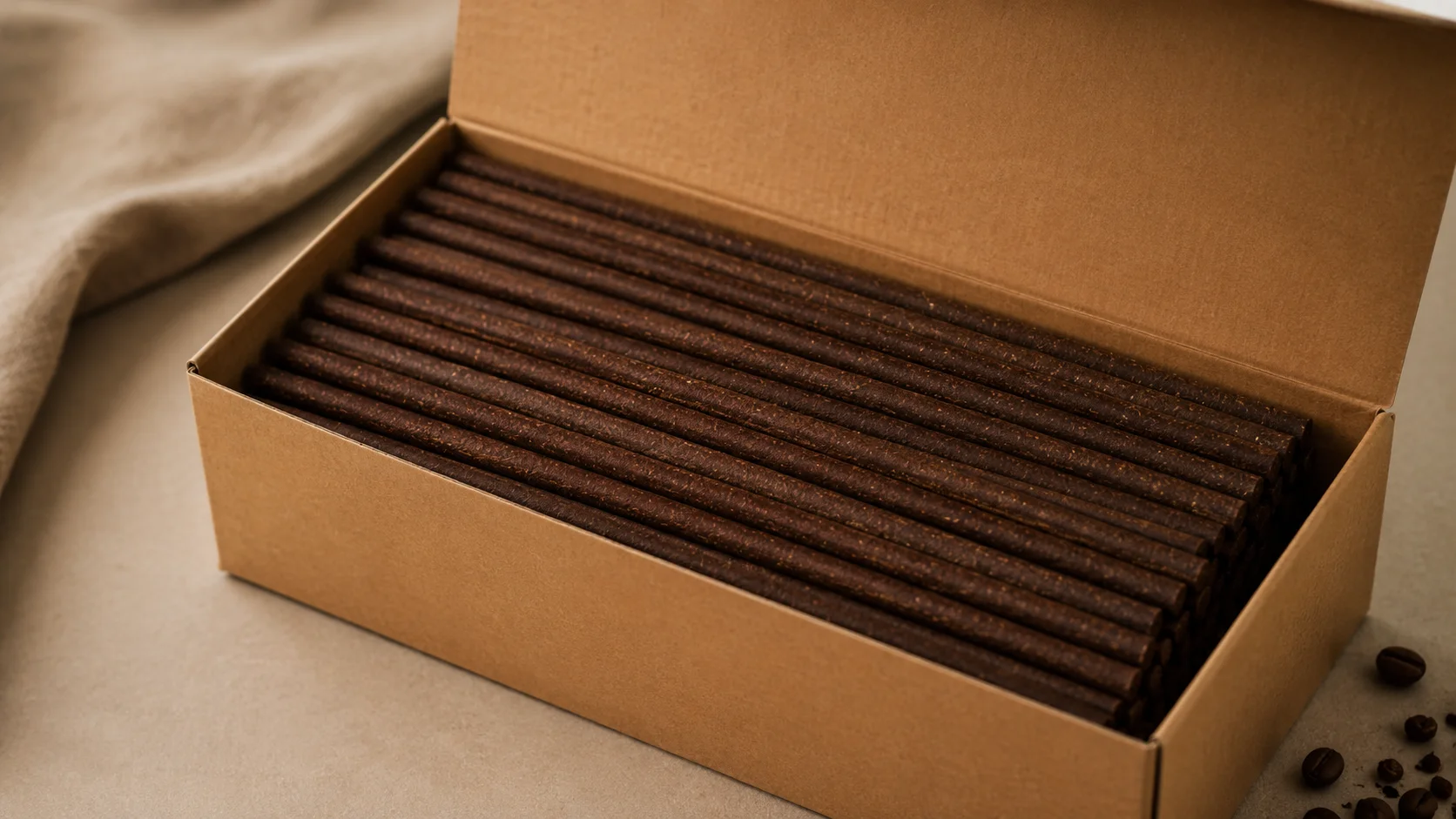
- Momoio’s Sustainable Eco-Friendly Sugarcane Straws: Our sugarcane straws are a prime example of innovation meeting compliance. Certified compostable and rigorously tested to be PFAS-free, these straws offer a robust, functional, and environmentally responsible alternative to conventional plastics and even many problematic paper and bamboo options. They don’t get soggy, withstand various temperatures, and provide a premium user experience while ensuring your business stays ahead of regulatory curves. Explore our range of sugarcane straws and redefine your beverage service. https://momoio.com/sustainable-eco-friendly-sugarcane-straws/
- Momoio’s Biodegradable Food Packaging: Beyond straws, our commitment extends to a comprehensive suite of biodegradable food packaging options. From versatile containers to sturdy plates, each product is engineered from sustainable sugarcane bagasse, designed for optimal performance in various food service environments. These solutions are not only safe for food contact, heat-resistant, and microwave-safe, but they also meet stringent compostability standards, helping your business comply with evolving regulations like the EU SUPD and EPR mandates. Discover the full potential of truly sustainable food packaging. https://momoio.com/biodegradable-food-packaging/
- Momoio Bagasse Bowl: A standout in our collection, the Momoio Bagasse Bowl exemplifies the strength, versatility, and eco-credentials of sugarcane fiber. Perfect for soups, salads, and a variety of hot or cold dishes, these bowls offer exceptional durability and leak resistance. Like all our bagasse products, they are certified compostable, free from harmful chemicals, and designed to seamlessly integrate into circular economy initiatives. Elevate your takeout and dine-in experience with packaging that performs for your business and the planet. https://momoio.com/bagasse-bowl/
By partnering with MOMOIO.com, businesses can confidently navigate the complexities of environmental regulations, avoid the pitfalls of greenwashing, and make verifiable, positive environmental claims. Our certified, PFAS-free sugarcane fiber solutions empower your brand to genuinely embrace sustainability, meet growing consumer expectations, and lead the way towards a healthier planet.
Oftaj Demandoj
Temigis PFAS, atestojn kaj konformecon
Jes - kelkaj plant-bazitaj pajloj, inkluzive de sukerkanaj pajloj, estis trovitaj enhavi plurajn PFAS-kunmetaĵojn. PFAS estas persistaj, bioakumulaj "eterne kemiaĵoj" ligitaj al media poluado kaj sanriskoj. Ilia ĉeesto subfosas asertojn pri biodegradebleco kaj kompoŝteco kaj kreas riskojn pri observo kaj marka reputacio.
Du ĉefaj vojoj: (1) intence aldonitaj de fabrikantoj por plibonigi akvon kaj grasan reziston; (2) neintencita poluado, kiel reciklitaj fibroj enhavantaj PFAS, krudaĵojn el poluita grundo aŭ pretiga akvo. Ĉi tiu komplekseco elstarigas la bezonon de striktaj provizoĉenaj kontroloj kaj sendependaj testadoj.
EU: La Reguligo pri Pakado kaj Pakado-Malŝparo (PPWR, 2025/40) malpermesas PFAS en manĝkontakta pakaĵo de la 12-a de aŭgusto 2026, kun striktaj limoj (25 ppb por individua PFAS; 100 ppm totala fluoro por kompoŝteca atestado).
Usono: Ŝtatoj kiel Kalifornio (AB 1200, efektiva januaro 2023) malpermesas plant-fibrajn manĝpakaĵojn superantajn 100 ppm totalan organikan fluoron aŭ kun intencite aldonita PFAS. Pliaj restriktoj estas adoptitaj en Novjorko, Majno, Kolorado kaj aliaj. Federacia agado de FDA kaj EPA ankaŭ progresas.
Serĉu kontroleblajn triajn atestojn. BPI Atestita produktoj (ASTM D6400/D6868, ≤100 ppm tuta organika fluoro) kaj TÜV OK Kompost (Industria / Hejma, akordigita kun EN 13432) certigas aŭtentan kompoŝtecon kaj PFAS-liberan konformecon. Ĉiam petu atestojn pri analizo por ĉiu produktada aro.
Biodiserigebla: Povas rompiĝi en naturajn elementojn, sed tempo kaj kondiĉoj estas nedifinitaj. En rubodeponejoj, tio ofte ne okazas efike.
Kompostebla: Desegnita por rompiĝi en uzebla kompoŝto en difinita tempokadro sub specifaj kompoŝtaj kondiĉoj (industriaj aŭ hejmaj). Atestiloj kiel BPI, TÜV OK Compost, EN 13432, ASTM D6400/D6868 estas kritikaj por kontroli ĉi tiujn asertojn kaj malhelpi verdan lavadon.