La Sovaĝa kaj Mirinda Mondo de Dolĉkanaj Trinkpajloj: Pli Ol Nur Feria Truko!

I. Enkonduko: La Neatendita Heroo de Via Feria Trinkaĵo (aŭ Fiulo?)
Imagu ĉi tion: vaporanta kakaokruĉo, kronita ne nur per marshmallows, sed kun kirliĝanta ruĝa kaj blanka spajro - sukerkanto trinkpajlo. Festa, ĉu ne? Sed paŭzu momenton. Kio precizeestasĉi tiuj ravaj strangaĵoj? Ĉu ili estas pure manĝeblaj novecoj destinitaj al glueca forpaso? Aŭ ĉu ili estas io pli, eta atesto pri homa eltrovemo kaj nia komplika rilato kun plezuro kaj daŭripovo? Ni plonĝu kapunue en ĉi tiun surprize kompleksan, kaj ofte kontraŭdiran, mondon.
II. Vojaĝo Laŭ la Sippy-Leno: La Sekreta Historio de Dolĉaj Sips
La rakonto, kiel ĉiam, komenciĝas longe antaŭ la apero de pipromento kaj plasto. Nia vojaĝo komenciĝas per la sukerbastono mem. Imagu, se vi volas, 17-ajarcentan Germanion. Rekta, tute blanka sukerbastoneto, malproksime de la striita sento, kiun ni hodiaŭ konas. Legendoj, eble apokrifaj, flustroj de ĥorestroj fleksantaj ĉi tiujn sukerbastonojn en la formon de ŝafisto, subtila kapjeso al la Naskiĝo. Sed kiam tiuj ikonecaj ruĝaj strioj kaj la vigliga eksplodo de pipromento frakasis la feston? La fruaj 1900-aj jaroj, ŝajnas, cementis la nun konatan formon de la sukerbastono.
Now, let’s rewind further, to the very notion of the drinking straw. Believe it or not, our ancestors were sipping long before single-use plastics became a planetary problem. Sumerians, as early as 3000 BCE, indulged in their beer through elaborate gold straws – a testament to both their opulence and their thirst. Fast forward millennia, and we find ourselves with humble rye straws, prone to sogginess but undeniably practical. It wasn’t until 1888 that Marvin C. Stone revolutionized the game with his paper straw. And then, in the 1930s, Joseph Friedman bent minds (and straws!) with his ingenious flexible design, perfectly suited for tackling thick milkshakes.
La "dolĉkano trinkpajlo", do, ne estas ia izolita inventaĵo fontita de nenie. Ĝi estas moderna konverĝo, krea mash-up konstruanta sur la longa historio de kaj dolĉaj bastonetoj kaj gustigitaj pajloj (memoru tiujn "Flav-R-Straws" de '56?). Ĝi estas, esence, manĝebla evoluo, ludema hibrido de sukeraĵejo kaj oportuno.
III. Hodiaŭaj Turnoj kaj Turnoj: Kio estas la Scoop sur Ĉi tiuj Swirly Sippers?
The candy cane drinking straw exists in many forms. On one hand, we have the edible wonders, actual candy canes repurposed for sipping. Consider, for instance, Gilliam Peppermint Candy Straws – an invitation to stir your hot cocoa and indulge in a quick nibble simultaneously. (And have you ever tried the candy cane and orange experiment? Trust me, it’s an unexpected flavor explosion.)
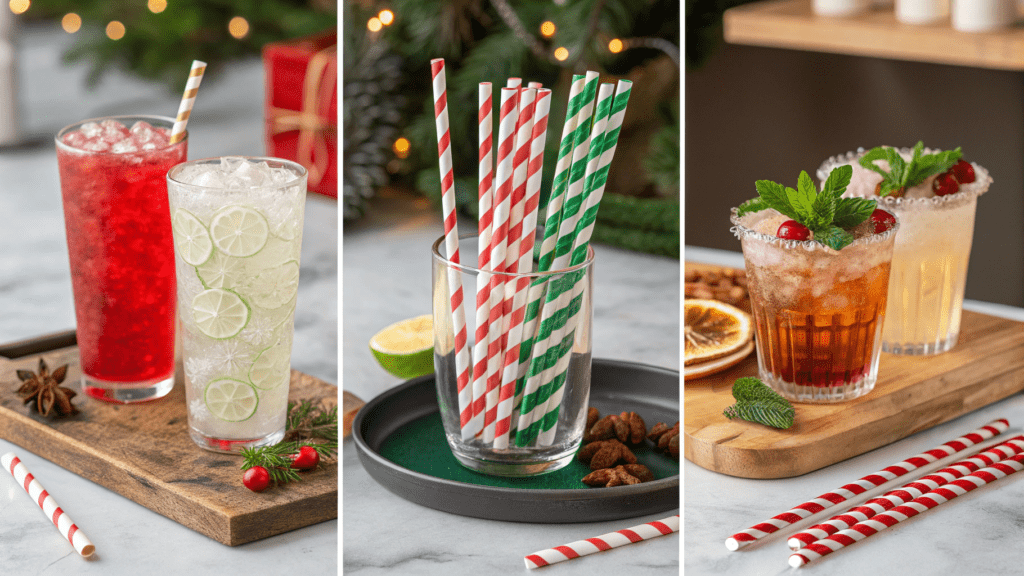
But the candy cane drinking straw has evolved beyond mere edibility. A whole universe of strawsdesignedto resemble candy canes has emerged. Durable plastic versions offer reusability. Elegant glass options, often handcrafted, elevate the experience. And even eco-friendly paper iterations cater to our growing desire to minimize our environmental footprint.
Kial ĉi tiu daŭra alvoko? Nedisputeble, ili estas festaj, injektante "ekstran specialan" tuŝon en ajnan trinkaĵon. Ili elmontras ĉiuflankecon, akomodante smoothies, milkshakes, pipromentaj moĉaj, kaj pli. Kaj, grave, multaj kongruas kun niaj ekokonsciaj aspiroj, proponante manieron forigi unuuzablan plaston. Ĉi tio temas pri pli ol nur Kristnasko; temas pri konscia trinkado.
Ĉi tiuj festaj fiksaĵoj estas ĉiam pli ĉieaj, haveblaj ĉie de grandaj kestbutikoj ĝis malvarmetaj niĉaj interretaj butikoj.

IV. The Sticky Side of Sweetness: Malvolvi la Konfliktojn
Sed ni ne hezitu la malpli bongustajn aspektojn. La sukerpelado venas kun sia propra aro de defioj.
For the edible variety, “The Meltdown Diaries” are a real concern. Sugar + liquid = sticky mess. They melt, they become brittle, and theywillalter the flavor profile of your drink. This isn’t a design flaw; it’s simply the inherent nature of candy. Here, practicality clashes with novelty.
And then there’s the eco-friendly elephant in the room. The pursuit of sustainability in straws often leads to plant-based materials, like sugarcane, that contain PLA (Poly-Lactic Acid). While PLA sounds virtuous, it often requiresindustrialcomposting to properly break down. Without that specific infrastructure, it risks ending up as yet another persistent piece of plastic litter.
Worse still, PLA can contaminate recycling batches, rendering entire loads unusable and destined for landfills. Adding to the unease, some plant-based straws have been found to leach harmful chemicals like melamine and formaldehyde, especially in hot beverages. Some companies are now actively avoiding these materials. Even the production of PLA raises questions about resource allocation, requiring agricultural land and resources that could be used elsewhere.
Even seemingly simple candy canes grapple with real-world complications. Ingredient shortages, packaging challenges, shipping delays, and even a global decline in peppermint production can all impact the availability of that festive sip.

V. Sip into the Future: What’s Next for Festive Straws?
Novigado, feliĉe, bobelas al la surfaco. La emfazo ŝanĝiĝas al vere biodiserigeblaj kaj kompoŝteblaj pajloj, kiuj ne postulas industriajn instalaĵojn. Imagu pajlerojn bazitajn sur algoj, rapide renovigeblajn kaj aerpurigajn, aŭ opciojn de 100% PLA-liberaj sukerkanoj, kiuj disiĝas en hejma kompoŝto ene de semajnoj.
Atendu vidi pajlerojn kun la temo de bombonoj transcendi sian tradician ferian asocion, aperante tutjare en novaj koloroj kaj gustoj. La estonteco eble havos dolĉajn pajlojn kun komplikaj gusto-liberigaj mekanismoj aŭ eĉ koloraj ŝanĝantaj dezajnoj, kiuj respondas al la temperaturo de via trinkaĵo!
As people abandon plastic straws, the demand for eco-friendly alternatives is soaring. Manufacturers are now grappling with how to accurately forecast our candy cane straw cravings, particularly around the holidays, striving to maintain sufficient stock without risking overproduction. The quest for perfect candy cane stripes involves meticulous “color-variance tolerance” and stringent quality control.
The issue of returns is also complex, particularly for edible straws. Food safety regulations make returns a delicate balancing act between consumer satisfaction and hygiene protocols.
VI. Conclusion: The Sweet, Sustainable, and Sometimes Sticky Saga Continues
From the beer-sipping Sumerians of antiquity to the modern dilemmas of sustainability, the candy cane drinking straw, seemingly trivial, embodies a surprisingly grand narrative. Whether you’re savoring an edible treat or utilizing a festive reusable, these straws are more than mere decorations. They’re participants in a larger discussion about enjoyment, utility, and our planet’s future. So, the next time you reach for one, remember its rich history, its continuous innovation, and, perhaps most importantly, try to avoid gettingtoosticky.