Navigado de APAC-Pajlaj Malpermesoj: Strategia Gvidilo por Importistoj por Resti Antaŭen en la Merkato
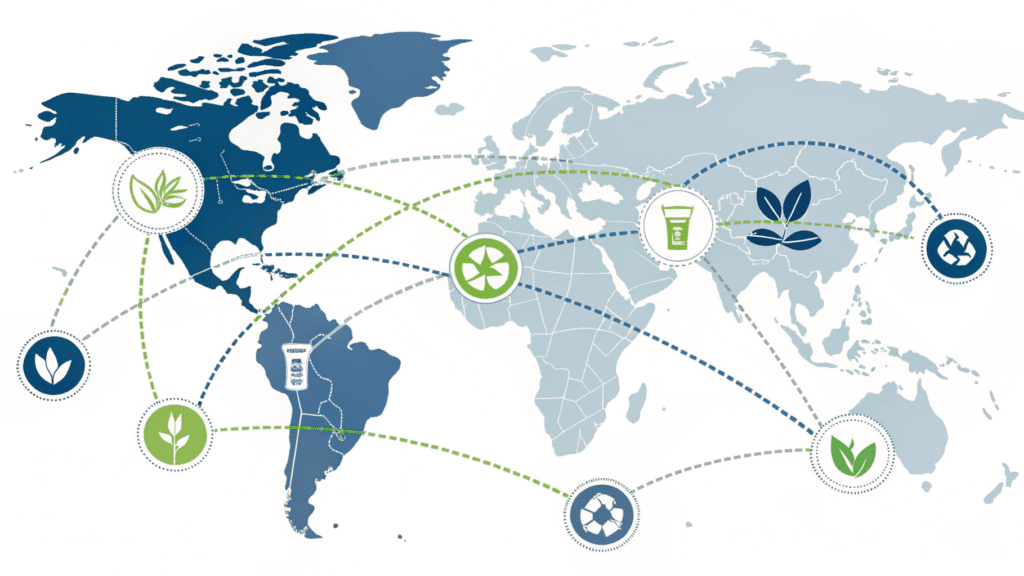
La Azia-Pacifika (APAC) regiono staras en kritika krucvojo en sia media politiko kaj merkatevoluo. Movataj de urĝa tutmonda plasta krizo, rapidaj reguligaj respondoj disvastiĝas tra APAC, rekte celante unuuzajn plastajn erojn (SUP), kun pajleroj kiel ĉefa fokuso. Ĉi tiu leĝdona kresko profunde transformas merkatan dinamikon por entreprenoj dependantaj de importado, prezentante kaj signifajn defiojn kaj senekzemplajn ŝancojn.
Kun APACo generanta pli ol duonon de la plasta rubo de la mondo en 2021 - mirindaj 200 milionoj da tunoj - la urĝeco por ŝanĝo estas nekontestebla. Ĉi tiu media ŝarĝo, pliseverigita de rapida urbigo, kiu vidas proksimume 120,000 individuojn translokiĝi al urbaj centroj ĉiutage, havas severajn funkciajn kaj komercajn efikojn. Plasta poluo en la APAC-regiono sole estas taksita altigi ekonomian koston de 1.3 miliardoj USUS$ jare en difektoj al turismo, fiŝkaptado, kaj ekspedindustrioj. Por importistoj, profunda kaj iniciatema kompreno de ĉi tiuj ŝanĝoj ne temas nur pri plenumo; ĝi estas decida por konservi merkatparton, protekti profitecon kaj konstrui rezisteman provizoĉenon en rapide transformiĝanta pejzaĝo.
La Ŝanĝa Reguliga Pejzaĝo en APAC: Veturante APAC-Pajlo-Malpermesojn
Registaroj kaj interregistaraj organizoj tra APAC aktive efektivigas fortigajn politikojn kaj kampanjojn malpermesi aŭ limigi unuuzajn plastajn produktojn, inkluzive de pajleroj. Ĉi tiu ĉiea leĝdona antaŭenpuŝo estas la ĉefa ŝoforo malantaŭ la kreskanta postulo je alternativaj materialoj, devigante importistojn fundamente retaksi siajn fontajn kaj produktajn biletujojn. Esence, resti zorge informita pri specifaj landnivelaj regularoj kaj iliaj ofte fazitaj efikaj datoj estas plej grava por antaŭvidi provizoĉenajn interrompojn, eviti multekostajn punojn kaj konservi funkcian kontinuecon.
La reguliga impeto en APAC estis signife influita per pivotaj tutmondaj okazaĵoj. La politiko "Nacia Glavo" de Ĉinio, efektivigita en 2018, malpermesis la importon de 24 specoj de solidaj rubaĵoj, inkluzive de plastoj. Ĉi tiu drasta mezuro resonis tutmonde, deturnante plastajn rubfluojn al aliaj sudorient-aziaj nacioj, inkluzive de Indonezio, Malajzio, Vjetnamio, Hindio, Tajvano kaj Tajlando. Ĉi tiu ŝanĝo, dum komence kreante mediajn defiojn en tiuj ricevantaj landoj pro neadekvata infrastrukturo, finfine spronis ilin realigi siajn proprajn pli striktajn importkontrolojn kaj hejmajn SUP-malpermesojn. Ekzemple, Tajlando planas laŭpaŝan malpermeson de plasta rubo-importado antaŭ 2025, kulminante per kompleta malpermeso, plue emfazante la imperacion por importistoj certigi lokajn aŭ obeemajn regionajn provizoĉenojn.

Regiona Momento: Preter Unuuzaj Plastoj (SUPoj)
La reguliga puŝo en APAC etendiĝas multe preter plastaj pajloj, signalante pli larĝan engaĝiĝon al media intendantado. Ĉefaj nacioj fiksas ambiciajn celojn kaj efektivigas ampleksajn agadplanojn:
- Indonezio havas ambician nacian agadplanon celantan redukti marajn plastajn derompaĵojn je 70% antaŭ 2025. Ĉi tiu engaĝiĝo estas subtenata de lokaj iniciatoj, kiel la malpermeso de Ĝakarto de plastaj sakoj, kiu kaŭzis 42% malpliigon de konsumo ĝis 2021.
- Ĉinio malpermesis la uzon de unu-uzeblaj plastaj pajleroj en sia manĝoindustrio tutlande antaŭ la fino de 2021, kaj ĝia pli larĝa plasta malpermeso daŭre disvastiĝas en fazoj ĝis 2025.
- Barato efektivigis tutlandan malpermeson de unu-uzaj plastoj, inkluzive de pajleroj, en 2022. Ĉi tiu movo kreis grandan ŝanĝon, precipe influante la profitecon de malalt-marĝenaj, malgrandaj pakaj nealkoholaĵoj pro la pliigita kosto de obeemaj alternativoj.
- Malajzio trudis malpermeson de plasta pajlo en 2018 kaj skizis ampleksan vojmapon por atingi nul unuuza plasto de 2018-2030.
- La Filipinoj Ĉambro de Reprezentantoj pasigis malpermeson de diversaj unu-uzaj plastaj produktoj, inkluzive de pajleroj kaj kirlbastonetoj, kvankam rekta registara ago pri ĉi tiu nomo ankoraŭ ne plene realiĝis.
- Singapuro phased out plastic straws from over 270 food and beverage (F&B) outlets by July 2019, with many businesses proactively removing them or providing them only upon request.
- Sud-Koreio alfrontis defiojn kun sia plasta pajlo-malpermeso, kun la registaro senfine plilongiganta la "avizperiodon", influante hejmajn paperpajlproduktantojn kiuj investis en alternativoj.
- tiu de Vjetnamio Nacia Agadplano pri Daŭripova Konsumo kaj Produktado koncentriĝas pri limigado de SUPoj per integrado de ekologia pakaĵo tra la provizoĉeno, kreskigante kunlaboron inter distribuistoj, podetalistoj kaj provizantoj.
Ĉi tiuj regionaj iniciatoj substrekas klaran, neinversigeblan tendencon: plastaj pajloj rapide fariĝas malnoviĝinta varo en la APAC-merkato, igante iniciateman adaptadon por importistoj strategia imperativo.
Plilongigita Produktanto-Respondeco (EPR) Skemoj: Reguliga Imperativo
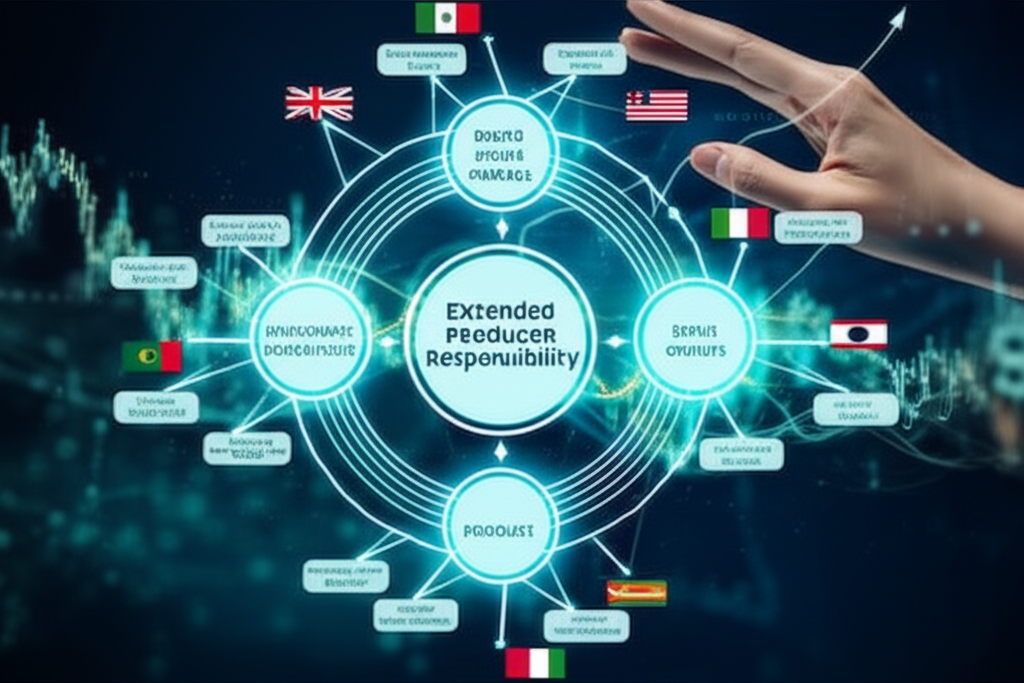
Preter rektaj malpermesoj, Skemoj de Plilongigita Produktanto-Respondeco (EPR) akiras gravan impeton tra APAC, fundamente reformante kompanian respondecon por pakado-rubo. EPR-kabaloj laŭleĝe tenas kompaniojn - inkluzive de markposedantoj, podetalistoj, distribuistoj kaj importistoj - finance respondecaj pri la vivfina administrado de siaj produktoj kaj pakado. Kvankam oftaj en Eŭropo kaj Ameriko, ĉi tiuj kabaloj estas relative novaj en APAC, devigante entreprenojn raporti sian jaran pakkonsumon kaj certigi ke rubo estas respondece administrita, ofte per antaŭdifinitaj reduktoceloj. Nerespekto povas rezultigi grandajn monpunojn kaj laŭleĝajn sekvojn, aldonante alian tavolon de komplekseco por importistoj.
Rimarkindaj EPR-evoluoj en APAC inkludas:
- Malajzio aktive transiras de libervolaj al devigaj EPR-politikoj, kun plena efektivigo planita antaŭ 2026. Tio signalas konkretan ŝanĝon al komuna respondeco tra la valorĉeno.
- La Filipinoj La EPR-Leĝo de 2022 devigas kompaniojn reakiri kreskantan procenton de sia plasta pakaĵrubo, komencante per 20% antaŭ la 31-a de decembro 2023, kaj pliiĝanta al 80% antaŭ la fino de 2028.
- Singapuro estas preta enkonduki deponan revenskemon por antaŭpakitaj trinkujoj (plasto kaj metalo) kun SGD 0.10 deponaĵo, ekde aprilo 2025. Ĉi tiu skemo postulos grandaj superbazaroj starigi revenpunktojn, metante rektan respondecon sur trinkaĵentreprenoj por kolektado kaj reciklado.
Ĉi tiuj evoluantaj EPR-kadroj postulas de importistoj ne nur administri la enfluon de varoj sed ankaŭ pripensi la tutan vivociklon de la pakaĵo, puŝante ilin al pli daŭrigebla fontado kaj produkta dezajno.Proaktiva kompreno de APAC-regularoj estas decida por importistoj por eviti interrompojn kaj konservi merkatparton.
Merkata Dinamiko: Kial Daŭrigeblaj Alternativoj Estas Decidaj por Importistoj Restu Antaŭe
La kunfluo de striktaj regularoj kaj pliigita konscio de konsumantoj pri plasta poluo kreas senprecedencan postulon je ekologiaj produktoj en APAC. Ĉi tiu ŝanĝo ne estas nur niĉa tendenco; ĝi estas ĉefa fenomeno. Impona 80% de konsumantoj aktive preferas ekologiajn produktojn, transformante daŭrigeblan fonton de CSR-iniciato en kritika merkata diferencigilo. La manĝservoj, instituciaj kaj hejmaj sektoroj rapide adoptas daŭrigeblajn alternativojn, prezentante signifan ŝancon por iniciatemaj importistoj profiti ĉi tiun ŝanĝon kaj akiri grandan konkurencivan avantaĝon.
Kreskanta Postulo por Ekologia Amika Pakado: Ŝanco de $ 124.36 Miliardo
La ekonomia skalo de ĉi tiu ŝanĝo estas ŝanceliĝanta. La eko-amika pakaĵmerkato de APAC estas antaŭvidita atingi 124,36 miliardojn da usonaj dolaroj antaŭ 2030, pelita de la pozicio de la regiono kiel la plej rapide kreskanta merkato tutmonde en ĉi tiu sektoro, kun antaŭvidita CAGR de 11,21% ĝis 2030. Ĉi tiu kresko estas subtenata de klara sento de konsumantoj: 86% de la respondantoj de APAC-produktado kaj pakaĵoj rigardas kiel gravan daŭrigeblan produktadrespondantoj.
Ĉefaj ŝoforoj instigantaj ĉi tiun kreskantan postulon inkluzivas:
- Rapida Urbanizado: Kun proksimume 120,000 novaj urbaj loĝantoj ĉiutage, densaj urbaj centroj pligrandigas plastan konsumon kaj rubproduktadon, samtempe kondukante postulon por oportuna sed daŭrigebla pakado.
- Kresko de E-komerco: La kreskanta e-komerca sektoro, akcelanta je 12.89% CAGR al 2030, dependas multe de pakado. Ĉi tio kreas grandegan premon por malpezaj, efikaj kaj ĉiam pli daŭrigeblaj solvoj por minimumigi malŝparon kaj karbonpiedsignon asociitan kun transportado.
- Engaĝiĝoj pri Korporacia Daŭripovo: Gravaj kompanioj enigas daŭripovon en siajn kernstrategiojn. Ekzemple, PepsiCo celas 98% recikleblan, kompoŝteblan aŭ recikleblan pakaĵon antaŭ 2025, signalante klaran trajektorion por iliaj provizoĉenpartneroj, inkluzive de importistoj.
Ĉi tiu kunfluo de faktoroj substrekas, ke la movado al ekologia pakaĵo estas fortika, longdaŭra merkata tendenco, ne pasema modo.
La Imperativo por Daŭrigeblaj Pajlaj Alternativoj
Ĉar plastaj pajleroj alfrontas ĝeneraligitajn malpermesojn, importistoj devas pivoti al diversa paperaro da daŭrigeblaj alternativoj. Ĉiu materialo ofertas unikajn avantaĝojn kaj konsiderojn:
- Paperaj Pajloj: La papera pajla merkato estas projektita por granda kresko pro sia biodegradebleco kaj kostefikeco. Novigoj inkluzivas flekseblajn opciojn, traktante oftan konsumantpreferon.
- Plant-bazitaj Pajloj (PLA, PHA): Kreitaj el renovigeblaj rimedoj kiel maiza amelo aŭ sukerkano, ĉi tiuj pajloj imitas la senton de tradicia plasto. Tutmonda produktado de biobazitaj plastoj pli ol duobliĝis ekde 2010, kun preskaŭ duono de la 2.18 milionoj da tunoj fabrikitaj en 2023 uzataj por pakado. Tamen, multaj PLA-opcioj postulas industriajn kompoŝtajn instalaĵojn por bonorda putriĝo, kiuj daŭre estas limigitaj en granda parto de APAC.
- Reuzeblaj Opcioj (Metalo, Vitro, Silikono): Ĉi tiuj ofertas signifajn longperspektivajn ŝparojn por entreprenoj kaj estas tre daŭraj. Metalaj pajloj (ekz., rustorezista ŝtalo) estas facile purigeblaj, dum silikonaj pajloj estas flekseblaj kaj infanamikaj.
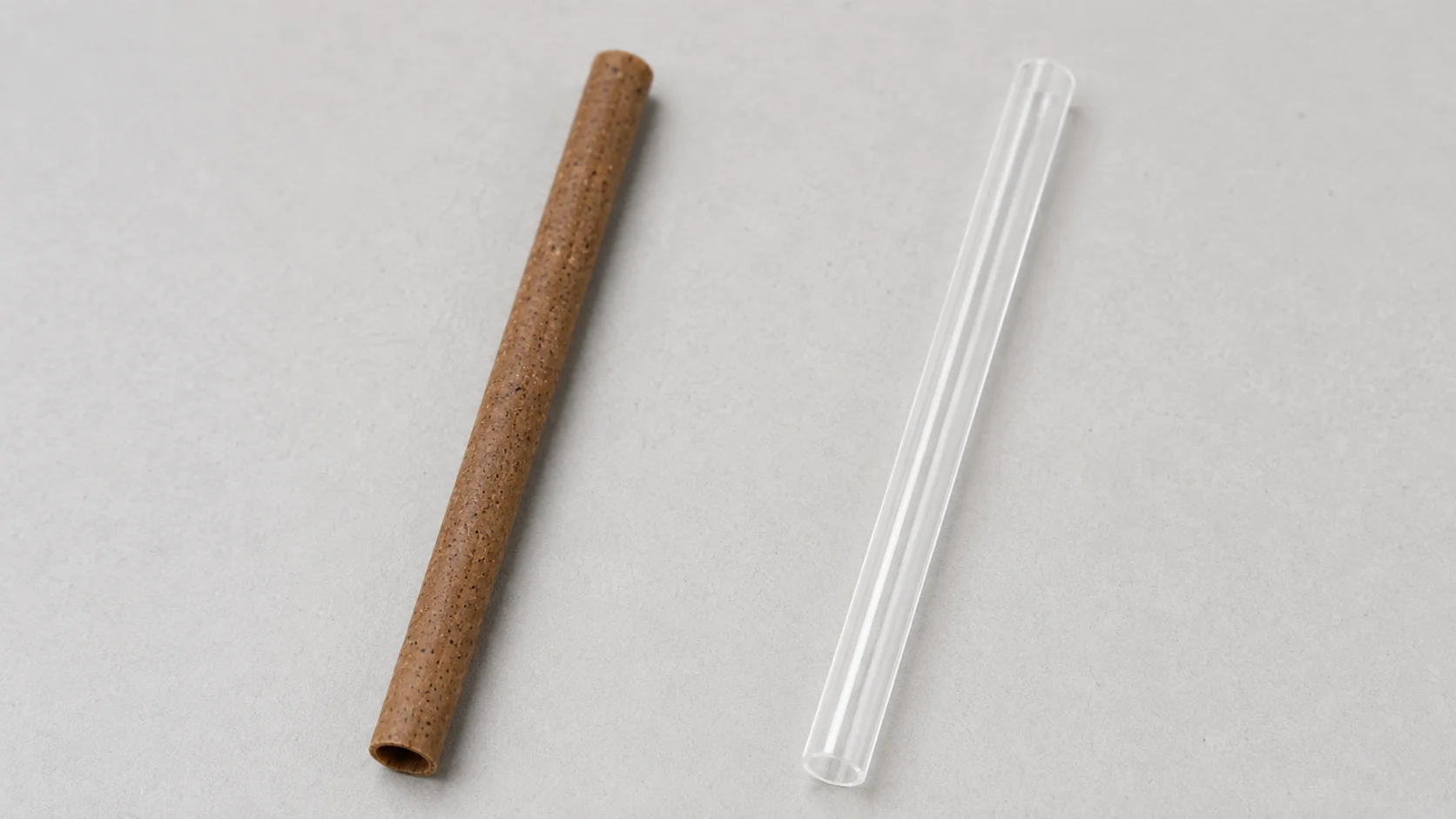
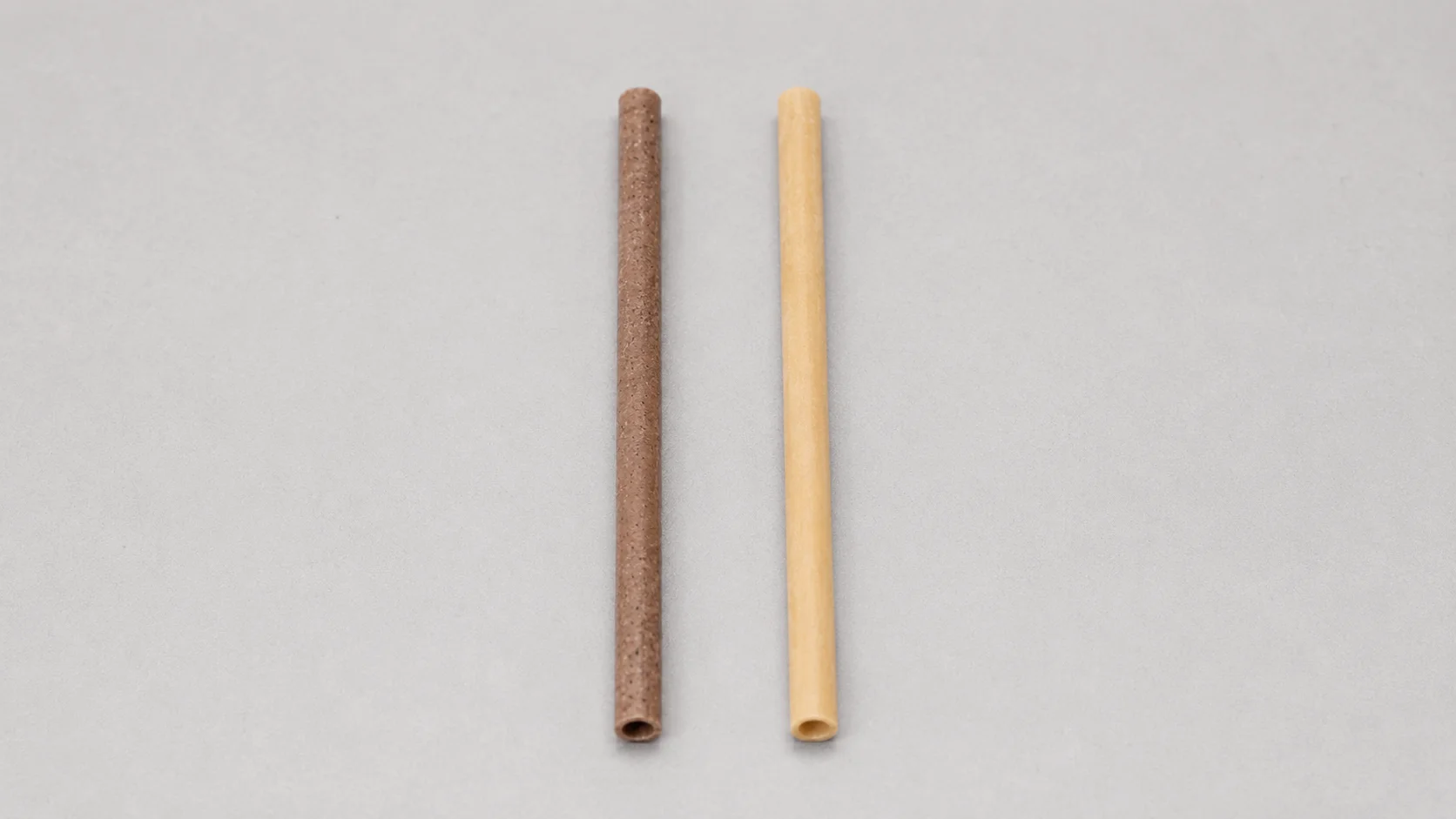
- Emerĝantaj Novigoj: La merkato atestas ekscitajn progresojn en "hiper-komposteblaj" kaj mar-degradeblaj opcioj, inkluzive de manĝeblaj pajloj (100% plant-bazitaj, ofertante unikan konsuman sperton), fojnajn pajlojn (faritajn el tritikaj planttigoj, malmultekostaj kaj biodiserigeblaj), kaj herbaj aŭ algoj por niĉaj aplikoj.
Importistoj devas zorge taksi la median efikon, ekonomian daŭrigeblecon, socian akcepteblon, kaj specifajn regionajn reguligajn postulojn por biodegradebleco aŭ kompostebleco kiam elektado de tiuj alternativoj.
Kosto kaj Kvalitaj Realaĵoj por Importistoj
Dum la transiro al daŭrigeblaj pajloj estas esenca, ĝi venas kun klaraj kostoj kaj kvalitaj realaĵoj, kiujn importistoj devas zorge administri. Daŭrigeblaj pajloj estas kutime3-4 fojojn pli multekosta produktiol iliaj tradiciaj plastaj ekvivalentoj. Ĉi tiu signifa kostopliiĝo povas misproporcie influi malalt-marĝenajn, alt-volumenajn produktojn, kiel ekzemple malgrandaj pakoj (ekz. 100-330ml nealkoholaĵoj), eble influante ilian amasmerkatan alogon, kiel observite en Hindio post ĝia 2022 SUP-malpermeso.
Preter kosto, rendimento estas kritika faktoro. Fruaj generacioj de paperpajloj, ekzemple, ofte suferis de fortikecproblemoj, perdante 70% ĝis 90% de sia kunprema forto post malpli ol 30 minutoj en likvaĵo kaj absorbante proksimume 30% de sia pezo. Tiaj agado-limigoj povas konduki al negativa klienta sperto kaj pliigitaj konsumaj tarifoj. Tamen, progresoj en akvorezistaj tegaĵoj, materialaj miksaĵoj kaj daŭraj dezajnoj kontinue plibonigas la funkciecon kaj la perceptitan valoron de ekologiaj opcioj, mildigante pli fruajn kvalitajn zorgojn. Importistoj devas rigore ekvilibrigi kost-konkurencivon kun konservado de produktokvalito kaj efikeco por certigi ĝeneraligitan adopton kaj klientkontenton.Daŭrigeblaj alternativoj estas decidaj por importistoj por renkonti kreskantan postulon kaj akiri konkurencivan avantaĝon.
Strategiaj Imperativoj por Importistoj Navigi APAC-Pajlo-Malpermesojn
Por prosperi meze de la evoluantaj APAC-pajlo-malpermesoj, sukcesaj importistoj devas preterpasi nuran observon kaj iniciateme adaptiĝi al reguligaj ŝanĝoj kaj evoluantaj konsumantaj preferoj. Konstrui rezistemajn, diversigitajn provizoĉenojn kaj akcepti cirkulekonomiajn principojn ne plu estas laŭvolaj sed kritikaj por longdaŭra sukceso kaj konkurenciva avantaĝo.
Konstruado de Provizoĉeno-Resilienco kaj Diversigo
La vundeblecoj elmontritaj de tutmondaj interrompoj, kiel ekzemple la COVID-19-pandemio, substrekis la neceson por fortika provizoĉena rezisteco. Por importistoj en APAC, tio tradukiĝas en strategiajn alĝustigojn:
- Lokigo de Fontoj: Priorigi provizadon ene de la sama lando aŭ regiono plifortigas partnerecojn, reduktas plumbotempojn kaj mildigas riskojn asociitajn kun internaciakomercaj kompleksaĵoj, inkluzive de neantaŭvideblaj importaj malpermesoj. Ekzemple, la laŭfaza malpermeso de Tajlando de plasta rubo-importado antaŭ 2025 plue emfazas la bezonon de hejma aŭ regiona konforma daŭrigebla produktado.
- Diversigi provizofontojn: Por minimumigi dependecon de unuopaj punktoj de fiasko aŭ regionoj kun rapide ŝanĝiĝantaj regularoj, importistoj devas strategie diversigi siajn provizofontojn por inkluzivi plurajn regionojn konatajn pro fortika, observema daŭrigebla produktado.
- Kunlaboru Tra la Valorĉeno: Kunlabori kun produktantoj, provizantoj de krudmaterialoj kaj eĉ malŝparo-administraj kompanioj tra la valorĉeno estas esenca. Tia kunlaboro povas akceli la skaladon de daŭrigebla novigado, trakti plastajn poluajn defiojn pli efike kaj certigi konstantan provizon de konformaj alternativoj.
Due Diligence kaj Atestado por Konformaj Importadoj
Ĉar la merkato ŝanĝiĝas al novaj materialoj, rigora devita diligento fariĝas plej grava. Importistoj devas kontroli provizantajn atestojn pri la sekureco kaj kvalito de ekologiaj materialoj, certigante ke ili plenumas striktajn regionajn kaj naciajn normojn. Ekzemple,La pozitiva listo de Japanio por reciklitaj rezinoj kun manĝaĵoj ekvalidos en junio 2025, postulante importistojn certigi, ke iliaj produktoj konformas al ĉi tiuj novaj materialaj sekurecaj gvidlinioj. Adheri al naciaj gvidlinioj por manĝkontaktaj plastoj, inkluzive de striktaj sekurecaj mezuroj, testaj protokoloj kaj spureblaj postuloj, estas decida por eviti problemojn pri merkataliro kaj protekti markreputacion. Travidebleco en fonto kaj materiala konsisto estas ĉiam pli atendata de kaj reguligistoj kaj konsumantoj.
Akceptante la Cirklan Ekonomian APAC-Modelon
Movi preter unuuza konsumo al cirkla ekonomia modelo estas fundamenta ŝanĝo, kiu poziciigas entreprenojn por longdaŭra sukceso. Unuiĝintaj Nacioj prioritatis la cirklan ekonomion por plastoj ekde 2018, substrekante ĝian tutmondan gravecon. Por importistoj, tio implikas:
- Produkta Restrukturado: Fokigante desegnado de produktoj kun recikleblo kaj reuzebleco ekde la komenco. Ĉi tio signifas elekti materialojn kiuj povas esti facile reintegrigeblaj en la produktadbuklon, minimumigante malŝparon kaj malplenigon de resursoj.
- Forigante Nenecesajn Erojn kaj Tropakadon: Kritika paŝo estas redukti la totalan volumenon de plasta rubo simpligante pakajn dezajnojn kaj forigante superfluajn komponentojn. Ĉi tio ne nur akordiĝas kun mediaj celoj, sed ankaŭ povas produkti kostŝparojn en materialoj kaj loĝistiko.
- Antaŭenigo de Reuzaj Sistemoj: Kie fareble, importistoj devus esplori kaj reklami komercajn modelojn kiuj faciligas reuzon. Ĉi tio povus impliki liveri daŭrajn, reuzeblajn erojn aŭ kunlabori kun partneroj pri repreno kaj repleniga programoj, kontribuante al vere fermita sistemo.
Ĉi tiuj strategiaj imperativoj postulas signifan antaŭan investon kaj longperspektivan vizion sed estas esencaj por daŭrigeblaj komercaj operacioj en la evoluanta APAC-merkato.Konstrui rezistemajn provizoĉenojn kaj akcepti cirkulecon estas kritikaj por longtempa sukceso de importistoj en APAC.
Kaza Studo: Proaktiva Adaptado en la Vizaĝo de APAC-Pajlaj Malpermesoj
La iniciatemaj respondoj de tutmondaj manĝservaj gigantoj al plastaj pajlaj malpermesoj funkcias kiel potencaj realaj ekzemploj por importistoj navigantaj similajn ŝanĝojn en APAC. Ĉi tiuj kompanioj, alfrontantaj grandegan konsumantan kaj reguligan premon, pruvas la palpeblajn rezultojn de frua adaptado kaj la ondan efikon sur siaj vastaj provizoĉenoj.

Tutmondaj Engaĝiĝoj de Starbucks kaj McDonald's (2018-2025):
En grava movo,Starbucks anoncis la eliminon de unu-uzaj plastaj pajleroj de ĉiuj ĝiaj 28,000 butikoj tutmonde antaŭ 2020.. Ĉi tiu iniciato implikis proponi novigajn senpajlitajn kovrilojn aŭ transiri al alternativaj materialoj, rekte influante ilian tutmondan reton de provizantoj por adaptiĝi. Ĉi tiu decido, pelita de kaj media respondeco kaj konsumanta prefero, montris kiel grava ludanto povus kaŭzi signifajn merkatajn ŝanĝojn.
Simile,McDonald'saktive provis diversajn plastajn pajlo-alternativojn kaj fiksis ambician celon, ke 100% de sia gastpakaĵo estu fonto de renovigeblaj, reciklitaj aŭ atestitaj materialoj antaŭ 2025. Ĉi tiu devontigo sendas klaran signalon tra ilia ampleksa provizoĉeno, instigante fabrikistojn kaj importistojn novigi kaj provizi daŭrigeblajn elektojn.
En Japanio,Nuba folio, grava restoracia ĉenfunkciigisto, faris signifan paŝon malpermesante foruzeblajn plastajn pajlerojn de ĉiuj ĝiaj ellasejoj antaŭ 2020, komencante kun ĝiaj "Gusto" restoracioj en 2018. Ĉi tiu ago de elstara regiona ludanto substrekas la lokalizitan impeton de la ŝanĝo for de unu-uzaj plastoj.
Ĉi tiuj agoj de gravaj manĝservoj substrekas kritikan lecionon por importistoj: merkata postulo ŝanĝiĝas rapide, kaj iniciatema provizanta adapto ne estas nur avantaĝa—ĝi estas esenca por konservi grandskalajn partnerecojn kaj merkatan gravecon. Ĉi tiuj devontigoj kreas tujan, grand-volumenan postulon je plenumeblaj kaj altkvalitaj daŭrigeblaj pajlaj alternativoj, instigante importistojn gvidi la transiron.Gravaj manĝservomarkoj pruvas ke iniciatema adaptado al pajlaj malpermesoj estas esenca por merkata graveco.
Kompara Tablo: Strategiaj Pajlaj Alternativoj por Importistoj
Elekti la ĝustan pajlan alternativon estas kritika decido por importistoj, ekvilibrigi agadon, koston kaj plenumadon. La sekva tabelo provizas komparan superrigardon de strategiaj elektoj:
| Karakterizaĵo | B2B Operacia Efiko | Konformo-Noto | ROI Potencialo |
|---|---|---|---|
| Paperaj Pajloj | Larĝa havebleco, pli malalta komenca kosto; problemoj pri fortikeco (70-90% forto perdo en 30 min, 30% likva sorbado). | Biodiserigebla; kontrolu enhavon de PFAS (Per- kaj Polyfluoroalkyl Substances) kaj lokajn regulojn pri kompostebleco. | Meza; alta volumena vendo, sed pli malalta perceptita valoro, alta konsuma indico pro rendimento. |
| Metalaj Pajloj | Pli alta antaŭkosto; postulas purigadon kaj stokan infrastrukturon por reuzo; mastrumado de inventaro. | Reuzebla, tre daŭra; ĝenerale konforma trans regionoj por longdaŭra uzo. | Alta; signifaj longperspektivaj kostŝparoj por entreprenoj kiuj povas efektivigi reuzoprogramojn; altkvalita merkata allogo. |
| PLA/PHA Pajloj | Simila sento al tradicia plasto; postulas specialigitajn industriajn kompoŝtajn instalaĵojn por taŭga degenero. | Biodiserigebla, sed industria kompoŝta infrastrukturo estas limigita en APAC, kreante dispondefiojn. | Meza; allogas ekokonsciajn konsumantojn, sed vera cirkuleco dependas de infrastrukturo. |
| Bambuaj Pajloj | Natura estetiko, reuzebla/biodiserigebla; kvalito povas varii signife inter provizantoj; potencialo por splitiĝo. | Biodiserigebla, natura produkto; certigi daŭrigeblajn provizajn praktikojn kaj taŭgan higienon por reuzo. | Meza; niĉa merkatalogo, potencialo por unika marko-poziciigo ligita al naturaj materialoj. |
| Manĝeblaj Pajloj | Unika konsumanta sperto; tute forigas postkonsuman rubon; nuntempe pli alta kosto. | 100% plant-bazita, hiper-kompostebla, mar-degradebla; ĝenerale akordiĝas kun plej striktaj malpermesoj. | Alta; forta marko-diferencigo kaj novigado-gvidanto; forigas postkonsuman rubadministradon. |
Importistoj devus konsideri mult-materialan strategion por respondi diversajn klientbezonojn kaj regionajn reguligajn variojn.Elekti la ĝustan pajlan alternativon ekvilibrigas rendimenton, koston kaj konformecon por importistoj.
Venki Defiojn kaj Maksimumigi Ŝancojn por Importistoj
Dum la rapida efektivigo de pajlaj malpermesoj kaj pli larĝaj plastaj regularoj prezentas klarajn defiojn por importistoj, ĝi samtempe malŝlosas signifajn novajn merkatajn ŝancojn por adaptiĝaj ludantoj. Fruaj moviĝantoj en la daŭrigebla pajla merkato povas establi fortajn, longperspektivajn rilatojn kun ŝlosilaj klientoj kaj akiri enorman konkurencivan avantaĝon. Sukcese navigi la financajn implicojn kaj trakti kritikajn infrastrukturajn mankojn postulas strategian planadon, kunlaborajn partnerecojn kaj engaĝiĝon al longtempa vizio super mallongperspektivaj gajnoj.

Pritraktado de Infrastrukturaj Manĉoj kaj Datumaj Limoj
Unu el la plej signifaj ĉieaj defioj en APAC estas lamanko de fortika rubmastruma infrastrukturopor kolekto, ordigo kaj reciklado, precipe en emerĝantaj merkatoj kiel Hindio kaj Indonezio. Ĉi tiu manko signifas, ke eĉ se produkto estas teknike reciklebla, ĝi povas alveni en rubodeponejoj aŭ poluantaj akvovojoj pro neadekvataj sistemoj. Multaj unu-uzaj plastoj, inkluzive de pajleroj, estas tro malgrandaj por esti efike kolektitaj de ekzistantaj sistemoj, aŭ ili simple finiĝas en la oceano el rubodeponejoj.
Krome,limigitaj datumoj pri la ekonomia kaj socia efiko de plastaj malpermesojmalhelpas sciencbazitan politikofaradon. Politikistoj luktas por kvantigi la plenajn efikojn aŭ dizajni optimumajn intervenojn kiam ampleksaj datenoj pri konsumantkostoj, industriaj adaptkostoj aŭ la mediaj avantaĝoj (kiel ekzemple reduktita mikroplasta konsumado de mara vivo) estas malabundaj. La tropezo de neformala rubkolektado, precipe por malalt-valoraj flekseblaj plastoj kiel saketoj, plue malfaciligas spuradon kaj kontribuas al malbonaj oficialaj recikladotarifoj. Trakti ĉi tiujn infrastrukturojn kaj datumajn mankojn postulas signifan investon kaj kunordigitan fortostreĉon de registaroj, industrio kaj civila socio.
Financaj Implicoj kaj Investo
La transiro al daŭrigeblaj alternativoj havas rimarkindajn financajn implicojn. Kiel emfazite antaŭe, daŭrigeblaj pajloj estas tipe 3-4 fojojn pli multekostaj ol tradiciaj plastaj. Ĉi tiu kostopliiĝo ne estas facile sorbita, precipe por amasmerkataj produktoj kun maldikaj randoj. En Barato, ekzemple, la malpermeso de plastaj pajleroj signife influis la nealkoholaĵan industrion, precipe vendon de malgrandaj pakoj (100ml-330ml), kiuj kontribuis 35.1% de la totala nealkohola volumo en 2021. La pli alta kosto de obeemaj pajleroj povus influi la pageblecon kaj amasmerkatan allogon de ĉi tiuj produktoj.
Tamen, ĉi tiu defio samtempe kreas konvinkan kazon por investo.Registarsubteno, inkluzive de subvencioj kaj instigoj, povas ludi pivotan rolonin promoting technological innovation and fostering the development of new, more affordable plastic straw substitutes and manufacturing capacities domestically. For importers, this may mean strategic investments in R&D partnerships, supply chain localization, or even direct manufacturing capabilities to reduce reliance on more expensive imported sustainable alternatives. Embracing sustainable practices can also lead to long-term cost savings through reduced waste disposal fees, improved resource efficiency, and enhanced brand value that commands premium pricing or secures preferential partnerships.Importistoj povas venki defiojn traktante infrastrukturajn mankojn kaj strategie investante en daŭrigeblaj alternativoj.
Konkludo: Proaktiva Pozicionado en la Evoluanta APAC-Merkato
La pejzaĝo de APAC-pajlo-malpermesoj spertas rapidan kaj neinversigeblan transformon, pelita de ĉiam pli striktaj mediaj regularoj kaj nekontestebla kresko de konsumanta postulo je daŭrigeblaj alternativoj. Ĉi tiu dinamika medio prezentas klaran mandaton por importistoj: iniciatema adapto ne plu estas elekto sed nepra neceso por longdaŭra vivebleco kaj sukceso.
Importistoj, kiuj strategie adaptas siajn provizoĉenojn, prioritatas la diversigon de siaj produktaj proponoj kun ekologiaj alternativoj, kaj plene akceptas cirkularekonomiajn principojn, ne nur certigos senfinan plenumon de evoluantaj regularoj, sed ankaŭ certigos signifan, defendeblan konkurencivan avantaĝon. Ĉi tiu strategia ŝanĝo estas decida por mildigi riskojn, malŝlosi novajn merkatajn ŝancojn, plifortigi markreputacion kaj certigi daŭran profitecon en la burĝona kaj ĉiam pli ekokonscia APAC-merkato.Proaktiva adaptado kaj diversigo estas decidaj por importistoj por prosperi en la evoluanta ekokonscia merkato de APAC.
Preta Gvidi la Ŝanĝon?
Taksi vian nunan provizoĉenon kaj kunlaboru kun daŭrigeblaj fabrikistoj por gvidi la ŝanĝon en la ekokonscia merkato de APAC. Esploru niajn ampleksajn gvidojn por pli profundaj komprenoj:
Reusable Straw Solutions for Bars & NightclubsNavigado de EU-Unuuza Plastoj-DirectivoGvidilo al Daŭrigeblaj Boba Straw Alternatives
Oftaj Demandoj (FAQs)
Kiel APAC-pajlo-malpermesoj influas miajn ekzistantajn importajn kontraktojn?
Kio estas la plej kostefikaj daŭrigeblaj pajlaj alternativoj por alt-volumaj manĝservoj?
Kiel importistoj povas certigi, ke iliaj daŭrigeblaj pajlaj alternativoj kontentigas regionajn biodiserigeblajn normojn?
Rigora devita diligento estas esenca. Kontrolu provizantajn atestadojn (ekz. por industria kompoŝtado aŭ mara degradableco) kaj konsultu lokajn reguligajn korpojn por specifaj landnivelaj postuloj kaj testaj protokoloj.
Kio estas Plilongigita Produktanto-Respondeco (EPR) kaj kiel ĝi influas importistojn en APAC?
Ĉu ekzistas registaraj instigoj aŭ subvencioj por importistoj transirantaj al daŭrigebla pakado en APAC?